
When Can You Do Your Car Theory Test: Complete UK Eligibility Guide 2026
Find out when can you do your car theory test in the UK — age rules, provisional licence steps, booking tips, and full eligibility requirements. 🎯
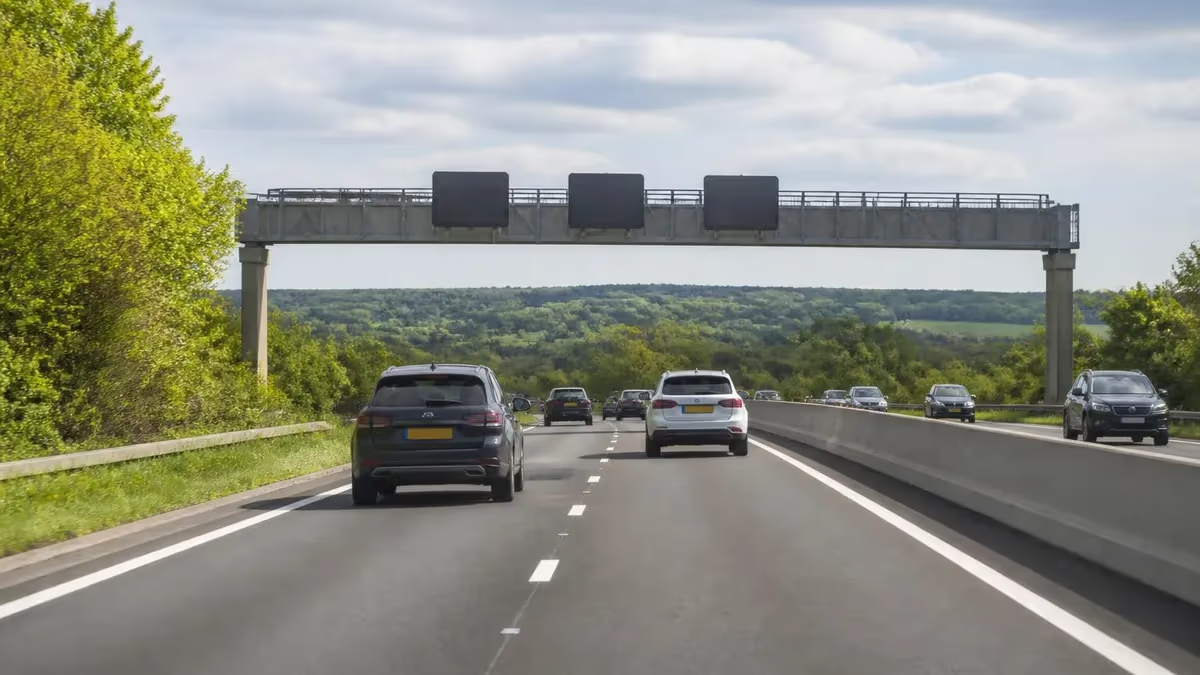
Understanding when can you do your car theory test is the first milestone on your journey to a full UK driving licence. The short answer is that you must be at least 17 years old and hold a valid provisional driving licence before the DVSA will allow you to sit the test — but there are a number of additional eligibility conditions that every learner driver needs to meet before making a booking. Getting these details right from the start saves you money, avoids wasted journeys to a test centre, and keeps your learning timeline on track. Practice with the free DVSA UK Driving Theory practice test on PracticeTestGeeks (7 questions with answer explanations).
The theory test itself consists of two parts: a multiple-choice section covering the Highway Code, road safety rules, and vehicle knowledge, and a hazard perception section that uses video clips to assess how quickly you can identify developing hazards on real roads. Both parts must be passed in the same sitting, and your result certificate remains valid for two years. If you haven't passed your practical driving test within that window, you'll need to retake the theory test before sitting the practical again.
Many learner drivers are surprised to discover that there is no requirement to have taken a set number of driving lessons before booking the theory test. In principle, you could apply for your provisional licence and immediately book the theory test on the same day — there is no minimum lesson threshold imposed by law. However, driving instructors generally recommend familiarising yourself with the Highway Code thoroughly before sitting the test, because the questions draw heavily on real-world scenarios you will encounter behind the wheel.
One important distinction applies to younger applicants. If you are 15 years and 9 months old, you can apply for your provisional car driving licence so that it arrives on or shortly after your 17th birthday. You cannot, however, book the theory test until you actually turn 17. This means forward-planning your application well in advance can eliminate any frustrating delay between your birthday and being ready to learn, helping you move through the licensing process as efficiently as possible.
Special rules apply to certain categories of drivers. If you have a medical condition listed in Group 2 licensing requirements — conditions that affect professional drivers of large vehicles — you may face additional checks before your application is processed. Similarly, drivers who have previously been disqualified must ensure their ban period has fully expired and that any DVLA-imposed conditions have been met before they are once again eligible to hold a provisional licence and take the theory test.
Checking your uk theory test eligibility before you log on to the DVSA booking portal will prevent your application from being rejected and your booking fee from being lost. The DVSA charges £23 for a car theory test as of 2025, and this fee is non-refundable if you miss your appointment or arrive without acceptable ID. Taking five minutes to verify your eligibility, confirm your provisional licence number, and prepare the right identification documents is always time well spent.
Whether you are a school leaver booking your very first test, a mature learner returning to driving after a break, or someone retaking after an earlier failure, the eligibility rules are the same. The UK system is designed to be straightforward: reach the minimum age, hold the correct provisional entitlement, turn up with proof of identity, and you are eligible to sit the test. Everything else — preparation, revision, practice — is in your hands, and the resources on this site are here to support every step of that journey.
Free DVSA UK Driving Theory Study Tools
Interactive DVSA UK Driving Theory resources on PracticeTestGeeks, free to start:
- DVSA UK Driving Theory flashcards — review key terms and concepts card by card
- DVSA UK Driving Theory study guide — topic-by-topic overview of what the exam covers
- DVSA UK Driving Theory cheat sheet — one-page printable summary for last-minute review
UK Theory Test by the Numbers
DVSA: upcoming dates and official changes
- Updated Oct 19, 2026: Eligibility (Car practical driving test) is now Theory pass usually required; 185 days' residency in England, Wales or Scotland (previously Theory pass usually required; 185 days' GB residency).
- Updated Oct 19, 2026: Time limit (Independent driving) is now 20 to 35 minutes (previously 20 to 35 minutes).
- Updated Oct 19, 2026: Eligibility is now Age 17+ (16 with higher-rate PIP mobility); provisional licence required (previously Age 17+ (16 with higher-rate PIP mobility), provisional licence required).
Facts verified Oct 20, 2026 against Driver and Vehicle Standards Agency (DVSA), GOV.UK. Dates that have passed are removed automatically.
- The hazard perception part of the UK driving theory test consists of 14 video clips. (Driver and Vehicle Standards Agency (DVSA), GOV.UK)
- The UK driving theory test multiple-choice part has 50 questions. (Driver and Vehicle Standards Agency (DVSA), GOV.UK)
- The UK car practical driving test involves driving for around 35 minutes. (Driver and Vehicle Standards Agency (DVSA), GOV.UK)
- The independent driving part of the UK car practical test lasts 20 to 35 minutes. (Driver and Vehicle Standards Agency (DVSA), GOV.UK)
- The pass mark for the hazard perception part of the UK driving theory test is 44 out of 75. (Driver and Vehicle Standards Agency (DVSA), GOV.UK)
- The pass mark for the multiple-choice part of the UK driving theory test is 43 out of 50. (Driver and Vehicle Standards Agency (DVSA), GOV.UK)
- The UK car practical driving test costs £62 on weekdays. (Driver and Vehicle Standards Agency (DVSA), GOV.UK)
- The UK car theory test costs £23. (Driver and Vehicle Standards Agency (DVSA), GOV.UK)
- After failing the UK driving theory test you must wait at least 3 working days before taking it again. (Driver and Vehicle Standards Agency (DVSA), GOV.UK)
Facts verified Oct 20, 2026 against Driver and Vehicle Standards Agency (DVSA), GOV.UK. Dates that have passed are removed automatically.
DVSA Exam at a Glance
| Item | Detail | Official source |
|---|---|---|
| Number of questions (Hazard perception) | 14 video clips | Driver and Vehicle Standards Agency (DVSA), GOV.UK |
| Number of questions (Multiple-choice questions) | 50 multiple-choice questions | Driver and Vehicle Standards Agency (DVSA), GOV.UK |
| Time limit (Car practical driving test) | Around 35 minutes of driving | Driver and Vehicle Standards Agency (DVSA), GOV.UK |
| Time limit (Independent driving) | 20 to 35 minutes | Driver and Vehicle Standards Agency (DVSA), GOV.UK |
| Time limit (Multiple-choice questions) | 57 minutes | Driver and Vehicle Standards Agency (DVSA), GOV.UK |
| Passing score (Hazard perception) | 44 out of 75 | Driver and Vehicle Standards Agency (DVSA), GOV.UK |
| Passing score (Multiple-choice questions) | 43 out of 50 | Driver and Vehicle Standards Agency (DVSA), GOV.UK |
| Exam fee (Car practical driving test (weekday)) | £62 on weekdays | Driver and Vehicle Standards Agency (DVSA), GOV.UK |
| Exam fee (Car theory test) | £23 | Driver and Vehicle Standards Agency (DVSA), GOV.UK |
| Retake policy | Wait at least 3 working days | Driver and Vehicle Standards Agency (DVSA), GOV.UK |
| Validity | 2 years | Driver and Vehicle Standards Agency (DVSA), GOV.UK |
| Eligibility | Age 17+ (16 with higher-rate PIP mobility); provisional licence required | Driver and Vehicle Standards Agency (DVSA), GOV.UK |
| Eligibility (Car practical driving test) | Theory pass usually required; 185 days' residency in England, Wales or Scotland | Driver and Vehicle Standards Agency (DVSA), GOV.UK |
| Score release | At the test centre, same day | Driver and Vehicle Standards Agency (DVSA), GOV.UK |
| Registration opens | Online booking 6am–11:40pm | Driver and Vehicle Standards Agency (DVSA), GOV.UK |
| Testing window (Car practical driving test) | Released 24 weeks ahead, 6am every Monday | Driver and Vehicle Standards Agency (DVSA), GOV.UK |
Facts verified Oct 20, 2026 against Driver and Vehicle Standards Agency (DVSA), GOV.UK. Dates that have passed are removed automatically.
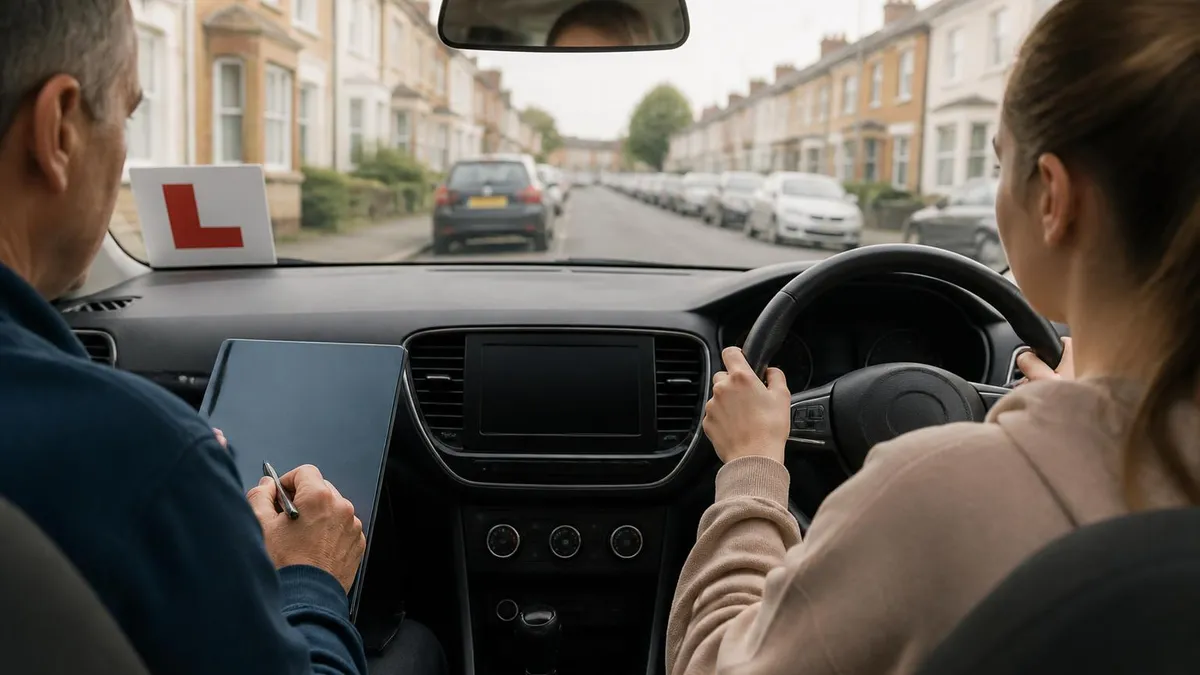
Age & Provisional Licence Requirements
Apply for Your Provisional Licence (Age 15 years 9 months+)
Receive Your Provisional Licence (Aged 17+)
Begin Your Theory Test Revision
Book Your Theory Test via DVSA Portal
Attend and Pass Both Sections
Proceed to Book Your Practical Test
Meeting the basic age threshold is only one part of what makes a candidate eligible for the UK car theory test. The DVSA has a clear set of requirements that go beyond simply being 17, and understanding each of them in detail will help you avoid common administrative pitfalls. The most important document you need is a valid provisional driving licence issued by the DVLA. Without it, you will not be able to book a test appointment, and if you arrive at the test centre without it, you will be turned away and forfeit your £23 booking fee.
Your provisional licence must include a category B entitlement, which covers standard cars and light vehicles up to 3,500 kg. When you apply for your provisional licence, this entitlement is automatically added for UK residents who are 17 or older. If you are applying for a provisional licence to drive a motorcycle, moped, or large goods vehicle, different minimum ages apply and you would sit a different theory test — this guide focuses exclusively on the car (category B) test, which is by far the most commonly taken qualification in the UK.
Overseas licence holders present a slightly different situation. If you are a visitor to the UK with a licence from a country outside the European Economic Area (EEA), you may drive on that licence for up to 12 months. After that period, if you wish to continue driving legally, you must apply for a UK provisional licence and pass both the theory and practical driving tests.
EU and EEA licence holders who became UK residents before the end of the Brexit transition period may have their licences recognised under different rules — always check with the DVLA directly for the most current guidance.
Identity verification is a critical step in the booking process. The DVSA requires all candidates to present their valid UK photocard provisional driving licence as the primary form of identification at the test centre. Unlike many other examinations, the DVSA does not accept passports, birth certificates, or any other ID as a substitute for the photocard licence. If your licence has been sent away to the DVLA for a medical review or an address change, you will need to wait until it is returned before booking your test.
Special circumstances can affect eligibility in ways that many learners do not anticipate. If you have been convicted of a driving offence and disqualified from driving, your provisional licence entitlement is suspended for the duration of the ban. You will not be eligible to sit the theory test until the disqualification period has ended and the DVLA has restored your entitlement. Similarly, certain medical conditions — particularly those affecting vision, epilepsy, or cognitive function — must be declared to the DVLA, and your licence may be withheld or restricted pending a medical assessment.
It is also worth knowing that there is no cap on how many times you can take the theory test. If you fail, you can rebook immediately — you do not need to wait beyond the standard three working days cooling-off period. Each retake costs £23 and requires the same ID. Many candidates who fail the first time discover that targeted revision of specific weak areas, combined with regular practice tests, leads to a pass on the second or third attempt. Tracking which topic areas you consistently score low in is essential for efficient retake preparation.
For young people approaching their 17th birthday and eager to start driving, the best strategy is to apply for the provisional licence at the earliest opportunity — three months before turning 17 — so it arrives on or near your birthday. Then begin systematic revision of the Highway Code, road signs, and vehicle safety topics straight away. By the time your licence arrives, you could already be ready to book the test and sit it within days of becoming eligible, giving you the maximum possible time to then pass the practical test and earn your full licence.
DVSA Practice Test Questions
Prepare for the DVSA - UK Driving Theory Test exam with our free practice test modules. Each quiz covers key topics to help you pass on your first try.
DVSA Eco-Friendly Driving and Vehicle Loading
DVSA Exam Questions covering Eco-Friendly Driving and Vehicle Loading. Master DVSA Test concepts for certification prep.
DVSA Hazard Awareness
Free DVSA Practice Test featuring Hazard Awareness. Improve your DVSA Exam score with mock test prep.
DVSA Incidents, Accidents and First Aid
DVSA Mock Exam on Incidents, Accidents and First Aid. DVSA Study Guide questions to pass on your first try.
DVSA Motorway Rules and Smart Motorways
DVSA Test Prep for Motorway Rules and Smart Motorways. Practice DVSA Quiz questions and boost your score.
DVSA Rules of the Road (Highway Code)
DVSA Questions and Answers on Rules of the Road (Highway Code). Free DVSA practice for exam readiness.
DVSA - UK Driving Theory Hazard Awareness ...
DVSA Mock Test covering - UK Driving Theory Hazard Awareness and Perception. Online DVSA Test practice with instant feedback.
DVSA - UK Driving Theory Motorway Rules an...
Free DVSA Quiz on - UK Driving Theory Motorway Rules and Regulations. DVSA Exam prep questions with detailed explanations.
DVSA - UK Driving Theory Road and Traffic ...
DVSA Practice Questions for - UK Driving Theory Road and Traffic Signs. Build confidence for your DVSA certification exam.
DVSA - UK Driving Theory Rules of the Road
DVSA Test Online for - UK Driving Theory Rules of the Road. Free practice with instant results and feedback.
UK Theory Test Format: What Every Learner Must Know
The multiple-choice section of the UK theory test contains 50 questions drawn from a bank of around 700 official DVSA questions. Candidates have 57 minutes to complete all 50 questions, and the pass mark is 43 out of 50 — that means you can afford to get no more than 7 questions wrong. Questions cover topics including road signs, traffic laws, vehicle safety, motorway rules, environmental responsibility, and first aid after accidents. Some questions include photographs or diagrams to test visual recognition of real driving situations.
Each question presents a scenario with either four possible answers (select one correct answer) or a case study with multiple related questions. The case study questions — usually five questions based on a single driving scenario — were introduced to test whether candidates can apply knowledge contextually rather than simply memorise isolated facts. The computer-based format allows you to flag questions you are unsure about and return to them before submitting. You receive your result immediately after the test and are told your score for this section.
Taking Your Theory Test Early vs Waiting Until Fully Ready
- +Passing early maximises your two-year window to complete the practical test
- +Theory knowledge is fresh immediately after focused revision — delay allows it to fade
- +Booking early locks in convenient test centre slots before they fill up
- +An early pass gives psychological momentum and motivation to continue lessons
- +No minimum lesson requirement means you are free to book whenever you feel prepared
- +Passing before turning 18 can reduce the wait time for a full licence significantly
- −Sitting before you are ready risks wasting the £23 non-refundable booking fee
- −A fail requires a minimum three-day wait before rebooking, delaying your progress
- −Poor preparation increases anxiety on test day, reducing performance under pressure
- −Scoring just below the pass mark in hazard perception is a common reason for failure
- −Cramming without understanding the material means you may struggle to apply it in lessons
- −Each retake is another £23 charge — insufficient preparation makes this an expensive cycle
What to Bring and Do Before Your Theory Test Day
- ✓Bring your valid UK photocard provisional driving licence — no other ID is accepted by the DVSA.
- ✓Check your appointment confirmation email the evening before for your test centre address and arrival time.
- ✓Arrive at the test centre at least 15 minutes before your scheduled appointment time.
- ✓Do not bring your mobile phone into the testing room — phones must be switched off and stored securely.
- ✓Eat a proper meal beforehand so hunger does not distract you during a 57-minute test.
- ✓Get a full night's sleep the night before — fatigue significantly reduces hazard perception reaction speed.
- ✓Review your weakest topic areas using practice questions the evening before, but avoid overloading yourself.
- ✓Confirm the exact test centre address in advance — some towns have multiple centres and confusion is common.
- ✓Wear comfortable clothing, as the testing room temperature can vary and discomfort affects concentration.
- ✓After passing, photograph your pass certificate and email it to yourself as a backup record of your certificate number.
Pass Certificate Validity — Don't Let the Clock Run Out
Your theory test pass certificate is valid for exactly two years from the date you sat and passed the test — not from the date you book the practical. If you delay your driving lessons after passing the theory test, you could find yourself needing to resit the theory before your practical is complete. Book your first practical test appointment as soon as you and your instructor agree you are ready, and aim to complete the practical well within the two-year window.
Preparing effectively for the UK car theory test requires more than simply reading the Highway Code once and hoping for the best. The most successful candidates treat their theory revision like a structured learning programme, setting aside dedicated time each day or week, using a variety of study materials, and regularly testing their knowledge under timed conditions. Research consistently shows that active recall — testing yourself with practice questions rather than passively re-reading notes — is far more effective at embedding knowledge in long-term memory.
The official DVSA revision materials are the gold standard starting point. The DVSA publishes the complete question bank used in the actual test, and buying the official revision book or using the official app gives you access to every question you might face. While unofficial apps and websites vary in quality, those that draw directly from the official DVSA question bank are reliable.
Be cautious of resources that contain outdated questions, as the Highway Code was significantly updated in January 2022 with new rules on pedestrian priority and cycling infrastructure, and any resource not updated since then may contain incorrect answers.
Hazard perception is a section many candidates underestimate because it seems simple — you just click when you see something dangerous, right? In practice, the skill requires you to understand the difference between a static hazard (a parked car, a junction) and a developing hazard (a child stepping off the pavement, a car pulling out of a side road). Only developing hazards that require you to take action as a driver score points. Watching official practice clips repeatedly and paying attention to what the clips reward versus what scores zero will develop an intuitive sense for the timing required.
Building a revision schedule over four to six weeks is a realistic target for most candidates. In the first two weeks, work systematically through the major topic areas: road signs and markings, rules of the road, safety margins and stopping distances, motorway rules, vehicle safety checks, and environmental driving. In weeks three and four, shift your focus to timed mock tests, aiming to complete a full 50-question set under the same 57-minute constraint you will face on the day. Track your scores by topic and give extra attention to areas where you score below 80 per cent consistently.
The hazard perception section deserves its own dedicated practice sessions. Many revision platforms offer practice clips that simulate the real test environment, and working through at least 20 to 30 clips before sitting the actual test significantly improves your reaction speed and pattern recognition. Pay particular attention to clips involving residential streets, pedestrian crossings, roundabouts, and bends — these are the scenarios most commonly used in the official test bank. Remember that clicking too early or in a repeating pattern scores zero for that clip, so measured observation is more important than rapid clicking.
On the day of your test, managing your mental state is as important as your knowledge preparation. Test centre staff are trained to explain the format clearly, and you will have access to a brief tutorial on the computer system before the questions begin.
If you encounter a question you are uncertain about, use the flag feature to mark it and move on — you can return to flagged questions before submitting. Avoid spending more than 90 seconds on any single question in the multiple-choice section, as this risks running short of time toward the end. A calm, methodical approach will always serve you better than rushing.
Practice tests available on platforms like this one replicate the style, difficulty level, and timing of the real DVSA assessment. Working through questions on eco-friendly driving, hazard awareness, incidents and first aid, and vehicle safety will build a comprehensive knowledge base across all the topic areas tested. The more varied your practice material, the better prepared you will be for the range of questions the real test can present. Aim to complete at least five full mock tests under realistic conditions before you walk into the test centre for the real thing.
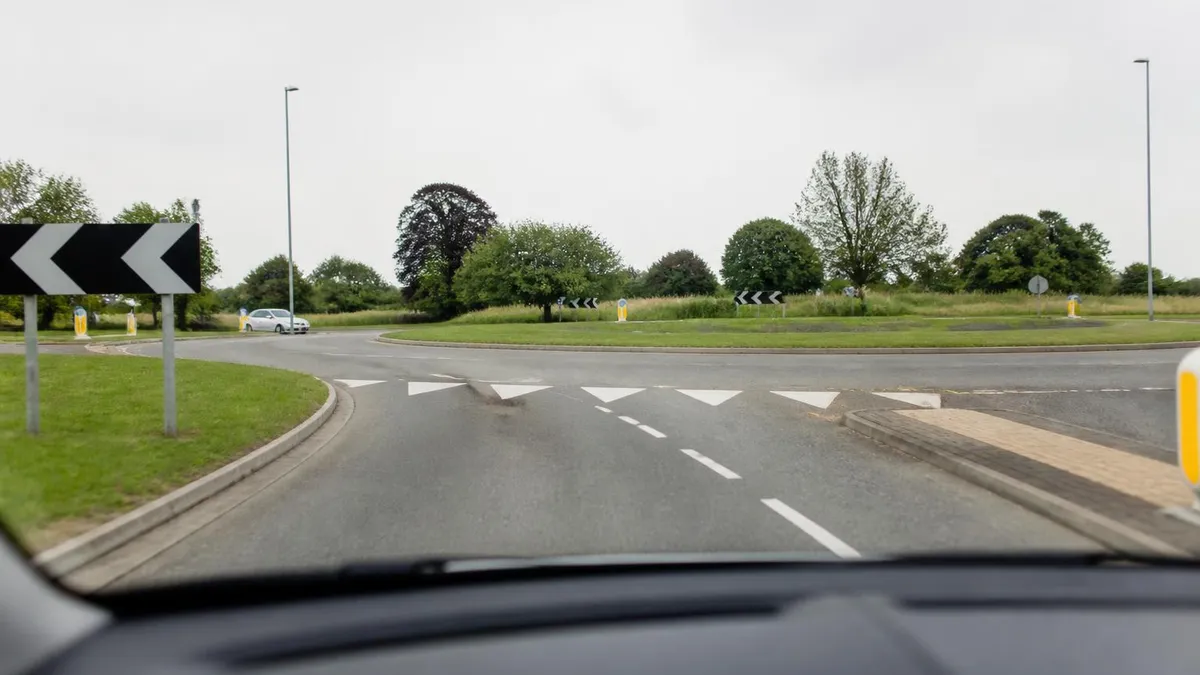
If your provisional driving licence has expired, been sent to the DVLA for a medical assessment, or is subject to a disqualification order, you will not be permitted to sit the theory test even if you have a confirmed booking. The DVSA checks licence validity at the test centre, and there are no exceptions. Resolve any DVLA issues — including address updates that require sending in your photocard — before booking your appointment to avoid losing your £23 fee.
Retaking the theory test after a failed attempt is a common part of many drivers' journeys, and it should not be viewed as a setback but as a valuable learning opportunity. The DVSA provides a score breakdown for both the multiple-choice and hazard perception sections, giving you a clear picture of exactly where your knowledge gaps lie. Many candidates who fail do so by a very narrow margin — sometimes just one or two questions below the pass mark — and targeted revision of weak areas can make a decisive difference on the next attempt.
The three-day minimum waiting period between retakes exists to ensure candidates have adequate time to reflect on their performance and undertake further study before attempting again. In practice, most candidates benefit from waiting at least one to two weeks, giving them enough time to work through additional practice material systematically. Booking the retake too quickly — for example, sitting again within three or four days — often results in a repeat of the same mistakes, because the underlying knowledge gaps have not been addressed in such a short time.
Certificate expiry is a less commonly discussed but critically important aspect of theory test eligibility. If your pass certificate reaches its two-year expiry date and you have not yet passed your practical driving test, you enter a situation where you are technically eligible to drive on a provisional licence but cannot book a practical test until you hold a valid theory pass certificate.
You must resit and pass the full theory test — both sections — before you can book the practical. This situation catches some learners off guard, particularly those who took lessons sporadically or who experienced long gaps in their training due to illness, financial constraints, or personal circumstances.
Young people who turned 17, passed their theory test quickly, and then deferred their practical lessons for any reason are particularly vulnerable to certificate expiry. If you passed your theory test at 17 and have not passed your practical by the time you are 19, your certificate will have expired.
The solution is straightforward — resit the theory test — but it does mean additional cost and preparation time. The best way to avoid this scenario is to maintain consistent driving lesson progression once you hold a valid theory pass certificate, aiming to sit the practical within 12 to 18 months of passing the theory.
For candidates who have failed the hazard perception section specifically, the most effective remediation strategy is dedicated clip-based practice rather than general revision. Hazard perception is a perceptual skill as much as a knowledge-based one, and it improves most rapidly through repetition and feedback. Focus on understanding why each developing hazard qualifies as a scoring hazard — what action would you take as a driver, and at precisely what moment does the situation cross from potential to actual hazard? Articulating this reasoning to yourself while watching practice clips accelerates skill development significantly.
Drivers who have previously held a full UK licence but have had it revoked — for example, due to accumulating 12 or more penalty points, or following a serious driving offence — must usually start the process again from scratch. This means applying for a new provisional licence, passing both the theory and practical driving tests, and potentially undergoing an extended driving test rather than the standard practical.
The eligibility rules for revoked licence holders are specific to each case, and the DVLA will communicate the exact requirements directly. If you are in this situation, seeking advice from a qualified driving instructor before booking tests is strongly recommended.
For any learner driver at any stage of the process, staying well-informed is the single most important preparation step. The GOV.UK website is the authoritative source for current eligibility requirements, test fees, booking procedures, and any rule changes. The Highway Code — particularly the 2022 updated edition — is the primary knowledge document for the multiple-choice section. And platforms offering structured practice questions, such as the resources here at PracticeTestGeeks, provide the active recall practice that turns theoretical knowledge into reliable exam performance. Start your preparation early, stay consistent, and the theory test is very achievable on your first attempt.
You can continue preparing with the dvsa change driving test, which includes answer explanations for every question.
You can continue preparing with the theory mock test, which includes answer explanations for every question.
Building strong practical study habits in the weeks leading up to your theory test can make the difference between a pass and a near miss. The most effective candidates combine three types of activity: systematic reading of the Highway Code to build foundational knowledge, topic-by-topic practice questions to reinforce and test that knowledge, and full timed mock tests to simulate the pressure of the real exam environment. None of these approaches works as well in isolation as they do together, and spreading them across a structured revision schedule produces the best outcomes.
One technique that significantly improves multiple-choice performance is creating a personal error log. Each time you get a practice question wrong, write down the question topic, the correct answer, and — most importantly — the rule or principle that explains why it is correct. Reviewing this log regularly keeps your weak spots in focus and prevents you from repeatedly making the same mistakes. Over a four-week revision period, most candidates can reduce their error rate on familiar topics to near zero by maintaining this kind of targeted feedback loop.
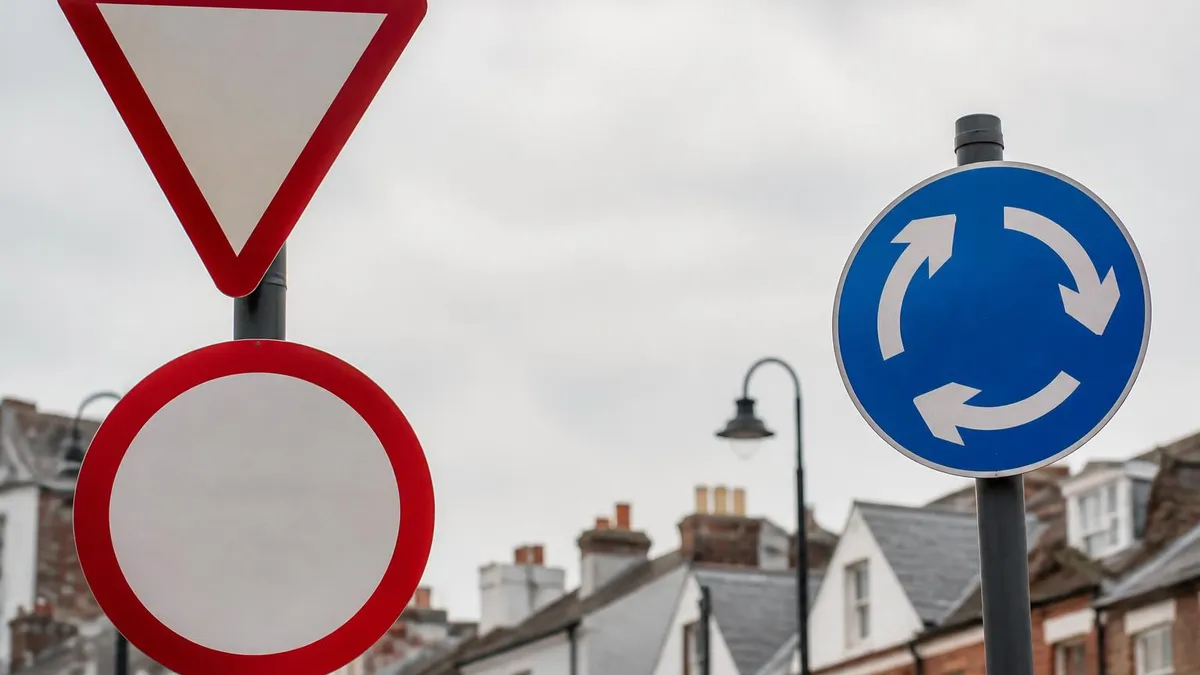
Road signs deserve particular attention in your revision plan. The theory test includes a substantial number of questions that require you to identify signs by their shape, colour, and symbol, and to explain what action is required in response. The UK uses a logical system: triangular signs warn of hazards, circular signs give orders (blue for mandatory, red-bordered for prohibitions), and rectangular signs provide information. Spending focused time on sign recognition — using flashcard apps or the official DVSA sign guide — pays dividends not just in the test but throughout your driving career.
Stopping distances are another topic area that frequently catches candidates out. The Highway Code provides specific thinking distances and braking distances at standard speeds from 20 mph to 70 mph, and the theory test expects you to recall these figures accurately.
A reliable memorisation technique is to learn the combined stopping distance in car lengths: at 30 mph it is 23 metres (6 car lengths), at 50 mph it is 53 metres (13 car lengths), and at 70 mph it is 96 metres (24 car lengths). Associating numbers with memorable visual anchors helps commit them to long-term memory far more effectively than simple repetition.
Vehicle safety questions — covering topics such as tyre tread depth, brake fluid levels, engine coolant, and windscreen wiper condition — are a reliable source of marks for well-prepared candidates. These questions require knowledge of specific legal minimums (for example, the minimum tyre tread depth of 1.6 mm across the central three-quarters of the tyre, around the full circumference) and practical understanding of how to carry out routine vehicle checks.
If you are already taking driving lessons, ask your instructor to walk you through the standard 'show me, tell me' vehicle safety checks that also form part of the practical test — this knowledge serves both examinations.
In the final 48 hours before your test, shift your strategy toward consolidation rather than introducing new material. A final run through your error log, one or two timed mock tests to maintain your rhythm, and a review of the most recent Highway Code updates should be sufficient. Trying to cram large amounts of new content in the last day or two typically increases anxiety without proportionally improving performance, and it risks confusing recently absorbed material with well-established knowledge. Trust the preparation you have done and approach the test centre with confidence.
After passing, the journey is far from over — but the theory certificate gives you the green light to progress. Begin your practical driving lessons with renewed focus, knowing that the knowledge you have gained from theory revision will make you a more aware, safer learner driver in real traffic. The combination of strong theoretical knowledge and practical behind-the-wheel experience is exactly what the UK licensing system is designed to produce: competent, confident drivers who understand the rules of the road and can apply them instinctively in every situation they encounter.
Sample DVSA UK Driving Theory Practice Questions
Try these questions from our free DVSA UK Driving Theory practice tests. The correct answer and an explanation follow each question.
When overtaking a cyclist on a road with a 30 mph speed limit, what is the minimum distance you should leave?
- A. The width of your car door
- B. 1.0 metre (approx 3 feet)
- C. 1.5 metres (approx 5 feet)
- D. As much room as you would give a motorcycle
Answer: C. 1.5 metres (approx 5 feet)
The Highway Code (Rule 163) was updated to state that drivers should leave at least 1.5 metres of space when overtaking cyclists at speeds up to 30 mph, and more space at higher speeds. This is to ensure the safety of the cyclist, who may need to swerve to avoid potholes or other hazards.
When may you use your vehicle's horn in a built-up area at night?
- A. Between 11:30 pm and 7:00 am only in an emergency
- B. Never between 11:30 pm and 7:00 am unless a moving vehicle poses a danger
- C. At any time if you feel it is necessary
- D. Only between 6:00 pm and 8:00 am
Answer: B. Never between 11:30 pm and 7:00 am unless a moving vehicle poses a danger
In a built-up area, you must not sound your horn between 11:30 pm and 7:00 am unless another road user poses a danger. The horn should never be used aggressively or as a rebuke.
When must you use your dipped headlights during the day?
- A. Whenever it is raining, regardless of intensity.
- B. When driving through a tunnel with good lighting.
- C. In dull weather or when visibility is seriously reduced.
- D. Only between sunset and sunrise.
Answer: C. In dull weather or when visibility is seriously reduced.
The Highway Code mandates using headlights when visibility is 'seriously reduced,' which is generally defined as being unable to see for more than 100 metres (328 feet). This includes conditions like heavy rain, fog, or dull weather during the daytime.
You have just bought a brand-new car. When will it need its first MOT test?
- A. On the first anniversary of its registration.
- B. After it has been driven 12,000 miles.
- C. On the third anniversary of its registration.
- D. When the manufacturer's warranty expires.
Answer: C. On the third anniversary of its registration.
A new car in the UK does not require an MOT test until the third anniversary of its first registration date. After this, it must be tested annually.
DVSA Questions and Answers
DVLA Theory Test Booking: Complete Step-by-Step Guide for UK Learners
Driving Theory Test App: The Complete Study Guide for UK Learners

How to Book Your DVSA Practical Driving Test: Complete UK Guide

Learn to Drive in the UK: Complete Beginner's Guide to Getting Your Licence

DVSA Car Practical Test: Complete Guide to Passing First Time
How this page was made: written with AI tools and published by Nathan Beja, founder of Practice Test Geeks, who is responsible for its content. Exam facts are checked against the official sources listed below. Not reviewed by a subject-matter expert. Editorial policy
Sources & references
Exam facts on this page (fees, format, dates, passing scores) are checked against these official sources; the date is our last check. Editorial policy
- gov.uk — Eligibility, registration, test dates, passing score, retake policy, score release, score validity, time limit, exam format · verified Oct 2026