
UK Theory Test Cost: Official Fees, Hidden Charges, and Budget Tips 2026
💡 UK theory test cost guide: official DVSA fees by licence type, third-party booking site scams, refund rules, retake costs, and full driving licence budget.
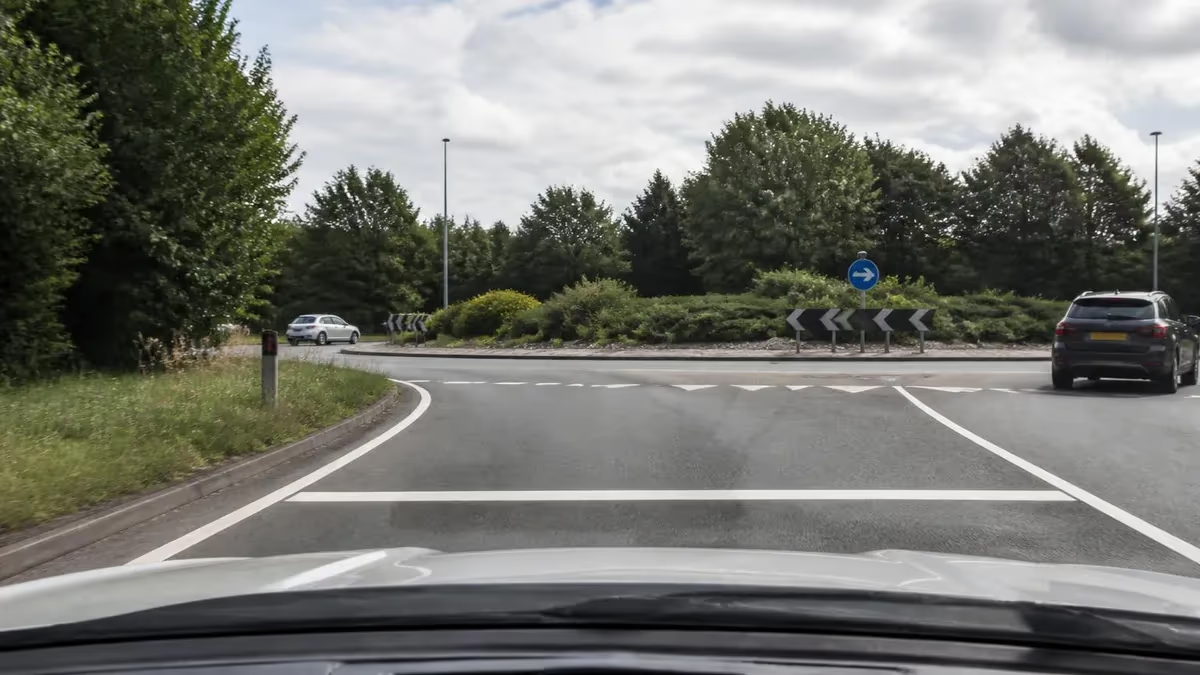
UK Theory Test Cost: What You'll Actually Pay
The UK theory test cost set by the Driver and Vehicle Standards Agency (DVSA) is £23 for car and motorcycle theory tests, £26 for lorry and bus theory tests, and £81 for the ADI (driving instructor) Part 1 theory test. These fees have remained unchanged for car and motorcycle tests since 2008 — a rare example of UK government pricing stability over a 16+ year period. Practice with the free DVSA UK Driving Theory practice test on PracticeTestGeeks (7 questions with answer explanations).
The fee covers both Part 1 (multiple-choice) and Part 2 (hazard perception) of the test in a single sitting; no separate fees for the two parts. Booking is through gov.uk/book-theory-test only — the official DVSA portal. Beware of third-party booking sites that charge £40-£90 by adding service fees on top of the official DVSA charge.
Different licence categories have different theory test fees. Car (Category B) theory: £23. Motorcycle (Categories AM, A1, A2, A) theory: £23. Lorry (Categories C, C+E, C1, C1+E) theory: £26. Bus/PCV (Categories D, D+E, D1, D1+E) theory: £26. ADI Part 1 (driving instructor qualifying theory test): £81. Taxi or private hire driver theory tests run £23 in most local authorities. The fee differences reflect the broader scope of commercial vehicle theory tests compared to standard car or motorcycle tests. Specialist tests like ADI cost substantially more because of the depth and breadth of content covered.
Beyond the test fee itself, your total cost for getting licensed includes practical test fees (£62 for car weekday, £75 evenings and weekends, £115 for lorry or bus practical), motorcycle CBT (£100-£150), motorcycle Mod 1 (£15.50) and Mod 2 (£75), ADI Part 2 (£111) and Part 3 (£111), and provisional driving licence fee (£34 online, £43 by post).
Study materials (Highway Code free online or £4.99 paperback, DVSA Official Theory Test app £4.99) add a small amount. Driving lessons typically £25-£40 per hour with most learners needing 40-50 hours of instruction add the largest single cost. The realistic total cost for a new car driver from start to fully licensed runs £1,500-£2,500 depending on lesson hours required and whether you pass tests on first attempts.
The fee stability over 16+ years is unusual in UK government pricing. Most government fees have increased substantially since 2008 to reflect inflation. The theory test fee freeze means real-terms reduction in cost — £23 in 2024 buys less than £23 in 2008 because of inflation. Whether the freeze continues or fees rise in coming years remains uncertain; DVSA periodically reviews fee structures. Current candidates benefit from prices stable since their parents' or older siblings' generation took the test.
You can continue preparing with the free hazard perception test, which includes answer explanations for every question.
You can continue preparing with the theory mock test, which includes answer explanations for every question.
You can continue preparing with the dvsa driving test, which includes answer explanations for every question.
Free DVSA UK Driving Theory Study Tools
Interactive DVSA UK Driving Theory resources on PracticeTestGeeks, free to start:
- DVSA UK Driving Theory flashcards — review key terms and concepts card by card
- DVSA UK Driving Theory study guide — topic-by-topic overview of what the exam covers
- DVSA UK Driving Theory cheat sheet — one-page printable summary for last-minute review
DVSA Theory Test Fees Quick Reference
Car theory: £23. Motorcycle theory: £23. Lorry/HGV theory: £26. Bus/PCV theory: £26. ADI Part 1 (instructor): £81. Taxi/private hire theory: £23 typical. Booking: gov.uk/book-theory-test ONLY. Beware: Third-party sites charge £40-£90 by adding service fees. Payment: Credit or debit card; no cash or cheque. Refund rules: Full refund if cancelled 3+ working days before; no refund within 3 working days. Retake: Full £23 again — no discount.
Theory Test Fees by Licence Category
Car theory test (Category B) is the most common and costs £23. The fee applies regardless of which test centre you choose, whether you book a weekday or weekend slot, and regardless of your age. The fee has been £23 since 2008 — uniquely stable in UK government pricing. The fee covers a 57-minute multiple-choice section followed by a hazard perception section, with results provided immediately after completion. Passing produces a theory test pass certificate valid for 2 years during which you must pass the practical car test.
Motorcycle theory test (Categories AM, A1, A2, A) also costs £23. Despite covering motorcycle-specific content rather than car content, the fee is identical to the car test. The same Pearson VUE test centres deliver both car and motorcycle theory tests. Booking the motorcycle theory test specifically (not the car theory test) matters because the question banks differ. Motorcycle theory questions test motorcycle-specific scenarios (visibility, balance, motorcycle safety gear, pillion passengers) that car theory does not cover.
Commercial vehicle theory tests cost £26 — slightly higher than car or motorcycle. Lorry theory (Categories C, C+E, C1, C1+E) for HGV drivers and bus theory (Categories D, D+E, D1, D1+E) for PCV drivers cover broader and more specialised content. The £3 fee difference reflects this expanded scope. ADI Part 1 theory test (for those qualifying as Approved Driving Instructors) costs £81 — the highest theory test fee, reflecting the depth of content covered for professional instruction qualification.
The fee uniformity across regions and centres simplifies booking. Whether you book a test in central London or rural Cumbria, the fee is identical. Test centres earn revenue through DVSA contracts rather than per-test fees from candidates. This contrasts with some other countries where test centre operators charge variable fees on top of government licensing fees. The UK uniformity prevents confusion and ensures cost equity regardless of geographic location.

UK Theory Test Fees by Licence Type (2024)
Standard car theory test. 50 multiple-choice questions plus hazard perception. £23 fee unchanged since 2008. Most-taken UK theory test. Book at gov.uk/book-theory-test. Pass certificate valid 2 years. Required before practical car test. Pass rate around 50-55% first attempt.
Motorcycle theory test covering motorcycle-specific scenarios. 50 questions plus hazard perception. £23 fee identical to car theory. Different question bank from car theory — covers motorcycle handling, visibility, safety gear. Pass certificate valid 2 years. Required before motorcycle CBT and practical motorcycle test sequence.
Lorry theory test for HGV drivers. 100 questions multiple choice plus separate hazard perception. £26 fee. Combined fee covers theory and hazard perception together. Required before HGV practical test. Pass rate slightly lower than car theory because of broader content scope. Commercial drivers must complete additional Driver CPC modules beyond licence theory.
Bus theory test for PCV (passenger carrying vehicle) drivers. 100 questions plus hazard perception. £26 fee. Required before PCV practical test. Bus drivers must also complete Driver CPC (Certificate of Professional Competence) modules. Total cost path to PCV licensure substantially higher than car licensing because of CPC requirements.
Approved Driving Instructor qualifying theory test. 100 multiple-choice questions plus hazard perception. £81 fee — substantially higher than car theory because of depth and breadth of content for professional qualification. Required before ADI Part 2 (practical driving) and ADI Part 3 (instructional ability) tests. Total ADI qualification cost runs hundreds of pounds across the three parts plus training.
Local authority taxi and private hire driver theory tests typically £23 in most councils. Variations exist across councils — some charge different fees, some include additional knowledge tests on local geography. Not centrally administered by DVSA but follows similar fee structure. Confirm specific local authority fees before booking. Taxi knowledge tests sometimes require additional separate fees beyond the basic theory test fee.
The Third-Party Booking Site Problem
Searching "book theory test" in Google returns paid advertising results from third-party booking websites in addition to the official DVSA portal. These third-party sites are not authorised by DVSA but rank highly because of marketing spending. They charge £40-£90 for bookings the candidate could have made directly at gov.uk for £23. The third party books the same test at the same centre — there is no actual service beyond the booking itself — but charges substantially more by adding their service fees. The candidate ends up paying double or triple the actual DVSA fee for the same test.
UK Trading Standards has issued specific warnings about these third-party sites and their misleading practices. Some sites use names like "UK Theory Test Services" or "Driving Theory Direct" that sound official without claiming DVSA affiliation. Their URLs are usually .co.uk or .com domains rather than the official .gov.uk. The visual design sometimes mimics government branding to appear official to casual visitors. Recognising these warning signs prevents overpayment. Always book through gov.uk/book-theory-test specifically — verify the URL shows the .gov.uk domain before paying.
The overcharge problem is substantial enough that the UK government has run public awareness campaigns. The Driver and Vehicle Standards Agency publishes warnings on its website about booking only through gov.uk. Citizens Advice and Trading Standards offices receive complaints about specific third-party sites regularly. The advice is consistent — book only through gov.uk/book-theory-test. Verify the URL before paying. If you discover you booked through a third-party site, you can sometimes get refunds through your credit card company under chargeback rules for misleading practices, but the easier path is avoiding these sites entirely.
The persistence of third-party booking sites despite government warnings reflects the financial incentive. Adding £20-£70 per booking produces substantial revenue at scale; the marketing investment to outrank DVSA's official site in Google searches pays back through volume. Some third-party sites have been operating for years despite ongoing complaints and warnings. The advice for candidates is consistent — verify .gov.uk URL before paying. Bookmarking gov.uk/book-theory-test prevents accidentally landing on third-party sites through search results.
Full Driving Licence Journey Costs (Car Driver)
Provisional driving licence required before any theory test booking. Apply at gov.uk/apply-first-provisional-driving-licence. Cost: £34 online or £43 by post. Valid for 10 years. Required at age 17 for car (16 for moped, 24 for some motorcycle categories). The first cost in the driving licence journey — required before all other costs and tests.
Refund and Cancellation Rules
DVSA theory test bookings can be cancelled or rescheduled through gov.uk/check-theory-test-appointment. Cancellations made 3 or more working days before the scheduled test receive a full £23 refund to the original payment card. Cancellations within 3 working days receive no refund — the £23 is forfeited. This rule applies regardless of reason (illness, work conflict, transport issue, change of plan). Building the 3-working-day buffer into your planning prevents lost fees when unexpected circumstances arise.
Rescheduling (changing the date or time of an existing booking) is also subject to the 3-working-day rule. Reschedule 3+ working days before the original date for free; reschedule within 3 working days and the fee is forfeited as if cancelled. If you must change a booking within the 3-day window, you keep the original test fee at no use and must pay another £23 to book a new test — effectively £46 for the rescheduled attempt. Avoiding last-minute changes saves money.
Exceptional circumstances sometimes produce refunds outside the standard rules. Documented medical emergencies, bereavement, or other significant circumstances can sometimes be appealed for refund or rescheduling without penalty. The appeal process happens through DVSA customer service; documentation requirements are strict. Most appeals are not successful unless the circumstances were genuinely beyond control and documented adequately. Standard "I couldn't make it" reasons do not qualify for exception treatment.
Test centre power outages, illness of testing staff, severe weather closing centres, and other DVSA-side cancellations produce automatic refunds or free rescheduling regardless of timing. The candidate does not pay penalty for DVSA-caused cancellations. The 3-working-day rule applies only to candidate-initiated cancellations. Communication during DVSA-caused cancellations happens through email and SMS to the booking contact details; checking these channels matters when test centre conditions might affect your booking.
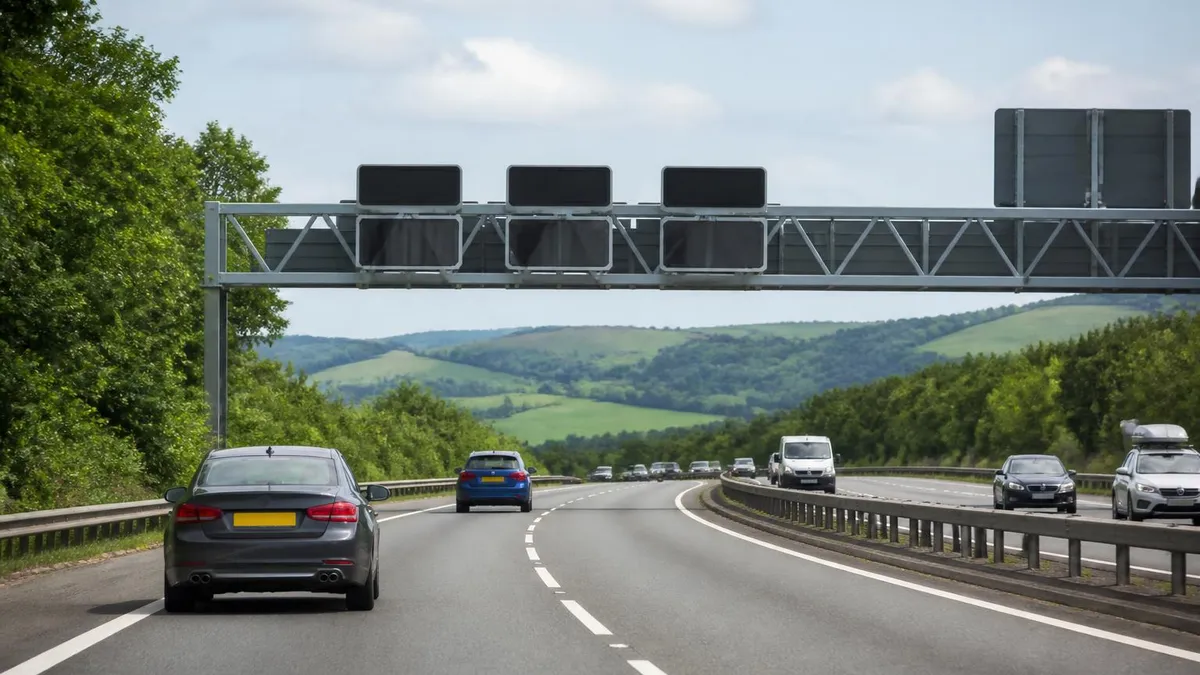
The DVSA theory test fee applies equally to all candidates regardless of income, disability, age, or benefits status. There is no concession for Universal Credit, Jobseeker's Allowance, Personal Independence Payment, or other UK benefits. There is no discount for failed-attempt retakes — each retake costs the full £23 again. Several charities and local authority programs occasionally offer fee assistance for specific groups (homeless adults learning to drive for employment, ex-offenders rehabilitating, specific disability groups) but these are exceptional programs not part of standard DVSA pricing. Plan to pay the full fee for each attempt. Multiple failed attempts can produce cumulative costs of £100+ on theory tests alone — focused preparation that passes on first or second attempt is the most cost-effective strategy.
Hidden Costs That Add to the Total
Study materials add modest but real costs. The Highway Code is free online at gov.uk/highway-code; the paperback edition costs £4.99 from most bookshops. The DVSA Official Theory Test Kit app (which includes practice questions matching the actual test) costs £4.99 on smartphone app stores. Some candidates buy additional study guides (Driving Test Success app, Theory Test Pro premium subscription, third-party study books) ranging £5-£30. Total study materials budget typically £10-£40 depending on how much paid material is used alongside free resources.
Test centre travel adds variable costs depending on location. Candidates in rural areas may travel 30-60+ minutes to reach the nearest test centre, adding fuel costs, public transport fares, or parking fees. Some candidates take time off work to attend tests (lost wages add another cost not usually counted). Test centres are typically scheduled at fixed times during weekday business hours, with some weekend slots available, so timing matters for working candidates. Building total cost including travel and lost work time produces more accurate budgeting than fee-only accounting.
The 2-year validity of the theory test pass certificate sometimes produces hidden cost. Candidates who pass theory but cannot take their practical test within 2 years (delays from instructor availability, financial constraints, life circumstances) must retake the theory test before being eligible for practical. The theory test cost is essentially paid twice in this scenario. Planning the practical test timeline to start within 12-18 months of theory pass prevents this expensive scenario.
Budget Checklist: Full Cost of Getting Licensed
- ✓Provisional licence: £34 online / £43 by post
- ✓Theory test: £23 base fee × likely 1-2 attempts = £23-£46
- ✓Highway Code (book) or app: £4.99 (or free online)
- ✓Driving lessons: £25-£40/hour × 40-50 hours = £1,000-£2,000
- ✓Practical test: £62 weekday / £75 weekend × likely 1-2 attempts = £62-£150
- ✓Instructor's car for practical test: £40-£80 per attempt
- ✓First-year insurance (new driver): £800-£2,500
- ✓Vehicle costs (purchase, tax, MOT, fuel): varies widely
- ✓Test centre travel costs: variable
- ✓Time off work for tests: variable lost wages
- ✓Realistic full-year cost: £2,000-£4,500+ for new car driver
Payment Methods and Booking Process
DVSA accepts credit and debit card payments only for theory test bookings. Visa, Mastercard, Maestro, and American Express are typically accepted. No cash, cheque, or alternative payment methods (PayPal, Apple Pay, Google Pay are not currently supported on the gov.uk booking system). The card is charged at the moment of booking; you receive confirmation by email immediately. Payment processing happens through standard gov.uk payment infrastructure which is secure and PCI-compliant. There are no additional booking fees or convenience charges beyond the official test fee.
The booking process: visit gov.uk/book-theory-test, enter your driving licence number, find a test centre by postcode, choose date and time from available slots, pay the £23 fee, receive confirmation. Bookings can be made up to 3 months in advance. Popular test centres sometimes have 2-4 week waits for available slots; less popular regional centres often have availability within days. Booking 4-6 weeks ahead gives focused preparation time without excessive waiting; booking too far ahead can mean preparation has gone stale by test day.
Modern card payment processing is reliable but occasional issues happen. Cards declined at booking sometimes reflect bank security holds for unfamiliar transactions; contacting the bank to authorise the DVSA charge typically resolves quickly. Cards with insufficient credit or daily limits sometimes fail; using a different card or contacting the bank to raise limits works. Saving the confirmation page or email immediately upon successful booking provides reference if anything goes wrong with the payment processing afterward.
International Comparison: UK Theory Test Costs vs Other Countries
The £23 UK car theory test fee is broadly comparable to similar tests in other developed countries when adjusted for cost-of-living. US states typically charge $25-$50 for the written driving test, often as part of a combined fee that also covers the road test. Germany charges around €22 for the theory test plus separate practical test fee around €120.
France charges €30 for the theory test (Code de la Route). Australia varies by state — typically AUD $20-50. The UK fee is mid-range internationally; the stability of the fee since 2008 is unusual compared to inflation-adjusting fees in many other countries.
Some countries have substantially more expensive theory tests. Japan's basic driving licence requires comprehensive testing at driving schools costing thousands of pounds total — the test fees alone are smaller but the required school attendance is mandatory and expensive. Norway and Sweden have higher fees reflecting their higher cost of living. The UK theory test fee is reasonable internationally despite the perception by some candidates that £23 is expensive. The fee covers genuine administrative costs of test delivery, scoring, and certification.
UK Theory Test Cost Numbers
Strategies to Minimise Total Licensing Costs
First-attempt passes save £23 (theory retake) plus £62-75 (practical retake) plus instructor's car for retake plus time off work. Total saving from passing first try: £200-300 commonly. Investment in proper preparation (Highway Code reading, practice tests, focused lessons) pays back through avoided retakes. Most cost-effective single strategy for new drivers.
Third-party booking sites overcharge £17-67 per booking by adding service fees. Booking direct at gov.uk saves this immediately. Verify URL shows .gov.uk domain before paying. The advice is universal and consistent — there is no benefit to third-party booking sites beyond the booking itself which gov.uk provides for the official fee.
Highway Code is free online — read it before buying the paperback. Free practice tests at PTG and similar sites are sufficient for many candidates. The DVSA Official app (£4.99) is the only paid resource most candidates need beyond free materials. Avoiding excess paid study materials saves £20-50 in the prep phase.
Practical test fee £62 weekday vs £75 evenings/weekends. Booking weekday slots (when possible given work schedule) saves £13 per attempt. For candidates likely to retake, the savings compound. Some employers allow short time off for driving tests; checking before defaulting to evening/weekend slots can save money.
New driver insurance varies £800-£2,500+ for similar coverage depending on insurer. Telematics (black box) policies often produce lower premiums for new drivers. Adding to parent's policy as named driver sometimes saves substantially. The first-year insurance is the largest single licensing-related cost; shopping carefully produces real savings.
Insurance group affects premium substantially. Group 1-4 cars (small engines, low power) produce much lower premiums than higher-group cars. A reasonable first car in insurance group 1-3 can save £400-1,000+ annually in insurance compared to a similar-priced car in higher groups. Insurance-aware car selection matters more than make/model preference for new drivers.
What Happens if You Fail Multiple Theory Tests
Each retake costs the full £23 fee — no discount or escalation. Some candidates fail theory test multiple times before passing; each attempt requires the full fee. The cumulative cost can reach £100+ for candidates needing 4-5 attempts. The most economical strategy: focused preparation between attempts producing genuine improvement rather than rapid repeat attempts hoping for different result. Use the score report from each failed attempt to identify weak areas and study those specifically before retesting. The 3 working day minimum wait between attempts provides time for targeted remediation.
Targeted remediation after each failed attempt produces better outcomes than rapid repeat testing. The score report from the failed attempt identifies which content areas were weakest — focusing study on those weak areas before the next attempt produces meaningful improvement. Some candidates do brief mental review and retake within a week or two, repeatedly failing without addressing the underlying weakness. Spreading attempts over weeks or months with focused study between is the cost-effective approach despite feeling slower.
Free vs Paid Study Resources: Cost-Benefit
- +Free Highway Code online: Official source material, comprehensive
- +Free PTG practice tests: No-cost question practice
- +Free Theory Test Pro: Online practice with mock tests
- +Paid DVSA Official app (£4.99): Exact question bank from real tests
- +Paid Driving Test Success: More content than free options
- +Mix of free + DVSA app: Optimal cost-effectiveness
- +Investment in app + practice: Often saves retake fees
- −Free resources: Question alignment with current DVSA bank not guaranteed
- −Free resources: No instructor support or personalised feedback
- −Paid apps: Subscriptions add to total licensing cost
- −Paid books: Sometimes outdated when DVSA updates content
- −All resources: Reading-only cannot replace practical experience
- −Spending heavily on study: Diminishing returns past basic resources
Pros and Cons at a Glance
| Pros | Cons |
|---|---|
| Free Highway Code online: Official source material, comprehensive | Free resources: Question alignment with current DVSA bank not guaranteed |
| Free PTG practice tests: No-cost question practice | Free resources: No instructor support or personalised feedback |
| Free Theory Test Pro: Online practice with mock tests | Paid apps: Subscriptions add to total licensing cost |
| Paid Driving Test Success: More content than free options | Paid books: Sometimes outdated when DVSA updates content |
| Mix of free + DVSA app: Optimal cost-effectiveness | All resources: Reading-only cannot replace practical experience |
| Investment in app + practice: Often saves retake fees | Spending heavily on study: Diminishing returns past basic resources |
Sample DVSA UK Driving Theory Practice Questions
Try these questions from our free DVSA UK Driving Theory practice tests. The correct answer and an explanation follow each question.
On a smart motorway, what does a speed limit sign inside a red circle on a gantry mean compared to one without a red circle?
- A. Red circle means advisory only, no circle means mandatory
- B. Red circle means mandatory and enforceable, no circle means advisory
- C. Both are mandatory
- D. Neither is enforceable
Answer: B. Red circle means mandatory and enforceable, no circle means advisory
A speed limit displayed in a red circle on a gantry is a mandatory, legally enforceable speed limit. A speed limit displayed without a red circle is advisory — it is recommended but not legally enforceable. However, you should still follow advisory limits as they indicate a hazard.
Which of these documents is primarily used to prove who is the registered keeper of a vehicle, but not necessarily the legal owner?
- A. MOT Certificate (VT20)
- B. Certificate of Motor Insurance
- C. Driving Licence
- D. V5C Registration Certificate (Log Book)
Answer: D. V5C Registration Certificate (Log Book)
The V5C Registration Certificate, often called the log book, is issued by the DVLA and records the details of the vehicle and its registered keeper. It is important to note that the registered keeper is not always the legal owner.
A casualty at a crash scene is in shock. Which of these symptoms would you expect?
- A. A slow, strong pulse and flushed skin
- B. Rapid, weak pulse and pale, cold, clammy skin
- C. High body temperature and fast breathing only
- D. Dilated pupils and very slow breathing
Answer: B. Rapid, weak pulse and pale, cold, clammy skin
Shock is characterised by a rapid, weak pulse, pale and clammy skin, rapid breathing, and a feeling of faintness.
You are joining a motorway from a slip road. What should you do?
- A. Stop at the end of the slip road and wait for a gap
- B. Build up speed on the slip road to match motorway traffic, and merge safely
- C. Drive straight onto the motorway without checking
- D. Use the hard shoulder to build up speed
Answer: B. Build up speed on the slip road to match motorway traffic, and merge safely
When joining a motorway, use the slip road to build up your speed to match the traffic on the motorway. Check mirrors, signal right, and merge into a safe gap in the traffic. Do not force your way in or stop at the end of the slip road unless traffic is queuing.
DVSA Questions and Answers
About the Author
Licensed Driving Instructor & DMV Test Specialist
Penn State UniversityRobert J. Williams graduated from Penn State University with a degree in Transportation Management and has spent 20 years as a certified driving instructor and DMV examiner consultant. He has personally coached thousands of applicants through written knowledge tests, skills assessments, and commercial driver licensing programs across more than 30 states.