
AHA CPR Instructor Course Cost: Complete 2026 October Guide to Becoming a CPR Instructor
AHA CPR instructor course cost explained: fees, requirements, ACLS algorithm training & PALS certification. Everything you need in 2026 October. 🎯

The AHA CPR instructor course cost is one of the first questions aspiring life-support educators ask when they decide to make teaching resuscitation a career or a side credential. In 2026, fees typically range from $150 to $650 depending on the issuing organization, the course format, and whether you bundle disciplines — for example, pairing a basic CPR instructor track with advanced courses covering the ACLS algorithm or PALS certification. Understanding the full cost picture before you enroll prevents sticker shock and helps you choose the training path that fits both your budget and your professional goals.
Becoming a certified CPR instructor unlocks a powerful skill set that extends well beyond a classroom. Instructors teach infant CPR, adult and child rescue breathing, AED operation, and the position recovery technique used to protect unconscious but breathing patients. They also answer foundational questions that the general public often searches, such as what does AED stand for — Automated External Defibrillator — and how to operate one confidently during a cardiac emergency. These teaching competencies make instructors invaluable in hospitals, fire stations, schools, and corporate wellness programs across every US state.
Organizations that award instructor credentials include the American Heart Association (AHA), the American Red Cross, the National CPR Foundation, and Safety Training Seminars, among others. Each sets its own tuition, prerequisite requirements, and renewal timelines. The AHA remains the gold standard for clinical environments, while the National CPR Foundation and similar bodies offer more affordable or blended online paths that work well for community educators and fitness professionals seeking flexible cpr instructor course cost structures tied to multi-year renewal cycles.
Course fees rarely tell the whole story. Beyond tuition, prospective instructors should budget for provider-level prerequisite certifications, required textbooks or digital resources, manikin and AED trainer rentals, background check fees in some states, and ongoing renewal costs every two years. Some training centers absorb these extras into a bundled price, while others itemize each charge separately. Getting a complete, itemized quote before committing lets you compare programs on a true apples-to-apples basis rather than being swayed by a low headline number that obscures hidden expenses.
The demand for qualified CPR instructors has grown steadily since the COVID-19 pandemic reshaped how Americans think about sudden cardiac arrest and life support. Workplaces now face increased regulatory pressure to maintain staff certifications, school districts are expanding mandatory CPR education laws, and hospitals are hiring dedicated resuscitation educators to keep clinical staff current with the latest AHA guidelines. All of these trends translate into real employment and consulting opportunities for instructors who hold recognized, current credentials from reputable organizations.
Many candidates discover the instructor pathway after noticing that their own employer pays for the training in exchange for a commitment to teach a set number of classes per year. Others pursue it as an independent revenue stream, charging $25 to $75 per student in community classes. Either way, the upfront investment — typically recouped within two to four teaching sessions — makes instructor certification one of the more financially sensible continuing-education decisions a healthcare professional, first responder, or community advocate can make in 2026.
This guide breaks down every cost component, compares leading programs side by side, explains prerequisites including respiratory rate monitoring and advanced life-support knowledge, and gives you a clear roadmap for enrolling, completing, and maintaining your instructor credential. Whether you are exploring the AHA route or weighing alternatives from the National CPR Foundation or the Red Cross, the sections below give you the numbers, timelines, and insider tips you need to make a confident, fully informed decision.
CPR Instructor Training by the Numbers
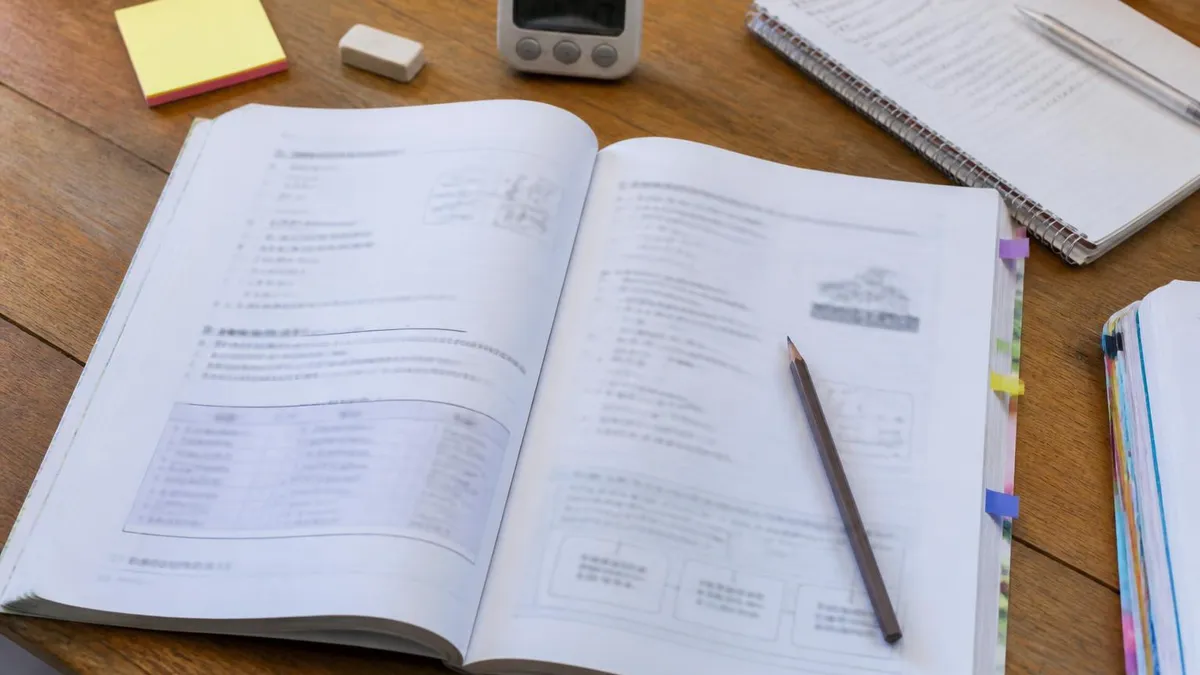
CPR Instructor Course Cost by Organization
Before you can enroll in any instructor course, you must meet a set of eligibility requirements that verify you already have solid provider-level skills. For AHA programs, candidates must hold a current, valid provider card in the specific discipline they want to teach — BLS, ACLS, PALS, or Heartsaver. That provider card must have been earned in a face-to-face class, not an online-only course, because hands-on skill demonstration is a core competency that instructors are expected to model. Without a valid provider card, your application will be returned regardless of your clinical background or experience.
Beyond the provider card, AHA instructor candidates must complete the online AHA Instructor Essentials course before attending any in-person instructor alignment session. The Instructor Essentials module covers adult learning theory, how to run skills stations, how to deliver feedback using the AHA's Practicing Skills Together method, and how to document completed courses in the Training Network portal. This online prerequisite typically costs $20 to $45 depending on the training center, and it takes three to five hours to complete at your own pace before the scheduled classroom day.
Candidates pursuing ACLS instructor status face additional requirements rooted in advanced knowledge. The ACLS algorithm — covering cardiac arrest rhythms, pulseless electrical activity, asystole, and post-cardiac-arrest care — must be thoroughly understood, not just memorized. ACLS instructors routinely field questions about megacode scenarios, drug dosing during resuscitation, and team dynamics in high-performance CPR. If your provider certification has lapsed or you feel rusty on these advanced topics, refreshing your knowledge before the instructor alignment session is strongly recommended, as instructors must be able to demonstrate and correct student technique in real time.
For PALS certification instructor pathways, prerequisites mirror those for ACLS but focus on pediatric assessment, pediatric arrhythmia recognition, and weight-based medication calculations. Candidates who teach PALS must also be comfortable with infant CPR technique, including the two-finger chest compression method for neonates and the two-thumb encircling technique used by healthcare providers. Demonstrating these skills accurately is non-negotiable during the instructor alignment, and evaluators will watch closely for correct hand placement, compression depth of at least 1.5 inches, and an appropriate respiratory rate of one breath every three to five seconds during two-rescuer infant CPR.
Physical fitness requirements are rarely discussed in recruitment materials but matter in practice. Instructors set up and break down manikins, often kneeling on gymnasium or conference-room floors for hours at a time. They demonstrate proper CPR posture — arms straight, shoulders directly over the chest, full chest recoil between compressions — repeatedly throughout a class. Candidates with musculoskeletal limitations may still qualify, but they should discuss accommodation options with their training center coordinator in advance so that alternative demonstration methods can be arranged without disrupting the course flow.
Background check requirements vary by state and employer. Healthcare institutions and school districts almost universally require a criminal background check before allowing any instructor to teach on their premises. The cost — typically $20 to $60 — falls on the candidate and is rarely reimbursable unless your employer is sponsoring your instructor training as part of a formal workforce development program. Factor this expense into your total cost estimate alongside the course tuition, manikin fees, and textbook purchases.
Documentation and record-keeping skills round out the prerequisite profile. AHA instructors are responsible for entering class rosters into the Training Network system within 30 days of course completion, issuing digital or physical eCards to students, and retaining attendance records for audit purposes. Candidates who are not comfortable with basic database entry and email communication should plan extra time to learn the Training Network portal during or immediately after their instructor alignment — the administrative side of the role is just as important as the teaching side for maintaining your authorized training center's good standing with the AHA.
AHA vs. National CPR Foundation vs. Red Cross: Which Instructor Program Is Right for You?
The American Heart Association instructor pathway is the most widely recognized credential in US clinical settings. Hospitals, EMS agencies, and academic medical centers almost universally specify AHA certification for staff educators. The program requires completing Instructor Essentials online, attending an in-person instructor alignment for each discipline (BLS, ACLS, PALS), and affiliating with an Authorized Training Center. Total costs range from $200 to $650 depending on how many discipline alignments you complete, and renewal is required every two years through a monitored teach and instructor update process.
The AHA's strength lies in its rigorous quality assurance framework. Every instructor is observed teaching at least one class per renewal cycle, and Training Centers conduct periodic audits of class records and student eCards. This oversight ensures instructional consistency across the network, which is why the AHA credential carries such weight with employers. The acls algorithm content taught in AHA courses reflects the latest evidence-based guidelines updated every five years, giving both instructors and students confidence that the material is clinically current and peer-reviewed.

Is Becoming a CPR Instructor Worth the Investment?
- +Course fees are typically recouped after just 2–4 community teaching sessions at standard per-student rates
- +Credential is recognized across hospitals, schools, fire departments, and corporate wellness programs nationwide
- +Instructors stay current with the latest AHA resuscitation guidelines, including ACLS algorithm updates and PALS certification changes
- +Teaching CPR deepens your own skills — instructors retain technique far better than passive learners
- +Opens a legitimate side-income stream with minimal ongoing overhead after initial certification
- +Contributes directly to community safety — every student you certify can save a life during cardiac arrest
- −Upfront costs of $150–$650 plus prerequisite provider card fees can be a barrier without employer sponsorship
- −AHA Training Center affiliation requires administrative overhead including roster entry, eCard issuance, and biennial audits
- −Credential renewal every two years adds recurring costs and time commitment on top of the initial investment
- −Clinical employers often specify AHA credentials only, limiting career portability for instructors certified through other organizations
- −Physical demands of demonstrating CPR technique repeatedly can be challenging for instructors with musculoskeletal conditions
- −Liability exposure is real — instructors should carry professional liability insurance, adding $150–$400 per year to operating costs
Pros and Cons at a Glance
| Pros | Cons |
|---|---|
| Credential is recognized across hospitals, schools, fire departments, and corporate wellness programs nationwide | AHA Training Center affiliation requires administrative overhead including roster entry, eCard issuance, and biennial audits |
| Instructors stay current with the latest AHA resuscitation guidelines, including ACLS algorithm updates and PALS certification changes | Credential renewal every two years adds recurring costs and time commitment on top of the initial investment |
| Teaching CPR deepens your own skills — instructors retain technique far better than passive learners | Clinical employers often specify AHA credentials only, limiting career portability for instructors certified through other organizations |
| Opens a legitimate side-income stream with minimal ongoing overhead after initial certification | Physical demands of demonstrating CPR technique repeatedly can be challenging for instructors with musculoskeletal conditions |
CPR Instructor Certification Checklist: What to Complete Before and After Enrollment
- ✓Obtain a current, valid provider-level CPR card (BLS, ACLS, or PALS) from an in-person, skills-verified course
- ✓Confirm your target employer or licensing board accepts your chosen organization's instructor credential
- ✓Complete the AHA Instructor Essentials online module (or equivalent prerequisite) before your alignment date
- ✓Gather required documents: government-issued ID, current provider card, and any employer authorization letters
- ✓Budget for all fees: tuition, manikin rental, textbooks, background check, and professional liability insurance
- ✓Register with an Authorized Training Center (AHA) or approved training site to affiliate your new credential
- ✓Attend and pass the in-person instructor alignment or monitored teach session with a satisfactory rating
- ✓Set up your account in the AHA Training Network (or equivalent portal) to issue student eCards after classes
- ✓Schedule your first teaching opportunity within 6–12 months to solidify skills and maintain active status
- ✓Mark your biennial renewal date and enroll in an instructor update course before your credential expires
Employer Sponsorship Can Cover 100% of Your Instructor Course Costs
Many hospitals, EMS agencies, and large employers will fully reimburse AHA CPR instructor course costs — sometimes exceeding $500 — in exchange for a teaching commitment of 6 to 12 classes per year. Before paying out of pocket, ask your HR or education department whether a sponsored instructor development program exists. Even if no formal program is in place, a written proposal showing how in-house instructors reduce the organization's per-employee certification spend often wins quick approval.
The curriculum inside an AHA CPR instructor course is more comprehensive than most candidates expect. Beyond learning how to demonstrate chest compressions and rescue breaths, instructor candidates study the science of resuscitation, including why high-quality CPR — defined by adequate rate, depth, full chest recoil, and minimal interruptions — dramatically improves survival rates from out-of-hospital cardiac arrest. The AHA's 2020 guidelines emphasize a target compression rate of 100 to 120 per minute and a depth of at least 2 inches for adults, and instructors must be able to cue students toward these parameters using real-time feedback devices and verbal coaching.
AED training is a foundational component of every CPR instructor course. Candidates learn to teach students how to power on an AED, apply pads correctly on an adult, child, and infant, and follow voice prompts while maintaining safety around a shocked patient. The classic question — what does AED stand for — serves as a teaching moment: Automated External Defibrillator.
Instructors explain that the word automated is key because the device analyzes the cardiac rhythm and determines whether a shock is advised without requiring the rescuer to interpret an ECG rhythm strip. This accessibility is what makes public-access AED programs so effective at reducing cardiac arrest mortality in airports, gyms, and schools.
Instructors who pursue advanced tracks gain deep familiarity with the ACLS algorithm, which organizes the systematic response to cardiac arrest, unstable bradycardia, unstable tachycardia, and post-resuscitation care. The ACLS algorithm uses a branching flowchart structure — shockable versus non-shockable rhythms, reversible causes (the H's and T's), and team-based megacode scenarios — that instructors must internalize well enough to guide a room of nurses, paramedics, and physicians through high-stakes simulation exercises.
Teaching ACLS demands a level of clinical fluency that goes well beyond basic CPR, and instructor candidates who are not actively working in a clinical environment are advised to review rhythm strips and pharmacology before their alignment session.
PALS certification content adds a pediatric layer to the instructor's teaching portfolio. The PALS curriculum covers pediatric assessment using the Pediatric Assessment Triangle, recognition of respiratory distress versus respiratory failure versus respiratory arrest, and the systematic approach to managing pediatric shock. Instructors must teach accurate respiratory rate assessment — normal is 12 to 20 breaths per minute for adults, 20 to 30 for school-age children, and 30 to 60 for newborns — because early recognition of abnormal breathing is the primary prevention strategy for pediatric cardiac arrest, which is most often respiratory in origin rather than primarily cardiac.
Infant CPR technique receives dedicated attention in both BLS and PALS instructor tracks. Candidates learn the anatomical differences that require technique modifications: a softer head position to open the infant airway (slight sniff position rather than head-tilt chin-lift), smaller tidal volumes to avoid gastric inflation, two-finger compressions just below the nipple line for a lone rescuer, and the two-thumb encircling technique preferred by two-rescuer healthcare providers. Instructors must demonstrate each variation fluidly and explain to students why the modifications exist, connecting the anatomical rationale to the practical skill so that students can adapt confidently in real emergencies.
The position recovery technique — sometimes called the recovery position — is another skill instructors must teach with precision. When an adult or child is unconscious but breathing normally, rolling the patient onto their side prevents aspiration of vomit and keeps the airway open without requiring a rescuer to maintain a manual airway maneuver.
Correct technique involves crossing the far ankle over the near ankle, tucking the near arm under the patient, pulling the far arm across the chest, and rolling the patient toward the rescuer in one smooth motion, finishing with the top knee bent forward for stability. Teaching this skill convincingly requires practice, and instructor candidates should rehearse it on a manikin or willing colleague before their alignment day.
Life support training at the instructor level also covers the administrative and legal dimensions of CPR education. Instructors learn about Good Samaritan laws that protect lay rescuers who perform CPR in good faith, the legal obligation of healthcare professionals to respond to emergencies within their scope of practice, and the documentation requirements for training records.
Understanding these dimensions helps instructors answer the practical questions students raise after class — questions about liability, workplace mandates, and what to do if they witness a cardiac arrest in a public setting — and positions the instructor as a trusted, knowledgeable resource rather than simply a technique demonstrator.

Your provider-level CPR card must be current and unexpired on the day of your instructor alignment session. Many training centers will not admit candidates whose provider card expires within 30 days of the class date. Check your card's expiration date well in advance and renew it if necessary — a lapsed provider card means you cannot complete instructor alignment and will lose your registration fee.
The career outlook for CPR instructors in 2026 is strong and diversifying. Traditional employment pathways through hospitals and EMS agencies remain stable, but new demand is emerging from three rapidly growing segments: corporate wellness programs, school-based CPR education mandates, and the freelance gig economy for health and safety training. Hospitals alone employ tens of thousands of resuscitation educators across the United States, and the Bureau of Labor Statistics projects continued growth in the broader healthcare educator category through at least 2030, driven by an aging population and expanding chronic disease burden that increases cardiac arrest risk across all age groups.
Independent instructors who operate outside of institutional employment have the most flexible earning potential. A solo instructor teaching one community class per weekend at 10 students per class and a $50 per-student fee earns $500 per weekend — roughly $26,000 per year from part-time teaching alone.
Instructors who also offer corporate on-site training can charge $400 to $1,200 per session depending on group size, travel distance, and certification type. An instructor certified in BLS, ACLS, and PALS can command premium rates from healthcare clients who need all three disciplines covered during a single on-site training day, reducing the client's scheduling burden while maximizing the instructor's per-hour revenue.
Instructors affiliated with a Training Center rather than operating independently receive a different financial structure. Training Centers typically pay affiliated instructors $15 to $40 per student-hour or offer a flat session fee, keeping a margin to cover facility overhead, manikin maintenance, and administrative costs. The tradeoff is lower per-student revenue in exchange for a steady stream of pre-enrolled students, marketing support, and manikin access without capital investment. For instructors who are just starting out or who prefer not to handle the business-development side of running classes, Training Center affiliation offers a lower-risk entry point into the instructor market.
Specialty certifications expand earning potential further. Instructors who add Pediatric First Aid, Bloodborne Pathogens, Stop the Bleed, or Wilderness First Aid to their teaching portfolio serve a broader client base and reduce seasonal revenue fluctuations. School districts, childcare licensing agencies, and summer camp operators frequently require these ancillary certifications alongside CPR, creating bundled service opportunities that a single instructor can fulfill at a premium rate. The incremental cost of adding each specialty credential — typically $75 to $250 — is modest relative to the expanded market access it provides.
Geographic location significantly influences CPR instructor earning potential. High cost-of-living metropolitan areas like New York City, San Francisco, Los Angeles, and Boston support higher per-student fees and corporate training rates, often 30 to 50 percent above the national average.
Rural instructors may face lower per-session rates but also encounter less competition and stronger community relationships that generate repeat business from churches, fire auxiliary groups, athletic booster organizations, and local employers. Online-capable certifications — including blended courses offered through the National CPR Foundation and similar bodies — allow instructors in any location to reach students nationwide through virtual didactic sessions paired with local skills evaluations.
Employer-sponsored instructors occupy a distinct career niche with unique advantages. A hospital-employed resuscitation educator typically earns a full-time salary ranging from $45,000 to $75,000 per year, with benefits including health insurance, retirement contributions, and professional development budgets that cover ongoing instructor updates and conference attendance. These positions often expand into curriculum development, code team coaching, and quality improvement roles that blend clinical expertise with educational leadership — a combination that can lead to director-level positions overseeing entire resuscitation programs at large academic medical centers or health system networks.
For those weighing the full investment, the financial math is straightforward and favorable. If your total startup cost — including the AHA CPR instructor course cost, provider card renewal, manikin access fee, and liability insurance — totals $800, and you earn $400 per community class after expenses, you break even after just two classes. Every class after that is profit.
Understanding this timeline is what makes instructor certification such a compelling continuing-education investment for healthcare professionals, first responders, fitness trainers, and community advocates who want to turn their knowledge of life support into a meaningful, revenue-generating credential that also saves lives.
Practical preparation for your instructor alignment session begins weeks before the scheduled date. Start by reviewing the AHA Instructor Manual or your certifying organization's equivalent guide, paying close attention to the skills testing checklists for each competency station. These checklists are the exact criteria your instructor trainer will use to evaluate your performance, so studying them tells you precisely what to practice and what not to overlook. Print or download the checklist for each skill — adult CPR, child CPR, infant CPR, AED operation, and recovery position — and use it as a practice scorecard during self-study sessions.
Video resources are underutilized by most instructor candidates. The AHA and Red Cross both publish official skills demonstration videos through their instructor portals and YouTube channels. Watching a proficient instructor demonstrate two-rescuer infant CPR, ACLS megacode team dynamics, or a PALS respiratory distress scenario gives you a visual benchmark for correct technique before you ever step in front of an evaluator. Supplement video study with hands-on manikin practice at a local training center that offers open practice hours — many AHA Training Centers provide free or low-cost manikin access for pre-enrolled instructor candidates as a courtesy.
Adult learning theory is a component of instructor training that candidates frequently underestimate. The AHA's approach to CPR education is grounded in deliberate practice principles: students learn best by doing, not by watching. As an instructor, your job is to create structured practice opportunities, observe technique, deliver specific and actionable feedback, and allow students to immediately correct and retry the skill. Practicing this feedback cycle before your alignment — with a colleague role-playing as a student — dramatically improves your confidence and fluency during the evaluation, which is itself structured as a monitored teach rather than a written exam.
Equipment familiarity is another practical preparation priority. Before your alignment, spend time with the specific manikin models your training center uses — Laerdal Little Anne, Prestan Adult, or equivalent — and practice the hand placement, compression feel, and ventilation technique on that equipment.
AED trainers vary by manufacturer, and if your alignment will use a Philips HeartStart Trainer, a ZOLL AED Plus Trainer, or a different device than you are accustomed to, a brief orientation session beforehand prevents fumbling during your AED skills demonstration. Most training centers will let you arrive 30 minutes early to familiarize yourself with the equipment if you ask in advance.
Time management during a full instructor alignment day is critical. A typical alignment runs eight to twelve hours including breaks, and candidates who front-load all their energy on the morning skills evaluations sometimes struggle with fatigue during the afternoon teaching demonstrations. Arrive well-rested, eat a protein-rich breakfast, bring water and snacks, and wear comfortable clothing that allows you to kneel and move freely.
Instructors who look physically confident during demonstrations — stable posture, clear voice, smooth transitions between stations — make a strong impression on evaluators and pass their alignment with higher scores than candidates who appear rushed or physically uncomfortable.
Mental preparation matters as much as physical readiness. Instructor alignment involves teaching in front of peers and an evaluator, which triggers performance anxiety even in experienced clinicians. Reframe the teaching demonstration as a conversation rather than a performance: you are not trying to impress the evaluator, you are trying to help a hypothetical student learn a skill.
This mindset shift reduces anxiety and produces more natural, effective teaching behavior. If you stumble during a demonstration, acknowledge it briefly, correct your technique, and continue — evaluators are looking for resilience and self-correction skills, not perfection, and a smooth recovery from a minor error often strengthens rather than weakens your evaluation score.
After you pass your instructor alignment, your first 90 days as a new instructor are the most important for solidifying your skills and building your teaching identity. Schedule your first class as soon as possible — ideally within 60 days — while the alignment content is fresh. Co-help your first session with an experienced instructor if possible, observing how they manage class timing, handle unexpected student questions, and adapt their pacing when a student struggles with a skill.
This mentorship model, while informal, accelerates your development far faster than solo teaching from the outset and builds the collegial network that generates referrals, substitution opportunities, and collaborative training partnerships throughout your instructor career.
CPR Questions and Answers
How Long Does CPR Certification Last? 2026 Renewal Guide
Extracorporeal CPR (ECPR): Complete Guide to Mechanical Circulatory Support During Cardiac Arrest in 2026
CPR Classes in Person: Complete 2026 Guide to Hands-On Training, Certification, and Costs
Free Online CPR Certification: Complete Guide to Legitimate Courses, Costs, and Workplace Acceptance in 2026
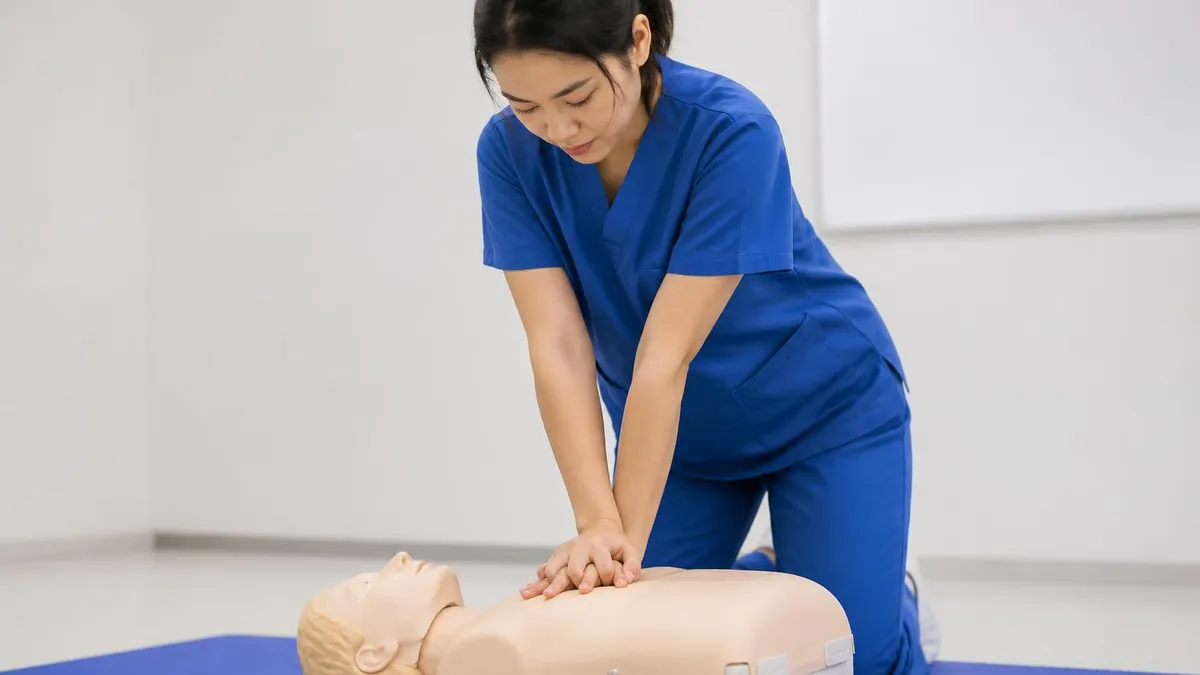
CPR Instructor Certification 2026: Complete Path to Teaching CPR
About the Author

Registered Nurse & Healthcare Educator
Johns Hopkins University School of NursingDr. Sarah Mitchell is a board-certified registered nurse with over 15 years of clinical and academic experience. She completed her PhD in Nursing Science at Johns Hopkins University and has taught NCLEX preparation and clinical skills courses for nursing students across the United States. Her research focuses on evidence-based exam preparation strategies for healthcare certification candidates.
Join the Discussion
Connect with other students preparing for this exam. Share tips, ask questions, and get advice from people who have been there.
View discussion (5 replies)