
CPR Certification for Healthcare Providers: Complete Training Guide for 2026 July
Complete guide to CPR certification for healthcare providers: 🔎 ACLS algorithm, BLS, PALS, renewal requirements, and how to pass your exam in 2026 July.

If you work in a clinical setting, understanding the ACLS algorithm and earning your cpr certification for healthcare providers is not optional — it is a foundational professional requirement. Whether you are a registered nurse, physician, respiratory therapist, or paramedic, the standards set by the American Heart Association and other governing bodies demand that every provider on the floor can recognize cardiac arrest, initiate high-quality chest compressions, operate an AED, and integrate seamlessly into a resuscitation team. In 2026, these standards are more rigorous than ever.
Healthcare-level CPR training differs fundamentally from lay-rescuer courses. Where a bystander course teaches the basics of compression-only CPR, a professional certification program covers the full spectrum of life support interventions. You will study the ACLS algorithm in detail, learning how to interpret rhythm strips, administer resuscitation medications, manage airway adjuncts, and lead or participate in a code team. Understanding what does AED stand for — Automated External Defibrillator — is just the beginning; you must also know precisely when and how to deploy it within the structured ACLS workflow.
The landscape of healthcare CPR credentials includes several distinct certifications, each targeting a different clinical population or scope of practice. Basic Life Support (BLS) for Healthcare Providers is the entry-level credential required by virtually every hospital and clinic in the United States. Advanced Cardiovascular Life Support (ACLS) is the next tier, required for anyone who may respond to in-hospital cardiac or respiratory emergencies. PALS certification — Pediatric Advanced Life Support — is mandatory for providers working with children, covering infant CPR, pediatric dosing, and age-specific airway management techniques.
Knowing which certification you need and how to prepare for each exam can feel overwhelming, especially when juggling clinical shifts. This guide breaks down every tier of healthcare provider CPR training, from BLS fundamentals through ACLS algorithm mastery, PALS certification requirements, and the renewal timelines that keep your credentials active. You will also find practical study strategies, exam tips, and links to practice quizzes that mirror the question formats used by the American Heart Association and the National CPR Foundation.
Beyond the credentialing requirements, there is a powerful patient-safety argument for investing in thorough CPR training. Survival rates from in-hospital cardiac arrest vary dramatically based on the quality of the resuscitation response. Hospitals where every provider — not just the code team — delivers consistent, guideline-adherent compressions report meaningfully better neurological outcomes. Every two minutes of high-quality CPR before a defibrillating shock can double or triple a patient's chance of survival, making your personal competency a direct contributor to the care your institution delivers.
This article is organized to walk you through the full certification pathway: what each credential covers, how long it takes to earn and maintain, the costs involved, and the study resources that give you the highest probability of passing on your first attempt. We will also address common misconceptions — including whether online-only courses satisfy employer requirements — and clarify the rules around position recovery, respiratory rate assessment, and infant CPR that appear most frequently on certification exams.
Whether you are pursuing your initial BLS card before your first clinical rotation or preparing for an ACLS recertification that has been on your to-do list for months, the information in this guide will help you walk into the testing room with confidence. Read through each section, complete the embedded practice quizzes, and use the checklist near the end to confirm you have covered every requirement before your course date.
Healthcare CPR Certification by the Numbers

The Three Core Healthcare CPR Credentials
Basic Life Support is the mandatory entry-level credential covering adult, child, and infant CPR, AED use, relief of choking, and two-rescuer techniques. Required for virtually every clinical role in US hospitals and outpatient settings. Course length: 3–4 hours initial, 3–3.5 hours renewal.
Builds on BLS to cover the full ACLS algorithm: rhythm recognition, airway management, resuscitation pharmacology, and team dynamics during cardiac arrest. Required for nurses, physicians, and allied health staff in emergency, ICU, or cardiac care settings. Course length: 8–16 hours.
Targets providers who care for infants and children. PALS certification covers infant CPR technique, pediatric respiratory distress assessment, weight-based medication dosing, and shock recognition. Mandatory for pediatric ED, PICU, and neonatal staff. Course length: 8–14 hours.
Specialized credential for providers attending deliveries and caring for newborns. Covers positive-pressure ventilation, chest compressions in newborns, and endotracheal intubation protocols. Required for labor and delivery, NICU, and newborn nursery staff. Renewal every 2 years.
The ACLS algorithm is the structured decision framework that guides a resuscitation team from the moment cardiac arrest is recognized through every intervention until return of spontaneous circulation (ROSC) is achieved or resuscitation efforts are appropriately terminated. Understanding this algorithm is the single most important knowledge area for any healthcare provider pursuing advanced certification. The algorithm is not merely a flowchart to memorize; it is a dynamic clinical tool that must be applied in real time under significant cognitive and emotional pressure.
At the core of the ACLS algorithm is the recognition of shockable versus non-shockable rhythms. When a patient collapses, the team leader must immediately direct a team member to attach the monitor or AED. The question of what does AED stand for — Automated External Defibrillator — becomes clinically meaningful here: the device analyzes the cardiac rhythm and delivers a shock only when ventricular fibrillation (VF) or pulseless ventricular tachycardia (pVT) is detected. For these shockable rhythms, high-quality CPR alternates with defibrillation attempts every two minutes while epinephrine 1 mg IV is administered every 3–5 minutes after the second shock.
Non-shockable rhythms — pulseless electrical activity (PEA) and asystole — follow a different branch of the ACLS algorithm. Because a shock will not benefit these rhythms, the focus shifts entirely to identifying and reversing the underlying cause. The mnemonic "Hs and Ts" is the standard teaching framework: Hypovolemia, Hypoxia, Hydrogen ion (acidosis), Hypo/Hyperkalemia, Hypothermia, Tension pneumothorax, Tamponade (cardiac), Toxins, Thrombosis (pulmonary or coronary), and Trauma. Epinephrine is still administered every 3–5 minutes while the team works to identify a reversible etiology.
Airway management is woven throughout the ACLS algorithm. Early in a resuscitation, a bag-valve-mask (BVM) provides ventilation while compressions continue at a rate of 100–120 per minute and a depth of at least 2 inches in adults. Once an advanced airway — supraglottic device or endotracheal tube — is in place, ventilations shift to an asynchronous rate of one breath every 6 seconds (10 breaths per minute). Monitoring respiratory rate during a code is important not just to maintain adequate oxygenation, but also because hyperventilation elevates intrathoracic pressure and reduces venous return, decreasing the effectiveness of compressions.
Team dynamics are formally assessed in the ACLS provider course through megacode scenarios. Each participant rotates through the roles of team leader and team member, practicing closed-loop communication, clear role assignment, and constructive feedback. These soft skills are as testable as the algorithm itself: ACLS exams include scenario-based questions where you must identify errors in team communication or incorrect drug dosing, not just recall the sequence of interventions. The National CPR Foundation and the American Heart Association both emphasize team performance as a core competency.
Post-cardiac arrest care is the final phase of the ACLS algorithm and is frequently underemphasized in study materials. Once ROSC is achieved, the priority shifts to hemodynamic optimization, targeted temperature management (TTM) when indicated, and identification of the precipitating cause — most commonly acute coronary syndrome, which warrants emergent coronary angiography. Maintaining a mean arterial pressure above 65 mmHg, avoiding hypoxia (SpO2 94–99%), and preventing hypercarbia round out the immediate post-ROSC management bundle that every ACLS-certified provider should know.
Mastering the ACLS algorithm requires both cognitive study and hands-on practice. Reading the algorithm does not prepare you for the pressure of a megacode scenario. Use the practice quizzes linked throughout this guide to drill rhythm recognition, drug dosing, and algorithm branching. Consider finding a study partner or forming a small group to practice team leader and team member roles. The more times you walk through the algorithm before your course date, the more automatic your decision-making will feel under the pressure of a simulated or real resuscitation.
BLS vs. ACLS vs. PALS Certification: What You Need and Why
Basic Life Support certification is required for virtually every licensed healthcare professional in the United States. Hospital credentialing committees, nursing boards, and medical staffing agencies all require a current BLS card as a condition of employment or clinical privileges. The BLS course covers one-rescuer and two-rescuer CPR for adults, children, and infants, AED operation, relief of foreign body airway obstruction, and the use of a bag-valve-mask for ventilation. Courses typically run three to four hours for initial certification and are offered in-person, blended, or in some cases fully online with a hands-on skills check.
Renewal is required every two years, and most employers require the card to remain current at all times — meaning you cannot wait until it expires to schedule your renewal class. The American Heart Association, the American Red Cross, and the National CPR Foundation all offer BLS courses that are widely accepted by US hospitals. When selecting a course, confirm with your employer or credentialing department that the specific provider is approved, as some institutions accept only AHA-issued cards while others accept a broader range of accredited programs.

Online vs. In-Person CPR Certification: Weighing Your Options
- +Online blended courses reduce total time commitment by completing cognitive content at your own pace before a shorter in-person skills session
- +Schedule flexibility is critical for shift workers — online pre-work can be completed at 2 a.m. if needed
- +Cost savings of 20–40% compared to fully in-person courses are common with blended formats
- +Immediate access to study materials, practice tests, and algorithm references before and after the course
- +Some employers specifically prefer blended formats because providers arrive to skills day already prepared
- +Major accrediting bodies including the American Heart Association offer fully recognized blended learning options
- −Fully online-only certifications (no hands-on component) are not accepted by most US hospitals and credentialing bodies
- −Skills like proper compression depth, two-rescuer technique, and BVM ventilation cannot be adequately learned or assessed without hands-on practice
- −Technical issues, login problems, and platform variability can disrupt study continuity for online courses
- −Some learners find the self-directed online format less effective for retaining complex algorithm content than live instruction
- −Scheduling the in-person skills check session after online completion adds a logistical step that can delay certification
- −Quality varies significantly across online CPR providers — some use outdated guidelines or lack accreditation
CPR Certification Exam Prep Checklist for Healthcare Providers
- ✓Review the current AHA ACLS algorithm flowchart and confirm you can recite each branch from memory
- ✓Complete at least 3 full-length practice exams covering rhythm recognition, drug dosing, and algorithm application
- ✓Study all Hs and Ts — the ten reversible causes of cardiac arrest tested on ACLS written exams
- ✓Practice identifying shockable versus non-shockable rhythms using a rhythm strip recognition resource
- ✓Confirm your respiratory rate norms for each pediatric age group if sitting for PALS certification
- ✓Review epinephrine, amiodarone, lidocaine, adenosine, and atropine dosing and indications
- ✓Watch at least two megacode simulation videos to understand team leader communication expectations
- ✓Schedule your course with an AHA-accredited or employer-approved provider and confirm the format accepted
- ✓Verify that your current BLS card is valid before registering for ACLS — most programs require it as a prerequisite
- ✓Prepare your ID, current certification card (for renewals), and any required pre-course work the day before your class
Rate Is Not Everything — Depth and Recoil Determine Survival
Every ACLS exam and skills evaluator will assess not just whether you compress at 100–120 per minute, but whether you achieve the required 2–2.4 inch depth in adults and allow complete chest recoil between compressions. Studies show that leaning on the chest during the recoil phase reduces coronary perfusion pressure by up to 50%. Providers who focus exclusively on rate while neglecting depth and recoil produce significantly worse hemodynamic outcomes than those who prioritize all three elements equally.
Renewal requirements for healthcare CPR certifications follow a consistent two-year cycle across BLS, ACLS, and PALS, but the logistics of staying current are more nuanced than simply marking your calendar. Many employers require certifications to remain valid throughout your employment — meaning you cannot let your card lapse even briefly before renewing. Understanding the renewal process in advance prevents the scramble that many clinicians face when a credentialing audit or job change reveals an expired certification.
For BLS renewal, the American Heart Association offers a HeartCode BLS online option that allows providers to complete the cognitive portion of the renewal on their own schedule and then attend a brief in-person skills session of approximately sixty to ninety minutes. This blended renewal format is widely accepted by hospitals and has largely replaced the requirement for providers to sit through an entire four-hour in-person renewal course. The renewal exam covers the same core material as initial certification, with particular emphasis on any guideline updates issued in the previous two-year cycle.
ACLS renewal courses are similarly structured, with providers completing online pre-work — including updated algorithm review and rhythm recognition modules — before attending a skills day that focuses on megacode performance and written examination. The ACLS renewal exam maintains the 84% passing threshold and covers any updates to the ACLS algorithm, post-cardiac arrest care guidelines, and resuscitation pharmacology. Providers who score below 84% are typically given one remediation attempt before being required to complete a full initial certification course.
PALS renewal follows the same blended or in-person format, with special attention to any updates affecting pediatric dosing, airway management, and age-specific assessment criteria. Providers who work in pediatric settings often pursue PALS renewal at the same time as ACLS renewal to consolidate their study and scheduling burden. Some institutions offer combined ACLS and PALS renewal programs that can be completed over two consecutive days, making them efficient options for providers who hold both credentials.
One area where renewal requirements become more complex involves position recovery and the legal recognition of various certification bodies. The position recovery concept in resuscitation refers to the placement of a patient who has achieved ROSC but remains unconscious — specifically the lateral recumbent or recovery position, which protects the airway from aspiration. While this is primarily a BLS-level skill, it appears in ACLS written exams as a post-ROSC care consideration, and providers should be able to describe the indications and technique for this intervention.
The National CPR Foundation offers certifications that are accepted by many employers, particularly in outpatient and non-hospital settings. While AHA certification remains the gold standard for most acute care hospitals, the National CPR Foundation provides a cost-effective alternative for providers in settings where AHA cards are not explicitly required by the credentialing department. Before selecting a renewal provider, always verify acceptance with your HR or credentialing office to avoid completing a course that your employer will not honor.
Digital certification cards have streamlined renewal management significantly in recent years. Most major certification bodies now issue digital cards alongside physical cards, and many hospital credential management systems integrate directly with AHA or Red Cross databases to verify card status in real time. This means that expired certifications are now identified much more quickly than in the past, making timely renewal more important than ever. Setting a calendar reminder three to four months before your expiration date gives you enough time to schedule a course and complete it before any gap in coverage occurs.

Many online CPR certification providers offer courses that do not include any hands-on skills component. While these may be valid for certain non-clinical roles, most US hospitals and clinical employers require AHA-accredited or equivalent in-person or blended certifications. Enrolling in an online-only course without verifying employer acceptance can result in a non-recognized card and the need to retake an approved course at your own expense. Always confirm accepted certification formats with your credentialing or HR department before registering.
Choosing the right certification provider is a decision that has meaningful consequences for both your career and your patients. The American Heart Association is the most universally recognized provider of BLS, ACLS, and PALS certification in the United States, and AHA cards are accepted at essentially every hospital and credentialing body in the country. However, AHA courses can be more expensive and less convenient to schedule than alternatives, particularly in rural areas or for providers with non-standard work schedules.
The American Red Cross is the second most widely recognized certification provider and offers BLS and first aid courses that are accepted by most US employers. Red Cross courses tend to be slightly more affordable than AHA courses and are offered at a broad network of community locations. For providers who primarily work in outpatient, school, or community health settings, Red Cross certification often meets all professional requirements without the higher cost of an AHA program.
The National CPR Foundation has grown substantially in recognition over the past decade, offering competitively priced certifications that are accepted by many employers, particularly in home health, outpatient therapy, chiropractic, dental, and allied health settings. Their online blended courses are particularly popular among providers who need to renew on a flexible timeline. However, some acute care hospitals still require AHA-specific cards, so verifying acceptance before enrollment remains important even with the National CPR Foundation's expanded recognition.
For providers seeking the most rigorous preparation for ACLS certification, instructor-led in-person courses consistently produce better first-attempt pass rates than self-directed online formats. The megacode skills station — where your algorithm application is evaluated by a trained instructor in real time — is difficult to replicate through online simulation alone. Providers who struggle with test anxiety or who have been out of clinical practice for an extended period benefit particularly from the structured environment of an in-person course where instructors can provide immediate feedback on technique and decision-making.
Cost is a legitimate factor in selecting a certification provider, and understanding the full cost picture matters. Entry-level BLS courses typically range from $40 to $80 through employer-sponsored programs or community offerings. Standalone ACLS initial certification can cost $150 to $300 depending on the provider and region. PALS initial certification falls in a similar range.
Many hospitals subsidize or fully cover certification costs for staff, so checking with your employer before paying out of pocket is always worth the inquiry. Some states also mandate that employers cover certification costs for required credentials, so it is worth researching your state's labor regulations if cost is a concern.
Preparation resources beyond the certification course itself can significantly improve your exam performance. Free and paid practice test platforms, including this site's BLS and ACLS question banks, help you identify knowledge gaps before the exam. Algorithm reference cards, rhythm strip workbooks, and AHA ACLS provider manuals are all commonly used study aids. Video-based megacode simulations are particularly valuable for ACLS and PALS preparation because they allow you to practice the team leader role without the pressure of a live skills evaluation. Combining multiple preparation methods almost always outperforms relying on a single resource.
Finally, consider what you want to do with your certification beyond meeting the minimum employment requirement. For providers who are genuinely interested in resuscitation science, pursuing additional training through the Society of Critical Care Medicine (SCCM), completing a cardiac arrest simulation technology (CAST) course, or participating in your hospital's code response team training program can deepen your competency far beyond what certification courses alone provide. The best resuscitation providers are those who see certification not as a box to check but as a foundation for ongoing clinical skill development throughout their career.
Practical preparation strategies make a measurable difference in certification exam outcomes. Providers who pass ACLS on the first attempt consistently report that active recall practice — testing themselves on algorithms and drug dosing without looking at reference materials — was more effective than re-reading the provider manual.
The principle of active recall applies equally to BLS and PALS preparation: rather than reviewing your notes repeatedly, close the book and try to reconstruct the algorithm, the drug list, or the pediatric respiratory rate norms from memory. Every gap you find during practice is a gap you can fill before the exam rather than during it.
Infant CPR deserves special attention in any provider's preparation, regardless of whether they work primarily with pediatric patients. The BLS exam for healthcare providers includes questions on infant CPR technique differences, and these are among the questions most frequently answered incorrectly.
Key differences include two-finger compression technique using the pads of two fingers in the center of the chest (just below the nipple line) for solo rescuers, and the two-thumb encircling technique for two-rescuer infant CPR. Compression depth for infants is approximately 1.5 inches — one-third the anterior-posterior diameter of the chest — and rescue breaths should produce only enough chest rise to be visible.
Understanding life support in its broadest sense means recognizing that CPR is one component of a chain of survival that begins with prevention and early recognition. The AHA's Chain of Survival framework identifies six links: surveillance and prevention, activation of the emergency response system, high-quality CPR, defibrillation, advanced resuscitation, and post-cardiac arrest care. Every link matters, and every healthcare provider contributes to at least several links regardless of their specific role. The providers who perform best on certification exams and in clinical scenarios are those who understand where their role fits within this larger framework.
The recovery position — or position recovery as it is sometimes referenced in search contexts — is an important skill in the post-resuscitation and unconscious patient management sections of BLS and ACLS exams. The recovery position places an unconscious but breathing patient on their side, with the lower arm extended, the upper knee bent forward to stabilize the body, and the head tilted back to maintain airway patency.
This position prevents aspiration in patients who may vomit and maintains an open airway without the need for an airway adjunct. The key exam criterion is that the recovery position should be used whenever an unresponsive patient is breathing adequately but cannot protect their own airway and emergency services are en route.
Monitoring respiratory rate is a clinical skill that appears throughout BLS, ACLS, and PALS curricula in different contexts. In BLS, respiratory rate assessment determines whether a patient requires rescue breathing or only compression-only CPR. In ACLS, ventilation rate during a code — one breath every six seconds via advanced airway — is a testable parameter.
In PALS, normal respiratory rate ranges by age are a foundational knowledge area, because tachypnea is often the earliest sign of respiratory distress in a child and bradypnea is a late, ominous finding. Knowing age-appropriate baselines — neonates 40–60 breaths/min, infants 30–60, toddlers 24–40, school-age 18–30, adolescents 12–20 — will help you on any pediatric resuscitation question.
Some candidates are surprised to find questions about topics that seem peripheral to CPR on their certification exams. The question of what does AED stand for is introductory, but AED operation questions go considerably deeper: energy selection for biphasic versus monophasic devices, pad placement for adults versus infants, the protocol for using an AED on a patient in water or on a metal surface, and how to manage a patient with an implanted pacemaker or defibrillator. Working through a comprehensive practice question bank that covers these edge-case scenarios dramatically reduces the likelihood of being caught off guard on exam day.
Post-exam, the work is not over. After earning your certification, invest time in applying what you have learned in your clinical environment. Participate in mock code drills, volunteer to serve as a team member or observer during actual resuscitation events, and debrief with your team after real or simulated codes.
The transition from certification knowledge to clinical competency requires deliberate practice in the same way that any procedural skill requires repetition. The providers who make the greatest difference in patient outcomes are not simply those who hold current cards — they are the ones who continue to refine their skills in the years between renewal cycles.
CPR Questions and Answers
How Long Does CPR Certification Last? 2026 Renewal Guide
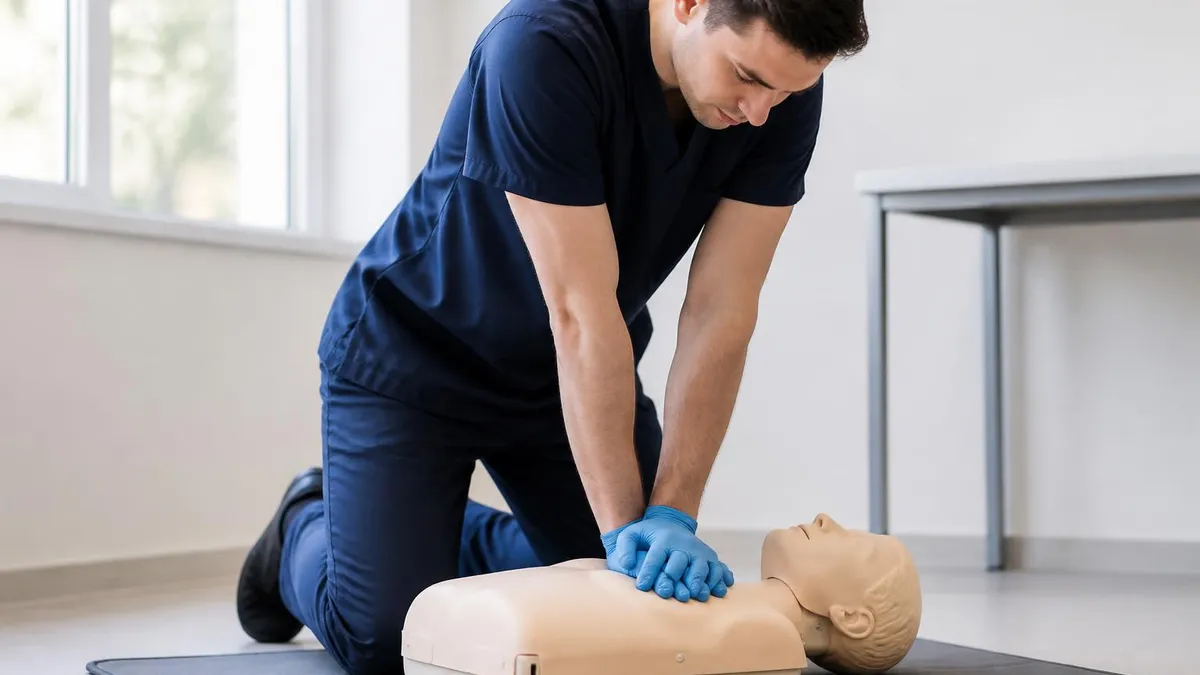
CPR Training Providers 2026: How to Choose a Course That Counts
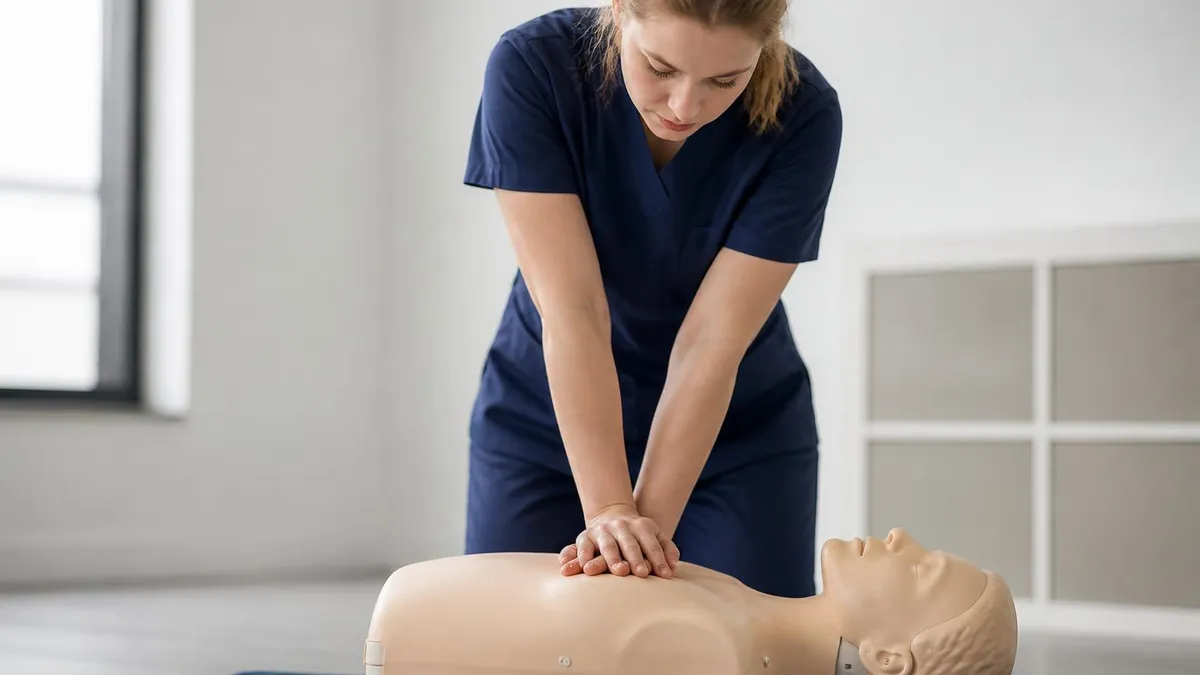
Where to Get CPR Certified in 2026: Complete Guide to Classes, Costs & Online Options
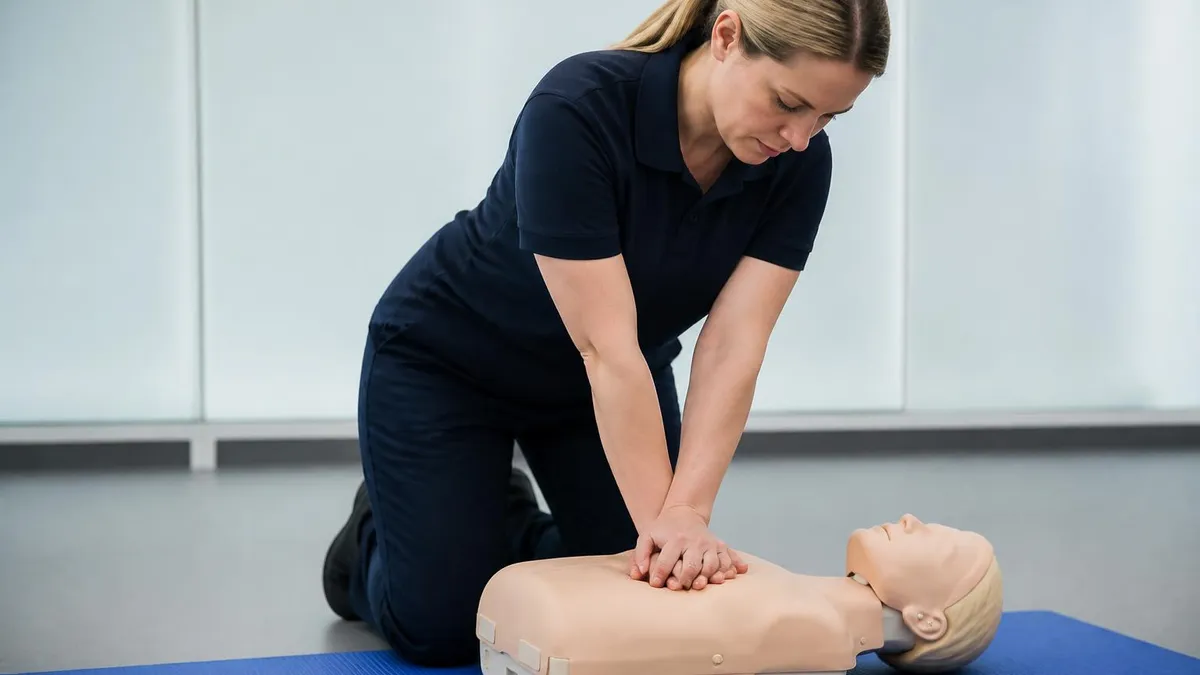
C.A.B CPR Technique: The Complete 2026 Guide to Compressions, Airway, and Breathing
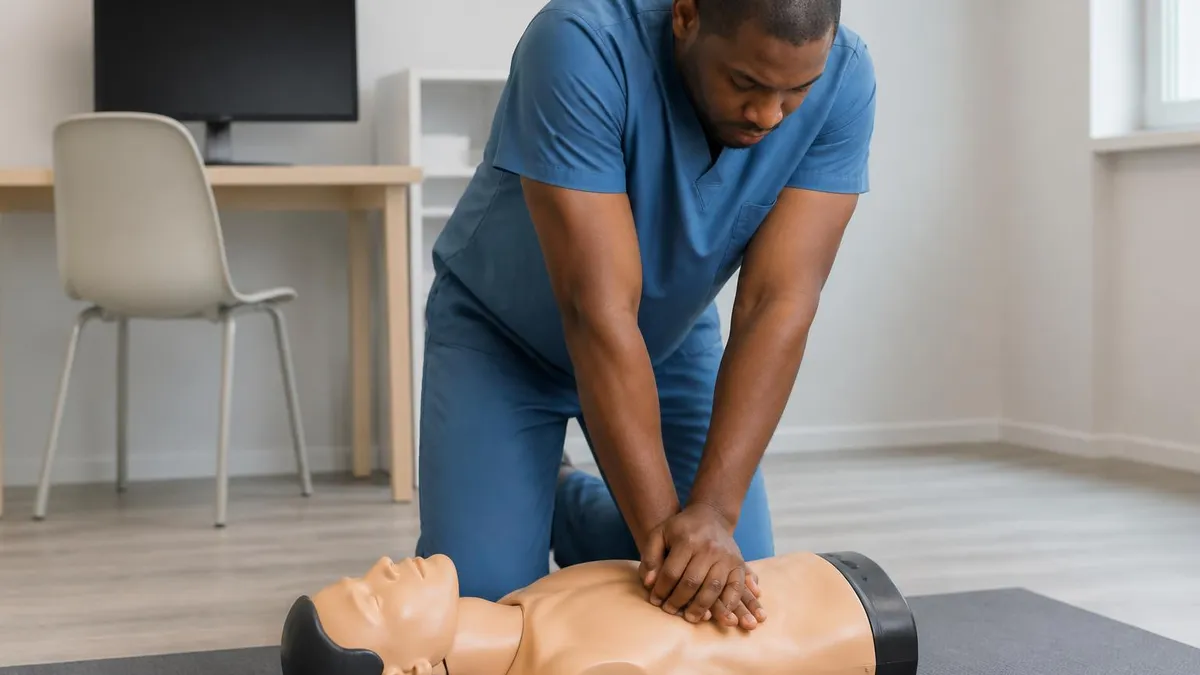
CPR Compression Depth for Child: The Complete 2026 Guide to Pediatric Chest Compressions
About the Author

Registered Nurse & Healthcare Educator
Johns Hopkins University School of NursingDr. Sarah Mitchell is a board-certified registered nurse with over 15 years of clinical and academic experience. She completed her PhD in Nursing Science at Johns Hopkins University and has taught NCLEX preparation and clinical skills courses for nursing students across the United States. Her research focuses on evidence-based exam preparation strategies for healthcare certification candidates.
Join the Discussion
Connect with other students preparing for this exam. Share tips, ask questions, and get advice from people who have been there.
View discussion (5 replies)