
Cosmetology Instructor Jobs: Career Guide, Requirements, and Salary
Explore cosmetology instructor jobs: requirements, salary, licensing, and how to find cosmetology school near me opportunities in 2026 September. 🏆
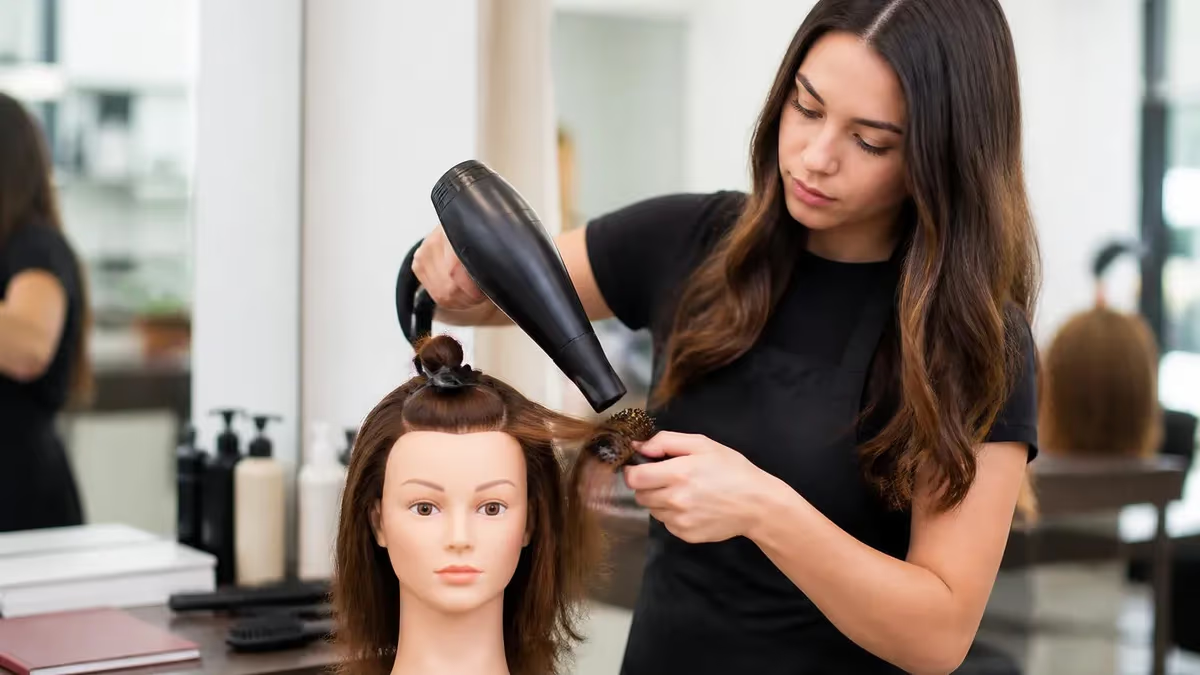
If you have been searching for a cosmetology school near me and wondering what comes next after earning your license, cosmetology instructor jobs represent one of the most rewarding career paths in the beauty industry. Teaching the next generation of stylists, estheticians, and nail technicians allows experienced professionals to multiply their impact far beyond the salon chair. Demand for qualified cosmetology educators has grown steadily as beauty school enrollment increases nationwide, making this an excellent time to explore the transition from practitioner to educator.
Cosmetology instructor jobs sit at the intersection of passion and profession. Unlike working behind the chair full time, instructors shape curriculum, mentor students through licensing milestones, and maintain the professional standards that state boards require. The role demands patience, strong communication skills, and deep technical knowledge across hair, skin, and nail services. Most states require instructors to hold a valid cosmetologist license plus a separate instructor or teacher permit, adding a credential layer that rewards experienced practitioners.
Understanding what is cosmetology as a field is the foundation for any instructor career. Cosmetology encompasses the study and application of beauty treatments including haircutting, coloring, chemical texture services, skincare, and nail care. A cosmetologist who transitions into teaching brings firsthand knowledge of these disciplines, giving students a mentor who has navigated real-world client relationships, state board exams, and the challenges of building a clientele from scratch.
Salaries for cosmetology instructors vary by state, employer type, and years of experience, but national averages typically fall between $38,000 and $68,000 annually. Public vocational schools and community colleges tend to offer higher base pay plus benefits packages, while private beauty academies may offer performance bonuses tied to student pass rates and enrollment. Understanding compensation benchmarks helps candidates negotiate effectively and choose employers that value their expertise.
The path to becoming an instructor often begins by researching cosmetology programs at accredited institutions, comparing curriculum requirements, and understanding what the state board expects from licensed educators. Some states require an instructor candidate to complete an additional 600 to 1,000 hours of teacher training beyond their initial cosmetology hours. These programs cover lesson planning, classroom management, adult learning theory, and hands-on demonstration techniques that differ significantly from working with paying clients.
Geography plays a major role in instructor job availability. Urban markets like Chicago, Los Angeles, Dallas, and Atlanta consistently post more openings than rural areas, but remote and suburban cosmetology colleges are also hiring as baby boomer instructors retire. State-specific licensing bodies — including the arizona state board of cosmetology and Ohio's equivalent — publish detailed requirements that candidates must meet before applying for any teaching position in that state.
This guide covers everything you need to know about cosmetology instructor jobs: the education and licensing requirements, typical salary ranges, job search strategies, state-by-state considerations, and how to prepare for the instructor licensing exam. Whether you are a seasoned stylist ready for a career pivot or a recent graduate planning your long-term trajectory, the information below will help you map a clear and confident path into cosmetology education.
Cosmetology Instructor Jobs by the Numbers
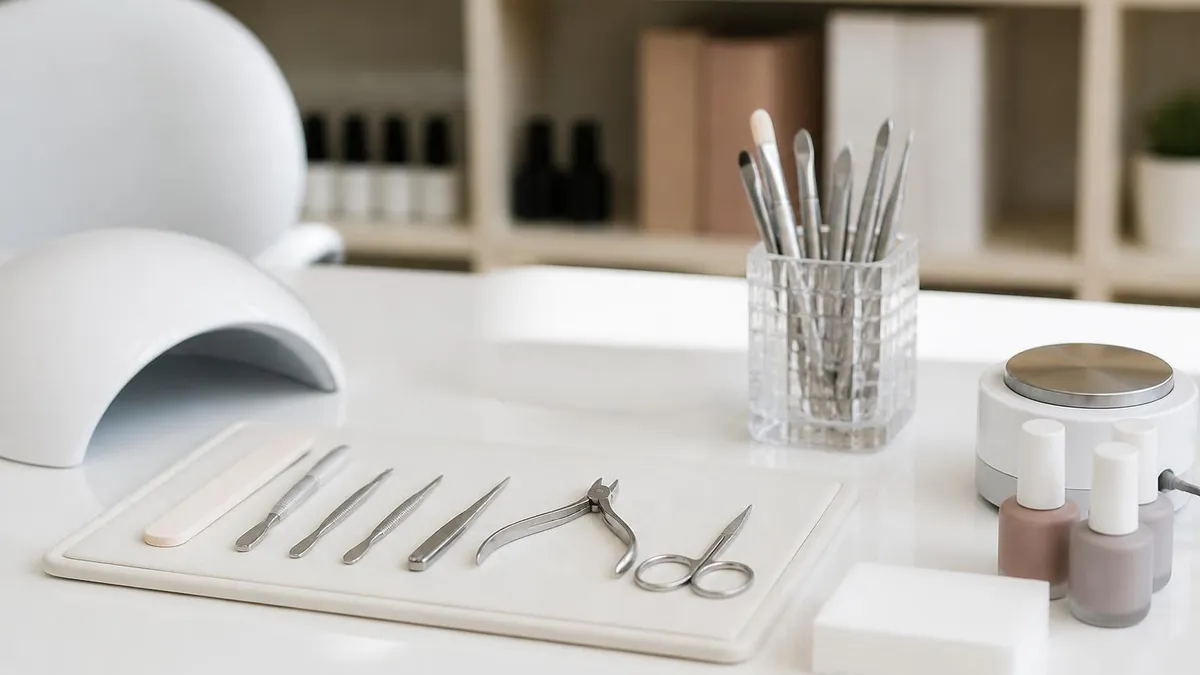
Cosmetology Instructor Licensing Requirements
Most states require a current, valid cosmetologist license with a minimum number of hours (typically 1,500–2,100) completed at an accredited school before an instructor application is considered.
Candidates must complete a state-approved instructor course ranging from 600 to 1,000 additional hours covering lesson planning, classroom management, and adult education theory.
A written and sometimes practical exam administered by the state board tests pedagogical knowledge, state laws, and technical cosmetology content specific to teaching duties.
Most state boards require a fingerprint-based background check and an application fee ranging from $25 to $150 before issuing an instructor permit or endorsement.
Instructor licenses must be renewed every one to two years. Renewal typically requires six to sixteen hours of continuing education in teaching methods, safety, or technical updates.
The salary landscape for cosmetology instructor jobs is more varied than many candidates expect. Public institutions — community colleges, vocational high schools, and career technical education centers — often pay instructors on a standardized teacher pay scale that includes health insurance, retirement contributions, and paid summer breaks. Annual salaries at these institutions commonly range from $42,000 to $68,000 depending on tenure, certifications, and local cost of living. Private cosmetology colleges are more likely to pay hourly rates between $18 and $28, with fewer benefits but sometimes more flexible scheduling.
Geographic location is the single biggest driver of compensation variation. Instructors working in California, New York, and Washington typically earn 25 to 35 percent more than peers in states with lower costs of living. However, states with strong union protections for vocational educators — including Ohio, Michigan, and Illinois — often offer salaries competitive with coastal markets even without high living costs. If you are exploring ohio state cosmetology instructor opportunities, the state's robust community college system is a particularly strong pipeline into well-compensated educator roles.
Beyond base salary, experienced instructors can significantly boost their income through supplemental opportunities. Curriculum development contracts, textbook review panels, and state board examination development work all pay project-based fees. Some instructors earn affiliate revenue by creating online cosmetology study content. Others move into director of education or school director roles, where salaries routinely exceed $75,000 and responsibilities expand to cover regulatory compliance, accreditation, and staff hiring.
The job market for cosmetology instructors is currently favorable for candidates. A large cohort of experienced educators who entered the profession in the 1990s and early 2000s is approaching retirement, creating succession gaps at many established schools. At the same time, growth in medical aesthetics, natural hair care, and sustainable beauty practices is prompting schools to expand their curricula, which requires hiring instructors with expertise in emerging techniques. Candidates with cross-disciplinary backgrounds — for example, a cosmetologist who also holds an esthetics license — are especially competitive in today's market.
How long is cosmetology school for instructors? Completing the required instructor training program typically adds nine to eighteen months to the path for an already-licensed cosmetologist. Full-time programs move faster, while evening and weekend formats allow candidates to keep working their current jobs during the transition. Most instructor programs break their curriculum into theory modules — covering learning styles, assessment methods, and state regulations — and clinic floor modules where candidates practice teaching under the supervision of a master instructor.
How much is cosmetology school for the instructor track? The cost of instructor training programs ranges from $3,500 at community colleges to over $15,000 at private beauty academies. Financial aid, including federal Pell Grants and Title IV loans, is available to eligible students enrolled in accredited programs. Some employers offer tuition reimbursement for working stylists who agree to teach at their school upon completing the program — a valuable arrangement that eliminates out-of-pocket costs entirely.
Cosmetology license renewal requirements for instructors follow the same calendar as practitioner renewals in most states but often add instructor-specific continuing education credits. Staying current on state board rule changes, infection control updates, and new product safety regulations protects both the instructor's license and the school's accreditation status. Setting calendar reminders twelve months before renewal deadlines ensures you always have adequate time to complete required hours without scrambling.
Cosmetology Practice Test Questions
Prepare for the Cosmetology Test exam with our free practice test modules. Each quiz covers key topics to help you pass on your first try.
Cosmetology Test Anatomy and Physiology
Cosmetology Exam Questions covering Test Anatomy and Physiology. Master Cosmetology Test concepts for certification prep.
Cosmetology Test Business and Career Manag...
Free Cosmetology Practice Test featuring Test Business and Career Management. Improve your Cosmetology Exam score with mock test prep.
Cosmetology Test Chemical Texture Services
Cosmetology Mock Exam on Test Chemical Texture Services. Cosmetology Study Guide questions to pass on your first try.
Cosmetology Test Haircolor and Lightening
Cosmetology Test Prep for Test Haircolor and Lightening. Practice Cosmetology Quiz questions and boost your score.
Cosmetology Test Haircutting and Styling
Cosmetology Questions and Answers on Test Haircutting and Styling. Free Cosmetology practice for exam readiness.
Cosmetology Test Infection Control and Safety
Cosmetology Mock Test covering Test Infection Control and Safety. Online Cosmetology Test practice with instant feedback.
Cosmetology Test Nail Care and Procedures
Free Cosmetology Quiz on Test Nail Care and Procedures. Cosmetology Exam prep questions with detailed explanations.
Cosmetology Test Nail Care and Services
Cosmetology Practice Questions for Test Nail Care and Services. Build confidence for your Cosmetology certification exam.
Cosmetology Test Principles of Skin Care
Cosmetology Test Online for Test Principles of Skin Care. Free practice with instant results and feedback.
Cosmetology Test Scientific Concepts
Cosmetology Study Material on Test Scientific Concepts. Prepare effectively with real exam-style questions.
Cosmetology Test Skincare and Services
Free Cosmetology Test covering Test Skincare and Services. Practice and track your Cosmetology exam readiness.
Cosmetology Test Wigs, Hair Extensions, an...
Cosmetology Exam Questions covering Test Wigs, Hair Extensions, and Hair Additions. Master Cosmetology Test concepts for certification prep.
Cosmetology Administrative Rules
Free Cosmetology Practice Test featuring Administrative Rules. Improve your Cosmetology Exam score with mock test prep.
Cosmetology On Hair & Scalp Properties
Cosmetology Mock Exam on On Hair & Scalp Properties. Cosmetology Study Guide questions to pass on your first try.
Cosmetology
Cosmetology Test Prep for Cosmetology. Practice Cosmetology Quiz questions and boost your score.
State Board Rules for Cosmetology Instructors
The arizona board of cosmetology requires instructor candidates to hold an active Arizona cosmetologist license and complete a minimum of 1,000 instructor training hours at a board-approved school. Written and practical exams must be passed with a score of at least 75 percent. The application fee is $125, and the instructor license renews every two years with sixteen hours of continuing education required to maintain active status.
Arizona also requires instructors to complete a separate four-hour jurisprudence course covering state-specific laws, sanitation standards, and professional ethics before the initial license is issued. Schools employing instructors must verify license status through the Arizona Board portal before the first day of instruction. Violating this verification requirement can result in fines for the school and probationary status for the instructor.
Is a Cosmetology Instructor Career Right for You?
- +Stable income with benefits at public vocational schools and community colleges
- +Regular daytime hours compared to evenings and weekends in salon work
- +Deep personal satisfaction from mentoring students through licensing milestones
- +Opportunities to advance into director of education or school administrator roles
- +Growing demand as veteran instructors retire and beauty curricula expand
- +Access to continuing education, industry shows, and professional development funding
- −Lower starting pay than top-tier salon commission income for elite stylists
- −Additional licensing requirements add 9–18 months and $3,500–$15,000 in training costs
- −Managing large classrooms of adult learners with diverse backgrounds can be stressful
- −State board audits and accreditation compliance create ongoing administrative burdens
- −Limited creativity compared to daily client work in a full-service salon environment
- −Job market is geographically concentrated — rural areas have very few openings
Cosmetology Instructor Job Application Checklist
- ✓Verify your cosmetologist license is active and in good standing with your state board before applying.
- ✓Research your state's specific instructor training hour requirements and locate an approved program.
- ✓Complete your instructor training program and obtain official transcripts or hour verification documentation.
- ✓Pass the state board instructor written exam and, if required, the practical skills evaluation.
- ✓Submit your instructor license application with all required documents, fees, and background check consent.
- ✓Update your resume to highlight years of licensed practice, client specialties, and any teaching experience.
- ✓Build a portfolio of lesson plans, demonstration videos, or curriculum samples to share with employers.
- ✓Request letters of recommendation from salon managers, school directors, or industry mentors.
- ✓Search cosmetology colleges, vocational schools, and community college job boards for open positions.
- ✓Prepare for interviews by practicing demonstration lessons and reviewing state sanitation regulations.
Pass Rate Impact on Your Career Value
Schools track student state board pass rates closely because accreditation agencies use them as a quality benchmark. Instructors whose students consistently pass at 80 percent or above are considered high-value educators and are more likely to receive raises, promotions, and job offers from competing institutions. Emphasizing your student outcomes during salary negotiations can add $5,000–$10,000 to your annual offer.
Effective teaching in a cosmetology school requires a fundamentally different skill set than being an excellent stylist or esthetician. In the salon, your goal is to deliver a result for a paying client in a predictable, repeatable way. In the classroom, your goal is to help twenty or more adult learners with different learning styles, different cultural backgrounds, and different levels of prior experience understand the same material at approximately the same time. This shift from practitioner to educator is the most challenging part of the instructor transition for most candidates.
Adult learning theory — sometimes called andragogy — is a cornerstone of quality cosmetology instructor training programs. Adults learn best when they understand why a skill matters, can immediately apply what they learn, and feel respected as individuals with life experience that informs their progress. Effective cosmetology instructors connect technical skills to real client scenarios, give students immediate feedback during clinic floor practice, and create a classroom environment where questions are welcomed rather than discouraged.
Lesson planning is a technical skill that new instructors often underestimate. A well-designed lesson plan identifies the learning objective, the prerequisite knowledge students need, the instructional method being used (lecture, demonstration, hands-on practice, or group discussion), the assessment method, and the time allocated to each segment. Schools accredited by the National Accrediting Commission of Career Arts and Sciences (NACCAS) require instructors to maintain detailed lesson plans that can be reviewed during audits.
Curriculum design is increasingly important as cosmetology schools compete for students by offering specialized tracks in bridal styling, extension services, natural hair care, and advanced color techniques. Instructors with expertise in emerging techniques are often invited to contribute to curriculum development committees, which is both a professional development opportunity and a pathway to administrative advancement. Exploring cosmetology programs at accredited institutions shows the breadth of specialized tracks that top schools now offer.
Classroom management in a cosmetology school setting involves unique challenges. Students work with sharp tools, chemicals, and live clients simultaneously, so safety protocols must be enforced consistently without creating an atmosphere of fear. Instructors must also navigate the emotional dynamics of students who are under financial pressure, managing personal obligations, and often dealing with the anxiety of an impending licensing exam. Strong instructors develop rapport with their students while maintaining professional boundaries that protect both parties.
Technology is changing how cosmetology is taught. Digital learning management systems allow instructors to post video demonstrations, assign reading modules, and track student progress between clinic sessions. Some schools use virtual reality simulations to let students practice chemical application techniques before working on real hair. Instructors who embrace these tools and learn to integrate them into their teaching practice are more competitive candidates and more effective educators once hired.
Mentorship within the instructor community is a resource that many candidates overlook. Organizations like the Professional Beauty Association (PBA) and the Cosmetology Educators of America (CEA) offer conferences, webinars, and peer networking specifically for beauty school educators. Attending these events before you are hired signals to potential employers that you are already engaged with the professional community, which differentiates your application from candidates who are simply transitioning out of a slumping salon career.

If your cosmetologist license expires before you apply for or renew your instructor license, many state boards require you to complete reinstatement procedures — including additional CE hours and fees — before your instructor credentials can be issued or renewed. Never let your base cosmetologist license lapse while pursuing or holding an instructor position, as it can interrupt your employment and require costly remediation.
Career advancement in cosmetology education follows several distinct tracks, and understanding them early helps instructors make strategic decisions about continuing education, professional affiliations, and skill development. The most common advancement path leads from floor instructor to lead instructor, then to director of education, and eventually to school director or owner. Each step adds administrative and leadership responsibilities but also significantly increases compensation and professional influence.
The director of education role is particularly impactful in the cosmetology school environment. This position oversees the entire instructional team, manages curriculum updates, coordinates state board compliance, and serves as the primary liaison to accreditation bodies. Directors of education at mid-sized private schools typically earn between $65,000 and $90,000 annually, with larger institutions offering salaries above $100,000. Reaching this level generally requires five to eight years of classroom experience plus formal credentials in education administration or business management.
School ownership is the entrepreneurial track within cosmetology education. Many successful instructors eventually open their own cosmetology schools, either as independent startups or as franchise affiliates of established beauty education brands like Paul Mitchell Schools, Aveda Institutes, or Empire Beauty School. Opening a school requires substantial capital — startup costs typically range from $200,000 to over $1,000,000 depending on location and scope — but successful owners can earn well above standard instructor salaries while building equity in a lasting business asset.
Cosmetology license renewal for instructors who also maintain their practitioner license requires careful tracking of two separate CE deadlines in most states. Some states allow cosmetology CE credits to count toward both licenses simultaneously, while others require distinct courses for each credential. Reviewing your state board's renewal policy annually — and subscribing to email updates from the board — prevents the embarrassing and career-damaging situation of discovering a lapsed license after an unexpected audit.
The arizona board of cosmetology provides a model worth studying for instructors in any state. Arizona posts detailed guidance documents, renewal checklists, and CE provider directories on its public website, making it one of the more transparent state boards in the country. Instructors who understand how to navigate their own state board's resources are better equipped to guide their students through the same processes — and that competence is visible to school directors during the hiring process.
National certification from organizations like the American Association of Cosmetology Schools (AACS) or the National Cosmetology Association (NCA) can strengthen an instructor's resume significantly. These credentials signal a commitment to professional standards that transcends the minimum requirements of any single state board. Some employers use national certification as a tiebreaker when evaluating otherwise equally qualified candidates, and others make it a condition of promotion to lead instructor or director roles.
Preparing for long-term career success as a cosmetology instructor means building your personal brand as an educator. Creating a professional online presence — through LinkedIn, a personal teaching portfolio website, or educational social media content — allows you to demonstrate your expertise to prospective employers before the interview stage. Instructors who publish study guides, record demonstration videos, or contribute to cosmetology education blogs are building credibility that translates directly into stronger job offers and faster advancement throughout their careers.
Preparing to pass the cosmetology instructor licensing exam requires a different study strategy than preparing for the standard cosmetologist exam. The instructor exam tests not only your technical cosmetology knowledge but also your understanding of pedagogy, state laws governing cosmetology schools, and the ethical responsibilities of an educator. Allocating at least 30 percent of your study time to education-specific content — learning styles, assessment methods, lesson plan construction — gives you the best chance of a strong score on exam day.
Practice tests are one of the most effective preparation tools available to instructor candidates. Working through representative multiple-choice questions helps you identify knowledge gaps, builds familiarity with the exam's phrasing and format, and reduces test anxiety by making the assessment feel familiar rather than foreign. The best practice resources draw from the actual content domains tested by your state board, so check the board's candidate handbook to confirm which domains carry the most weight before you begin studying.
Time management during the exam itself is a skill worth practicing deliberately. Instructor exams typically run two to three hours and include 100 to 200 questions across multiple domains. Candidates who spend too long on difficult questions early in the exam risk running out of time on easier questions later. A reliable strategy is to answer every question you know confidently on the first pass, mark uncertain questions for review, and then return to marked questions with whatever time remains.
Study groups are underutilized by instructor candidates. Pairing up with peers who are also pursuing their instructor credentials creates accountability, surfaces knowledge gaps you might not identify studying alone, and makes the preparation process more sustainable over the weeks or months leading up to the exam. Some cosmetology instructor programs formally incorporate peer study sessions into their curriculum; if yours does not, organizing informal study groups with classmates is worth the effort.
Understanding the cosmetology cosmetologist distinction matters for both the exam and the classroom. A cosmetologist holds a broad license covering hair, skin, and nail services, while specialists in esthetics or nail technology hold narrower credentials. As an instructor, you may be asked to teach courses across all these disciplines or only within your area of licensure. Knowing exactly which services you are legally authorized to teach — and which require a co-instructor with different credentials — protects you, your students, and your employer from regulatory violations.
Cosmetology colleges that employ instructors vary widely in their institutional cultures, student demographics, and academic rigor. Before accepting a position, ask to observe a class session, review the school's most recent state board pass rate, and speak informally with current instructors if possible. A school with high pass rates, low instructor turnover, and a supportive leadership team is worth commuting farther or accepting a slightly lower initial salary, because the professional environment will shape your development as an educator far more than your starting pay.
Finally, embrace the mindset that your education as an instructor never ends. The beauty industry evolves continuously — new products, new techniques, new regulations, and new client expectations emerge every year. The instructors who build the most durable and rewarding careers are those who approach each renewal cycle, each industry conference, and each challenging student as an opportunity to learn something that makes them more effective tomorrow than they were today. That growth mindset is ultimately what separates good instructors from great ones.
Cosmetology Questions and Answers
Cosmetology Video Questions & Answers
Cosmetology Practice Test: 350+ Free Questions and Answers

Cosmetology General Knowledge: Complete 2026 Guide to Careers, Licensing, and Exam Prep
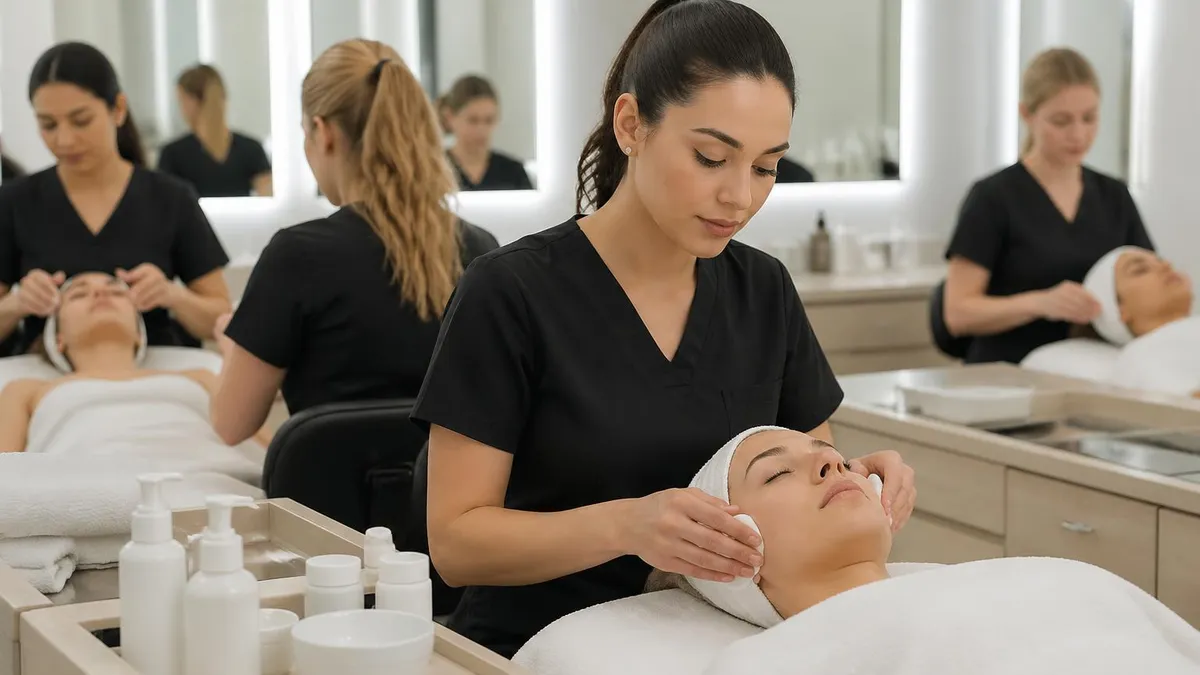
Cosmetology: Schools, Programs, Licensing, and Salary Guide 2026
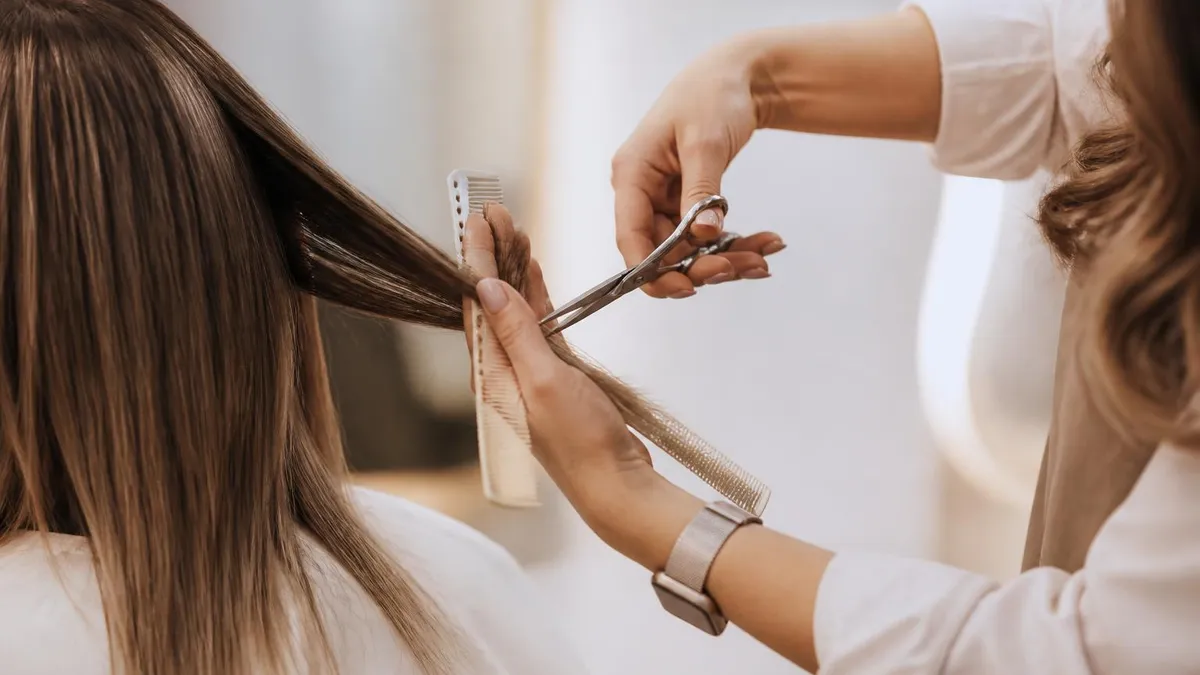
Texas Cosmetology Continuing Education: Complete 1-Hour CE Requirements and Renewal Guide for 2026
About the Author
Licensed Cosmetologist & Beauty Licensing Exam Specialist
Paul Mitchell SchoolsMichelle Santos is a licensed cosmetologist with a Bachelor of Science in Esthetics and Salon Management from Paul Mitchell School. She has 16 years of salon industry experience and 8 years preparing students for state cosmetology board exams in theory, practical skills, and sanitation. She specializes in licensure preparation for cosmetologists, estheticians, and nail technicians.
Join the Discussion
Connect with other students preparing for this exam. Share tips, ask questions, and get advice from people who have been there.
View discussion (6 replies)