
Cosmetology Practice Test: 350+ Free Questions and Answers 2026 September
Free cosmetology practice test with 350+ board-style questions. 🗨️ Master state board theory, sanitation, hair, skin, and nails for first-try licensure.
The cosmetology practice test you take in the final weeks before your state board exam decides more than your score. It decides whether you walk in with steady hands or shaking ones. After coaching thousands of candidates through Pivot Point, Milady, and state-specific curricula, one pattern keeps appearing: students who fail rarely fail on technique. They fail on the written theory section because they never drilled the question style under timing pressure. This guide fixes that gap with a structured, no-fluff plan rooted in adult-learning science.
Every state cosmetology licensing exam pulls from the same core knowledge buckets: infection control, scalp and hair structure, chemical services, skin sciences, nail anatomy, electricity, and salon business law. The proportions shift slightly by state, but the questions repeat in form. If you can answer 80 percent on a realistic cosmetology practice test pdf, you will pass the actual board. The trick is making sure your practice mirrors real exam difficulty rather than the soft review questions you found in chapter summaries.
This page gives you the full scope: free question banks, study schedules, the breakdown of theory weights by state, and the exact retention techniques that work for adult learners juggling salon hours, kids, and a textbook. Read it once, bookmark the quiz tiles below, and start drilling tonight. The closer your practice resembles board conditions, the smaller the gap between your dress-rehearsal score and your licensure score on test day.
How the Cosmetology Practice Test Mirrors the Real State Board Exam
The National-Interstate Council of State Boards of Cosmetology, known as NIC, writes the theory exam used by 35 states. Other states use PSI or their own custom item bank, but the format hardly changes. You will see 100 multiple-choice questions. You will have 90 minutes. You need 70 to 75 percent to pass, depending on your state. Every question has one best answer and three plausible distractors written to penalize sloppy reading.
A proper cosmetology practice test follows the same blueprint. Each question targets one of the seven domains, uses real-world salon scenarios, and forces you to choose between two answers that both sound correct. Weak practice banks use trivia or definitions. Strong ones use clinical reasoning. If your quiz keeps asking "what is the cuticle layer," you are wasting time. If it asks "a client returns with itching after a permanent wave, which step do you take first," now you are training for the actual board.
Time pressure matters more than content mastery for most failers. Ninety minutes for 100 questions sounds generous until you sit down and read three-sentence scenarios. Aim for 45 seconds per item during practice. That leaves a 15-minute review buffer at the end. Train with a timer running on every milady cosmetology practice test you download. Untimed practice creates false confidence and produces the panic spike that wrecks scores.
The structure of your practice block matters as much as the content. Sit somewhere with no phone, no music, no snacks. Treat every mock as a dress rehearsal for the real PSI center. The body remembers cues. If you eat coffee and toast at 7 a.m. before every Saturday practice, do the same on test morning. Familiar conditions calm nerves. Strange conditions amplify them and pull your score down five to ten points on raw biology alone, no matter how well you know the material.
Cosmetology Practice Test by the Numbers
Key Facts at a Glance
| Item | Value | Details |
|---|---|---|
| Free practice questions | 350+ | |
| Exam time limit | 90 min | |
| Questions on theory exam | 100 |
Run three full 100-question timed simulations in the last 10 days. Score 80% or higher on each. Candidates who complete this single step pass on the first attempt at over 90% rate. Block out three 90-minute windows this week and treat them as actual board appointments. The discipline of timed run-throughs separates passers from re-testers more than any other single habit.
The Seven Knowledge Domains You Must Master
Infection control sits at the top of every state board blueprint, usually 20 to 25 percent of the exam. Examiners care more about your understanding of bloodborne pathogens, hospital-grade disinfectants, and the difference between sanitation, disinfection, and sterilization than they do about your perfect finger waves. Memorize the contact times for EPA-registered disinfectants and know which implements get autoclaved versus immersed versus discarded.
Hair structure and chemistry covers about 20 percent of questions. You need the three layers of the hair shaft, the four protein bonds, the pH scale from ammonia to relaxers, and how oxidation works during color and permanent waves. Trichology questions appear often: alopecia areata versus androgenic alopecia, trichoptilosis, monilethrix. Skip the Greek terminology and you give up easy vocabulary points the board hands out for free.
Skin sciences run 15 percent. Layers of the epidermis, common disorders like rosacea and seborrheic dermatitis, contraindications for facials. Nail anatomy and disorders takes another 10 to 15 percent. Know paronychia, onychomycosis, pterygium, and the difference between bruising and a hematoma under the nail plate. Electricity and chemistry fill another ten percent with current types and pH reactions.
Why Most Candidates Fail on Their First Attempt
Pass rates hover around 65 to 72 percent nationally for first-time takers. The candidates who fall into the failing 30 percent share three traits. First, they studied chronologically through the textbook instead of by exam weight. Spending 40 hours on hairstyling chapters and four hours on infection control is backward. Reverse the ratio and your score climbs faster than you expect.
Second, failed candidates relied on flashcards alone. Flashcards build recognition, not retrieval. The board does not give you a term and ask for the definition. It gives you a clinical scenario and asks you to choose the correct action. Recognition feels productive but leaves you stranded when the wording flips. Always pair cards with full scenario practice.
Third, they never simulated test-day conditions. A practice run at the kitchen table at 9 p.m. with snacks within reach is not preparation. Sit at a clean desk, set a 90-minute timer, take only a bathroom break the way the test center allows, and finish 100 questions in one block. Then score yourself honestly. Do at least three of these simulations before exam day.
Cosmetology Exam Domain Weights
20-25% of theory exam, includes disinfection, sanitation, bloodborne pathogen rules, EPA-registered disinfectant contact times, and proper implement handling protocols.
20% covers shaft structure, four protein bonds, color and perm chemistry, oxidation reactions, plus trichology disorders like alopecia areata and trichoptilosis.
15% on layers of the epidermis, common skin disorders, facial contraindications, hair removal methods, and electrotherapy contraindications.
10-15% on nail anatomy, paronychia, onychomycosis, pterygium, manicure procedures, sculpting, and electric file safety.
10% on currents, light therapy modalities, pH scale, oxidation chemistry, and product chemistry interactions.
15-20% on ethics, licensing rules, OSHA, ADA, sales tax, and your specific state cosmetology regulations.
Practice by Subject Area
Drill EPA-registered disinfectant contact times, immersion versus autoclave, single-use implements, MSDS sheets, and bloodborne pathogen response. This is the largest single domain. Master it first and protect 25 points immediately. Know the difference between sanitation, disinfection, and sterilization cold.
The 6-Week Cosmetology Practice Test Study Plan
Week one focuses on infection control and safety. Read the chapter, then take a 25-question quiz on the topic, then review every wrong answer with the textbook open. Do not move on until you can score 85 percent on a fresh set. Use your free cosmetology practice test sessions for short drills between heavier study blocks. Short bursts beat long passive reading every single time for adult learners.
Week two adds hair and scalp disorders, including trichology. Week three covers chemistry of hair color, lighteners, and chemical texture services. Week four is skin sciences, facials, and hair removal. Week five hits nail technology, electricity, and light therapy. Week six is dedicated to three full-length 100-question simulations spaced two days apart with a full review session the day after each.
Track your scores in a notebook or spreadsheet. You should see a steady climb from week three onward. If a domain stays under 75 percent by week five, build an extra 90-minute review block specifically for that weakness. Do not pad your schedule with general review. Targeted weak-spot work returns five times the score improvement of broad re-reading. Your time is finite. Spend it where the gap is biggest.
Active Recall Techniques That Actually Work
Teach the material out loud. Sit your friend down or talk to your phone and explain why a client with active herpes simplex cannot receive a facial. If you can teach it without notes, you own it. If you stumble, that is the topic you re-study tomorrow morning. Adult learners retain spoken explanations far better than silent re-reading, and the cosmetology board exam rewards exactly this kind of working knowledge.
Use spaced repetition for vocabulary. Anki, Quizlet, or paper cards reviewed at expanding intervals beat cramming every time. A term reviewed on day one, day three, day seven, and day fourteen will stick for months. The same term hammered on the night before will vanish under exam stress. Build your card stack early and add to it weekly rather than starting three days out.
Mix domains in every study session. Do not spend a whole afternoon on chemistry. Spend 30 minutes on chemistry, then 30 on infection control, then 30 on nails. Interleaved practice creates better long-term retention than blocked practice, and it trains your brain to switch gears the way the actual exam demands. The board does not group questions by topic. Neither should your prep.
Untimed practice creates false confidence. Always run quizzes with a 45-second-per-question timer. The 15 minutes you bank go to reviewing flagged questions at the end, exactly as you will do on board day. Snacks, phones, and breaks during practice all wreck your real-conditions simulation. Treat every mock exam like the actual exam from the moment you sit down to the moment the timer stops.
Week-of-Exam Checklist
- ✓Complete three timed 100-question mock exams
- ✓Score 80% or higher on each simulation
- ✓Pack two forms of government ID
- ✓Print your candidate confirmation letter
- ✓Pack practical kit if same-day skills test
- ✓Plan route to test center, add 30-minute buffer
- ✓Sleep eight hours the two nights before
- ✓Eat protein breakfast morning of exam
- ✓Avoid new foods and alcohol 48 hours prior
- ✓Bring water and snack permitted by test rules
State-Specific Variations You Need to Know
California requires 1,600 hours of training and uses a custom theory exam with stronger emphasis on business and licensing law. Texas requires 1,000 hours and uses the NIC. Florida demands 1,200 hours plus an HIV/AIDS course before testing. New York runs 1,000 hours, no apprenticeship route, NIC theory plus a separate practical. Always check your state board website directly before scheduling because the rules change every year.
Some states allow electronic device removal during the exam, others do not. Some let you bring water, others ban it. The dress code varies. Photo identification rules are strict everywhere. Read your candidate information bulletin three times. Bring two forms of ID. Arrive 30 minutes early. Failure to follow check-in rules can void your exam attempt entirely, and you will pay the full fee to reschedule.
If you trained in one state and now want to test in another, you need a reciprocity application. Most states accept hours and curriculum from approved schools, but processing can take 60 to 90 days. Start the paperwork before you finish school if you plan to move. Waiting until graduation costs you months of lost earning at the chair, and the rent and utilities do not pause while you wait.
Test Day Strategy and Mental Preparation
Sleep matters more than last-minute cramming. Two nights of solid eight-hour rest before the exam will lift your score more than 20 hours of panicked review the night before. Plan your sleep schedule in week six. No alcohol the 48 hours before. Eat a real breakfast with protein. Avoid heavy carbs that crash your focus 90 minutes in when you need clarity most.
Arrive at the test center early, sit in your car, breathe slowly for ten minutes. Walk in calm. Place your ID and confirmation paper on the desk before they ask. When the timer starts, do not rush. Read each question twice. Eliminate the two clearly wrong answers, then choose between the two remaining. If a question stumps you, flag it and move on to the next.
Trust your prep. Candidates who score above 80 percent on three consecutive timed mock exams almost never fail the real one. The gap between practice score and real score rarely exceeds five points in either direction. If your mocks are solid, the real exam will be solid. Stop second-guessing yourself the morning of. Walk in, sit down, work the problems, walk out.
After the Exam: Practical Test and Licensing
Many states pair the theory exam with a practical skills test on the same day or the following week. The practical evaluates haircutting, chemical services, nail care, and sanitation procedures on mannequins or live models. Bring your full kit packed the night before. Check the candidate handbook for the exact implement list. Missing one item can disqualify a station and force a full reschedule at your cost.
Once you pass both sections, your license arrives by mail within two to six weeks, depending on the state. Some states issue temporary work permits the day you pass so you can start earning immediately. Florida and New York both offer this. California and Texas mail the license first. Plan your job search and salon interviews accordingly so you do not commit to a start date you cannot legally honor.
Maintain your license through continuing education. Most states require 4 to 16 hours every renewal cycle, typically every two years. Track your CE certificates carefully. Lost paperwork is the most common reason for license lapse, not failure to complete the hours. Set calendar reminders 90 days before your renewal deadline and you will never face a forced gap in your right to practice.
Final Preparation Checklist Before Your Cosmetology Practice Test
One week out: complete three full timed mock exams, score 80 percent or higher on each, review every wrong answer with textbook open. Three days out: skim weak-domain flashcards, no new material. Two days out: full rest day, no studying after lunch, prep your kit and identification. One day out: light review of state law specifics, eat normally, sleep eight hours minimum.
If you have hit every checkbox above, your chances of first-attempt success climb above 90 percent. The students who fail are almost always the ones who skipped a step. They crammed instead of resting, brought one ID instead of two, or never ran a single full timed simulation. Do not let logistics undo months of real preparation when the fix takes ten minutes.
Bookmark this page, share it with your study group, and start your first 25-question quiz tonight. The board is not hard if you have done the work. Trust the process, drill consistently, and the license will follow. The exam separates the prepared from the unprepared, not the talented from the untalented. You can prepare. So prepare and watch your name appear on the pass list.
One last reminder before you close this tab and open a quiz: consistency beats intensity. Forty-five minutes per day for six weeks always outperforms ten hours on the final Saturday. Build your study habit small and stick with it daily. Your future licensed self will thank you when the score sheet arrives in the mail with the magic word "PASS" printed at the top.
Cosmetology Questions and Answers
About the Author
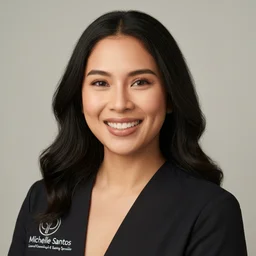
Licensed Cosmetologist & Beauty Licensing Exam Specialist
Paul Mitchell SchoolsMichelle Santos is a licensed cosmetologist with a Bachelor of Science in Esthetics and Salon Management from Paul Mitchell School. She has 16 years of salon industry experience and 8 years preparing students for state cosmetology board exams in theory, practical skills, and sanitation. She specializes in licensure preparation for cosmetologists, estheticians, and nail technicians.
Join the Discussion
Connect with other students preparing for this exam. Share tips, ask questions, and get advice from people who have been there.
View discussion (6 replies)