
BLS Medical Abbreviation: What It Means, Who Needs It, and How to Get Certified
Learn what the BLS medical abbreviation means, what is a BLS certification, 🗨️ who needs it, and how to pass the AHA Basic Life Support exam.
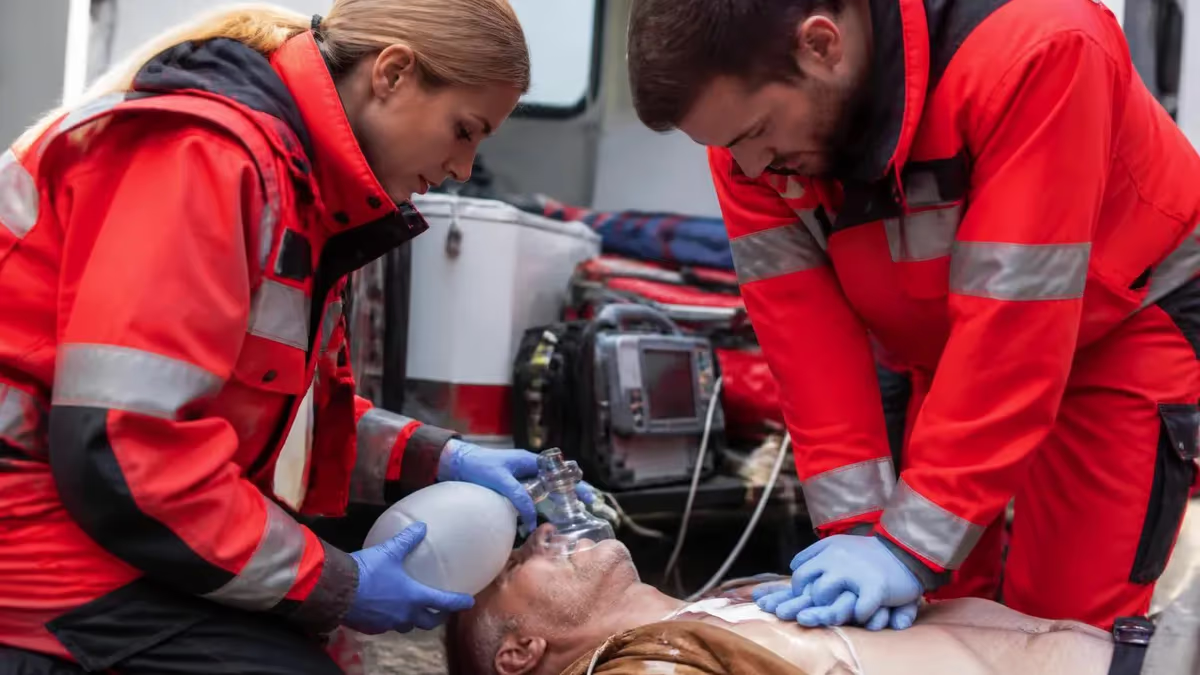
The bls medical abbreviation stands for Basic Life Support, a standardized set of emergency skills that healthcare professionals and trained responders use to sustain life during cardiac arrest, respiratory failure, or airway obstruction. Understanding what is a BLS certification is essential for anyone working in clinical, pre-hospital, or community health settings across the United States. BLS encompasses hands-on techniques including high-quality CPR, automated external defibrillator operation, and relief of foreign-body airway obstruction in adults, children, and infants. Millions of Americans hold active BLS credentials issued by organizations such as the American Heart Association and the American Red Cross.
So what does BLS stand for in practical, day-to-day terms for a nurse, paramedic, or medical assistant? It stands for the foundational layer of emergency response competency — the skills that must be executed correctly in the first critical minutes before advanced interventions like intubation or IV medication can begin.
Research published by the American Heart Association consistently shows that high-quality BLS initiated within two minutes of cardiac arrest can double or even triple a patient's chance of survival. That statistic underscores why employers, licensing boards, and accrediting bodies require BLS certification as a baseline credential rather than an optional add-on.
A question that surfaces frequently in online searches is: is BLS the same as CPR? The short answer is no — CPR is one component of BLS, but BLS is a broader competency package. In addition to chest compressions and rescue breaths, BLS training covers team dynamics, use of a bag-valve mask, two-rescuer techniques, and recognition of life-threatening rhythms on an AED. When employers say they require BLS, they are asking for proof of the complete skill set, not just a basic CPR card from a non-accredited course offered at a community center.
The two dominant issuing bodies in the United States are the American Heart Association and the American Red Cross. The AHA's BLS course is the gold standard for hospital-based healthcare providers, and the basic life support exam American Heart Association offers is accepted at virtually every major health system.
The American Red Cross basic life support course has become increasingly popular among outpatient clinics, dental offices, and school districts. Both courses align with the most recent evidence-based guidelines published in the AHA's 2020 International Consensus on CPR and ECC Science, ensuring learners receive current, validated content regardless of which organization they choose.
Basic life support for healthcare providers differs meaningfully from layperson CPR courses offered to the general public. Provider-level courses require demonstration of two-rescuer CPR, use of a bag-valve mask, and proper rhythm analysis and shock delivery with an AED. Skill stations are evaluated by a certified BLS instructor who must observe correct hand placement, adequate compression depth of at least 2 inches for adults, a compression rate of 100 to 120 per minute, and full chest recoil between compressions. Missing any of these checkpoints means a remediation before the card is issued.
BLS certification is valid for two years from the date of successful completion. A basic life support renewal class is required before the card expires to maintain eligibility for clinical employment, licensure renewals, and hospital privileging. Many employers require renewal completion 30 to 60 days before expiration, so learners should not wait until the last week of their certification cycle.
Renewal classes are shorter than initial courses — typically 45 to 60 minutes for an online HeartCode BLS skills check or a two-hour classroom renewal session — because learners are assumed to already understand the underlying science and simply need to demonstrate continued skill proficiency.
Whether you are a nursing student preparing for your first clinical rotation, a seasoned paramedic keeping credentials current, or a dental hygienist required to maintain provider-level BLS by your state board, this guide walks through everything you need to know: what the BLS medical abbreviation means, how the certification exam is structured, the differences between AHA and Red Cross pathways, and the most effective strategies to pass your written and skills assessment on the first attempt.
BLS Certification by the Numbers
Who Needs a BLS Certification?
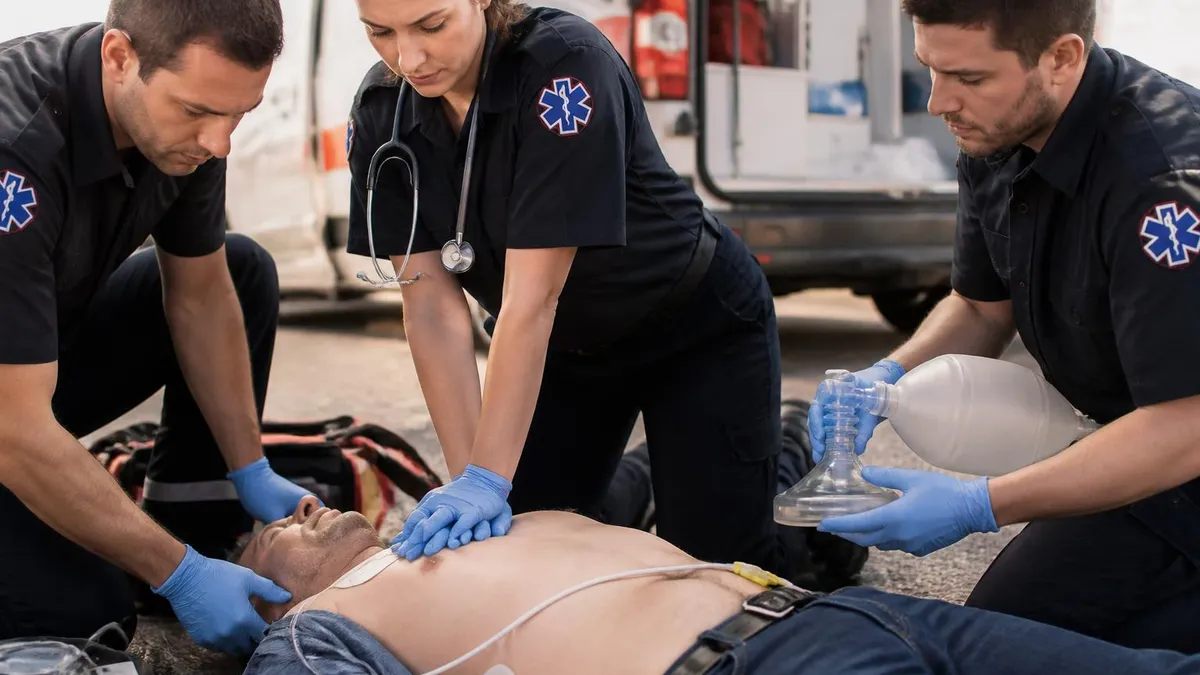
Registered nurses, physicians, respiratory therapists, surgical techs, and medical assistants are typically required to hold active BLS credentials as a condition of employment at accredited hospitals and outpatient facilities.
EMTs, paramedics, and firefighters must maintain BLS as the foundation of their emergency skill set. State EMS licensing boards mandate active BLS certification for initial licensure and renewal in all 50 states.
Nursing, pharmacy, dental hygiene, physical therapy, and medical assistant students must obtain BLS certification before beginning clinical rotations. Most programs require AHA BLS specifically, so check your program's requirements early.
Many states mandate BLS or CPR/AED training for teachers, school nurses, coaches, and licensed childcare providers. Pediatric BLS content — including infant one-handed CPR — is often highlighted in these settings.
Personal trainers, lifeguards, athletic trainers, and community health workers often must hold BLS or CPR/AED certification. Facility accreditation and liability insurance requirements commonly drive this mandate.
When evaluating the AHA basic life support exam versus the American Red Cross basic life support course, the most important factor for most healthcare professionals is employer acceptance. The majority of U.S. hospitals and health systems specify AHA BLS for Healthcare Providers as their required credential. This is partly because the AHA's guidelines inform most hospital-based resuscitation protocols, and partly because the AHA has maintained a dominant market position in provider-level training since the 1990s. If your employer lists a specific issuing body, always match that specification to avoid having to retake the course.
The AHA BLS for Healthcare Providers course is available in three delivery formats. The traditional classroom format is a four- to five-hour instructor-led session that combines video content with hands-on skill stations. HeartCode BLS is a blended learning option that allows learners to complete the cognitive portion online at their own pace and then schedule a brief in-person skills check — typically 30 to 60 minutes — at a testing site.
The third option, the fully in-person traditional course without the online module, remains available through authorized training centers for learners who prefer a purely face-to-face experience. All three formats result in the same two-year AHA BLS card.
The American Red Cross basic life support course, formally called BLS for Healthcare Providers, mirrors the AHA course in its core content: high-quality CPR for adults, children, and infants; two-rescuer techniques; AED use; and relief of foreign-body airway obstruction. The Red Cross also offers a blended online-plus-skills session format.
One meaningful difference is that the Red Cross issues digital certification cards through its Learning Center platform, which makes it slightly easier for learners to retrieve replacement credentials. The AHA's digital card system, eCard, provides a similar function but has historically required learners to go through their training center to retrieve records.
Cost varies between providers and delivery formats. Classroom AHA BLS courses at hospital-sponsored training centers sometimes run as low as $25 to $50 when subsidized by the employer. Independent training centers typically charge $60 to $100 for the same classroom course.
HeartCode BLS — the AHA's blended learning option — costs approximately $35 for the online module plus $30 to $75 for the skills check at a testing center, bringing the total to $65 to $110. Red Cross BLS courses are similarly priced, often ranging from $60 to $90. Some employers reimburse BLS certification costs, especially for new hires completing onboarding requirements.
For a basic life support renewal class, costs are generally lower than the initial certification because the course is shorter. AHA HeartCode BLS renewal is one of the most cost-efficient options, with the online module often priced under $30 when purchased through a hospital's bulk license arrangement. In-person renewal classes at community training centers typically range from $50 to $75. Planning your renewal class four to six weeks before expiration gives you a buffer in case a skills session is fully booked or you need to reschedule due to work conflicts.
Both the AHA and the Red Cross update their BLS guidelines on approximately a five-year cycle, with the most recent major update occurring in 2020. Key evidence-based changes introduced in the 2020 guidelines include increased emphasis on dispatcher-assisted CPR, refined guidance on CPR during active COVID-19 transmission scenarios (now largely reverted to standard protocols as the pandemic phase ended), and stronger recommendations for systems-of-care approaches that include community lay-responder training. Learners taking a renewal class after a gap of more than two years may notice updated course content reflecting these guideline changes, particularly in the section on team-based resuscitation dynamics.
When choosing between the AHA and Red Cross, the practical guidance is straightforward: confirm your employer's or licensing board's preference first. If either is accepted, consider your preferred learning format, the proximity of training centers or skills-check sites, and cost. Whichever body you choose, the foundational skills you learn and practice are grounded in the same scientific evidence and will prepare you equally well for real-world resuscitation scenarios. The credential matters for compliance; the skills matter for patient survival.
Is BLS the Same as CPR? Key Differences Explained
CPR — cardiopulmonary resuscitation — refers specifically to the combination of chest compressions and rescue breaths used to manually circulate blood and deliver oxygen when the heart has stopped. BLS, or Basic Life Support, is a broader certification that includes CPR as one component alongside AED operation, airway management with a bag-valve mask, two-rescuer coordination protocols, and recognition of when and how to initiate each intervention. Think of CPR as a tool within the BLS toolbox.
When an employer asks for BLS, they are asking for the full provider-level skill set, not just the ability to perform chest compressions. A layperson CPR course teaches hands-only or basic CPR to the general public and is generally not accepted as equivalent to a BLS certification for clinical employment. Healthcare providers must demonstrate all BLS components to a certified instructor during the skills assessment portion of the course before a credential card is issued.
BLS Certification: Benefits and Limitations to Consider
- +Universally accepted credential required for most clinical and pre-hospital employment positions
- +Evidence-based skills training aligned with the latest AHA 2020 resuscitation science guidelines
- +Increases patient survival odds — early high-quality BLS can double or triple cardiac arrest outcomes
- +Relatively low cost ($60–$110) compared to the career value and compliance requirement it fulfills
- +Available in flexible formats — classroom, blended HeartCode, or fully online plus skills check
- +Renewal process is shorter than initial certification, reducing time away from work for recertification
- −Certification expires every two years, creating an ongoing cost and scheduling burden for healthcare workers
- −Skills decay is documented — providers who don't regularly practice may lose compression quality between renewal cycles
- −Not all BLS cards are accepted equally — some employers require AHA specifically and won't accept Red Cross or other providers
- −HeartCode online format requires a separate in-person skills session, which can be difficult to schedule in rural areas
- −The written knowledge check in AHA BLS does not require a minimum score in all course formats, which may leave knowledge gaps undetected
- −No standardized national database exists, so verifying credentials across health systems often relies on paper or digital cards rather than a central registry
BLS Certification Exam Preparation Checklist
- ✓Confirm your employer or licensing board accepts AHA, Red Cross, or either BLS issuing body before registering.
- ✓Register for your preferred course format (classroom, HeartCode blended, or in-person only) at least three weeks before your deadline.
- ✓Review the AHA BLS written study materials or Red Cross participant workbook before your course date.
- ✓Practice compressions on a manikin or firm surface, aiming for a rate of 100–120 per minute and at least 2 inches of depth.
- ✓Study the correct compression-to-ventilation ratio: 30:2 for single rescuer; coordinated timing for two-rescuer CPR.
- ✓Learn the full AED operating sequence: power on, attach pads correctly, analyze rhythm, clear the patient, deliver shock if advised.
- ✓Review pediatric and infant CPR differences — compression depth, two-finger technique for infants, and child AED pad placement.
- ✓Understand relief of foreign-body airway obstruction: abdominal thrusts for conscious adults and children, back blows and chest thrusts for infants.
- ✓Take at least two full BLS practice tests online to identify knowledge gaps before your written or knowledge-check component.
- ✓Arrive at your skills session with closed-toe shoes and clothing that allows you to kneel comfortably for manikin work.
Most BLS remediation sessions target compression rate and depth — not AED operation.
Data from AHA training center instructors consistently show that compression rate (going too fast above 120 per minute or too slow below 100) and insufficient depth are the most common reasons providers require remediation during skills assessments. Practicing with a manikin that provides real-time feedback, or using a metronome app during home practice, addresses both issues before your course day and significantly reduces the chance of needing a second skills check.
Understanding the BLS renewal process is just as important as preparing for initial certification. A basic life support renewal class is required every two years, and the clock starts from the date your current card was issued — not from the date it expires. If you took your initial BLS course on June 1, 2024, your renewal deadline is June 1, 2026, regardless of when you actually schedule the class. Many employers set an internal deadline 30 to 60 days before the card expiration to ensure no staff member lapses during a scheduling delay.
The AHA offers two primary renewal pathways. The first is HeartCode BLS — the blended online-plus-skills-check format. The online module takes approximately 60 to 90 minutes to complete and covers updated guidelines, scenario-based questions, and video demonstrations. After completing the online portion, the learner schedules an in-person skills check at an authorized AHA training center. The skills check typically takes 30 to 45 minutes and focuses on demonstrating high-quality CPR and AED proficiency. Upon successful completion, a digital eCard is issued immediately.
The second renewal pathway is the traditional in-person classroom renewal course. This abbreviated course — typically two hours — is conducted entirely by a certified BLS instructor and includes both the knowledge review and skills stations in a single session. This format works well for learners who prefer face-to-face instruction or who do not have reliable internet access for the online module. Classroom renewal courses are commonly offered at hospitals, fire stations, community colleges, and health system training centers.
A frequently asked question is whether BLS certification can expire and be renewed, or whether an expired card requires starting from scratch with a full initial course. The answer depends on the issuing body and your employer's policy. The AHA generally allows renewal even if your card has already lapsed, but some employers will not accept a renewal course if the card has been expired for more than 30 days and will require the full initial BLS course instead. Always check your employer's specific policy before scheduling a renewal versus a new initial certification.
Skills decay is a well-documented phenomenon in emergency medicine education. A 2019 study published in Resuscitation found that CPR skill quality — particularly compression depth and rate accuracy — declines measurably within three to six months after initial training without reinforcement. This is one reason why some forward-thinking health systems have implemented quarterly micro-simulation refreshers or manikin-based practice stations on hospital units, independent of the formal biennial renewal requirement. These low-stakes practice opportunities have been shown to maintain skill quality more effectively than the two-year certification cycle alone.
For healthcare professionals who hold multiple advanced life support credentials — such as ACLS (Advanced Cardiovascular Life Support) or PALS (Pediatric Advanced Life Support) — it is important to track renewal deadlines for each certification separately. BLS must remain active as a prerequisite for ACLS and PALS; if your BLS lapses, your ACLS and PALS credentials may be considered invalid by your employer even if those cards have not yet expired. Maintaining a personal certification tracking spreadsheet or using an app like AHA's SkillReporter helps prevent inadvertent lapses.
Employers play a key role in supporting renewal compliance. Most large health systems use credentialing software that sends automated alerts to employees and managers when a BLS card is approaching its 90-day, 60-day, and 30-day expiration windows. Some systems offer on-site HeartCode skills check stations during staff meetings or shift huddles, dramatically reducing the logistical barrier to timely renewal. If your employer does not offer on-site renewal options, authorized AHA training centers are searchable through the AHA's Find a Course tool, and Red Cross renewal sessions can be located through the Red Cross Learning Center website.
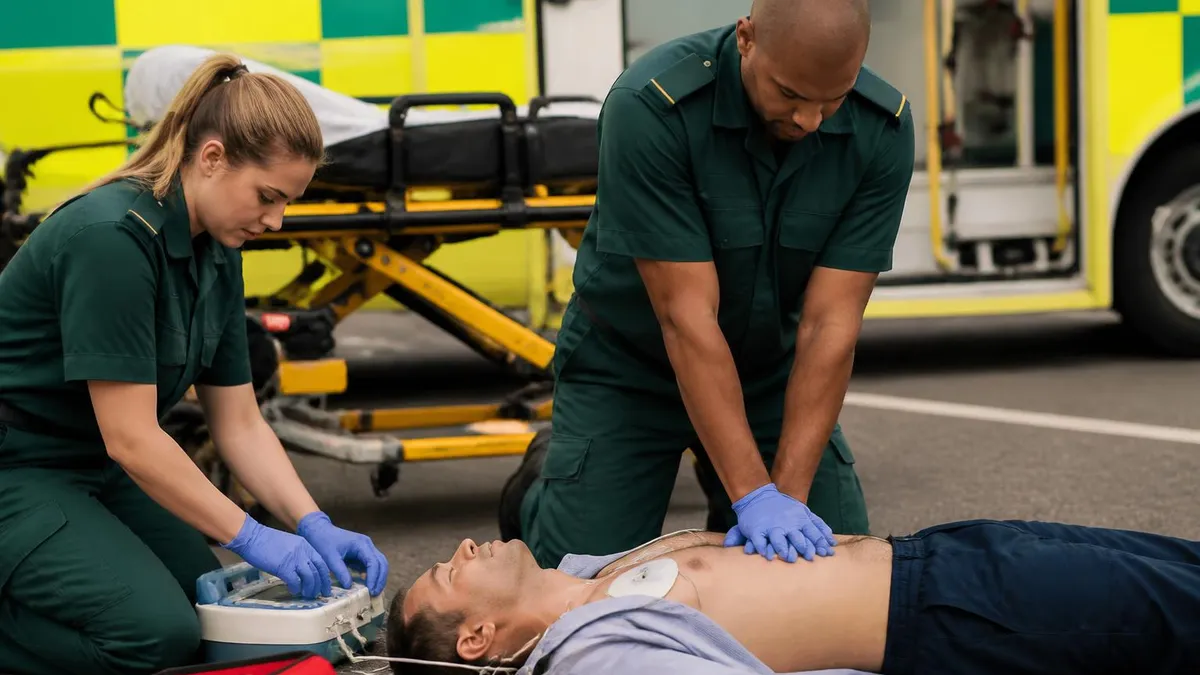
An expired BLS card can result in immediate removal from clinical assignments until recertification is complete, as most hospital credentialing systems flag lapsed certifications during routine audits. Some employers require a full initial BLS course — rather than the shorter renewal class — if the card has been expired for more than 30 days. Schedule your basic life support renewal class at least six weeks before your expiration date to avoid scheduling gaps or compliance issues.
Successfully passing the BLS skills assessment requires more than just knowing the steps intellectually — it requires demonstrating them correctly on a manikin under instructor observation. The AHA BLS skills test evaluates adult CPR and AED, infant CPR, and two-rescuer CPR with bag-valve mask. Each station has specific performance criteria that must be met for the instructor to sign off. Understanding these criteria in advance eliminates the anxiety of uncertainty and lets you focus on executing the skills cleanly during the session.
For the adult CPR station, the instructor will observe your hand placement — heel of hand on the lower half of the sternum, second hand on top with fingers interlaced — your compression depth of at least 2 inches without exceeding 2.4 inches, your rate of 100 to 120 per minute, and full chest recoil after each compression.
The instructor will also watch for compression fraction — the proportion of time spent actually compressing versus pausing. The AHA recommends a compression fraction of at least 60%, meaning pauses for breaths and AED analysis should be minimized. Practice counting compressions out loud if that helps you maintain rate awareness.
The AED station evaluates whether you power on the device in a timely manner, correctly attach pads to the upper right chest and lower left side without crossing leads, ensure all bystanders are clear before the shock is delivered, and resume CPR within 10 seconds of shock delivery. A common error is hesitating too long after the shock before restarting compressions. The 10-second post-shock CPR resumption target is strict during skills assessment and reflects the evidence showing that prolonged post-shock pauses reduce resuscitation success rates.
For the infant CPR station, the technique differences from adult CPR are significant. Compressions are performed with two fingers on the center of the chest, just below the nipple line, to a depth of at least 1.5 inches. Rescue breaths are delivered with enough volume to produce visible chest rise — typically a small puff rather than the full breath used for adults, since infant lung capacity is much smaller. Head tilt–chin lift for opening the airway in infants is gentler than in adults, as over-extension of the infant neck can actually occlude the airway rather than open it.
Two-rescuer CPR is evaluated with a partner — either another course participant or the instructor. The key competencies assessed include smooth role switching at the two-minute interval, the compressor correctly calling for the switch, the incoming compressor positioning hands before the outgoing compressor stops, and both rescuers maintaining proper technique throughout. The bag-valve mask operator must achieve a proper mask seal using the E-C clamp technique and deliver breaths that produce visible chest rise without over-ventilation. Over-ventilation — giving too much air too fast — is a common error that causes gastric inflation and reduces venous return during CPR.
The written or knowledge-check component of the AHA BLS course varies by format. In HeartCode BLS, the online module includes embedded knowledge checks and scenario questions that must be completed before the learner can access the skills session scheduling option. These questions test understanding of the BLS algorithm, signs of cardiac arrest, AED operation, and special situations such as CPR in a suspected opioid overdose.
In the traditional classroom format, a brief written exam may or may not be administered, depending on the training center's protocol, since the AHA's primary evaluation mechanism at the provider level is skills demonstration rather than written testing.
If you require remediation during a skills session, do not be discouraged — it is not uncommon, particularly for new healthcare students encountering the full BLS skill set for the first time. The instructor will identify the specific deficiency and allow you to practice and re-demonstrate. Remediation does not mean failure; it means the course is working as designed by ensuring that every BLS card holder has genuinely met the performance standard.
Preparing thoroughly — practicing compressions, watching AHA skills demonstration videos, and taking free BLS practice tests before your course — dramatically reduces the likelihood of needing remediation and makes the skills session a confirmation of competence rather than a stressful evaluation.
Practical preparation for the BLS certification exam and skills assessment should begin at least one to two weeks before your scheduled course date. The most effective preparation strategy combines cognitive review of the BLS algorithms with hands-on physical practice, even if that means practicing compression technique on a firm couch cushion or purchasing an inexpensive manikin for home use. Research on motor skill acquisition in resuscitation training consistently shows that spaced practice — short sessions repeated over multiple days — produces better skill retention than a single long cramming session the night before.
Start your preparation by reviewing the Adult BLS Algorithm published by the American Heart Association. This one-page flowchart outlines every decision point a provider faces during a cardiac arrest response: recognizing unresponsiveness, activating the emergency response system, checking for a pulse, beginning CPR, using an AED, and continuing until advanced providers arrive or the patient shows signs of recovery. Memorizing this algorithm's logic makes it easier to answer scenario-based questions on the written knowledge check and execute the correct sequence during skills stations without hesitation.
Online BLS practice tests are one of the most efficient tools for identifying knowledge gaps before your course. Free practice tests simulate the types of questions you will encounter on the AHA's knowledge assessment, covering topics like compression-to-ventilation ratios, AED pad placement, special situation protocols (drowning, pregnancy, opioid overdose), and team dynamics. Taking a timed 25-question practice test before studying, then reviewing incorrect answers, then taking a second test after targeted review is a proven retrieval-practice technique that strengthens retention far more effectively than passive re-reading of study materials.
Pay special attention to the special situations content, which trips up many BLS candidates. For a victim of suspected drowning, the protocol begins with rescue breaths before compressions — a reversal of the usual sequence — because the primary cause of arrest is respiratory rather than cardiac.
For a victim of suspected opioid overdose, naloxone administration is now incorporated into many BLS protocols in addition to standard CPR and AED use. For a pregnant patient, lateral tilt or manual uterine displacement is added to standard CPR to relieve aortovenous compression and improve venous return. These modifications are explicitly tested in the AHA BLS course and are fair game for written knowledge checks.
Time management during the skills session is a subtle but important factor. Instructors note the interval from scene recognition to first compression, from AED power-on to first shock delivery, and from shock delivery to CPR resumption. Practicing these sequences at home with a timer helps you build the muscle memory of moving quickly and purposefully without rushing in a way that introduces errors. The goal is smooth, confident execution — the kind of automaticity that comes from genuine practice rather than mere familiarity with the steps in theory.
After earning your BLS certification, sustain your skills by seeking opportunities for low-stakes practice. Many hospital units have manikins available for staff practice during quiet periods. Some health systems use CPR feedback devices on code carts that display real-time compression metrics, which can be used during team debriefs to review and improve performance. Participating in mock code drills organized by your unit or department is another high-value activity that reinforces not just individual skills but also the team communication and role clarity that make resuscitation efforts effective in real emergencies.
Finally, use the full two-year certification cycle productively. Note the key 2020 AHA guideline updates when they are covered in your renewal course and consider how they apply to your practice setting. If your workplace offers simulation-based continuing education in resuscitation, treat it as a complement to rather than a replacement for formal BLS renewal. The combination of formal certification, ongoing informal practice, and engagement with current resuscitation science is what transforms BLS from a compliance checkbox into a genuine, life-saving competency that you can execute confidently when a patient's life depends on it.
BLS Questions and Answers
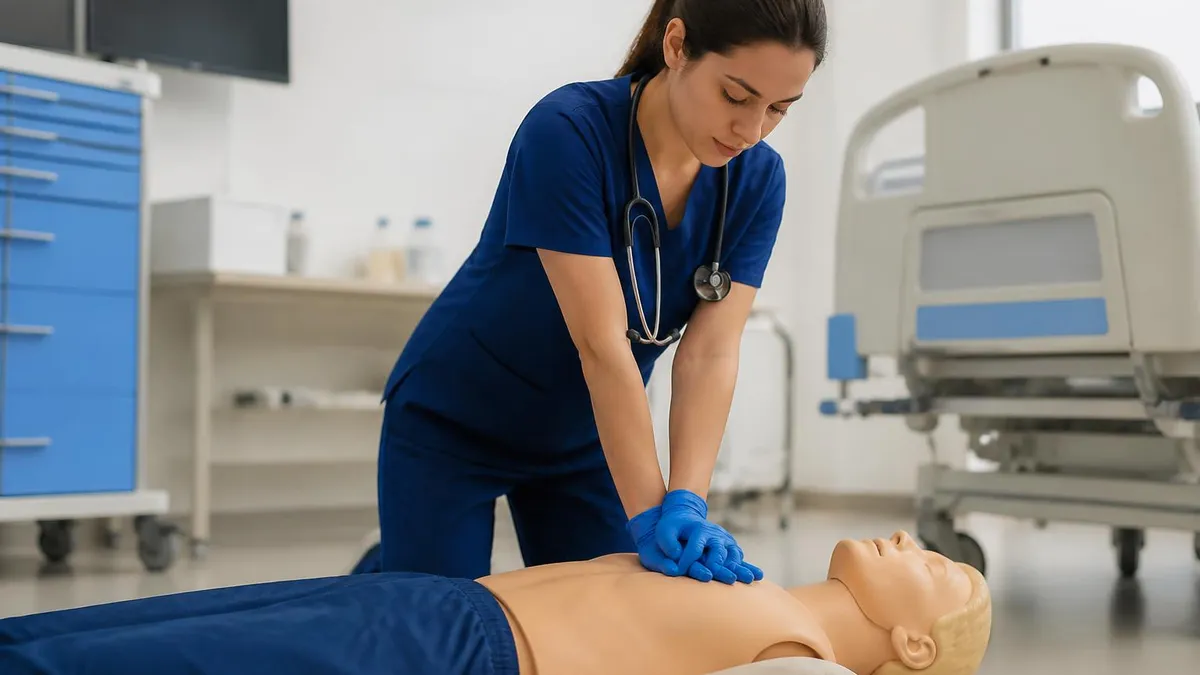
What Is BLS? Basic Life Support, CPR, and AED Guide
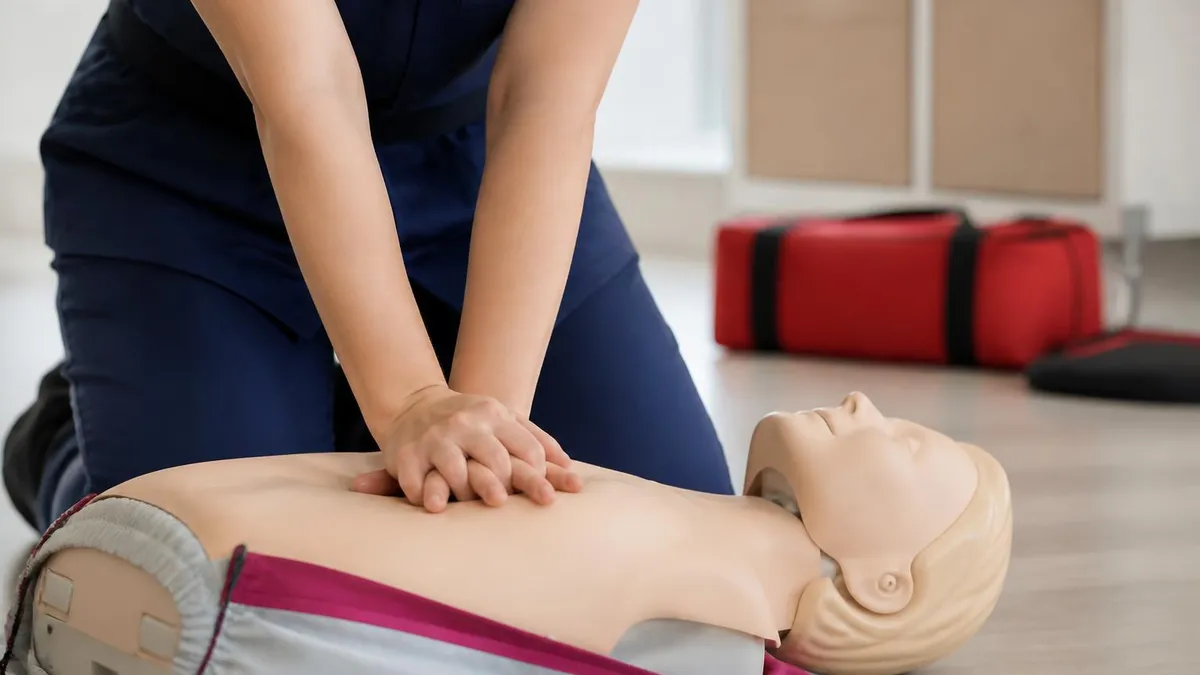
AHA BLS Certification: Course, Renewal, and Exam Guide
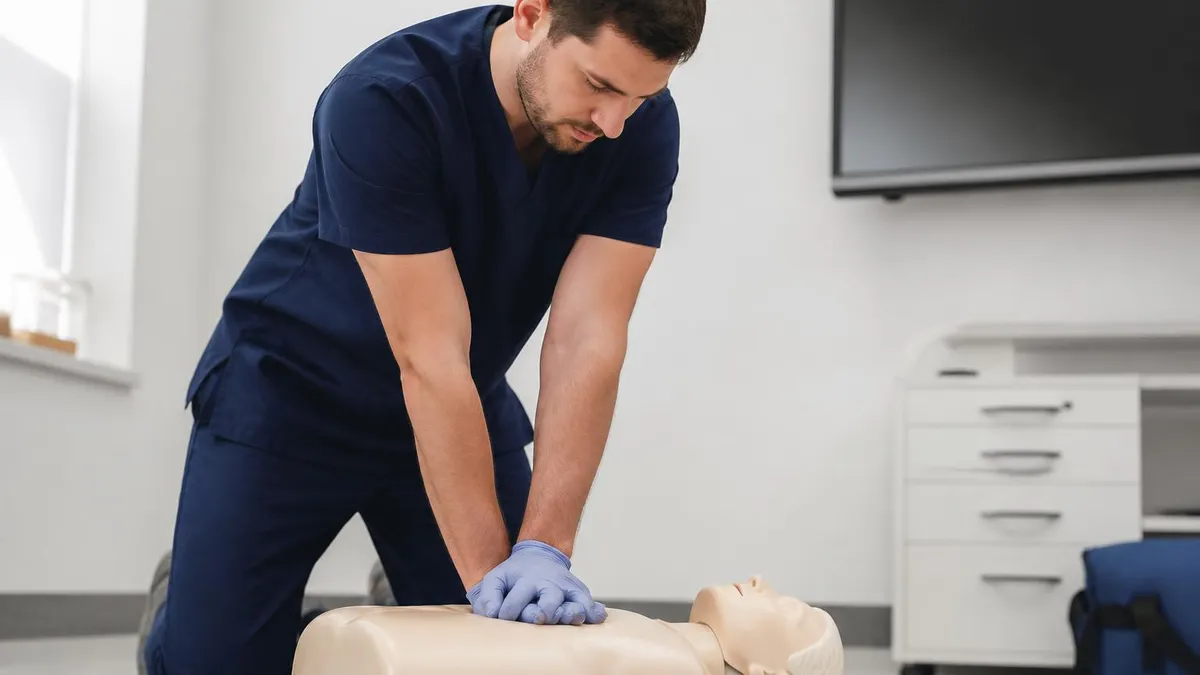
How to Renew BLS Certification: Complete 2026 Guide to Recertifying Your Card
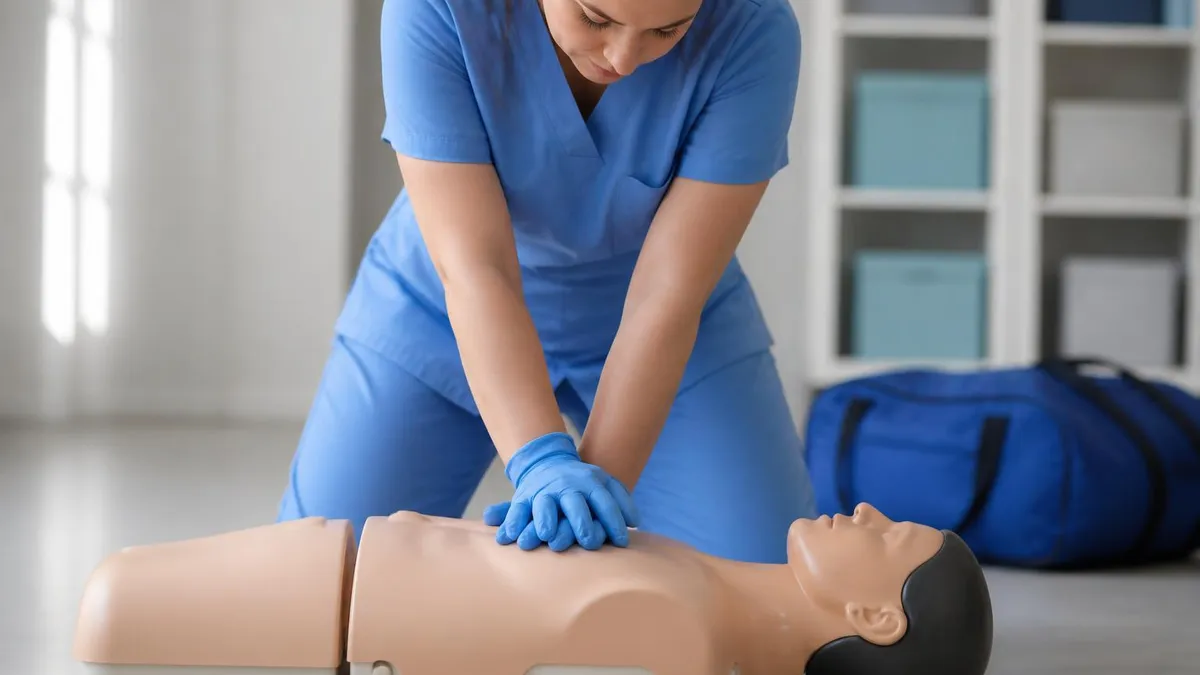
ACLS and BLS Course: Complete 2026 Certification Guide for Healthcare Providers
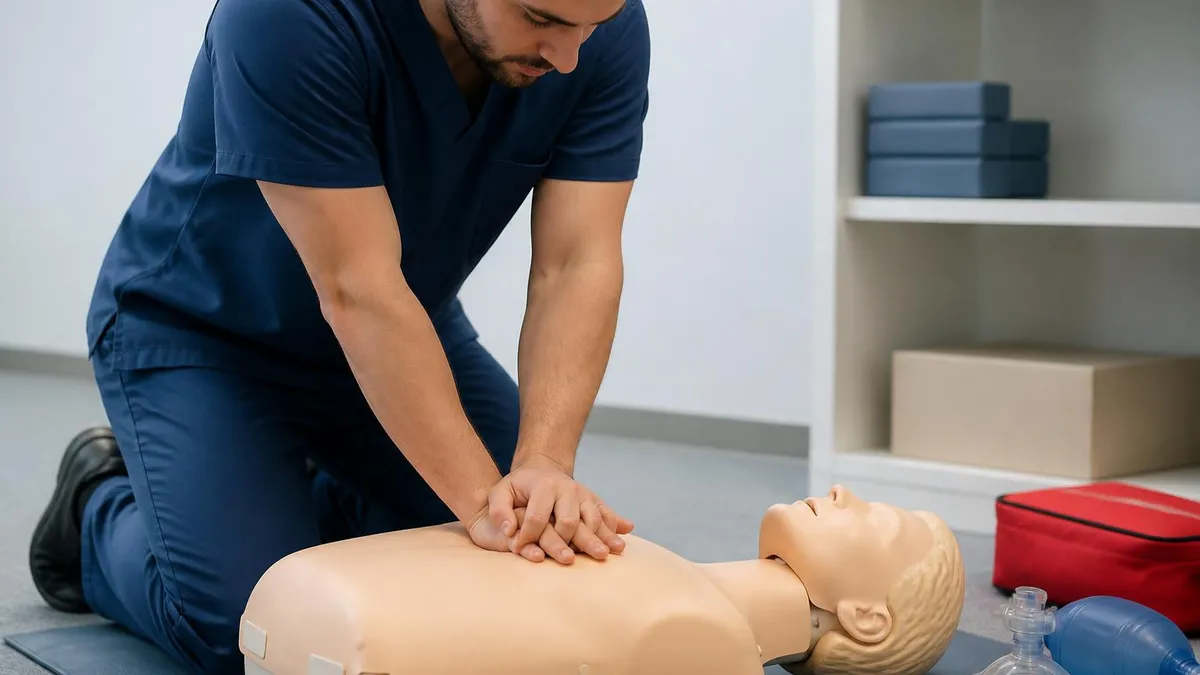
BLS Training: Course Content, Format & How to Get Certified
About the Author

Registered Nurse & Healthcare Educator
Johns Hopkins University School of NursingDr. Sarah Mitchell is a board-certified registered nurse with over 15 years of clinical and academic experience. She completed her PhD in Nursing Science at Johns Hopkins University and has taught NCLEX preparation and clinical skills courses for nursing students across the United States. Her research focuses on evidence-based exam preparation strategies for healthcare certification candidates.
Join the Discussion
Connect with other students preparing for this exam. Share tips, ask questions, and get advice from people who have been there.
View discussion (8 replies)