
Bartending Terms: The Complete Glossary of 75+ Essential Bar Vocabulary
Master 75+ essential bartending terms every bartender needs. Learn ordering, mixing, garnish, and service vocabulary for certification exams and bar work. 💡

Walking behind a bar for the first time can feel like entering a foreign country where everyone speaks a language you have never heard before. Bartending terms form the essential vocabulary that separates confident professionals from overwhelmed newcomers trying to fake their way through service. Whether a guest orders a drink neat or asks for a back, understanding these words instantly determines how smoothly you can perform your duties. Every aspiring bartender must invest serious time learning this specialized lexicon before stepping into a professional environment or sitting for any certification exam in the United States.
The bar industry has developed its own rich terminology over centuries of cocktail culture and professional hospitality service. These words are not arbitrary jargon designed to intimidate newcomers or create an exclusive club. Instead, they represent precise instructions that communicate exact preparation methods, ingredient quantities, and serving styles in just a word or two. When a seasoned bartender calls for a drink up, the entire team knows the glass type, the temperature, and the preparation method without anyone needing to ask a single clarifying question.
Communication speed matters enormously during a busy Friday night service when dozens of orders arrive simultaneously from multiple customers. A bartender who hesitates over terminology slows down the entire workflow, creating bottlenecks that frustrate colleagues and customers equally. Knowing that a double means twice the standard pour, or that dry means less vermouth in a martini, allows bartenders to process orders efficiently and accurately without ever breaking their rhythm behind the bar during peak hours.
Bartending terminology also plays a direct and significant role in certification exams and practical assessments administered across the United States. Testing organizations expect candidates to identify correct definitions, apply terms in scenario-based questions, and demonstrate clear understanding of how these concepts affect drink quality and responsible alcohol service. Studying bartending vocabulary early in your preparation process builds a strong conceptual foundation that makes every subsequent topic considerably easier to grasp and retain for the long term.
This comprehensive guide covers more than seventy-five essential bartending terms organized by category, from basic ordering language and glassware names to advanced mixing techniques and garnishing vocabulary. Each term is defined clearly with practical context about when and how it appears in real bar situations during actual service. Whether you are preparing for a certification exam, starting your first bartending job, or simply trying to sound knowledgeable when ordering cocktails at an upscale lounge, this resource provides everything you need.
Beyond simple definitions, understanding bartending terms helps you build genuine credibility in the competitive hospitality industry. Hiring managers frequently test vocabulary knowledge during interviews, and customers always notice when a bartender uses precise terminology with confidence. The professionals who earn the best tips and advance into management positions are almost always those who speak the language of the bar fluently and can educate guests about drinks in a knowledgeable and approachable manner.
As you work through this guide, pay careful attention to how terms relate to each other and form a connected system of knowledge. A muddled ingredient relates to muddling as a technique, which connects to tools like the muddler, which leads to cocktails like the Mojito and Old Fashioned. These interconnected relationships make bartending vocabulary much easier to memorize than isolated flashcard definitions, and they accurately mirror how real bar work actually functions during high-volume service shifts.
Bartending Terms by the Numbers
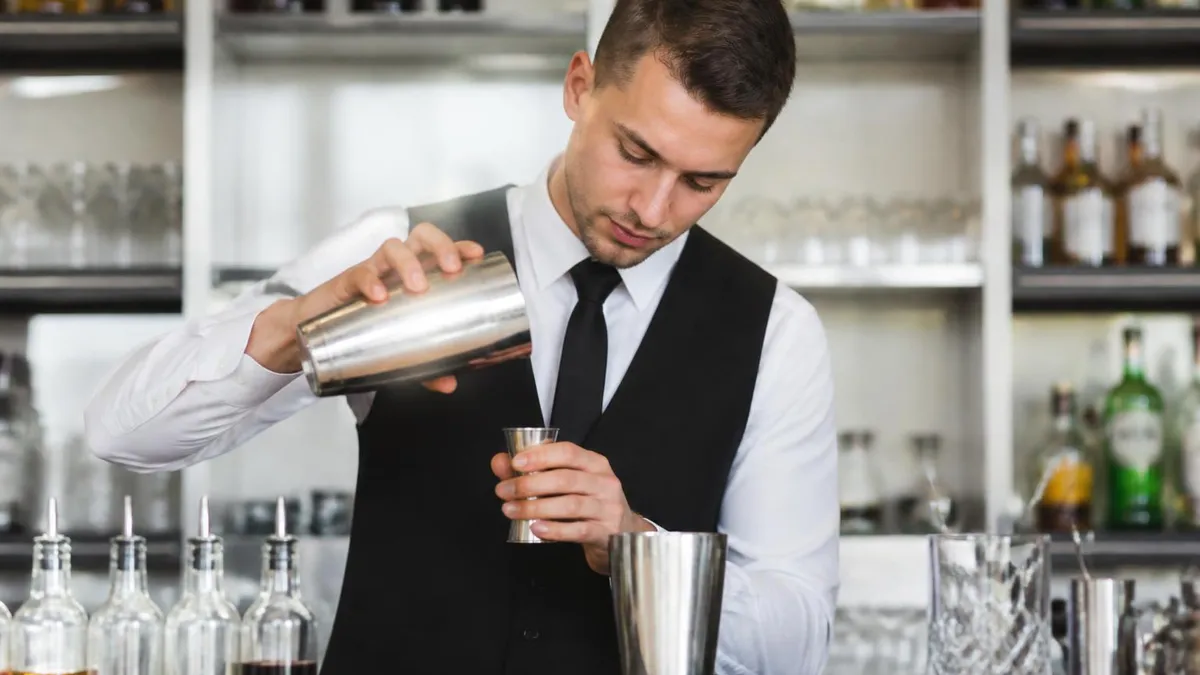
Categories of Bartending Terms Every Bartender Should Know
The vocabulary guests use to customize drinks, including neat, on the rocks, up, tall, double, single, dry, wet, dirty, and perfect. These terms tell you exactly how to prepare and serve each beverage.
Words describing how ingredients are combined, such as shaken, stirred, muddled, blended, built, layered, and floated. Each technique produces distinct textures, temperatures, and flavor profiles in the finished cocktail.
Vocabulary for finishing touches that elevate drink presentation, including twist, flag, rimmed, flamed, expressed, wedge, and wheel. Proper garnishing demonstrates professionalism and attention to craft behind the bar.
Industry language describing how spirits are made and classified, covering proof, cask strength, single barrel, small batch, aged, finished, and blended. Essential knowledge for making informed guest recommendations.
Operational vocabulary that keeps bar teams synchronized during busy shifts, including eighty-six, in the weeds, last call, bar back, speed rail, comp, and side work. Critical for smooth team communication.
The most fundamental bartending terms describe how a drink should be prepared and served to the guest. When a customer orders a whiskey neat, they want it poured straight from the bottle into a glass at room temperature with absolutely no ice, no water, and no mixers added. Ordering straight up or simply up means the drink has been shaken or stirred with ice to thoroughly chill it, then strained into a stemmed glass. These two terms remain among the most commonly confused by beginners and certification exam candidates across the country.
Ice-related terminology forms another critical category that every professional bartender must master completely before working behind any bar. A drink ordered on the rocks is served over ice cubes in an Old Fashioned glass, also called a rocks glass. Blended or frozen drinks are mixed with crushed ice in a blender to create a slushy texture, which is common for daiquiris and margaritas in casual establishments. Understanding when to use a Collins glass versus a rocks glass versus a coupe depends entirely on the preparation method specified through the terminology.
Pouring terminology directly affects both drink quality and the establishment's overall profitability on every single transaction. A single is one standard pour, typically one and a half ounces in the United States. A double means two standard pours combined in the same glass. A tall drink uses the same amount of alcohol as a standard single pour but adds extra mixer in a taller glass, giving the visual impression of a larger and more generous drink. Bartenders who confuse double with tall either overcharge the customer or lose the establishment money repeatedly.
Mixing technique terms describe exactly how ingredients should be combined to achieve the desired result in the finished cocktail. Shaken means vigorously agitated with ice in a cocktail shaker, which aerates the drink and creates a slightly frothy texture on top. Stirred means gently mixed with a bar spoon in a mixing glass, preserving crystal clarity and a silky smooth mouthfeel throughout. Muddled means fresh ingredients like herbs, fruit, or sugar cubes have been pressed and twisted with a muddler to release essential oils and juices directly in the serving glass.
Garnish terminology adds the finishing details that elevate a drink from merely acceptable to truly memorable for the guest. A twist is a thin strip of citrus peel expressed over the drink to release aromatic oils, then either dropped into the glass or draped elegantly over the rim. A flag combines a cherry and an orange slice on a cocktail pick. A rimmed glass has salt, sugar, or another dry ingredient carefully applied to its moistened edge before the drink is poured. These distinctions allow bartenders to present drinks that look as professional as they taste.
Modifier terms give customers precise control over their drink's specific flavor profile and ingredient ratios. Ordering a martini dry means less vermouth relative to the gin or vodka base spirit. Wet means proportionally more vermouth in the mixture. Dirty adds olive brine to the cocktail, creating a savory and slightly cloudy appearance. Perfect does not mean excellent quality—it means equal parts sweet and dry vermouth are used. These modifiers appear frequently on certification exams because they test whether candidates truly understand the nuanced professional language.
Temperature and dilution terms also deserve careful attention from every serious bartending student preparing for their career. A chilled glass has been pre-cooled in a freezer or filled with ice before use to maintain the drink's temperature longer. A bruised drink has been over-shaken, typically a gin-based cocktail, resulting in a slightly bitter and overly diluted flavor that spirits enthusiasts will notice immediately. Understanding the term wash line helps bartenders pour consistent amounts by knowing exactly how high the liquid should reach in each specific glass type used behind the bar.
Bartender Practice Test Questions
Prepare for the Bartender Certification exam with our free practice test modules. Each quiz covers key topics to help you pass on your first try.
Bartender Certification Bar Inventory and ...
Bartender Exam Questions covering Certification Bar Inventory and Cost Control. Master Bartender Test concepts for certification prep.
Bartender Certification Bar Law and Liquor...
Free Bartender Practice Test featuring Certification Bar Law and Liquor Regulations. Improve your Bartender Exam score with mock test prep.
Bartender Certification Bar Sanitation and...
Bartender Mock Exam on Certification Bar Sanitation and Safety. Bartender Study Guide questions to pass on your first try.
Bartender Certification Bar Setup and Orga...
Bartender Test Prep for Certification Bar Setup and Organization. Practice Bartender Quiz questions and boost your score.
Bartender Certification Bar Tools and Glas...
Bartender Questions and Answers on Certification Bar Tools and Glassware. Free Bartender practice for exam readiness.
Bartender Certification Basic
Bartender Mock Test covering Certification Basic. Online Bartender Test practice with instant feedback.
Bartender Certification Cocktail Recipes a...
Free Bartender Quiz on Certification Cocktail Recipes and Techniques. Bartender Exam prep questions with detailed explanations.
Bartender Certification Customer Service a...
Bartender Practice Questions for Certification Customer Service and Sales. Build confidence for your Bartender certification exam.
Bartender Certification Customer Service S...
Bartender Test Online for Certification Customer Service Skills. Free practice with instant results and feedback.
Bartender Certification Mixology Fundamentals
Bartender Study Material on Certification Mixology Fundamentals. Prepare effectively with real exam-style questions.
Bartender Certification Responsible Alcoho...
Free Bartender Test covering Certification Responsible Alcohol Service. Practice and track your Bartender exam readiness.
Bartender Certification Spirits, Beer, and...
Bartender Exam Questions covering Certification Spirits, Beer, and Wine. Master Bartender Test concepts for certification prep.
Bartender Certification Spirits, Liqueurs,...
Free Bartender Practice Test featuring Certification Spirits, Liqueurs, and Cocktails. Improve your Bartender Exam score with mock test prep.
Bartender Responsible Alcohol Service
Bartender Mock Exam on Responsible Alcohol Service. Bartender Study Guide questions to pass on your first try.
Bartender Spirits, Liqueurs, and Cocktails
Bartender Test Prep for Spirits, Liqueurs, and Cocktails. Practice Bartender Quiz questions and boost your score.
Bartender Bar Sanitation and Safety
Bartender Questions and Answers on Bar Sanitation and Safety. Free Bartender practice for exam readiness.
Bartender Bar Setup and Organization
Bartender Mock Test covering Bar Setup and Organization. Online Bartender Test practice with instant feedback.
Bartender Bar Tools and Glassware
Free Bartender Quiz on Bar Tools and Glassware. Bartender Exam prep questions with detailed explanations.
Bartender Basic
Bartender Practice Questions for Basic. Build confidence for your Bartender certification exam.
Bartender Cocktail Recipes and Techniques
Bartender Test Online for Cocktail Recipes and Techniques. Free practice with instant results and feedback.
Bartender Customer Service and Sales
Bartender Study Material on Customer Service and Sales. Prepare effectively with real exam-style questions.
Bartender Customer Service Skills
Free Bartender Test covering Customer Service Skills. Practice and track your Bartender exam readiness.
Bartending Terms Organized by Experience Level
Entry-level bartending terms are the foundation every new bartender learns during their first week of training or certification study. These include ordering terms like neat, on the rocks, up, tall, single, and double. Understanding these basic words allows you to take customer orders accurately without asking embarrassing clarifying questions. Most training programs introduce these terms first because they appear in virtually every customer interaction you will have during bar service.
Beginner terms also cover essential glassware identification, which directly connects to how drinks are prepared and presented. A rocks glass, highball glass, Collins glass, coupe, martini glass, and shot glass each serve specific purposes tied to different drink categories. Learning to associate the correct glass with each ordering term creates the mental framework for building cocktails correctly. These foundational connections become automatic with practice, allowing you to focus on speed and customer interaction during actual service shifts.
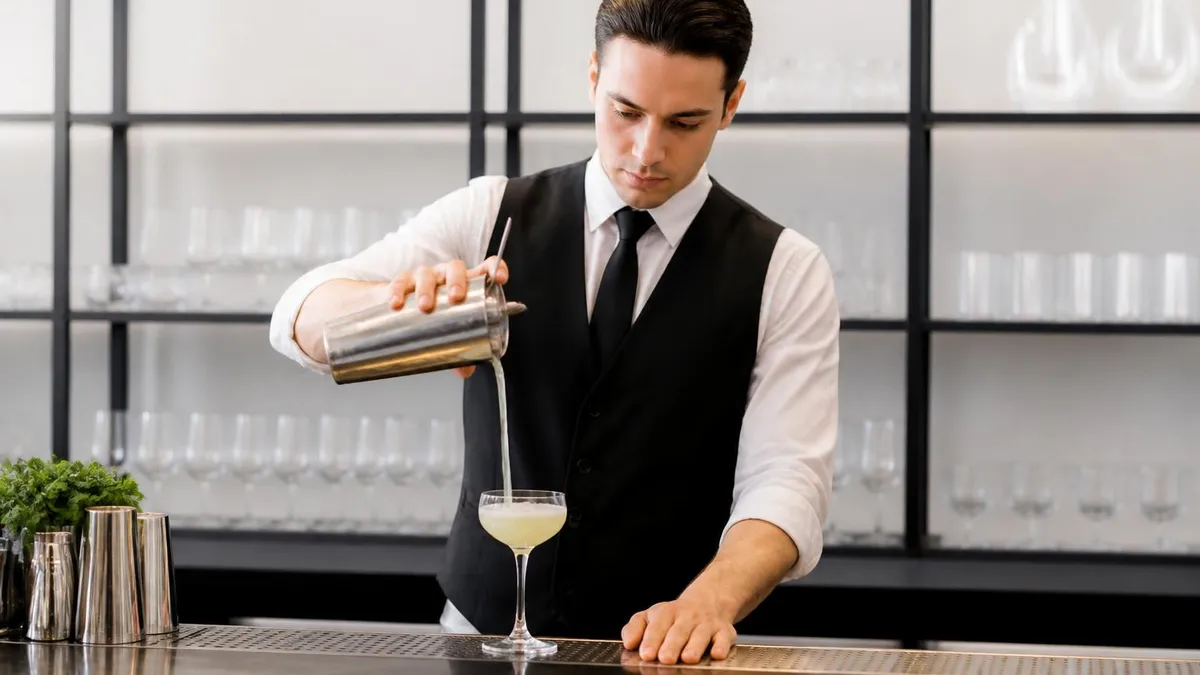
Benefits and Challenges of Mastering Bartending Terminology
- +Faster drink preparation and order processing during busy service shifts
- +Higher tips from impressed customers who appreciate knowledgeable bartenders
- +Stronger performance on certification exams with terminology-heavy question sections
- +Competitive advantage in job interviews where vocabulary knowledge is actively tested
- +Better team communication that reduces errors and prevents service breakdowns
- +Increased confidence when interacting with knowledgeable cocktail enthusiasts and connoisseurs
- −Initial memorization requires dedicated study time beyond learning drink recipes alone
- −Regional terminology variations can create confusion when working in different markets
- −Some terms have multiple meanings depending on context and local bar culture conventions
- −Advanced spirit production vocabulary requires ongoing education as the industry evolves continuously
- −Legal terminology carries high stakes where misunderstanding can lead to serious consequences
- −Keeping current with new craft cocktail terminology demands continuous professional development effort
Bartending Terms Study Checklist for Certification Success
- ✓Memorize all ordering terms including neat, on the rocks, up, tall, single, and double.
- ✓Learn every standard mixing technique term such as shaken, stirred, muddled, and built.
- ✓Study garnish vocabulary covering twist, flag, rimmed, expressed, and wedge preparations.
- ✓Master all martini modifier terms including dry, wet, dirty, perfect, and Gibson variations.
- ✓Review glassware names and match each glass type to its corresponding drink categories.
- ✓Understand spirit production terms like proof, cask strength, single barrel, and small batch.
- ✓Learn service workflow vocabulary including eighty-six, last call, and speed rail terminology.
- ✓Study legal and responsible service terms such as visibly intoxicated and dram shop laws.
- ✓Practice using terminology in mock order-taking scenarios with a study partner regularly.
- ✓Complete at least three full practice exams focusing specifically on terminology question sections.
Terminology Is the Foundation of Every Other Bartending Skill
Research from hospitality training programs shows that students who master bartending terminology before learning recipes score an average of twenty-three percent higher on certification exams. Vocabulary knowledge acts as a multiplier—every recipe, technique, and service concept becomes easier to understand when you already speak the language of the bar fluently. Prioritize terminology study in your first two weeks of preparation for maximum results.
Beyond the foundational ordering and preparation terms, professional bartenders must understand vocabulary related to spirits production and detailed classification systems. Proof describes the alcohol content of a spirit, with the number representing twice the actual percentage by volume in the United States. An eighty-proof bourbon contains forty percent alcohol by volume. Cask strength or barrel proof means the spirit has not been diluted with water after aging in barrels. These production terms help bartenders make informed recommendations and answer guest questions with genuine authority and clear accuracy.
Barrel aging vocabulary appears frequently in conversations with knowledgeable whiskey, rum, and tequila enthusiasts who visit craft cocktail establishments. Single barrel means the spirit comes from one specific barrel rather than a carefully curated blend of many different barrels. Small batch typically indicates the spirit was blended from a limited number of select barrels chosen for quality. Finished means the spirit was initially aged in one type of barrel and then transferred to a different barrel type for additional flavor development and complexity. A bartender who explains these distinctions confidently earns significant credibility.
Service and workflow terminology keeps the entire bar team synchronized and efficient during high-volume shifts that can last many hours. In the weeds means a bartender is overwhelmed with orders and falling dangerously behind on service. Eighty-six or simply eighty-sixed means an item is no longer available and should not be offered or sold to guests. Last call is the legally mandated announcement that the bar will stop serving alcohol within a specified time period. Closing duties or side work refers to all the cleaning, restocking, and preparation tasks required after the bar officially stops serving for the evening.
Speed and efficiency terms describe the physical techniques and station setup elements that separate fast bartenders from frustratingly slow ones. Free pouring means measuring liquor by counting seconds during the pour rather than using a measured jigger for every drink. Speed rail or speed well is the metal rack of commonly used bottles positioned within easy arm's reach at the bartender's primary working station. Bar back is the essential support person who keeps the bartender supplied with clean glasses, fresh ice, cut garnishes, and fully restocked bottles throughout the entire shift without directly serving any customers.
Financial and inventory terminology becomes absolutely critical when bartenders advance into supervisory or management roles within their establishments. Pour cost is the ratio of what a drink costs to make versus what it sells for, typically targeted between eighteen and twenty-four percent at most bars. Spillage accounts for all drinks spilled, sent back by dissatisfied customers, or given away during service. Comp means providing a drink completely free of charge, usually approved by management specifically for customer satisfaction recovery purposes. Understanding these business terms demonstrates awareness that hiring managers actively seek in candidates.
Legal and responsible service terminology directly affects bartender liability and licensing status in every single state across the country. Visibly intoxicated describes a guest who shows obvious physical signs of alcohol impairment and must be firmly but politely refused further service. Dram shop laws hold alcohol providers financially and legally liable for damages caused by intoxicated patrons they negligently continued to serve. Third-party liability extends legal responsibility beyond the establishment itself to individual servers who made the decision to continue pouring. Every certification exam tests these terms extensively and repeatedly.
Wine and beer terminology rounds out a complete bartending vocabulary for establishments that serve more than just cocktails and mixed drinks. A flight is a tasting selection of several small pours arranged on a board or tray for side-by-side comparison. Draft or draught means beer served from a pressurized keg system through a tap rather than from a bottle or can. House wine or well wine is the default, less expensive option poured automatically when a guest does not specify a particular brand or label. Mastering these terms ensures comprehensive competency across every beverage category.

The most frequently missed certification questions involve confusing neat with straight up, mixing up double and tall, and misidentifying what perfect means in cocktail terminology. Remember that neat means room temperature with no ice, up means chilled and strained into a stemmed glass, tall adds mixer not alcohol, and perfect means equal parts sweet and dry vermouth rather than indicating quality. Review these distinctions multiple times before your exam date.
Learning bartending terms from a written guide provides the essential foundation, but applying them confidently in real-world scenarios is where genuine professional mastery truly develops over time. During a typical evening shift, a bartender might hear a request for a Gibson instead of a standard martini, which means substituting the traditional olive garnish for a pickled cocktail onion. A guest might ask for their bourbon with a splash, meaning just a tiny amount of water or soda mixer added. These subtle variations within standard terminology test whether a bartender truly understands the vocabulary or has merely memorized definitions.
Menu interpretation requires fluent understanding of bartending terminology that goes well beyond individual word definitions studied in isolation. Craft cocktail menus frequently use terms like clarified, fat-washed, sous vide infused, and expressed to describe sophisticated advanced preparation methods. A bartender who cannot explain these terms to curious guests actively undermines the establishment's carefully cultivated credibility and loses valuable opportunities to upsell premium drinks at higher price points. Conversely, confidently describing how a clarified milk punch achieves its crystal-clear appearance impresses guests and builds immediate trust.
Certification exam questions frequently present challenging scenario-based problems where understanding specific terminology determines whether you select the correct answer or fall into carefully constructed distractor traps. A question might ask what action to take when a customer requests a call drink, testing whether you know that call means the guest has specified a particular brand name rather than accepting the well or house option. Another question might describe a detailed preparation method and ask you to identify the correct bartending term from four similar-sounding options.
Job interviews in the bartending industry almost always include multiple terminology questions specifically designed to assess your actual experience level and depth of knowledge. Hiring managers know from experience that truly seasoned bartenders use these terms naturally and can explain them without any hesitation or uncertainty. Expect questions like what is the difference between shaken and stirred, explain what eighty-six means and how you would handle it operationally, and describe the proper technique for making a muddled cocktail. Reviewing terminology thoroughly before interviews gives you a measurable competitive advantage over other applicants.
Team communication behind the bar relies heavily on shared vocabulary that eliminates dangerous misunderstanding during high-pressure service moments. When a lead bartender calls out behind while walking past a colleague, everyone knows to hold their position and avoid turning around suddenly. Saying corner warns colleagues that someone is approaching a blind turn between the bar area and the kitchen. Announcing hot behind means a person is carrying something at a potentially dangerous temperature. These safety-related terms actively prevent accidents and injuries in fast-paced environments where people constantly move through tight spaces.
Customer interaction improves dramatically when bartenders use professional terminology appropriately without being condescending or alienating casual drinkers. Explaining that a drink is built directly in the serving glass rather than mixed in a separate shaker helps customers understand and appreciate the preparation process. Describing a spirit as having a long finish or a smooth nose demonstrates genuine wine and spirits knowledge that elevates the overall guest experience considerably. The most successful bartenders calibrate their vocabulary intentionally to match each individual customer's comfort level and interest in cocktail culture.
Regional variations in bartending terminology can create unexpected confusion for bartenders who work in different markets across the United States. In some areas, a regular coffee automatically includes cream and sugar, while other regions serve it completely black unless the customer specifically requests additions. Certain cocktail names and traditional preparation methods vary significantly by city and region, so flexibility and adaptability in vocabulary usage remain essential professional skills. Bartenders who relocate or work catering events in unfamiliar regions should always confirm local terminology conventions with their team before serving any customers.
Memorizing bartending terms effectively requires active study strategies rather than passive reading of definitions from a glossary page. Create flashcards with the term on one side and its complete definition, relevant context, and an example drink on the other. Group related terms together logically—all ice-related terms in one set, all garnish terms in another, all modifier terms in a third separate stack. Practice with a study partner who can quiz you randomly, simulating the unpredictable nature of real customer orders during busy service. Spaced repetition produces the strongest long-term retention results.
Practicing terminology in a home bar setup dramatically accelerates your learning curve compared to classroom study or reading alone. Purchase a basic bartending kit that includes a shaker, jigger, muddler, bar spoon, strainer, and a variety of standard glassware types. As you practice making drinks at home, narrate each step aloud using the correct professional terminology for every action. Say I am muddling the mint rather than I am crushing the leaves into the glass. This deliberate verbal reinforcement creates strong neural connections between physical actions and their professional vocabulary equivalents.
Watching experienced bartenders work in real establishments provides invaluable context for understanding how terminology functions in actual real-time service environments. Visit busy cocktail bars during peak hours and carefully observe how bartenders communicate efficiently with each other and with their guests. Listen closely for terms you already recognize and make note of any unfamiliar vocabulary to research and study later. Many establishments genuinely welcome aspiring bartenders who express sincere interest in learning the craft, and some even offer informal mentorship or entry-level barback positions that provide hands-on vocabulary immersion.
Online resources and professional video tutorials offer excellent supplementary learning opportunities that complement traditional study methods effectively. Many professional bartending organizations publish comprehensive glossaries with audio pronunciations, which proves especially helpful for terms derived from French, Italian, and Spanish cocktail traditions that may have unfamiliar pronunciations. Video demonstrations of techniques like flaming a citrus twist or carefully layering a pousse-café provide essential visual context that written definitions alone simply cannot deliver with the same clarity and impact.
Practice tests and certification preparation materials present terminology in the exact exam format you will actually encounter on test day, effectively bridging the critical gap between passive knowledge and active exam application. Taking timed practice quizzes forces you to recall definitions quickly under realistic pressure, which closely mimics both exam conditions and the intensity of busy bar shifts. Review every incorrect answer carefully and thoroughly, as these mistakes reveal specific terminology gaps that need immediate additional attention and focused study time before your scheduled exam date.
Building a personal bartending dictionary that you update regularly helps consolidate and organize your growing knowledge base over time. Start a dedicated notebook or digital document where you carefully record every new term you encounter, along with its precise definition, category classification, and a personal memory aid or mnemonic device. Add detailed notes from bls for healthcare providers sessions, bar visits, conversations with experienced bartenders working in the industry, and professional publications. This living document becomes an invaluable personal reference that grows alongside your career and provides quick review sessions whenever needed.
Finally, teaching bartending terms to others is widely recognized as one of the most powerful learning techniques available to any student. When you explain what neat means to a friend or describe the precise difference between up and straight to a curious family member, you are forced to organize your knowledge clearly and identify any remaining gaps in your understanding.
If you cannot explain a term simply, accurately, and confidently to someone with no bar experience, you have identified exactly where additional study is needed. This teach-back method is strongly recommended by educational researchers and works exceptionally well for vocabulary-intensive subjects.
Bartender Bartender Questions and Answers

Bartender Near Me: How to Find, Vet, and Hire a Local Bartender in 2026

Lady Bartender: A Complete Guide for Women Behind the Bar in 2026

Bartender Interview Questions: 50+ Real Questions With Sample Answers for 2026
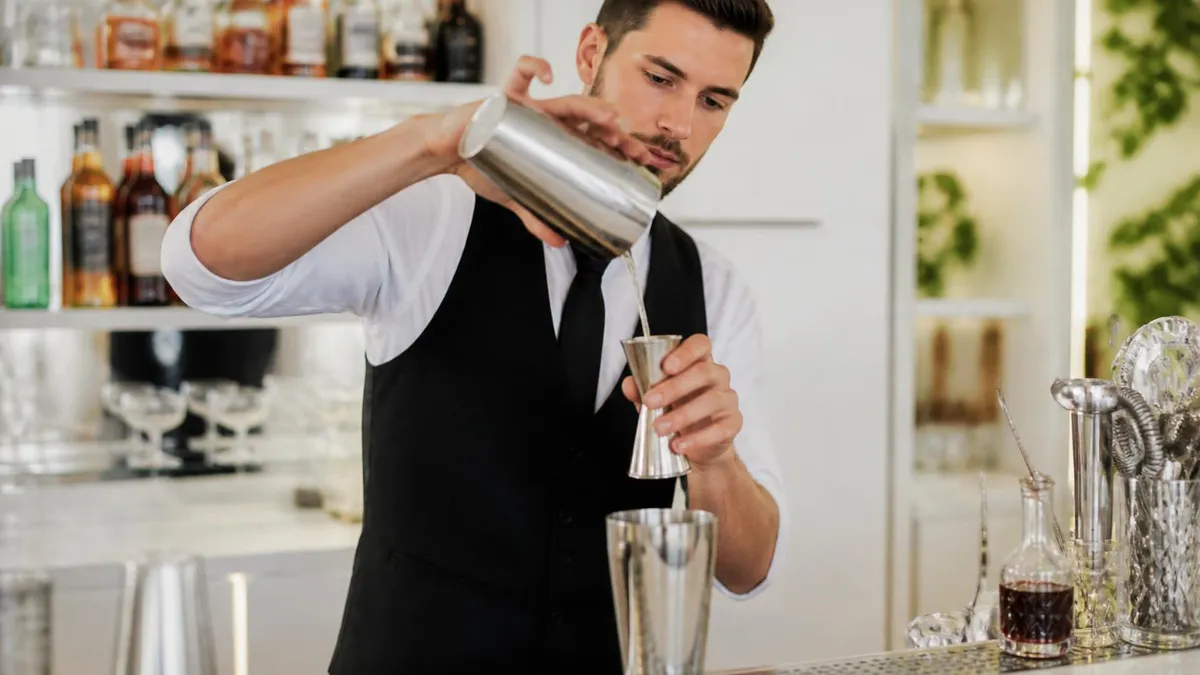
Bartending Kit: The Complete Tool Guide for Certification Prep
Wisconsin Bartending License: Operator's License Guide 2026
About the Author
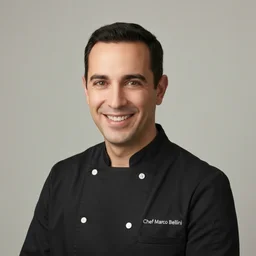
Executive Chef & Culinary Arts Certification Educator
Culinary Institute of AmericaChef Marco Bellini is a Certified Executive Chef and graduate of the Culinary Institute of America with over 20 years of professional kitchen experience in Michelin-recognized restaurants. He teaches culinary arts certification, food safety, and hospitality exam preparation, having guided thousands of culinary students through their ServSafe, ProStart, and professional chef certifications.
Join the Discussion
Connect with other students preparing for this exam. Share tips, ask questions, and get advice from people who have been there.
View discussion (7 replies)