
Bartender Resume Examples: Templates, Skills, and Samples That Get Interviews in 2026 September
Bartender resume examples with proven templates, key skills, 🏆 action verbs, and formatting tips that win interviews at top bars and restaurants in 2026 September.

Strong bartender resume examples do more than list jobs — they prove you can pour fast, upsell smart, and survive a Saturday-night rush without breaking glassware or composure. Hiring managers at busy bars typically spend less than seven seconds scanning each resume before deciding whether to invite you for a working interview. The bartender resume examples in this guide show you exactly how to grab that attention with a tight summary, measurable accomplishments, and the right keywords that beverage directors and restaurant general managers actively search for in 2026.
Whether you are a barback hoping to move behind the rail, a craft cocktail bartender targeting a James Beard-recognized program, or a high-volume nightclub veteran chasing a six-figure resort gig, the structure of your resume matters more than the bar names on it. A resume that lists shifts like job duties — "made drinks, took orders, cleaned bar" — will lose to one that quantifies output: 220 drinks served per shift, $1,800 average tab nights, 28% upsell rate on call brands.
This guide walks through every section of a bartender resume with real wording you can adapt. You will see entry-level samples for someone applying with only barback experience, mid-career examples for someone moving from chain restaurants to independent cocktail bars, and senior bar manager samples that emphasize P&L, scheduling, and inventory wins. We also cover what hiring managers actually look for now that applicant tracking systems screen most chain restaurant applications.
If you are still mapping out the bigger picture of the trade, check the realistic path in How to Become a Bartender before you finalize your resume strategy. Your resume should reflect where you are in that journey, not where you wish you were. Overclaiming experience is the single fastest way to get cut after a 30-second working interview, where the bar manager hands you a ticket for three classics and watches your hands.
Throughout this guide you will also see specific bullet phrasing that passes ATS filters, the exact certifications worth listing first, and the formatting choices that survive both PDF uploads and printed copies dropped off in person. A resume that prints cleanly on plain white paper still matters in this industry — many independent operators read paper applications at the bar between lunch and dinner service.
Use the examples as starting blueprints, not copy-paste templates. The bartenders who get callbacks are the ones who customize three bullets per application to mirror the language in each job posting. Five extra minutes per resume often doubles your interview rate, especially at upscale concepts where the bar director may receive 80-plus applications for a single Friday-night slot.
By the end of this guide you will have a clear template, a checklist of must-include details, common mistakes to avoid, and a side-by-side look at weak versus strong bullet writing. We close with frequently asked questions covering everything from listing under-the-table cash shifts to whether you should include a photo in 2026 (spoiler: no, not in the US market).
Bartender Resume Examples by the Numbers

Resume Structure That Works for Bartenders
Full name, city/state (no street address), phone, professional email, and a LinkedIn URL if active. Skip headshots and personal details like age or marital status — illegal to consider in US hiring.
Three to four lines that lead with years of experience, venue type, and one quantified win. Replaces the outdated objective statement and is the section a hiring manager actually reads first.
A scannable bank of 9 to 12 keywords pulled directly from the job posting: classic cocktails, POS systems, inventory, TIPS-certified, wine knowledge, craft beer, mixology, upselling.
Reverse-chronological roles with three to five bullets each. Every bullet starts with an action verb and ends with a number — drinks per hour, tab average, upsell percentage, or shift volume.
TIPS, ServSafe Alcohol, state-specific cards (Utah, Washington, Oregon), bartending school if recent. Education sits last unless you graduated within the past year.
The professional summary at the top of your resume is the single highest-leverage section, yet it is also where most bartender candidates fumble. A weak summary reads like a Tinder bio: "Passionate bartender who loves people and creating memorable experiences." A strong summary reads like a scouting report: "TIPS-certified bartender with five years at high-volume Manhattan craft cocktail bars, averaging 180 drinks per shift with a 32% premium upsell rate and zero comp tickets across the last 18 months."
Notice the difference. The second version answers the three questions every bar manager silently asks while skimming: How long have you done this? What level of venue? What measurable result did you produce? Those three answers belong in your first sentence. The rest of the summary can mention your specialty — classic cocktails, agave-forward menus, Champagne service, or beer-and-shot dive expertise — and one soft skill backed by evidence rather than adjective.
For someone targeting the Los Angeles market specifically, the summary should reflect the local scene. A West Hollywood nightclub bartender writes very differently from a Silver Lake natural wine bar candidate. Read the breakdown of pay and hiring hotspots in Bartender Jobs in Los Angeles before drafting your summary so your wording matches what those venues actually pay for.
Mid-career bartenders moving from chain to independent should reframe corporate metrics into craft language. Instead of "Applebee's beverage rollout training" you might write "trained 14 staff on seasonal cocktail menu featuring house-infused spirits and fresh-pressed citrus." Same skill, different vocabulary. Independent bar owners read corporate jargon as a signal that you have not yet adjusted to small-team culture, where everyone breaks down stations and polishes glassware regardless of title.
Entry-level candidates without paid bartending experience should not pretend otherwise. Lead with what you do have: barback shifts, beverage server roles, mixology coursework, or a Cicerone certification. Your summary can read: "Bartending school graduate with 14 months as barback at a 300-seat steakhouse, ServSafe Alcohol certified, seeking first solo bar position. Memorized 65 classic cocktail builds and proficient on Toast and Aloha POS." That is honest, specific, and shows initiative.
Avoid two common summary traps. First, never lead with "seeking a position where I can grow" — every hiring manager reads that as code for "I will leave the moment I get a better offer." Second, do not stuff every keyword into the summary; that is what the dedicated skills section is for. The summary should sound like a confident human, not an SEO landing page.
Finally, customize the summary to the venue tier. Applying to a hotel bar program at a Marriott or Four Seasons? Mention banquet experience, multi-outlet coverage, and steward training. Applying to a 40-seat speakeasy with a beverage director who appeared on Imbibe's lists? Mention specific menu styles, dilution and chill philosophy, or the cocktail competitions you have entered. Tailoring this one paragraph alone roughly doubles callback rates across most metro markets in 2026.
Bartender Practice Test Questions
Prepare for the Bartender Certification exam with our free practice test modules. Each quiz covers key topics to help you pass on your first try.
Bartender Certification Bar Inventory and ...
Bartender Exam Questions covering Certification Bar Inventory and Cost Control. Master Bartender Test concepts for certification prep.
Bartender Certification Bar Law and Liquor...
Free Bartender Practice Test featuring Certification Bar Law and Liquor Regulations. Improve your Bartender Exam score with mock test prep.
Bartender Certification Bar Sanitation and...
Bartender Mock Exam on Certification Bar Sanitation and Safety. Bartender Study Guide questions to pass on your first try.
Bartender Certification Bar Setup and Orga...
Bartender Test Prep for Certification Bar Setup and Organization. Practice Bartender Quiz questions and boost your score.
Bartender Certification Bar Tools and Glas...
Bartender Questions and Answers on Certification Bar Tools and Glassware. Free Bartender practice for exam readiness.
Bartender Certification Basic
Bartender Mock Test covering Certification Basic. Online Bartender Test practice with instant feedback.
Bartender Certification Cocktail Recipes a...
Free Bartender Quiz on Certification Cocktail Recipes and Techniques. Bartender Exam prep questions with detailed explanations.
Bartender Certification Customer Service a...
Bartender Practice Questions for Certification Customer Service and Sales. Build confidence for your Bartender certification exam.
Bartender Certification Customer Service S...
Bartender Test Online for Certification Customer Service Skills. Free practice with instant results and feedback.
Bartender Certification Mixology Fundamentals
Bartender Study Material on Certification Mixology Fundamentals. Prepare effectively with real exam-style questions.
Bartender Certification Responsible Alcoho...
Free Bartender Test covering Certification Responsible Alcohol Service. Practice and track your Bartender exam readiness.
Bartender Certification Spirits, Beer, and...
Bartender Exam Questions covering Certification Spirits, Beer, and Wine. Master Bartender Test concepts for certification prep.
Bartender Certification Spirits, Liqueurs,...
Free Bartender Practice Test featuring Certification Spirits, Liqueurs, and Cocktails. Improve your Bartender Exam score with mock test prep.
Bartender Responsible Alcohol Service
Bartender Mock Exam on Responsible Alcohol Service. Bartender Study Guide questions to pass on your first try.
Bartender Spirits, Liqueurs, and Cocktails
Bartender Test Prep for Spirits, Liqueurs, and Cocktails. Practice Bartender Quiz questions and boost your score.
Bartender Bar Sanitation and Safety
Bartender Questions and Answers on Bar Sanitation and Safety. Free Bartender practice for exam readiness.
Bartender Bar Setup and Organization
Bartender Mock Test covering Bar Setup and Organization. Online Bartender Test practice with instant feedback.
Bartender Bar Tools and Glassware
Free Bartender Quiz on Bar Tools and Glassware. Bartender Exam prep questions with detailed explanations.
Bartender Basic
Bartender Practice Questions for Basic. Build confidence for your Bartender certification exam.
Bartender Cocktail Recipes and Techniques
Bartender Test Online for Cocktail Recipes and Techniques. Free practice with instant results and feedback.
Bartender Customer Service and Sales
Bartender Study Material on Customer Service and Sales. Prepare effectively with real exam-style questions.
Bartender Customer Service Skills
Free Bartender Test covering Customer Service Skills. Practice and track your Bartender exam readiness.
Bartender Resume Skills and Keywords That ATS Systems Reward
Hard skills are the measurable, teachable abilities that hiring managers can verify in a 10-minute working interview. List specific cocktail families you build from memory: classics, tiki, sours, highballs, stirred-and-strained, and house-infusions. Include POS systems by name — Toast, Aloha, Micros, Square for Restaurants, and TouchBistro all show up in chain restaurant ATS keyword filters.
Also list inventory tools (BevSpot, Backbar, Partender), wine knowledge by region and varietal depth, beer service including draft line maintenance, and any spirits education credentials like WSET Level 2 or BarSmarts. These keywords directly mirror the language pasted into most 2026 job postings, and matching at least eight of them is what gets your resume past the algorithm.

One-Page Resume vs Two-Page Resume for Bartenders
- +One-page format fits seven-second scan windows used by busy bar managers
- +Easier to read on a phone during quick application review between services
- +Forces tight editing and elimination of weak filler bullets
- +Prints cleanly on a single sheet for in-person drop-offs
- +Works for 95% of bartenders with under ten years of experience
- +Reduces ATS parsing errors that happen on page two of PDFs
- −Forces senior bartenders to cut meaningful career history
- −Can hide breadth of certifications and beverage education
- −Leaves less room for quantified achievements per role
- −May undersell candidates moving from corporate to independent
- −Limits space for cocktail competition placements and press mentions
- −Not always enough for bar manager or beverage director applications
Pre-Send Bartender Resume Examples Checklist
- ✓Confirm your phone voicemail greeting sounds professional and your inbox is not full
- ✓Use a professional email address, not partyboy420@ or similar college-era handles
- ✓Save the file as FirstName-LastName-Bartender-Resume.pdf for easy manager filing
- ✓Quantify at least one bullet per role with drinks, dollars, or covers
- ✓List your alcohol service certification with expiration date near the top
- ✓Match at least eight keywords from the exact job posting you are answering
- ✓Keep formatting to one column — two-column resumes break ATS parsers
- ✓Remove every period at the end of bullet points or apply them consistently
- ✓Spell-check every cocktail name, especially Daiquiri, Negroni, and Aperol
- ✓Print a copy on white paper to verify it reads cleanly in person
Include drinks-per-shift or tab-average on every bartending bullet
Hiring managers cannot calibrate vague claims like "high-volume experience." They can immediately calibrate "averaged 240 drinks per Friday shift on a four-well station." Specific numbers turn your resume into a measurable offer instead of a hope. Even rough estimates beat no number at all — pick one shift you remember well and reverse-engineer the math.
Below are three layered bartender resume examples scaled by experience level. Read them as patterns you can mirror, not lines to copy verbatim. The first targets an entry-level candidate transitioning from barback to bartender. The second covers a mid-career bartender moving from a national chain to an independent neighborhood cocktail bar. The third is a senior bar manager applying for a beverage director role at a multi-outlet hotel.
Entry-level summary example: "ServSafe Alcohol-certified barback with 16 months at The Capital Grille in Charlotte, supporting two bartenders across 180-cover Friday and Saturday services. Memorized 70 cocktail builds during off-hours training and ranked top of class at Crescent Bartending School. Seeking first bar shift in independent neighborhood cocktail concept." That paragraph is honest about experience, specific about volume, and signals the candidate has put in unpaid effort.
The mid-career example reframes corporate experience: "Five-year bartender transitioning from Yard House Charlotte (300 taps, 220 daily covers) to independent craft cocktail program. Averaged 195 drinks per shift, $2,100 tab nights, and 34% premium spirit upsell rate. TIPS-certified, BarSmarts graduate 2024, second-place finalist at the Beam Suntory regional in 2025." The candidate translates corporate volume into language a small bar owner will respect, while also flagging the competition placement.
The senior example focuses on leadership and P&L: "Eight-year bar manager with experience opening two restaurants and managing $1.4M annual beverage revenue across a 90-seat dining room and 30-seat bar. Reduced pour cost from 23% to 19.2% in 14 months through par-level discipline, vendor negotiation, and three menu revisions per year. Hired and trained 11 bartenders, including three who promoted internally." This summary leads with money and team, which is what hotel beverage directors hire on.
Underneath each summary, the experience section should follow the same logic. Lead with action verbs — built, crafted, batched, trained, audited, reduced, increased, opened, closed, certified. End every bullet with a number whenever possible. "Trained barbacks" becomes "Trained four barbacks, two of whom promoted to bartender within nine months." The second version proves you can develop a team, not just tolerate one.
Career researchers and bartenders curious about state-specific rules should check the FAQ-style breakdown in Bartender Career FAQ before listing certifications, especially if you have moved between states and may need to renew or re-test. Listing an expired Washington MAST card on a Seattle application will end your candidacy faster than any typo.
One closing note on the experience section: list the months alongside the years ("Mar 2022 – Aug 2024"), not just years. Bar industry resumes that show only years trigger immediate suspicion of gap-hiding. Honest month-level dating builds trust, even if you have a four-month gap. If you do have a gap, address it in the cover letter or interview rather than disguising it on the resume itself, which experienced managers will spot every time.

Listing TIPS, ServSafe Alcohol, or a state alcohol card you do not actually hold is a fireable offense in every US state and exposes the operator to dram shop liability. Most managers verify cards on day one through the issuing portal. A false certification claim ends a career — keep your cards current and screenshot the verification page before each application cycle.
Beyond the structural mistakes — wrong length, missing numbers, weak summary — bartender candidates routinely sabotage themselves with formatting choices that look creative but break the hiring funnel. The most common is the two-column resume template from Canva, which renders beautifully on screen but feeds garbled text into the applicant tracking systems used by Darden, Bloomin' Brands, Hillstone, and most hotel groups. If you are applying to anything bigger than a single-unit independent bar, use a single-column resume in a readable serif or clean sans-serif font.
The second routine mistake is over-designing for personality. Bartender candidates sometimes add cocktail glass icons, bottle silhouettes, or color blocks to signal industry fit. None of that helps. Bar managers already know you want a bartending job — that is why you applied. The visual noise distracts from the only three things they care about: where you have worked, what you produced, and whether your certifications are valid. Save the personality for the interview itself.
Third, many candidates list duties instead of accomplishments. "Made cocktails, served beer, handled cash, cleaned bar" describes the job title, not your performance in it. Every bartender does those things by definition. Your bullets need to answer the question the manager actually has: how well? How fast? How profitably? How safely? Convert every duty bullet into an accomplishment bullet by adding a verb of intensity and a metric of outcome.
Fourth, candidates often skip the cover letter for bartending roles, assuming it is a server-style application. For independent cocktail bars and hotel beverage programs, a tight three-paragraph cover letter still moves the needle. Mention one specific drink from their current menu, one shift you would love to work, and one measurable result from your last role. Three sentences each. Independent bar owners read cover letters; chains rarely do, but a strong one never hurts when the human reviewer finally sees the file.
Fifth, watch the order of certifications. List the legally required ones first — TIPS, ServSafe Alcohol, or your state card — followed by aspirational credentials like WSET or BarSmarts. A resume that buries TIPS at the bottom while leading with a Sommelier course makes a manager wonder whether you can actually work a shift legally tomorrow. The cards that let you clock in always belong at the top.
Sixth, do not undersell mobile or event bartending experience. Pop-up bartending, weddings, corporate catering, and private events all count, particularly for craft cocktail venues that hire seasonally. If you have done event work, package it cleanly: "Lead bartender for 30+ weddings averaging 120 guests, 2023–2025, including responsibility for build sheets, ice logistics, and on-site setup." Read the operational side of that work in Mobile Bartender Services to borrow vocabulary that resonates with event-driven hiring.
Finally, proofread out loud. Reading silently makes your brain auto-correct typos that a stranger will catch in five seconds. Cocktail and spirit names are particularly prone to misspelling — Daiquiri, Sazerac, Mezcal, Cointreau, and Chartreuse trip up otherwise excellent candidates. One misspelled spirit on a craft cocktail bar application is often enough to end candidacy on the spot, because the bar director assumes the rest of the menu would suffer the same fate.
Once your resume is polished, the final stretch is delivery and follow-up — the part most candidates skip. Online portals are fine for chain restaurants, but independent bars still respond best to a hand-delivered resume on a quiet weekday afternoon between 2 and 4 p.m. That window catches managers between lunch breakdown and dinner prep, when they have time to glance at your one-page sample and possibly ask a few questions while wiping down the bar.
If you do drop off in person, dress one notch above the bar's dress code, hand the resume directly to whoever is on the floor (do not leave it under a napkin caddy), and ask the manager's name and email for a follow-up note. The follow-up email should arrive within 24 hours, reference the conversation specifically, and reattach the resume as a PDF so they do not need to dig back through paper. This sequence alone outperforms most online applications by a wide margin in independent venues.
For online applications to chains and hotels, follow the portal instructions precisely. If they ask for desired salary, write "negotiable" or the local market range rather than a single number. If they ask for shift availability, list every shift you can genuinely cover; selective availability filters you out before a human ever reads your story. Hotels in particular need bartenders who can flex between banquet, lobby bar, and pool bar — say yes to all three if you can.
Practice the working interview before it is scheduled. Set a timer for 10 minutes and build six classic cocktails: Old Fashioned, Margarita, Manhattan, Daiquiri, Negroni, and Whiskey Sour. Garnish each correctly, clean your station as you go, and end with your hands at your sides ready for the next ticket. That is exactly what the bar manager wants to see, and rehearsing it twice a week before applications begin will make your hands look five years more experienced than the resume claims.
For specific licensing-driven markets, do your homework before walking in. Wisconsin requires an Operator's License in most municipalities — the breakdown in the Wisconsin Bartending License guide will save you a useless interview where the manager asks for your card and you have to admit you have not started the process. Cards in hand before the resume goes out is always the right order.
Track every application in a simple spreadsheet: venue name, manager contact, date sent, follow-up date, outcome. Most bartenders who land great gigs in 2026 send 20 to 40 applications across a two-week sprint, follow up on the top ten by phone, and do three to five working interviews. That funnel produces one or two strong offers, which is plenty when you only work one full-time bar at a time.
Finally, keep your resume in a living document — Google Docs or Notion works better than a one-off Word file. After every shift where something measurable happened, add the number to a running log: largest tab of the night, biggest party served solo, fastest reset time after a wedding rehearsal. When your next application cycle starts, those notes turn into instant, credible bullets that other candidates cannot fabricate. The resume that gets you the dream gig is usually the one that was quietly maintained for the 18 months before you needed it.
Bartender Bartender Questions and Answers

How to Become a Bartender: Steps, Skills, and Realistic Path
Bartender Jobs in Los Angeles: 2026 Guide to Pay, Hiring Hotspots, and Landing the Gig
Bartender Career FAQ: Pay, OLCC Rules and Must-Know Drinks
Mobile Bartender Services: Costs, Booking & What to Expect
Wisconsin Bartending License: Operator's License Guide 2026
About the Author
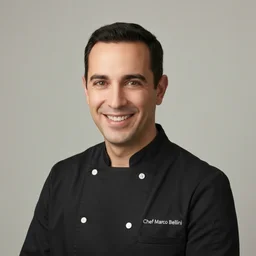
Executive Chef & Culinary Arts Certification Educator
Culinary Institute of AmericaChef Marco Bellini is a Certified Executive Chef and graduate of the Culinary Institute of America with over 20 years of professional kitchen experience in Michelin-recognized restaurants. He teaches culinary arts certification, food safety, and hospitality exam preparation, having guided thousands of culinary students through their ServSafe, ProStart, and professional chef certifications.
Join the Discussion
Connect with other students preparing for this exam. Share tips, ask questions, and get advice from people who have been there.
View discussion (7 replies)