
Bartender Cover Letter: The Complete 2026 Guide to Writing One That Gets You Hired
Bartender cover letter guide with proven templates, examples, and hiring manager tips. 🏆 Land interviews at top bars, restaurants, and hotels in 2026.

A strong bartender cover letter is the single most underrated tool in the hospitality job hunt, and in 2026 it remains the fastest way to stand out in a stack of look-alike resumes. Most applicants paste a generic letter, swap the bar name, and hit send. Hiring managers spot that pattern in seconds. A targeted, story-driven letter, written for the specific venue, signals that you understand the room, the clientele, and the pace behind the stick before you ever shake a tin.
Bartending is a craft that blends speed, hospitality, product knowledge, and cash handling, and your cover letter needs to surface all four. A bar manager scanning fifty applications wants proof you can pour twelve drinks a minute during a Saturday rush, calm a confrontational guest, and balance a register without shorting the till. Those proofs come from specific numbers, named cocktails, recognizable POS systems, and short stories that show, rather than tell.
This guide walks you through every section of a winning bartender cover letter, from the opening hook to the closing call to action. You will see examples for cocktail bars, dive bars, hotel lounges, country clubs, breweries, nightclubs, and restaurant service wells. You will also learn how to translate barback experience, server experience, or even retail experience into language that resonates with bar owners and beverage directors hiring in today's market.
Compensation matters, too, and your letter should signal that you understand the economics of the job. The average full-time U.S. bartender earned roughly $36,000 to $58,000 in base wage plus tips in 2025, with high-volume cocktail bars in major metros pushing total compensation past $90,000. Owners want bartenders who treat the bar like a small business, and your letter should reflect that mindset by mentioning pour cost, upselling, repeat-guest cultivation, and shift efficiency.
Before we get into structure, a word about format. Keep the letter to one page, three to four short paragraphs, with one-inch margins and an eleven or twelve point readable font like Calibri, Inter, or Garamond. Save it as a PDF named with your full name and the venue, for example Avery-Kim-Bartender-The-Velvet-Room.pdf. That tiny detail communicates that you sweat the details, which is exactly what a service captain wants behind the bar.
You also need to match the tone of the venue. A neighborhood dive wants warmth, humor, and grit. A Michelin-recognized cocktail bar wants precision, restraint, and obvious technical literacy. A high-volume nightclub wants stamina, charisma, and a track record of moving product. Reading the venue's website, Instagram, and recent press coverage for ninety seconds before you write will shape every sentence that follows and will lift your reply rate dramatically.
One more truth before we dive in: cover letters get read more often than candidates think. In a 2025 survey of independent bar operators, sixty-eight percent said they read every cover letter for senior bar roles, and forty-one percent said they had passed on technically qualified candidates whose letters were sloppy, generic, or absent. A thoughtful letter is not optional, it is use, and the next sections show you exactly how to build one.
Bartender Cover Letters by the Numbers

The Five-Part Structure of a Winning Bartender Cover Letter
Your name, city, phone, professional email, and a link to a LinkedIn or portfolio. Match the header style of your resume so the documents read as one package, and date the letter when you send it.
Two to three sentences that name the venue, reference something specific about it, and state the role. Lead with a concrete result, like covers served, sales per shift, or a notable program you helped build.
Four to six sentences of measurable wins. Include POS systems, cocktail program details, average covers, upsell rates, tip averages, and any certifications such as TIPS, ServSafe Alcohol, or state-required permits.
Three to four sentences that connect your skills to the venue's specific style, clientele, and program. Reference their menu, recent press, owner philosophy, or neighborhood, showing you did fifteen minutes of homework.
Two sentences with a clear call to action: ask for a trail shift or interview, give your availability, and thank them. Sign with your full name, no scanned signature needed for digital submissions.
The opening line of your bartender cover letter does ninety percent of the work. Hiring managers scan the first sentence to decide whether they will keep reading or move on. Avoid weak openers like I am writing to apply for the bartender position I saw on Indeed. Instead, lead with a result, a relevant detail about the venue, or a brief story that hints at your style. Strong openings feel like a conversation, not a form letter, and they signal that you respect the reader's time.
Compare these two openings. Weak: I have five years of bartending experience and would love to work at your bar. Strong: Last summer at Maison Rouge I ran the service well solo on a four-hundred-cover Saturday, and I have been studying your aperitivo program since it launched in March because the Suze-forward direction is exactly the kind of bar I want to grow in. The second version names the venue, references a specific program detail, and includes a quantifiable proof point in twenty seconds.
The proof paragraph is where most candidates fall flat. They write that they are passionate about hospitality and a team player, two phrases that mean nothing without evidence. Replace abstractions with numbers and named systems. For example, mention that you average $1,400 in sales per shift, run a fourteen-drink cocktail menu plus six rotating specials, use Toast or Aloha POS, maintain a twenty-two percent pour cost, and upsold the bar's bourbon program from twelve to twenty-eight pours per shift over six months.
Certifications belong here, too. Mention your TIPS, ServSafe Alcohol, or state-specific permit, especially if the listing requires it. If you are looking at a Wisconsin venue, your operator's license matters; if you are applying in Florida, your responsible vendor training matters. Linking your certifications to the specific jurisdiction shows you understand local liquor law and reduces the venue's onboarding burden, which is a real economic value the hiring manager will recognize.
Bartending is also a craft, so signal craft literacy. Drop the names of two or three techniques or builds you have mastered, such as fat-washing, milk punches, batched Manhattans on draft, tableside Caesars, fresh-pressed citrus prep, or large-format daiquiri service. If the venue runs a classics-heavy program, reference your Savoy or PDT cookbook fluency. If they run modernist drinks, mention rotovap or clarified milk punch experience. The right vocabulary lands instantly with a beverage director.
The fit paragraph is your chance to flatter intelligently. Avoid empty praise like your bar is amazing. Instead, reference something concrete: an award, a guest bartender takeover, a recent menu rollout, a sustainability initiative, or the owner's interview in Imbibe or Punch. If you want to compare your approach to other venues, you might mention how a friend's experience using a bartender for hire for a private event shaped your view of off-site service standards and portable program design.
Finally, the close should make it easy to say yes. Offer a specific time window for a trail shift, an interview, or a phone call. Mention that you can come in during their slow daypart, typically Tuesday through Thursday between two and four in the afternoon. End with gratitude that is not groveling. Something like Thanks for considering my application, I would love a chance to show what I can do behind your stick is friendly, confident, and respects the manager's time.
Bartender Practice Test Questions
Prepare for the Bartender Certification exam with our free practice test modules. Each quiz covers key topics to help you pass on your first try.
Bartender Certification Bar Inventory and ...
Bartender Exam Questions covering Certification Bar Inventory and Cost Control. Master Bartender Test concepts for certification prep.
Bartender Certification Bar Law and Liquor...
Free Bartender Practice Test featuring Certification Bar Law and Liquor Regulations. Improve your Bartender Exam score with mock test prep.
Bartender Certification Bar Sanitation and...
Bartender Mock Exam on Certification Bar Sanitation and Safety. Bartender Study Guide questions to pass on your first try.
Bartender Certification Bar Setup and Orga...
Bartender Test Prep for Certification Bar Setup and Organization. Practice Bartender Quiz questions and boost your score.
Bartender Certification Bar Tools and Glas...
Bartender Questions and Answers on Certification Bar Tools and Glassware. Free Bartender practice for exam readiness.
Bartender Certification Basic
Bartender Mock Test covering Certification Basic. Online Bartender Test practice with instant feedback.
Bartender Certification Cocktail Recipes a...
Free Bartender Quiz on Certification Cocktail Recipes and Techniques. Bartender Exam prep questions with detailed explanations.
Bartender Certification Customer Service a...
Bartender Practice Questions for Certification Customer Service and Sales. Build confidence for your Bartender certification exam.
Bartender Certification Customer Service S...
Bartender Test Online for Certification Customer Service Skills. Free practice with instant results and feedback.
Bartender Certification Mixology Fundamentals
Bartender Study Material on Certification Mixology Fundamentals. Prepare effectively with real exam-style questions.
Bartender Certification Responsible Alcoho...
Free Bartender Test covering Certification Responsible Alcohol Service. Practice and track your Bartender exam readiness.
Bartender Certification Spirits, Beer, and...
Bartender Exam Questions covering Certification Spirits, Beer, and Wine. Master Bartender Test concepts for certification prep.
Bartender Certification Spirits, Liqueurs,...
Free Bartender Practice Test featuring Certification Spirits, Liqueurs, and Cocktails. Improve your Bartender Exam score with mock test prep.
Bartender Responsible Alcohol Service
Bartender Mock Exam on Responsible Alcohol Service. Bartender Study Guide questions to pass on your first try.
Bartender Spirits, Liqueurs, and Cocktails
Bartender Test Prep for Spirits, Liqueurs, and Cocktails. Practice Bartender Quiz questions and boost your score.
Bartender Bar Sanitation and Safety
Bartender Questions and Answers on Bar Sanitation and Safety. Free Bartender practice for exam readiness.
Bartender Bar Setup and Organization
Bartender Mock Test covering Bar Setup and Organization. Online Bartender Test practice with instant feedback.
Bartender Bar Tools and Glassware
Free Bartender Quiz on Bar Tools and Glassware. Bartender Exam prep questions with detailed explanations.
Bartender Basic
Bartender Practice Questions for Basic. Build confidence for your Bartender certification exam.
Bartender Cocktail Recipes and Techniques
Bartender Test Online for Cocktail Recipes and Techniques. Free practice with instant results and feedback.
Bartender Customer Service and Sales
Bartender Study Material on Customer Service and Sales. Prepare effectively with real exam-style questions.
Bartender Customer Service Skills
Free Bartender Test covering Customer Service Skills. Practice and track your Bartender exam readiness.
Bartender Cover Letter Examples by Venue Type
For a craft cocktail bar, lead with technical fluency and program awareness. Reference specific spirits categories you love, like agricole rhum, mezcal, or amari, and name two or three builds you can execute from memory under pressure. Mention your menu development history if you have any, even informal off-menu specials you ran at a previous gig that became regular calls. Bar managers at craft venues hire for taste, restraint, and the ability to teach guests gracefully.
Keep the tone calm and confident, not flashy. A cocktail bar wants a bartender who reads the room, narrates a build briefly when asked, and disappears when the guest wants to be left alone. Mention modifiers like sherry, vermouth, or fortified wine, and reference temperature, dilution, and texture work. Closing line example: I would love to bring my approach to dilution and balance to your Negroni list, and I can trail any Tuesday through Thursday afternoon.
Should You Write a Custom Cover Letter for Every Bartender Job?
- +Customized letters lift reply rates substantially over generic submissions in 2025 hiring data
- +Forces you to research the venue, which sharpens interview answers if you land one
- +Signals craft mindset, which matters at cocktail bars and chef-driven restaurants
- +Lets you address specific job posting requirements like certifications or schedule fit
- +Demonstrates writing ability, which transfers to menu copy, training docs, and guest emails
- +Gives you a place to address career gaps or pivots that a resume cannot explain
- −Time-intensive when applying to ten or more venues in a single week
- −Some high-volume nightlife venues skip letters entirely and hire from trail shifts
- −Risk of overwriting and burying your strongest proof points in flowery prose
- −Easy to copy too much from previous letters, creating awkward seams a sharp manager will notice
- −Wrong tone for the venue can hurt more than no letter at all
- −Some online application systems strip formatting, undoing your design work
Pros and Cons at a Glance
| Pros | Cons |
|---|---|
| Forces you to research the venue, which sharpens interview answers if you land one | Time-intensive when applying to ten or more venues in a single week |
| Signals craft mindset, which matters at cocktail bars and chef-driven restaurants | Some high-volume nightlife venues skip letters entirely and hire from trail shifts |
| Lets you address specific job posting requirements like certifications or schedule fit | Risk of overwriting and burying your strongest proof points in flowery prose |
| Demonstrates writing ability, which transfers to menu copy, training docs, and guest emails | Easy to copy too much from previous letters, creating awkward seams a sharp manager will notice |
| Gives you a place to address career gaps or pivots that a resume cannot explain | Wrong tone for the venue can hurt more than no letter at all |
Pre-Send Bartender Cover Letter Checklist
- ✓Letter is one page or less, three to four short paragraphs, with one-inch margins
- ✓File saved as PDF and named with your full name plus the venue name
- ✓Hiring manager addressed by name, found from the website, LinkedIn, or a polite phone call
- ✓Opening sentence names the venue and includes a specific detail or result
- ✓At least three quantified proofs included, such as sales per shift, covers, or pour cost
- ✓POS systems and bar tools named explicitly, matching what the venue likely uses
- ✓Relevant certifications listed, including TIPS, ServSafe Alcohol, or state liquor permits
- ✓Tone matched to the venue: precise for craft, warm for neighborhood, polished for hotel
- ✓Closing paragraph offers specific availability for a trail shift or interview
- ✓Spelling, grammar, and venue name double-checked, especially apostrophes and accents
Treat your cover letter as the ticket to a trail, not the offer itself.
Bartender hiring almost always involves a trail shift, a paid or unpaid working interview behind the bar. Your cover letter exists to earn you that trail. Once you are on the floor, your speed, hospitality, and how you treat the dishwasher will close the deal. Keep the letter focused, specific, and confident, then prepare to perform in person.
Below is a tested template you can adapt for nearly any bartender opening. Read it once for shape, then rewrite it in your own voice with your own numbers, because hiring managers can smell a copy-paste from across the room. The structure is intentionally tight: one hook paragraph, one proof paragraph, one fit paragraph, and one short close. Total length should land between two hundred and fifty and three hundred and fifty words, which fits comfortably on a single page above your signature.
Template opening: Dear Marcus, I have been a regular on your patio since you opened the Negroni cart last spring, and the way your team handles a packed Friday without ever losing the room is exactly the kind of bar I want to be part of. After four years building the cocktail program at Oak and Vine in Portland, I am relocating to Austin in July and would love to be considered for the lead bartender role posted on your Instagram. The opener names the venue, references something specific, and states the role.
Template proof paragraph: At Oak and Vine I averaged $1,650 in sales per shift on a one-hundred-and-twenty-seat room, ran a sixteen-drink menu with six rotating seasonal specials, and held the pour cost at twenty-one percent across two annual menu changes. I am TIPS and ServSafe Alcohol certified, fluent on Toast and Square POS, and built a barrel-aged Manhattan program that became our highest-margin call, moving from four pours a week to thirty-six. The numbers do the heavy lifting and signal craft, sales, and cost awareness.
Template fit paragraph: Your spring menu's pivot toward low-ABV aperitifs and your collaboration with the brewery next door tells me you are building a bar that respects the neighborhood and pushes the category at the same time. I would bring a similar instinct for balancing approachable classics with thoughtful new builds, and my experience training three barbacks into full bartenders would help during your summer hiring push. The paragraph proves research and connects the candidate's strengths to the venue's needs.
Template close: I can trail any Tuesday through Thursday afternoon, and I would welcome the chance to walk you through my menu development process over a coffee. Thanks for considering my application, and please let me know if there is anything else you would like to see. Best, Avery Kim, 503-555-0144, avery.kim@email.com. A clear call to action, specific availability, and complete contact information make it easy for the manager to schedule you immediately.
One important variant is the cold-outreach letter, which you send when no job is posted. The structure stays the same, but the hook needs to do more work because the manager did not invite the conversation. Open with the specific detail that drew you in, then state plainly that you are aware they may not be hiring, but you would love to be on file.
Mention any mutual connections by name, and offer to come in for a coffee on the venue's terms. Cold letters convert at lower rates, but they land remarkably well at bars that are about to lose a long-tenured bartender.
Another variant is the career-changer letter, written by candidates moving from serving, barbacking, retail, or a different industry into bartending. The trick here is to translate transferable skills into bar language. A server's ability to read a four-top translates to reading a barstool. A retail manager's inventory work translates to par levels and pour cost. A teacher's classroom management translates to handling difficult guests. Always close the gap explicitly, and consider mentioning any private classes, ABC programs, or shadow shifts you have done to build the technical base.
Finally, do not forget the email itself. When you send the letter as a PDF attachment, the body of the email is its own micro-cover-letter. Keep it to two sentences: name the role, attach the documents, and offer to discuss. Use a subject line like Lead Bartender Application, Avery Kim, Trail Available This Week. That subject line communicates role, name, and a soft call to action, all of which boost the chance the manager opens the email during a packed prep day.

Restaurant groups often share hiring managers and ATS records. Sending identical letters to two sister venues, or worse, accidentally leaving the wrong venue name in the salutation, is one of the fastest ways to land in a permanent no pile. Customize every send, and run a find-and-replace check before you hit submit, especially on the venue name, manager name, and any specific menu items you reference in the body of the letter.
Once your letter is sent, the work is not done. Strong candidates follow up within five to seven business days with a brief, friendly note. The follow-up does not repeat the original letter, it adds one new piece of information: a recent shift you covered, a new certification you finished, a press hit the venue earned that you noticed, or a small relevant question. The goal is to stay top of mind without nagging, and to give the hiring manager an easy way to restart the conversation if your original email got buried.
If you land an interview or a trail shift, your preparation should mirror the depth of your letter. Re-read the venue's menu, look up two or three of their signature drinks, and practice building them at home if you can source the ingredients. Visit the bar as a guest if you have not already, order responsibly, observe the flow, and tip well. Bartenders talk, and if the staff remembers you as a generous, respectful guest, that goodwill follows you onto the schedule. For higher-end programs, brush up on classic ratios, modern modifiers, and current trends in low-ABV and zero-proof drinks.
Trail shift logistics matter more than candidates realize. Show up fifteen minutes early in a clean, pressed version of whatever the staff wears, with your own wine key, speed opener, and Sharpie. Bring two pens, a small notebook, and a backup shirt in case you spill. Ask the manager what they want you to focus on, then commit to that goal: speed, hospitality, station setup, or cocktail builds. Stay humble, ask before you touch other people's mise en place, and thank everyone, including the dishwasher, before you leave.
If you are weighing multiple offers, your letter and interview performance give you negotiation use. Bartender compensation includes base wage, tip pool structure, shift count, section quality, health benefits, paid time off, and increasingly, equity or profit share at independent operators.
Ask clear, friendly questions about each, and never accept an offer the same day unless you have already decided. A polite I would love to think on this overnight and confirm tomorrow is professional and expected. If you want to compare local pay ranges before negotiating, browsing nearby venues through a bartender near me search can help calibrate market rates.
If you do not get the job, send a short thank-you note anyway. Bartender hiring is a small world, and managers who pass on you today often refer you to peers next month or hire you the following spring when someone else moves on. Ask for one piece of specific feedback if the manager seems open to it, and use that feedback to refine your next letter. Many of the best bartenders I know landed their dream jobs on the second or third try at the same venue, after the first attempt taught them what the room actually wanted.
Lastly, keep a running file of your wins. Update it monthly with new numbers, new certifications, new builds you have mastered, and new compliments from guests or owners. When the next opportunity surfaces, you will not need to start your cover letter from scratch. You will have a library of proof points to draw from, which means your letter goes out the same day the job posts. Speed plus quality is rare in this industry, and it is the combination that gets you behind the best sticks in town.
One final discipline: treat every cover letter as a small piece of brand-building. Save copies, track which venues responded, and review the patterns every six months. You will start to see which openings and proof points convert best for you, and you can lean into those reliably. Bartending is a long career for those who treat it as one, and the cover letter is one of the few documents you control entirely. Make it work for you for years, not just for one application cycle.
Final tips before you hit send. First, read your letter out loud. If a sentence feels stiff in your mouth, it will feel stiff to the reader. Bartending is a verbal craft, and your letter should sound like a confident version of how you actually talk on a Saturday night. Cut any sentence that uses the word passionate, use, synergy, or dynamic, since those words have been so overused in hospitality writing that they now signal exactly the opposite of what they describe.
Second, watch for the rookie mistakes that get letters tossed. Misspelling the venue's name, using the wrong owner's name, referencing a menu item that was eighty-sixed two seasons ago, or claiming experience you cannot back up on a trail shift will all end the conversation immediately. If you mention you can build a perfect Ramos gin fizz, you had better be able to build a perfect Ramos when the manager calls your bluff. Honesty is the bedrock of bar hiring because the trail shift will surface any embellishment within ten minutes.
Third, design your letter visually as well as verbally. Use white space generously, keep paragraphs short, and avoid dense walls of text. A hiring manager skimming on their phone in the back office during a Tuesday lull needs to be able to scan your letter and pull out three concrete reasons to bring you in. Bold one or two key numbers if the platform supports it, but never overdo formatting tricks like colored text, multiple fonts, or graphics. Restraint signals taste.
Fourth, mind the platforms. If you apply through Indeed, Poached, Culinary Agents, or a venue's own ATS, paste a plain-text version of your letter into the form and also attach the formatted PDF. Some systems strip formatting, and you do not want your beautifully designed letter to land as a single unbroken block. If you DM a venue on Instagram, use a shorter five-sentence version of the letter in the message itself and offer to send the full PDF and resume by email.
Fifth, consider geography in your letter. If you are applying out of state, address relocation directly: when you are moving, whether you already have housing, and whether you are open to a soft start with a few barback shifts while you get the lay of the land. Out-of-state candidates are often passed over not for skill reasons but because owners worry about no-shows on day one. A clear paragraph about your move plan, and ideally a local address or housing confirmation, removes that concern instantly.
Sixth, keep refining your shift résumé. Some bartenders maintain a one-page shift sheet that lists every venue worked, the room size, the program style, the POS, the average covers, and one signature build they owned at that property. When a cover letter calls for proofs, you can pull from this living document. The discipline of updating it every month also keeps you honest about your own trajectory and helps you spot when it is time to push into a more challenging room.
Finally, remember that the best bartender cover letters sound like the best bartenders: confident, warm, specific, and a little funny. They name names, drop numbers, show craft, and respect the reader. They make it easy for a busy manager to imagine you on the schedule next week. Write yours with that picture in mind, send it the same day a great opening posts, and follow up like a professional. Do that consistently, and you will spend less time job hunting and more time pouring for the people who already love your work.
Sample Bartender Certification Practice Questions
Try these questions from our free Bartender Certification practice tests. The correct answer and an explanation follow each question.
Which of the following is NOT typically considered a behavioral sign of intoxication that a bartender should watch for?
- A. Ordering a specific type of cocktail by name
- B. Becoming overly friendly or aggressive toward other patrons
- C. Difficulty counting money or making change
- D. Repeating the same stories or questions multiple times
Answer: A. Ordering a specific type of cocktail by name
Ordering a specific cocktail by name is normal patron behavior, not a sign of intoxication. Signs of intoxication include impaired social judgment, difficulty with tasks requiring concentration, and repetitive behavior.
How does a bartender manage multiple guests simultaneously without making any guest feel neglected?
- A. Only focus on one guest at a time from start to finish
- B. Use eye contact and brief verbal acknowledgments to let all guests know they have been noticed while efficiently rotating attention
- C. Ask guests to wait and do not acknowledge them until ready
- D. Have all guests order at the same time to reduce back-and-forth
Answer: B. Use eye contact and brief verbal acknowledgments to let all guests know they have been noticed while efficiently rotating attention
Managing multiple guests requires efficient rotation of attention, using eye contact and brief verbal acknowledgments to signal awareness while completing tasks for other guests.
What should a bartender do if they suspect a patron has presented a fake ID?
- A. Serve the patron anyway to avoid conflict
- B. Confiscate the ID and serve the patron
- C. Refuse service and, if required by local law, notify authorities
- D. Ask the patron to come back with a real ID
Answer: C. Refuse service and, if required by local law, notify authorities
Bartenders should refuse service when an ID appears fake and may be required by local law to notify law enforcement or confiscate the ID.
A guest presents an ID that shows they are 20 years old but insists they are allowed to drink because they are in the military. What is the correct action?
- A. Serve them since military personnel are exempt from minimum drinking age laws
- B. Ask for a second form of ID to confirm military status, then serve them
- C. Refuse service, as the federal minimum drinking age of 21 applies regardless of military status
- D. Consult your manager before deciding, but serve them while waiting for a response
Answer: B. Ask for a second form of ID to confirm military status, then serve them
The National Minimum Drinking Age Act sets 21 as the minimum age in all U.S. states, with no federal exemption for military personnel. A bartender must refuse service to anyone under 21, regardless of military status or any other claimed exemption.
Bartender Bartender Questions and Answers
Bartender Near Me: How to Find, Vet, and Hire a Local Bartender in 2026
Wisconsin Bartending License: Operator's License Guide 2026
Shot Bartending Techniques: The Complete Guide to Speed, Style, and Service Behind the Bar
Bartender for Hire: How to Book, Pricing Guide, and What to Expect in 2026
Bartending License Florida: Complete Certification & Permit Guide for 2026
About the Author
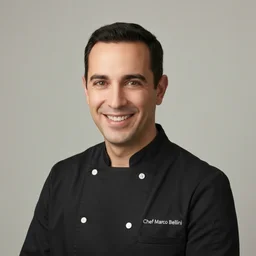
Executive Chef & Culinary Arts Certification Educator
Culinary Institute of AmericaChef Marco Bellini is a Certified Executive Chef and graduate of the Culinary Institute of America with over 20 years of professional kitchen experience in Michelin-recognized restaurants. He teaches culinary arts certification, food safety, and hospitality exam preparation, having guided thousands of culinary students through their ServSafe, ProStart, and professional chef certifications.
Join the Discussion
Connect with other students preparing for this exam. Share tips, ask questions, and get advice from people who have been there.
View discussion (7 replies)