
Bartender Dress Code: What to Wear Behind the Bar for Every Venue Type
Master the bartender dress code for every venue. From casual bars to upscale lounges — what to wear, avoid, and how to impress. ✅

The bartender dress code is one of the first things hiring managers evaluate before a candidate ever shakes a drink. Whether you are walking into a dive bar interview or auditioning for a position at a Michelin-starred cocktail lounge, what you wear signals professionalism, situational awareness, and respect for the establishment's brand. Many aspiring bartenders focus exclusively on cocktail knowledge and service techniques while underestimating how powerfully appearance shapes first impressions — both with employers and with guests at the bar.
Dress codes vary dramatically across venue types, regions, and even individual bar cultures. A craft brewery in Portland might welcome flannel and jeans, while a rooftop bar in Manhattan expects sharp, all-black formal attire with no exceptions. Understanding the unwritten — and sometimes very written — rules of bartender appearance is a critical professional skill. Misjudging the dress expectation for your venue can cost you tips, shift assignments, or even the job itself.
Beyond looking the part, a bartender's clothing choices have real functional implications. Bartending is a physically demanding job that involves constant movement, heat exposure behind the service well, spills, and close proximity to guests. The ideal bartender wardrobe balances visual professionalism with comfort, durability, and safety. Slip-resistant footwear, moisture-wicking fabrics, and dark colors that hide inevitable spills are not vanity choices — they are workplace necessities that experienced bartenders swear by.
Most venues provide at least partial uniform guidance, but many expect bartenders to interpret a broad directive like "all black" or "smart casual" on their own. This is where bartenders without experience often go wrong. Knowing what "business casual" actually means in a bar environment, or understanding the difference between a cocktail bar's formal expectations and a sports bar's relaxed vibe, comes from both observation and study of industry standards.
Understanding the bartender dress code requirements that accompany professional certification programs is also valuable — many bartending school curricula include appearance standards as part of their training, recognizing that presentation is as important as pouring technique. A polished, well-groomed bartender communicates care, credibility, and trustworthiness to every guest who sits down at the bar.
This guide covers everything you need to know about bartender dress codes — from the basics of what to wear at different venue types, to grooming standards, footwear requirements, jewelry rules, and how to adapt your look across a career that may span multiple bar environments. Whether you are brand-new to bartending or a seasoned professional looking to upgrade your presentation, this resource will help you dress with intention and confidence behind the bar.
Bartender Dress Code by the Numbers

Bartender Dress Codes by Venue Type
Clean jeans or dark chinos, a solid T-shirt or collared shirt, and closed-toe shoes. Logos and casual graphics are often acceptable. The priority is cleanliness and practicality over formality. Avoid torn clothing or overly revealing items even in relaxed settings.
Branded polo shirts or venue-logoed tees are common uniforms. Dark jeans or khakis pair well. Non-slip sneakers are often acceptable. The look is approachable and energetic — matching the high-energy, high-volume service environment where speed matters as much as style.
Smart casual to formal depending on tier. Collared shirts, blazers, vests, and dark trousers are typical. Many craft cocktail bars expect bow ties or suspenders as part of a curated aesthetic. Shoes should be polished dress shoes or clean leather oxfords, never sneakers.
Full uniform usually provided — often a crisp dress shirt, tailored vest or jacket, and dark dress trousers or skirts. Grooming standards are strict: hair tied back, minimal jewelry, conservative makeup. Presentation must meet the brand standards of a luxury hospitality environment.
All-black is nearly universal — black fitted top, black pants or shorts (venue-dependent), and black non-slip shoes. The look must be sleek, consistent across staff, and able to withstand hours of dancing around in a dark, crowded, high-energy service environment.
Building a core bartender wardrobe is an investment that pays off quickly in professionalism, comfort, and longevity. The foundation of almost every bartender's working wardrobe is a collection of high-quality black garments. Black trousers or dark jeans form the backbone — look for stretch fabrics with a professional cut that allow freedom of movement without sacrificing appearance. Avoid overly tight fits that restrict bending, and steer clear of low-rise cuts that create problems when you reach over the bar or crouch to access coolers.
Tops should be crisp, clean, and well-fitted. For most venues, a fitted black button-down shirt — either long-sleeved or short-sleeved depending on the environment — is the safest all-purpose choice. Short-sleeved options work well in high-heat bar environments where temperature behind the service well can easily reach 80 degrees or more during a busy rush. Long sleeves look more formal and are preferred at upscale establishments, but be prepared to roll them up carefully and uniformly if the shift gets intense.
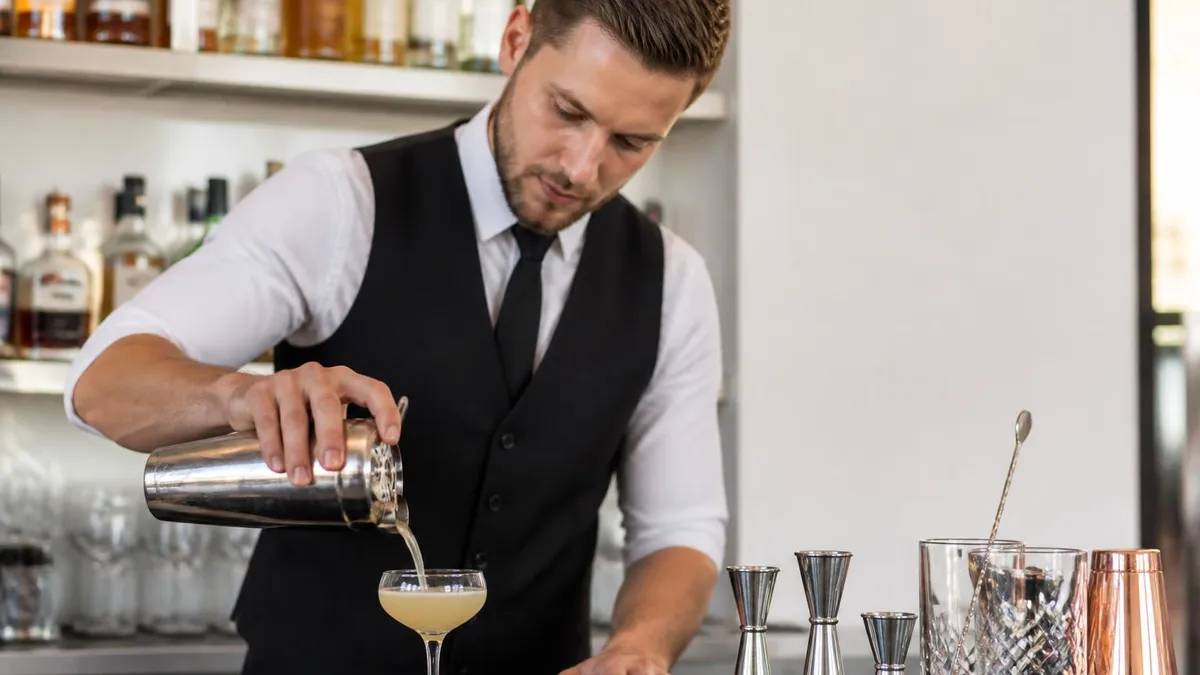
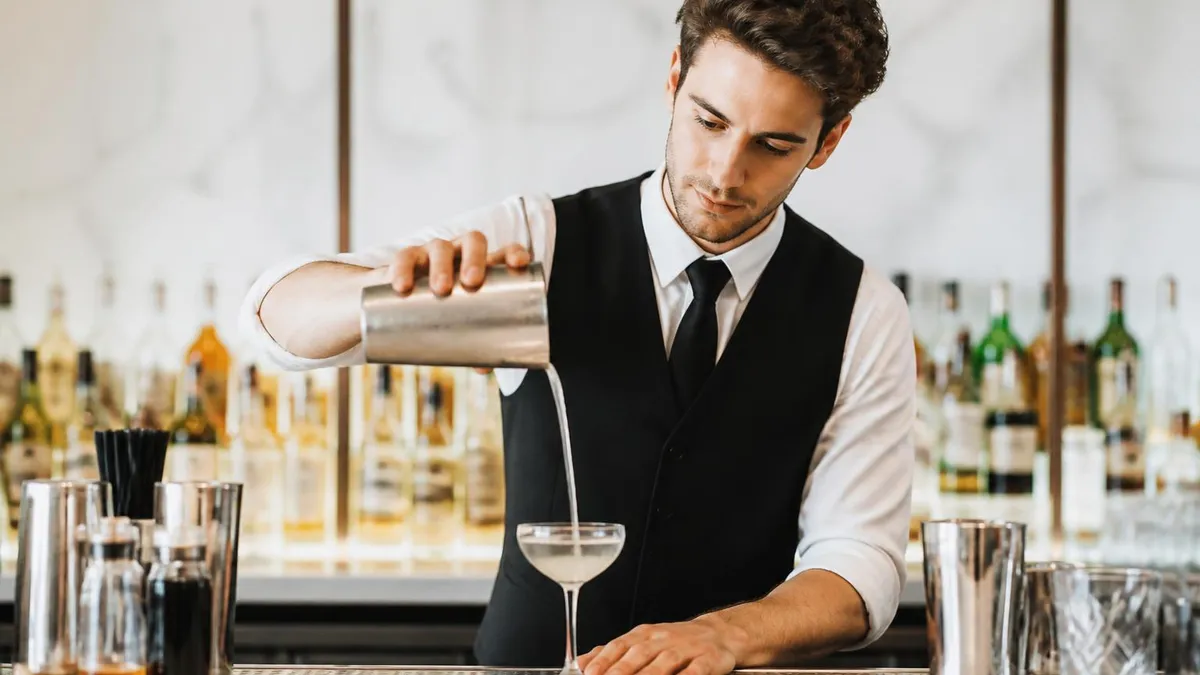
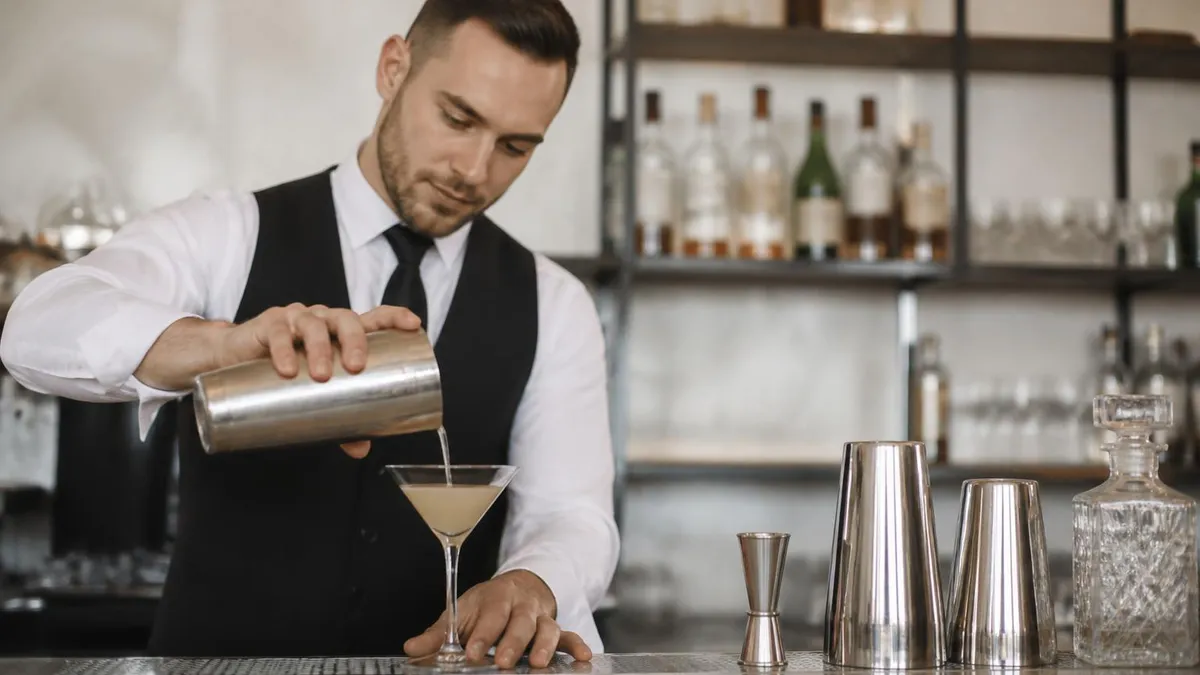
For bartenders working at cocktail bars or upscale lounges, a vest is one of the most valuable pieces you can own. Vests add an immediate layer of sophistication to any outfit without adding bulk or overheating you the way a full jacket would. Many craft cocktail programs outfit their bartenders specifically in vest-and-bowtie combinations that reinforce the theater and craftsmanship of their drink programs. A well-fitted vest over a white or black dress shirt is considered the gold standard for improved bartending aesthetics.
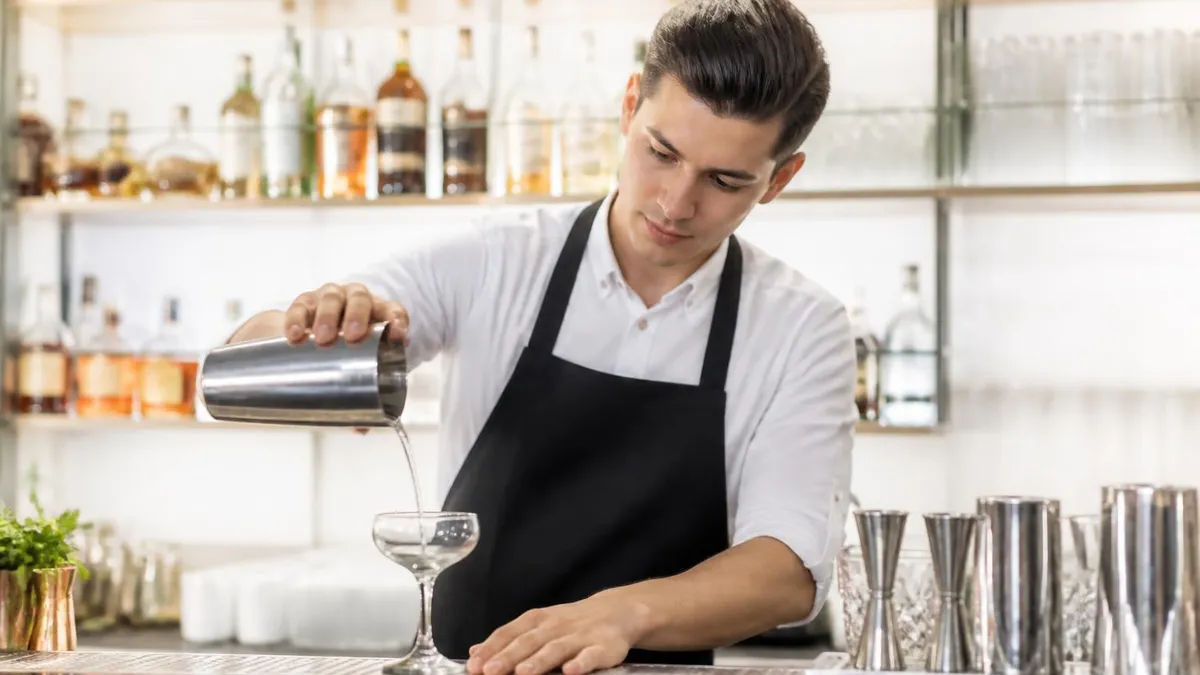
Aprons have become a signature element of the professional bartender's look over the past decade, particularly in the craft cocktail and hospitality renaissance of the 2010s and 2020s. A waxed canvas or denim apron keeps your clothing cleaner longer and gives you a place to tuck tools like a bottle key, small notepad, or pen. Some venues issue aprons as part of uniform; others expect bartenders to supply their own. Either way, keeping your apron clean and in good repair is non-negotiable — a stained or frayed apron undermines the professional appearance you are trying to project.
Layering is an underrated strategy for bartenders who work in venues with variable temperatures. A clean, fitted crewneck sweater under an apron or a zip-up hoodie for pre-service setup can be swapped for your work shirt when the bar opens. Having a few layers available means you are never caught shivering before doors open or sweating through your shirt mid-rush with no option to change. Experienced bartenders maintain a small kit at work: a spare shirt, an extra set of non-slip shoes, and a few emergency grooming items like a lint roller and stain remover pen.
Color discipline is an important concept in bartender wardrobe management. Even when a venue does not require strict all-black, defaulting to a limited, dark color palette — black, charcoal, navy, dark burgundy — conveys professionalism and keeps your look cohesive over a long shift. Bright colors and bold patterns tend to attract the wrong kind of attention and can clash with venue aesthetics. The exception is venues with specific branded uniforms that incorporate color intentionally, such as a tiki bar with Hawaiian-print shirts or a sports bar with team-colored polo shirts.
Fabric selection matters more than most new bartenders realize. Cotton-polyester blends offer the best combination of breathability, durability, and wrinkle resistance for bar work. Pure cotton wrinkles quickly and absorbs odors faster. Performance fabrics with moisture-wicking technology are excellent for high-volume venues where you are moving constantly. Avoid pure linen, which wrinkles immediately, and silk, which stains catastrophically. Dark fabrics in stain-resistant or moisture-wicking blends are the practical choice of experienced professionals who have learned these lessons the hard way through ruined clothing on busy Saturday nights.
Bartender Dress Code: Grooming, Footwear, and Accessories
Grooming is the invisible half of the bartender dress code. Hair must be clean, styled, and — critically — controlled. Long hair should be tied back securely during service, both for hygiene reasons and to prevent it from falling into drinks or near open flames. Many upscale venues require hair to be pinned completely up or slicked back. Beards are increasingly accepted, but must be neatly trimmed and shaped; patchy or unkempt facial hair reads as careless. Nails should be short, clean, and polish-free or coated in clear or neutral shades only.
Scent is a frequently overlooked element of bartender grooming that has a direct impact on guest experience. Heavy perfume or cologne interferes with the aroma of craft cocktails and wine, which are sensory experiences guests pay premium prices to enjoy. Most fine dining and cocktail bars explicitly prohibit strong fragrances. A subtle, light application of deodorant or a very faint scent is the maximum appropriate level. Skin care should be clean and natural-looking; heavy makeup can detract from the professional image expected at formal establishments, while neat, well-applied makeup is welcomed at most venues.

Pros and Cons of Strict Bartender Dress Codes
- +Projects professionalism and builds immediate guest trust and confidence
- +Creates visual consistency across bar staff that strengthens venue brand identity
- +Reduces daily decision fatigue — knowing exactly what to wear simplifies preparation
- +All-black and dark color policies hide spills and stains effectively during long shifts
- +Uniform policies signal team cohesion and equal treatment across staff members
- +Formal dress standards correlate with higher average tip percentages from guests
- −Strict codes can suppress personal expression and individuality behind the bar
- −All-black uniforms absorb heat and can be uncomfortable during summer service
- −Uniform costs are often borne by the employee without reimbursement from venues
- −Rigid grooming requirements can create unintentional bias against certain hair textures or styles
- −Dress codes enforced inconsistently create resentment and morale problems among staff
- −Overly formal dress codes can feel mismatched with casual neighborhood bar environments
Pros and Cons at a Glance
| Pros | Cons |
|---|---|
| Projects professionalism and builds immediate guest trust and confidence | Strict codes can suppress personal expression and individuality behind the bar |
| Creates visual consistency across bar staff that strengthens venue brand identity | All-black uniforms absorb heat and can be uncomfortable during summer service |
| Reduces daily decision fatigue — knowing exactly what to wear simplifies preparation | Uniform costs are often borne by the employee without reimbursement from venues |
| All-black and dark color policies hide spills and stains effectively during long shifts | Rigid grooming requirements can create unintentional bias against certain hair textures or styles |
| Uniform policies signal team cohesion and equal treatment across staff members | Dress codes enforced inconsistently create resentment and morale problems among staff |
| Formal dress standards correlate with higher average tip percentages from guests | Overly formal dress codes can feel mismatched with casual neighborhood bar environments |
Bartender Dress Code Compliance Checklist
- ✓Wear clean, pressed, wrinkle-free clothing at the start of every single shift.
- ✓Choose slip-resistant, closed-toe shoes that meet your venue's safety requirements.
- ✓Tie back or pin up all hair securely before stepping behind the bar.
- ✓Trim and clean nails; remove chipped polish or switch to clear/neutral shades.
- ✓Apply only light, neutral-scented deodorant — no heavy cologne or perfume.
- ✓Remove or minimize jewelry, especially rings, bracelets, and dangling earrings.
- ✓Wear dark or all-black clothing unless your venue specifies a different dress code.
- ✓Bring a spare clean shirt to every shift in case of spills or unexpected changes.
- ✓Clean and polish shoes weekly to maintain a professional, well-maintained appearance.
- ✓Review your venue's written dress code policy at least once per season for updates.
First Impressions Are Made Before You Pour a Single Drink
Research on hospitality guest behavior consistently shows that guests form trust judgments about their server or bartender within the first 30 seconds of interaction — and appearance is the dominant factor in that snap judgment. A well-dressed, groomed bartender signals competence, hygiene, and attention to detail before they speak a single word. Investing in your appearance is one of the highest-return actions a bartender can take for career growth and tip income.
Common bartender dress code mistakes are remarkably consistent across experience levels, and understanding them helps you avoid the career missteps that even talented drink-makers make. The most frequent error is underdressing for an interview or first shift. Many candidates assume that because bartending is perceived as a casual profession, casual clothes are appropriate when meeting a hiring manager. This is almost never true. When in doubt, wear one level more formal than you think the venue requires — you can always adjust after you observe the staff culture on your first shift.
Wearing overpowering cologne or perfume ranks as one of the most complained-about appearance issues in bartending — not just by managers, but by guests. As noted earlier, fragrance interferes directly with the sensory experience of drinking craft cocktails or wine. At establishments where the menu includes aromatic cocktails, aged spirits, or curated wine pairings, wearing strong scent is genuinely disrespectful to the guest experience. Multiple experienced bartenders report that guests have complained and tipped significantly less specifically because of their server's fragrance. This is an easily corrected mistake that many new bartenders do not take seriously enough.
Inappropriate footwear is both a common mistake and a genuine safety issue. New bartenders sometimes wear fashion sneakers or casual shoes that look somewhat professional but lack real slip resistance. The difference between a slip-resistant sole and a regular rubber sole becomes immediately apparent on a wet bar floor. Falling while carrying a tray of glassware or a bottle creates injury risk, significant liability, and reputational damage. Spend the $80 to $120 on a proper pair of slip-resistant bartender shoes — your joints and your manager will both thank you.
Over-accessorizing is a trap that enthusiastic new bartenders fall into when they are eager to express personality. Stacking multiple rings, wearing statement earrings, or sporting a visible chain necklace might feel like personal branding, but in most bar environments it reads as inexperienced and potentially unsanitary. The general rule is that if an accessory could fall into a drink, contaminate food, or get caught in equipment, it does not belong behind the bar. Personality should come through in service style, cocktail craft, and guest interactions — not jewelry.
Ignoring the importance of clean, well-maintained clothes — as opposed to simply owning professional-looking garments — is another recurring mistake. A perfectly appropriate black button-down shirt that is visibly wrinkled, has a stain near the cuff, or smells faintly of last night's shift is worse than a slightly less formal shirt that is impeccably clean and pressed. Guests notice clothing maintenance closely, especially in upscale environments. Building a laundry and maintenance routine for your work wardrobe is a professional habit worth establishing early in your career.
Failing to adapt your dress code approach as you move between venues is a subtle but important mistake that affects career mobility. A bartender who spent five years in nightclubs wearing all-black uniforms may struggle to calibrate appropriately when interviewing at a hotel lobby bar or a craft cocktail program with very different aesthetic expectations.
Taking time to research and observe the specific dress culture of any new venue you are targeting — by visiting as a guest before your interview, or researching the venue on social media — gives you a significant competitive advantage over candidates who show up generically dressed without doing their homework.
Finally, neglecting to update your wardrobe as it wears out is a slow-motion mistake that many experienced bartenders make. Shoes lose their slip-resistance. Black clothing fades to grey. Shirt collars fray. The professional appearance you cultivated in year one of your career can quietly degrade over years of heavy use if you are not replacing worn items. Budgeting a modest amount annually — even $100 to $200 per year — for wardrobe refreshment keeps your professional image sharp and prevents the gradual slide that can subtly affect how managers, colleagues, and guests perceive you.

In many states, health department regulations for food and beverage service directly govern bartender appearance — requiring hair restraints, prohibiting certain jewelry, and mandating closed-toe shoes. Violating these rules is not just an HR issue: it can result in health code citations that affect the entire establishment's licensing. Always verify your venue's compliance requirements alongside their stylistic dress code expectations.
Dressing strategically for career advancement is a topic that few bartending guides address directly, but experienced professionals know it matters enormously. The bartenders who move into head bartender roles, bar manager positions, and brand ambassador opportunities are almost universally those who consistently present themselves at the top of their venue's dress standard rather than merely meeting the minimum. When a management team is considering who to promote, appearance signals effort, pride in the role, and a management-level mindset before a single word about career goals is spoken.
Building a career-advance wardrobe means owning a few key pieces that improve your baseline look for important occasions — a well-fitted blazer, a pair of quality dress shoes, and formal-appropriate trousers that work for industry events, brand dinners, and competition appearances. The bartending industry has a rich competition culture, with events like the Diageo World Class and Tales of the Cocktail showcases where appearance is judged as part of overall professionalism. Competitors who look polished command more respect from judges and audiences, and that visibility can translate directly into career opportunities.
Networking events and industry meetups are another venue where dress code awareness pays dividends. Many aspiring bartenders show up to industry events in their work clothes — wrinkled black shirts and worn shoes — without realizing that these gatherings are professional networking contexts where first impressions with brand representatives, bar owners, and industry leaders carry real weight. Dressing one level above your work baseline for industry events signals ambition and self-awareness that distinguishes you from the crowd.
Social media presence has become increasingly important for bartenders who want to build a personal brand, and your visual presentation in photos and videos matters as much as your drink-making skill. Bartenders who feature prominently in their venue's Instagram content or build their own following are valuable to employers for marketing purposes. Consistently appearing polished, well-groomed, and appropriately dressed in any public-facing content reinforces your professional brand and makes you more valuable as both an employee and a potential brand ambassador.
Mentorship and observation are underrated tools for developing dress code sophistication. Identify the most respected bartenders at top venues in your market and observe how they dress, groom, and accessorize. The details they choose — the quality of their apron, the way they style their hair, the specific shoes they wear — are not accidental. Experienced professionals have usually made all the mistakes outlined in this guide and arrived at their current presentation through trial, error, and industry feedback. Learning from their example compresses your own development timeline significantly.
Understanding that dress code connects to overall professional identity is the mature perspective that separates career bartenders from those who see the job as temporary. Your appearance at work is part of your professional reputation — a reputation that follows you as you move between venues, cities, and career stages.
The bar industry is smaller and more interconnected than it appears from the outside. Bar managers, distributors, and brand representatives talk to each other, and a reputation for professionalism — or the lack of it — travels. Investing in your appearance is investing in a professional identity that compounds over an entire career.
For those actively pursuing formal certification, remember that many certification programs and the establishments that prefer certified candidates place real emphasis on professional presentation as part of overall competency assessment. Aligning your appearance standards with your certification pursuit sends a consistent signal that you are serious about the craft and the profession. The combination of technical knowledge, service skill, and professional presentation is the complete package that top venues and competitive programs are looking for in their candidates.
Practical wardrobe management tips can make a significant difference in how consistently you maintain professional standards across a long bartending career. Start by designating your work clothing as entirely separate from your personal wardrobe. Many experienced bartenders keep their bar clothes in a separate section of their closet or in a dedicated bag, pre-assembled with everything they need for a shift. This separation prevents the accidental mixing of work and personal clothes and ensures that your professional garments receive the specific care and maintenance they need.
Washing work clothes properly is more important than it sounds. Black fabrics fade faster when washed in hot water or dried on high heat — always wash in cold water and air dry or use low heat to preserve the depth of color. Treating stains immediately after a shift rather than letting them set overnight makes an enormous difference in whether a shirt survives long-term.
A small spray bottle of enzyme-based stain remover kept in your work bag can save many shirts from premature retirement. Rotating between three or four identical work shirts means each garment lasts significantly longer than if you wear the same one repeatedly.
Shoe maintenance deserves its own protocol. Wipe down leather or faux-leather shoes after every shift to remove citrus juice and other corrosive liquids that break down materials quickly. Use a leather conditioner monthly to prevent cracking, and replace insoles when they compress and lose their cushioning.
Monitoring the slip-resistance of your soles is critical — run your thumb across the tread pattern periodically, and if it feels smooth rather than textured, it is time for a replacement. Many bartenders keep a secondary pair of shoes they are breaking in while the primary pair is still wearable, so there is never a gap in footwear quality.
Budgeting for your professional wardrobe is a business expense that should be tracked alongside other career-related costs. If your venue does not provide uniforms, allocating $300 to $500 for initial wardrobe setup — including two to three work shirts, two pairs of trousers, one pair of quality slip-resistant shoes, an apron, and basic grooming supplies — is a reasonable investment. Track these expenses because in many cases work-specific clothing purchases are tax-deductible as professional business expenses, particularly when the items are not suitable for everyday non-work use.
Seasonal adjustments to your bartender wardrobe are practical and necessary. Summer shifts in non-air-conditioned venues may require lighter fabric weights and short-sleeved options. Winter events or outdoor venues require layering strategies that maintain a professional look without bulky outerwear that interferes with movement. Many bartenders maintain a summer and winter version of their core wardrobe, with fabric weights and layering options adjusted for temperature while keeping the overall aesthetic consistent with their venue's expectations throughout the year.
Communicating with your manager about dress code expectations should be an ongoing practice, not a one-time conversation during onboarding. Dress codes evolve — venues rebrand, seasonal events require different presentations, and management teams change. Checking in proactively about whether your current presentation aligns with updated expectations demonstrates a level of professional awareness that managers notice and appreciate. It also protects you from being blindsided by a correction that feels sudden but was actually building over time as standards shifted without explicit communication.
Finally, remember that the best bartender dress code is one you wear with genuine confidence and comfort. When you feel good in your work clothes — when your shoes do not hurt, your shirt fits properly, and your grooming is effortless — that ease translates into better service, more natural guest interactions, and sustained energy across a long shift.
Dress standards are not constraints on your personality; they are a framework within which professionals find their own expression. The most memorable bartenders in any industry era have been those who mastered the rules thoroughly enough to make their presentation feel effortless, natural, and entirely their own.
Sample Bartender Certification Practice Questions
Try these questions from our free Bartender Certification practice tests. The correct answer and an explanation follow each question.
What is the best approach when a customer cannot decide what to drink?
- A. Tell the customer to look at the menu and come back when ready
- B. Ask guiding questions about flavor preferences and make a personalized recommendation
- C. Simply pour the house special and walk away
- D. Wait silently until the customer decides
Answer: B. Ask guiding questions about flavor preferences and make a personalized recommendation
Asking about flavor preferences (sweet, sour, spirit strength) allows the bartender to make a tailored recommendation, enhancing the guest experience and demonstrating expertise.
When serving a classic Daiquiri, which is shaken and served 'up' (without ice), what type of glassware is most appropriate to enhance its presentation and maintain its temperature?
- A. Rocks Glass
- B. Collins Glass
- C. Coupe Glass
- D. Beer Mug
Answer: C. Coupe Glass
A Coupe glass is ideal for cocktails served 'up'. Its stemmed design prevents the drinker's hand from warming the chilled glass, and the wide bowl showcases the cocktail's color and allows its aromas to open up. The classic Daiquiri is frequently served in a coupe.
What type of still produces a lighter, more neutral spirit and is commonly used for vodka and grain whisky production?
- A. Pot still
- B. Column (continuous/Coffey) still
- C. Alembic still
- D. Retort still
Answer: B. Column (continuous/Coffey) still
A column still (also called a continuous still or Coffey still) produces a lighter, higher-proof, more neutral spirit suitable for vodka and grain whisky, as it allows for multiple distillation cycles in a continuous process.
What type of knife is most appropriate for cutting citrus garnishes at a bar?
- A. A serrated bread knife
- B. A large chef's knife
- C. A small paring knife
- D. A cleaver
Answer: C. A small paring knife
A small paring knife is the most appropriate and safe tool for cutting citrus garnishes, allowing for precision cuts of wheels, wedges, and twists.
Bartender Bartender Questions and Answers
Bartender Age Requirements: Complete Certification & Licensing Guide for 2026
Bartending Classes Near Me: How to Find, Compare, and Choose the Right Local Training Program in 2026
How to Become a Bartender by State: Complete Requirements Guide for All 50 States
Lady Bartender: A Complete Guide for Women Behind the Bar in 2026

Did Ed Gein Really Kill the Bartender? The True Crime Myth vs. Bartending Reality
About the Author
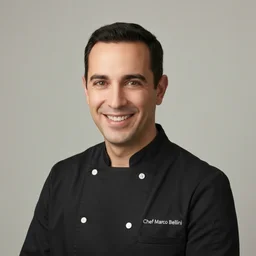
Executive Chef & Culinary Arts Certification Educator
Culinary Institute of AmericaChef Marco Bellini is a Certified Executive Chef and graduate of the Culinary Institute of America with over 20 years of professional kitchen experience in Michelin-recognized restaurants. He teaches culinary arts certification, food safety, and hospitality exam preparation, having guided thousands of culinary students through their ServSafe, ProStart, and professional chef certifications.
Join the Discussion
Connect with other students preparing for this exam. Share tips, ask questions, and get advice from people who have been there.
View discussion (7 replies)