
Bartending Resume: How to Write a Resume That Gets You Hired in 2026
Learn how to craft a bartending resume that stands out. Includes key skills, formatting tips, real examples, and expert advice to land your next ✅
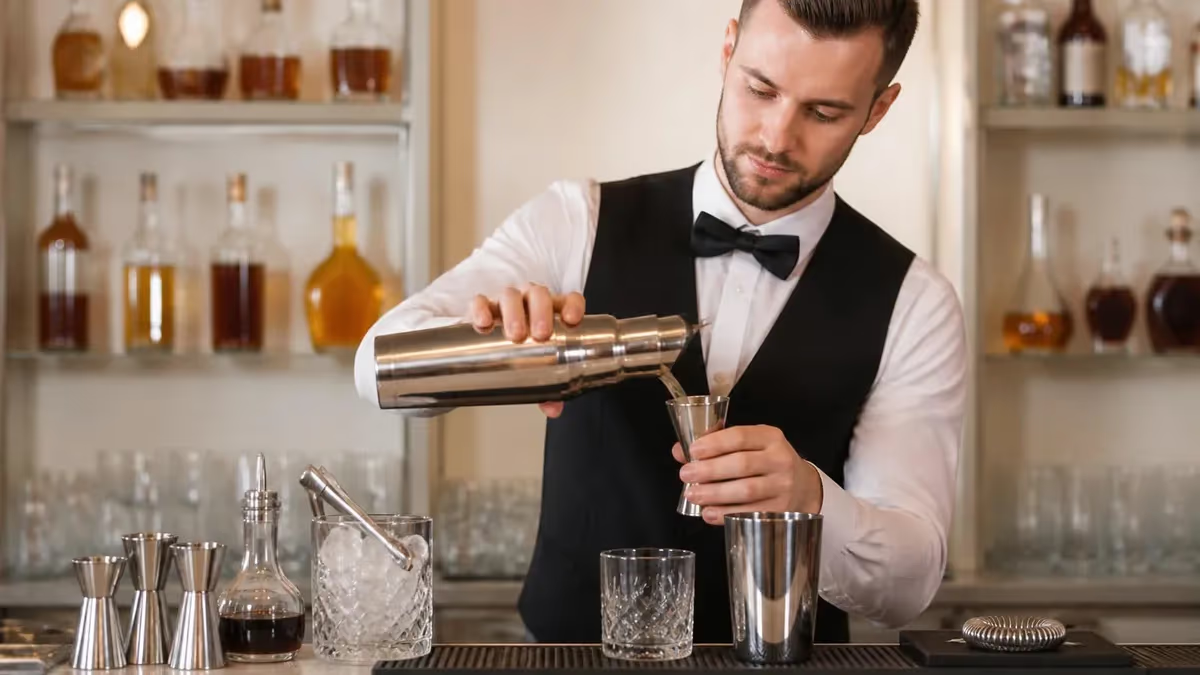
Your bartending resume is the single most important document standing between you and your next job behind the bar. Whether you are applying to a high-volume nightclub, a craft cocktail lounge, or a neighborhood sports pub, hiring managers spend an average of just seven seconds scanning each resume before deciding whether to keep reading. That means every word, every formatting choice, and every listed skill must work together to create an immediate impression of competence and professionalism that compels the reader to learn more about you.
The hospitality industry added over 400,000 bartending positions in 2025 alone, yet competition remains fierce in desirable markets like New York, Los Angeles, Chicago, and Miami. A polished bartending resume helps you stand out from hundreds of other applicants who may share similar experience levels and backgrounds. Without a targeted document that highlights your specific strengths, relevant certifications, and measurable accomplishments, you risk being passed over for candidates who simply present themselves more effectively on paper and during the initial screening stage.
Many aspiring bartenders make the mistake of using a generic resume template and listing every job they have ever held, regardless of relevance. A restaurant manager reviewing fifty applications for a single opening does not want to read about your summer job at a car wash or your brief stint in retail. Instead, your bartending resume should be laser-focused on the skills, experiences, and credentials that prove you can handle the demands of a fast-paced bar environment while delivering exceptional guest experiences consistently every shift.
Building an effective bartending resume requires understanding what bar owners and managers actually look for during the hiring process. They want evidence that you can pour accurately, manage tabs efficiently, handle difficult customers with grace, and contribute to overall revenue through upselling and suggestive techniques. They also want to know you understand responsible service laws, can work well under pressure during peak hours, and will show up reliably for every scheduled shift without unnecessary drama or last-minute call-outs.
The format and structure of your resume matter almost as much as the content itself. A cluttered layout with inconsistent fonts, poor spacing, or walls of unbroken text signals carelessness, which is the last quality any hiring manager wants in someone handling cash registers and expensive liquor inventory. Clean formatting with strategic use of white space, bullet points, and clear section headers makes your qualifications scannable and demonstrates the same attention to detail you would bring to crafting cocktails behind the bar.
Throughout this comprehensive guide, you will learn exactly how to structure each section of your bartending resume for maximum impact. We cover everything from choosing the right format and writing a compelling summary statement to listing your work experience with quantifiable achievements and highlighting the certifications that give you a competitive edge. Whether you are a seasoned bartender with a decade of experience or a newcomer seeking your first position, these strategies will help you create a document that opens doors.
By the end of this article, you will have a clear roadmap for building a bartending resume that not only passes automated applicant tracking systems but also impresses human reviewers enough to earn you an interview. The difference between landing your dream bartending role and getting lost in the slush pile often comes down to how well you present your qualifications on a single page, so let us make every line count and craft a resume worthy of your skills.
Bartending Resume by the Numbers

Step-by-Step Guide to Building Your Bartending Resume
Choose the Right Resume Format
Write a Compelling Summary Statement
Detail Your Work Experience with Metrics
Highlight Relevant Skills and Certifications
Proofread, Format, and Submit
The work experience section is the backbone of any bartending resume, and getting it right can mean the difference between an interview and a rejection email. Start with your most recent position and work backward, listing the name of each establishment, its city and state, your exact job title, and the dates you worked there. Under each role, include four to six bullet points that go beyond generic job descriptions like poured drinks and served customers, which tell the hiring manager nothing about what made you valuable.
Quantifiable achievements are what transform a mediocre experience section into a compelling one that grabs attention immediately. Instead of writing responsible for bar operations, try something like managed bar operations generating an average of twelve thousand dollars in nightly revenue across a 200-seat venue during peak weekend shifts. Numbers provide concrete evidence of your capabilities and help hiring managers understand the scale and intensity of your previous work environments compared to what they need for their open role.
Action verbs set the tone for each bullet point and signal confidence and initiative to the reader. Begin every achievement statement with a strong verb such as increased, streamlined, trained, implemented, reduced, or exceeded. For example, trained and mentored four new bartenders over a six-month period, reducing average onboarding time by thirty percent while maintaining service quality standards is far more powerful than helped train new employees, which sounds passive and vague.
If you have worked at multiple types of establishments, use this to your advantage by demonstrating versatility across different bar environments. A hiring manager at a fine dining restaurant will be impressed that you also have experience in a high-volume nightclub setting because it proves you can handle extreme pressure. Similarly, a nightclub manager will appreciate seeing craft cocktail experience because it shows you have the technical skills to make complex drinks quickly without sacrificing quality or presentation.
Gaps in employment history are common in the hospitality industry and do not need to be career-ending red flags on your bartending resume. If you took time off for personal reasons, education, travel, or to recover from burnout, address the gap briefly and honestly rather than trying to hide it with creative date manipulation. You might note that you used the time to complete a bartending certification program, attend cocktail workshops, or develop new skills that make you a stronger candidate today than you were before.
For bartenders with limited professional experience, consider including relevant volunteer work, personal projects, or educational experiences that demonstrate your commitment to the craft. Perhaps you organized cocktail-making events for charity fundraisers, completed an intensive mixology boot camp, or ran a pop-up bar at local community events. These experiences show initiative, passion, and practical skills that can partially compensate for a shorter employment history when presented effectively on your resume document.
Remember that consistency in formatting throughout your experience section reflects the organizational skills you will need behind the bar every single night. Use the same font size for all job titles, align your dates uniformly on the right margin, and maintain identical bullet point styles throughout. Small inconsistencies that might seem trivial can subconsciously signal sloppiness to experienced hiring managers who review dozens of resumes weekly and have developed a keen eye for these details.
Bartender Practice Test Questions
Prepare for the Bartender Certification exam with our free practice test modules. Each quiz covers key topics to help you pass on your first try.
Bartender Certification Bar Inventory and ...
Bartender Exam Questions covering Certification Bar Inventory and Cost Control. Master Bartender Test concepts for certification prep.
Bartender Certification Bar Law and Liquor...
Free Bartender Practice Test featuring Certification Bar Law and Liquor Regulations. Improve your Bartender Exam score with mock test prep.
Bartender Certification Bar Sanitation and...
Bartender Mock Exam on Certification Bar Sanitation and Safety. Bartender Study Guide questions to pass on your first try.
Bartender Certification Bar Setup and Orga...
Bartender Test Prep for Certification Bar Setup and Organization. Practice Bartender Quiz questions and boost your score.
Bartender Certification Bar Tools and Glas...
Bartender Questions and Answers on Certification Bar Tools and Glassware. Free Bartender practice for exam readiness.
Bartender Certification Basic
Bartender Mock Test covering Certification Basic. Online Bartender Test practice with instant feedback.
Bartender Certification Cocktail Recipes a...
Free Bartender Quiz on Certification Cocktail Recipes and Techniques. Bartender Exam prep questions with detailed explanations.
Bartender Certification Customer Service a...
Bartender Practice Questions for Certification Customer Service and Sales. Build confidence for your Bartender certification exam.
Bartender Certification Customer Service S...
Bartender Test Online for Certification Customer Service Skills. Free practice with instant results and feedback.
Bartender Certification Mixology Fundamentals
Bartender Study Material on Certification Mixology Fundamentals. Prepare effectively with real exam-style questions.
Bartender Certification Responsible Alcoho...
Free Bartender Test covering Certification Responsible Alcohol Service. Practice and track your Bartender exam readiness.
Bartender Certification Spirits, Beer, and...
Bartender Exam Questions covering Certification Spirits, Beer, and Wine. Master Bartender Test concepts for certification prep.
Bartender Certification Spirits, Liqueurs,...
Free Bartender Practice Test featuring Certification Spirits, Liqueurs, and Cocktails. Improve your Bartender Exam score with mock test prep.
Bartender Responsible Alcohol Service
Bartender Mock Exam on Responsible Alcohol Service. Bartender Study Guide questions to pass on your first try.
Bartender Spirits, Liqueurs, and Cocktails
Bartender Test Prep for Spirits, Liqueurs, and Cocktails. Practice Bartender Quiz questions and boost your score.
Bartender Bar Sanitation and Safety
Bartender Questions and Answers on Bar Sanitation and Safety. Free Bartender practice for exam readiness.
Bartender Bar Setup and Organization
Bartender Mock Test covering Bar Setup and Organization. Online Bartender Test practice with instant feedback.
Bartender Bar Tools and Glassware
Free Bartender Quiz on Bar Tools and Glassware. Bartender Exam prep questions with detailed explanations.
Bartender Basic
Bartender Practice Questions for Basic. Build confidence for your Bartender certification exam.
Bartender Cocktail Recipes and Techniques
Bartender Test Online for Cocktail Recipes and Techniques. Free practice with instant results and feedback.
Bartender Customer Service and Sales
Bartender Study Material on Customer Service and Sales. Prepare effectively with real exam-style questions.
Bartender Customer Service Skills
Free Bartender Test covering Customer Service Skills. Practice and track your Bartender exam readiness.
Essential Skills and Certifications for Your Bartending Resume
Hard skills are the technical, teachable abilities that bartenders use every shift, and they deserve prominent placement on your resume. Include proficiency with specific POS systems such as Toast, Aloha, Square, or Micros, as these are the tools managers expect you to operate efficiently from day one. List cocktail recipe knowledge by specifying your range, whether you know fifty classic recipes or three hundred modern creations, and mention speed pouring accuracy, garnish techniques, and beer or wine knowledge including proper serving temperatures and glassware selection.
Beyond drink preparation, hard skills extend to cash handling, credit card processing, opening and closing procedures, inventory management, and basic accounting for nightly drawer reconciliation. If you have experience with keg systems, draft beer line maintenance, espresso machines, or specialty equipment like smoke guns and nitrogen infusers, list these explicitly. Hiring managers searching for candidates with specific technical capabilities often use applicant tracking software that scans for these exact keywords, so being thorough with your hard skills section directly increases your chances of passing automated screening rounds.

Pros and Cons of a One-Page Bartending Resume
- +Forces you to prioritize your most relevant and impressive qualifications
- +Matches the seven-second scan time that most hiring managers actually spend
- +Easier to format cleanly without clutter or overwhelming amounts of text
- +Preferred by applicant tracking systems that parse shorter documents more accurately
- +Demonstrates your ability to communicate efficiently which is valued behind the bar
- +Shows confidence that your strongest qualifications speak for themselves
- −Difficult to include all relevant experience if you have worked at many venues
- −May require cutting certifications or training that could differentiate you
- −Limits space for detailed descriptions of achievements at each establishment
- −Can feel restrictive for bartenders transitioning from another lengthy career
- −Makes it harder to address employment gaps with contextual explanations
- −May not showcase the full breadth of your cocktail and service knowledge
Bartending Resume Pre-Submission Checklist
- ✓Verify that your contact information including phone number and professional email is current and accurate.
- ✓Confirm your professional summary is tailored to the specific venue and position you are applying for.
- ✓Check that every work experience entry includes at least two quantifiable achievements with real numbers.
- ✓Ensure all certifications list the issuing body, date earned, and expiration date where applicable.
- ✓Run a spell check and grammar review then read the entire document aloud to catch awkward phrasing.
- ✓Confirm the resume fits on one page with consistent formatting, margins, and font sizes throughout.
- ✓Remove any irrelevant work experience that does not relate to bartending or hospitality service.
- ✓Save the final version as both a PDF and a Word document for different submission requirements.
- ✓Ask a bartender colleague or hospitality mentor to review and provide honest feedback before submitting.
- ✓Verify that the file name includes your full name such as Jane-Smith-Bartending-Resume-2026.pdf.
Quantified Achievements Increase Interview Callbacks by 40%
According to a 2025 hiring survey by the National Restaurant Association, bartending resumes that include at least three quantified achievements such as nightly revenue figures, customer satisfaction percentages, or inventory cost savings receive forty percent more interview callbacks than resumes listing only generic job duties. Replace every vague responsibility with a specific number.
Even experienced bartenders sabotage their job searches by making avoidable resume mistakes that immediately signal a lack of professionalism to hiring managers. The most damaging error is submitting a generic resume that was not customized for the specific venue and position you are applying for. A craft cocktail bar and a high-volume nightclub have fundamentally different priorities, and your resume should reflect an understanding of those differences through the skills you emphasize, the achievements you highlight, and the language you use throughout every section of the document.
Spelling and grammar mistakes remain surprisingly common on bartending resumes and they are almost always fatal to your candidacy. A hiring manager who spots a typo in your professional summary will question your attention to detail, which is a critical trait for someone responsible for accurately measuring ingredients, processing payments, and checking identification documents throughout every shift. Use multiple proofreading methods including spell-check software, reading aloud, and having a trusted friend review the document before you submit it to any potential employer.
Another frequent mistake is listing job duties instead of accomplishments, which makes your resume read like a job description rather than a compelling case for your candidacy. Every bartender pours drinks, processes payments, and maintains a clean workspace, so writing these as bullet points tells the hiring manager nothing about what makes you special. Transform each duty into an achievement by adding context, scale, and results, such as noting that you consistently maintained a pour cost below twenty percent across a bar program featuring over one hundred cocktails.
Using an unprofessional email address is a surprisingly common mistake that creates an immediately negative impression before the hiring manager even reads your qualifications. Addresses like partybartender99 at gmail or drinkslinger420 at yahoo might seem harmless to you, but they signal immaturity and poor judgment to someone deciding whether to trust you with their business. Create a simple professional email using your first and last name, and include it prominently in your contact information header alongside your phone number and city of residence.
Including irrelevant personal information wastes valuable resume space and can actually work against you during the hiring process. Your marital status, age, religious affiliation, political views, and hobbies unrelated to bartending do not belong on a professional bartending resume under any circumstances. The one exception is hobbies directly related to the craft, such as home brewing, visiting distilleries, competing in cocktail competitions, or writing about spirits, which demonstrate genuine passion and can serve as conversation starters during interviews with enthusiastic bar managers.
Failing to include your certifications prominently is a critical oversight that can cost you opportunities at establishments where compliance credentials are required by law or company policy. Many bartenders bury their TIPS certification or ServSafe credential at the bottom of their resume, where it may never be seen during a quick scan. Instead, place certifications in a dedicated section immediately after your professional summary or in a sidebar column where they are visible within the first few seconds of review by any hiring manager scanning your document.
Finally, many bartenders neglect to update their resume regularly, which leads to frantic last-minute revisions when an unexpected opportunity arises. Make it a habit to update your bartending resume every three to six months, adding new certifications as you earn them, noting significant achievements as they happen, and removing older positions that are no longer relevant to your current career trajectory. A consistently maintained resume ensures you are always ready to apply when your dream bartending position becomes available.

Falsifying certifications such as TIPS, ServSafe Alcohol, or state-required bartending licenses on your resume can result in immediate termination, legal liability for the establishment, and permanent damage to your professional reputation within the hospitality community. Hiring managers routinely verify certification status through issuing organizations, and getting caught in a lie will follow you through industry networks for years.
Different types of bars and restaurants have vastly different expectations, and tailoring your bartending resume for each specific venue dramatically increases your chances of landing an interview. A fine dining establishment values wine knowledge, elegant presentation, and the ability to create sophisticated cocktail pairings that complement the menu, while a high-volume nightclub prioritizes speed, stamina, and the ability to handle large crowds without sacrificing accuracy or customer service quality during peak hours on busy weekend nights.
When applying to a craft cocktail bar, emphasize your knowledge of spirits categories, classic and modern cocktail recipes, house-made ingredients like syrups and bitters, and any creative contributions you have made to previous bar programs. Mention specific techniques such as fat-washing, clarification, barrel aging, or smoke infusion if you have experience with them. Craft bar managers want to see evidence of genuine passion for mixology and a willingness to continuously learn and experiment with new flavor combinations and presentation styles that keep their menu fresh.
Hotel bars and resort properties typically seek candidates who combine technical bartending skills with polished hospitality and guest relations experience that reflects the elevated service standards of the brand. If you are targeting these positions, highlight any experience in upscale environments, mention your familiarity with luxury service protocols, and note any languages you speak beyond English. International hotel chains also value certifications from recognized programs like Wine and Spirit Education Trust or the Court of Master Sommeliers because these credentials align with their global standards.
For sports bars, neighborhood pubs, and casual dining establishments, your resume should emphasize reliability, versatility, and the ability to create a welcoming atmosphere that encourages repeat business from regular customers over extended periods. Managers at these venues care less about your ability to make a perfectly balanced Aviation cocktail and more about whether you can remember regulars by name, keep the energy positive during game nights, manage a clean and organized bar station, and handle the inevitable difficult customer without escalating the situation unnecessarily.
If you are applying to a catering company or event bartending service, highlight your adaptability, setup and breakdown experience, and ability to work independently without direct supervision in unfamiliar venue environments. Event bartending requires a unique skill set that includes rapid venue assessment, efficient portable bar setup, the ability to serve large groups quickly during short reception windows, and maintaining professionalism in settings that range from backyard weddings to corporate galas in upscale ballrooms across various locations.
Brewery taprooms and wine bars represent growing segments of the hospitality industry with their own distinct hiring preferences and expectations for bartending candidates. For taproom positions, emphasize any beer knowledge including styles, brewing processes, tasting terminology, and experience with draft systems and flight preparation. For wine bars, highlight your wine education credentials, familiarity with major wine regions and grape varieties, experience conducting tastings, and ability to make accessible recommendations that match each individual customer preference and budget.
Regardless of the venue type, always research the specific establishment before submitting your resume by visiting their website, reading recent reviews, and ideally stopping in as a customer to observe the atmosphere and service style firsthand. This research allows you to mirror the venue's values and terminology in your resume, demonstrating that you understand their brand and have already envisioned yourself as part of their team, which is far more compelling than sending a generic document that could apply to any bar anywhere in the country.
Before you hit send on your bartending resume, invest time in several practical strategies that can significantly increase your response rate and help you stand out in a crowded applicant pool. First, customize your professional summary for every single application by incorporating specific keywords from the job posting. If the listing mentions craft cocktails, high-volume experience, or a particular POS system, those exact phrases should appear naturally in your summary and skills sections because many establishments now use applicant tracking software that filters candidates automatically.
Building a portfolio to accompany your resume can give you a substantial competitive advantage that most bartending applicants never consider. Include high-quality photographs of signature cocktails you have created, screenshots of positive customer reviews that mention you by name, copies of your certifications, and any press coverage or social media features your work has received. A digital portfolio hosted on a simple personal website or even a well-organized Google Drive folder adds dimension to your candidacy that a one-page resume alone simply cannot provide.
Networking remains the single most effective job search strategy in the bartending industry, where personal recommendations carry enormous weight with hiring managers and bar owners. Attend industry events such as cocktail competitions, spirit tastings, bar industry trade shows, and hospitality association meetings to build relationships with potential employers before positions even become available. Many of the best bartending jobs are filled through word-of-mouth referrals and never posted publicly, making your professional network an invaluable complement to your polished written resume.
When submitting your resume digitally, always follow the application instructions exactly as specified in the job posting, no matter how simple or redundant they may seem to you. If the listing asks for a PDF attachment with a specific file naming convention, follow those instructions precisely. Hiring managers sometimes use intentionally specific submission requirements as an initial screening tool to identify candidates who pay attention to details, and failing to follow simple directions can eliminate you before anyone even reads your qualifications or reviews your work history.
Consider preparing a brief cover letter to accompany your bartending resume, even when the listing does not explicitly require one, because it provides additional space to showcase your personality and enthusiasm. A strong cover letter connects your background to the specific venue by explaining why you are excited about their particular concept, what you admire about their cocktail program, and how your unique combination of skills would benefit their team. Keep it to three short paragraphs and maintain the same professional tone and clean formatting as your resume throughout.
Practice your interview skills alongside perfecting your resume because the two work together as a unified self-presentation strategy throughout the hiring process. Prepare concise stories that expand on the bullet points in your experience section, rehearse answers to common bartending interview questions about handling difficult customers and managing busy shifts, and develop thoughtful questions to ask the interviewer that demonstrate genuine interest in the establishment. Your resume gets you in the door, but your interview performance determines whether you actually get the job offer.
Finally, track every application you submit in a simple spreadsheet that includes the venue name, date applied, contact person, follow-up dates, and any response received. This organizational habit ensures you never accidentally apply to the same venue twice, helps you time your follow-up communications appropriately at one week after submission, and provides valuable data about which resume versions and application strategies generate the highest response rates so you can continuously refine your approach based on real results rather than guesswork.
Bartender Bartender Questions and Answers

Bartender Near Me: How to Find, Vet, and Hire a Local Bartender in 2026

Lady Bartender: A Complete Guide for Women Behind the Bar in 2026

Bartender Interview Questions: 50+ Real Questions With Sample Answers for 2026
Bartending Kit: The Complete Tool Guide for Certification Prep
Wisconsin Bartending License: Operator's License Guide 2026
About the Author
Executive Chef & Culinary Arts Certification Educator
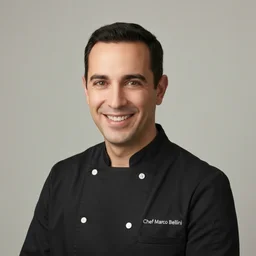
Culinary Institute of AmericaChef Marco Bellini is a Certified Executive Chef and graduate of the Culinary Institute of America with over 20 years of professional kitchen experience in Michelin-recognized restaurants. He teaches culinary arts certification, food safety, and hospitality exam preparation, having guided thousands of culinary students through their ServSafe, ProStart, and professional chef certifications.
Join the Discussion
Connect with other students preparing for this exam. Share tips, ask questions, and get advice from people who have been there.
View discussion (7 replies)