
Vohra Wound Care Certification: What It Is, Who It's For, and How It Works in 2026 September
Vohra wound care certification: what the physician program is, who it's for, how it works, and how it differs from nurse wound credentials. 🆕
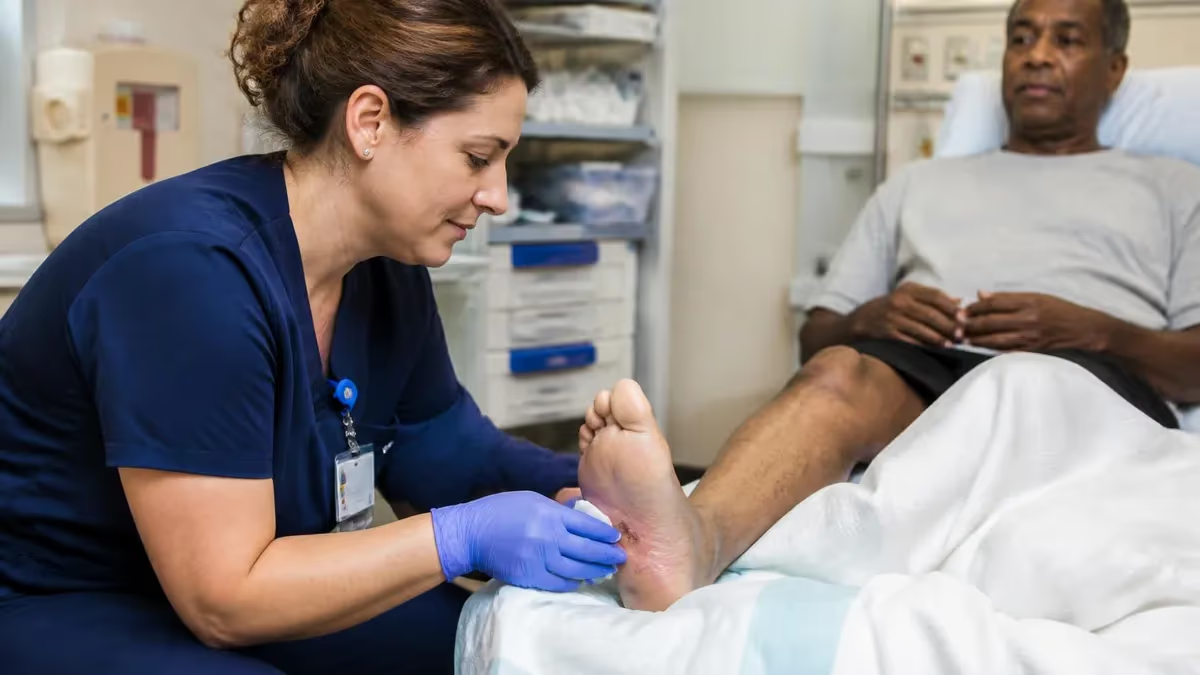
If you've researched wound care credentials, you've likely come across Vohra — and wondered exactly what "Vohra wound care certification" means and whether it's right for you. Vohra is one of the larger names in the wound care world, and its certification program has become a recognizable credential, particularly among physicians working in post-acute and long-term care settings. Understanding what it is, and how it differs from the nursing-focused wound certifications, clears up a lot of confusion.
The key distinction up front: Vohra's flagship certification is aimed primarily at physicians and is focused on the practical, hands-on management of wounds in settings like skilled nursing facilities. That sets it apart from the well-known nurse-focused credentials such as the WCC, CWS, or CWCN. Both serve the wound care field, but they target different clinicians and come from different organizations, which is the first thing to get straight.
This guide explains what the Vohra wound care certification is, who it's designed for, how the program works, and how it fits within the broader landscape of wound care certification options. Whether you're a physician considering it or simply trying to understand the credentials you see referenced, knowing where Vohra sits helps you make sense of the field.
One framing point: wound care certification in general is a specialty credential layered on top of an existing clinical license — it doesn't replace being a physician, nurse, or other provider, but adds verified expertise in wound management. Vohra's program is one such specialty credential, built around a particular model of bedside wound care, which is why it's especially associated with the post-acute settings where that model is practiced.
Vohra Wound Care Certification at a Glance
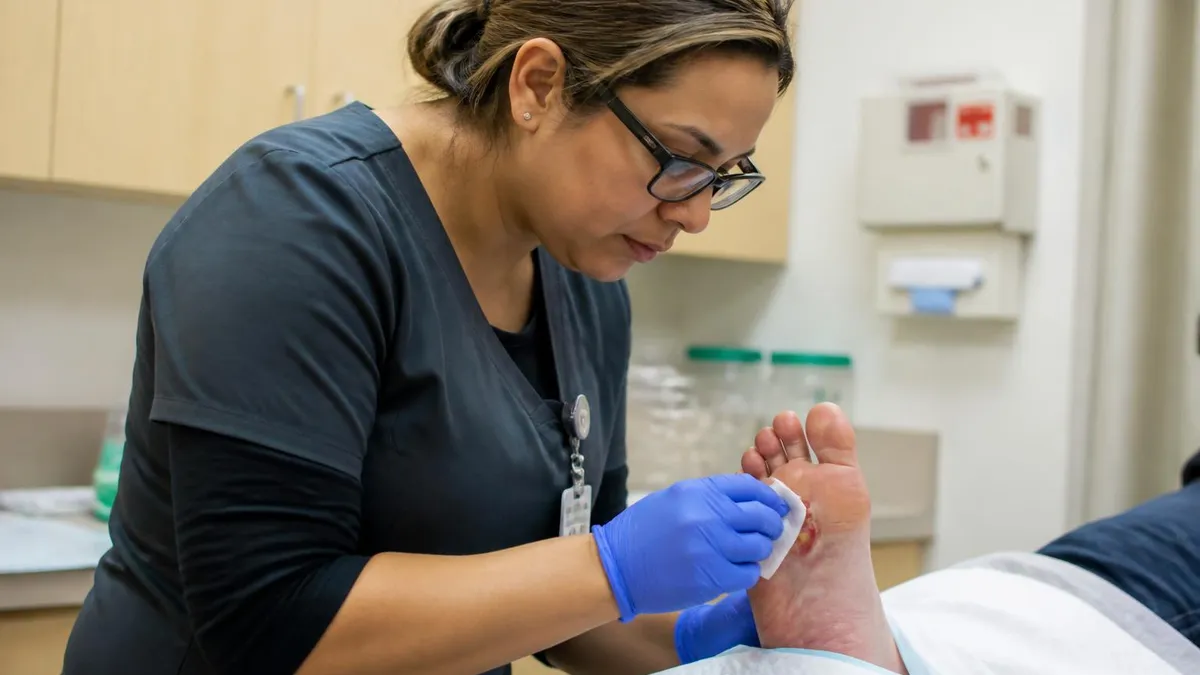
Key Facts About Vohra Certification
Vohra's flagship wound certification is designed primarily for physicians (MDs and DOs), distinguishing it from the nurse-oriented credentials like WCC, CWS, and CWCN that dominate the field.
It centers on wound care in skilled nursing facilities and long-term care — the post-acute settings where Vohra operates — emphasizing practical management of chronic and complex wounds in those patients.
The credential comes from Vohra, a wound care physician group, rather than one of the independent certifying boards. Knowing the source helps you understand its focus and recognition.
The training reflects Vohra's bedside, hands-on model of wound care delivery, oriented toward real management of patients rather than purely academic study.
Let's start with what Vohra actually is, because the company context shapes the certification. Vohra is a wound care organization known for providing physician-led wound care services in post-acute settings such as skilled nursing facilities. Out of that clinical model grew a training and certification program designed to teach and credential physicians in the kind of practical, bedside wound management Vohra is built around. So the certification reflects a specific, real-world approach rather than an abstract curriculum.
The flagship credential is a physician wound certification — aimed at MDs and DOs who want verified expertise in wound care. This physician focus is the single most important thing to understand about Vohra, because most of the famous wound care certifications are designed for nurses. Vohra carved out a niche by addressing the physician side of wound management, particularly for doctors practicing in or consulting to long-term care facilities.
The emphasis on post-acute and long-term care is central. Patients in skilled nursing facilities frequently have chronic, complex wounds — pressure injuries, diabetic ulcers, venous ulcers — that require ongoing, skilled management. Vohra's model is built around delivering that care at the bedside in those settings, and the certification trains physicians specifically for this context, which is somewhat different from acute hospital wound care or outpatient wound clinics.
The training is oriented toward practical management rather than purely theoretical knowledge. Because it grew from an active clinical service, the program emphasizes what physicians actually do with wounds — assessment, treatment selection, debridement decisions, and ongoing management — in the realistic conditions of post-acute care. This hands-on orientation is part of its appeal to physicians who want directly applicable skills rather than abstract coursework.
It's worth being clear that, like all wound care certifications, Vohra's is a specialty credential layered on an existing license. It doesn't make someone a physician — it adds documented wound care expertise to a physician's existing qualifications. This is true of the whole field: wound care certification, whether from Vohra or a nursing board, is an add-on specialty credential that signals focused expertise in this demanding area of medicine.
Understanding Vohra as a physician-focused, post-acute, practically-oriented credential from a wound care company explains both its strengths and its niche. It's well-suited to its target audience and setting, and it occupies a distinct corner of the wound care credentialing landscape — a corner that the nurse-focused certifications don't directly serve. That positioning is exactly why it comes up as a distinct option when people research wound care credentials.
For anyone mapping the field, the takeaway is that Vohra answers a specific question — how do physicians, especially in long-term care, get trained and credentialed in wound management — rather than competing head-to-head with the nurse credentials. Knowing that, you can evaluate it for what it is: a focused physician credential, not a one-size-fits-all wound certification, and certainly not the right fit for a nurse seeking a wound care nurse credential.
Where Vohra Fits in a Wound Care Path
Hold a clinical license
Complete the training
Apply in post-acute care
Earn the credential
Practice and maintain
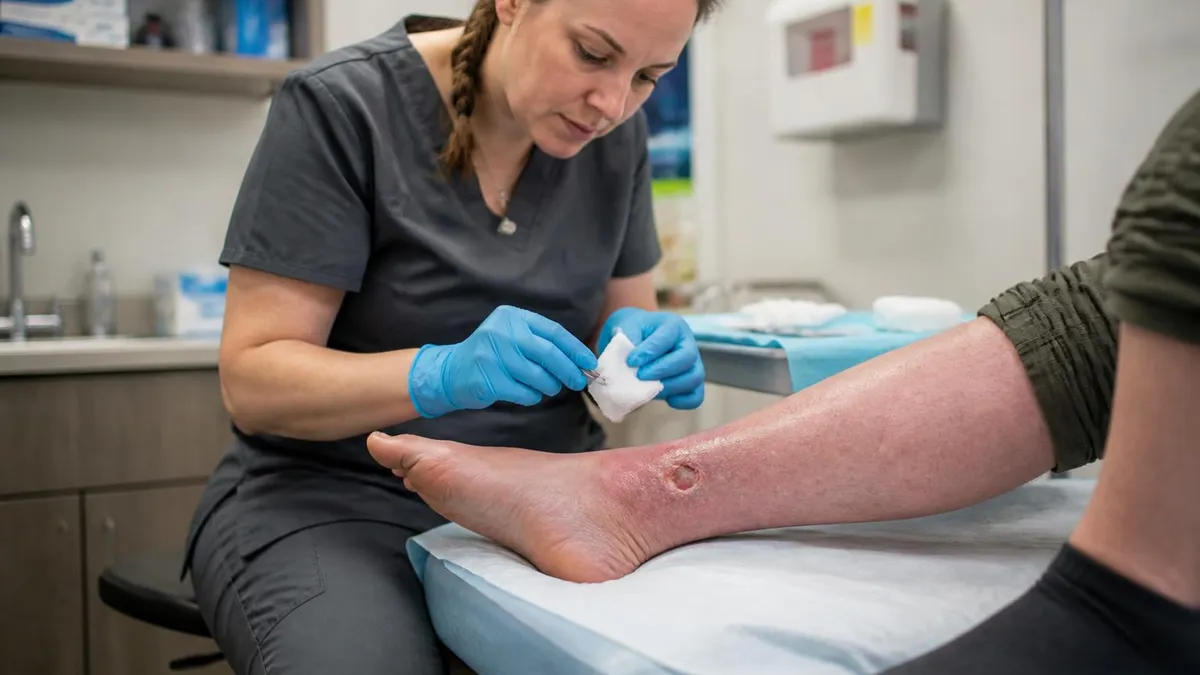
Who is the Vohra wound care certification actually for? Principally, physicians — MDs and DOs — who want to develop and document expertise in wound management, especially those working in or with post-acute care facilities. If you're a physician seeing patients with chronic wounds in skilled nursing settings, or you're moving into that kind of practice, Vohra's program is designed squarely for you. That's its core, intended audience.
It's particularly relevant for physicians involved in long-term care medicine. Doctors who round in skilled nursing facilities, medical directors of such facilities, and physicians building wound-focused practices in post-acute settings are the natural fit. The certification's emphasis on the specific wounds and conditions common in these patients makes it directly applicable to their daily work, which is the whole point.
The program is less oriented toward nurses, who have their own robust set of wound care certifications. A nurse seeking wound credentials would typically pursue the WCC (Wound Care Certified), CWCN (Certified Wound Care Nurse), CWS (Certified Wound Specialist), or similar — credentials designed for nursing scope and recognized in nursing roles. Understanding how to become a wound care nurse shows a different, nursing-specific pathway than Vohra's physician route.
That said, the broader wound care field welcomes many disciplines — physicians, nurses, nurse practitioners, physical therapists, and others all contribute to wound management, often as a team. Vohra's niche is the physician slice of that team, particularly in post-acute care. Recognizing which credential matches your profession and setting is the key to choosing wisely rather than pursuing a credential mismatched to your role.
For physicians weighing it, the question is partly about practice setting and goals. If your work centers on the kind of chronic wound management in long-term care that Vohra specializes in, the certification aligns well with your needs and signals relevant expertise. If you practice wound care in a very different context — say, a hospital-based or surgically-oriented setting — you'd weigh whether Vohra's post-acute focus matches, or whether another path fits better.
The credential can also matter for career and practice opportunities. For physicians looking to work with wound care organizations, post-acute facilities, or to formalize a wound-focused practice, holding a recognized wound certification can be valuable. As with any credential, its practical worth depends partly on how it's recognized in the specific roles and settings you're targeting, so it's worth confirming that fit for your goals.
The bottom line on audience: Vohra wound care certification is built for physicians, especially those in post-acute and long-term care, and it's not the path for nurses (who have their own credentials) or necessarily for physicians in unrelated settings. Matching the credential to your profession and practice setting is the essential first filter, and for the right physician in the right setting, Vohra is a well-aligned, purpose-built option.
Vohra Certification, Explained
A physician-focused wound care certification from Vohra, a wound care physician group. It credentials MDs and DOs in practical, bedside wound management, with a strong orientation toward post-acute and long-term care settings like skilled nursing facilities.
Choosing a Wound Care Credential
- ✓Identify your profession — physician vs nurse vs other clinician.
- ✓Match the credential to your scope: Vohra (physician) vs WCC/CWCN/CWS (nurse).
- ✓Consider your practice setting — Vohra suits post-acute/long-term care.
- ✓Check how the credential is recognized in your target roles.
- ✓Confirm current program requirements directly with the provider.
- ✓Weigh the practical, hands-on focus against your learning goals.
- ✓Remember any wound certification is an add-on to your existing license.
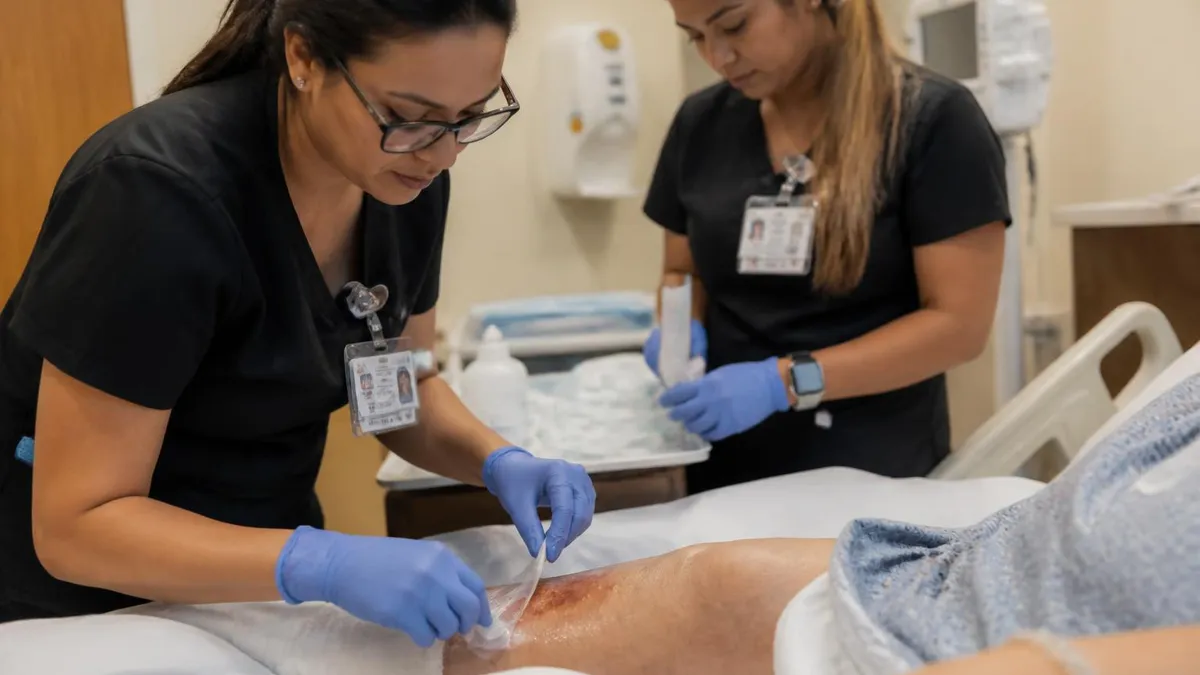
How does the Vohra program actually work? While specific details are set by Vohra and can change, the general model is that physicians complete a structured wound care curriculum and earn the certification upon successful completion. Because the program grew out of Vohra's active clinical service, the training is designed to be practical and directly applicable — teaching the assessment and management skills a physician uses at the bedside with real wound patients in post-acute settings.
The curriculum covers the substance of wound management: assessing and classifying wounds, selecting appropriate treatments and dressings, debridement decisions, recognizing and managing infection, and the ongoing care that chronic wounds require. This is the same core body of knowledge underlying all serious wound care, applied through Vohra's particular lens of post-acute, physician-delivered care. A solid grasp of wound care specialist fundamentals underpins it, as it does any wound credential.
The hands-on orientation is a defining feature. Rather than purely academic study, the program emphasizes the practical realities of managing wounds in skilled nursing facilities — the kinds of wounds you'll see, the constraints of the setting, and the decisions you'll make repeatedly. For physicians who learn best by connecting knowledge to real practice, this applied focus is a strength, and it reflects the certification's roots in an operating clinical model.
As with any credential, completing the program earns documentation of your wound care expertise that you can carry into practice. The exact format of training, assessment, and any continuing requirements are determined by Vohra, so the authoritative source for current specifics — eligibility, structure, cost, and maintenance — is Vohra itself. Anyone seriously considering it should go directly to the provider for the up-to-date details rather than relying on general descriptions.
It's also worth understanding the recognition question honestly. Vohra is a well-known name in post-acute wound care, and its certification is recognized within that world, particularly among the facilities and organizations that work with Vohra's model. Like many specialty credentials from a specific provider (as opposed to a broad independent board), its recognition is strongest within its niche. For the physicians and settings it targets, that recognition is meaningful; for those outside the niche, it's worth confirming relevance.
This provider-specific nature isn't a criticism — many valuable credentials come from specific organizations rather than universal boards. It simply means the certification's value is clearest for its intended audience and context. A physician practicing exactly the kind of post-acute wound care Vohra specializes in gets a well-aligned, recognized credential; the further your context is from that niche, the more you'd want to verify it fits your specific goals before investing.
The practical advice, then, is to evaluate Vohra in light of your own profession, setting, and aims, and to get current details straight from the source. For the right physician — one focused on wound management in post-acute and long-term care — it's a purpose-built credential from an established name in exactly that space, which is a strong combination. The fit is what determines its value, as with every specialty credential in the wound care field.
Vohra is for physicians; WCC/CWCN/CWS are for nurses
The single most important thing to understand: Vohra's flagship wound care certification is built primarily for physicians, especially in post-acute and long-term care, while the famous credentials like WCC, CWCN, and CWS are designed for nurses and come from independent boards. They serve different clinicians and aren't interchangeable — so match the credential to your profession first.
Considering Vohra Certification
- +Purpose-built for physicians, filling a gap nurse credentials don't
- +Practical, hands-on focus rooted in an active clinical model
- +Well-aligned with post-acute and long-term care wound management
- +From an established, recognized name in post-acute wound care
- +Directly applicable skills for the settings it targets
- −Not the right path for nurses (who have WCC/CWCN/CWS)
- −Niche focus — strongest recognition within post-acute care
- −Provider-specific rather than a universal independent board
- −Less suited to physicians in unrelated wound care settings
- −Specifics set by Vohra and best confirmed directly with them
The specifics of the Vohra wound care certification — eligibility, program structure, cost, recognition, and maintenance — are set by Vohra and can change. This guide explains what the credential is and where it fits, but anyone seriously considering it should verify the current details directly with Vohra rather than relying on general descriptions, and confirm it's recognized in the specific roles and settings they're targeting.
So is the Vohra wound care certification right for you? The answer hinges almost entirely on your profession and practice setting. If you're a physician working in — or moving toward — post-acute and long-term care wound management, it's a strong, purpose-built fit from an established name in exactly that space. It aligns with the wounds you'll treat, the setting you'll work in, and the practical, bedside approach those patients require.
If you're a nurse, the answer is different: the established nursing wound credentials are designed for your scope and recognized in nursing roles, so a credential like the WCC, CWCN, or CWS — covered in any thorough look at wound care certification options — is the more natural path. Vohra's physician focus simply isn't built for the nursing route, and choosing the credential matched to your profession matters more than the name recognition of any single program.
If you're a physician in a wound care context far from post-acute care — say a hospital-based, surgical, or specialized outpatient setting — it's worth weighing whether Vohra's post-acute orientation matches your work or whether a different path fits better. The certification is excellent for its niche, and the question is simply how closely your practice aligns with that niche. The closer the fit, the clearer the value.
Across all cases, the decision-making framework is the same: identify your profession and scope, match the credential to it, consider your practice setting, and confirm how the credential is recognized in the roles you're targeting. Wound care certification is a meaningful investment of time and effort, and choosing the one aligned with your career — rather than the most-marketed or first-encountered — is what makes that investment pay off.
It also helps to remember the bigger picture: the goal of any wound care credential, Vohra's included, is better care for patients with difficult wounds. Chronic and complex wounds cause real suffering and carry serious risks, and clinicians with verified, current expertise genuinely improve outcomes. Whichever credential fits your role, the underlying value is the expertise it represents and the better wound care it enables, which is what makes this specialty worth pursuing at all.
To sum up: Vohra wound care certification is a physician-focused credential, rooted in practical bedside management and oriented toward post-acute and long-term care, from an established wound care organization. It's distinct from the nurse-focused WCC/CWCN/CWS credentials, fills a real niche for physicians in that space, and is best evaluated against your own profession, setting, and goals — with current specifics confirmed directly from Vohra. For the right physician, it's a well-aligned, purpose-built choice in a demanding and important field.
If you take one thing away, let it be this: don't choose a wound credential by name recognition alone. Start from your own license and setting, find the certification built for that, and verify its recognition where you intend to work. Do that, and whether the answer is Vohra or a nursing board credential, you'll invest in expertise that actually advances your career and your patients' healing.
Vohra Wound Care Certification Questions and Answers
About the Author

Registered Nurse & Healthcare Educator
Johns Hopkins University School of NursingDr. Sarah Mitchell is a board-certified registered nurse with over 15 years of clinical and academic experience. She completed her PhD in Nursing Science at Johns Hopkins University and has taught NCLEX preparation and clinical skills courses for nursing students across the United States. Her research focuses on evidence-based exam preparation strategies for healthcare certification candidates.