
What Is an Umpire? Roles, Responsibilities, and How to Become One 2026 September
Learn what is an umpire, their key duties, types, signals, and how to get certified. 💡 Complete guide for aspiring and curious fans.
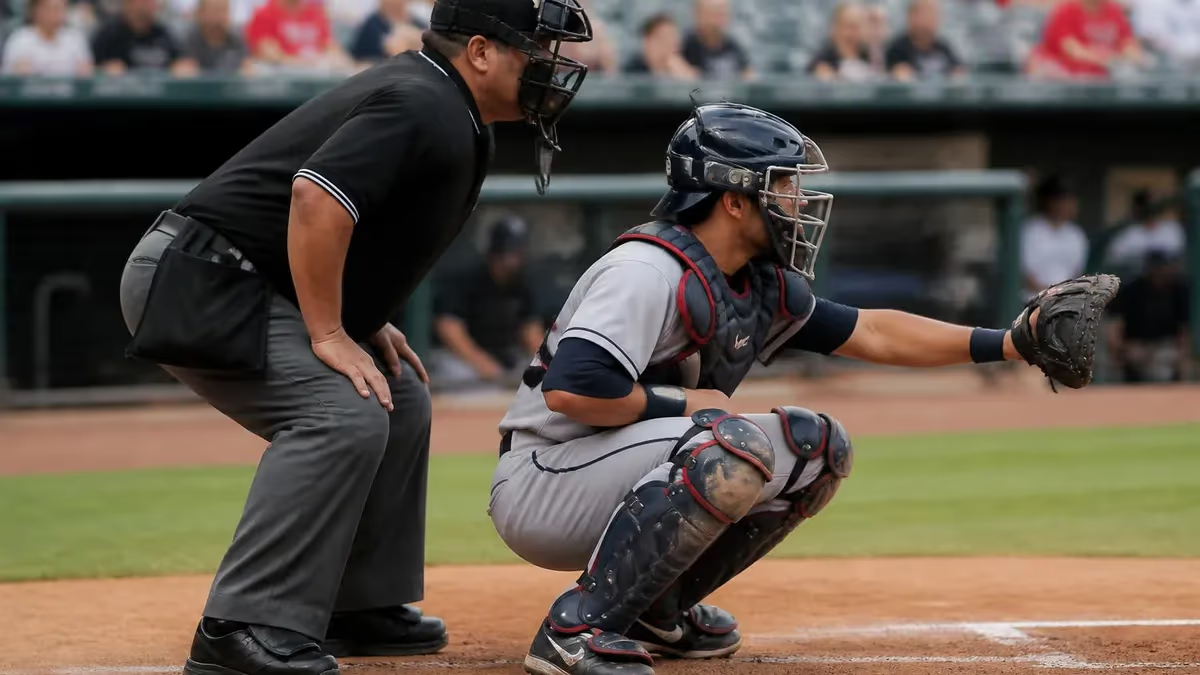
Understanding what is an umpire is essential whether you are a fan watching your first baseball game, a youth coach managing a local league, or someone seriously considering a career in officiating. At its core, an umpire is an impartial official responsible for enforcing the rules of a sport, declaring plays valid or invalid, and maintaining fair competition between opposing teams. In baseball and softball, umpires are the ultimate authority on the field, and their decisions — from balls and strikes to safe or out calls — directly shape the outcome of every game they work.
The word "umpire" traces back to the Old French word nonper, meaning "not equal" or "odd one out" — referring to the neutral third party brought in to settle a dispute. Over centuries that concept evolved into the formalized officiating roles we recognize today across dozens of sports. In American baseball, umpires first appeared in organized competition during the mid-1800s, and the role has grown enormously in complexity, prestige, and professional standards since then. Today, Major League Baseball employs 76 full-time umpires who are among the most highly trained officials in professional sports.
What separates great umpires from average ones is not just knowledge of the rulebook — though that knowledge must be encyclopedic — but also court presence, split-second decision-making, clear communication, and the physical stamina to work a nine-inning game behind the plate or move efficiently around the bases for three hours or more. Umpires must remain calm under intense pressure, manage conflicts between players and coaches diplomatically, and project authority without becoming combative. These human skills are just as important as any technical rulebook expertise.
Umpires serve every level of competition: Little League, high school, college, independent professional leagues, and ultimately Major League Baseball. Each level has its own certification requirements, pay scales, equipment standards, and procedural expectations. For instance, a Little League volunteer umpire and a Triple-A Minor League official operate under very different systems, but both share the same foundational mission — ensuring the game is played fairly, safely, and according to the rules agreed upon before the first pitch is thrown.
One of the most visible aspects of an umpire's job is the use of standardized hand signals and verbal calls to communicate decisions to players, coaches, and fans. These signals — the emphatic punch-out on a strikeout, the extended arms on a safe call, the distinctive strike mechanic — are a language unto themselves. If you want a detailed breakdown of every signal used in the game, the article on what is an umpire and their visual communication system provides a comprehensive guide to every call made behind the plate and on the bases.
The path to becoming a professional umpire is rigorous and competitive. Aspiring officials typically begin by attending an accredited umpire school, obtaining certification through organizations like Little League International, the National Association of Sports Officials (NASO), or state high school athletic associations. From there, they work their way up through increasingly competitive levels of play, building experience and reputation one game at a time. The journey demands dedication, thick skin, and genuine passion for the sport and the craft of officiating.
This article covers everything you need to know about the umpire role: the types of umpires, their core responsibilities, the pros and cons of the career, how to get certified, and what it actually looks like to work a game at different levels of competition. Whether you are curious about the role or actively preparing for certification, this guide gives you a complete picture of one of baseball's most essential and underappreciated positions.
Umpiring by the Numbers
Types of Umpires in Baseball and Softball
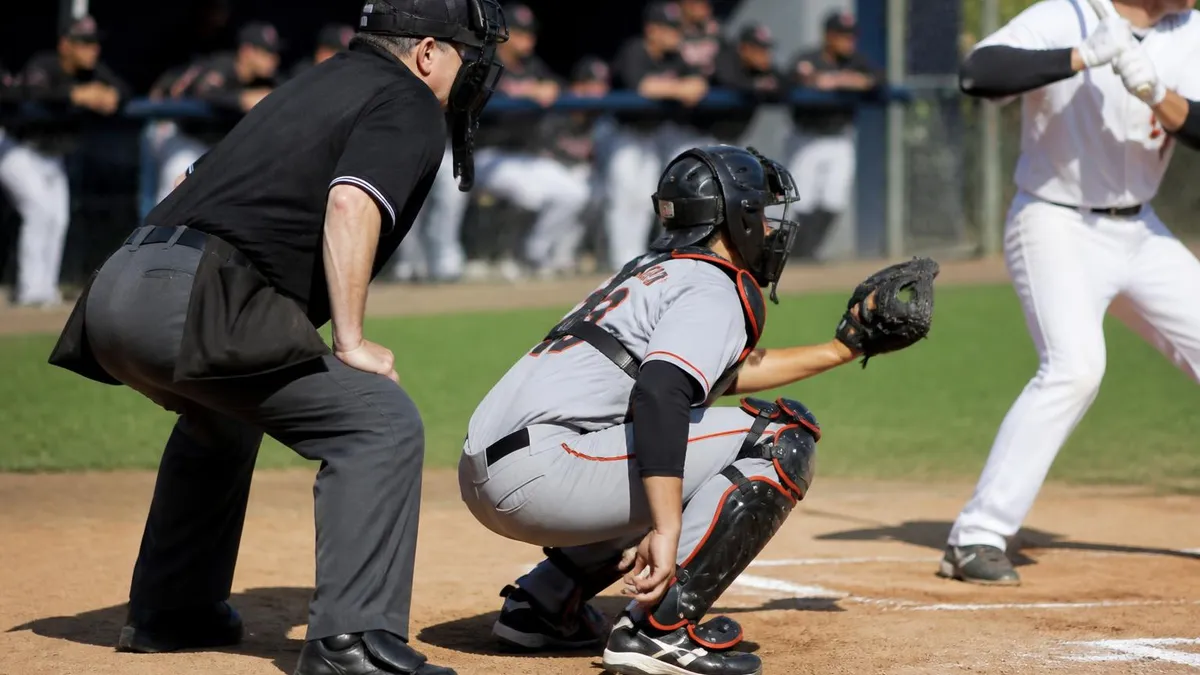
The home plate umpire is the crew chief of each game, responsible for calling balls and strikes, fair and foul balls near home plate, plays at the plate, and overseeing the pace and conduct of the entire game from behind the catcher.
First, second, and third base umpires cover tag plays, force plays, catch-or-trap decisions, fair/foul calls along the lines, and interference or obstruction rulings in their designated zones during a standard four-umpire crew assignment.
During MLB postseason games, two additional umpires are stationed on the left and right field foul lines to rule on boundary calls, home run determinations, and fan interference situations that are harder to judge from the infield positions.
Youth leagues, recreational softball leagues, and high school programs rely on part-time or volunteer umpires certified through local associations. These officials often work solo or in two-person crews and are the backbone of grassroots officiating in the US.
Minor league umpires are employed by MLB and work Single-A through Triple-A competition. They form the developmental pipeline for the Major Leagues and are evaluated yearly on mechanics, accuracy, game management, and professional conduct.
The core duties of an umpire go far beyond simply declaring plays safe or out. A working umpire must arrive at the ballpark well before the first pitch to inspect the field for safety hazards, review the lineup cards, check that the equipment — particularly baseballs — meets official standards, and conduct the pre-game meeting at home plate where both managers exchange lineup cards and discuss ground rules specific to that ballpark. This preparation phase is invisible to fans but critical to a well-run game.
During gameplay, the plate umpire bears the heaviest workload. Every pitch requires a real-time judgment call on whether the ball crossed the strike zone, a three-dimensional space defined by the width of home plate, the batter's knees, and the midpoint between their belt and shoulders. Over the course of a nine-inning game, the plate umpire may make 250 to 300 individual pitch calls, each of which must be made instantly, consistently, and without bias toward either team. A single missed call in a critical situation can define a game — and sometimes a career.
Base umpires must master positioning — moving to precise pre-defined spots on the field before each pitch is thrown so they have the best possible angle on any play that might develop. When a runner is on first and a ground ball is hit, the first base umpire must sprint to a position along the right field line to rule on the catch while the second base umpire rotates to cover second and potentially third. These coordinated movements require years of practice and drilling to execute flawlessly during live game action.
Beyond individual play calls, umpires are responsible for enforcing rules governing player conduct and behavior. They have the authority to eject players, coaches, or managers who violate rules of conduct, use prohibited equipment, or argue excessively after a ruling. Ejection decisions must be made with both firmness and judgment — experienced umpires often de-escalate confrontations before they require an ejection, using verbal communication and body language to signal that a line is being approached before it is crossed.
Umpires also manage timing and pace-of-play rules, which have become more prominent in Major League Baseball with the introduction of the pitch clock in 2023. The plate umpire is responsible for monitoring the clock, calling automatic balls or strikes for violations, and addressing pickoff attempt limits that teams are allowed per plate appearance. These new procedural responsibilities added another layer of complexity to a job that was already among the most demanding in professional sports officiating.
Documentation is another often-overlooked aspect of umpire duty. After each game, umpires are required to file official reports noting any ejections, unusual incidents, equipment violations, protests, or rules interpretations that arose during the contest. These reports go to the league office and form part of the official record of the game. If a protest is lodged, the umpires' written account of what occurred and what rule was applied becomes the evidence on which the protest is evaluated and resolved.
The mental and emotional demands of umpiring are significant. Umpires work in stadiums full of people who are emotionally invested in one team winning, and they must remain neutral and composed regardless of crowd reaction. A correct call that goes against the home team can result in thousands of angry fans directing hostility at a single individual standing alone in the middle of a field. Building the psychological resilience to perform accurately under that kind of pressure is a skill that umpires develop gradually over many seasons of experience at lower levels of competition before reaching the professional ranks.
Umpire Positions: Where They Stand and Why It Matters
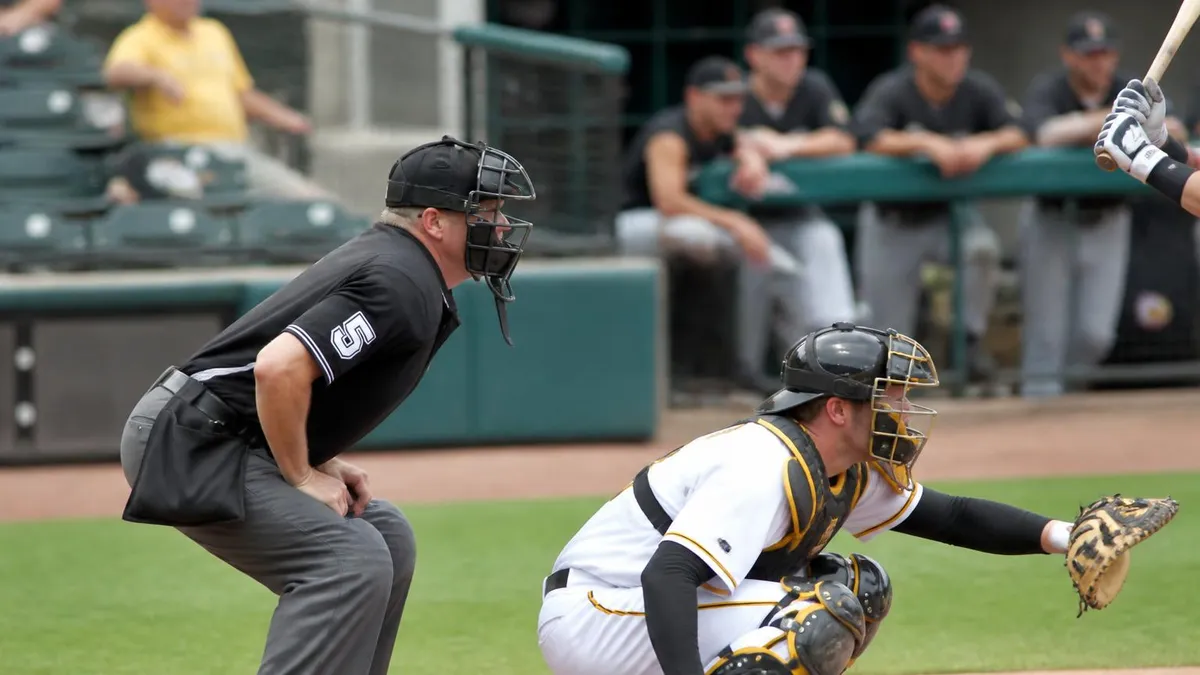
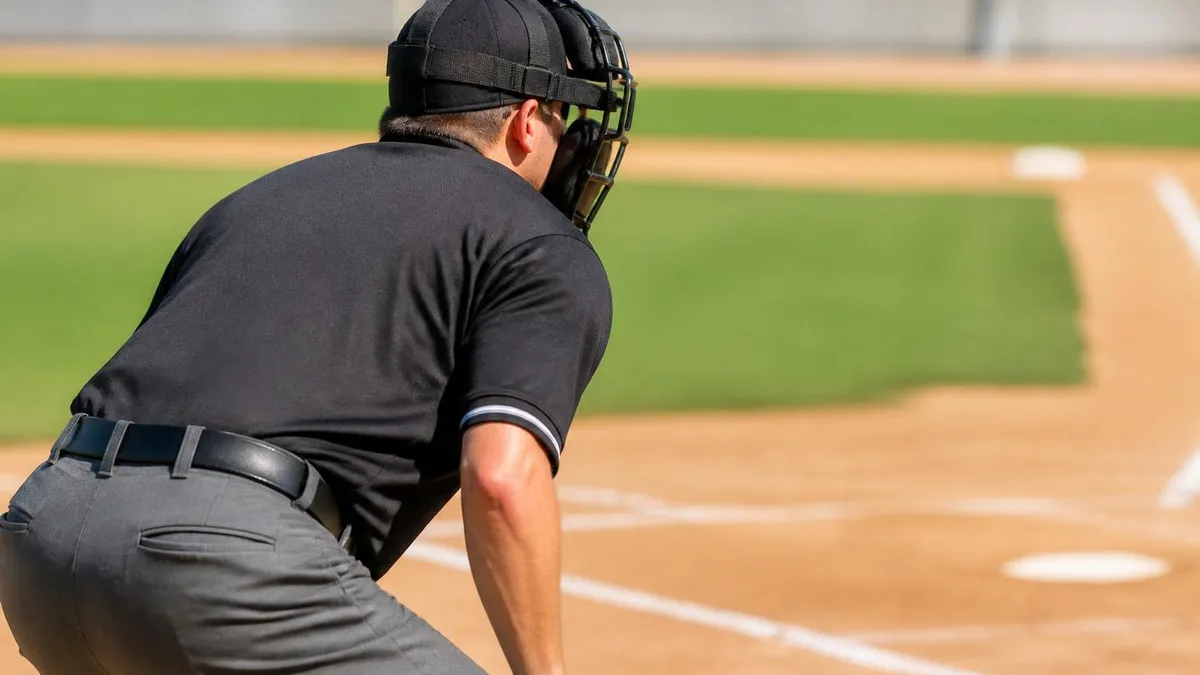
The home plate umpire sets up in a modified crouch directly behind the catcher, using either the "slot" or "scissors" stance to gain a clear sightline through the catcher's inside shoulder to the outside corner of the plate. This positioning allows the umpire to track the ball from the pitcher's release point through the catcher's glove, judging both horizontal and vertical location relative to the strike zone as defined for each individual batter's stance and height.
Plate umpires must also move quickly when needed — stepping out from behind the catcher to rule on check swings, advancing down the first or third base line on bunts and slow rollers, and positioning themselves to see tag plays at home plate on plays from the outfield. The physical demands are considerable, with plate umpires wearing protective gear including a chest protector, shin guards, mask, and cup throughout every game they work behind home plate.
Pros and Cons of a Career as an Umpire
- +Front-row access to professional baseball at every level of competition
- +Strong salary and benefits at the MLB level, with starting pay above $150,000
- +Clear career progression from amateur to professional leagues with defined milestones
- +Opportunities to work in iconic stadiums and high-profile playoff games
- +Deep mastery of baseball rules creates a profound connection to the sport
- +Respected professional standing within the officiating community and baseball world
- −Intense public scrutiny and criticism from fans, media, and players on every call
- −Long travel schedules and time away from home throughout a six-month season
- −Slow advancement through minor leagues can take 8 to 12 years before reaching MLB
- −Physical demands of working behind the plate include risk of foul ball injuries
- −Low pay and limited benefits at amateur and minor league levels, especially early on
- −Emotional toll of working under constant pressure with no margin for high-profile errors
Umpire Certification Checklist: Steps to Get Certified
- ✓Meet minimum age requirements for your target certification level (typically 18+ for NASO or state associations)
- ✓Complete an approved umpire training clinic or school offered by your state or national organization
- ✓Pass the written rules examination covering the official rulebook for your sport and level
- ✓Complete a minimum number of supervised on-field evaluation games at your certification level
- ✓Purchase required protective equipment: chest protector, shin guards, mask, plate shoes, and ball bag
- ✓Register with your local umpire association or assigning organization to receive game assignments
- ✓Study the approved mechanics manual for your crew size (two-umpire or four-umpire system)
- ✓Attend annual rules update meetings to stay current with rule changes and point-of-emphasis directives
- ✓Maintain a clean professional conduct record with no unresolved disciplinary actions on file
- ✓Renew your certification annually and complete any required continuing education or evaluation hours
Your First 100 Games Are Your Most Important Classroom
Experienced umpire instructors consistently report that officials who log 100 or more games in their first two seasons develop measurably better mechanics, positioning instincts, and game management skills than those who umpire fewer games. Volume of on-field repetition accelerates learning faster than any classroom or rulebook study alone. Seek out every assignment you can get in your early years — even youth games build the foundational habits that define a career.
The career path for an aspiring professional umpire in the United States is well-defined but demanding. The first step for most serious candidates is attending one of two nationally recognized umpire schools: the Minor League Baseball Umpire Training Academy in Vero Beach, Florida, or the Harry Wendelstedt Umpire School in Ormond Beach, Florida. Both schools run intensive five-week programs in January and February that cover the complete MLB rulebook, two- and four-umpire mechanics, professionalism standards, and physical conditioning. Tuition runs approximately $2,500 to $3,000, plus living expenses for the program duration.
After umpire school, the top graduates are invited to the Professional Baseball Umpire Corporation (PBUC) evaluation camp, where MLB evaluators rank candidates for assignment to the professional minor leagues. Only a small fraction of each graduating class receives a professional contract — typically fewer than 20 candidates from a class of 150 to 200. Those who do not receive a contract often return to work amateur games at the high school or college level, building experience until they reapply or transition into long-term amateur careers.
Professional minor league umpires begin at the Low-A level and advance through High-A, Double-A, and Triple-A competition over a career that typically spans seven to twelve years before a MLB callup opportunity arises. Advancement is based on annual performance evaluations conducted by MLB supervisors who observe games either in person or via video review. Evaluators assess accuracy of calls, positioning and mechanics, game management, professional conduct, and physical fitness. A poor evaluation year can stall or end a career; a standout year can fast-track promotion.
Salary at the professional minor league level ranges from approximately $2,300 to $4,000 per month during the season, with no off-season pay. This makes the financial reality of minor league umpiring quite challenging for those with families or significant financial obligations, as the profession demands full-time commitment with part-time seasonal pay for the better part of a decade. Many minor league umpires supplement their income by working instructional league games in the fall or teaching at umpire clinics during the winter.
At the MLB level, the financial picture changes dramatically. Umpires who reach the Major Leagues start at approximately $150,000 per year and can earn over $450,000 annually after twenty or more years of service. They receive full health benefits, a pension plan, paid travel expenses, and additional playoff pay that can add $20,000 to $40,000 to their annual compensation during postseason assignments. The MLB Umpires Association, the union representing Major League umpires, negotiates these compensation packages through collective bargaining with MLB.
College umpiring offers an alternative professional track that many officials find more financially stable than the minor league route. The NCAA employs umpires for Division I, II, and III games through conference officiating assignments, and top college umpires working high-profile conferences like the SEC or ACC can earn $400 to $700 per game, often working 60 to 80 games per season. College umpiring is also an important development path for officials who umpire both amateur and professional levels simultaneously in the early years of their career.
Beyond baseball, umpires who develop expertise in softball have significant opportunities through USA Softball, the governing body for the sport in the United States, and through the Amateur Softball Association. Softball umpires can work recreational leagues, travel ball tournaments, high school and college competition, and even international events including the Pan American Games and World Baseball Softball Confederation championships. The skills learned in baseball and softball officiating transfer substantially between the two sports, making dual certification a smart career strategy for officials looking to maximize their game volume and income potential.
Professional minor league umpire contracts cover only the playing season, which runs from April through September. Unlike players who may receive off-season stipends or instruction league pay, most minor league umpires receive no income from October through March. Before pursuing a professional umpire career, ensure you have a financial plan for the six months of each year when no contract pay is received — many officials work winter clinics, coaching, or secondary jobs to bridge the gap.
Succeeding as an umpire over the long term requires more than rulebook knowledge and correct mechanics — it demands the development of a professional identity and communication style that commands respect without inviting confrontation. The most effective umpires are those who players and managers trust to be consistent, honest, and in control of the game even when emotions run high. That trust is built over many seasons of demonstrating the same high standard of conduct regardless of the score, the stadium, or who is watching.
Consistency is the single most important quality in umpire evaluation. A strike zone that expands in the third inning and contracts in the seventh — even if every individual call within each zone is locally correct — destroys a pitcher's ability to plan and a hitter's ability to adjust.
Umpires who establish their zone clearly in the first inning and maintain it throughout the game, even under pressure from managers or catchers, earn the reputation for reliability that advances careers. This is why experienced umpires advise beginners to make their first few calls emphatically and without hesitation — it establishes early that they are confident and in command.
Physical fitness is a career requirement that many aspiring umpires underestimate. Working nine innings behind the plate in July heat while wearing full protective gear, crouching on every pitch, and sprinting to get into position on plays at the plate is genuinely athletic work. MLB umpires are required to pass physical fitness tests that include cardiovascular endurance and mobility benchmarks.
At the minor league level, supervisors note umpires who appear out of breath or slow to position themselves, as it directly affects the quality of their coverage. Regular cardiovascular training, core strengthening, and lateral agility work should be part of every serious umpire's off-season routine.
Communication skills — both verbal and non-verbal — are equally important on the field. When an umpire makes a call, their body language conveys as much information as their voice. A weak, tentative safe signal on a close play invites arguments from the defensive team; a strong, clear signal made with immediate confidence communicates finality. Umpires are trained to use specific verbal cues as well: saying "Time!" clearly and loudly to pause play, using the batter's name when issuing a warning, and keeping explanations of overturned calls brief and neutral to avoid inflaming an already tense situation.
The use of replay review in professional baseball has significantly changed how umpires interact with close calls, particularly at the minor league level where the Automatic Ball-Strike (ABS) challenge system and expanded replay review are being tested. Umpires must now understand not just what they saw on the field but how the replay system works, what categories of plays are reviewable, and how to communicate with the replay center in an efficient and professional manner.
This technological dimension of modern officiating is only going to expand in coming years, and umpires who embrace it as a tool for getting calls right — rather than viewing it as a threat to their authority — will adapt more successfully.
Mentorship plays an enormous role in umpire development. Most successful professional umpires point to one or two mentors who helped them navigate the unwritten rules of the craft — how to handle ejections so they end confrontations rather than escalating them, how to read a manager's body language to know whether they are making a legitimate point or simply performing for their dugout, and how to maintain professionalism when the crowd or media is hostile.
Seeking out experienced umpires at clinics, camps, and local associations and actively asking for feedback is one of the most productive things an early-career official can do.
Finally, self-evaluation is a habit that separates umpires who plateau from those who continue improving throughout their careers. Watching video of your own games — which is increasingly accessible even at the amateur level through apps that record games for teams — and honestly assessing your positioning, timing, and call mechanics is the fastest path to improvement.
The best umpires approach every game as a performance review, noting what they did well and specifically identifying one or two areas to focus on in their next assignment. This growth mindset, combined with consistent on-field experience, is the foundation of a long and respected officiating career.
Preparing for umpire certification exams requires a structured approach that balances rulebook study with practical application. The Official Baseball Rules published by MLB, available free online, is the primary source document for all professional and most amateur certification exams. However, reading the rulebook cover-to-cover in a linear fashion is rarely the most effective study method. Experienced umpire educators recommend beginning with the most heavily tested sections — the strike zone definition, the infield fly rule, obstruction and interference, and balk rules — before working outward to more obscure provisions.
Practice tests are among the most valuable resources available to umpire candidates. Working through realistic multiple-choice questions under timed conditions simulates the exam experience, identifies knowledge gaps, and builds the pattern recognition needed to answer situational questions quickly and accurately. Many candidates who feel confident after reading the rules are surprised to find that applying them to complex game situations is significantly harder than they expected — a lesson best learned during preparation rather than on exam day.
Creating scenario-based study cards is a technique used by top umpire school graduates. On one side of a card, write a game situation: "Runner on first, batter hits a sharp grounder to the second baseman who fields it cleanly and tags the runner who has slid past second base.
Is the runner out?" On the other side, write the applicable rule citation and the correct answer with reasoning. Working through fifty to one hundred of these cards regularly reinforces both rule recall and the analytical process of applying rules to situations — exactly what a certification exam and real games will demand.
Group study with other umpire candidates or active officials is particularly effective because it surfaces rules interpretations that individuals might apply incorrectly in isolation. When two or three umpires disagree about how a rule applies to a specific scenario, the process of researching and debating the correct answer produces deeper learning than simply reading the rule alone.
Many local umpire associations run monthly rules meetings precisely for this purpose, and attending these sessions — even as a newer official who primarily listens — exposes candidates to a breadth of game situations they may not have encountered yet in their own assignments.
Physical preparation should accompany academic study in the weeks before a certification evaluation. If the evaluation includes a field mechanics component — which it does for most serious certification programs — candidates should spend time drilling their footwork, stance, timing, and signals in a park or backyard before the evaluation day. The mechanics of a proper strike call, a safe signal, or the footwork on moving from behind the plate to rule on a bunt are motor skills that require physical repetition to become automatic, and they cannot be absorbed simply by reading the mechanics manual.
Test-day strategy matters as well. On written certification exams, read every answer choice before selecting one — umpire exam questions frequently include answer options that are partially correct but miss a key qualifier that makes the other option clearly superior. Pay close attention to words like "always," "never," "immediately," and "unless" in both questions and answer choices, as these absolute terms often signal a trick or exception that distinguishes the correct answer from a plausible distractor. Budget your time so that you can review flagged questions in the final minutes rather than rushing the last ten questions under pressure.
After passing your certification exam and beginning to work games, the learning accelerates dramatically. Real games present situations that no exam or clinic can fully anticipate, and every unexpected call you are forced to make on the field adds to your practical rulebook knowledge.
Keep a game journal noting unusual situations you encountered, how you ruled, and whether post-game research confirmed your decision was correct. Over a full season, this journal becomes an invaluable personal study guide that reflects the exact game situations your local level of play regularly produces — far more tailored than any generic study guide available commercially.
Umpire Questions and Answers
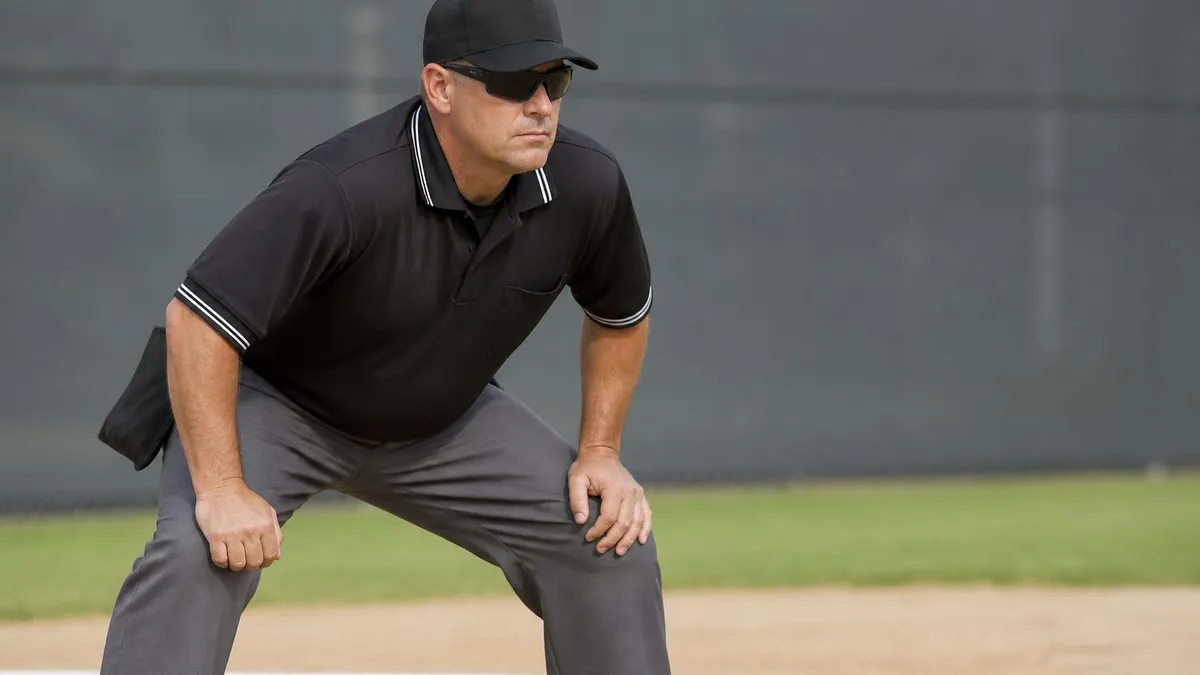
Umpire Signals: The Complete Visual Guide to Every Call Behind the Plate and on the Bases
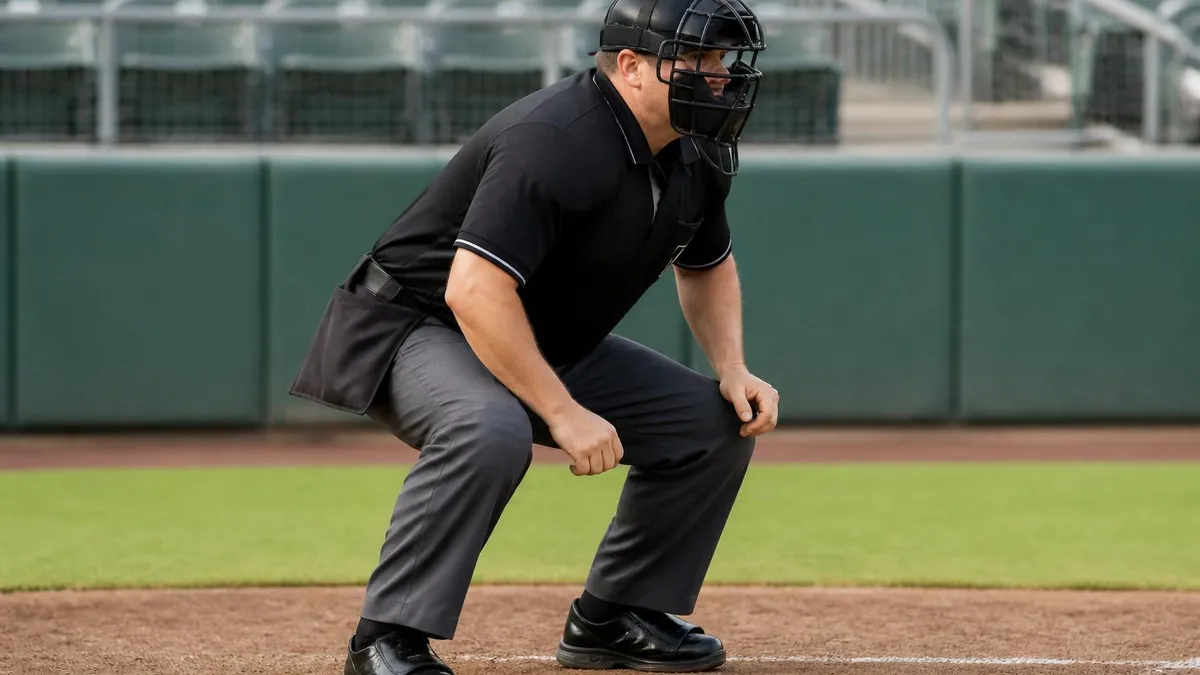
Umpire News: Profession, Career, and Industry Updates
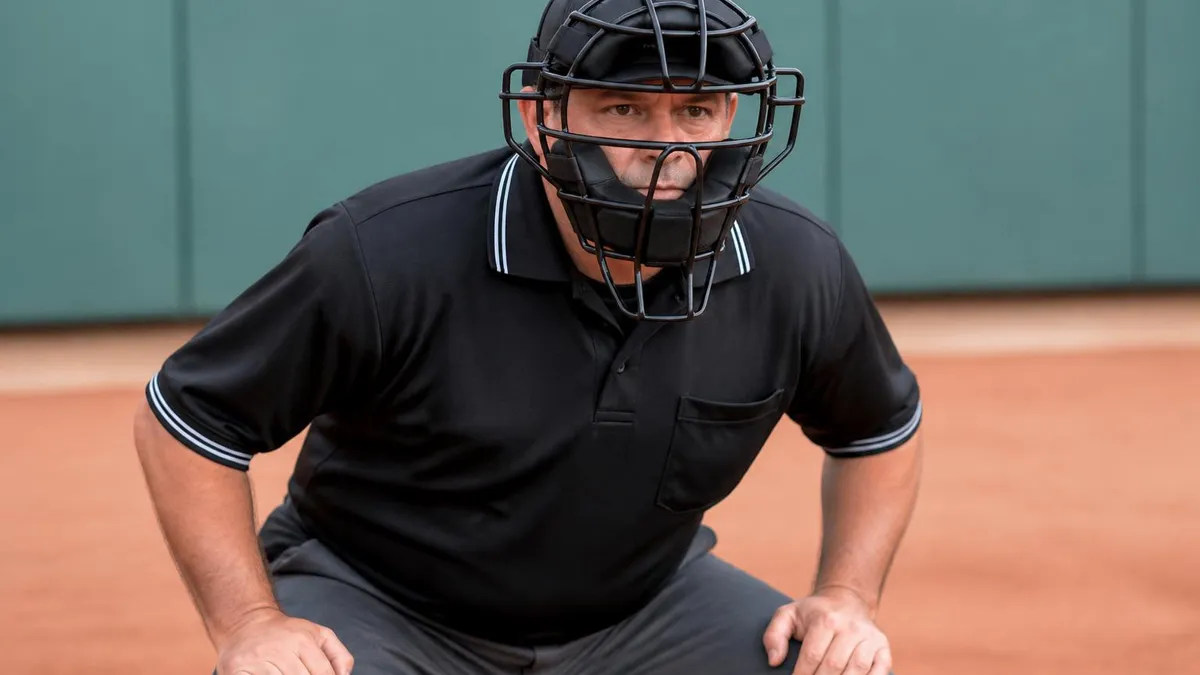
Umpire: What It Means, Types, and How to Get Certified
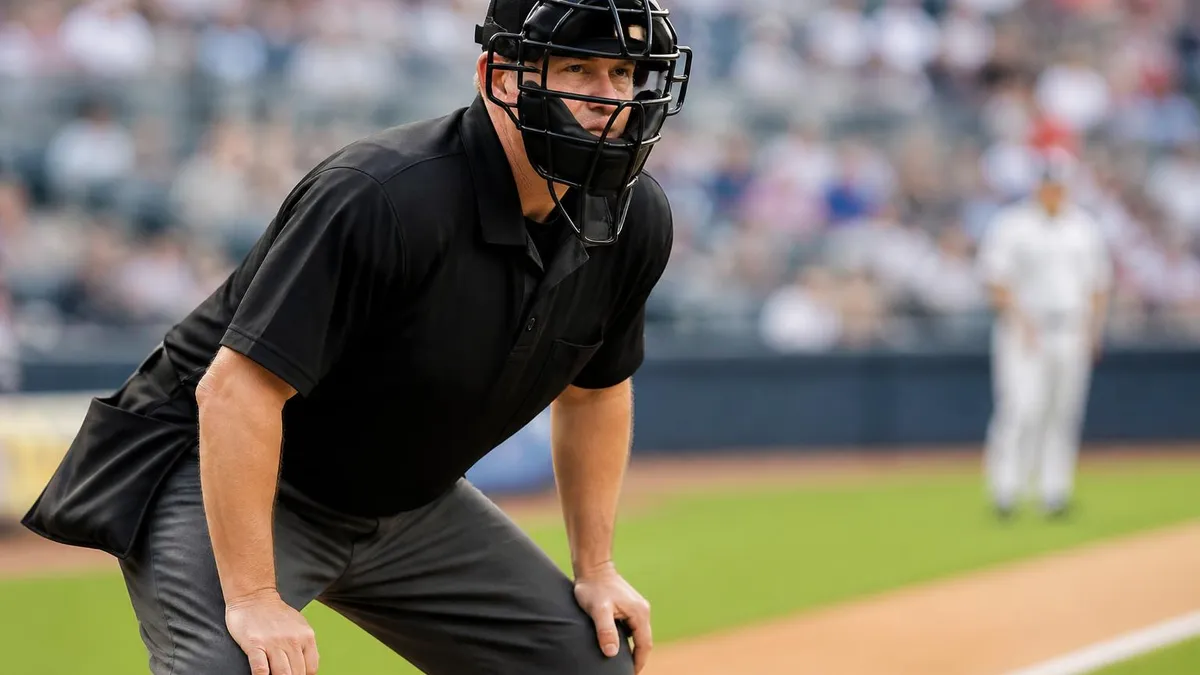
Female Umpires: MLB Firsts, Career & Certification
Umpire Gear: Complete Equipment Guide for Plate and Base Umpires
About the Author

Educational Psychologist & Academic Test Preparation Expert
Columbia University Teachers CollegeDr. Lisa Patel holds a Doctorate in Education from Columbia University Teachers College and has spent 17 years researching standardized test design and academic assessment. She has developed preparation programs for SAT, ACT, GRE, LSAT, UCAT, and numerous professional licensing exams, helping students of all backgrounds achieve their target scores.