
How to Be a Softball Umpire: Complete Training Guide and Certification Requirements
Learn how to be a softball umpire — certification steps, training tips, rules knowledge, and career path. Start officiating today! 🎯

Learning how to be a softball umpire is one of the most rewarding paths for anyone passionate about the sport. Softball umpires are the guardians of fair play, responsible for applying the rules correctly, managing player behavior, and keeping games moving safely and efficiently. Whether you want to work recreational youth leagues on weekends or aspire to officiate high-level college or ASA/USA Softball championship events, the journey starts with understanding exactly what the role demands and how to prepare for it.
The demand for qualified softball umpires across the United States has never been higher. Recreational leagues, travel ball organizations, high school athletic associations, and collegiate programs all rely on a steady pipeline of trained officials. Many local associations report shortages, which means new umpires can often find assignments within their first season of certification — a compelling reason to get started sooner rather than later.
Becoming a certified softball umpire involves several distinct phases: learning the rulebook inside and out, completing a recognized certification program, accumulating on-field experience under the mentorship of veteran umpires, and continually upgrading your skills through clinics, evaluations, and self-study. None of these steps can be skipped if you want to build a credible, long-lasting officiating career.
Rule knowledge is the bedrock of every good umpire. The ASA/USA Softball rulebook is dense and nuanced, covering everything from the legal pitching motion and the infield fly rule to obstruction, interference, and substitution procedures. Many aspiring umpires underestimate how long it takes to internalize these rules to the point where they can apply them instantly under pressure, without second-guessing themselves during live play.
Beyond the rulebook, effective umpiring requires strong positioning mechanics. Where you stand before and after the pitch, how you rotate when runners are on base, and how you move to gain the best angle on a play at second base are all skills developed through deliberate practice and mentored repetition. Poor positioning is one of the most common reasons newer umpires miss calls that they technically knew the rule for.
Communication and game management are equally critical. An umpire who makes perfect calls but cannot de-escalate a heated argument, explain a ruling clearly to a coach, or maintain authority without antagonizing players will struggle to advance. The best officials combine technical excellence with calm, confident people skills that keep everyone focused on playing the game.
This guide walks you through every stage of the process — from your very first certification clinic to building a reputation as a reliable, sought-after official in your region. Read on, take notes, and prepare to step onto the diamond with confidence.
Softball Umpiring by the Numbers

Step-by-Step Softball Umpire Certification Pathway
Register with Your State Association
Attend a Certification Clinic
Pass the Written Rules Exam
Complete On-Field Observation Hours
Receive Your Initial Rating
Pursue Advanced Ratings and Clinics
Mastering the USA Softball rulebook is the single most important thing you can do to accelerate your development as an official. The rulebook is updated periodically, and the changes — however small they may seem — can have significant implications for how you handle specific plays on the field. New umpires are often surprised by the depth and precision of the language used in the rules, which is intentional: precise language eliminates ambiguity when arguments arise at second base in the bottom of the seventh inning.
Start your rule study by reading the entire rulebook from cover to cover without trying to memorize every detail on the first pass. Your goal in this first read is to understand the structure: how the rules are organized, what topics each section covers, and where to find specific information when you need to look something up. After this overview read, go back and study each section deeply, focusing on the rules most commonly applied in live games — pitching regulations, base running, batted ball rules, and outs and appeals.
Umpire mechanics are the physical skills of officiating: your stance behind the plate, your set position before each pitch, your footwork when moving to cover a base, and your timing on bang-bang plays. Good mechanics are not about looking impressive — they are about getting into position to see plays accurately and make correct decisions. A common mechanical error among new umpires is moving too early before the play develops, which compromises their angle and often leads to a blocked view at the moment of truth.
The slot position — the gap between the catcher and the batter — is the foundation of effective plate umpiring in softball. Working in the slot gives you the best angle to read the entire strike zone, track the ball from the pitcher's release point through the hitting zone, and judge the location of a pitch on the corners with confidence. Developing a consistent, comfortable slot position takes practice, but it is non-negotiable for accurate ball-and-strike calling.
Base umpire positioning requires an entirely different skill set. With no runners on base, the base umpire typically works in the B position (between first and second base), ready to move on hits to the outfield or rotate on plays at third. As runners accumulate on the bases, positioning adjustments become more complex, requiring communication with your partner umpire so that every base is covered and every potential play has an official with a clear, unobstructed angle.
Signal mechanics are the visual language of officiating. Every call you make — safe, out, fair, foul, strike, ball, time — is communicated through a standardized set of hand signals and body movements that players, coaches, and scorekeepers can read from across a large outdoor field. Crisp, confident signals communicate authority and leave no ambiguity about your ruling. Weak or hesitant signals invite arguments and undermine confidence in your decisions before you even open your mouth.
Film study is one of the most underutilized development tools available to aspiring umpires. Watching recorded games — either your own performances or video of high-level officiating crews — trains your eye to recognize plays as they develop, identify mechanics errors before they become habits, and observe how experienced umpires handle unusual situations. Many state and national associations now include video review components in their advanced clinics precisely because of how effective this learning modality is for officials at all levels.
Softball Umpire Training Programs: What to Expect
USA Softball (formerly ASA) runs the most widely recognized umpire certification program in the country. Their entry-level clinics cover the official rulebook, field mechanics, signals, game management, and the code of conduct expected of all registered officials. Clinics are offered at the local, state, and national level, with costs ranging from $40 to $150 depending on the format and location. Passing the associated written exam earns your initial rating and registers you in the national umpire database.
After initial certification, USA Softball offers a tiered advancement system that encourages umpires to attend annual clinics, complete re-certification exams, and participate in evaluation programs. Advanced ratings — State, Regional, and National — require demonstrated field performance, written exam scores above a minimum threshold, and in many cases a formal on-field evaluation by a certified evaluator. Each level unlocks higher-profile game assignments and access to championship events across the country.
Is Softball Umpiring the Right Career Move for You?
- +Supplemental income ranging from $25 to $200 per game depending on level
- +Flexible scheduling allows you to work as many or as few games as you choose
- +Deep involvement in a sport you love without the physical demands of playing
- +Clear advancement path from local recreation leagues to national championships
- +Strong community of mentors and fellow officials through state associations
- +Annual continuing education keeps your rules knowledge current and sharp
- −Significant upfront time investment to learn the rulebook and mechanics thoroughly
- −Weather dependency means frequent cancellations and rescheduling headaches
- −Verbal confrontations with coaches and players are an unavoidable part of the job
- −Entry-level pay is modest and may not justify travel costs to distant fields
- −Weekend and evening scheduling conflicts with family and personal commitments
- −Physical demands including standing for long periods in heat and humidity
Pros and Cons at a Glance
| Pros | Cons |
|---|---|
| Flexible scheduling allows you to work as many or as few games as you choose | Significant upfront time investment to learn the rulebook and mechanics thoroughly |
| Deep involvement in a sport you love without the physical demands of playing | Weather dependency means frequent cancellations and rescheduling headaches |
| Clear advancement path from local recreation leagues to national championships | Verbal confrontations with coaches and players are an unavoidable part of the job |
| Strong community of mentors and fellow officials through state associations | Entry-level pay is modest and may not justify travel costs to distant fields |
| Annual continuing education keeps your rules knowledge current and sharp | Weekend and evening scheduling conflicts with family and personal commitments |
Softball Umpire Pre-Season Readiness Checklist
- ✓Register with your state USA Softball association and pay your annual membership dues
- ✓Order or download the current edition of the USA Softball Official Rules and Casebook
- ✓Complete all required clinic hours and pass the written rules examination
- ✓Purchase a complete umpire uniform including navy or black shirt, plate shoes, and protective gear
- ✓Obtain an approved umpire ball bag, indicator, and lineup card holder
- ✓Contact your local umpire association secretary to get your name added to the assignment pool
- ✓Study the most commonly tested rule scenarios including interference, obstruction, and appeals
- ✓Shadow at least two veteran umpires in live games before working assignments solo
- ✓Review your state association's code of conduct, dress code, and administrative requirements
- ✓Create a pre-game routine covering field inspection, equipment check, and plate meeting procedures
Your First 25 Games Are Your Most Important Classroom
New umpires learn more in their first 25 live game assignments than in any clinic or rulebook session. Seek out mentored games whenever possible, ask veteran partners for specific feedback after every game, and keep a brief notes log of situations that confused you. Deliberate post-game reflection accelerates development faster than any other method available to early-career officials.
Understanding what softball umpires earn at various levels helps you set realistic expectations and plan your career trajectory. At the entry level — youth recreational and house leagues — game fees typically range from $20 to $35 per game. These assignments are plentiful, easy to schedule, and excellent for building foundational experience, but they will not replace a full-time income. Think of this tier as your paid training ground, where you are essentially being compensated while you learn your craft.
Travel ball and club softball organizations typically pay more, ranging from $35 to $65 per game, often with double-header scheduling that allows you to earn two fees in one afternoon. These games are more competitive and demanding, with knowledgeable coaches who will challenge calls more frequently and expect umpires to demonstrate a higher level of mechanical and rules competence. Performing well at this level is often what gets you noticed by assigning secretaries who handle high school and collegiate game rosters.
High school varsity softball is a significant step up in both expectations and compensation. Most state associations pay between $55 and $90 per game for varsity assignments, with playoff and championship games commanding premium rates. Working high school games also requires dual certification in many states — you must maintain both your USA Softball registration and your state high school athletics officiating license simultaneously, each with its own annual renewal requirements and exam obligations.
Collegiate softball officiating is among the most prestigious and best-compensated levels available to amateur officials. NCAA Division III and NAIA games typically pay $80 to $150 per game, while Division I games — generally reserved for umpires with strong regional or national ratings and significant experience — can pay $200 or more per plate or base assignment. Reaching the collegiate level requires years of demonstrated performance, strong evaluations, and active networking within your regional collegiate assigning organization.
Tournament officiating is another major income stream for experienced umpires. Large travel ball tournaments routinely run 6 to 10 games per day over a weekend, and tournament assigning directors pay daily rates that can reach $200 to $400 for a full day of games. These events are physically and mentally demanding, but the income potential over a full tournament season is substantially higher than working regular-season games alone. Many full-time umpires build their annual income primarily through weekend tournament assignments supplemented by weekday league games.
Career advancement in softball officiating follows a clear but competitive path. After establishing yourself at the local and state levels, the next milestone is earning a Regional or National rating from USA Softball, which requires attending the national evaluation camp, receiving strong evaluations from certified evaluators, and demonstrating performance at major state or regional championship events. National-rated umpires are eligible to work USA Softball national championship tournaments — the pinnacle of the amateur officiating world.
Long-term career sustainability in umpiring depends heavily on reputation and relationships. Assignors, tournament directors, and association supervisors all operate within tight networks where word travels quickly. Umpires who show up prepared, dress professionally, communicate clearly, make accurate calls, and handle confrontation calmly get called back — and recommended. Those who cut corners on preparation, let their uniform standards slip, or develop a reputation for poor game management find their phone stops ringing regardless of their technical skill level.

USA Softball and most state high school athletic associations require annual recertification, including rules exam re-takes and clinic attendance in many states. Letting your registration lapse even one year can result in losing your rating classification and being required to restart at the entry level. Set a calendar reminder each fall to renew your membership, register for required clinics, and complete any online exam updates before the spring season begins.
Building a reputation as a reliable, technically sound softball umpire takes time, intentional effort, and a willingness to accept honest feedback even when it stings. Every experienced umpire can point to specific games where they made a poor call or handled a situation badly — and then used that failure as motivation to study harder and prepare more thoroughly. Resilience in the face of mistakes is as important a character trait for umpires as any technical skill.
Mentorship is one of the most valuable resources available to developing umpires, and it is worth actively pursuing rather than waiting for it to come to you. Introduce yourself to the veteran umpires in your local association, attend every association meeting you can, and ask specifically if anyone would be willing to partner with you on games and provide post-game feedback. Most experienced umpires remember how hard it was to learn this craft and are genuinely willing to help motivated newcomers — you just have to ask.
Fitness and physical conditioning matter more than most new umpires expect. Plate umpires in softball crouch into position on every pitch and may make dozens of lateral movements during a single game. Base umpires sprint to cover plays at first base, rotate to third on certain fly balls, and spend extended periods in athletic ready positions. Officials who arrive at the field in poor physical condition tire more quickly, make more mechanical errors in the later innings, and are more prone to the kinds of mental lapses that lead to missed calls at critical moments.
Equipment investment is a practical consideration that new umpires sometimes underestimate. A quality plate mask, chest protector, shin guards, and plate shoes represent an investment of $300 to $600 or more, but this gear directly affects your safety and comfort during long assignment days. Do not cut corners on protective equipment — a ball off an unprotected knee or a foul tip through a cheap mask can end your season or cause lasting injury. Buy the best gear you can reasonably afford and maintain it properly between assignments.
Game management — your ability to control the pace, tone, and behavior of a softball game — is the invisible skill that separates good umpires from great ones. Game management begins before the first pitch at the plate meeting, where you introduce yourself, review ground rules, establish expectations for coach behavior, and set the tone for how you will run the game. A professional, confident plate meeting communicates to both benches that you are in control before a single pitch is thrown.
Handling ejections is perhaps the most stressful single act an umpire performs, and it requires more preparation than most people realize. Every association has specific protocols for ejecting a player or coach — warnings, the escalation sequence, how to document the ejection, and when to notify the game supervisor. Knowing your association's ejection procedures cold, before you ever need to use them, means that when the moment arrives you can execute calmly and correctly rather than improvising under pressure in front of both dugouts and a set of bleachers full of parents.
Continuing education never stops for serious umpires. The rulebook changes, officiating techniques evolve, and the best officials in every sport never stop learning. Attend advanced clinics annually, watch officiating instructional videos, participate in rules discussion forums within your association, and seek formal evaluation of your field performance at least once per season. Each of these activities compounds over time, producing an official who gets measurably better every year rather than plateauing after a few seasons of experience.
Practical tips for your first season of softball umpiring begin with preparation that happens well before game day. Study the specific ruleset that governs the league or tournament you are working — USA Softball slow-pitch and fast-pitch rules differ from each other and from NFHS high school rules in important ways. Arriving at your assignment knowing which rulebook applies and having reviewed the most commonly misapplied rules for that format puts you ahead of most first-year officials before the game even starts.
Arrive at every game at least 20 to 30 minutes before the scheduled first pitch. This buffer time allows you to inspect the field for unsafe conditions, meet with the opposing managers, review the ground rules specific to that facility, and mentally review any rules you want fresh in your mind for that assignment. Umpires who arrive at the last minute feeling rushed almost always start games on the back foot, and that early-game anxiety can compromise your judgment through the entire contest.
Develop a consistent pre-pitch routine as a plate umpire. Before each pitch, set your feet in your slot position, get your indicator ready, and focus on the pitcher's release point. Disciplined pre-pitch routine prevents the bad habit of calling pitches from memory or anticipation rather than from what you actually see. The best plate umpires are not the ones with the best eyesight — they are the ones with the most consistent routines that put them in position to see every pitch correctly.
Communication with your partner umpire is essential in a two-umpire system, which is by far the most common umpire configuration in softball at every level below the elite amateur and collegiate ranks. Before the game and between innings, confirm who has responsibility for which bases on specific play types. Use the standard pre-game mechanics conference to align on rotation triggers, who has the catch-no-catch call in the outfield, and your signals for switching responsibilities mid-play. Poor partner communication leads to two umpires converging on the same play while a different base goes uncovered.
Manage your voice as carefully as you manage your signals. Calling plays loudly and clearly — especially out calls at first base and strike calls from behind the plate — communicates confidence and prevents misunderstandings. Umpires who mumble or call plays at low volume create confusion that leads to unnecessary arguments. Practice your out call, safe call, and strike call in front of a mirror or ask a training partner to stand at first base distance and confirm they can hear your calls clearly from there.
After every game, take five minutes to mentally review two or three specific situations from that assignment: a play you handled well, a play you could have handled better, and a rule situation that arose unexpectedly. This brief post-game review habit — done consistently over a season — creates a personal learning database of real-game experiences that accelerates your development far more efficiently than any amount of reading or classroom study. Keep a simple notebook or phone memo where you jot these quick reflections immediately after games while the memory is fresh.
Finally, invest in the culture of your local umpire association. Show up to meetings, volunteer for committee work, mentor the umpires who are one step behind you in experience, and advocate for rule discussions that improve everyone's knowledge. Associations that have strong internal cultures produce better individual umpires, because the collective knowledge-sharing and accountability they generate lifts everyone in the group. Be the umpire who contributes to that culture rather than one who simply extracts game assignments from it.
Umpire Questions and Answers
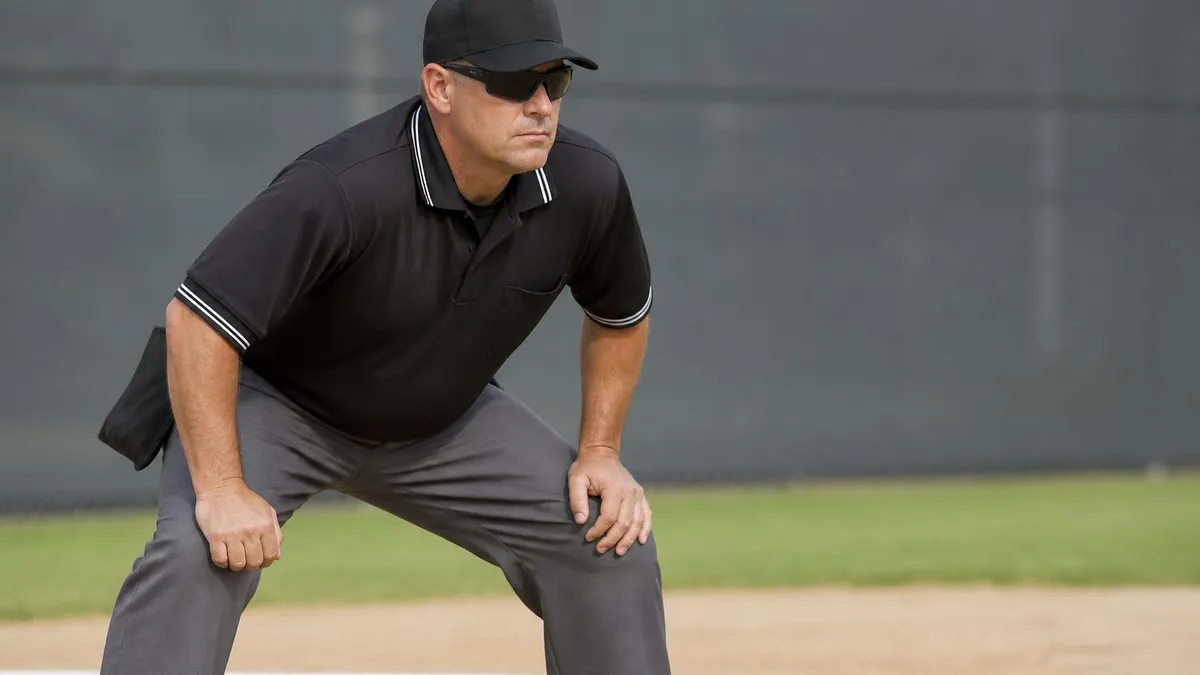
Umpire Signals: The Complete Visual Guide to Every Call Behind the Plate and on the Bases

Umpire Positioning: The Complete Guide to Field Coverage, Mechanics, and Crew Coordination
Umpire News: Profession, Career, and Industry Updates

Umpire Jobs: A Complete Career Overview, Duties, and Path to the Field

Umpire in Arkansas: How to Get Certified, Find Games, and Build Your Career
About the Author

Educational Psychologist & Academic Test Preparation Expert
Columbia University Teachers CollegeDr. Lisa Patel holds a Doctorate in Education from Columbia University Teachers College and has spent 17 years researching standardized test design and academic assessment. She has developed preparation programs for SAT, ACT, GRE, LSAT, UCAT, and numerous professional licensing exams, helping students of all backgrounds achieve their target scores.