
Umpire News: Profession, Career, and Industry Updates 2026 September
Umpire news guide — 🗨️ career levels, compensation, training schools, robot umpires, replay review, shortage challenges, and industry updates.
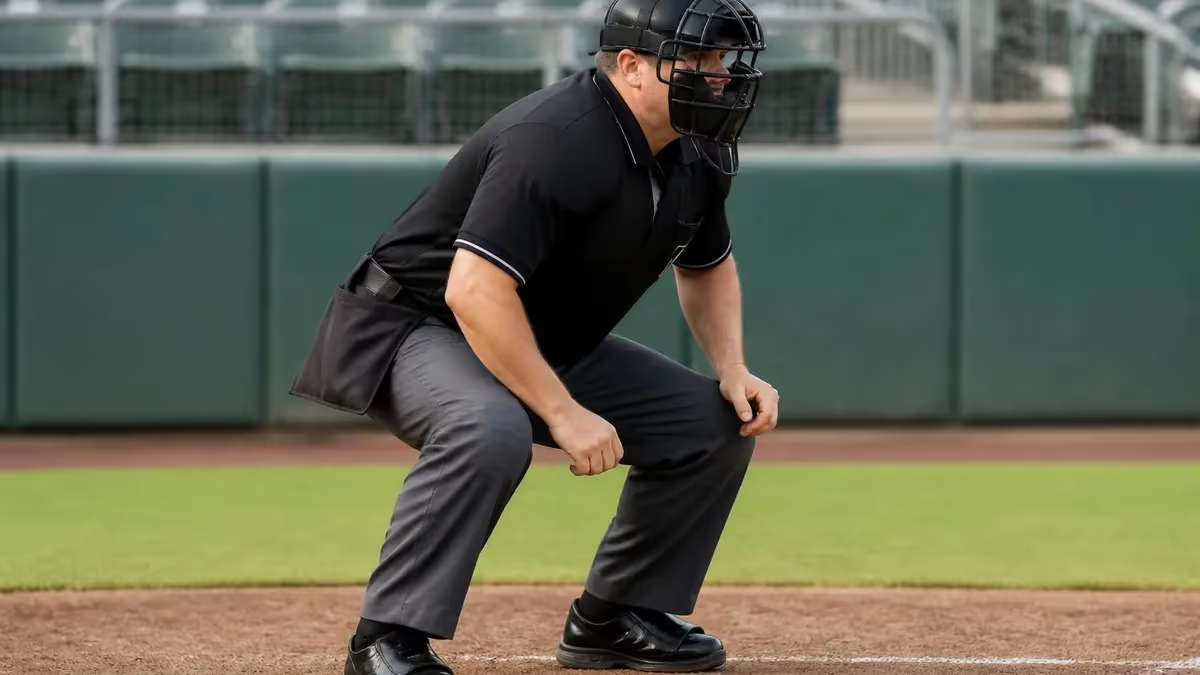
Umpire news covers the ongoing developments, rule changes, certification updates, training programs, and career opportunities that affect baseball, softball, and other sports umpires across all levels of play. Whether you're a current umpire tracking developments in the profession, an aspiring umpire researching certification pathways, or a fan interested in officiating decisions and trends, staying current with umpire news helps you understand both the practical realities of the profession and the evolving rules and technologies shaping how games are officiated today.
This guide walks through the umpire profession landscape including current developments, the umpire career pathway from entry-level recreational to professional levels, certification organizations and requirements, technological changes affecting officiating like robot umpires and replay review systems, compensation across various levels, and resources for staying informed about ongoing umpire news. The information applies broadly across baseball and softball umpiring with notes about other officiating roles where relevant. Whether you're entering the profession or simply following its evolution, this overview covers the essentials of contemporary umpire profession landscape.
The umpire profession encompasses a wide range of roles from volunteer recreational league officials through professional umpires working Major League Baseball games. Each level has different requirements, compensation expectations, and career characteristics. Most umpires start at recreational levels (Little League, Babe Ruth League, recreational softball) while developing skills, then potentially advance through high school, college, minor league, and ultimately major league levels for those committed to professional umpiring as a career. Each progression step requires additional training, certifications, and demonstrated competence at the current level before advancement opportunities arise for the umpire seeking to develop further.
Umpire News and Career Quick Facts
Levels: Recreational, high school, college (NCAA), minor league professional, MLB. Certification organizations: Umpire Schools (Wendelstedt, Minor League Umpire Training Academy), state high school athletic associations, NCAA. Recreational pay: $25-$75 per game typical. High school: $40-$100 per game varying by state. College: $200-$500+ per game in NCAA Division I. Minor league: $2,000-$3,000 monthly base plus per diem during season. MLB: $150K-$450K+ annually for full-time MLB umpires. Recent trends: Robot umpires (ABS), replay review expansions, training program updates.
Recent umpire news developments have included substantial technological changes affecting officiating across professional baseball. Major League Baseball has been testing the Automated Ball-Strike System (ABS, sometimes called 'robot umpires') in minor league games for several seasons, with potential expansion to MLB games being considered. The system uses tracking technology to determine ball/strike calls automatically, communicating decisions to the home plate umpire who announces them. Limited and challenge-based versions of ABS have been tested with various reception from players, fans, and officials. The technology represents one of the most significant changes to baseball umpiring in decades.
Replay review systems have continued evolving across professional baseball. MLB's replay system has expanded over the years to cover more types of plays, with continued refinements to review timing, manager challenge processes, and reviewable calls. College baseball has implemented its own replay review system. High school baseball has not generally adopted replay review due to cost and infrastructure requirements. Each level's approach to technology integration reflects the trade-offs between game flow, accuracy, and operational complexity that make the right balance different for different competitive contexts.
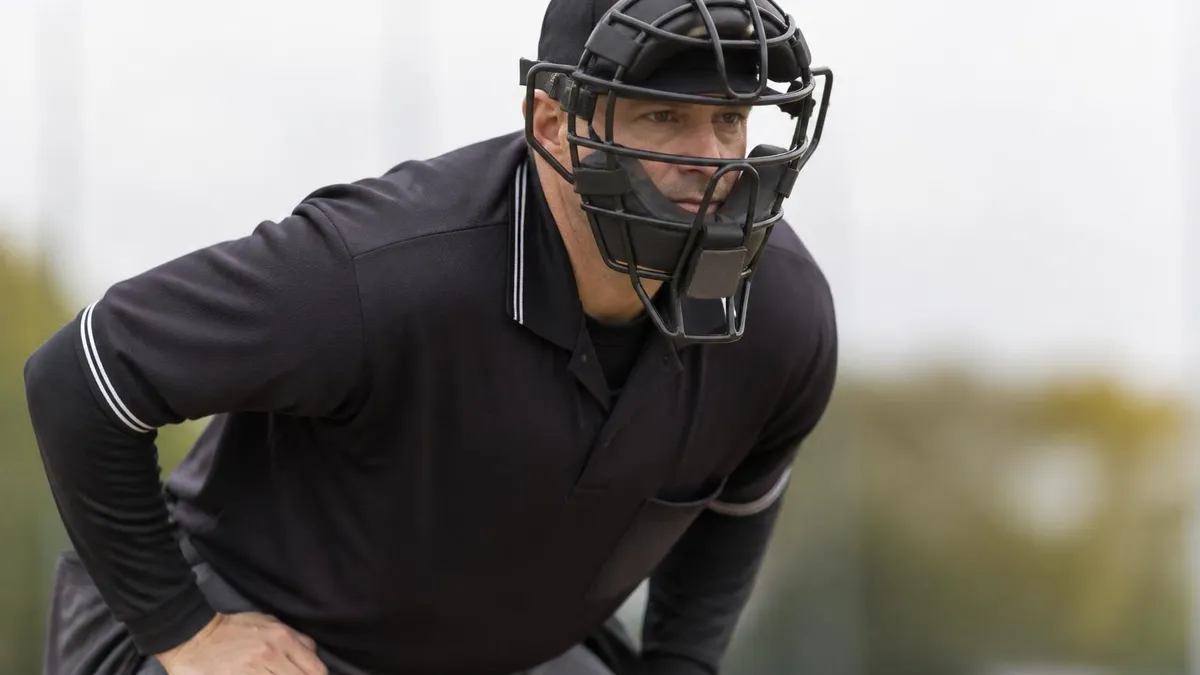
Umpire Career Levels
Little League, Babe Ruth, recreational softball. Entry level. Volunteer or modest per-game pay.
State athletic association certification. $40-$100 per game. Most umpires start here after recreational.
Conference assignments. $200-$500+ per game in Division I. Substantial commitment to schedule.
After umpire school. Multi-year career path through minor league system toward MLB consideration.
Top of profession. $150K-$450K+ annually for full-time MLB umpires. Limited positions available.
International leagues, independent leagues, international tournaments offering additional opportunities.
The pathway to professional umpiring runs through dedicated umpire training schools that teach mechanics, rules, positioning, and game management at professional standards. The two main schools have historically been Wendelstedt Umpire School (founded by Harry Wendelstedt) and the Minor League Umpire Training Academy. Both run intensive multi-week training programs in Florida during winter months. Top graduates receive recommendations to professional baseball for assignment to short-season minor leagues, where their professional umpiring careers begin under intense scrutiny from supervisors evaluating advancement potential through the years of minor league progression.
The minor league umpire career involves substantial commitment with modest compensation in early years. Short-season Class A umpires earn approximately $2,000-$3,000 monthly during the playing season plus per diem allowances for travel and meals. Advancement through full-season Class A, Class AA, and Class AAA levels comes with incremental pay increases but the core economics remain modest until reaching MLB or AAA-level assignments. Many minor league umpires support themselves with off-season work in unrelated fields. The path from professional school graduation to MLB typically takes 8-12+ years for those who advance, with many never reaching the highest levels.
Compensation in MLB umpiring reflects the substantial expertise and commitment required. Full-time MLB umpires earn $150,000-$450,000+ annually depending on years of service and supervisor designations. Crew chiefs (umpire crew leaders) earn additional pay. Postseason game assignments (LDS, LCS, World Series) include playoff bonuses substantially supplementing base salaries. The compensation supports a dedicated career commitment that recognizes both the difficulty of the work (extensive travel, rule complexity, performance pressure) and the irreplaceable nature of qualified MLB-caliber umpires once they reach that level after years of development.
Path: Contact your state high school athletic association for certification process. Training: State-required clinics covering rules, mechanics, game management. Assessment: Written rules test plus practical evaluation. Cost: Modest registration fees, typically $50-$200 annually. Pay: $40-$100 per game varying by state. Timing: Most associations accept new umpires with annual registration windows.
For aspiring umpires beginning at recreational and high school levels, several practical considerations matter. Physical fitness is essential — umpires walk and stand for hours during games, often in hot weather. Visual acuity and reaction time matter for accurate ball/strike and base calls. Communication skills support managing players, coaches, and fans during competitive situations. Emotional control helps maintain composure when calls are disputed. The combination of physical and mental capability separates effective umpires from those who struggle with the demands of the role across long games and competitive situations.
Game management is one of the more nuanced aspects of umpiring that develops with experience. Recognizing escalation patterns from coaches and players, knowing when to issue warnings versus eject participants, managing dust-ups between players, and maintaining game flow all require judgment that comes from substantial game experience. New umpires typically struggle with these soft skills more than with rules knowledge — the rules can be memorized through study, but game management develops only through repeated game experience handling various situations.
Rules knowledge varies substantially across levels. Recreational and youth leagues often have local rules modifications differing from official rule books. High school baseball follows National Federation of State High School Associations (NFHS) rules. NCAA baseball follows its own modified rule set. Minor league baseball follows MLB rules with development modifications. International baseball has additional variations. Each level requires understanding the specific rule set governing the games at that level — using MLB rules at high school games or vice versa creates problems that better-prepared umpires avoid by learning the appropriate rule set thoroughly.
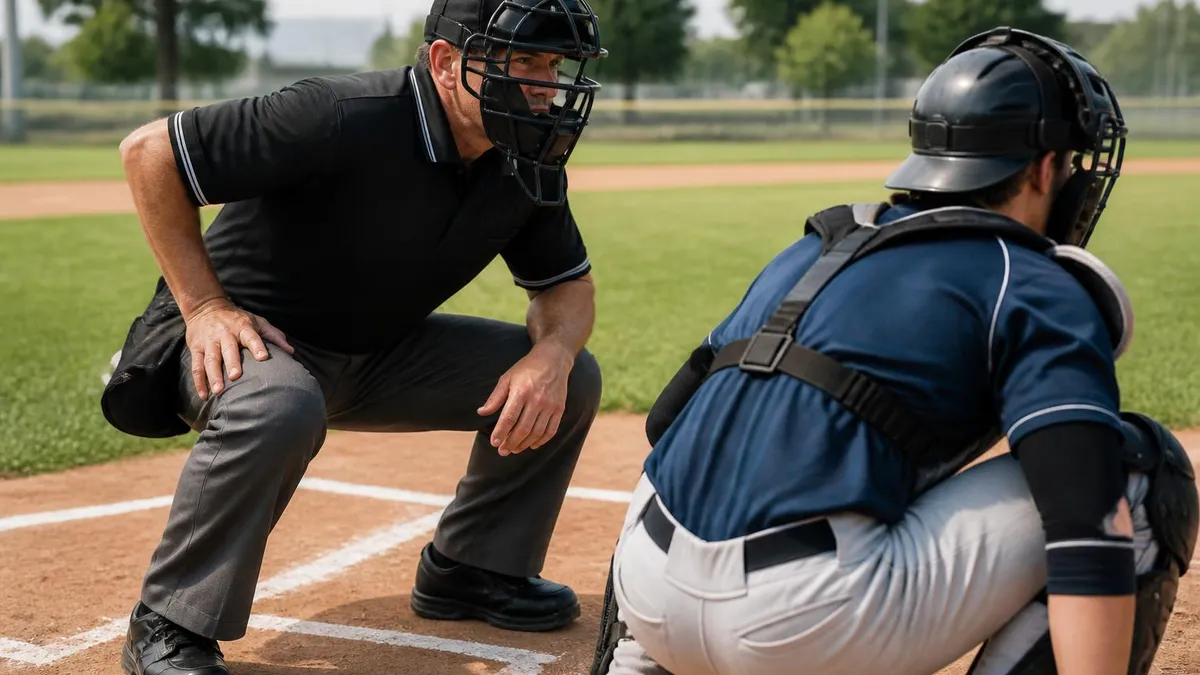
Umpire verbal abuse from players, coaches, and fans is a real and growing problem at all levels of baseball/softball. Reality: Many umpires leave the profession due to abusive treatment, contributing to umpire shortages affecting many leagues. Protection: State associations and league leadership are increasingly addressing the issue through codes of conduct, suspension policies for abusive behavior, and umpire support resources. Personal safety: Don't tolerate abuse — work with league officials when situations arise, document incidents, and rely on the support systems your association provides for handling these difficult situations professionally.
The umpire shortage has been a substantial topic in umpire news for several years across various competitive levels. Many state high school athletic associations report declining umpire numbers as veterans retire faster than new umpires enter the profession. Recreational leagues face similar challenges. The shortage drives recruitment campaigns, financial incentives for new umpires, and various retention efforts including improved compensation, training support, and codes of conduct addressing abusive treatment that drives umpires out of the profession. Multiple factors contribute including increasing time commitment, modest compensation at lower levels, and the verbal abuse problem.
For users wanting to support umpire recruitment in their communities, several practical actions help. Encourage respectful behavior toward umpires at games you attend. Volunteer to umpire recreational games if you have baseball/softball background. Support local umpire associations through participation or financial contributions. Advocate to local league leadership for adequate compensation and protective policies. Each individual contribution helps address the shortage that affects youth baseball/softball quality across many communities. The umpire shortage is solvable but requires community-level engagement supporting the umpires who make organized baseball possible.
Technology integration in umpiring continues evolving beyond just ABS and replay review. Wearable technology supports performance tracking for umpire training and development. Video analysis tools help umpires review their own performance and improve. Communication systems coordinate umpire crews on field. Computer-assisted training simulates game situations for skill development. The gradual technology integration supports better umpire performance while preserving the human judgment elements that make baseball and softball the games they are. Pure automation removes too much of the human element; pure traditional umpiring without technology lags accuracy potential — finding the right balance is ongoing.
Becoming an Umpire Action Steps
- ✓Determine starting level (recreational, high school, etc.) matching your experience
- ✓Contact relevant association (state high school, recreational league, NCAA conference)
- ✓Complete required training/certification clinics
- ✓Pass written rules tests and practical evaluations
- ✓Obtain umpire equipment (mask, plate gear, blue umpire shirts, etc.)
- ✓Begin officiating games at chosen level
- ✓Build experience through consistent game schedule
- ✓Network with other umpires for mentorship and advancement opportunities
- ✓Pursue advanced certifications as career develops
- ✓Stay current with rule updates through annual training and reading materials
For users wanting to stay current with umpire news, several resources help. Major League Baseball's communications and official website cover MLB umpire-related news including suspensions, retirements, and rule changes. Baseball America covers minor league baseball including umpire developments. Local newspaper sports sections often cover regional umpire shortages and recruitment campaigns. Online communities like Reddit's r/baseball discuss umpire-related topics from fan and umpire perspectives. State high school athletic association websites publish updates relevant to their state's umpiring community. Each source covers different aspects of the broader umpire news landscape.
For umpires looking to maximize their development and career opportunities, several strategies help. Attend all available training clinics including state association required training plus optional advanced clinics. Read rule books thoroughly and discuss interpretations with experienced umpires. Watch college and professional games specifically observing umpire mechanics and positioning. Network actively with other umpires for mentorship and advancement opportunities. Maintain physical fitness through regular conditioning. Document your assignments and performance to track development over time. Each practice supports gradual improvement that translates to advancement opportunities for those committed to the profession.
The future of umpire news will continue including technological evolution, recruitment challenges, compensation discussions, and rule modernization. Robot umpires will likely expand to more levels of professional and amateur baseball over coming years. Replay review will likely expand at college and possibly high school levels as technology costs decrease. Compensation discussions will continue at various levels addressing the shortage. Rule modernization addressing pace of play, defensive shifts, and various other elements will continue. Following umpire news helps both current and aspiring umpires stay informed about the evolving landscape of their profession.
Specialized umpire roles beyond standard baseball and softball officiating provide additional career options. Slow-pitch softball umpiring serves substantial recreational and tournament markets nationally. Fast-pitch softball at high school and collegiate levels operates similarly to baseball with somewhat different mechanics. Cricket umpiring serves the growing American cricket community. Each specialty has its own certification, mechanics, and rule sets. Cross-training across multiple officiating roles provides flexibility and additional income for committed officials willing to invest in multiple certifications and skill sets across the related sports.
For users considering the broader sports officiating career landscape beyond just umpiring, similar profession dynamics apply across other sports. Football referees, basketball referees, soccer referees, hockey officials, and various others share many of the characteristics of baseball/softball umpires — entry-level positions starting at recreational/youth levels, advancement through high school and college levels, and elite professional positions for the few who reach those highest levels. Compensation, time commitment, and career trajectories vary by sport but the fundamental career structure shares similarities supporting cross-sport understanding for prospective officials in any sport.
For users working with umpires in coaching or league administration roles, several practical considerations help working relationships. Pay umpires promptly and fairly per the agreed-upon rates. Provide accurate game information including starting times, locations, and any special considerations. Address abusive coaches and parents through league processes rather than expecting umpires to handle alone.
Support the umpire's authority on the field even when calls don't go your way. Build relationships with umpire associations to ensure consistent quality across your league's games. The umpire-league relationship works best as professional partnership rather than adversarial dynamic that some leagues unfortunately develop with their officiating partners over time.
The bottom line on umpire news and the umpire profession: it offers genuine career and avocational opportunities across baseball/softball at all levels from recreational through professional. Compensation grows substantially at higher levels though entry-level pay is modest. Technology is changing the profession in significant ways including ABS and replay systems. Recruitment challenges create opportunities for those interested in entering the field. For people drawn to baseball/softball who want substantive involvement beyond just spectating, umpiring provides meaningful engagement combining rules knowledge, judgment, communication, and physical capability in ways few other sports involvement options can match.
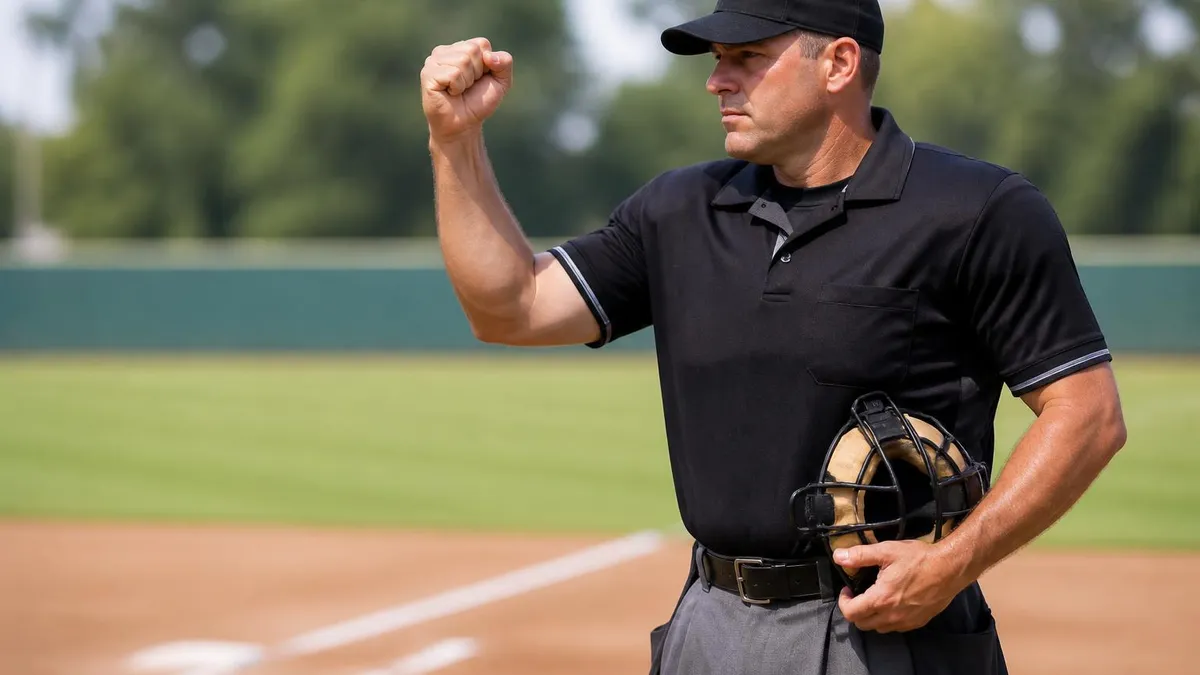
Umpire Profession Quick Facts
Common Umpire News Topics
Automated Ball-Strike System testing in minor leagues with potential MLB expansion.
Expansion of reviewable plays, manager challenge rules, review timing improvements.
Recreational and high school umpire shortages driving recruitment campaigns.
Pay rate updates at various levels addressing recruitment and retention challenges.
Pace of play rules, shift restrictions, and various other rule modernization efforts.
Code of conduct enforcement, ejection policies, umpire safety initiatives.
For users wanting to understand the umpire profession through individual stories, biographies of long-time umpires provide insight into the career arc from beginning levels through professional achievement. Documented careers of MLB umpires reveal the development paths, challenges, memorable games, and dispositions of those who reached the top levels. Memoirs from retired umpires provide candid perspectives on the profession's realities. Looking at multiple umpire stories rather than just one provides better understanding of the variation across the profession — there's no single 'umpire experience' but rather many individual paths through the profession's various levels.
For users interested in the rules complexity that umpires must master, baseball rules occupy substantial study material. Official Baseball Rules (governing professional baseball), NCAA baseball rules, NFHS high school rules, and various amateur league rule modifications create substantial reading. Specific rule areas like batting orders, substitution rules, designated hitter procedures, infield fly rule, balk rules, and obstruction/interference all require careful study. Most experienced umpires periodically re-study rules areas because edge cases that come up rarely require recalling specific rule details that aren't routinely needed in standard games.
For users considering umpire schools as career investment, the schools provide intensive technical training but don't guarantee professional placement. Wendelstedt and MLUTA programs cover mechanics, positioning, ball/strike calls, game management, and rules at professional standards. Top graduates receive recommendations to professional baseball for short-season minor league assignments where their actual professional careers begin under significant scrutiny. Most school graduates don't ultimately reach MLB regardless of school recommendation — the professional path is highly competitive and requires sustained excellence across years of minor league work that not everyone successfully completes.
Looking forward, umpire profession evolution will continue through ongoing technology adoption, recruitment efforts addressing shortages, compensation pressure at lower levels, and rule modernization affecting how games are officiated. Stay informed through resources mentioned earlier, engage with your local umpire community if you're an umpire, and support umpires you encounter through respectful behavior at games you attend as fan or coach. The umpire profession depends on community support for sustainability across all levels of baseball and softball games played throughout the country every year by millions of participants from youth through adult competitive levels.
Becoming an Umpire: Pros and Cons
- +Multiple entry points from recreational through professional
- +Reasonable income at higher levels (college, professional)
- +Supplemental income for part-time umpires
- +Direct involvement in baseball/softball beyond spectating
- +Career path exists for those committed to professional level
- −Modest compensation at recreational and lower amateur levels
- −Verbal abuse from coaches, players, and fans
- −Long career path to professional (8-12+ years)
- −Competition for limited MLB and high-level positions
- −Travel demands at college and professional levels
Pros and Cons at a Glance
| Pros | Cons |
|---|---|
| Multiple entry points from recreational through professional | Modest compensation at recreational and lower amateur levels |
| Reasonable income at higher levels (college, professional) | Verbal abuse from coaches, players, and fans |
| Supplemental income for part-time umpires | Competition for limited MLB and high-level positions |
| Direct involvement in baseball/softball beyond spectating | Travel demands at college and professional levels |
Umpire Questions and Answers
About the Author

Educational Psychologist & Academic Test Preparation Expert
Columbia University Teachers CollegeDr. Lisa Patel holds a Doctorate in Education from Columbia University Teachers College and has spent 17 years researching standardized test design and academic assessment. She has developed preparation programs for SAT, ACT, GRE, LSAT, UCAT, and numerous professional licensing exams, helping students of all backgrounds achieve their target scores.