
Female Umpires: MLB Firsts, Career & Certification 2026 October
🆕 Female umpire history: Jen Pawol's 2026 October MLB debut, Bernice Gera, MiLB pipeline, certification path, and how to become a pro umpire.
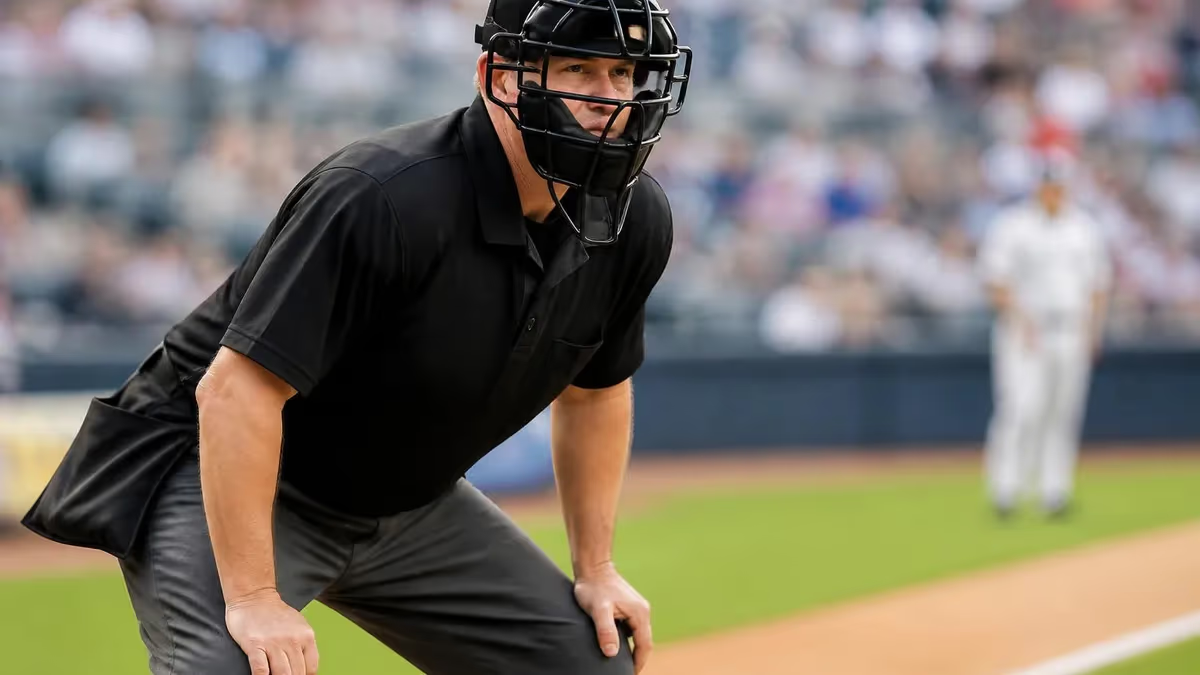
When Jen Pawol walked onto a Major League Baseball field in August 2025, she did something no woman had ever done in the 149-year history of MLB. She umpired a regular season game. The moment was decades in the making, built on the quiet persistence of pioneers like Bernice Gera, Pam Postema, and Ria Cortesio. Each of them pushed against a door that wouldn't quite open.
Pawol finally walked through. The headlines that day were warm, the broadcasters respectful, the crowd polite. And then the game just happened. Strike calls, safe calls, a manager arguing a check swing, the routine fabric of a baseball afternoon. Which, in its own way, was the entire point of the moment.
The story of the female umpire is not really about one person, though. It's about a slow, stubborn pipeline. Women in college baseball. Women in independent leagues. Women climbing the Minor League Baseball ladder, working travel-heavy schedules in small towns for modest pay, hoping for a call that, for most of baseball history, never came.
That pipeline is finally producing results, and the next decade looks very different from the last five. The women working today aren't curiosities, they're professionals on contract, evaluated quarterly, promoted on merit, and increasingly mentored by predecessors who refused to disappear after their own careers ended.
This guide walks through the milestones, the people, and the practical question many readers actually arrive with. How does a woman, or anyone really, become a baseball umpire? What does the path look like in 2026? What certifications matter, what schools exist, and what does the career pay across each level from rec ball to MLB?
You'll get the history, the current landscape, and a straight answer on certification requirements. We also cover the realities, including the long bus rides, the hostile crowds in independent league parks, the slow promotion track that washes out most candidates by year four or five, and the genuine progress happening right now across the amateur and professional ranks.
Female Umpires by the Numbers
Those numbers tell a story that's mostly invisible from the stands. MLB carries only 76 full-time umpires across its four-person crews. Promotions happen rarely, often only when someone retires or gets pushed out for performance, and the call-up list from Triple-A is short and ferociously competitive. For most of baseball history, no woman appeared on that list at all.
Bernice Gera, who finally umpired a New York-Pennsylvania League game in 1972 after a five-year legal fight that reached the New York Court of Appeals, walked off the field after one game and never returned. She said the harassment was too much. Her own partner, the base umpire that night, reportedly refused to speak to her.
What changed in the decades since? Three things, mostly. MLB created formal development programs that identify and sponsor minor league umpires earlier in their careers, with the Umpire Diversity Pipeline Program specifically funding tuition for women and people of color at the professional schools. The two main umpire schools, Wendelstedt and the Minor League Baseball Umpire Training Academy, opened wider to female candidates and built quiet mentorship structures around them with veteran instructors who'd seen what went wrong in the past.
And the culture inside the game shifted, slowly. Crew chiefs who came up in the 1980s have retired. Newer generations grew up watching women officiate in the NBA, the NFL, college football, and the Olympics. The idea of a woman behind the plate, calling balls and strikes for big league hitters, stopped being unthinkable somewhere around 2018. By 2025 it was simply a matter of when, and the answer turned out to be August.
Why Jen Pawol's Debut Mattered
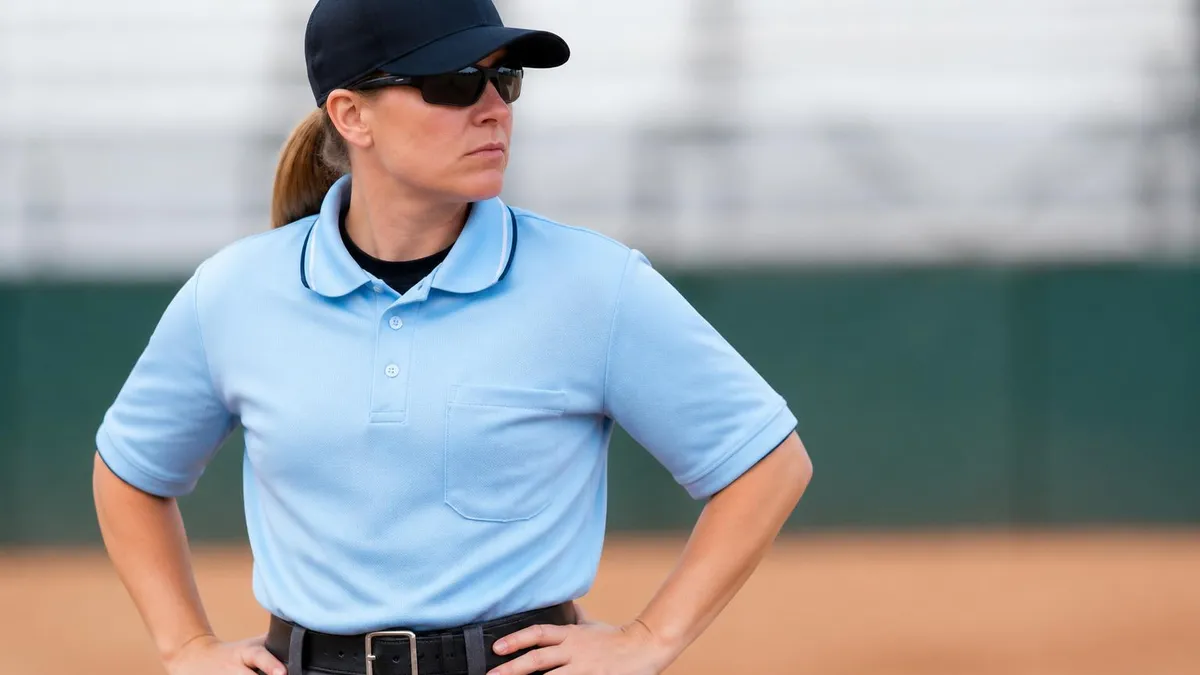
Pawol wasn't a token call-up. She was a fifteen-year veteran of professional umpiring, working her way from rookie ball through Triple-A, calling Arizona Fall League games, and earning spring training assignments in 2024 and 2025. When MLB needed a fill-in umpire in August 2025, she was simply next on the list. That's the goal. Not a ceremony, just a name on a schedule.
The path Pawol took is the same path every umpire takes, and that matters. There's no shortcut to MLB, no separate development track, no celebrity diversion. You attend one of the recognized umpire schools in late January or early February. The school runs about five weeks and covers rules, mechanics, positioning, plate work, base work, situation management, ejection protocol, replay communication, and the ferocious art of selling a call when you know the entire ballpark disagrees.
You take a written exam on the rule book and the case book. You work simulated games with current and former pro umpires watching every move. At the end of the course, evaluators rank you against everyone else in your class.
The top performers, usually somewhere between 20 and 40 candidates depending on the year, are invited to advanced evaluation. That's where Minor League Baseball decides who gets hired into rookie ball. From there, you climb. Rookie ball, then Low-A, then High-A, then Double-A, then Triple-A. Each promotion takes years and depends on annual evaluations from supervising umpires.
Each level brings a longer schedule, larger crowds, faster pitching, and more complex situations. The whole journey, from school graduation to an MLB game, typically runs eight to twelve years. Pawol's took fifteen. And during those fifteen years, she also worked instructional leagues, the Arizona Fall League, the Caribbean winter leagues, college baseball in the offseason, and any clinic or fill-in assignment that would keep her on a field.
Female Umpire Pathways at a Glance
Jen Pawol broke the MLB barrier in 2025. Before her, the closest any woman came was Pam Postema, who umpired Triple-A from 1983 to 1989 and worked MLB spring training.
Bernice Gera (1972), Christine Wren (1975-77), Pam Postema (1977-89), Ria Cortesio (1999-2007), Shanna Kook, Mona Osborne, Emma Charlesworth-Seiler, and Jen Pawol have all worked MiLB games.
Women officiate NCAA baseball, NJCAA, NAIA, and high school baseball across all 50 states. State associations certify high school umpires; collegiate ranks recruit from there.
Attend Wendelstedt or MiLBUTA in January-February. Pass evaluation. Get hired into rookie ball. Climb minors over 8-12 years. Earn Triple-A and then a possible MLB call-up.
If you trace the long arc, the women who came before Pawol mostly washed out under conditions no umpire today would tolerate. Bernice Gera filed a sex discrimination case that went to the New York Court of Appeals in 1972, won, umpired one game in Geneva, New York, and quit citing harassment from her partner umpire. Christine Wren made it three seasons in the Northwest League starting in 1975, leaving in 1977 partly because Class A pay couldn't cover her expenses.
Pam Postema lasted thirteen years and reached Triple-A, working MLB exhibition games in spring training, but was released in 1989 and later wrote a memoir, You've Got to Have Balls to Make It in This League, describing the indignities of the era. Players threw equipment at her. Managers questioned her loudly within earshot of paying customers. A few crew chiefs, she wrote, simply refused to mentor her.
Ria Cortesio worked nine seasons including Double-A and Triple-A exhibition games. She umpired an MLB exhibition between the Cubs and White Sox in 2007 at Wrigley Field, the first woman to umpire an MLB game of any kind in nearly two decades. She was released later that same year and the timing felt familiar to many observers. A capable woman, dropped before the call to The Show. Cortesio later said the league told her she lacked the on-field presence required for promotion.
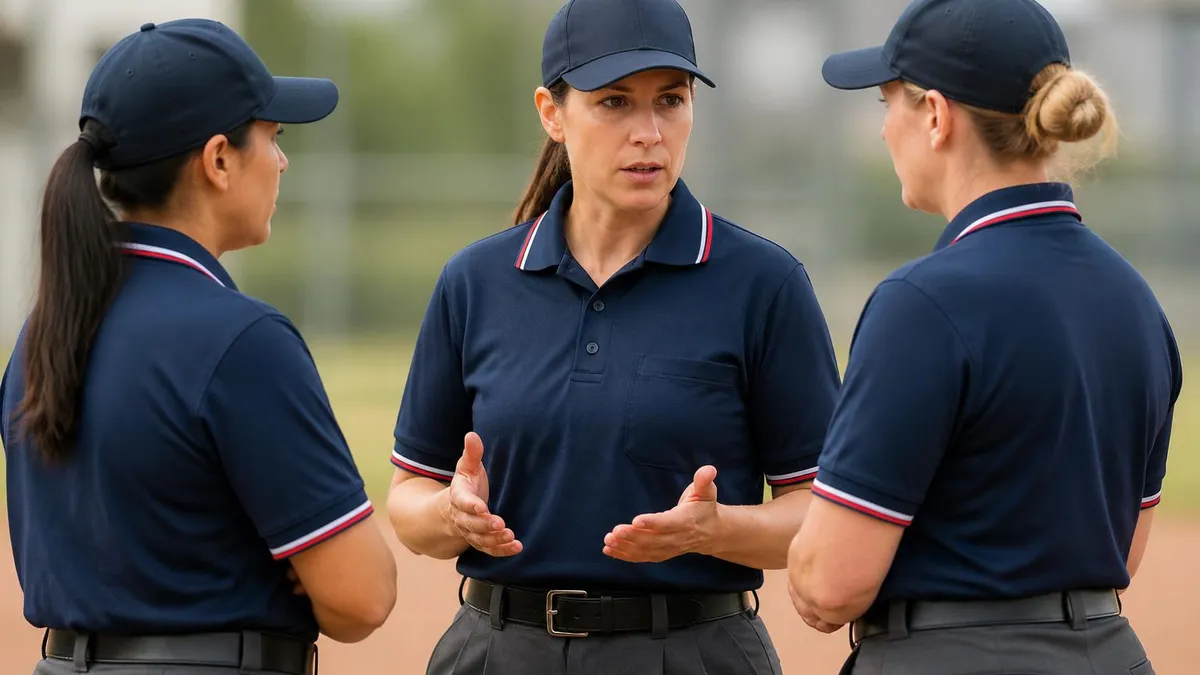
She disagreed publicly and pointed out that her ratings on every evaluation were strong. Then came a quieter generation that learned from those public fights. Shanna Kook, the first Asian-American woman to umpire professionally. Mona Osborne. Emma Charlesworth-Seiler, who worked her way through Double-A. And then Jen Pawol, who didn't quit, who had the institutional support her predecessors lacked, and who finally walked through the door.
Inside the Female Umpire Story
Pawol grew up in New Jersey playing college softball at Hofstra. She started umpiring softball, switched to baseball, and entered the Minor League Baseball Umpire Training Academy in 2016. She worked her way through the Gulf Coast League, the New York-Penn League, the Florida State League, Double-A Texas League, and Triple-A. She umpired the 2022 and 2023 Arizona Fall League. In 2024 she received her first MLB spring training assignments. In August 2025, when a regular MLB umpire went on the injured list, she got the call. She worked the plate. The game proceeded normally. That was the point.
The financial reality is sobering and worth understanding before you commit. Rookie ball umpires earn roughly 2,400 dollars a month during the season, which runs about three months from June through early September. Single-A bumps that to around 2,900 monthly for a roughly five-month schedule. Double-A umpires can earn 3,500 to 4,000 monthly. Triple-A umpires make 4,500 to 5,000 monthly, but the season is still only six months, and you're on the road for most of it, living out of a suitcase in chain hotels and eating clubhouse food.
MLB umpires, by contrast, earn between 150,000 and 450,000 dollars a year depending on tenure, plus per diem, postseason bonuses, and a strong pension. The pay cliff between Triple-A and MLB is enormous, and that's part of what makes the climb so brutal. You sustain roughly a decade of marginal income, often working winter jobs to cover the off-season, hoping for a call that statistically rarely comes.
For women specifically, the calculation includes other factors that male umpires simply don't have to weigh. Travel partner arrangements. Hotel room assignments. Locker room access at older ballparks built without thought to anyone but male officials. Most of these have been formally addressed by MLB and MiLB in recent years through updated facility standards, but they were real obstacles for the previous generation and still occasionally surface at the lower levels and in older independent league parks.
Mentorship is the single biggest variable in whether a candidate makes it. Female umpires who came up with experienced crew chiefs willing to teach them, advocate for them, and give honest mechanical feedback succeeded. Those who didn't, generally didn't. The current cohort, including Pawol's generation, benefits from being able to call previous female umpires and ask for advice, something that didn't exist before about 2015.
There is no professional baseball umpire job in the United States that doesn't go through Wendelstedt or the Minor League Baseball Umpire Training Academy. Independent leagues hire from the same pool. If you want to umpire professional baseball, you go to one of these two schools. Both are in Florida. Both run January through February. Both cost about 3,000 dollars before lodging. Apply by November or December for the following winter.
Before you spend the tuition, though, you want to know whether you can actually do the work. Calling balls and strikes for nine innings is physically and mentally exhausting in ways most people don't appreciate until they try it themselves at a competitive level. You squat, stand, squat again, perhaps 250 times in a single game.
You make snap judgments under pressure, with coaches yelling from the dugout, pitchers shaking their heads, catchers framing pitches to deceive you, and the strike zone moving in your head as fatigue sets in around the seventh inning. Plate mechanics, slot stance, tracking the pitch all the way to the glove, holding your call for the full beat before signaling, these are technical skills that take years to refine.
The path below is the practical sequence most successful umpires follow. It's not glamorous, it takes time, and there's no skipping the early steps. But it's the route every working umpire actually took, including Pawol, and it's also the route many readers will use simply to enjoy a meaningful side income officiating high school and college games on weekends. Start small, build hours, learn the rule book deeply, then commit fully when you know the work is what you want.
Umpire Certification Steps
- ✓Register with your state high school athletic association and complete the rules and mechanics clinic, then work freshman and JV games for one or two seasons to build hours
- ✓Join a local umpire association for varsity, American Legion, and travel ball assignments; work at least 100 games before considering professional school
- ✓Study the Official Baseball Rules cover to cover, watch MLB rulings on close plays, and review the Wendelstedt or MiLBUTA pre-school study materials
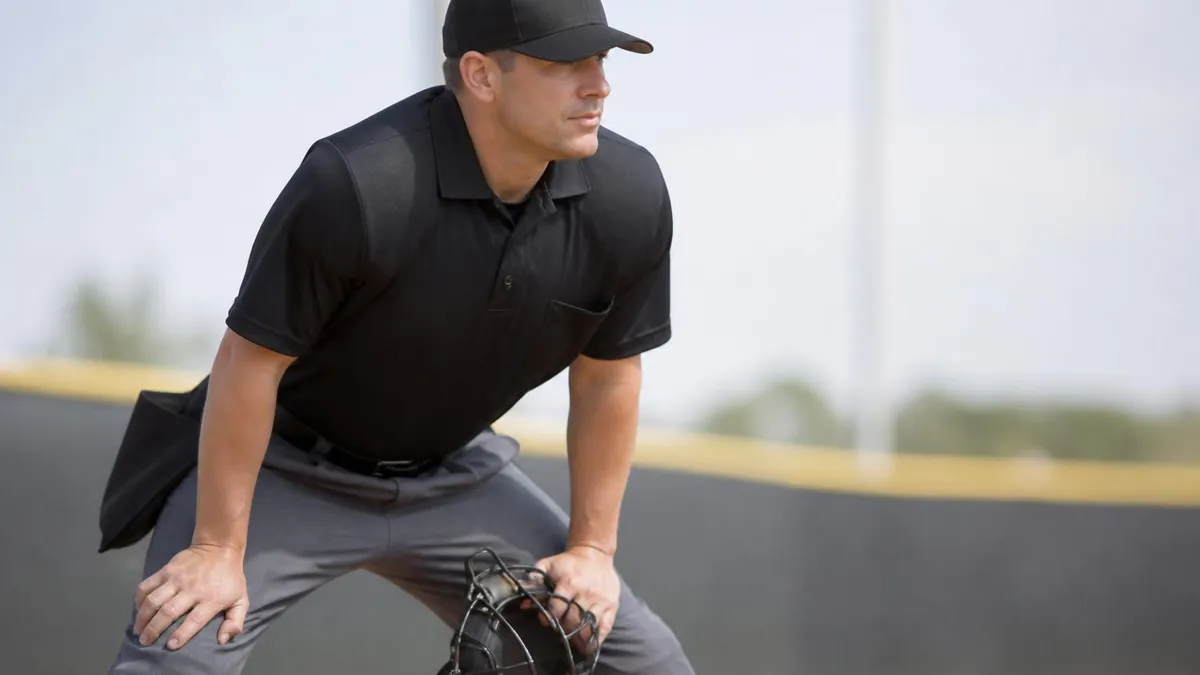
- ✓Get a complete plate kit and base umpire gear, including mask, chest protector, shin guards, plate shoes, ball bag, and indicator, and break it all in
- ✓Apply to Wendelstedt Umpire School or the Minor League Baseball Umpire Training Academy by November or December for the late-January course
- ✓Attend the five-week professional school in Florida, finish in the top performance tier, and accept any advanced evaluation invitation that follows
- ✓Sign your first MiLB contract for rookie ball if offered, then commit to the long climb from short-season ball up through Triple-A over eight to twelve years
Choosing this career as a woman in 2026 is genuinely different from choosing it in 1989, but it's not identical to choosing it as a man. There are still tradeoffs worth thinking about clearly. The conversation matters because the next generation of female umpires is being recruited right now, often from college softball programs, and they deserve a candid look at what they're signing up for.
Pursuing an Umpire Career as a Woman
- +Door is genuinely open now: Pawol's debut and MLB's diversity pipeline mean female candidates are actively recruited and supported
- +Mentorship networks exist for the first time, with veteran female umpires available to advise candidates through school and the minors
- +Visibility translates to opportunity in adjacent roles: clinics, training, broadcasting, and front office positions for those who reach Triple-A
- +MLB pay at the top is excellent, ranging from 150,000 to 450,000 dollars a year with strong pension and travel benefits
- +College and high school umpiring offers a viable career on its own with regional travel and reasonable income for those not pursuing pro ball
- −Minor league pay is poor for ten-plus years, with rookie ball wages around 2,400 dollars a month during the season only
- −Travel is relentless: three-game series, bus rides, hotel chains, and you live on the road from April through September
- −Promotion is statistically rare; most umpires who reach Triple-A never get the MLB call, and competition for those few openings is fierce
- −Hostile fans and coaches still target female umpires more often, particularly in independent leagues and lower minors where crowds are closer
- −Physical toll of plate work, squatting hundreds of times per game, accumulates over a career and ends some umpires early through knee and back injuries
Pros and Cons at a Glance
| Pros | Cons |
|---|---|
| Door is genuinely open now: Pawol's debut and MLB's diversity pipeline mean female candidates are actively recruited and supported | Travel is relentless: three-game series, bus rides, hotel chains, and you live on the road from April through September |
| Mentorship networks exist for the first time, with veteran female umpires available to advise candidates through school and the minors | Promotion is statistically rare; most umpires who reach Triple-A never get the MLB call, and competition for those few openings is fierce |
| Visibility translates to opportunity in adjacent roles: clinics, training, broadcasting, and front office positions for those who reach Triple-A | Hostile fans and coaches still target female umpires more often, particularly in independent leagues and lower minors where crowds are closer |
| College and high school umpiring offers a viable career on its own with regional travel and reasonable income for those not pursuing pro ball | Physical toll of plate work, squatting hundreds of times per game, accumulates over a career and ends some umpires early through knee and back injuries |
One more piece of the picture deserves attention before we close. The amateur ranks. Most umpires who work games every weekend across the United States are not pursuing MLB and never intend to. They're high school umpires, travel ball umpires, college umpires, American Legion officials, and recreational league rule keepers.
Roughly 200,000 people umpire baseball at some level in the U.S. each year, and women are an increasing share of that total, especially in softball-to-baseball crossovers and youth leagues. The shortage of qualified amateur umpires has become acute enough that many state associations actively recruit women through clinics and recruitment events at college softball games.
State high school associations certify umpires through a standardized process that varies slightly by state but follows the same general pattern. You take an open-book rules exam, attend a mechanics clinic typically held in February or March, work a few JV games under evaluation by senior umpires, and get rated for varsity assignments. Annual renewal usually requires a refresher clinic and a passing exam score, typically 80 percent or higher on a 100-question rules test based on the National Federation of State High School Associations rule book.
Pay at the high school varsity level ranges from 60 to 120 dollars per game depending on the state, often higher for tournaments. NCAA college baseball umpires can earn 150 to 400 dollars per game plus travel and lodging. Many of the women now climbing the minor leagues started by umpiring high school games on Saturdays for a few years to build their resume, sharpen their mechanics, and confirm they actually loved the work before quitting their day jobs to fly to Florida for the professional school.
The future, if you trust the data and not just the warm headlines from August 2025, looks genuinely promising for the first time in baseball history. The MLB Diversity Pipeline Program has placed roughly a dozen women in umpire school over the last decade, and several are currently active in the minors at various levels from rookie ball through Double-A. Independent leagues like the Atlantic League and the Frontier League hire women regularly.
College baseball is opening up, with women working Division I conference games and reaching regional tournaments. State associations have removed informal barriers that used to keep women off varsity assignments. The pace of change is still slower than many advocates would like, but the trend line is unmistakable, and the next female MLB umpire will almost certainly arrive in years rather than decades.
If you're considering this career, the honest advice is to start where you are. Work a youth league this spring. Take the state high school certification clinic this summer. Get a hundred games on the field before you spend a single dollar on professional school. Buy quality gear and break it in. Read the rule book three times. Watch MLB umpires on YouTube breakdowns and study their mechanics. Talk to umpires already working high school and college games and ask them what they wish they'd known.
The path is long, sometimes lonely, and financially difficult, but every step builds the next one, the community of women in the profession is growing every year, and the door at the end is finally open in a way it has never been before in the history of the game.
The umpire's role itself, calling balls and strikes, managing situations, applying the rule book with calm authority, has nothing to do with gender. The barriers were always cultural, never technical. Now those barriers, while not gone, are thinner than they have ever been, and the next generation of umpires looking up at MLB will see a woman already there. That changes everything that follows.
Sample Umpire Certification Practice Questions
Try these questions from our free Umpire Certification practice tests. The correct answer and an explanation follow each question.
How should hazardous conditions be handled during material selection work?
- A. Continue working if the hazard seems minor
- B. Stop work, secure the area, report the hazard, and follow safety protocols
- C. Report hazards only at the end of the day
- D. Let someone else deal with it
Answer: B. Stop work, secure the area, report the hazard, and follow safety protocols
All hazardous conditions require immediate action: stop work, secure the area, report the hazard, and follow established safety protocols.
How should hazardous conditions be handled during maintenance protocols work?
- A. Continue working if the hazard seems minor
- B. Stop work, secure the area, report the hazard, and follow safety protocols
- C. Report hazards only at the end of the day
- D. Let someone else deal with it
Answer: B. Stop work, secure the area, report the hazard, and follow safety protocols
All hazardous conditions require immediate action: stop work, secure the area, report the hazard, and follow established safety protocols.
What environmental protection measure applies to quality inspection?
- A. Environmental concerns do not apply to this field
- B. Proper handling, storage, and disposal of materials according to environmental regulations
- C. Environmental rules only apply to large corporations
- D. Follow environmental rules only if specifically asked
Answer: B. Proper handling, storage, and disposal of materials according to environmental regulations
Proper handling, storage, and disposal of all materials according to environmental regulations is a legal obligation in all trades.
What code compliance requirement applies to equipment operation?
- A. Codes are guidelines, not requirements
- B. All work must comply with applicable local, state, and national codes
- C. Code compliance only matters for commercial projects
- D. Follow codes only when inspectors are present
Answer: B. All work must comply with applicable local, state, and national codes
Code compliance is mandatory for all work, ensuring safety, quality, and legal adherence.
UMPIRE Questions and Answers
About the Author

Educational Psychologist & Academic Test Preparation Expert
Columbia University Teachers CollegeDr. Lisa Patel holds a Doctorate in Education from Columbia University Teachers College and has spent 17 years researching standardized test design and academic assessment. She has developed preparation programs for SAT, ACT, GRE, LSAT, UCAT, and numerous professional licensing exams, helping students of all backgrounds achieve their target scores.