
How to Become an Umpire: Complete Training Guide and Requirements 2026 September
Learn how to become an umpire with this complete guide covering certification steps, ✍🏼 training programs, required gear, salary, and career advancement tips.

Learning how to become an umpire is a rewarding pursuit that opens doors to a lifetime of involvement in baseball or softball at every competitive level, from youth recreational leagues all the way through professional affiliated play. The path is more structured than many aspiring officials realize, requiring formal certification, dedicated classroom and field training, and a genuine commitment to mastering the rulebook. Whether you want to work Little League games on weekends or pursue a career in professional baseball, the foundational steps are largely the same, and understanding them early gives you a significant head start.
The journey begins with registering for an accredited umpire training program offered through organizations such as the Professional Baseball Umpire Corporation (PBUC), the Amateur Athletic Union (AAU), Little League International, or your state's high school athletic association. These programs vary in length from weekend clinics to five-week professional development schools, but all of them cover the core competencies every umpire must demonstrate: rules knowledge, positioning and mechanics, communication skills, game management, and professional conduct. Most new umpires are surprised by how much of the curriculum is devoted to situational decision-making rather than simple rule recitation.
Physical fitness is a factor that many candidates underestimate when researching how to start their umpiring career. Base umpires cover substantial ground during a game, tracking fly balls, monitoring baserunners, and repositioning constantly throughout each inning. Plate umpires crouch into a stance hundreds of times per game while managing the battery, coaches, and a high-pressure environment simultaneously. A baseline level of cardiovascular endurance and joint health will not only help you perform better but will also extend your career significantly, since umpires at the amateur level often work well into their 50s and 60s.
Financial considerations matter as well. Entry-level youth league games typically pay between $25 and $50 per game, while high school varsity contests can yield $65 to $120 per game depending on the state and sport. College games pay considerably more, and professional minor league umpires earn a structured salary with benefits. Most new umpires treat their first one to three seasons as an investment phase, accepting lower-paying assignments while building the resume, the reputation, and the relationships necessary to advance to higher-paying opportunities.
Mentorship is one of the most powerful accelerants available to new umpires. Joining a local umpire association immediately after certification connects you with experienced officials who can evaluate your work, recommend you for assignments, and advocate on your behalf with assignors. Many state associations run formal mentorship programs that pair rookies with veteran umpires for observation and feedback sessions. The relationships you build in these early stages of your career are often more valuable than any individual training class you attend.
Equipment is another practical consideration that new umpires must address before their first assignment. A proper chest protector, mask, shin guards, plate shoes, and ball bag are non-negotiable for plate work, while base umpires need a quality indicator, a ball bag, a good pair of umpire pants, and comfortable athletic shoes with adequate lateral support. Investing in reliable gear from the start protects you physically and signals professionalism to coaches, players, and assignors who are always evaluating your presentation as much as your performance.
Consistency and long-term commitment are the qualities that separate umpires who advance from those who plateau. Every experienced official you will meet has a story about a difficult game, an angry coach, or a controversial call that tested their resolve. The officials who thrive are the ones who process criticism constructively, continue studying the rules each offseason, and approach every game with the same focused preparation regardless of the level. Building that professional identity early in your umpiring career creates the foundation for as long and as fulfilling a journey as you choose to pursue.
Umpire Career by the Numbers

Step-by-Step Path to Becoming a Certified Umpire
Meet Basic Eligibility Requirements
Enroll in an Accredited Umpire Clinic or School
Pass the Written Rules Examination
Complete On-Field Skills Evaluation
Join a Local Umpire Association and Get Assigned
Pursue Advanced Certification and Evaluations
Formal umpire training programs are the backbone of any certification path, and understanding what each type of program offers helps candidates choose the right entry point for their goals. State high school athletic association clinics are the most common starting point for adults who want to work interscholastic sports. These programs typically run one or two days, cover the state's adopted rulebook, and issue a certification card upon successful completion of the written test. The cost is generally modest, ranging from $30 to $100, making them highly accessible to new candidates.
For candidates with professional aspirations, the gold standard is attending one of the official Minor League Baseball Umpire Development programs, which run for approximately five weeks in Florida during January and February. These intensive schools admit a limited number of candidates each year and evaluate every participant on rules knowledge, mechanics, physical conditioning, and professional demeanor. Graduates who rank in the top tier of their class earn an invitation to work in the Arizona Complex League or Florida Complex League, the lowest rungs of professional baseball, where they receive structured salary, housing assistance, and ongoing evaluation.
College-level officiating associations such as the NCAA, NAIA, and NJCAA each maintain their own certification and registration requirements that must be satisfied before an umpire can work games at those levels. Many college conferences also require officials to attend annual rules meetings, pass current-year rules examinations, and accumulate a minimum number of games worked at lower levels before receiving college assignments. The competition for college game slots is meaningful, so building strong relationships with conference coordinators and earning positive evaluations early is essential.
Youth-specific organizations including Little League International, Babe Ruth/Cal Ripken Baseball, USSSA, and PONY Baseball all offer their own umpire training and certification pathways. These programs are excellent starting points for officials who prefer to work in youth environments or who are building their early resume before pursuing higher levels. Little League's umpire development program, for instance, includes district-level training, regional clinics, and a comprehensive online learning platform that allows candidates to study at their own pace before attending hands-on sessions.
Continuing education is a requirement, not an option, for umpires who want to maintain and advance their certifications. Most sanctioning bodies mandate annual attendance at rules interpretation meetings where significant rule changes are discussed, case plays are reviewed, and mechanics updates are introduced. Missing these meetings can result in certification suspension or removal from eligible assignment lists. Treating each offseason as an opportunity to refresh your knowledge base and correct any habits that developed during the previous season is the mindset that distinguishes career officials from casual ones.
Technology has transformed umpire education over the past decade. Online training platforms now offer video-based rule interpretation modules, interactive case play simulators, and recorded footage of correct and incorrect mechanics for self-study. Organizations like the National Association of Sports Officials (NASO) provide member libraries with hundreds of hours of training content, legal resources, and insurance products tailored specifically to sports officials. Subscribing to these resources supplements in-person training and allows umpires to study efficiently during the offseason months when live games are unavailable.
Networking within the umpiring community accelerates career development in ways that formal training programs alone cannot replicate. State association conventions, regional clinics, and national camps all create opportunities to connect with evaluators, assignors, and veteran umpires who can open doors that would otherwise remain closed. Approaching these events with genuine curiosity, a willingness to receive feedback, and a professional attitude consistently makes a stronger impression than simply being technically proficient. The umpiring community is smaller than most outsiders assume, and your reputation travels faster than your resume.
Rules, Mechanics, and Game Management Fundamentals
Mastering the official rulebook is the single most important academic task facing any new umpire. The Official Baseball Rules published by Major League Baseball govern professional and most amateur play, while Little League, high school (NFHS), and college (NCAA) each publish their own rulebooks with meaningful differences in areas like the infield fly rule, obstruction, interference, and pitch counts. Candidates should own and read the current edition of whichever rulebook governs their primary level, marking key sections and noting exceptions that commonly arise during games.
Annual rule changes make ongoing study mandatory rather than optional for certified umpires. Each winter, sanctioning bodies release rule updates, points of emphasis, and revised case play interpretations that officials must internalize before the new season begins. Umpires who attend annual rules meetings, participate in online update modules, and discuss new interpretations with association colleagues enter each new season with confidence and avoid the embarrassing situation of misapplying a recently changed rule during a high-visibility assignment.
Pros and Cons of Becoming an Umpire
- +Stay connected to baseball or softball throughout your entire life, even after playing days end
- +Earn supplemental income from youth and high school games with flexible scheduling
- +Develop strong leadership, conflict resolution, and decision-making skills applicable in all areas of life
- +Access a close-knit professional community with mentorship opportunities at every level
- +Potential to advance to college or professional levels with a structured and clear career path
- +Experience the unique satisfaction of maintaining fair competition and upholding the integrity of the game
- −Entry-level pay is modest, often $25–$50 per game, requiring multiple seasons before significant income
- −Constant criticism from coaches, players, and spectators requires thick skin and emotional resilience
- −Physical demands of plate work including crouching, heat exposure, and foul ball risk can cause injuries
- −Peak assignment seasons conflict with spring and summer family and personal commitments
- −Advancement beyond the high school level is highly competitive with limited openings available
- −Certification fees, required gear purchases, and travel costs create significant upfront financial investment
Pre-Certification Checklist: Are You Ready to Become a Certified Umpire?
- ✓Confirm age eligibility with your target sanctioning body (most require at least 16 years old)
- ✓Purchase or download the current official rulebook for your intended level of play
- ✓Research and register for an accredited umpire clinic or school in your region
- ✓Budget for essential protective gear: chest protector, mask, shin guards, plate shoes, and indicator
- ✓Schedule a background check if required by your state association or youth league organization
- ✓Join your local umpire association before or immediately after completing your initial training clinic
- ✓Introduce yourself to the local assignor and express your availability and target game levels
- ✓Set up a log or tracking system to record every game worked, level, and partner for your performance file
- ✓Identify a mentor umpire willing to observe and provide structured feedback on your early assignments
- ✓Study the most commonly misapplied rules: infield fly, obstruction, interference, and balk definitions
- ✓Attend at least one rules interpretation meeting before your first season of assignments begins
- ✓Create a physical fitness routine targeting endurance, lateral mobility, and lower body joint health
Your First Season Is About Learning, Not Perfection
New umpires who obsess over never missing a call often develop hesitation that makes their overall performance worse. Experienced assignors and mentors agree: confident, decisive timing on every call — even imperfect ones — builds more credibility with coaches and players than tentative correctness. Commit to the call, own it professionally, and review it privately afterward to improve for next time.
Understanding the financial landscape of umpiring helps candidates set realistic expectations and plan their career trajectory accordingly. At the youth recreational level, game fees typically fall between $25 and $50 per game per umpire, with travel ball tournaments sometimes paying slightly more due to the compressed multi-game format. These rates reflect the entry-level nature of the assignments and the high volume of officials needed to staff the sheer number of youth games played across the country every spring and summer weekend.
High school varsity baseball and softball represent a meaningful step up in both game quality and compensation. Depending on the state and school district, varsity game fees generally range from $65 to $125 per umpire per game, with postseason playoff games sometimes carrying premium rates negotiated between the state association and its member officials. Working 50 to 80 varsity games per season at these rates begins to produce meaningful supplemental income, particularly for officials who can work multiple sports throughout the calendar year including basketball, football, and volleyball.
College-level officiating represents another substantial earnings increase. NCAA Division I baseball and softball games can pay $200 to $400 or more per game per umpire, while Division II and III games typically fall in the $100 to $200 range. Conference assignments also frequently cover travel expenses and mileage, reducing out-of-pocket costs for officials. Competition for college assignments is intense because these positions are coveted, limited in number, and controlled by conference coordinators who value long-established relationships and demonstrated track records at the high school level.
Professional umpiring at the minor league level operates on a salary model rather than a per-game fee structure. First-year professional umpires in the Complex Leagues and Low-A earn an annual salary in the range of $19,000 to $25,000, which includes comprehensive health insurance and a per diem for road travel. While these figures are modest, the compensation increases substantially with each promotion through the minor league system, and umpires who reach Triple-A typically earn $35,000 to $50,000 annually before bonuses and big-league callup payments.
Major League Baseball umpires operate under a collective bargaining agreement that makes their compensation one of the most attractive in all of sports officiating. Entry-level MLB umpires earn approximately $150,000 annually, while veteran crew chiefs with multiple decades of service earn well above $350,000. MLB umpires also receive substantial benefits including a pension plan, first-class travel accommodations, and world-class medical coverage. The competition to reach this level is extraordinarily fierce — roughly 15 to 20 umpires have ever worked their first MLB game in any given recent year, out of a pool of thousands of professional candidates.
Independent league baseball has created an alternative pathway for umpires who want professional experience without entering the affiliated minor league system. Leagues such as the Atlantic League, American Association, and Pioneer League operate with their own officiating staffs and compensation structures that vary by league. Some independent leagues have formal working agreements with Major League Baseball that allow exceptional umpires to be promoted into the affiliated system, making these leagues a legitimate alternative route for candidates who did not rank highly enough at professional umpire school to receive an initial affiliated assignment.
Beyond base salary and game fees, many experienced umpires generate additional income through umpire instruction, sports officiating camps, rules clinics for coaches, and consulting services for league administrators. Teaching what you know to the next generation of officials not only creates a secondary income stream but also deepens your own understanding of mechanics and rules in ways that make you a better on-field official. The most accomplished umpires in any region typically have a profile that blends high-level game assignments with some form of educational or community contribution to the broader officiating ecosystem.
Many youth sanctioning bodies including Little League International and USSSA require a completed background check before an umpire can work any game involving players under 18. Background check processing can take two to four weeks, and some organizations require annual renewal. Submit your background check application before enrolling in a clinic so your clearance arrives before your first assignment opportunity, avoiding delays that cost you early-season games and income.
Reaching the professional levels of umpiring requires a combination of exceptional skill, relentless preparation, and a willingness to endure the grind of a long, incremental career ladder. The most important single step for anyone with professional aspirations is attending the official MLB Umpire Development program, which is operated in partnership with Minor League Baseball and held annually at the ESPN Wide World of Sports complex in Kissimmee, Florida.
Applications open in the fall, class sizes are limited, and the selection process is competitive, so candidates benefit significantly from having worked high school or college games that demonstrate their baseline competency before they ever set foot in Florida.
Once accepted into a professional umpire school, candidates are evaluated on every observable dimension over the course of five weeks. Instructors grade footwork and positioning on every drill, review video of each candidate's plate work and base coverage, and score rules examination performance throughout the program. The evaluation system produces a final ranking that determines which graduates receive formal minor league contract offers and which candidates are invited to return the following year for another attempt. The attrition rate is significant — only the top 15 to 20 percent of any given graduating class typically receive professional offers.
Minor league umpires who receive their first affiliated assignment enter one of four domestic professional development leagues and immediately begin the evaluation cycle that will define every subsequent season of their professional career. MLB evaluators attend games throughout the minor league system, score umpires on a standardized rubric, and submit reports that feed into promotion and demotion decisions made each offseason.
Umpires who consistently score in the top tier of their classification advance; those who plateau or regress may receive a non-renewal notice at the end of the season. The system is designed to identify the very best officials as efficiently as possible.
Promotions through the minor league system are annual events tied to the roster needs of each level above. When a Triple-A umpire receives a big-league call-up or an MLB umpire retires, the promotion cascade moves one umpire up from each level below. Umpires do not control the timing of their own advancement beyond controlling the quality of their performance evaluations. This reality demands patience and continued excellence year over year, sometimes for a decade or more, before a career MLB opportunity materializes for the most talented minor league officials working today.
Working MLB games as a substitute or injury replacement is an important milestone that typically precedes a permanent big-league roster appointment. Minor league umpires who are performing at the top of their evaluation pool receive call-up opportunities during the regular season to fill vacancies created by umpire injuries, vacations, or illness. These appearances are evaluated just as rigorously as regular minor league assignments and directly influence permanent roster consideration. An umpire who handles their big-league opportunities professionally and competently accelerates their path to a permanent position on the MLB staff.
For umpires whose goals are ambitious but not necessarily focused on professional play, advancing to the NCAA Division I level is a meaningful and highly respected achievement. Division I conferences select their officiating staffs carefully and maintain waiting lists of qualified candidates.
Earning a Division I assignment typically requires five to eight years of documented high school varsity experience, positive evaluation scores from college games at lower divisions, and personal recommendations from conference coordinators who have observed your work in person. The officiating at this level is consistently excellent, the game environment is electric, and the compensation is among the best available outside of professional baseball.
Regardless of the level you ultimately reach, the defining characteristic of every successful umpire is an ongoing dedication to self-improvement that never fully stops. Watching video of your own games, attending clinics where you are the student rather than the instructor, soliciting honest feedback from coaches and crewmates, and studying the games of officials you admire are habits that compound over a career in the same way that financial investments compound over time.
The umpires who make it to the highest levels are not simply the most talented candidates who started — they are the ones who continued growing long after most of their peers stopped.
Practical preparation for your first umpiring assignments goes well beyond reading the rulebook and attending a clinic. The days leading up to a game should include reviewing the specific rules that apply to the level you are working, checking your equipment for completeness and proper fit, confirming the game location and start time with the assignor, and mentally rehearsing the situations most likely to arise in that particular type of game.
This kind of structured pre-game routine is something most veteran umpires develop early in their careers and maintain throughout, because the habits formed during preparation directly influence the quality of performance once the game begins.
Dress and appearance communicate professionalism before you ever make your first call. Arriving in a clean, properly fitted uniform with polished shoes, a pressed shirt, and a correctly positioned hat signals to coaches, players, and spectators that you take your role seriously. Umpires who appear disheveled, arrive late, or seem disorganized before the first pitch often struggle to establish authority during the game because they have already given the coaching staffs reason to question their preparation. The investment of fifteen minutes in personal presentation before each game pays dividends throughout every inning that follows.
Communication style on the field is a skill that separates good umpires from great ones. Experienced officials use a consistent, professional vocabulary for all rulings and interactions, avoiding slang, profanity, or informal phrasing that can undermine their credibility. When explaining a ruling to a coach, great umpires listen first, acknowledge the concern, explain the rule or mechanic that led to the decision, and close the conversation firmly but respectfully. This approach demonstrates knowledge and composure simultaneously, which is exactly the combination coaches and players need to see before they can trust your judgment under pressure.
Managing difficult situations with composure is a competency that develops over time and through deliberate practice. New umpires often make the mistake of either becoming defensive when challenged or backing down from correct calls under persistent pressure. Neither extreme serves the game or the official's long-term reputation. The appropriate response to any challenge is calm engagement: acknowledge the question, explain the relevant rule or mechanic clearly and briefly, and then close the conversation. If the behavior escalates to a level that meets the threshold for a warning or ejection, act decisively and document the incident appropriately in your post-game report.
Post-game self-evaluation is a habit that the best umpires at every level maintain consistently. Immediately after each game, mentally replay the close plays, the unusual situations, and the moments where you felt uncertain about your positioning or ruling.
If your association or crew partner can provide specific feedback, prioritize those conversations over your own impressions, since external observers often identify issues that are invisible from behind the plate or on the bases. Keeping a written game log where you note the level, weather conditions, interesting situations, and areas for improvement creates a personal training record that becomes increasingly valuable as your career progresses.
Physical recovery and conditioning deserve consistent attention throughout the season, not just during spring preparation. Umpires who stretch regularly, manage soreness proactively, and maintain adequate hydration during games — particularly during summer heat — perform better in the late innings of long games when mental and physical fatigue accumulate. Plate umpires especially should develop a post-game recovery routine that addresses the lower back, knees, and ankles, which absorb significant stress during the repeated crouching and rising motion of a full game behind the plate.
Finally, staying current with the umpiring community through association newsletters, national organization publications, and social media accounts maintained by respected officials keeps you connected to trends and developments that affect your work. Rule changes are announced through official channels, but practical interpretations and points of emphasis often circulate first through informal community networks. Being an active participant in these conversations rather than a passive observer positions you as a committed professional whose career is on an upward trajectory and whose colleagues and supervisors will naturally recommend for better assignments as opportunities arise.
Umpire Questions and Answers
Umpire Signals: The Complete Visual Guide to Every Call Behind the Plate and on the Bases
Umpire News: Profession, Career, and Industry Updates
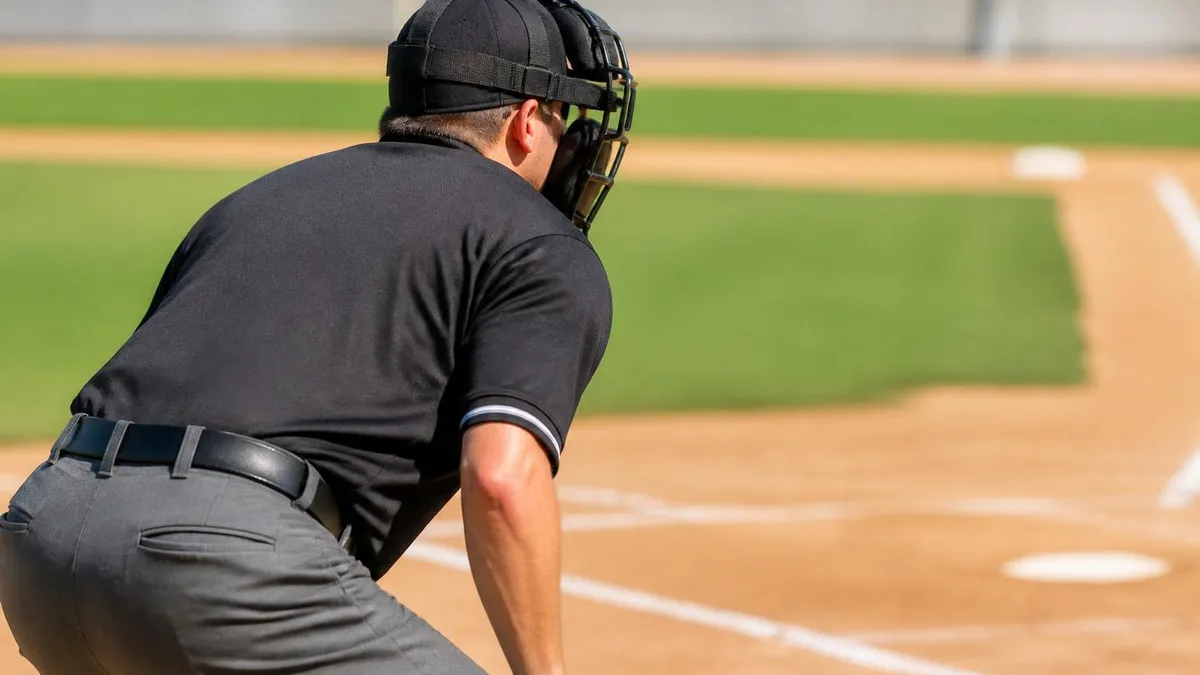
Umpire Gear: Complete Equipment Guide for Plate and Base Umpires

World Series Umpires: Who They Are, How They're Selected, and What It Takes to Work the Fall Classic
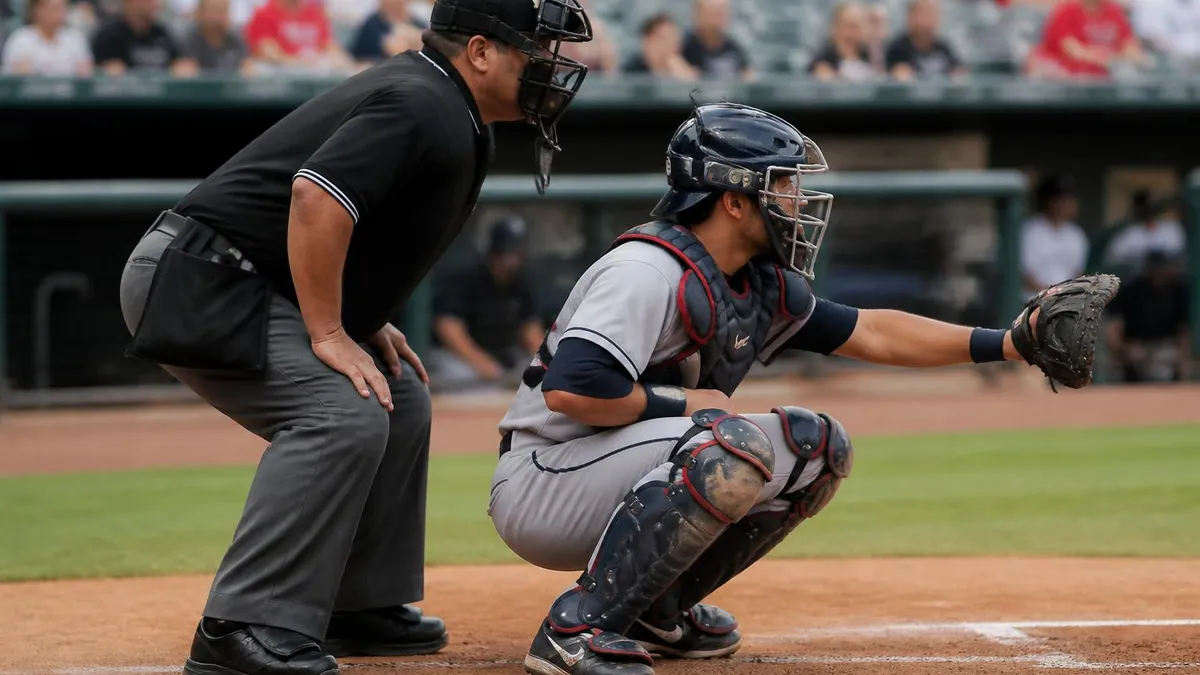
What Is an Umpire? Roles, Responsibilities, and How to Become One
About the Author

Educational Psychologist & Academic Test Preparation Expert
Columbia University Teachers CollegeDr. Lisa Patel holds a Doctorate in Education from Columbia University Teachers College and has spent 17 years researching standardized test design and academic assessment. She has developed preparation programs for SAT, ACT, GRE, LSAT, UCAT, and numerous professional licensing exams, helping students of all backgrounds achieve their target scores.