
Umpire Game Management: Everything You Need to Know About Running a Game Behind the Plate
🧠 Master umpire game management with tips on positioning, mechanics, calls, and game control. Prepare for certification with free practice questions.

The umpire game is the full scope of responsibilities an umpire carries from the moment they step onto the field to the final out of the last inning. It is far more than calling balls and strikes behind the plate. A complete umpire game includes managing player behavior, communicating clearly with coaches, applying the rulebook under pressure, and maintaining consistent mechanics across every inning. Whether you are pursuing certification or looking to sharpen your craft, understanding the full umpire game is the foundation of everything you will be tested on.
At the amateur level, umpires often work alone or in two-person crews, which means every umpire must be capable of handling situations that might otherwise be divided among three or four officials. This demands deep knowledge of the Official Baseball Rules, strong situational awareness, and the physical conditioning to stay in the right position throughout a three-hour game. The umpire game is not a passive role — it requires constant mental engagement, anticipation, and decisive action the moment a ruling is needed.
One of the most important skills in the umpire game is pre-pitch preparation. Before every pitch, a skilled umpire mentally processes the count, the number of outs, which base runners are on, and what force play or tag play possibilities exist. This mental checklist — performed automatically by experienced officials — ensures that when a ball is put in play, the umpire is never surprised. Rookies who skip this step are the ones who find themselves out of position on a double down the left field line.
Game management also involves knowing when to intervene and when to stay out of the way. Many younger umpires make the mistake of over-managing a game, inserting themselves into routine disagreements or allowing minor disputes to escalate because they feel the need to assert authority. Experienced umpires understand that calmly restating a call, maintaining eye contact, and keeping a neutral tone defuses 90 percent of situations before they become problems. Authority in the umpire game is demonstrated through consistency, not volume.
Mastering the umpire game also means developing sharp visual communication skills with your partner in a two-person crew. When your partner is on the bases and a fly ball is hit to the outfield, you must immediately communicate whether you are going out to track the ball or staying back to cover the plate. These verbal and visual signals between umpires prevent coverage gaps and eliminate confusion on close plays. Certification exams test this knowledge heavily, often presenting scenario-based questions where you must select the correct partner communication protocol.
Plate umpires carry unique pressure because they make the most frequent rulings in a game — every pitch results in a call. Research from professional umpiring programs shows that a typical seven-inning game involves between 250 and 300 pitch decisions, each one subject to scrutiny from coaches, players, and spectators. Developing a consistent strike zone that does not shrink with runners on base or expand in the bottom of the seventh is a mark of a professional-grade plate umpire. Certification programs evaluate zone consistency as a core competency.
Base umpires face a different set of challenges rooted in footwork, timing, and angle. The fundamental principle — get to your spot, set, then make the call — applies whether you are working a routine grounder to first or a bang-bang play at second base. Arriving early and being stationary when the ball arrives gives you the best possible angle and projects confidence to everyone watching. Understanding these mechanics at a conceptual level is critical for passing written and practical certification evaluations for the umpire game.
Umpire Game by the Numbers

Core Roles in the Umpire Game
Serves as crew chief in two-person games. Responsible for calling balls and strikes, fair/foul rulings near home plate, and tag plays at the plate. Sets the tone for the entire game through zone consistency and game management demeanor.
Covers first, second, and third base depending on crew configuration. Handles safe/out calls, fair/foul along the lines, catch/no-catch rulings on outfield fly balls, and assists the plate umpire on checked swings and appeal plays.
Umpires use verbal signals, eye contact, and hand indicators to share responsibility across the diamond. In a two-person crew, both umpires must understand rotation rules, fly-ball coverage, and when to switch responsibilities mid-play.
All umpires share authority to enforce playing rules including obstruction, interference, illegal pitches, and conduct violations. The plate umpire typically makes final rulings on appeals or disagreements within the crew after brief consultation.
Mechanics and positioning are the physical language of the umpire game. Without correct positioning, even an umpire with encyclopedic rule knowledge will make poor calls simply because they cannot see the play clearly. The most fundamental positioning rule for a plate umpire is the slot position: standing slightly inside the catcher's throwing shoulder, low enough to see the bottom of the strike zone, and stable enough to track every pitch from release to glove. Consistent slot position is the single most important habit a plate umpire can develop.
For base umpires working in a two-person crew, the starting position is typically between first and second base at a depth of roughly 15 to 18 feet behind the base path. This position, called the B position, gives the umpire clear sightlines to first base, second base, and most of the outfield. When a runner reaches first base, the base umpire typically moves to the C position — slightly deeper and shaded toward second — to be prepared for a potential force play or double play ball up the middle.
Rotation principles in a two-person crew are among the most complex topics on certification exams. When a ball is hit to the outfield with a runner on first base, the base umpire often goes out to track the fly ball while the plate umpire rotates to cover third base. This rotation only happens when the ball is hit past the infield grass, and it must be initiated with an audible verbal signal so the plate umpire knows to move. Missing the rotation trigger is a common error in practical certification assessments.
Tag plays require a completely different mechanic than force plays. On a force play at first base, the umpire watches the bag while listening for the sound of the ball hitting the glove, using peripheral vision to read the fielder's foot coming off the base.
On a tag play, the umpire must track the ball from the moment it leaves the infielder's hand, watch the tag application, and determine whether the runner's body part was touching the base at the moment contact was made. These are two entirely separate visual and cognitive processes, and training programs spend significant time helping umpires develop each one distinctly.
The fair-foul ruling is another positioning-dependent call that trips up newer umpires. When a batted ball rolls toward the third base line, the plate umpire must be in front of the play — positioned down the line — to have a correct angle. Watching from behind home plate produces a distorted view that leads to missed calls. Certification programs consistently emphasize that the biggest cause of incorrect fair-foul rulings is failure to hustle into the proper angle before the ball reaches the chalk.
Checked swing appeals are a two-person mechanic that requires both umpires to be on the same page. When a batter holds up a swing and the catcher or manager appeals to the base umpire, the base umpire must immediately give a clear, confident ruling on whether the batter broke their wrist and committed to the swing. Hesitation on this call looks indecisive and invites argument. Certification programs recommend that umpires establish a clear personal standard for what constitutes a committed swing and apply it consistently every time, regardless of the count or situation.
Timing is often called the most underrated skill in the umpire game. Every experienced official will tell you that the best way to look confident is to pause for one beat after a close play before making the call. This brief hesitation — sometimes called the timing mechanic — allows the umpire's brain to process what the eyes just saw and reduces the number of calls that need to be corrected on immediate review. Rushed calls are the leading cause of reversed rulings in certification practical exams, and developing strong timing habits early in a career pays dividends for years.
Key Umpiring Situations Explained
Interference occurs when a batter, runner, or spectator impedes a fielder's opportunity to make a play on a batted or thrown ball. In most cases, the umpire declares the interfering player out and returns other runners to their last legally occupied base. Catcher's interference — called when the catcher's mitt contacts the batter's swing — results in a delayed dead ball, with the batter awarded first base if the result of the play is not more favorable to the offense.
Fan interference presents a more nuanced scenario. If a spectator reaches over the playing field boundary and contacts a live ball, the umpire must determine what would have happened without the interference and award bases accordingly. A ball that would have been a home run results in a ground rule home run. A catchable fly ball results in an out. Umpires must make these rulings quickly, confidently, and with a clear explanation to both managers to prevent prolonged arguments from disrupting the game.

Pros and Cons of Working the Plate vs. the Bases
- +Plate umpires have the most control over game pace through ball-strike calls
- +Plate work builds the deepest understanding of pitcher and batter tendencies
- +Calling a complete game behind the plate is highly respected by coaches and players
- +Plate umpires are typically crew chief in two-person assignments, building leadership skills
- +Strike zone consistency is immediately measurable and improvable with video review
- +Plate experience is the primary factor evaluated in umpire promotion decisions
- −Plate umpires absorb foul tips, wild pitches, and passed balls throughout the game
- −Zone consistency demands extreme concentration over 250+ pitches per game
- −Every close pitch invites a reaction from the dugout, making conflict management constant
- −Equipment costs for plate gear run $400–$800 for quality protective equipment
- −Physical fatigue from crouching accumulates over a doubleheader or multi-game weekend
- −Plate calls are the most scrutinized by fans, coaches, and video review systems
Umpire Game Management Checklist
- ✓Arrive at the field at least 30 minutes before first pitch to inspect the diamond and equipment
- ✓Meet with both managers before the game to exchange lineup cards and clarify ground rules
- ✓Confirm the number of outs and base runner positions in your mental checklist before every pitch
- ✓Communicate your partner rotation signals clearly before the first pitch of each half-inning
- ✓Issue a warning before ejecting a player or coach whenever the rules permit it
- ✓Document the count, outs, and runner positions before addressing any disputed ruling
- ✓Use the timing mechanic — pause one beat — before announcing every close call
- ✓Maintain consistent slot position behind the plate through all 7 or 9 innings
- ✓Call time before approaching a manager to discuss a ruled play or answer a question
- ✓Complete and submit your game report within 24 hours, including any ejections or protests
Timing Is the Umpire's Most Underrated Skill
Studies of common certification exam failures show that rushed calls — not rule ignorance — are the number one reason candidates miss practical assessments. Develop the habit of pausing one full second after every bang-bang play before making your call. That single habit will eliminate the majority of prematurely reversed decisions in your career.
Developing your umpire game over time is a deliberate process that requires structured self-evaluation, mentorship, and consistent reps at increasingly competitive levels. Most professional-track umpires begin their careers working youth leagues and recreational softball before advancing to high school varsity ball, then community college, then four-year college programs. Each level introduces new complexity — faster pitching, sharper breaking balls, more sophisticated plays, and more intense coaching staff interactions. The progression is designed to build skills gradually rather than throwing umpires into situations they are not yet equipped to handle.
Video review has transformed how umpires develop their craft at every level. Many state associations now require umpires to submit self-evaluation videos as part of their continuing education requirements. Watching yourself on video reveals habits that are invisible in the moment — leaning before the pitch, rising out of the slot, turning away from tag plays prematurely, or drifting your starting position game after game. Even a single 30-minute video review session per month can produce measurable improvements in positioning and timing over a full season.
Mentorship programs are among the most effective development tools available to umpires who want to accelerate their growth. Working with an experienced evaluator who can observe you live and provide specific, actionable feedback is qualitatively different from self-review or written test preparation. Many state and regional associations pair newer officials with certified clinician-umpires who watch games, take notes, and meet with the umpire afterward to discuss specific calls, positioning decisions, and game management moments that stood out — both positively and negatively.
The mental side of the umpire game receives far less training time than it deserves. Umpires who let a difficult first-inning call affect their concentration for the rest of the game are said to be carrying the call, and it is one of the most destructive patterns in officiating psychology.
The ability to reset after a controversy — acknowledge to yourself that the call was correct or incorrect, file it away, and return full attention to the next pitch — is a skill that must be trained explicitly, not simply hoped for. Breathing techniques, pre-pitch routines, and post-game journaling are all tools experienced officials use to manage the mental load.
Physical fitness is another underappreciated component of developing a strong umpire game. A plate umpire who gets tired in the seventh inning will begin to unconsciously shrink their strike zone to speed up at-bats. A base umpire who lacks the lateral quickness to get into position on balls hit in the gap will find themselves making calls from poor angles. Maintaining cardiovascular fitness, lower-body strength, and lateral mobility through the off-season directly translates into better positioning and call quality during the season. Many elite umpires treat their physical preparation with the same seriousness as the players on the field.
Rulebook study is non-negotiable for anyone who wants to advance in the umpire game. The Official Baseball Rules are updated annually, and changes — sometimes subtle, sometimes significant — must be incorporated into your working knowledge before the season begins. Effective rulebook study is not passive reading.
It involves reading a rule, closing the book, and reciting the rule in your own words. Then it involves imagining a game scenario where that rule applies and mentally working through the correct application. This active study approach produces far better retention than simple review and is the method recommended by most certified umpire instructors.
Finally, every umpire should embrace the habit of seeking feedback from coaches, players, and fellow officials after games. This requires setting ego aside — something that does not come naturally to people in a role that demands authority. But coaches who respect an umpire's commitment to improvement will give honest, useful feedback that no rulebook or video can replicate. The umpires who advance fastest are invariably the ones who are most coachable, most willing to say after a game, what could I have done better on that play?

Most state umpire associations require pre-season certification clinic attendance and written exam completion before an umpire can be assigned to any sanctioned game. Deadlines typically fall 6–8 weeks before Opening Day. Missing the deadline often means sitting out an entire season. Check your association's registration portal in January to confirm current requirements and exam dates before slots fill up.
Preparing for umpire certification requires a multi-layered approach that covers written rule knowledge, practical mechanics, and situational decision-making. The written component of most certification exams consists of 50 to 100 multiple-choice questions drawn from the Official Baseball Rules and the associated case book. Questions are designed to test not just rule memorization but the ability to apply rules correctly when multiple factors interact — for example, what happens when obstruction and interference occur on the same play, or how to handle a balk called simultaneously with a pitch that the batter swings at for a strike.
Practical mechanics evaluations are conducted at certification clinics and typically involve umpires working simulated game scenarios with evaluators watching from the dugout or field. Evaluators score candidates on starting position, movement to the correct angle, timing of the call, signal clarity, and game management demeanor. Candidates who score below a threshold on any single category may be required to repeat the clinic before receiving certification, even if their written score was strong. This is why practicing mechanics in real game situations before the clinic — not just reading about them — is essential for first-time candidates.
The case book is the second most important document for certification preparation, yet many candidates overlook it in favor of the base rulebook alone. The case book provides official interpretations of how specific rules apply in edge-case scenarios, and certification exams regularly pull questions directly from case book rulings. For example, the case book clarifies exactly what constitutes a legal slide into second base on a double play attempt, which is a scenario with several interacting rules that the base rulebook alone does not fully resolve. Read the case book cover to cover at least twice before your exam.
Simulation-based practice — using written scenarios or online practice question sets — is one of the most effective ways to prepare for the written portion of the exam. When you encounter a scenario question, resist the urge to immediately look up the answer. Instead, work through the logic: what rule section applies, what is the normal outcome, and are there any exceptions that modify the result in this scenario? Developing this structured reasoning process prepares you not just for the exam but for real-game situations where you cannot consult the rulebook before making a call.
Group study with other certification candidates accelerates learning in ways that solo study cannot match. When you explain a rule to another person, you are forced to articulate it clearly and confront the gaps in your own understanding. Study groups that role-play as umpire and manager — with one person explaining a ruling and the other playing a skeptical coach — simulate the real pressure of game management better than any other preparation method. This technique also builds the verbal communication skills that evaluators assess during practical components of certification.
After passing your initial certification, continuing education becomes the primary driver of advancement in the umpire game. Most associations require recertification every one to three years through clinics, exams, or a combination of both. Umpires who pursue additional certifications — such as NFHS certification for high school play or NCAA certification for college games — open doors to higher-profile assignments, greater visibility to evaluators, and eventually, consideration for post-season assignments. Each new certification is an opportunity to refine your mechanics and update your rule knowledge in a structured, evaluated environment.
The most decorated umpires at every level share one characteristic: they never stopped treating their development as a work in progress. The game evolves, rules change, and the situational complexity of high-level play demands that umpires continue growing alongside it. Whether you are preparing for your first certification exam or working toward advancement to a higher division, approaching the umpire game with a growth mindset — combined with disciplined study, physical preparation, and active mentorship — is the surest path to a long, respected officiating career.
Practical tips for improving your umpire game start before you ever get to the field. The night before a game, review any unusual ground rules for the venue, confirm your partner's contact information, and spend five minutes mentally rehearsing the rotation protocols and communication signals you will use. This brief mental preparation routine reduces cognitive load during the game and makes your in-game decisions faster and more confident. Elite umpires treat pre-game preparation as non-negotiable, not optional.
During warm-ups, use the time to calibrate your eye on the pitcher's release point and the catcher's framing tendencies. Every pitcher has a slightly different arm slot and release zone, and identifying these early allows you to track the ball more accurately once live pitching begins. Watch the catcher's mitt position and movement — catchers who aggressively pull pitches toward the strike zone can distort your perception if you are not actively compensating for the visual misdirection. Being aware of this early in the game keeps your zone honest throughout.
Between innings is prime time for active recovery and mental reset. Walk briskly to your position rather than ambling, use the time to confirm the count and outs are correctly posted on the scoreboard, and take three deep breaths to clear any residue from a contentious previous half-inning. Umpires who use between-inning time productively maintain sharper focus across a full game than those who treat it as passive rest. The physical movement also helps prevent the lower body stiffness that accumulates from the semi-static positioning of plate work.
Conflict management is a practical skill that every umpire must develop through repetition. When a coach approaches you following a close call, the most effective de-escalation tool is active listening — let the coach finish their initial statement before responding. Then restate what you heard: you are saying you felt the runner beat the throw to first base. By demonstrating that you heard the concern, you reduce the emotional temperature before explaining your ruling. Coaches who feel genuinely heard are significantly more likely to accept an explanation and return to the dugout without further incident.
Developing a consistent pregame routine with your partner is one of the most practical investments you can make in your umpire game. Before the home plate meeting, take five minutes in a quiet spot with your partner to review the ground rules, your communication signals, the rotation protocol for this crew configuration, and how you will handle potential conflict scenarios. Umpiring partners who have aligned expectations going into a game work together more smoothly and cover each other's blind spots far more effectively than pairs who simply show up and start working.
Tracking your own performance data over a season can provide insights that no coach or evaluator can give you. Keep a simple log after each game — note which calls you were most confident in, which situations created hesitation, whether your starting position felt correct, and any feedback you received from coaches or partners. After 20 or 30 games, patterns will emerge. Maybe you consistently feel out of position on bunt plays. Maybe your fair-foul angles at third base are a persistent weakness. Data-driven self-awareness turns vague ambitions to improve into specific, addressable development targets.
Finally, invest in quality equipment early in your career. Plate gear that fits properly protects your body and allows you to maintain the slot position without compromising comfort. A chest protector that is too large will push you out of the slot; shin guards that are too loose will shift during play and require adjustment mid-inning. Visit an umpire supply retailer or consult a certified fitter before purchasing your first plate set. The right gear is not a luxury — it is a safety requirement and a performance tool that will serve you for a decade if maintained properly.
Umpire Questions and Answers

Umpire Signals: The Complete Visual Guide to Every Call Behind the Plate and on the Bases
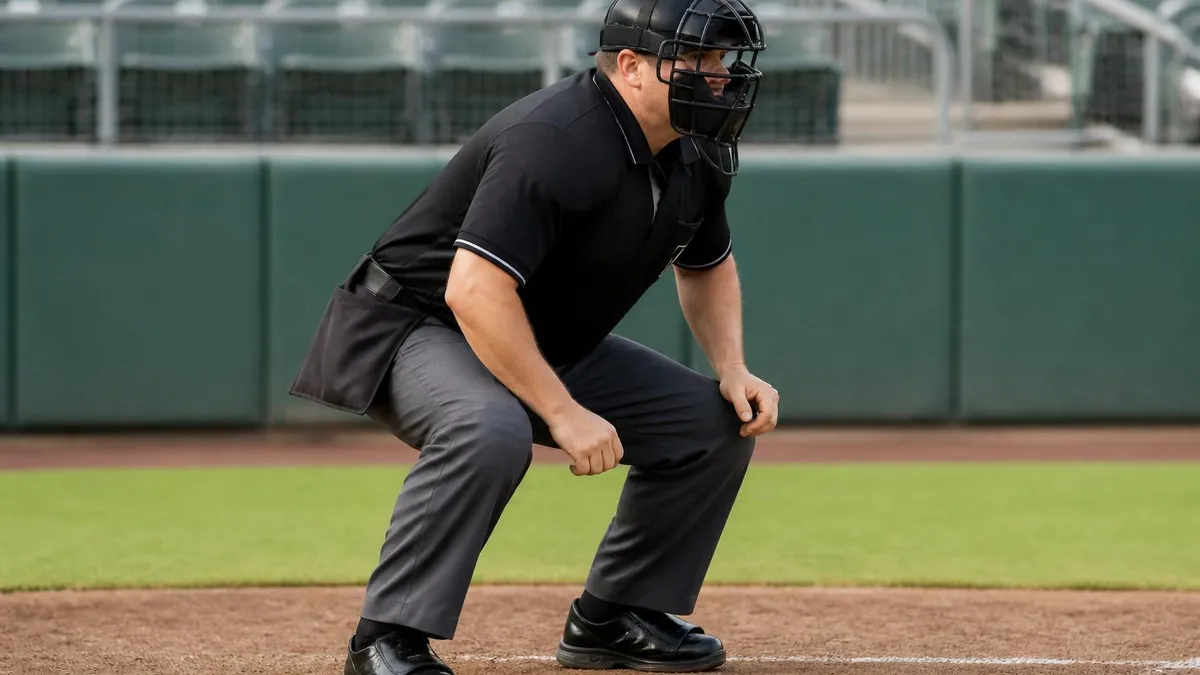
Umpire News: Profession, Career, and Industry Updates
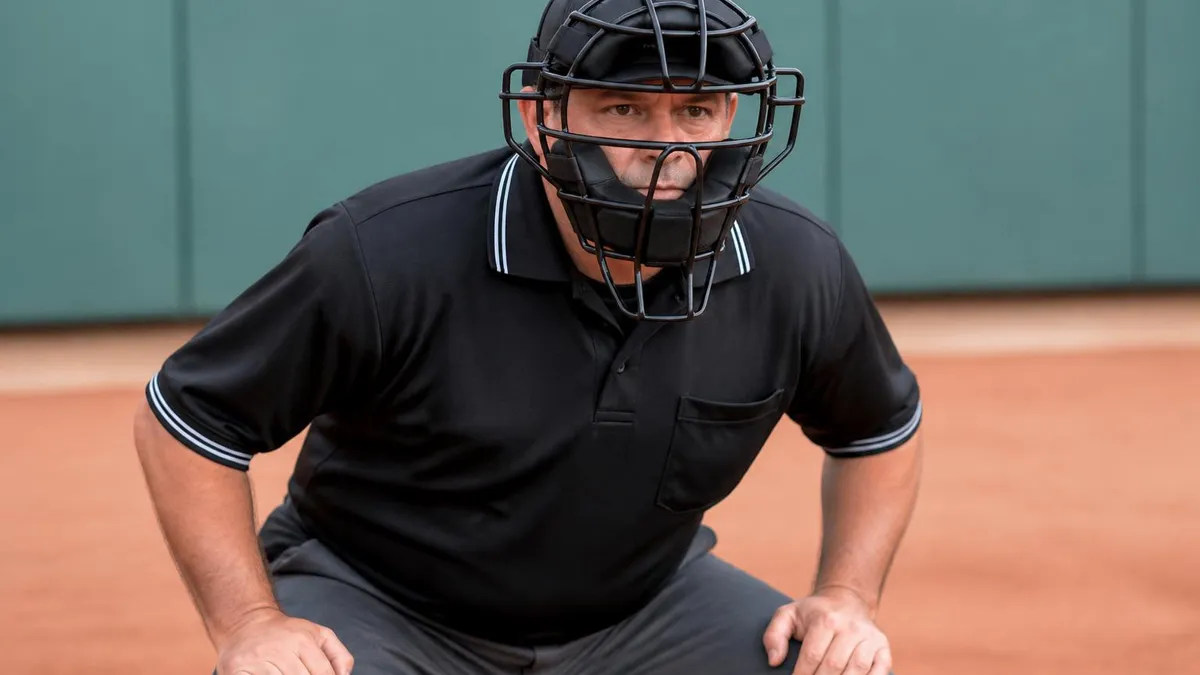
Umpire: What It Means, Types, and How to Get Certified

Umpire Gear: Complete Equipment Guide for Plate and Base Umpires
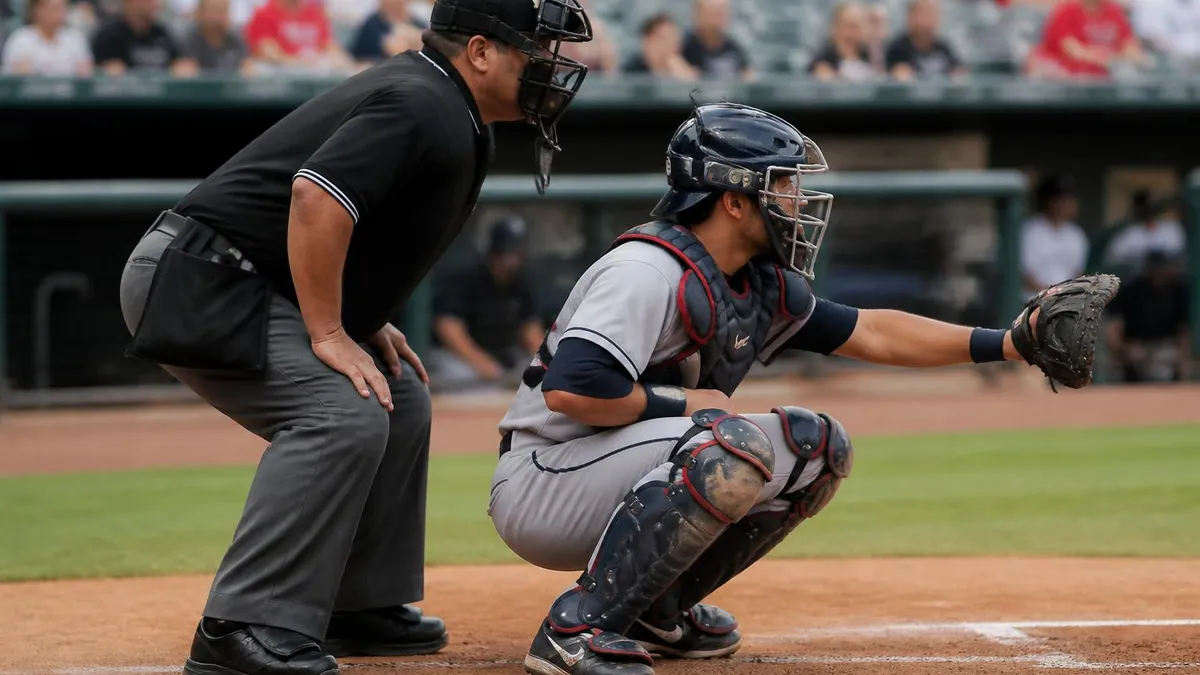
What Is an Umpire? Roles, Responsibilities, and How to Become One
About the Author

Educational Psychologist & Academic Test Preparation Expert
Columbia University Teachers CollegeDr. Lisa Patel holds a Doctorate in Education from Columbia University Teachers College and has spent 17 years researching standardized test design and academic assessment. She has developed preparation programs for SAT, ACT, GRE, LSAT, UCAT, and numerous professional licensing exams, helping students of all backgrounds achieve their target scores.