
What Is a Paramedical Exam? Paramedic Salary, Career Path, and How to Become a Paramedic
What is a paramedical exam? Learn paramedic salary, EMT vs paramedic differences, how to become a paramedic, and top study tips. 🎓

Understanding what is a paramedical exam is the essential first step for anyone considering a career in emergency medical services. A paramedical exam is a standardized licensure assessment that certifies whether a candidate possesses the clinical knowledge, critical thinking ability, and procedural competence required to work as a licensed paramedic in the United States. These exams are administered by the National Registry of Emergency Medical Technicians (NREMT) and serve as the gateway credential accepted in most states for entry-level paramedic practice.
Paramedic salary is one of the most searched topics among aspiring EMS professionals, and for good reason. According to the Bureau of Labor Statistics, the median annual wage for paramedics and EMTs in 2024 was approximately $46,770, with experienced paramedics in high-cost metropolitan areas earning well above $64,000 per year. Factors such as overtime, specialty certifications, and employer type — fire department, private ambulance, or hospital-based EMS — all significantly influence how much do paramedics make over a full career.
The difference between emt and paramedic is more than just a title. EMTs at the basic level can provide essential life-saving care including CPR, oxygen therapy, bleeding control, and automated defibrillation. Paramedics, by contrast, are trained to perform advanced interventions such as endotracheal intubation, intravenous medication administration, cardiac monitoring interpretation, and surgical airway management. This expanded scope of practice is why paramedics must pass a significantly more demanding national certification exam than basic EMTs.
The journey through paramedic school is rigorous but highly rewarding. Accredited paramedic programs typically require a minimum of 1,200 hours of classroom instruction, skills lab practice, and clinical rotations — a substantial commitment that prepares graduates for the intensity of the field. Programs are offered at community colleges, technical schools, and fire academies across all fifty states. Most programs require students to hold an active EMT-Basic certification before enrollment, making the EMT credential a necessary prerequisite on the path to full paramedic licensure.
For anyone exploring the ambulance technician vs paramedic distinction, the key difference lies in scope of practice, training depth, and the types of calls each provider handles independently. In the United Kingdom, ambulance technicians occupy a role similar to EMT-Basic in the U.S., while paramedics there also carry an advanced practice designation. In the American context, understanding this distinction matters most when choosing which certification level to pursue and which exam to prepare for, since each level requires a different depth of study and carries different professional responsibilities.
Many students rely on a paramedic coach — a structured online or in-person tutoring resource — to guide their preparation for the NREMT paramedic exam. Paramedic coaches use adaptive learning tools, practice question banks, and targeted review of high-yield topics like pharmacology, airway management, and cardiology to accelerate exam readiness. Whether you use a dedicated coaching platform or self-study with high-quality materials, consistent daily practice with realistic exam questions is the most reliable predictor of first-attempt pass rates on the national registry exam.
This article walks you through every dimension of the paramedic profession and exam: salary benchmarks broken down by state and setting, the EMT vs paramedic comparison in clinical detail, step-by-step guidance on how to become a paramedic, and targeted study strategies to maximize your score. You will also find curated apps paramedical resources and free practice question sets to sharpen your readiness before exam day.
Paramedic Career by the Numbers

Paramedic Salary by Employment Setting
Firefighter-paramedics at municipal fire departments often earn the highest total compensation, with median salaries ranging from $58,000 to $85,000 annually when union benefits, overtime, and pension contributions are included.
Private EMS agencies employ the largest share of paramedics in the U.S. Base salaries typically range from $38,000 to $55,000, with significant variation depending on geography, call volume, and whether ALS or BLS transport is the primary service.
Hospital system-employed paramedics often receive comprehensive benefits packages. Salaries generally mirror private services but include better access to continuing education stipends, health insurance, and advancement into critical care transport or flight roles.
Flight and critical care transport paramedics represent the top earning tier in EMS. After obtaining additional certifications like FP-C or CCP-C, experienced paramedics in these roles can earn $65,000 to $95,000 or more per year.
The emt vs paramedic debate is one that every aspiring EMS provider must understand clearly before choosing a training pathway. An Emergency Medical Technician at the basic level receives approximately 120 to 150 hours of training and is authorized to perform non-invasive interventions: oxygen administration, bleeding control, patient assessment, spinal immobilization, and operation of an automated external defibrillator. EMTs form the backbone of the nation's 911 response system and are vital first responders on virtually every emergency scene.
A paramedic, on the other hand, completes a program that is roughly eight to ten times longer in training hours and encompasses advanced pharmacology, 12-lead ECG interpretation, needle thoracostomy, rapid sequence intubation, and the administration of dozens of controlled substances. The paramedic vs emt distinction is not merely academic — it defines the level of care a patient receives during the critical minutes before hospital arrival. In cardiac arrest situations, for example, paramedics can administer epinephrine and antiarrhythmic drugs that EMTs cannot, potentially doubling survival odds in certain presentations.
The difference between emt and paramedic also plays out in the certification exams themselves. The NREMT EMT cognitive exam contains 70 to 120 questions and is computer-adaptive. The NREMT paramedic cognitive exam spans 80 to 150 questions and covers six major content domains: airway and breathing, cardiology and resuscitation, trauma, medical emergencies, EMS operations, and special patient populations. Both exams use a pass/fail adaptive algorithm, but the paramedic exam demands a substantially higher level of clinical reasoning rather than simple recall.
Paramedic pay is also meaningfully higher than EMT compensation across virtually every employer type and geographic market. Nationally, the median wage for paramedics is approximately 25 to 40 percent higher than for EMTs, and the gap widens further when specialty certifications are added. An advanced EMT (AEMT) sits between the two levels in both scope and compensation, but most career-oriented EMS professionals view AEMT certification as a stepping stone rather than a destination, aiming ultimately for full paramedic credentials.
Choosing between the two levels also depends heavily on your long-term goals. If you envision a career in emergency nursing, physician assistant practice, or medicine, starting as a paramedic provides far more clinical exposure and a stronger foundation for medical school admissions. If your goal is to become a firefighter who also provides EMS, many departments accept EMT-Basic as the entry credential, though increasingly, fire departments prefer or require paramedic certification at hire. Either way, passing the NREMT exam with a strong score is the non-negotiable first milestone.
Preparation strategy differs significantly between the two exams. EMT candidates can often succeed with four to six weeks of focused self-study using quality question banks and skill reviews. Paramedic candidates, by contrast, typically need three to six months of structured preparation, often working alongside a paramedic coach who can guide them through high-yield pharmacology, dysrhythmia recognition, and trauma assessment algorithms. The volume of material is simply too large for last-minute cramming to be effective at the paramedic level.
Whether you are currently an EMT weighing an upgrade or a pre-EMS student choosing your first certification, understanding the full scope of each credential helps you make a career decision aligned with your ambitions and the time investment you are ready to commit. Resources like free practice exams and printable study guides — including those you can access as apps paramedical tools — make it easier to assess your readiness and identify knowledge gaps before the real exam.
Paramedic School: Programs, Cost, and Requirements
Paramedic school programs are offered through three primary institutional pathways: community colleges, technical and vocational institutes, and fire academy training programs. Community college programs typically award an Associate of Applied Science in Emergency Medical Services and run 18 to 24 months, combining classroom instruction, simulation labs, and clinical rotations at hospitals and 911 agencies. These programs often qualify for federal financial aid, including Pell Grants and subsidized loans, making them accessible to a wide range of students regardless of financial background.
Technical institute programs tend to compress the same NREMT-required curriculum into 12 to 18 months of full-time study, which appeals to working EMTs who want to minimize time away from the field. Fire academy paramedic programs are typically reserved for current firefighters or fire academy cadets and focus on integrating paramedic skills with fire suppression operations. Regardless of the program type you choose, all accredited programs must meet the National EMS Education Standards established by the U.S. Department of Transportation, ensuring a consistent baseline of competency across all graduates.

Is Becoming a Paramedic Worth It? Pros and Cons
- +High job demand with strong employment security in both urban and rural markets
- +Direct impact on patient outcomes — paramedics save lives every shift
- +Clear career advancement pathway into flight EMS, critical care transport, and healthcare management
- +Paramedic training builds clinical skills valued in nursing, PA, and medical school applications
- +Diverse work environments including fire departments, hospitals, and event medicine
- +Overtime opportunities can significantly boost annual earnings above base paramedic pay
- −Entry-level paramedic salary in private EMS is often lower than comparable healthcare roles
- −Physical demands and irregular shift schedules contribute to high burnout rates in EMS
- −Exposure to traumatic events creates improved risk of PTSD compared to many professions
- −Paramedic school is a significant time commitment requiring at least 1,200 training hours
- −NREMT exam has a first-attempt pass rate below 60%, requiring serious preparation
- −Continuing education hours are required each recertification cycle to maintain licensure
Pros and Cons at a Glance
| Pros | Cons |
|---|---|
| High job demand with strong employment security in both urban and rural markets | Entry-level paramedic salary in private EMS is often lower than comparable healthcare roles |
| Direct impact on patient outcomes — paramedics save lives every shift | Physical demands and irregular shift schedules contribute to high burnout rates in EMS |
| Clear career advancement pathway into flight EMS, critical care transport, and healthcare management | Exposure to traumatic events creates improved risk of PTSD compared to many professions |
| Paramedic training builds clinical skills valued in nursing, PA, and medical school applications | Continuing education hours are required each recertification cycle to maintain licensure |
How to Become a Paramedic: Complete Step-by-Step Checklist
- ✓Earn your high school diploma or GED as the foundational academic requirement
- ✓Complete an accredited EMT-Basic program (120-150 hours) and pass the NREMT EMT exam
- ✓Accumulate at least 6-12 months of active EMT field experience to strengthen your clinical skills
- ✓Research CAAHEP or CoAEMSP-accredited paramedic programs in your state and compare costs
- ✓Submit your paramedic program application with all required documents, including background check
- ✓Complete all required classroom, simulation lab, and clinical rotation hours (minimum 1,200 hours total)
- ✓Apply to take the NREMT paramedic cognitive and psychomotor skills examinations
- ✓Pass the NREMT paramedic exam with a score meeting your state's licensure threshold
- ✓Submit your state paramedic licensure application with NREMT credentials and required fees
- ✓Maintain licensure by completing required continuing education hours every two-year recertification cycle
The NREMT Paramedic Exam Is Adaptive — Every Question Matters
The NREMT paramedic cognitive exam uses computer-adaptive testing, which means the algorithm adjusts question difficulty based on your previous answers. You cannot go back and change answers, and the exam ends when the algorithm is statistically confident in a pass or fail determination — not when you finish a fixed number of questions. This means consistent, high-quality performance throughout is more important than any single correct answer.
The NREMT paramedic cognitive exam is the most challenging standardized test in the prehospital emergency medicine field, and understanding its format is essential to building an effective study plan. The exam uses computer-adaptive testing (CAT), presenting between 80 and 150 questions drawn from six content domains. The algorithm continuously recalibrates question difficulty based on your running performance, meaning strong early performance can shorten the exam, while inconsistent answers may push the exam toward its maximum length.
The six content areas tested on the NREMT paramedic exam are: Airway, Respiration, and Ventilation (18-22% of questions); Cardiology and Resuscitation (19-23%); Trauma (14-18%); Medical and Obstetrics/Gynecology (27-31%); EMS Operations (10-14%); and special patient populations embedded throughout. The Medical domain is by far the largest and covers pharmacology, toxicology, behavioral emergencies, neurological emergencies, and endocrine crises — areas where many candidates find their weakest performance.
Effective preparation for the paramedic exam requires a multi-modal approach. Begin by taking a full-length diagnostic practice test to establish your baseline score across all content domains. Most candidates find their lowest scores in pharmacology and cardiology, and these domains should receive the most study time proportionally. Use spaced repetition flashcard systems to memorize drug names, mechanisms, doses, and contraindications — a task that cannot be accomplished in a single study session but becomes manageable with 20 to 30 minutes of daily review over several weeks.
Simulated patient scenario practice is just as important as question-bank drilling. The NREMT has progressively moved toward higher-order application questions that present a patient scenario and ask you to identify the best next action, not simply recall a fact. Practicing with scenario-based cases — where you must sequence assessment, identify the working diagnosis, choose the intervention, and anticipate complications — builds the clinical reasoning skills the exam specifically rewards. Working with a paramedic coach or a structured adaptive learning platform that provides detailed rationales for both correct and incorrect answers accelerates this reasoning development significantly.
The psychomotor skills exam is a separate component from the cognitive test and requires candidates to demonstrate hands-on competency in five randomized skill stations. These include patient assessment and management (either trauma or medical presentation), airway and ventilation management, static cardiology (rhythm interpretation and treatment decision), IV and medication administration, and a fifth skill selected randomly from a list including pediatric intraosseous access, spinal immobilization, and bleeding control.
Each station is timed and scored by certified evaluators using a nationally standardized skill sheet, and any critical fail — such as failing to open an airway or administering a medication to the wrong patient — results in immediate station failure regardless of all other correct steps.
Candidates who fail the NREMT paramedic cognitive exam on their first attempt have a pathway to retest, but the process requires a mandatory waiting period and, after three failed attempts, completion of a remediation program approved by the NREMT before further attempts are permitted. This underscores the importance of thorough preparation before the first attempt rather than treating the initial exam as a diagnostic event. National data consistently shows that candidates who score above 70% on multiple full-length practice exams before their test date have significantly higher first-attempt pass rates than those who attempt the exam with inadequate preparation.
Beyond question practice, physical and mental preparation for exam day itself is frequently overlooked. Arriving rested, having eaten a balanced meal, and managing test anxiety through structured breathing techniques can meaningfully affect performance on a computer-adaptive exam where early question performance has an outsized effect on the final outcome. Many testing centers offer a brief tutorial before the exam begins — use this time to settle your nerves and calibrate your pace rather than rushing into the first question without a moment of deliberate focus.

The NREMT allows candidates a maximum of six attempts to pass the paramedic cognitive exam within a two-year eligibility window from program completion. After three failed attempts, candidates must complete a NREMT-approved remediation program before additional attempts are granted. Failing to pass within the eligibility window requires repeating the paramedic program. Plan to be exam-ready before your first attempt — not after it.
Paramedic pay and career advancement opportunities have expanded significantly over the past decade as hospital systems, air medical programs, and specialized EMS agencies have developed new roles for experienced paramedics. The traditional career ceiling of field supervisor or field training officer has given way to a much broader landscape of opportunities including critical care transport, community paramedicine, tactical EMS, event medicine, and clinical education. Each of these specialty tracks typically requires additional certification and experience but comes with meaningfully higher compensation and often more predictable working conditions.
Community paramedicine — also known as mobile integrated healthcare — is one of the fastest-growing specialty areas in EMS. Community paramedics conduct home visits to frequent 911 callers, manage chronic disease patients between physician appointments, and conduct post-discharge follow-up for high-risk hospital patients. This role requires a Community Paramedic (CP-C) certification earned through the International Board of Specialty Certifications (IBSC) and commands salaries of $55,000 to $75,000 in most markets, with many positions offering standard business-hour schedules rather than rotating shift work.
Flight paramedics represent another elite specialty with both the highest compensation and the most demanding qualification requirements. To become eligible for a flight paramedic position, candidates typically need five or more years of ALS field experience, a minimum annual call volume requirement, current ACLS, PALS, PHTLS, and NRP certifications, and successful completion of a Flight Paramedic Certified (FP-C) examination. Flight programs typically respond to the most critical patients — multi-system trauma, STEMI transfers, stroke activations, and premature births — making the role both professionally demanding and exceptionally rewarding.
The paramedic to registered nurse bridge pathway is an increasingly popular advanced career option. Many states allow experienced paramedics to challenge specific nursing prerequisite courses or enter LPN-to-RN bridge programs with accelerated credit for their clinical background. Some nursing schools offer formal paramedic-to-RN bridge tracks that can be completed in as few as 12 to 18 months for paramedics who have already completed college-level anatomy, physiology, and microbiology courses. This pathway allows paramedics to transition into hospital nursing roles that offer higher base salaries and different scheduling structures than most EMS positions.
How much do paramedics make in the highest-paying states? According to 2024 BLS data, the top five states for paramedic wages are Washington ($75,000 median), Hawaii ($71,000), Maryland ($67,000), Massachusetts ($65,000), and Alaska ($63,000). These figures reflect cost-of-living differences but also the strength of union representation in those states' EMS systems. By contrast, the lowest-paying states for paramedics — primarily in the rural South and Midwest — show median wages below $38,000, highlighting the significant geographic disparity in EMS compensation across the country.
Negotiating your paramedic pay effectively requires understanding your market value relative to local cost of living, the employer's reimbursement structure (fee-for-service versus government subsidized), and whether union representation is available at the agency you are joining. New paramedic graduates often accept the posted base rate without negotiation, leaving money on the table.
Certifications like ACLS instructor, PHTLS instructor, or WEMT (Wilderness EMT) add immediate value to your employment profile and provide use for higher starting salaries even at entry-level positions. Professional development investment compounds over a career in ways that make a $2,000 to $5,000 annual certification cost yield returns of $3,000 to $10,000 in higher annual wages.
For paramedics looking to maximize their earning potential while remaining in the field, overtime is a powerful lever. Many EMS agencies experience chronic staffing shortages that create consistent overtime opportunities for willing employees. A paramedic earning a $48,000 base salary in a market with abundant overtime at 1.5x the hourly rate can realistically achieve $60,000 to $70,000 in total annual compensation by accepting additional shifts. Tracking your total compensation — base, overtime, stipends, and benefits — rather than focusing solely on base pay provides a more accurate picture of your true earning potential at any given employer.
Building a high-performance study plan for the paramedic exam requires more than simply reading textbooks from cover to cover. The most successful candidates use a structured, evidence-based approach that combines spaced repetition, active recall, practice testing under timed conditions, and targeted review of personal weak areas. Begin your preparation at least twelve weeks before your intended exam date, and build in buffer time for unexpected delays such as additional skills lab practice or a remediation session with a paramedic coach before your final exam attempt.
In weeks one through three, focus entirely on content review across all six NREMT domains. Work through your program's primary textbook systematically, creating a summary sheet for each major topic that includes key assessment findings, differential diagnoses, and treatment protocols. Pay particular attention to pharmacology during this phase, since memorizing drug indications, dosages, routes, and contraindications requires the most repetition and the longest retention runway. Use flashcard apps like Anki with pre-built paramedic pharmacology decks to reinforce this material daily without requiring large blocks of study time.
In weeks four through eight, shift your primary study activity to practice question banks. Aim for a minimum of 50 to 75 questions per day, reviewing every question thoroughly — not just the ones you got wrong, but also the ones you got right to understand why the correct answer is definitively better than the distractors. Quality rationale explanations are the key differentiator between useful question banks and low-value ones. Platforms that explain the clinical reasoning behind each answer choice — including why each wrong answer is plausible but incorrect — build the exam-taking sophistication that adaptive testing demands.
In weeks nine through eleven, run full-length simulated exams under authentic testing conditions: timed, no interruptions, no looking up answers mid-exam. Score yourself rigorously and use the results to identify any persistent domain weaknesses that require a final intensive review. At this stage, resist the urge to introduce entirely new study materials and instead focus on consolidating and sharpening what you have already learned. Return to your pharmacology summaries, practice dysrhythmia recognition drills until every rhythm is instantaneously identifiable, and rehearse trauma assessment using the ITLS and PHTLS frameworks until the sequence is automatic.
In the final week before your exam, reduce new content study and focus on active recall and confidence-building. Take one final full-length practice exam early in the week to confirm your readiness, then spend the remaining days reviewing your summary sheets, doing light flashcard review, and getting adequate sleep. Sleep deprivation is one of the most underrated performance impairers on cognitive exams — a well-rested candidate who has studied adequately will consistently outperform a sleep-deprived candidate with superior content knowledge, because the exam rewards sustained focus and careful reasoning over the duration of up to 150 questions.
On exam day, arrive at the testing center at least 30 minutes early to allow time for check-in, biometric registration, and settling your nerves before the exam begins. Read every question stem carefully and completely before looking at the answer choices — this prevents the common error of choosing a plausible answer that would be correct in a slightly different clinical scenario. For scenario-based questions, always prioritize airway before breathing before circulation (the ABC framework), and when two answers seem equally valid, choose the one that addresses the highest-priority patient need in that specific clinical presentation.
After passing your cognitive exam, schedule your psychomotor skills stations as promptly as possible while your procedural memory is sharpest. Practice each skill station with a timer and a partner who can act as your evaluator using the official NREMT skill sheets.
Critical fail items — such as failure to take standard precautions, failure to establish or maintain airway patency, or medication errors — are non-negotiable and must be practiced to the point of automaticity. With thorough preparation across both the cognitive and psychomotor components, you will be well-positioned to join the hundreds of thousands of paramedics who serve American communities every day.
Paramedics Questions and Answers

Paramedic Practice Test PDF (Free Printable 2026)
Paramedics Practice Test Video Answers
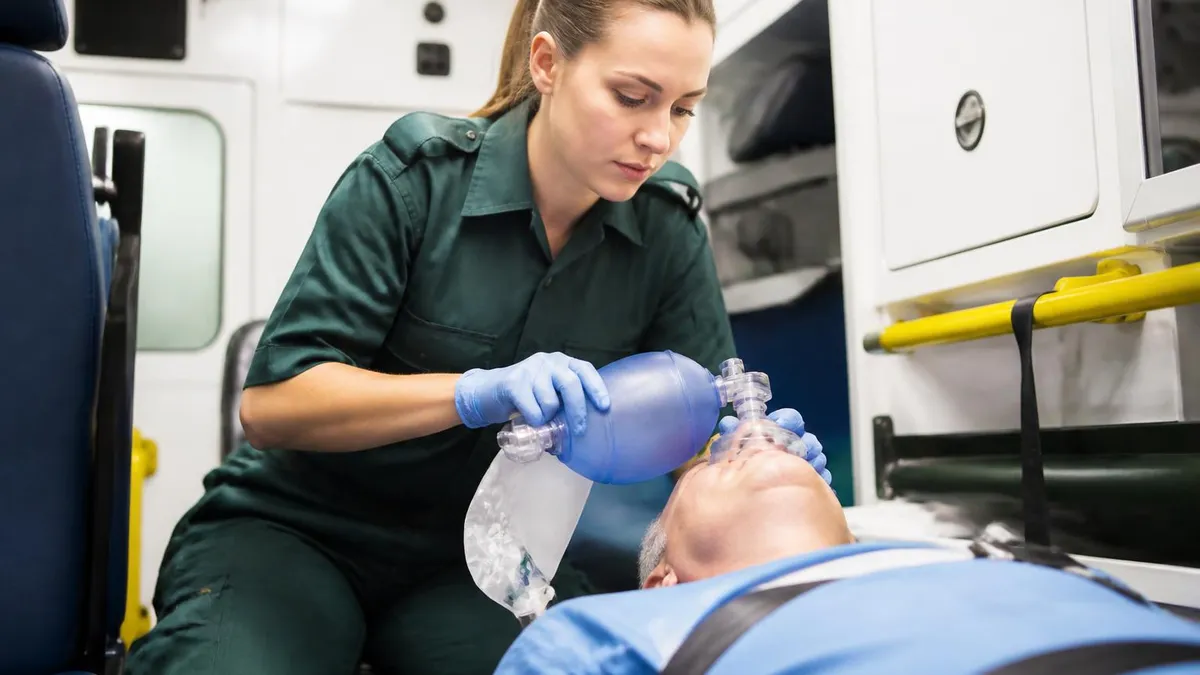
What Is a Paramedic? Role, Training, and Career Path Explained
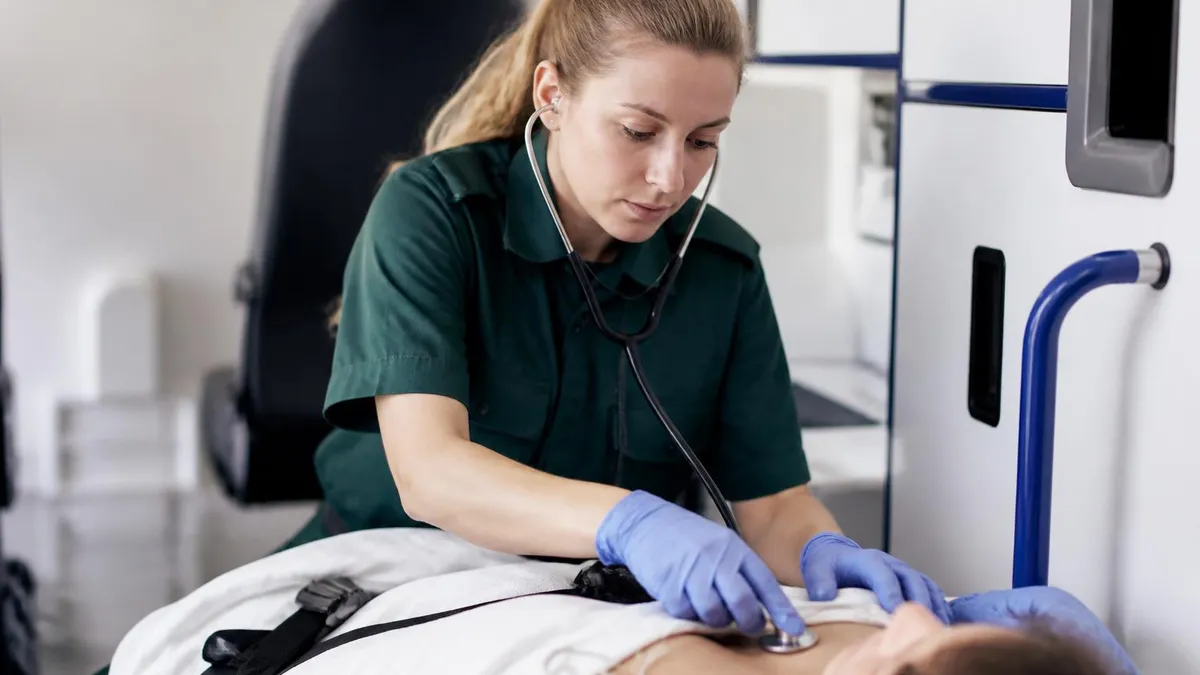
Paramedic to RN Bridge Programs: 2026 Guide to Programs, Cost & Timeline

Critical Care Paramedic Course: Your Complete Guide to Advancing Your EMS Career
About the Author

Paramedic & Emergency Services Certification Trainer
George Washington UniversityCaptain Ryan O'Brien is a licensed paramedic and NREMT-certified emergency medical professional with a Bachelor of Science in Emergency Medical Services from George Washington University. He has 15 years of field experience as a paramedic and firefighter, and has coached hundreds of EMT and paramedic candidates through their NREMT written and psychomotor licensing examinations.
Join the Discussion
Connect with other students preparing for this exam. Share tips, ask questions, and get advice from people who have been there.
View discussion (7 replies)