
Paramedical Tattoo Training: Paramedic Salary, School, and Career Guide (2026 September)
Paramedical tattoo training meets paramedic salary data, school paths & career steps. 🎓 Learn how much paramedics make and how to advance in 2026 September.

Paramedical tattoo training is one of the fastest-growing specializations bridging the world of emergency medicine and aesthetic healthcare, and understanding how it connects to the broader paramedic career landscape is essential for any EMS professional planning their next move in 2026. Whether you are exploring paramedic salary benchmarks, weighing the EMT vs paramedic debate, or simply researching how to become a paramedic, knowing where paramedical tattooing fits gives you a clear competitive edge in the job market.
The term "paramedical" in tattoo training refers to advanced cosmetic and corrective tattooing techniques performed by practitioners who understand skin physiology, wound healing, and medical contraindications at a clinical level. These procedures include scar camouflage, areola reconstruction after mastectomy, vitiligo blending, and hairline simulation. Paramedics and EMTs who pursue this specialty bring an unmatched clinical foundation that sets them apart from purely cosmetic-trained artists.
Understanding paramedic pay is a key motivator for professionals exploring this crossover path. The median paramedic salary in the United States sits around $46,000 to $68,000 annually depending on state, setting, and experience level. Adding paramedical tattoo services as a secondary income stream can realistically add $20,000 to $50,000 per year for a skilled practitioner working part-time in private practice or medical spa settings.
Paramedic school curricula already cover dermatology fundamentals, infection control, sterile technique, and pharmacology — the exact knowledge base that underpins safe paramedical tattoo practice. This overlap means that EMS professionals who pursue apps paramedical certifications in the tattoo space require significantly fewer bridging hours than candidates coming from a purely cosmetology background.
How much do paramedics make compared to paramedical tattoo artists? A senior paramedic in a high-cost-of-living metro can earn $75,000 or more in base salary, while a paramedical tattoo specialist with a strong referral network from plastic surgeons and oncology centers can command $150 to $400 per session, often scheduling four to six clients per day. The income ceiling in the tattoo-medicine hybrid field is substantially higher than traditional EMS work alone.
This guide walks through every dimension of the paramedical tattoo training path: what the training involves, how long it takes, what credentials matter, how it compares to full paramedic school, and what you can realistically earn. We also cover the exam preparation strategies you will need if you are simultaneously advancing your EMS career while building a paramedical tattoo practice alongside it.
Whether you are a working EMT looking to differentiate yourself, a paramedic coach helping students find non-traditional career paths, or a newly licensed paramedic weighing how to maximize your credentials, this resource gives you the data-driven, experience-backed information you need to make a smart career decision in 2026.
Paramedic & Paramedical Tattoo Training by the Numbers

What Paramedical Tattoo Training Covers
Students study the epidermis, dermis, and hypodermis layers in clinical depth, learning how pigment deposits at different tissue levels and how scarring, UV exposure, and skin conditions affect ink retention and long-term results.
This module teaches practitioners to match flesh-toned pigments to surrounding skin, blend hypertrophic and atrophic scars, and apply multi-layer tattooing methods that produce natural, durable coverage over surgical and traumatic scarring.
One of the most in-demand paramedical tattoo services, this section covers 3D nipple tattooing for post-mastectomy patients, including color theory for diverse skin tones, shading depth, and collaboration protocols with oncology care teams.
Identical to EMS bloodborne pathogen standards, this module ensures practitioners meet OSHA requirements, maintain sterile fields, properly dispose of sharps, and document client health history to screen for contraindications before each session.
Covers client intake forms, photography for before-and-after documentation, referral network building with dermatologists and plastic surgeons, pricing strategy, insurance considerations, and state licensing requirements for operating a paramedical tattoo practice.
Paramedic salary data from the U.S. Bureau of Labor Statistics shows that the median annual wage for EMTs and paramedics reached $46,770 nationally in 2024, but this figure masks enormous variation across states, settings, and specializations. Washington state paramedics average over $79,000 annually, while those in rural southern states may earn closer to $38,000. Understanding these disparities is the first step in building a compensation strategy that works for your specific geography and career stage.
Paramedic pay in hospital-based and flight EMS settings consistently outpaces street-level ambulance work. Flight paramedics, who require advanced airway and critical care certifications, routinely earn $70,000 to $95,000 per year. Fire department paramedics in California and New York frequently top $100,000 when overtime and benefits are included. These premium positions, however, require years of field experience and advanced credentials — making credential stacking through programs like paramedical tattoo training an attractive supplemental path.
The ambulance technician vs paramedic earning gap is substantial and worth understanding before committing to either educational path. An EMT basic (often called an ambulance technician in some states) earns a median of roughly $36,000 per year, while a nationally registered paramedic earns nearly $47,000 at the median — a 30% premium for approximately 1,200 additional training hours. This math makes the investment in paramedic school highly favorable over a five-year career horizon.
How much do paramedics make when they add paramedical tattoo services? The math is compelling. A paramedic working 12-hour shifts three days per week has four available days to schedule tattoo clients. At three sessions per available day and an average rate of $200 per session, that represents roughly $125,000 in additional gross revenue annually — before overhead expenses. Even after studio rent, supplies, and marketing, net income from paramedical tattoo work can easily exceed $60,000 per year for a disciplined practitioner.
Explore quality paramedic training resources to prepare for the National Registry of EMTs exam while simultaneously building your paramedical tattoo skill set. These two career tracks reinforce each other more than most EMS professionals realize, and deliberate preparation for both gives you flexibility that few healthcare workers in any specialty enjoy.
State licensing for paramedical tattoo practice varies significantly. Some states classify paramedical tattooing as a cosmetology service requiring a state board license, while others treat it as a medical procedure requiring physician oversight or a dedicated paramedical tattoo license. California, Texas, Florida, and New York each have distinct regulatory frameworks, so researching your state's requirements before enrolling in a training program is essential. Some states specifically exempt licensed healthcare professionals including paramedics from cosmetology board requirements when performing paramedical procedures under physician supervision.
The paramedic coach industry has grown alongside increased interest in EMS career advancement, and many coaches are now incorporating paramedical tattoo training guidance into their consulting services. A good paramedic coach can help you identify which credential combinations maximize your total compensation package, which paramedical tattoo programs are accredited and recognized by medical referral networks, and how to structure your practice to minimize legal liability while maximizing referral opportunities from plastic surgeons, oncologists, and burn units.
EMT vs Paramedic vs Paramedical Tattoo Specialist: Comparing Career Paths
The EMT basic (NREMT-B) credential requires approximately 120 to 150 hours of training, covers patient assessment, basic airway management, bleeding control, and transport protocols. Entry-level EMTs earn a median of $36,000 annually, with limited upward mobility without additional credentials. The EMT certification is often the first step toward paramedic school, requiring six months to two years of field experience before most programs will consider an applicant for advanced paramedic training.
EMTs who pursue paramedical tattoo training alongside their EMS career gain a significant income diversification advantage. Because the EMT scope of practice is narrower than a paramedic's, tattoo work can represent a proportionally larger share of total compensation. An EMT earning $36,000 in EMS who adds $40,000 from paramedical tattoo practice has effectively doubled their income without doubling their working hours, since tattoo sessions are typically shorter and less physically demanding than ambulance shifts.

Pros and Cons of Adding Paramedical Tattoo Training to Your EMS Career
- +Significant income diversification — paramedical tattoo sessions average $150–$400, creating revenue independent of EMS shift schedules
- +Clinical EMS background is a genuine competitive advantage for medical referral networks and high-need patient populations
- +Flexible scheduling — tattoo sessions can be booked on off-days without conflicting with EMS shift commitments
- +Growing market demand driven by breast cancer survivorship, burn rehabilitation, and aesthetic surgery recovery populations
- +Lower physical strain compared to emergency field work, creating a sustainable long-term career option as paramedics age
- +Transferable skills in infection control, patient communication, and clinical documentation reduce training hours for EMS professionals
- −State licensing requirements vary widely and can be confusing — some states require cosmetology board approval even for clinical practitioners
- −Startup costs for equipment, pigments, and a suitable studio space can reach $5,000 to $15,000 before first client revenue
- −Building a referral network with physicians and oncology centers takes time — most new practices see slow growth in the first 6–12 months
- −Liability exposure requires specialized professional liability insurance distinct from standard EMS malpractice coverage
- −Continuing education is required in both EMS and paramedical tattoo domains, creating a higher total CE burden than single-track careers
- −Client emotional complexity — post-mastectomy and burn scar clients often carry significant trauma, requiring sensitivity beyond clinical skill
Paramedical Tattoo Training Certification Checklist
- ✓Verify your state's specific licensing requirements for paramedical tattoo practitioners before enrolling in any program
- ✓Confirm your chosen training program is accredited by a recognized body such as the Society of Permanent Cosmetic Professionals (SPCP) or the American Academy of Micropigmentation (AAM)
- ✓Complete or update your bloodborne pathogen certification to current OSHA standards (required for licensure in most states)
- ✓Obtain a dedicated professional liability (errors and omissions) insurance policy specific to paramedical tattoo services
- ✓Research physician oversight requirements — some states require a supervising physician agreement or a written standing order for paramedical procedures
- ✓Build a before-and-after photo portfolio during training using practice models, obtaining signed HIPAA-compliant photo release forms from each model
- ✓Establish relationships with at least two physician referral sources (plastic surgeon, oncologist, or dermatologist) before launching your practice
- ✓Set up a dedicated business entity (LLC recommended) for your paramedical tattoo practice to separate liability from your EMS employment
- ✓Register with your state health department or cosmetology board as required and display all licenses visibly in your studio space
- ✓Plan your CE calendar to maintain both your NREMT recertification requirements and any CE hours required for tattoo licensure renewal
EMS Credentials Unlock Premium Paramedical Tattoo Rates
Paramedical tattoo practitioners with active NREMT-Paramedic licensure consistently charge 20–40% more per session than cosmetology-only trained artists in the same market. Medical referral sources including oncology nurses and plastic surgery coordinators specifically request clinically credentialed practitioners for high-need scar and reconstruction clients. Your EMS background is not just relevant — it is a documented pricing advantage.
How to become a paramedic who also excels in paramedical tattoo work requires deliberate sequencing of your education and credentialing. Most successful dual-track professionals recommend completing paramedic school and achieving NREMT certification before adding tattoo training. This sequencing ensures you bring the fullest possible clinical foundation to your tattoo practice and avoids the cognitive overload of studying two demanding curricula simultaneously during the critical paramedic school phase.
Once you hold your NRP credential and have accumulated at least one year of field experience, the paramedical tattoo training timeline is relatively compact. Most comprehensive programs run four to five days of intensive classroom and hands-on training followed by a supervised practicum of 20 to 40 hours. Some online-hybrid programs allow the didactic portion to be completed asynchronously, which is ideal for paramedics working rotating shift schedules who cannot commit to a traditional weekday class format.
The paramedic school curriculum provides specific knowledge areas that directly transfer to paramedical tattoo competency. Pharmacology training gives you a sophisticated understanding of anesthetic agents including topical lidocaine formulations used for client comfort during tattoo sessions. Your training in shock physiology helps you recognize vasovagal responses — a real risk during tattoo procedures — and respond appropriately. Wound assessment skills translate directly into evaluating scar tissue quality before committing to a camouflage tattooing approach.
Paramedic vs EMT preparation strategies differ significantly, and the same logic applies to paramedical tattoo training. Paramedics who invest in higher-tier programs — those offering cadaveric skin training, UV lighting analysis, and direct mentorship from established paramedical tattoo practitioners — consistently report faster practice growth and higher initial revenue than those who choose the lowest-cost online certificate. The return on investment for quality paramedical tattoo training is measurable within 12 months for most practitioners who actively pursue referral relationships.
The role of the paramedic coach is increasingly relevant in this space. Specialty coaches who focus on EMS career diversification can help you identify which geographic markets have the highest unmet demand for paramedical tattoo services, how to structure your pricing for different procedure types, and how to navigate the sometimes complex insurance billing landscape for paramedical procedures. Some procedures, particularly areola reconstruction for cancer survivors, may be partially reimbursable through health insurance, creating a billing layer that purely cosmetic tattoo artists are not equipped to navigate but that a paramedic-trained practitioner can approach with confidence.
Marketing a paramedical tattoo practice requires a strategy distinct from traditional tattoo artist marketing. Rather than Instagram-heavy visual portfolios targeting aesthetic consumers, paramedical tattoo practitioners build their practices through clinical relationships, cancer support groups, burn survivor networks, and physician referrals. Presenting at breast cancer survivor support groups, partnering with oncology social workers, and building a simple, medically credible website that speaks to patient concerns rather than aesthetic aspirations will generate far more qualified referrals than any social media campaign.
Building long-term career sustainability means thinking beyond the immediate income opportunity. Paramedics who add paramedical tattoo training create a genuine career hedge: if physical demands of EMS work become unsustainable in their forties or fifties, the tattoo practice provides a dignified, high-skill, higher-income alternative that draws on the same clinical identity and professional reputation they built in EMS. This kind of career architecture — parallel tracks that reinforce each other — represents best-in-class professional planning for the modern EMS workforce.

Paramedical tattoo licensing requirements differ dramatically by state. Several states classify paramedical tattooing under cosmetology law, requiring a full cosmetology or esthetics license that can take 12+ months to obtain. Others allow licensed healthcare professionals to perform paramedical procedures under physician oversight without a separate cosmetology license. Confirm your state's exact requirements with the relevant licensing board before spending money on training programs — licensing pathway determines your timeline to first client revenue.
Exam preparation for the NREMT paramedic certification is the foundation that makes every subsequent career move — including paramedical tattoo training — more achievable. The National Registry Paramedic cognitive exam consists of 80 to 150 computer-adaptive questions covering airway management, trauma, cardiology, medical emergencies, and EMS operations. Passing this exam on the first attempt significantly accelerates your timeline to field experience and, ultimately, to paramedical tattoo training readiness.
Study strategies that work for the NREMT paramedic exam share important characteristics with the learning mindset needed for paramedical tattoo training. Both domains require you to integrate anatomy knowledge with procedural skill, apply critical thinking under time pressure, and retain large amounts of clinical detail that can feel overwhelming when studied in isolation. Using active recall techniques — practice questions, spaced repetition, and case-based scenarios — dramatically outperforms passive reading for both exam and hands-on procedural learning.
Search for paramedic training near me programs that specifically mention clinical simulation and standardized patient scenarios, as these are the strongest predictors of first-time pass rates. Programs that include multiple full-length practice exams under timed conditions help you build the stamina and pacing strategies needed for a two-to-three hour adaptive exam where question difficulty shifts with each response you give.
The pass rate for the NREMT paramedic exam varies by program quality, preparation intensity, and candidate experience level. National data suggests approximately 54% of first-time candidates pass the cognitive exam on their initial attempt, with repeat candidates showing significantly lower pass rates. This underscores the importance of thorough preparation before your first attempt — retakes add months to your credentialing timeline and delay your eligibility for higher-paying positions and paramedical tattoo program enrollment.
Cardiology and airway management are consistently the highest-weight domains on the NREMT paramedic exam and also among the most clinically complex. Paramedics who develop genuine mastery in these domains — not just test-taking pattern recognition, but true conceptual understanding — become more effective clinicians and more credible paramedical tattoo practitioners when they eventually discuss patient comorbidities and procedure contraindications with referring physicians.
EMS operations and communications questions are frequently underestimated by paramedic candidates who focus exclusively on clinical medicine. These questions cover incident command system, mass casualty triage, radio protocols, documentation standards, and legal aspects of EMS practice — all of which have direct relevance to running a professional paramedical tattoo practice. Documentation habits, consent protocols, and professional communication standards learned in paramedic school translate directly into the administrative competency that distinguishes excellent paramedical tattoo practitioners from technically skilled but professionally disorganized ones.
The intersection of paramedic exam preparation and paramedical tattoo career planning represents a unique opportunity for motivated EMS professionals. By treating your paramedic certification not just as a licensing requirement but as a clinical foundation for a diversified healthcare career, you position yourself to take full advantage of the growing demand for clinically credentialed paramedical tattoo practitioners — a niche where your EMS training is not just relevant background, but a genuine, marketable credential that commands premium rates and opens doors to medical referral relationships unavailable to cosmetology-trained competitors.
Practical preparation for both the NREMT paramedic exam and your paramedical tattoo career launch begins with honest self-assessment of where you currently stand. If you are an EMT basic working toward paramedic school, your immediate priority is field hours, program selection, and NREMT-B mastery. If you are an enrolled paramedic student, focus intensively on passing the cognitive exam before adding any secondary career planning. If you are already an NRP with one to three years of experience, you are in the optimal window to add paramedical tattoo training without compromising your EMS career momentum.
Practice tests are the most efficient tool for both NREMT preparation and paramedical tattoo knowledge retention. For NREMT prep, structured question banks covering all content domains allow you to identify weak areas early, allocate study time proportionally, and build the adaptive test-taking stamina the computer-based exam demands. For paramedical tattoo knowledge, case-based review of contraindication scenarios, pigment selection logic, and skin condition identification builds clinical judgment that translates directly to client safety and procedural outcomes.
Time management during the NREMT paramedic exam is a learnable skill. The computer-adaptive format means you cannot skip and return to questions — each answer is final and determines the next question's difficulty. Practicing under strict time constraints during your study period helps you develop the decision-making speed and confidence to avoid second-guessing on exam day. Most successful candidates report spending 60 to 90 seconds per question on average, with more complex trauma and pharmacology scenarios occasionally requiring two minutes of deliberate reasoning.
Building a support network accelerates both career tracks. In EMS, experienced paramedics and field training officers provide mentorship that no textbook can replicate. In paramedical tattoo training, finding a mentor who actively practices scar camouflage and reconstruction — ideally someone with a medical background — shortens your learning curve dramatically and provides a referral pipeline for early client work. Many established paramedical tattoo practitioners offer apprenticeship arrangements that provide supervised practice hours while generating modest early income.
Physical and mental wellness is a topic EMS professionals discuss more openly than ever, and it is directly relevant to career sustainability in the paramedical tattoo space. The emotional weight of working with trauma survivors — burn patients, mastectomy recipients, accident victims — requires the same kind of structured self-care and professional boundary management that experienced paramedics develop over years of field work. Recognizing that paramedical tattoo sessions carry emotional labor comparable to EMS calls helps you build sustainable client management practices from day one.
Financial planning for the dual EMS and paramedical tattoo career should begin before you invest in training. Calculate your expected training costs, equipment and supply startup costs, ongoing overhead, and projected revenue ramp-up timeline. Most new paramedical tattoo practices reach break-even within six to twelve months when the practitioner has an active referral network. Planning for a 12-month ramp-up period with minimal tattoo income ensures you do not make financial decisions based on optimistic projections that may not materialize as quickly as expected.
Your long-term career vision should guide every near-term decision about training investments, exam preparation intensity, and career positioning. Paramedics who approach their career as a series of deliberate, credential-building moves — EMT to paramedic to specialized certifications to paramedical tattoo training — consistently out-earn and out-last peers who take an unplanned, reactive approach. The combination of clinical excellence in emergency medicine and technical artistry in paramedical tattooing represents a genuinely rare professional profile that the market rewards generously in 2026 and beyond.
Paramedics Questions and Answers
How to Become a Paramedic: Step-by-Step Career Pathway (2026)

Paramedic Practice Test PDF (Free Printable 2026)

Paramedical Tattoo Training: How It Connects to Paramedic Salary, School, and Career Growth
Paramedics Practice Test Video Answers
Paramedics Exam: Career Paths, Salary, and Requirements 2026
About the Author
Paramedic & Emergency Services Certification Trainer
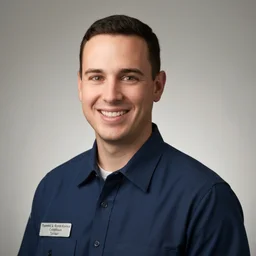
George Washington UniversityCaptain Ryan O'Brien is a licensed paramedic and NREMT-certified emergency medical professional with a Bachelor of Science in Emergency Medical Services from George Washington University. He has 15 years of field experience as a paramedic and firefighter, and has coached hundreds of EMT and paramedic candidates through their NREMT written and psychomotor licensing examinations.
Join the Discussion
Connect with other students preparing for this exam. Share tips, ask questions, and get advice from people who have been there.
View discussion (7 replies)