
Private MRI Scan: Complete Guide to Costs, Benefits, and What to Expect
Private MRI scan guide covering costs ($400-$3,500), wait times, what to expect, and how to choose the best imaging center for your needs. 🧠
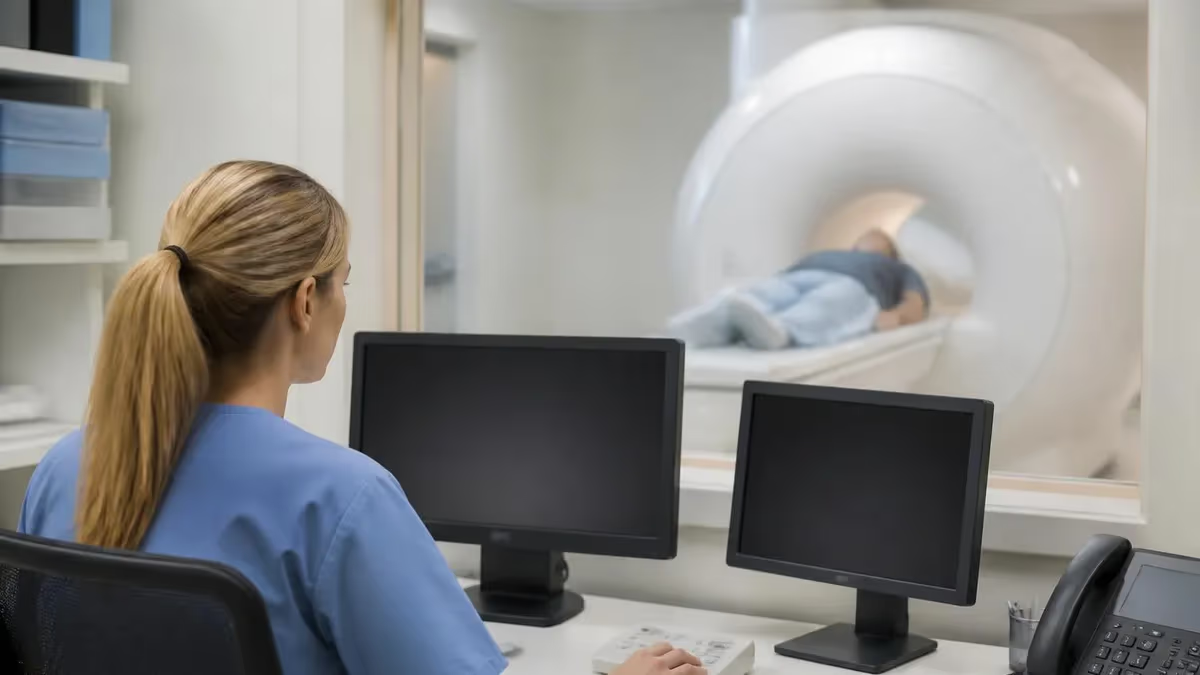
A private MRI scan offers patients a faster, more flexible path to advanced diagnostic imaging without the long wait times often associated with public healthcare systems or insurance-driven referrals. Whether you are dealing with chronic pain, an unexplained symptom, or simply want peace of mind through preventive screening, a private MRI provides high-resolution images of soft tissues, organs, joints, and the central nervous system. Unlike CT or X-ray imaging, magnetic resonance imaging uses no ionizing radiation, making it a safer choice for repeated diagnostic evaluations across a lifetime.
The growing demand for private MRI scans in the United States reflects broader shifts in how Americans approach healthcare. Patients increasingly want control over their diagnostic timeline, choice of facility, and access to subspecialty radiologists. Private imaging centers typically offer same-week or even same-day appointments, weekend availability, and direct patient pay options that bypass insurance authorization hurdles. This convenience comes at a price, but for many patients, the trade-off between waiting weeks for a hospital appointment and paying out-of-pocket for immediate imaging is well worth it.
Costs for a private MRI scan in the US generally range from $400 for a single body region at an independent outpatient facility to over $3,500 for a multi-region mri with braces dental contrast performed at a hospital-affiliated center. Geographic location, scanner field strength, contrast requirements, and whether the facility is accredited by the American College of Radiology all influence pricing. Understanding these variables helps patients make informed decisions and avoid surprise bills that have become a hallmark of fragmented American healthcare.
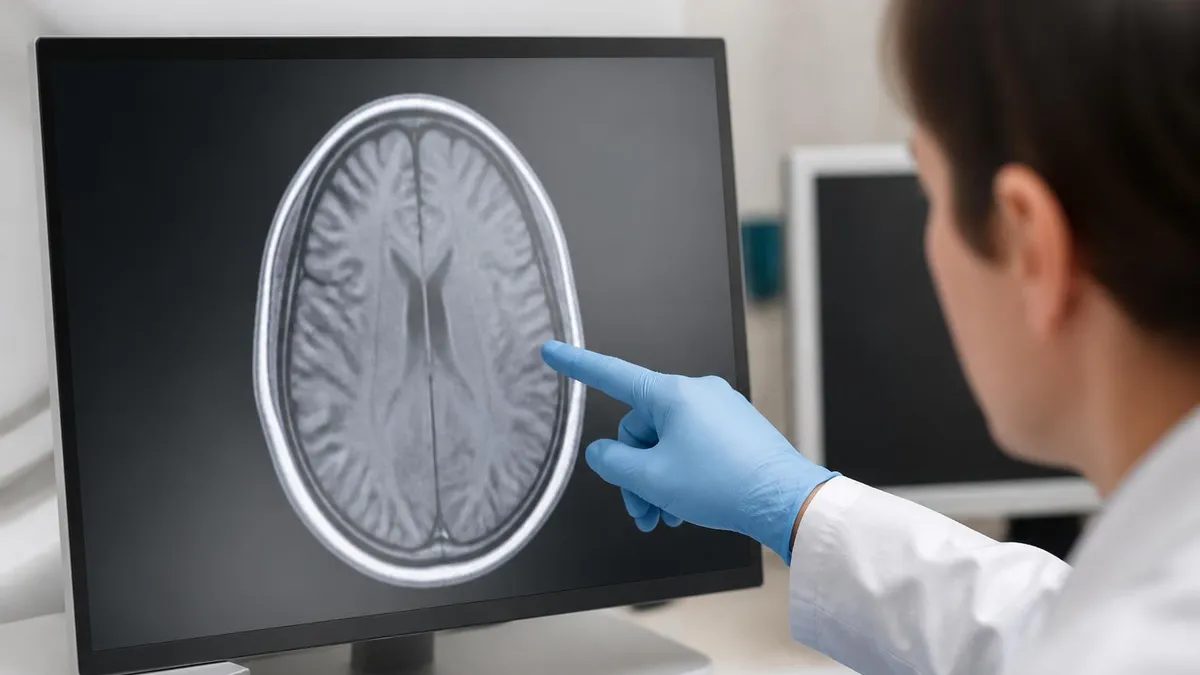
Private MRI scans are commonly used to evaluate musculoskeletal injuries such as torn ligaments, rotator cuff damage, and herniated discs. They are equally valuable for neurological assessments including brain tumor mris, multiple sclerosis, and stroke follow-up. Abdominal and pelvic MRI can reveal cancers, vascular abnormalities, and inflammatory diseases that ultrasound or CT might miss. Cardiac MRI, breast MRI, and prostate MRI represent specialized applications where private centers often deliver faster turnaround than overburdened hospital radiology departments.
Choosing the right private MRI provider requires attention to scanner specifications, radiologist credentials, and post-scan support. A 3 Tesla magnet produces sharper images than a 1.5 Tesla scanner for certain applications, but field strength alone does not determine image quality. Coil technology, software upgrades, and the experience of the technologist performing the exam all matter. Equally important is whether a board-certified radiologist with subspecialty training will interpret your scan and whether you will receive a written report you can share with your primary care doctor or specialist.
This comprehensive guide walks through everything you need to know before booking a private MRI scan, from pricing structures and insurance reimbursement to safety considerations and how the scan itself works. We will compare independent imaging centers to hospital-based services, examine the role of contrast agents, and provide a checklist to help you prepare for the appointment. By the end, you will have a clear framework for evaluating providers and advocating for the imaging care you deserve. For broader context on facility options, see our guide to MRI Imaging Centers.
The information presented here draws on guidelines from the American College of Radiology, the Radiological Society of North America, and current pricing data from major US metropolitan markets. While individual experiences vary, the principles of value, safety, and clinical relevance apply universally. A private MRI scan is not just a transaction; it is a medical procedure that can shape your treatment path for months or years. Treat the decision with the seriousness it deserves, and use this guide as your roadmap.
Private MRI Scans by the Numbers
Private MRI Cost Breakdown by Region and Type
Without contrast typically runs $500-$1,200 privately. With gadolinium contrast adds $200-$500. Used for headaches, dizziness, tumor screening, and multiple sclerosis evaluation.
Lumbar, cervical, or thoracic spine MRI costs $600-$1,500 per region privately. Combined scans of multiple spine regions can reach $2,500-$3,000 at premium centers.
Knee, shoulder, hip, ankle, or wrist scans range $500-$1,400 privately. Arthrograms with contrast injection cost an additional $300-$700 depending on facility.
Liver, kidney, or pelvic MRI ranges $1,000-$2,500 privately. Often includes contrast and specialized sequences for cancer detection or vascular evaluation.
Heart MRI is among the most expensive at $1,500-$3,500 privately. Requires specialized cardiac coils, ECG gating, and subspecialist interpretation by cardiac radiologists.
The appeal of a private MRI scan in the United States goes beyond convenience. For patients navigating complex symptoms, the ability to obtain a definitive imaging study within days rather than weeks can fundamentally change clinical outcomes. Early diagnosis of conditions like cauda equina syndrome, brain tumors, or vascular malformations depends on timely imaging, and delays can lead to irreversible damage. Private facilities recognize this urgency and structure their operations around rapid throughput without sacrificing image quality or diagnostic accuracy.
Insurance-driven imaging in the US often requires prior authorization, which can take days or weeks and may ultimately be denied based on payer-specific criteria. Patients then face appeals processes, peer-to-peer reviews, and uncertain timelines. A private MRI scan paid out-of-pocket sidesteps this gauntlet entirely. The patient and the ordering physician agree the scan is needed, the appointment is booked, and imaging proceeds. This direct-pay model has become increasingly popular as high-deductible health plans push more imaging costs onto patients regardless of insurance status.
Privacy and patient experience also factor heavily into the private MRI decision. Independent imaging centers typically operate in calmer, less hectic environments than hospital radiology departments. Waiting rooms are quieter, technologists have more time per patient, and amenities like robes, lockers, and post-scan refreshments improve the overall experience. For claustrophobic patients or those who need extra time, this attentive environment can make the difference between completing a scan and aborting it midway.
Subspecialty interpretation represents another significant advantage. Many private MRI centers contract with fellowship-trained radiologists who focus exclusively on neuroradiology, musculoskeletal imaging, or body imaging. These specialists read hundreds of scans monthly within their niche, building pattern recognition that general radiologists may lack. For patients with unusual presentations or rare diseases, having a subspecialist read your scan can mean the difference between a missed diagnosis and a clear treatment path. Always ask whether subspecialty reads are included in the quoted price.
Direct patient access without a referral is increasingly available at private MRI centers, though state laws vary. In some states, patients can self-refer for MRI without a physician order, particularly for executive health screenings or athletic injury evaluations. Other states require a referral from a licensed practitioner, but private centers often have in-house physicians who can review your symptoms and order appropriate imaging same-day. This streamlined access removes another barrier between symptoms and answers.
The transparency of private MRI pricing also benefits patients in ways that hospital billing rarely does. Most private centers publish their cash prices online or quote them readily over the phone. Patients know what they will pay before booking, eliminating the surprise bills that have prompted federal No Surprises Act legislation. For HSA and FSA account holders, this pricing transparency makes budgeting straightforward. For more on the procedural side, review our guide to MRI with and without contrast to understand when each protocol is appropriate.
Finally, private MRI scans support medical tourism within the US. Patients in states with limited MRI capacity or long wait lists can travel to neighboring states for same-week imaging. Major metropolitan areas like Houston, Dallas, Phoenix, and Atlanta have particularly competitive private MRI markets where cash prices have fallen below $500 for routine scans. Combining travel with imaging has become a legitimate strategy for cost-conscious patients seeking timely answers without insurance bureaucracy.
MRI Practice Test Questions
Prepare for the MRI - Magnetic Resonance Imaging exam with our free practice test modules. Each quiz covers key topics to help you pass on your first try.
MRI Knowledge
MRI Exam Questions covering Knowledge. Master MRI Test concepts for certification prep.
MRI Physics
Free MRI Practice Test featuring Physics. Improve your MRI Exam score with mock test prep.
MRI Anatomy and Pathology
MRI Test Prep for MRI Anatomy and Pathology. Practice MRI Quiz questions and boost your score.
MRI Anatomy and Positioning
MRI Questions and Answers on MRI Anatomy and Positioning. Free MRI practice for exam readiness.
MRI Contrast Agents
Free MRI Quiz on MRI Contrast Agents. MRI Exam prep questions with detailed explanations.
MRI Patient Care and Positioning
MRI Practice Questions for MRI Patient Care and Positioning. Build confidence for your MRI certification exam.
Common Private MRI Exam Types
Musculoskeletal MRI represents the largest category of private MRI scans performed in the US. Athletes with suspected ACL tears, meniscal injuries, rotator cuff damage, or labral pathology routinely seek private MRI for rapid diagnosis. The detail provided by modern 3 Tesla scanners with dedicated extremity coils rivals or exceeds what hospital-based scanners produce, and turnaround times can be under 24 hours.
Common musculoskeletal indications include chronic back pain unresponsive to conservative therapy, knee or shoulder pain after acute injury, suspected stress fractures invisible on X-ray, and evaluation of soft tissue masses. Private centers often offer arthrogram MRI for joint capsule and ligament evaluation. Costs typically range from $500 to $1,400 per joint, with package deals available for bilateral studies of paired joints like both knees or both shoulders.
Private MRI Scan: Advantages and Drawbacks
- +Faster appointment availability, often within days rather than weeks
- +Transparent upfront pricing without insurance authorization delays
- +Access to subspecialty fellowship-trained radiologists for accurate interpretation
- +Modern 1.5T or 3T scanners with current software upgrades and coil technology
- +Quieter, less hectic facility environment improving patient comfort
- +Direct patient pay options bypass high-deductible insurance obstacles
- +Same-day or next-day report turnaround for time-sensitive clinical decisions
- −Out-of-pocket costs can be significant for uninsured or underinsured patients
- −Insurance may not reimburse private MRI scans performed without prior authorization
- −Some private centers lack on-site radiologists for immediate consultation
- −Independent facilities may not have emergency response capability for contrast reactions
- −Quality varies widely between centers; not all private MRIs are equal
- −Smaller centers may have older equipment despite charging premium prices
Private MRI Scan Preparation Checklist
- ✓Confirm appointment time, location, and any required preparation instructions
- ✓Bring a list of all medications, allergies, and prior surgeries to the facility
- ✓Disclose any metallic implants, pacemakers, or aneurysm clips before scheduling
- ✓Remove all jewelry, watches, hearing aids, and removable dental work before scanning
- ✓Wear loose-fitting clothing without metal zippers, snaps, or underwire components
- ✓Avoid eating for 4 hours prior if your scan requires IV contrast administration
- ✓Bring previous imaging studies on disc or USB for comparison by the radiologist
- ✓Arrange transportation if you receive sedation for anxiety or claustrophobia
- ✓Verify insurance coverage and obtain cost estimate in writing before the appointment
- ✓Confirm the radiologist interpreting your scan has appropriate subspecialty training
Always ask for the cash price first
Cash prices at private MRI centers are often 50 to 70 percent lower than billed insurance rates. Even with insurance, paying cash and submitting a superbill for reimbursement can save hundreds of dollars on a single scan. Always request a written cost estimate before booking and compare at least three nearby facilities for the same exam type.
Understanding how a private MRI scan actually works helps patients feel more comfortable on appointment day and recognize quality care when they see it. MRI uses a powerful superconducting magnet, typically 1.5 to 3 Tesla in field strength, to align hydrogen protons in the body. Radiofrequency pulses then perturb these protons, and the signal they emit as they return to alignment is captured by receiver coils and reconstructed into cross-sectional images. The entire process is non-ionizing and considered very safe when proper screening eliminates contraindications.
When you arrive at a private MRI facility, you will complete a detailed safety screening form covering implants, prior surgeries, allergies, and pregnancy status. A technologist will review the form and may ask follow-up questions. If you have any metallic implants, the technologist will verify MRI compatibility against manufacturer databases. Some implants are absolutely contraindicated, others are conditional on field strength and scanning parameters, and most modern implants are MRI-safe with appropriate precautions.
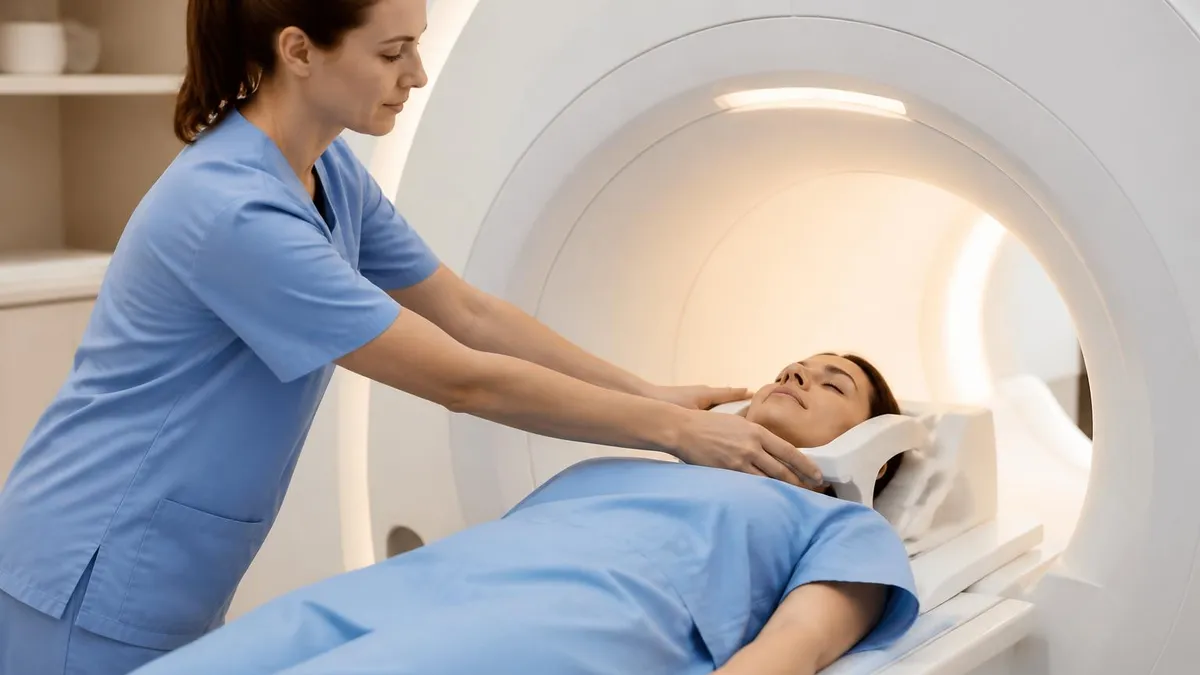
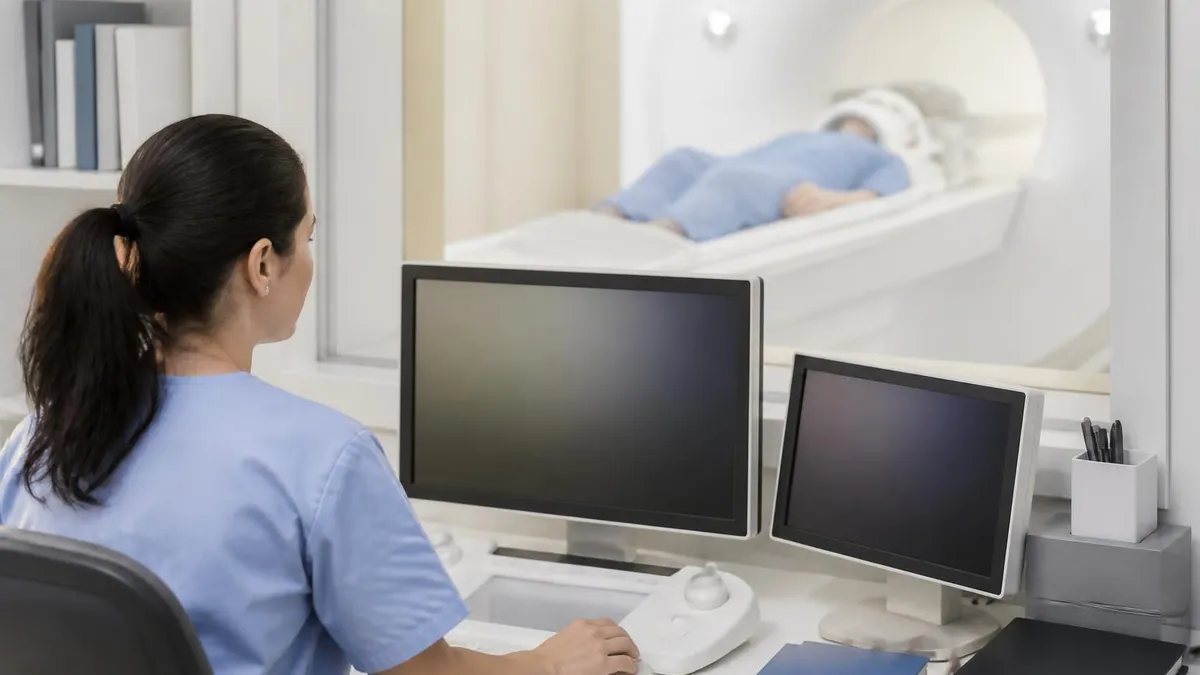
You will change into a gown or scrubs and remove all metal objects, including jewelry, hairpins, and credit cards with magnetic strips. The technologist will position you on the scanner table, usually supine, with appropriate coils placed over the body region being imaged. For brain MRI, a head coil surrounds your skull. For knee MRI, a dedicated knee coil envelops the joint. These coils improve signal-to-noise ratio dramatically and are essential to high-quality imaging.
Once positioned, you will receive earplugs or headphones because MRI scanners are extremely loud, producing knocking and buzzing sounds that can exceed 100 decibels. The table slides into the bore of the magnet, and the scan begins. Each sequence lasts one to seven minutes, and most scans involve four to eight sequences depending on the protocol. You will need to lie very still during each sequence because motion blurs the images. Some sequences require breath-holds for abdominal or cardiac imaging.
If your scan requires contrast, the technologist will start an IV line, typically before or partway through the exam. Gadolinium-based contrast agents enhance vascular structures, inflammation, and abnormal tissue, providing diagnostic information not available on non-contrast sequences. Modern gadolinium agents have an excellent safety profile, though patients with severe kidney disease require special consideration due to the rare risk of nephrogenic systemic fibrosis. Allergic reactions to gadolinium are uncommon but possible.
After the scan, you will be released and the images will be sent to the interpreting radiologist. Private MRI centers typically deliver reports within 24 to 48 hours, sometimes faster for urgent cases. The report will describe what was seen, characterize any abnormalities, and provide recommendations for further evaluation or treatment. You will receive a copy of both the images and the report, which you should share with your primary care physician or specialist for clinical correlation.
Image storage and access have become important considerations in the digital era. Quality private MRI centers store images for at least seven years in compliance with HIPAA and state regulations. Many offer patient portals where you can download images and reports at any time. Some centers also participate in image-sharing networks that allow your other providers to access scans directly without requiring you to physically transport discs. Ask about these capabilities when choosing a facility.
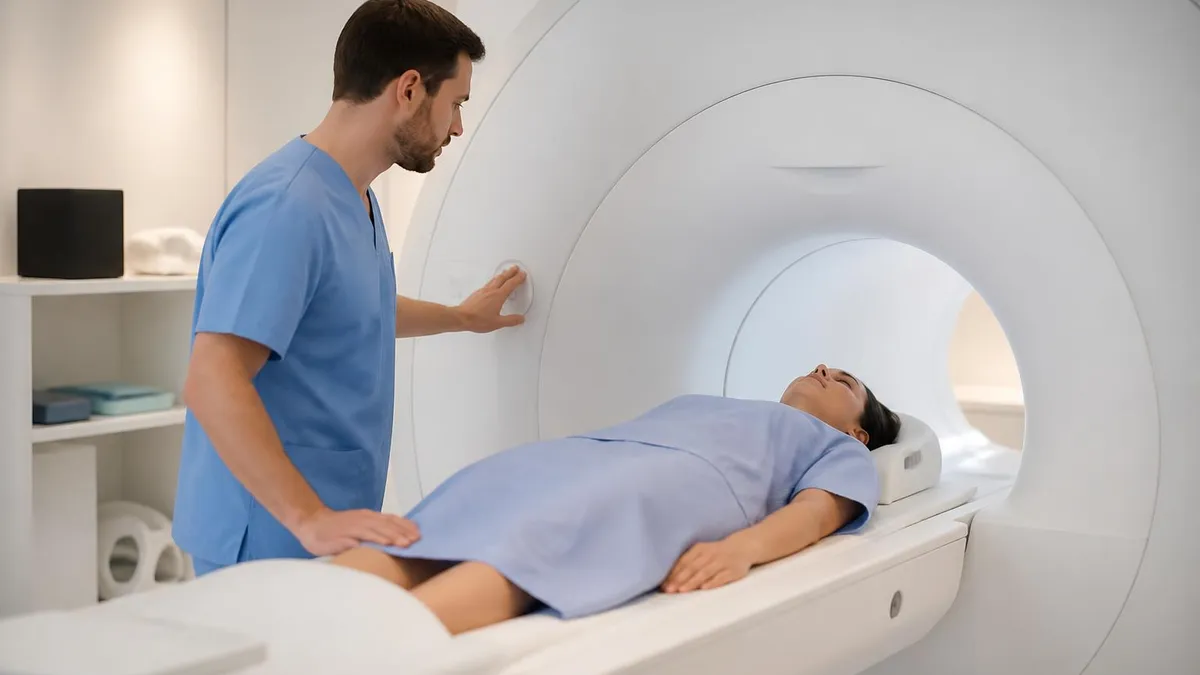
Never enter an MRI scanner without thorough screening for implanted devices. Pacemakers, defibrillators, cochlear implants, and certain aneurysm clips can malfunction or move dangerously within the magnetic field. Always bring documentation of any implants and verify MRI compatibility before the scan. When in doubt, contact your implant manufacturer or the device implanter for written clearance before scheduling.
Choosing the right private MRI provider involves more than just comparing prices. Image quality, radiologist expertise, scanner technology, and patient experience all contribute to the value you receive. The lowest-priced scan is rarely the best deal if the interpretation misses a critical finding or if the images are too low quality to answer the clinical question. Conversely, premium pricing does not guarantee premium results. Smart consumers evaluate providers across multiple dimensions before making a decision.
Scanner specifications matter, but not in the simplistic way many patients assume. A 3 Tesla scanner produces signal twice as strong as a 1.5 Tesla unit, which translates to higher resolution images or faster scan times. However, 3T scanners are not always better for every application. Patients with certain implants can only be scanned at 1.5T. Some abdominal and cardiac applications work better at 1.5T due to fewer susceptibility artifacts. Ask the facility why they recommend a particular scanner for your specific exam.
Radiologist credentials and subspecialty training represent perhaps the most important quality indicator. A board-certified radiologist with a fellowship in musculoskeletal imaging will catch subtle findings on a knee MRI that a general radiologist might miss. Similarly, a neuroradiology fellowship-trained specialist provides the most accurate interpretation of complex brain and spine cases. Reputable centers publish their radiologists' credentials online and welcome questions about who will interpret your scan.
Accreditation by the American College of Radiology indicates that a facility meets rigorous standards for personnel, equipment, image quality, and quality assurance. ACR-accredited centers undergo periodic peer review and equipment evaluation. While not all excellent facilities pursue formal accreditation, ACR status provides meaningful third-party validation. Many insurance companies require ACR accreditation for reimbursement, so verify status if you plan to seek any insurance contribution toward your private MRI scan.
Patient reviews and word-of-mouth referrals offer valuable real-world feedback that specifications cannot capture. Look for consistent themes in reviews across multiple platforms. Excellent providers tend to receive praise for clear communication, accurate timelines, comfortable facilities, and helpful staff. Red flags include reports of lost images, delayed reports, billing surprises, and rude personnel. Ask your primary care physician or specialist which centers they prefer for their own family members, as physicians have insider knowledge about local quality.
Geographic convenience deserves weight in the decision, especially for patients who may need follow-up imaging. A high-quality center 45 minutes away may be worth the drive for a one-time complex scan, but a closer center may serve better for routine surveillance. Many patients establish a relationship with one provider for ongoing imaging needs, which simplifies image comparison over time. Understanding the history of pet mri itself helps frame these decisions; our overview of the history of MRI traces how today's options came to be.
Finally, evaluate the entire patient journey from booking to receiving results. Quality private MRI centers communicate clearly, deliver reports promptly, and remain accessible for questions. They provide images in standard formats that other providers can open. They explain charges upfront and avoid surprise billing. They treat patients with respect and dignity throughout an inherently stressful diagnostic experience. These soft factors often distinguish truly excellent providers from merely competent ones.
Beyond the basics of selecting a provider, several practical strategies can help you maximize the value of your private MRI scan investment. First, time your scan strategically. Many private centers offer discounted pricing during off-peak hours such as early mornings, evenings, and weekends. If your clinical situation allows flexibility, ask about these reduced rates when booking. Some facilities also offer package deals when you combine multiple body regions in a single appointment, which can save hundreds of dollars compared to separate visits.
Second, leverage your health savings account or flexible spending account to pay for private MRI scans pre-tax. Both HSAs and FSAs cover diagnostic imaging as qualified medical expenses. For high-income patients in the 24 to 37 percent federal tax bracket, paying with pre-tax dollars can save 25 to 40 percent on the effective cost. Combine pre-tax payment with cash discounts and you can often achieve significant savings compared to insurance-mediated pricing.
Third, submit superbills to your insurance after the scan even if you paid out-of-pocket. A superbill is an itemized receipt that documents the CPT codes for the procedures performed. Many insurance plans will apply the cash amount you paid toward your deductible or even partially reimburse the scan if it falls under out-of-network benefits. Some patients recover 30 to 60 percent of their costs through this mechanism, particularly later in the calendar year when they have already met some of their deductible.
Fourth, plan ahead for potential follow-up needs. If your scan shows findings requiring additional imaging or surveillance, factor those costs into your initial provider selection. Establishing a relationship with one center simplifies image comparison over time, and some centers offer loyalty discounts for repeat patients. Discuss the likelihood of follow-up imaging with your ordering physician before the initial scan so you can budget accordingly.
Fifth, advocate for yourself if findings are unclear or unexpected. You have the right to a second opinion on any radiology interpretation. Services like teleradiology second opinions can provide expert review of your existing images for a few hundred dollars, potentially avoiding the cost of a repeat scan. Some academic medical centers offer formal second-opinion services for complex cases. Use these resources when stakes are high or when initial findings do not align with your clinical picture.
Sixth, maintain organized records of all imaging studies. Create a digital folder with copies of all your MRI images, reports, and any related correspondence. Bring this organized record to all medical appointments. Physicians appreciate patients who arrive prepared, and your organized records help them provide better care. This habit also positions you well for future imaging needs and consultations with new providers who may not have access to your historical studies.
Finally, view your private MRI scan as one component of comprehensive medical care rather than a standalone procedure. The most useful scan is one that integrates with your overall health picture, informs treatment decisions, and connects to follow-up care. Discuss results thoroughly with your ordering physician. Ask what the findings mean for your treatment plan. Understand what symptoms should prompt repeat imaging. A well-utilized private MRI delivers value far beyond the price tag when it catalyzes effective clinical action.
MRI Questions and Answers
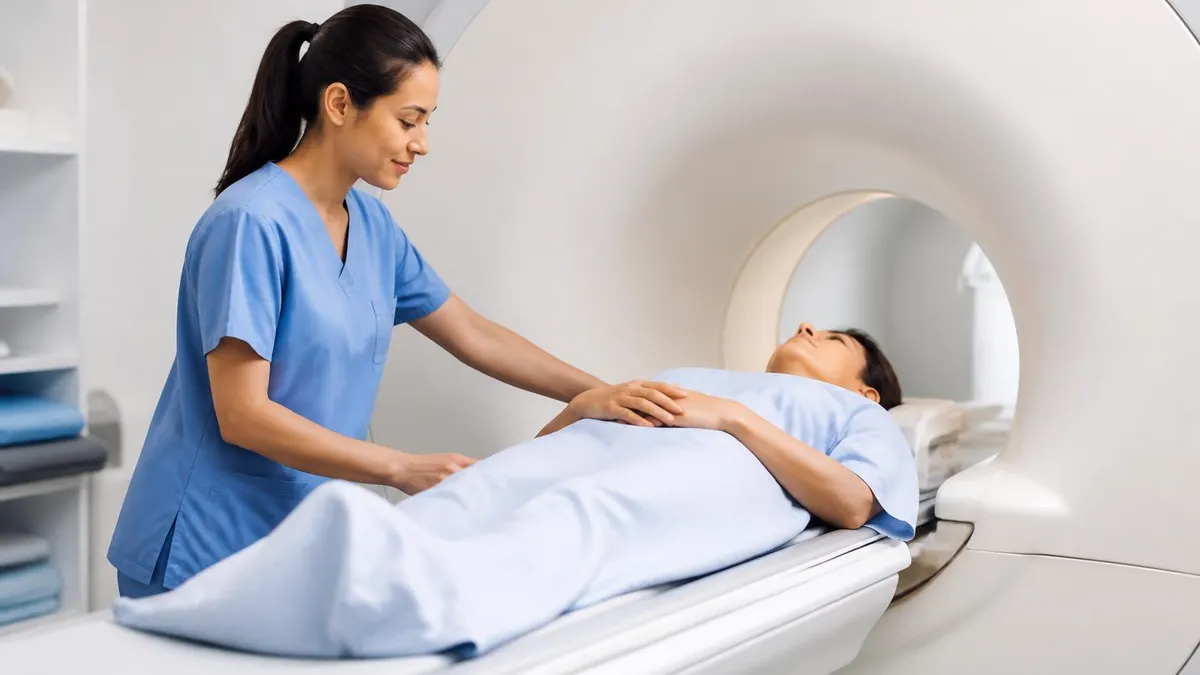
The History of MRI: From Discovery to Modern Medicine
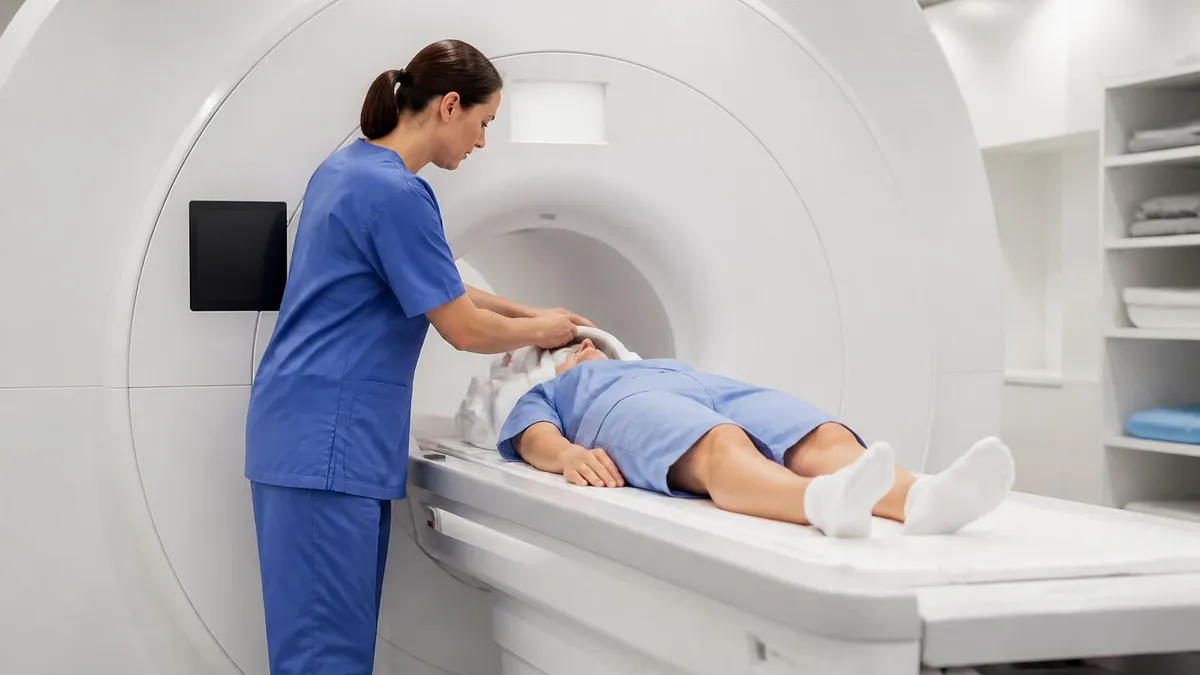
MRI With and Without Contrast: How It Works, What to Expect
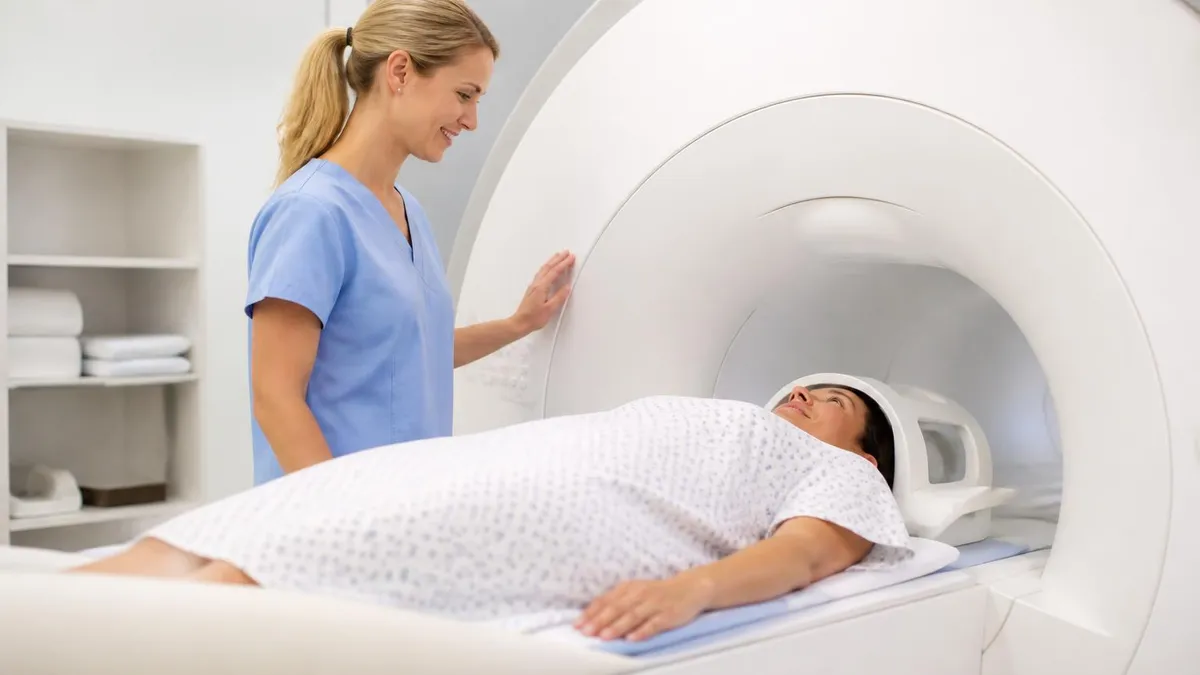
MRI Medical Abbreviation: What MRI Stands For and Why It Matters
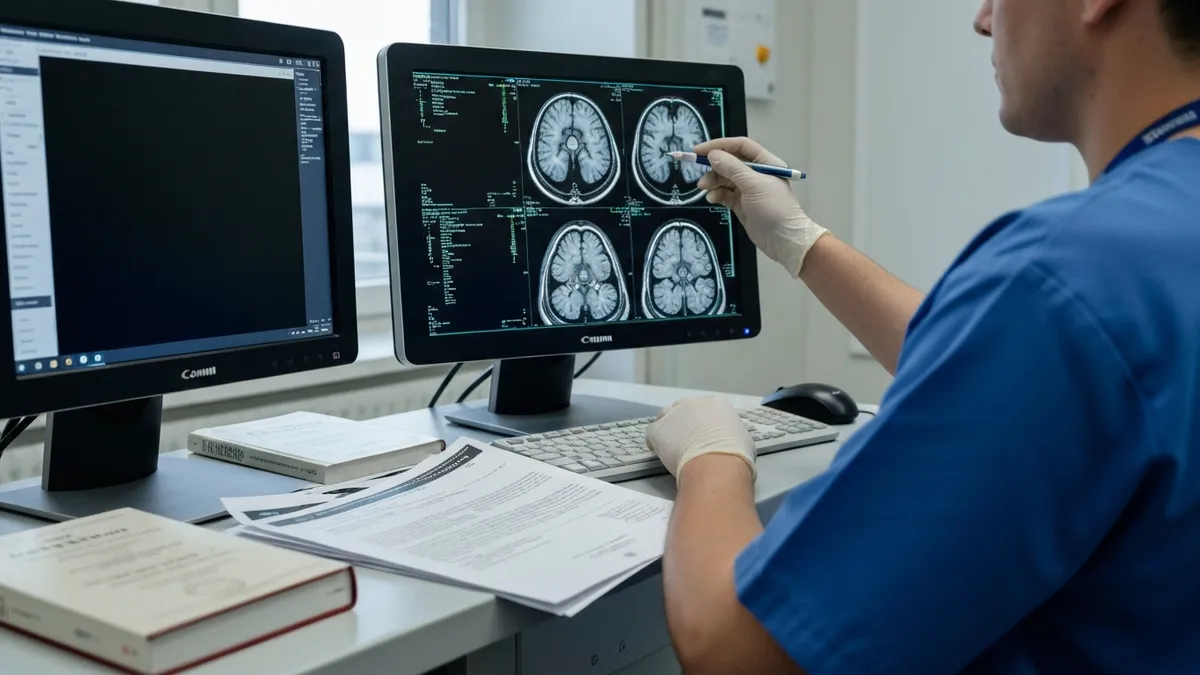
MRI Imaging Centers: Complete Guide to Independent Outpatient MRI Facilities
St Jude Pacemaker MRI Compatibility List: A Complete Safety and Scanning Guide
About the Author

Medical Laboratory Scientist & Clinical Certification Expert
Johns Hopkins UniversityDr. Sandra Kim holds a PhD in Clinical Laboratory Science from Johns Hopkins University and is certified as a Medical Technologist (MT) and Medical Laboratory Scientist (MLS) through ASCP. With 16 years of clinical laboratory experience spanning hematology, microbiology, and molecular diagnostics, she prepares candidates for ASCP board exams, MLT, MLS, and specialist certification tests.
Join the Discussion
Connect with other students preparing for this exam. Share tips, ask questions, and get advice from people who have been there.
View discussion (8 replies)