
MRI and CT in Virginia Beach: Imaging Locations, Costs, and What to Expect
MRI CT VA Beach guide: find imaging locations, compare prices, scheduling tips, scan prep, and what to expect at Virginia Beach imaging centers. 🟢
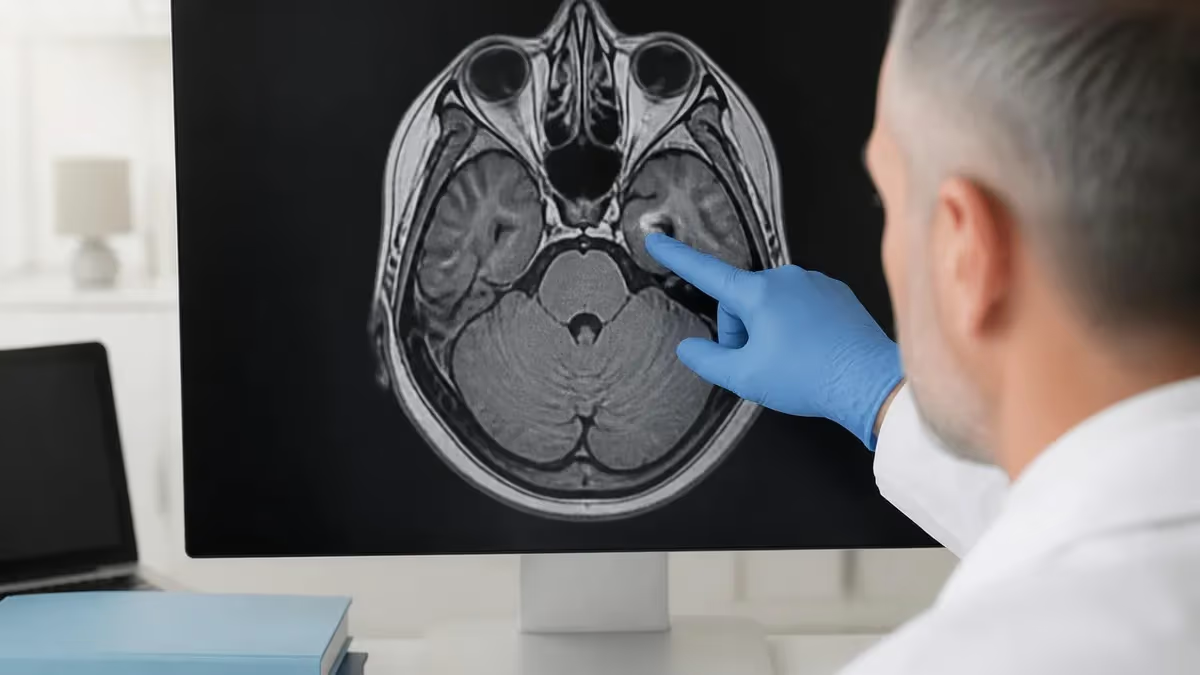
Searching for MRI CT VA Beach imaging options can feel overwhelming when you are juggling a physician referral, an insurance authorization, and a worrying symptom that needs answers. Virginia Beach and the surrounding Hampton Roads region host a dense network of hospital-based radiology departments, freestanding imaging centers, and mobile MRI units that serve everyone from active-duty Navy families to retirees on Medicare. Understanding how these facilities differ helps you choose the right place for your scan, your wallet, and your timeline.
The choice between magnetic resonance imaging and computed tomography is not interchangeable, even though both produce cross-sectional images. MRI uses powerful magnets and radio waves to map soft tissue, while CT uses X-rays to produce rapid slices that excel at bone, lung, and acute trauma evaluation. A torn meniscus or a herniated disc almost always lands on an MRI scanner, while a suspected kidney stone or a fall with possible internal bleeding heads to CT first.
Virginia Beach patients have unusual flexibility compared to many US metros. Sentara, Bon Secours, Chesapeake Regional, and Naval Medical Center Portsmouth all operate scanners within a twenty-mile radius of the oceanfront. Independent providers such as Hampton Roads Radiology Associates, Tidewater Diagnostic Imaging, and several RAYUS Radiology centers compete with hospital outpatient departments on price, scheduling, and amenities. Self-pay rates at independent centers often run forty to sixty percent below hospital list pricing for the same exam.
Cost transparency has improved dramatically since the federal Hospital Price Transparency rule took effect, but real prices still vary wildly. A routine lumbar spine MRI without contrast might cost a self-pay patient $425 at one Virginia Beach center and $1,950 at the hospital five miles away. CT exams show similar swings, with a contrast abdominal scan ranging from roughly $300 to $1,400 depending on location and contract status. Calling ahead and asking for a cash price almost always pays off.
Scheduling speed has become a competitive advantage. While some hospital systems still quote two to three weeks for a non-urgent outpatient MRI, independent centers in Virginia Beach routinely offer same-week or next-day appointments, including evening and Saturday slots that accommodate shift workers, military duty cycles, and parents who cannot leave during the school day. Some facilities even provide early-morning scans before 7 a.m. for commuters working in Norfolk or Newport News.
This guide walks through where to get scanned in Virginia Beach, what each modality looks at, how prices stack up, what to bring on the day of your exam, and the common pitfalls that delay results. We will cover insurance authorization, contrast safety, claustrophobia options, and how to read your radiology report once it arrives in your patient portal. By the end you should know exactly which facility, scanner type, and appointment slot fits your situation.
Whether your doctor ordered the scan to evaluate a sports injury after a Virginia Beach Marathon weekend, a chronic headache that finally crossed the threshold for imaging, or a screening exam recommended by a cardiologist at Sentara Heart Hospital, the practical steps are similar. Knowing the questions to ask and the documents to bring transforms a stressful errand into a routine appointment, and getting clean, diagnostic images on the first attempt avoids costly repeat scans and delayed treatment.
Virginia Beach Imaging by the Numbers
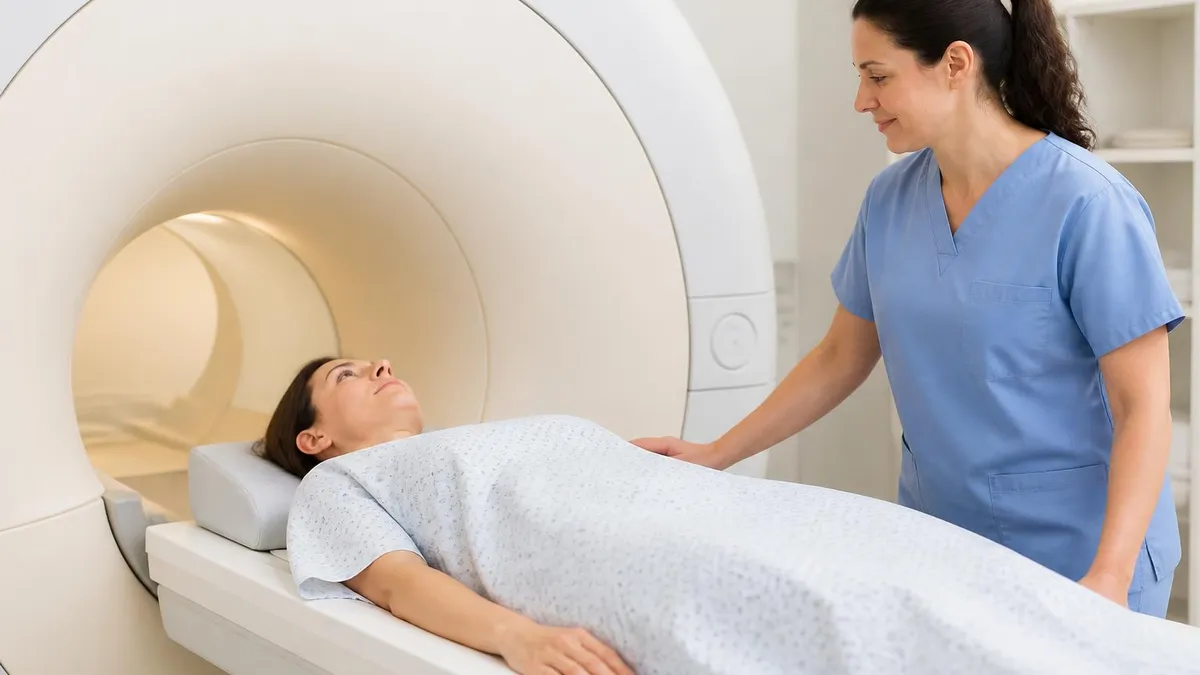
Where to Get an MRI or CT Scan in Virginia Beach
Full hospital radiology department with 1.5T and 3T MRI, 64-slice CT, and 24/7 emergency imaging. Best for inpatient, ER, or complex contrast cases. Higher list prices but in-network with most major insurers.
Just over the city line, offering wide-bore MRI suitable for larger patients and claustrophobic adults. CT angiography and cardiac CT available. Often shorter waits than urban Norfolk hospitals for routine outpatient studies.
Catholic health system locations serving Virginia Beach residents with outpatient MRI, CT, and women's imaging. Online scheduling, financial assistance programs, and bundled pricing for self-pay patients on most exams.
Freestanding outpatient centers along Independence Boulevard and Virginia Beach Boulevard. Lower self-pay rates, evening and Saturday hours, and faster turnaround on reports. Ideal for orthopedic, spine, and screening MRI exams.
Serves active-duty service members, retirees, and TRICARE-eligible dependents. State-of-the-art scanners and military radiologists. Referrals route through primary care; civilian network options handle overflow capacity.
Picking between MRI and CT starts with the clinical question your doctor needs answered. If the concern is soft tissue — ligaments, cartilage, brain parenchyma, spinal cord, tumors, or inflammation — magnetic resonance imaging is almost always superior. CT shines when speed matters, when the question involves bone detail, when lung or vascular structures need contrast resolution, or when a patient cannot safely enter a magnetic field due to certain implants. Your ordering provider chooses, but understanding the logic helps you ask the right questions.
MRI scanners come in different field strengths, and Virginia Beach offers the full range. A 1.5 Tesla magnet is the workhorse for most exams and produces excellent images of the knee, shoulder, spine, and brain. A 3.0 Tesla magnet doubles the signal-to-noise ratio and is preferred for prostate imaging, multiple sclerosis follow-up, small joint detail, and high-resolution neuroimaging. Open and wide-bore designs help claustrophobic and bariatric patients but generally use lower field strengths, which can affect image quality for fine detail.
CT technology has also evolved rapidly. Modern multi-detector scanners in Virginia Beach use 64, 128, or even 256 slices per rotation, producing isotropic three-dimensional datasets that radiologists can reformat in any plane. Dual-energy CT, now installed at several Hampton Roads sites, separates materials by atomic number and helps differentiate uric acid kidney stones from calcium stones, characterize gout, and reduce metal artifact around joint replacements. These advanced techniques matter for specific diagnoses, so ask whether they are available.
Scan duration differs dramatically. A non-contrast head CT takes well under a minute on the table, while a lumbar spine MRI runs twenty to thirty minutes, and a multi-sequence brain MRI with contrast may approach forty-five minutes. Cardiac MRI, breast MRI, and full spine studies often exceed an hour. If lying still is difficult, schedule MRI early in the day, take prescribed anxiolytics only with your physician's approval, and ask whether the center offers music, video goggles, or a designated support person in the room.
Radiation exposure is the headline difference. CT delivers ionizing radiation in doses that range from roughly 2 millisieverts for a head CT to 10 or more for an abdominal-pelvic exam with multiple phases. MRI uses no ionizing radiation at all, only magnetic fields and radio frequencies. For pregnant patients, children, and anyone needing repeated follow-up imaging, MRI is preferred when it answers the clinical question equally well. The history of MRI shows how this radiation-free advantage drove its rapid clinical adoption.
Contrast agents differ between modalities. CT uses iodinated contrast that enhances vessels and inflamed tissue but carries a small risk of allergic reaction and is filtered through the kidneys. MRI uses gadolinium-based contrast agents with a different safety profile; modern macrocyclic agents have an excellent track record, though patients with advanced kidney disease still require careful evaluation. Always disclose every medication, supplement, and prior reaction at check-in so the technologist and radiologist can plan safely.
Finally, think about what your insurance prefers. Many plans now require prior authorization for advanced imaging and may steer you toward an in-network freestanding center over a hospital outpatient department. Plans built around high-deductible HSA accounts often make self-pay at an independent Virginia Beach center cheaper than the in-network hospital rate. A five-minute call to your insurer's pre-service line clarifies coverage and prevents surprise bills weeks after the scan.
MRI Practice Test Questions
Prepare for the MRI - Magnetic Resonance Imaging exam with our free practice test modules. Each quiz covers key topics to help you pass on your first try.
MRI Knowledge
MRI Exam Questions covering Knowledge. Master MRI Test concepts for certification prep.
MRI Physics
Free MRI Practice Test featuring Physics. Improve your MRI Exam score with mock test prep.
MRI Anatomy and Pathology
MRI Test Prep for MRI Anatomy and Pathology. Practice MRI Quiz questions and boost your score.
MRI Anatomy and Positioning
MRI Questions and Answers on MRI Anatomy and Positioning. Free MRI practice for exam readiness.
MRI Contrast Agents
Free MRI Quiz on MRI Contrast Agents. MRI Exam prep questions with detailed explanations.
MRI Patient Care and Positioning
MRI Practice Questions for MRI Patient Care and Positioning. Build confidence for your MRI certification exam.
MRI CT VA Beach: Costs, Insurance, and Self-Pay Tips
Hospital outpatient departments in Virginia Beach are required to publish a machine-readable chargemaster, but real allowed amounts depend on your insurance contract. A lumbar MRI without contrast posts a list price of roughly $2,100 at one major Virginia Beach hospital, with insurer-negotiated rates between $700 and $1,400. The same exam at an independent center on Independence Boulevard quotes a cash rate near $450 with similar negotiated rates well under $900 for commercial plans.
If you have already met your deductible, the hospital may actually cost you the same coinsurance percentage as the freestanding center because your plan pays the bulk. If your deductible is unmet, self-paying at an independent facility almost always wins. Ask both sites for a written estimate before scheduling, and compare the all-in number that includes technical and professional radiologist fees together.
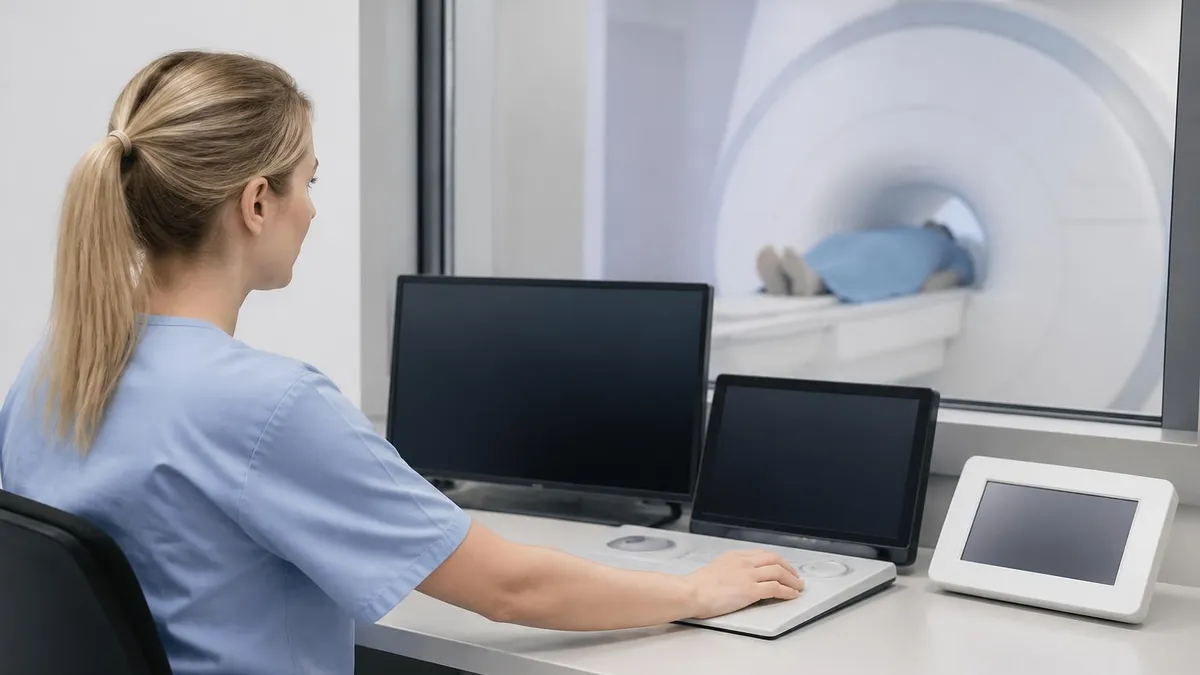
Independent Imaging Center vs Hospital Outpatient Radiology
- +Lower self-pay and often lower insured cost-share for routine exams
- +Evening, early-morning, and Saturday appointment availability
- +Shorter wait times for both scheduling and same-day check-in
- +Free or low-cost parking at most freestanding locations
- +Faster report turnaround, frequently within 24 hours
- +Quieter, less clinical environment that reduces patient anxiety
- +Direct phone access to scheduling without hospital phone trees
- −Limited handling of acutely ill, ICU, or unstable patients
- −Some advanced protocols only run at hospital sites
- −Not always equipped for sedation or pediatric MRI under anesthesia
- −Possible coordination gap if you need same-day specialist follow-up
- −Fewer on-site emergency services if contrast reaction occurs
- −May not stock every contrast agent or specialty coil
- −Network status varies by insurer, requiring a careful check
Pre-Scan Checklist for Virginia Beach Imaging Patients
- ✓Confirm the exact body part, side, and CPT code on your order matches the appointment
- ✓Verify in-network status and request a written cost estimate from the facility
- ✓Complete the MRI safety screening form covering implants, surgeries, and metal exposures
- ✓Bring prior imaging on CD or via online portal so the radiologist can compare studies
- ✓Arrive 30 minutes early to complete paperwork and any IV access if contrast is ordered
- ✓Wear metal-free clothing or plan to change into a gown provided at check-in
- ✓Leave jewelry, watches, hearing aids, and removable dental work at home or in a locker
- ✓Bring a current medication list, allergy history, and recent kidney function lab if available
- ✓Confirm any pre-medication protocol if you have a contrast allergy history
- ✓Arrange a ride home if you receive sedation or anti-anxiety medication for the scan
Always hand-carry a CD or share portal access for prior scans
Radiologists rely heavily on comparison studies to detect subtle changes. Bringing your last MRI or CT from another facility can turn an ambiguous report into a definitive diagnosis and may save you the cost of repeat imaging. Most Virginia Beach centers will burn a CD for you at no charge if you request it before leaving.
Safety screening is the most important step of any MRI appointment and the one patients underestimate most often. The magnet does not turn off between scans, and ferromagnetic objects entering the room can become deadly projectiles. Pacemakers, implanted defibrillators, cochlear implants, deep brain stimulators, certain aneurysm clips, and metallic foreign bodies in the eye are absolute or relative contraindications. Even seemingly minor items like underwire bras, magnetic eyelashes, or transdermal patches with metallic backing must be removed before you enter Zone IV.
If you have any implanted device, bring the manufacturer card or device identification so the technologist can verify MRI-conditional status, the specific field strength rating, and the required scanner mode. Many modern pacemakers are MRI-conditional, meaning they can be scanned safely under defined parameters, but the protocol takes longer and may require a cardiology presence or device interrogation before and after. Plan ahead with your cardiologist's office and the imaging center weeks before scheduling.
Gadolinium contrast deserves a balanced conversation. Modern macrocyclic gadolinium agents have an excellent safety record and are essential for diagnosing tumors, infections, inflammatory lesions, and vascular disease. The risk of nephrogenic systemic fibrosis is now extremely low with current agents and screening practices, and trace gadolinium retention in tissue has not been linked to any clinical disease. Patients with reduced kidney function should still have a recent creatinine or eGFR result available, and pregnant patients usually avoid contrast unless medically essential.
Claustrophobia is real and treatable. Wide-bore scanners, open scanners, and 3T systems with shorter bore lengths help most patients tolerate the exam. Bring a familiar item like a small pillow or eye mask if allowed. Many Virginia Beach centers provide noise-canceling headphones, calming music, video goggles streaming a movie, and lighting that mimics outdoor scenes. For severe anxiety, your physician may prescribe a single dose of an oral anxiolytic, but you must arrange a driver and disclose the medication at check-in.
CT contrast carries its own profile. Iodinated contrast can cause warmth, a metallic taste, and rarely an allergic reaction. Prior moderate or severe reactions trigger a pre-medication regimen of corticosteroids and antihistamines administered the day before and morning of the scan. Severe shellfish allergy is not by itself a contraindication; the older association has been disproven, though your radiology team will still document and plan carefully. Always disclose every prior reaction during the screening call.
Pediatric patients deserve special consideration. Children under five often need sedation or general anesthesia for MRI, which requires fasting, a pediatric anesthesiologist, and recovery monitoring. Naval Medical Center Portsmouth and the children's hospital partnerships in Norfolk handle the majority of these cases for Virginia Beach families. Older children frequently tolerate awake scans with child life specialist preparation, and a mock scanner visit beforehand can dramatically improve cooperation and image quality.
Pregnancy adds another decision layer. MRI without contrast is generally considered safe in pregnancy and is preferred over CT when the clinical question allows. Gadolinium crosses the placenta and is avoided unless absolutely necessary. CT exposes the fetus to ionizing radiation, and although a single low-dose study is rarely harmful, alternative imaging is considered first. Always inform every staff member if you are or might be pregnant — there is no embarrassment in disclosure, and silence can cause real harm.
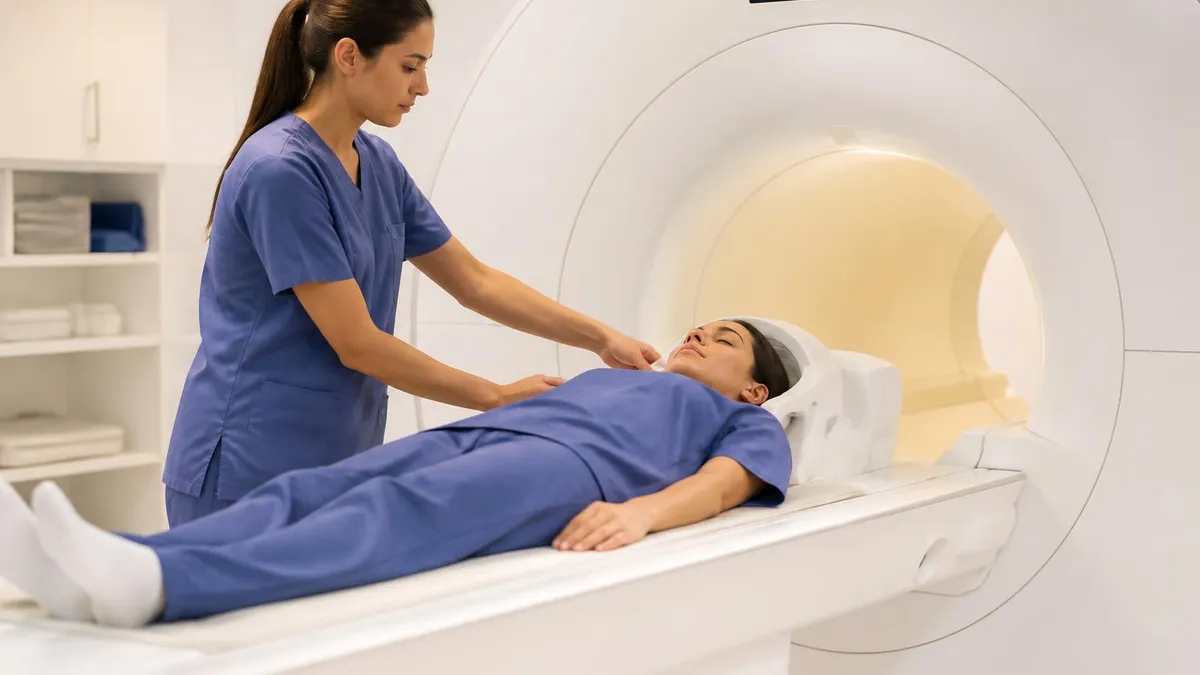
Failure to report a pacemaker, neurostimulator, aneurysm clip, cochlear implant, or metallic foreign body in the eye can result in device malfunction, severe burns, or fatal injury. Welders, machinists, and combat veterans should request orbital X-rays if they suspect retained metal fragments. When in doubt, ask the technologist before the scan begins.
Once your scan is complete the images move to a radiologist for interpretation, and the resulting report becomes part of your medical record. Most Virginia Beach centers issue preliminary reports within twenty-four hours for routine outpatient exams and within minutes for emergency studies. The report appears in your patient portal alongside images you can download, share, or forward to a specialist. Understanding the structure of the report helps you have a more productive follow-up appointment.
A typical radiology report contains a clinical history line, a technique paragraph, a findings section, and an impression. The findings section is long and methodical, walking through each organ or structure. The impression at the bottom is what your ordering doctor will focus on, and it usually contains numbered conclusions and recommendations. Words like "unremarkable," "no acute findings," and "stable compared to prior" are reassuring. Words like "concerning for," "suspicious," or "recommend further evaluation" warrant a prompt conversation with your provider.
Incidental findings are common, especially on abdominal and chest CT exams that scan many organs at once. A small kidney cyst, a benign liver hemangioma, or a stable lung nodule are frequent. Radiologists follow standardized guidelines such as the ACR White Paper and Lung-RADS to recommend whether and when to repeat imaging. Do not panic at the word "nodule" — many require nothing more than a follow-up scan in six to twelve months. For more on common patterns, see common MRI findings across body regions.
Comparison with prior imaging is one of the highest-value features of a good radiology read. If you have moved between health systems, bring CDs or set up cross-portal sharing so the new radiologist sees your history. A finding that looks alarming on a single scan may have been stable for five years on prior studies, sparing you a biopsy or repeated imaging. Conversely, a subtle change from prior may be the most important data point in the entire report.
Patient portal access has changed how Americans receive results. Under federal information-blocking rules, results are released to patients as soon as they are finalized, often before your physician calls. This can be jarring when terminology sounds severe. If you read a confusing or worrying result, message your ordering provider through the portal and request a structured conversation rather than self-diagnosing online. Most clinicians appreciate the engagement and respond within a business day.
Second opinions are easier than ever. Subspecialty radiologists at academic centers offer remote re-reads of CDs or PACS-linked images, often for a few hundred dollars. For complex musculoskeletal, neurologic, or oncologic studies a second read can refine staging, confirm findings, and shape the treatment plan. Discuss with your specialist whether a re-read at a specific center would change management, and ask the imaging facility to provide your data in a portable format.
Finally, remember that imaging is a tool, not a verdict. A scan must always be interpreted in the context of your symptoms, examination, and history. Plenty of asymptomatic adults walk around with bulging discs, meniscal tears, and small thyroid nodules that never matter clinically. A great Virginia Beach imaging experience produces clean images, a clear report, and a thoughtful conversation with the physician who knows you. That triad — not the scan alone — is what guides the next step in your care.
Practical preparation for the day of your Virginia Beach scan starts the night before. Get a normal night of sleep, eat a light meal unless you are fasting for an abdominal or pelvic study, and confirm the appointment time, address, and parking instructions. Many imaging centers along Independence Boulevard share suites with primary care offices, so the entrance you need may not be the one closest to the main parking lot. Programming the actual building entrance into your map app saves stress.
Hydration matters more than most patients realize. If you are receiving iodinated CT contrast, good hydration helps your kidneys clear the agent and reduces the small risk of contrast-associated kidney injury. For MRI with gadolinium the impact is smaller but still helpful. Skip vigorous caffeine immediately before a brain or cardiac study where heart rate matters, and ask the scheduler whether your specific protocol requires fasting for four to six hours, which is common for abdominal mri cpt code with MRCP sequences.
Wear simple, metal-free clothing. Soft cotton t-shirts, sweatpants without metal drawstrings, and sports bras without underwire let you stay in your own clothes for many extremity and spine studies. If a gown is required, the technologist will provide one. Leave your watch, jewelry, hair pins, and money clips in the lockable cubby provided. Magnetic eyelash extensions and certain permanent makeup pigments can heat up in the magnet — disclose them and ask if your specific cosmetic is rated MRI-conditional.
Bring a companion if you have anxiety or expect difficult news. Most Virginia Beach centers welcome one screened adult in the MRI room with you, and a familiar voice through the intercom can shorten what feels like an endless scan. After the appointment a companion can drive, take notes, and remember details when your mind is busy processing. For patients receiving sedation a designated driver is mandatory and your discharge will be delayed if you arrive alone.
Track your authorization and orders carefully. Take a photo of your imaging order, your insurance card, and your authorization number, and keep them in a single note on your phone. If the front desk cannot locate the order, you have a backup. Bring a paper copy as well — Hampton Roads fax glitches still happen, and a clean printout can save a half-day reschedule. After the scan, request a CD of your images at checkout so you have a portable copy for any future specialist visit.
Plan a brief decompression after the appointment. Even a routine MRI is loud and physically still for thirty or more minutes, and many patients feel lightly fatigued afterwards. Schedule a quiet lunch, a walk on the boardwalk, or a short nap before returning to work. Hydrate, avoid heavy alcohol the same day if you received contrast, and watch for any unusual symptoms such as widespread itching, hives, or shortness of breath that warrant a call to the facility.
Finally, follow up actively. Reports occasionally get lost between fax queues, EMR inboxes, and busy clinics. If you have not heard from your ordering physician within five business days, message them through the portal with the date and location of your scan. A polite nudge accelerates everyone's workflow and ensures that the answer your symptoms deserve is not buried beneath a stack of other results. The scan is only useful when its findings translate into a plan you can act on.
MRI Questions and Answers
About the Author

Medical Laboratory Scientist & Clinical Certification Expert
Johns Hopkins UniversityDr. Sandra Kim holds a PhD in Clinical Laboratory Science from Johns Hopkins University and is certified as a Medical Technologist (MT) and Medical Laboratory Scientist (MLS) through ASCP. With 16 years of clinical laboratory experience spanning hematology, microbiology, and molecular diagnostics, she prepares candidates for ASCP board exams, MLT, MLS, and specialist certification tests.
Join the Discussion
Connect with other students preparing for this exam. Share tips, ask questions, and get advice from people who have been there.
View discussion (8 replies)