
Lying About Mental Health at MEPS: What Really Happens and What You Should Do Instead
Thinking about lying about mental health at MEPS? 🎯 Learn the real risks, what MEPS checks, and how honesty can still get you enlisted.

Lying about mental health at MEPS is one of the most serious mistakes a military recruit can make, yet it remains a tempting option for thousands of applicants every year who fear that a past diagnosis will end their military career before it begins.
MEPS — the Military Entrance Processing Station — is the gateway through which every prospective service member must pass, and it includes a thorough medical and psychological screening designed to ensure recruits are physically and mentally fit for service. Understanding what does meps stand for and what happens there is the first step every applicant should take before their processing date.
The mental health screening at MEPS is far more comprehensive than most recruits realize. Military physicians review self-reported medical histories, conduct in-person interviews, and increasingly cross-reference records through systems like GENESIS, which consolidates medical data from military treatment facilities. While MEPS does not automatically pull your entire civilian psychiatric history, the information you voluntarily disclose — and fail to disclose — creates a legal record. Providing false statements on military enlistment forms is a federal offense under 10 U.S.C. § 1001, carrying potential penalties including dishonorable discharge, fines, and imprisonment.
Many recruits assume that a childhood diagnosis of ADHD, a single episode of depression treated in adolescence, or an anxiety disorder from several years ago will automatically disqualify them. This assumption is frequently wrong. The military uses a nuanced waiver system that evaluates the nature, severity, and recency of mental health conditions. A diagnosis that was successfully treated and has been in full remission for several years may be waivable, meaning honesty combined with proper documentation could still result in enlistment while lying could result in permanent disqualification if discovered later.
The consequences of lying extend far beyond the recruiting office. If a recruit conceals a mental health condition and is later discovered — through a background investigation, a deployment screening, or an in-service mental health episode — they can face separation from the military, loss of benefits, and federal fraud charges. Veterans who were separated under fraudulent enlistment conditions have lost GI Bill benefits, military retirement pay, and VA healthcare access. The financial and personal costs of these outcomes dwarf whatever short-term advantage lying at MEPS might seem to offer.
It is also worth understanding what MEPS military screening actually checks and what it does not. MEPS physicians conduct what is called a MEPS 2807-2 pre-screening medical history questionnaire, which asks about dozens of conditions including mental and emotional disorders. You are legally required to answer truthfully. The physician then conducts a face-to-face medical examination, during which behavioral cues, speech patterns, and responses to mental status questions may raise flags even if the paperwork shows no issues. MEPS doctors are trained to identify inconsistencies, and they see hundreds of recruits every month.
This article is designed to give you a complete, honest picture of what happens at MEPS with respect to mental health history, what the screening process looks like, what conditions may or may not disqualify you, and how the waiver process works. The goal is to equip you with the information you need to make an informed decision — one that protects your long-term future rather than gambling it on the hope that undisclosed information will never surface. Lying at MEPS is never the smart play, but understanding your options almost always reveals a legitimate path forward.
Whether you were diagnosed with depression as a teenager, received treatment for an eating disorder in college, or are currently managing anxiety with medication, the information in this guide will help you understand your actual options. Preparing thoroughly and working with your recruiter and a military attorney if necessary gives you the best possible chance of achieving your goal of serving in the United States military without putting your entire future at risk.
MEPS Mental Health Screening by the Numbers

What Happens at MEPS Mental Health Screening Step by Step
Pre-MEPS Medical Questionnaire (DD Form 2807-2)
Arrival and Initial Administrative Processing
Medical History Review by MEPS Physician
Mental Status Evaluation and Behavioral Observation
Waiver Initiation if a Condition Is Identified
Final Medical Determination and PULHES Rating
The consequences of lying about mental health at MEPS are severe, long-lasting, and frequently far worse than whatever outcome the recruit feared from honest disclosure. The most immediate risk is a charge of fraudulent enlistment. Under the Uniform Code of Military Justice (UCMJ) and federal law, making false statements on enlistment forms is a crime. Service members discovered to have lied at MEPS can be court-martialed, separated from service, or both — and this can happen years after enlistment, even after completing a deployment or earning promotions.
One of the most devastating consequences involves the loss of military benefits. A service member separated for fraudulent enlistment typically receives an Other Than Honorable (OTH) discharge or worse. This characterization of service makes a veteran ineligible for the GI Bill, VA home loans, VA healthcare, and in some cases, military retirement pay even if they served long enough to technically qualify for it. Recruits who lie to avoid one obstacle at MEPS are unknowingly trading away the entire benefit package that makes military service financially worthwhile for many families.
Background investigations also pose a significant long-term risk. Military personnel with security clearances undergo periodic reinvestigations, and these investigations often include medical and mental health record reviews. The National Security Agency, Defense Intelligence Agency, and other agencies that require clearances routinely review psychiatric history as part of their adjudicative guidelines. A recruit who lied at MEPS and later seeks a clearance-required position faces the compounded risk of both the original MEPS fraud charge and disqualification from the position they were pursuing.
Beyond the legal consequences, there is a practical mental health reality that recruiters and veterans advocates often emphasize: military service is extraordinarily stressful. Combat deployments, operational tempo, and the cumulative psychological strain of military life can exacerbate pre-existing mental health conditions that were manageable in a civilian context. A recruit who conceals a vulnerability and then encounters significant stressors in service may find themselves in crisis without access to the support structures they need, because accessing military mental health care often requires disclosing history that contradicts what they told MEPS.
For recruits who processed through tampa meps or similar high-volume facilities, it is worth noting that MEPS physicians see patterns. A recruit who seems overly rehearsed, who hesitates conspicuously before answering mental health questions, or whose answers seem inconsistent with their overall presentation triggers follow-up. MEPS physicians at busy stations are experienced at detecting coached responses and will refer a recruit for psychiatric consultation if something seems off, regardless of what the paperwork shows.
The fear that drives most recruits to consider lying is understandable but statistically misplaced. Most mental health conditions that existed in the past — especially those that were treated and resolved before the applicant turned 18 — are waivable with proper documentation. Recruiters who tell applicants to omit mental health history are not acting in the applicant's best interest; they are acting in their own recruiting quota interest, and they leave the recruit holding all of the legal risk. Understanding this dynamic is critical for any recruit navigating the MEPS process.
Perhaps the most important thing to understand is that the military's mental health screening exists not to exclude good candidates but to match service members to roles where they will be effective and safe. The military invests hundreds of thousands of dollars in training each service member, and it needs people who can complete their service commitments successfully. A thoughtful, honest disclosure paired with evidence of effective treatment and stability is often exactly the kind of story that results in a waiver, because it demonstrates self-awareness, help-seeking behavior, and the resilience that military service actually requires.
MEPS Mental Health: Common Conditions and What the Military Actually Does
Depression and anxiety are among the most common mental health conditions disclosed at MEPS, and they are also among the most frequently waived. The military evaluates these conditions based on severity, recency, and treatment outcome. A single episode of major depression that was treated and resolved more than two years prior, with no current medication requirement, is often approvable through a waiver. Anxiety disorders that did not require hospitalization and have been in remission for at least one year are similarly waivable in many branches.
The key documentation for these conditions includes treatment records showing the duration of therapy or medication, a letter from the treating provider confirming current stability, and evidence of functional improvement such as returning to school, maintaining employment, or athletic participation. Recruits who proactively gather this documentation before their MEPS appointment are in a significantly stronger position than those who disclose at MEPS and then scramble to collect records. Working with your recruiter and a veterans-focused mental health provider ahead of time can make the difference between a waiver approval and a lengthy delay.

Honest Disclosure vs. Concealment at MEPS: Weighing Your Options
- +Eligible for a medical waiver that may still result in successful enlistment
- +Protected from future fraud charges that could end your military career
- +Able to access military mental health care during service without fear of contradiction
- +Background investigations and security clearance reviews pose no hidden risk
- +Builds a foundation of integrity that supports advancement and leadership roles
- +Your recruiter can advocate for you with accurate information rather than defending a lie
- −Disclosure may result in a temporary delay while waiver paperwork is processed
- −Some conditions are disqualifying even with a waiver request if recency or severity is high
- −Gathering medical records and provider letters requires proactive effort and time
- −Some recruiters may be less enthusiastic about working through a waiver application
- −Certain military occupational specialties (MOS) may remain unavailable even after a waiver
- −The waiver approval process can take weeks to months, delaying your ship date
Honest MEPS Mental Health Disclosure Checklist
- ✓Compile a complete list of every mental health diagnosis you have ever received, including dates of diagnosis.
- ✓Gather all treatment records including therapy notes, discharge summaries, and psychiatrist letters.
- ✓Document every medication you have taken for mental health conditions, including start and stop dates.
- ✓Obtain a current letter from your treating provider stating your current stability and fitness for service.
- ✓Confirm that you have been off any required medications for at least 12 months if applicable to your condition.
- ✓Research your specific branch's waiver policies for your condition before your MEPS appointment.
- ✓Discuss your complete mental health history with your recruiter before your MEPS processing date.
- ✓Prepare a clear, factual, and concise verbal summary of your mental health history for the MEPS physician.
- ✓Do NOT attempt to downplay or minimize symptoms during the physician interview — answer all questions accurately.
- ✓Ask your recruiter about the waiver application timeline so you can plan your ship date realistically.
A Past Diagnosis Is Not an Automatic Disqualifier
The majority of mental health conditions that recruits fear will end their military careers are waivable with proper documentation. The military's waiver system exists precisely because it needs to retain qualified candidates who may have sought help for mental health issues in the past. Honesty paired with evidence of treatment and sustained stability gives you a fighting chance; concealment gives you a time bomb that can detonate at any point during your military career, stripping you of benefits, rank, and future opportunities.
The military waiver system is the legitimate pathway that thousands of recruits use every year to enlist despite mental health histories that would otherwise be disqualifying under standard medical accession standards. Understanding how this system works is essential for any recruit who has any mental health history at all, because the waiver process is frequently the difference between a successful enlistment and an unnecessary rejection.
Each military branch administers its own waiver review process, but all branches use the same basic framework: the MEPS physician identifies a condition, initiates waiver documentation, and forwards it to the branch's medical review authority for a final determination.
The waiver application typically requires several categories of documentation. First, you need comprehensive medical records from every provider who treated the condition, covering the full timeline from diagnosis through resolution. Second, you need a current evaluation from a licensed mental health provider — ideally one familiar with military fitness standards — who can speak to your current clinical status and functional capacity. Third, for conditions like ADHD, you may need to demonstrate off-medication performance on standardized cognitive tests. Some branches also require a personal statement from the applicant describing the circumstances of the condition and the treatment received.
Timeline matters enormously in the waiver process. Conditions that are more than five years in the past with no recurrence are evaluated much more favorably than conditions that were treated within the last two years. Recruits who are strategically planning their enlistment timeline and who have current mental health conditions that are actively being treated should discuss with a mental health provider what the realistic treatment timeline looks like and when they might achieve sustained remission. Attempting to enlist too soon after completing treatment reduces waiver approval rates significantly.
Branch differences are significant. The Army has historically been the most waiver-friendly branch for mental health conditions, partly due to its larger size and ongoing manning requirements. The Navy and Marine Corps tend to be more selective, particularly for combat-related and special operations roles. The Air Force and Space Force are often the most restrictive, with higher baseline fitness standards across all categories including mental health. Special Forces selection pipelines across all branches have the most stringent mental health requirements and the fewest waivers approved at those levels.
The MEPS GENESIS system — which integrates electronic health records from military treatment facilities — is worth understanding in this context. While GENESIS primarily covers care received at military facilities, the integration of civilian records is expanding through connected health initiatives. Recruits who have received mental health treatment at a military hospital, military-affiliated clinic, or through TRICARE as a dependent may find that their records are already accessible to MEPS physicians. This is another reason why anticipatory disclosure is always safer than hoping records won't surface.
Recruits who are denied an initial waiver have recourse through the appeals process. Each branch has a formal appeal mechanism, and applicants can submit additional documentation, updated medical evaluations, or clarifying information in support of their appeal. Working with a veterans service organization, a military attorney, or an accredited claims agent can significantly improve the quality of an appeal. Some recruits who are initially rejected at one branch have successfully enlisted in another branch with a more favorable waiver policy for their specific condition.
The experience of recruits who have processed through facilities like fort jackson meps columbia sc illustrates that even complex mental health histories can result in successful enlistment when handled correctly. The common thread in successful waiver cases is consistent documentation, treatment completion, sustained stability, and an honest, coherent narrative that MEPS physicians can follow from diagnosis to current fitness. Waivers are not automatic, but they are real, and they work for a significant percentage of applicants who pursue them through proper channels.

Every answer on your MEPS medical history forms is a legal statement subject to 18 U.S.C. § 1001, which prohibits false statements to federal agencies. This is not a technicality — recruits have faced criminal prosecution for omissions discovered years after enlistment. If you are unsure whether a past mental health event requires disclosure, consult a military attorney before your MEPS appointment, not after.
Preparing your mental health disclosure for MEPS requires a combination of factual thoroughness, strategic documentation, and clear communication. The goal is not to minimize your history but to present it in a way that gives MEPS physicians and waiver reviewers the complete picture they need to make an accurate determination. Recruits who walk into MEPS with a folder of organized records, a current provider letter, and a clear verbal summary of their history are in a dramatically better position than those who disclose verbally without supporting documentation.
Start by creating a written timeline of your mental health history. Include the date of each diagnosis, the name of each diagnosing provider, the treatments you received, the duration of treatment, and the date you completed treatment or achieved stable remission. If you took medications, list each medication, the dosage, the prescribing provider, and the date you discontinued the medication. This timeline is not something you submit at MEPS; it is a personal reference tool that ensures you do not accidentally omit any relevant details when answering the MEPS physician's questions.
Obtain medical records proactively. Most providers are required to release records within 30 days of a written request, and many can provide them sooner. Do not rely on providers to send records directly to MEPS on short notice. Obtain copies yourself so you control the timeline and can review what is being submitted. If your records contain errors or outdated information, your provider can issue an amended note or addendum clarifying the current clinical picture. Organize records chronologically and bring them in a clearly labeled folder to your MEPS appointment.
Your current treatment provider's letter is arguably the most important document in a mental health waiver application. This letter should be written on official letterhead, signed by a licensed professional, and should address several specific points: your diagnosis history, the treatments received, your current clinical status, the duration of remission, any current medications and their functional impact, and the provider's professional opinion regarding your fitness for military service.
Some providers are familiar with military fitness standards and can write specifically to those criteria; if your provider is not familiar, provide them with a summary of the relevant branch standards so their letter is as useful as possible.
Communication with your recruiter is critical and often underutilized. Many recruits are reluctant to disclose mental health history to their recruiter because they fear the recruiter will stop working with them. In reality, recruiters who know your full history can advocate for you, prepare the right waiver documentation in advance, and set realistic expectations about your ship date. Recruiters who do not know your history cannot prepare, and they may inadvertently coach you in ways that create inconsistencies with your MEPS disclosure, which makes your situation worse.
Practice your verbal disclosure before your MEPS appointment. You should be able to clearly and calmly describe your mental health history in three to five sentences: what the condition was, when you were diagnosed, what treatment you received, when you completed treatment, and what your current status is. Recruits who become visibly anxious, who contradict themselves, or who give incomplete answers when asked about mental health history at MEPS raise red flags. A calm, organized, factual disclosure communicates competence and self-awareness — exactly the qualities military physicians are looking for when evaluating fitness.
Finally, consider consulting with a military attorney who specializes in enlistment issues before your MEPS appointment if your history is complex. This is especially worth considering if you have a history of psychiatric hospitalization, multiple diagnoses, recent treatment, or any criminal history that intersects with mental health issues. A thirty-minute consultation with a knowledgeable attorney can clarify your rights, your legal obligations, and the realistic likelihood of a successful waiver.
The cost of an attorney consultation is minimal compared to the cost of a fraudulent enlistment charge years into your military career. Recruits who processed through dallas meps dallas tx and similar stations frequently report that advance legal consultation was one of the best investments they made in their enlistment process.
Beyond the formal waiver process, there are practical strategies that can meaningfully improve your MEPS mental health outcomes. The single most effective thing you can do in the months before your MEPS appointment is to build a documented record of stability. This means attending all scheduled mental health appointments, maintaining a stable lifestyle, avoiding substance use, and preserving documentation of positive functioning such as academic transcripts, employer letters, or athletic achievement records. MEPS physicians evaluate trajectories, not just snapshots, and a clear upward trajectory of stability is compelling evidence in any waiver review.
Sleep and nutrition in the days leading up to your MEPS appointment are not trivial considerations. MEPS processing is physically and mentally exhausting — it typically involves an early morning arrival, hours of waiting, multiple examinations, and significant stress. Recruits who arrive sleep-deprived, underfed, or dehydrated may exhibit anxiety, cognitive sluggishness, or emotional reactivity that reads to a MEPS physician as a mental health flag even when no underlying condition exists. Preparing physically for your MEPS day is as important as preparing the documentation you bring.
Know the specific disqualification standards that apply to your branch and your condition before you arrive. Department of Defense Instruction 6130.03 Volume 1 sets the baseline medical standards for military accession, and each branch publishes its own supplementary guidance. Understanding whether your specific diagnosis, treatment history, and current status falls within the disqualifying parameters helps you understand what the MEPS physician is evaluating and what documentation is most relevant to include. This knowledge also helps you ask informed questions if the physician indicates that a waiver may be necessary.
If you are currently taking any psychotropic medication, discuss your enlistment timeline with your prescribing physician well in advance of your MEPS appointment. Many medications that are used to treat mental health conditions are disqualifying under military standards either because the condition being treated is disqualifying or because the medication itself is considered incompatible with military service environments, particularly deployed environments where medication access may be limited. Your physician may be able to help you develop a safe tapering plan if discontinuation is clinically appropriate and if the timeline supports it.
The physical fitness aspect of your MEPS preparation also intersects with mental health outcomes. Regular physical exercise is one of the most well-documented interventions for depression, anxiety, and ADHD symptoms. Recruits who have maintained a consistent exercise program — even a basic running and bodyweight routine — for the six to twelve months before MEPS can point to this as evidence of discipline, self-management, and functional stability. Many MEPS physicians specifically ask about exercise habits as part of the mental health assessment, and a recruit who exercises regularly presents a very different clinical picture from one who has been sedentary.
Community support structures are another form of evidence worth documenting. Healthy relationships, community involvement, employment stability, and academic performance all speak to functional capacity and resilience. Letters from coaches, employers, teachers, or community leaders who can attest to your character and functional capacity add context to a mental health history that might otherwise look concerning in isolation. The narrative you build around your mental health history is as important as the clinical facts within it.
Finally, remember that the military needs qualified candidates. Recruiters are given monthly accession goals, branches have end-strength requirements, and military readiness depends on maintaining adequate force levels. The system is designed to find ways to bring qualified candidates in, not to exclude everyone with an imperfect medical history.
Approaching MEPS with the mindset that you are a qualified candidate who happens to have a treatable medical history — rather than a disqualified applicant trying to sneak through — changes your entire orientation toward the process and typically results in better outcomes. Preparation, honesty, and persistence are the three qualities that most reliably lead to successful enlistment for candidates with mental health histories.
MEPS Questions and Answers
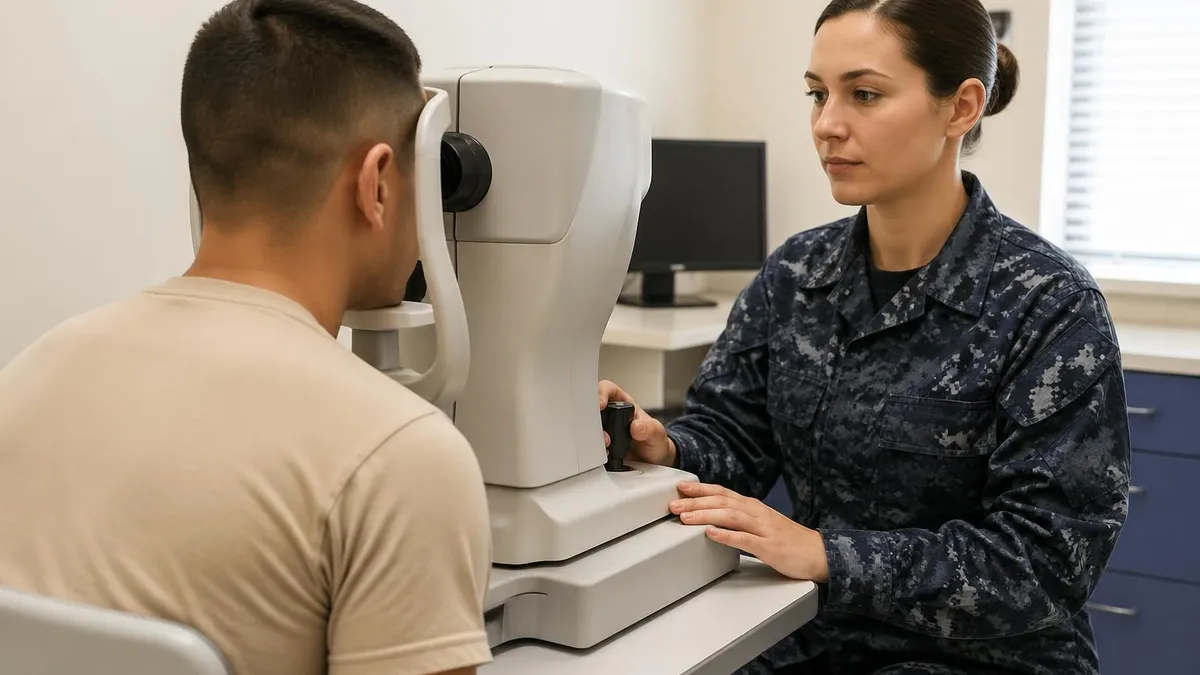
MEPS Army: Complete Guide to What Army Recruits Experience
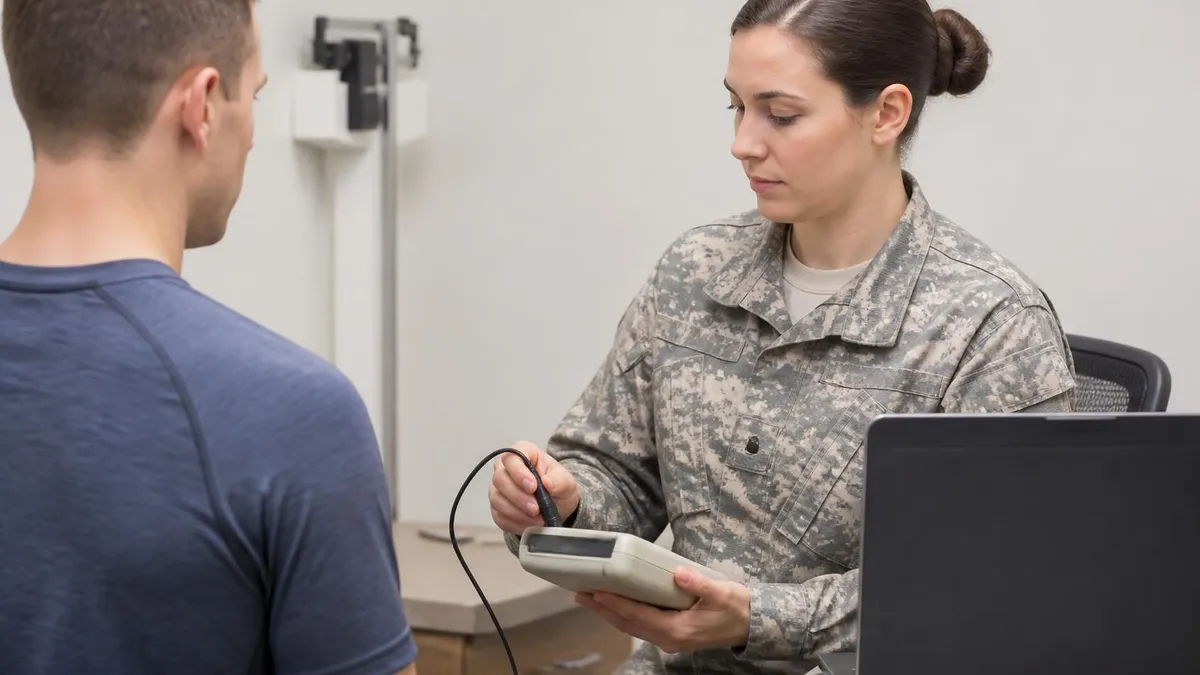
Dallas MEPS in Dallas TX: Complete Recruit Processing Guide

MEPS GENESIS: What It Is and How It Affects You
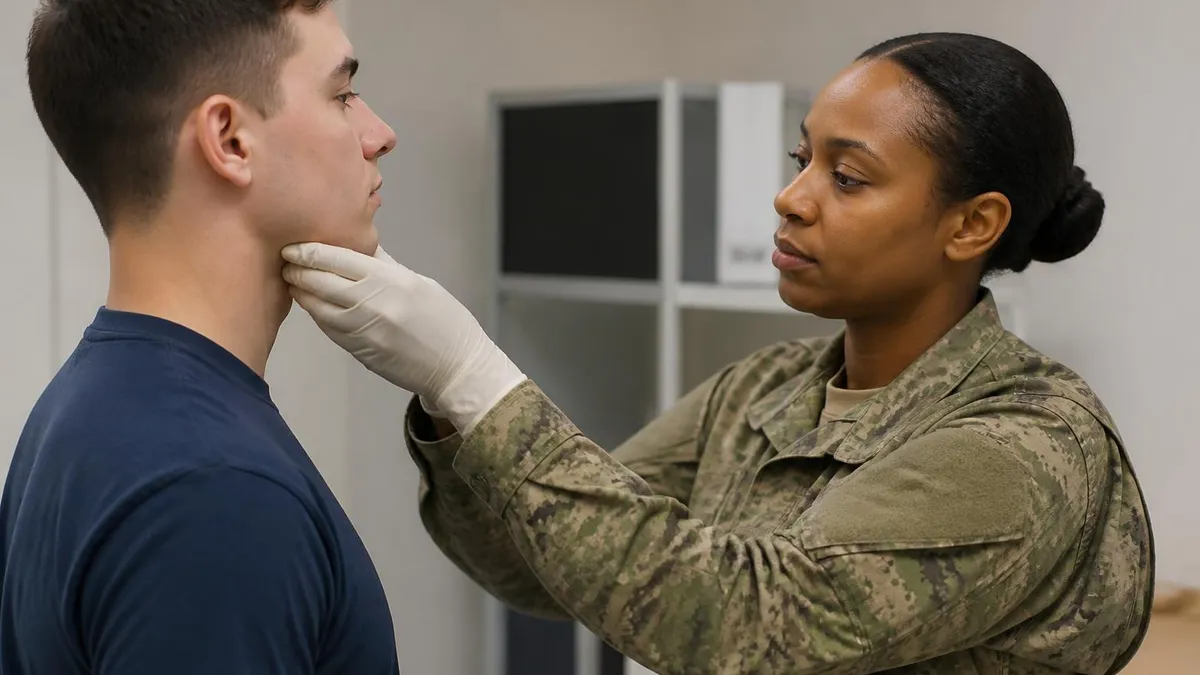
MEPS San Antonio: Your Complete Guide to Fort Sam Houston Processing

Can I Switch Branches at MEPS? Complete MEPS Process and Rules Guide
About the Author

Retired Military Officer & Armed Forces Test Preparation Specialist
United States Army War CollegeColonel Steven Harris (Ret.) served 28 years in the US Army, earning a Master of Arts in Military Science from the Army War College and a Bachelor of Science in Criminal Justice. He has coached thousands of military enlistment and officer candidate program applicants through the ASVAB, AFQT, AFCT, OAR, and officer selection assessment processes across all military branches.
Join the Discussion
Connect with other students preparing for this exam. Share tips, ask questions, and get advice from people who have been there.
View discussion (8 replies)