
HVAC Meaning and Definition: The Complete Guide to Understanding Heating, Ventilation, and Air Conditioning in Engineering
Discover the full HVAC meaning in engineering — what heating, ventilation, and air conditioning systems do, how they work, and why they matter. 📗
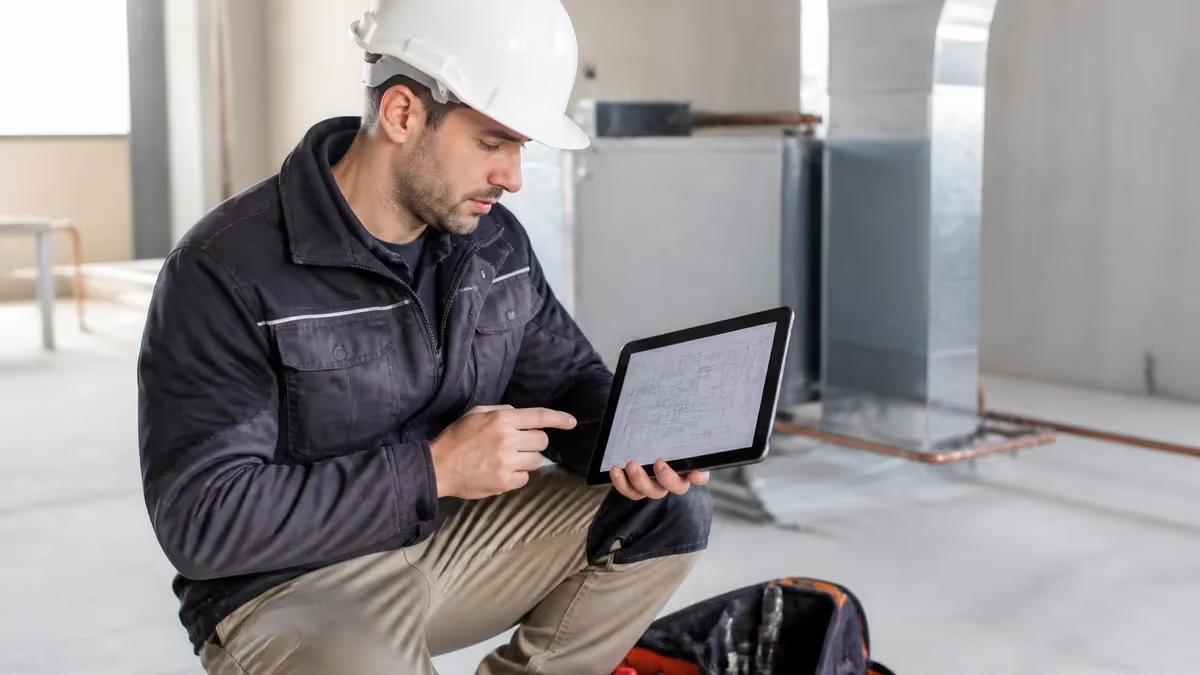
Understanding the hvac meaning in engineering starts with knowing what the four letters actually stand for: Heating, Ventilation, and Air Conditioning. In engineering practice, HVAC describes the integrated mechanical system that controls indoor temperature, humidity, air quality, and air movement inside residential, commercial, and industrial buildings. It is not a single device but a coordinated network of equipment, ductwork, controls, and refrigerants designed to maintain occupant comfort, protect building materials, and meet strict energy and ventilation codes that vary across every U.S. jurisdiction.
The discipline sits at the intersection of thermodynamics, fluid mechanics, electrical engineering, and building science. A typical HVAC engineer must size equipment using Manual J load calculations, design duct layouts that meet ASHRAE 62.1 ventilation requirements, specify refrigerants that comply with EPA Section 608, and integrate controls that respond to occupancy and outdoor conditions. The system must do all of this while consuming less than 40% of the building's total energy budget, which is the national average for HVAC energy use according to the U.S. Department of Energy.
For homeowners, contractors, and students preparing for licensing exams, the definition matters because it determines code compliance, equipment selection, and warranty coverage. A heat pump, for example, qualifies as a complete HVAC system because it provides both heating and cooling, while a standalone furnace only covers the heating portion. Knowing the difference affects everything from rebate eligibility to manufacturer training requirements. Many states require separate licenses for refrigeration work, gas piping, and ductwork — all of which fall under the broader HVAC umbrella.
In commercial engineering, HVAC takes on additional complexity. Office towers use variable air volume (VAV) systems with chilled water loops, hospitals require positive and negative pressure zones to prevent infection spread, and data centers rely on precision cooling that maintains temperatures within a 2°F window year-round. Each application demands different design assumptions, redundancy levels, and maintenance protocols. Engineers also coordinate with architects, electricians, and plumbers through Building Information Modeling (BIM) software to avoid clashes between ducts, beams, and conduit.
The history of HVAC traces back to Willis Carrier's 1902 invention of mechanical air conditioning at a Brooklyn printing plant, where humidity was warping paper. Within fifty years, the technology transformed American architecture by enabling deep floor plates, glass curtain walls, and year-round comfort in hot climates like Phoenix and Houston. Today, the industry employs more than 415,000 technicians in the United States and generates roughly $130 billion in annual revenue. If you need professional service, working with experienced Certified HVAC Contractors ensures your system meets current codes and operates efficiently.
This guide unpacks the full engineering definition of HVAC, explores each subsystem in depth, and explains how the pieces work together. You will learn the science behind refrigeration cycles, the math behind load calculations, the codes that govern installation, and the career paths available to anyone entering the trade. By the end, you should be able to explain HVAC to a homeowner, a code inspector, or an exam proctor with equal confidence.
Whether you are studying for the EPA 608 certification, preparing for a journeyman license exam, or simply trying to understand the system humming in your basement, the fundamentals covered here form the foundation of every advanced HVAC topic. Mastering the definition is the first step toward mastering the trade itself.
HVAC by the Numbers
The Four Core Functions of HVAC
Adds thermal energy to a space using furnaces, boilers, heat pumps, or electric resistance elements. The goal is to maintain indoor temperatures between 68°F and 72°F during cold weather while minimizing fuel consumption and combustion emissions.
Exchanges stale indoor air with filtered outdoor air to dilute contaminants, control CO2 levels, and remove moisture. ASHRAE 62.1 sets minimum ventilation rates per person and per square foot for every occupancy type.
Removes heat and humidity using a vapor-compression refrigeration cycle. The four-stage process compresses, condenses, expands, and evaporates refrigerant to transfer thermal energy from indoors to outdoors efficiently.
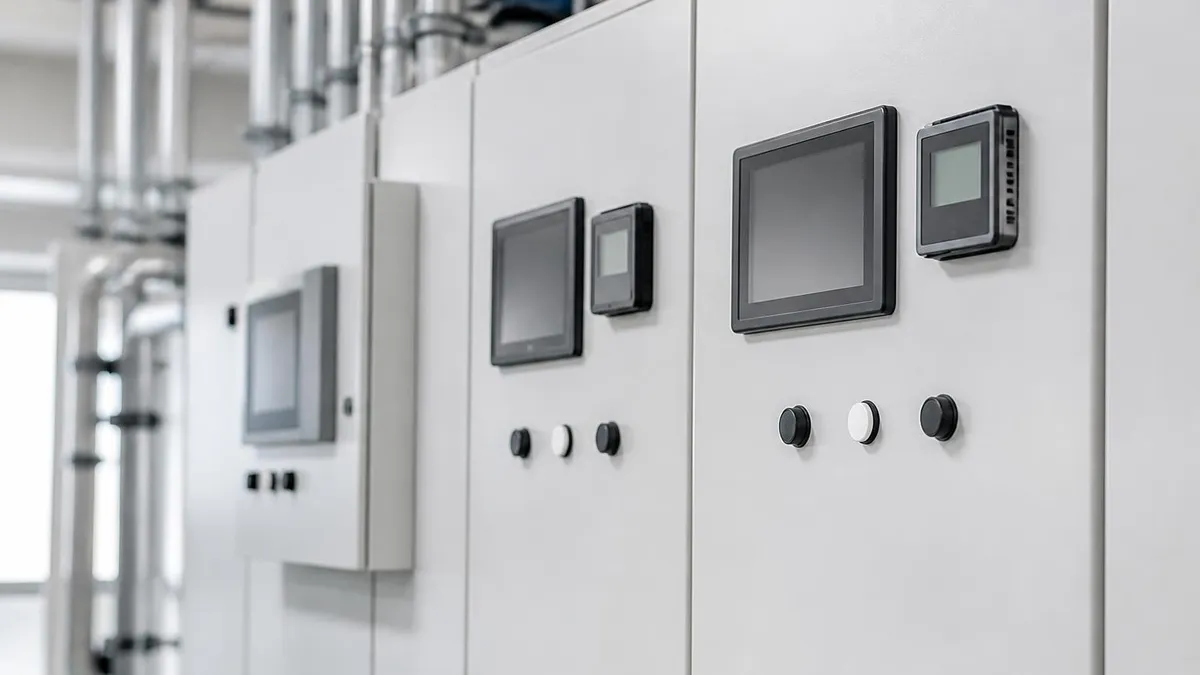
Thermostats, sensors, and building automation systems orchestrate the other three functions. Modern smart controls adjust setpoints based on occupancy, weather forecasts, and utility pricing signals to reduce energy waste.
In engineering practice, an HVAC system operates as a closed thermodynamic loop combined with an open airflow network. The thermodynamic side moves heat using refrigerant that cycles between liquid and gas phases. The airflow side distributes conditioned air through ducts, registers, and return grilles. Both loops must be balanced precisely — too much airflow wastes fan energy, too little causes hot and cold spots, and incorrect refrigerant charge destroys compressors. Engineers use psychrometric charts to visualize how temperature, humidity, and enthalpy interact at every point in the system.
The vapor-compression refrigeration cycle is the heart of every air conditioner and heat pump. It begins at the compressor, which pressurizes low-pressure refrigerant gas into a hot, high-pressure vapor. That vapor flows to the condenser coil, where outdoor air absorbs the heat and the refrigerant condenses into liquid. The liquid then passes through a metering device — usually a thermal expansion valve — which drops its pressure and temperature sharply. Finally, the cold refrigerant enters the evaporator coil indoors, absorbing heat from room air before returning to the compressor.
Heating systems use one of three primary approaches. Combustion heating burns natural gas, propane, or oil inside a heat exchanger and transfers warmth to circulating air or water. Electric resistance heating converts electricity directly into heat through coils, which is simple but expensive in most climates. Heat pumps reverse the refrigeration cycle to extract heat from outdoor air, ground loops, or water sources, delivering two to four units of heat for every unit of electricity consumed. The Department of Energy considers heat pumps the most efficient option for most U.S. climate zones.
Ventilation engineering balances indoor air quality against energy cost. Bringing in outdoor air requires heating or cooling it to indoor conditions, which adds load. Energy recovery ventilators (ERVs) and heat recovery ventilators (HRVs) solve this by transferring heat and sometimes moisture between exhaust and supply airstreams, recovering 60% to 85% of the energy that would otherwise be lost. For comprehensive system design, many homeowners explore complete HVAC Solutions that integrate ventilation with heating and cooling from a single contractor.
Control systems have evolved from simple bimetallic thermostats to networked building automation platforms running on BACnet or Modbus protocols. A modern commercial system might track 5,000 data points per minute, adjusting damper positions, fan speeds, and chiller staging based on real-time occupancy and weather. Residential smart thermostats now use machine learning to predict occupant schedules and pre-condition spaces before the homeowner arrives, cutting energy use by 10% to 15% compared with fixed schedules.
Ductwork acts as the circulatory system of forced-air HVAC. Engineers size ducts using Manual D calculations, ensuring velocity stays below 900 feet per minute in main trunks to limit noise. Static pressure must remain under 0.5 inches of water column for residential systems, or the blower motor will overheat and the system will short-cycle. Poor duct design causes more comfort complaints than any other HVAC failure, and recent studies show that 25% to 40% of conditioned air in typical U.S. homes leaks out of ducts before reaching the rooms it serves.
The interaction between all these subsystems is what makes HVAC genuinely an engineering discipline rather than just a trade. A skilled engineer must predict how a 10°F drop in outdoor temperature will affect compressor efficiency, duct static pressure, occupant comfort, and monthly utility bills — and design a system that performs across the full range of expected conditions.
HVAC Practice Test Questions
Prepare for the HVAC - Heating Ventilation and Air Conditioning exam with our free practice test modules. Each quiz covers key topics to help you pass on your first try.
HVAC Air Conditioning
HVAC Exam Questions covering Air Conditioning. Master HVAC Test concepts for certification prep.
HVAC Code Compliance
Free HVAC Practice Test featuring Code Compliance. Improve your HVAC Exam score with mock test prep.
HVAC Electrical Controls
HVAC Test Prep for Electrical Controls. Practice HVAC Quiz questions and boost your score.
HVAC Energy Efficiency
HVAC Questions and Answers on Energy Efficiency. Free HVAC practice for exam readiness.
HVAC Heating Systems
HVAC Mock Test covering Heating Systems. Online HVAC Test practice with instant feedback.
HVAC Load Calculations
Free HVAC Quiz on HVAC Load Calculations. HVAC Exam prep questions with detailed explanations.
HVAC Tools and Equipment
HVAC Practice Questions for HVAC Tools and Equipment. Build confidence for your HVAC certification exam.
HVAC Refrigeration
HVAC Test Online for Refrigeration. Free practice with instant results and feedback.
HVAC Safety Practices
HVAC Study Material on Safety Practices. Prepare effectively with real exam-style questions.
HVAC System Design
Free HVAC Test covering System Design. Practice and track your HVAC exam readiness.
HVAC Thermodynamics
HVAC Exam Questions covering Thermodynamics. Master HVAC Test concepts for certification prep.
Types of HVAC Systems Explained
A split system divides the HVAC equipment between an outdoor unit and an indoor unit, connected by refrigerant lines and electrical wiring. The outdoor cabinet houses the compressor and condenser coil, while the indoor section contains the evaporator coil and air handler or furnace. This configuration is the most common residential setup in the United States, found in roughly 75% of single-family homes built since 1980.
Split systems offer flexibility because the heating side can be paired with an air conditioner or replaced with a heat pump. Ductless mini-split variants eliminate ductwork entirely, using individual wall-mounted heads in each zone. These systems achieve SEER2 ratings above 20 in premium models and qualify for federal tax credits under the Inflation Reduction Act when installed by qualified contractors meeting efficiency thresholds.
Should You Become an HVAC Engineer or Technician?
- +Strong job security with consistent demand across every U.S. region and climate zone
- +Median wages above the national average for skilled trades, with overtime opportunities
- +Multiple entry paths including apprenticeships, trade schools, and engineering degrees
- +Diverse work environments from residential homes to industrial plants and data centers
- +Clear career progression from helper to journeyman to master to engineer or business owner
- +Federal and state incentives are creating heat pump and electrification work for decades
- +Hands-on problem solving that combines mechanical, electrical, and computer skills daily
- −Physical demands include lifting heavy equipment, working in attics, and climbing ladders
- −Exposure to extreme temperatures, refrigerants, electrical hazards, and confined spaces
- −On-call rotations during peak heating and cooling seasons disrupt personal schedules
- −Continuing education required as codes, refrigerants, and technologies change frequently
- −Initial tool investment of $3,000 to $8,000 for a fully equipped journeyman technician
- −Licensing requirements vary widely by state, making interstate moves more complicated
Essential HVAC System Components Checklist
- ✓Compressor — pressurizes refrigerant and drives the entire cooling cycle
- ✓Condenser coil — releases heat from refrigerant to outdoor air
- ✓Evaporator coil — absorbs heat from indoor air into refrigerant
- ✓Expansion valve or metering device — controls refrigerant flow into the evaporator
- ✓Heat exchanger — transfers combustion heat into circulating air without mixing gases
- ✓Blower motor — moves conditioned air through ducts and registers
- ✓Supply and return ductwork — distributes and recovers air throughout the building
- ✓Air filter — captures dust, pollen, and particulates before air enters equipment
- ✓Thermostat or zone controller — senses temperature and commands equipment operation
- ✓Drain pan and condensate line — collects and removes water from dehumidification
- ✓Refrigerant lines — copper tubing connecting indoor and outdoor units
- ✓Disconnect switch and electrical components — provide safe power isolation for service
One Definition, Many Legal Consequences
The way a jurisdiction defines HVAC determines which trades can perform which tasks. In most states, only licensed HVAC contractors can install or repair refrigerant-containing equipment, while ductwork-only contractors may handle airflow components separately. Misclassifying work can void warranties, trigger fines, and create liability if a system fails. Always verify your local Authority Having Jurisdiction (AHJ) requirements before starting any project.
HVAC engineering is governed by a layered system of codes, standards, and certifications that work together to ensure safety, efficiency, and occupant health. At the federal level, the EPA enforces refrigerant regulations under Section 608 of the Clean Air Act, requiring technicians to hold certification before handling any refrigerant. The Department of Energy sets minimum efficiency standards for equipment sold in the United States, with separate ratings for northern and southern climate regions. The Federal Trade Commission requires the familiar yellow EnergyGuide labels on most residential HVAC equipment.
State and local building codes adopt model documents such as the International Mechanical Code (IMC), International Fuel Gas Code (IFGC), and International Energy Conservation Code (IECC), often with amendments. These codes specify ventilation rates, combustion air requirements, duct insulation values, and equipment clearances. California's Title 24 represents the most stringent energy code in the country, while Texas and Florida have developed climate-specific amendments for hot, humid conditions. Code cycles update every three years, requiring continuous learning from contractors and inspectors alike.
ASHRAE — the American Society of Heating, Refrigerating and Air-Conditioning Engineers — publishes the technical standards that underpin most codes. ASHRAE 62.1 governs commercial ventilation, ASHRAE 62.2 covers residential ventilation, ASHRAE 90.1 sets commercial energy standards, and ASHRAE 55 defines thermal comfort. The society also publishes the Handbook series, a four-volume reference that engineers consult for everything from psychrometrics to system selection. Membership in ASHRAE is considered essential for serious HVAC engineers and designers.
Industry certifications validate technician competence beyond state licensing. NATE (North American Technician Excellence) offers core and specialty certifications recognized by most manufacturers. HVAC Excellence provides credentials at multiple levels, from employment-ready to master specialist. The Refrigeration Service Engineers Society (RSES) administers certifications focused on commercial and industrial refrigeration. These voluntary credentials often determine eligibility for higher-paying positions and manufacturer warranty work programs.
Equipment certifications matter just as much as personnel credentials. AHRI (Air-Conditioning, Heating, and Refrigeration Institute) certifies the performance ratings published on equipment, ensuring that the SEER2, EER2, HSPF2, and AFUE numbers reflect real-world performance. UL listing confirms electrical safety, ETL provides equivalent third-party verification, and ENERGY STAR identifies products that exceed federal minimums by specified margins. Code officials will not approve installations using uncertified equipment in nearly all jurisdictions.
Refrigerant transitions create ongoing compliance challenges. The Kigali Amendment and the American Innovation and Manufacturing (AIM) Act mandate phasedown of high-global-warming-potential refrigerants like R-410A. New residential systems sold in 2025 and beyond must use lower-GWP alternatives such as R-454B or R-32, which are mildly flammable A2L refrigerants requiring updated handling procedures. Technicians need additional training and equipment to work safely with these new chemistries, and many local codes are still catching up to the federal mandates.
The penalty structure for code violations can be substantial. EPA fines for improper refrigerant handling reach $44,000 per day per violation. Insurance carriers routinely deny claims for fires and water damage when investigation reveals code violations. Building permit revocation can halt a renovation for weeks. For these reasons, the most successful HVAC professionals treat code knowledge as a core competency rather than an afterthought, investing in annual training that keeps them current with every cycle of changes.
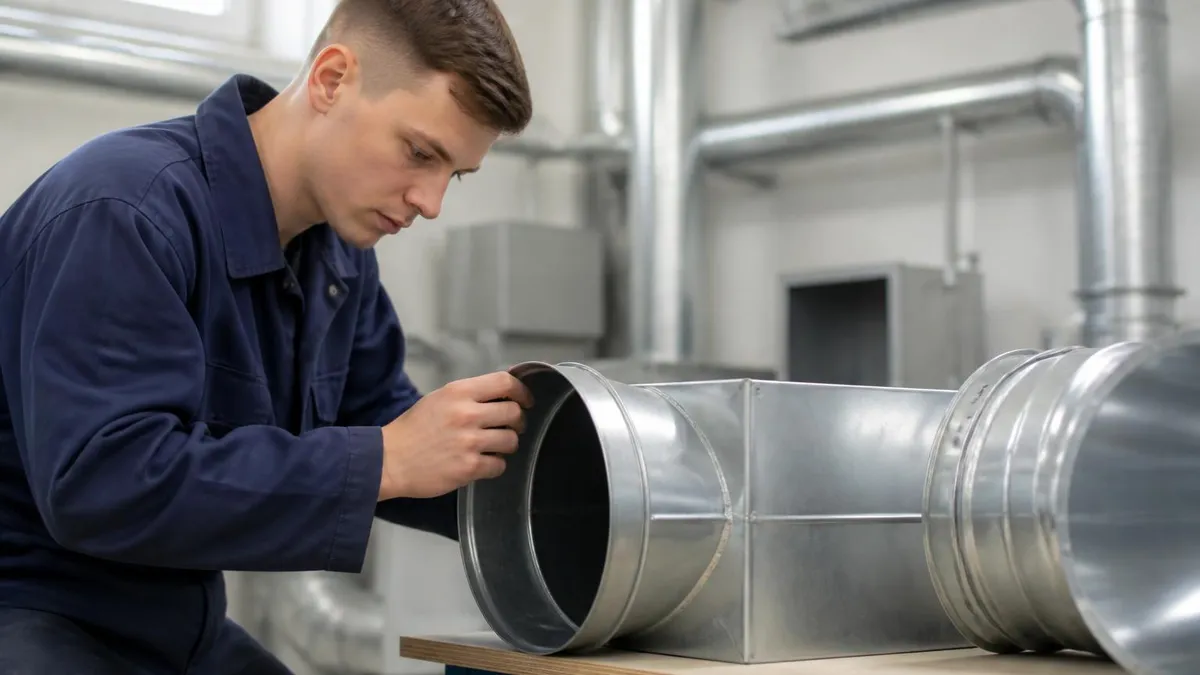
Anyone who buys, handles, or services refrigerant in the United States must hold EPA Section 608 certification. Working without it carries fines up to $44,000 per day and can result in permanent revocation of trade privileges. Four certification types exist — Type I (small appliances), Type II (high-pressure), Type III (low-pressure), and Universal — each requiring a passing score on a closed-book proctored exam.
Career paths in HVAC span an unusually wide range of skill levels and education backgrounds. At the entry point, helpers and apprentices learn on the job while attending night classes or registered apprenticeship programs lasting three to five years. Most states require 144 hours of classroom instruction per year combined with 2,000 hours of supervised field work before sitting for a journeyman exam. Apprentices typically earn 50% to 70% of a journeyman's wage, with scheduled raises tied to skill milestones and competency tests administered by the sponsoring employer or union.
Journeyman technicians represent the backbone of the residential and light commercial trade. They diagnose failures, replace components, recover and recharge refrigerant, install new equipment, and explain repairs to customers. A skilled journeyman earns between $60,000 and $90,000 annually depending on region, with metropolitan markets like San Francisco, Boston, and New York paying the highest wages. Specialization in heat pumps, ductless systems, or commercial refrigeration commands premium rates because fewer technicians hold those specific competencies and demand continues to outpace supply.
Master technicians and contractors operate businesses, pull permits, and supervise journeymen. Reaching master status typically requires five to ten years of journeyman experience plus passing a more rigorous exam covering business law, code interpretation, and advanced system design. Many masters eventually open their own companies, where successful operators can earn $150,000 to $500,000 annually after building a stable customer base. The transition from technician to business owner requires marketing, accounting, and management skills that the trade itself does not teach. Homeowners searching for trusted help should always start with established Commercial HVAC Contractors Near Me who hold current state licensing.
HVAC engineers follow a different but parallel path. They typically hold a bachelor's degree in mechanical engineering, with coursework in thermodynamics, heat transfer, and fluid mechanics. After graduation, they work under licensed Professional Engineers (PEs) for four years before sitting for the PE exam. HVAC engineers design systems for new construction, conduct energy audits, perform commissioning, and consult on retrofits. Their salaries range from $75,000 for entry-level positions to over $180,000 for senior consultants and principals at engineering firms.
Specialty roles continue to multiply as buildings become more complex. Commissioning agents verify that new systems perform as designed, energy auditors identify retrofit opportunities, controls technicians program building automation systems, and indoor air quality specialists address contamination problems. The post-COVID emphasis on ventilation, filtration, and ultraviolet disinfection has created entirely new service categories that did not exist a decade ago, with corresponding training programs and certifications emerging from ASHRAE, NADCA, and other industry bodies.
Industrial and process HVAC offers the highest technical ceiling. Pharmaceutical clean rooms require Class 100 air with zero particulates above 0.5 microns. Semiconductor fabs maintain temperature stability within 0.1°F. Data centers run 24/7 with no tolerance for cooling interruption. Engineers and technicians working in these environments earn premium compensation but face equally premium demands for precision, documentation, and continuous learning. Many of these jobs require additional security clearances and industry-specific certifications beyond standard HVAC credentials.
The growth outlook through 2032 is strong. The Bureau of Labor Statistics projects 5% employment growth for HVAC technicians, driven by aging equipment replacement, electrification incentives, and climate-driven cooling demand. Heat pump installations alone are projected to double by 2030 under current federal and state policies, creating a generational workforce shortage that translates directly into higher wages, signing bonuses, and accelerated promotion timelines for new entrants who complete their training and certification commitments early.
For students and new technicians studying the HVAC definition for exams, the most effective preparation combines reading, hands-on practice, and active recall through practice questions. Start by memorizing the basic acronym and its four functions, then progress to the underlying physics: the second law of thermodynamics, the ideal gas law, and the principles of psychrometrics. Drawing the vapor-compression cycle from memory — including pressures, temperatures, and phase changes at each point — is a rite of passage that separates competent technicians from those who simply replace parts without understanding why.
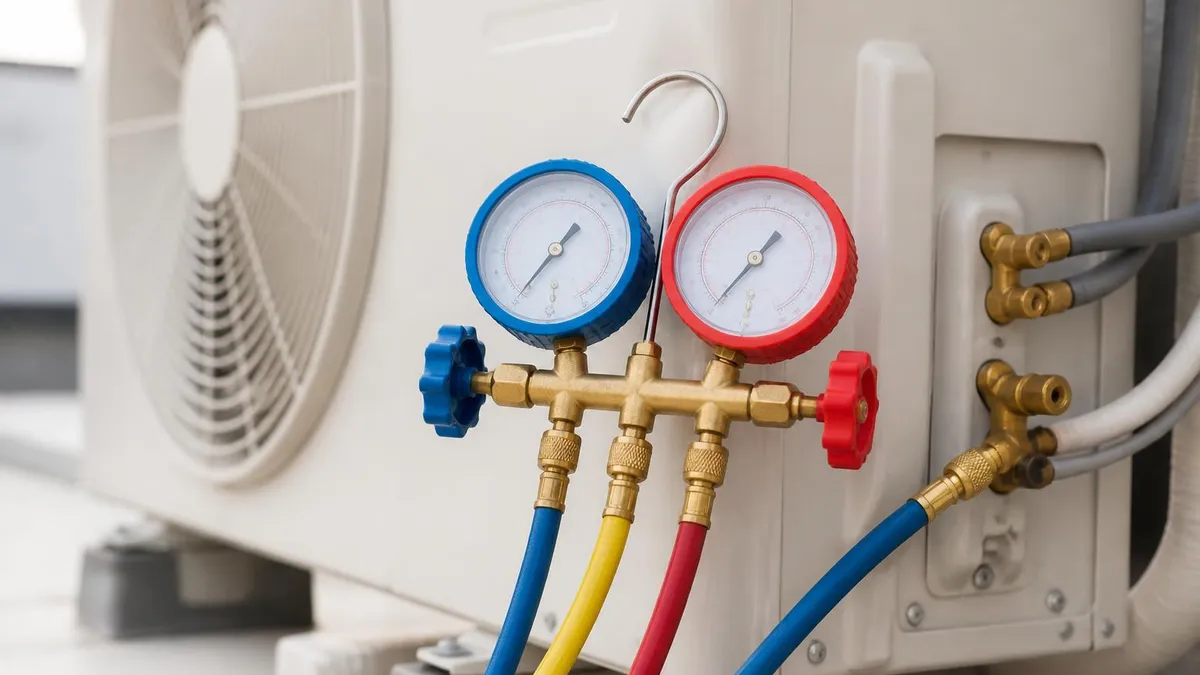
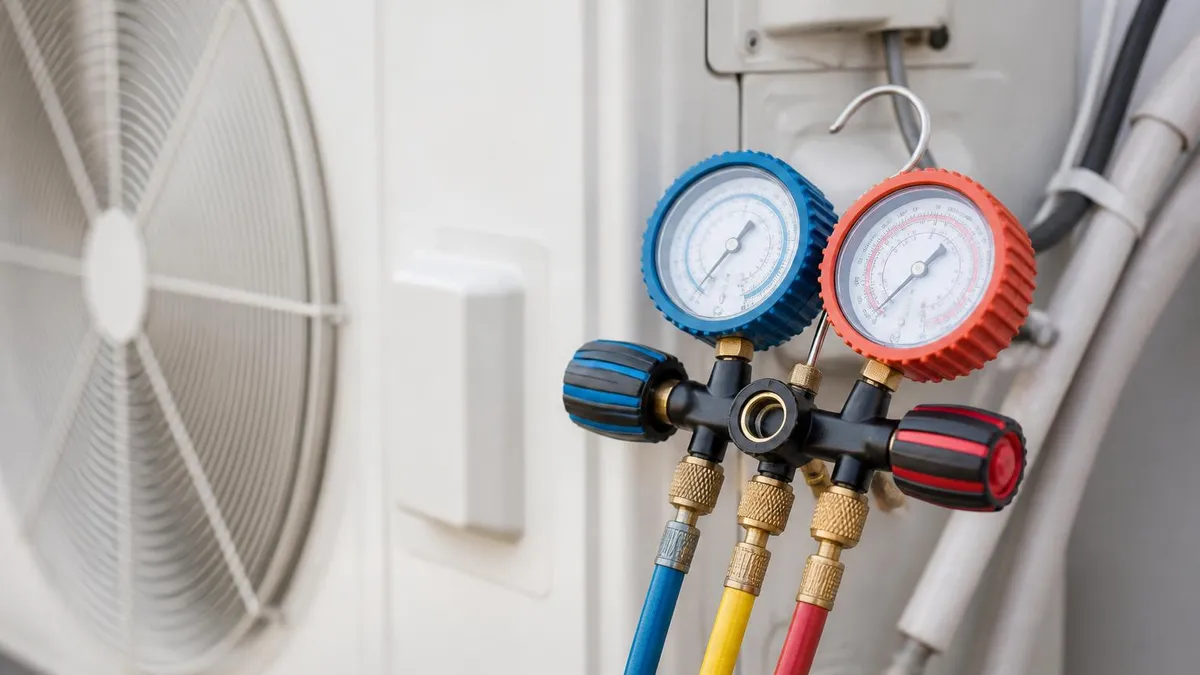
Tool literacy is the next layer. Every working technician should know how to use a manifold gauge set, digital thermometer, anemometer, manometer, multimeter, combustion analyzer, and refrigerant scale. Each tool answers a specific diagnostic question, and misusing or misreading a tool leads to wrong repairs, callbacks, and warranty disputes. Investing in quality instruments early pays dividends over a career, and most experienced techs recommend buying mid-range tools first and upgrading to premium versions only as specific needs justify the cost.
Documentation habits separate professionals from amateurs. Every service call should produce a written record of measurements taken, parts replaced, and recommendations made. Photographs of nameplates, model numbers, and existing conditions protect both the technician and the customer if questions arise later. Many modern HVAC software platforms automate this documentation, syncing service records to customer profiles and equipment histories that follow the home through multiple owners and contractors. Investing in regular HVAC Tune Up Service creates exactly this kind of historical record for any homeowner.
Safety practices should be non-negotiable from day one. Lockout-tagout procedures prevent electrical accidents during service. Proper ladder placement and fall protection prevent the most common HVAC injuries. Combustion safety testing prevents carbon monoxide tragedies in homes with gas furnaces, water heaters, or fireplaces. Refrigerant recovery prevents both EPA violations and the explosive risks of mixing incompatible refrigerants in recovery cylinders. Establishing safe habits early prevents the kind of shortcuts that injure technicians later in their careers.
Customer communication often determines whether a technically perfect job translates into repeat business. Homeowners want clear explanations of what failed, what was repaired, and what they can do to prevent recurrence. Avoiding jargon, providing written estimates before work begins, and following up after major repairs builds the trust that drives referrals. The most successful contractors invest in soft-skills training alongside technical training because customer reviews now influence buying decisions more than any other marketing channel.
Continuing education keeps a career current. Refrigerant chemistry, control protocols, efficiency standards, and code requirements all evolve every few years. Setting aside 40 to 80 hours annually for structured learning — through manufacturer training, ASHRAE seminars, distributor classes, or online platforms — keeps skills sharp and opens doors to higher-paying specialties. Many states now require continuing education for license renewal, but the most successful professionals exceed those minimums by a significant margin throughout their careers.
Finally, networking matters. Joining local trade organizations, attending the AHR Expo each January, and participating in online communities like HVAC-Talk connect technicians with peers who solve similar problems daily. The collective knowledge available through these channels often exceeds what any single employer can teach, and the relationships built over years of attendance create job opportunities, business partnerships, and lifelong friendships that enrich both careers and personal lives in the HVAC trade.
HVAC Questions and Answers
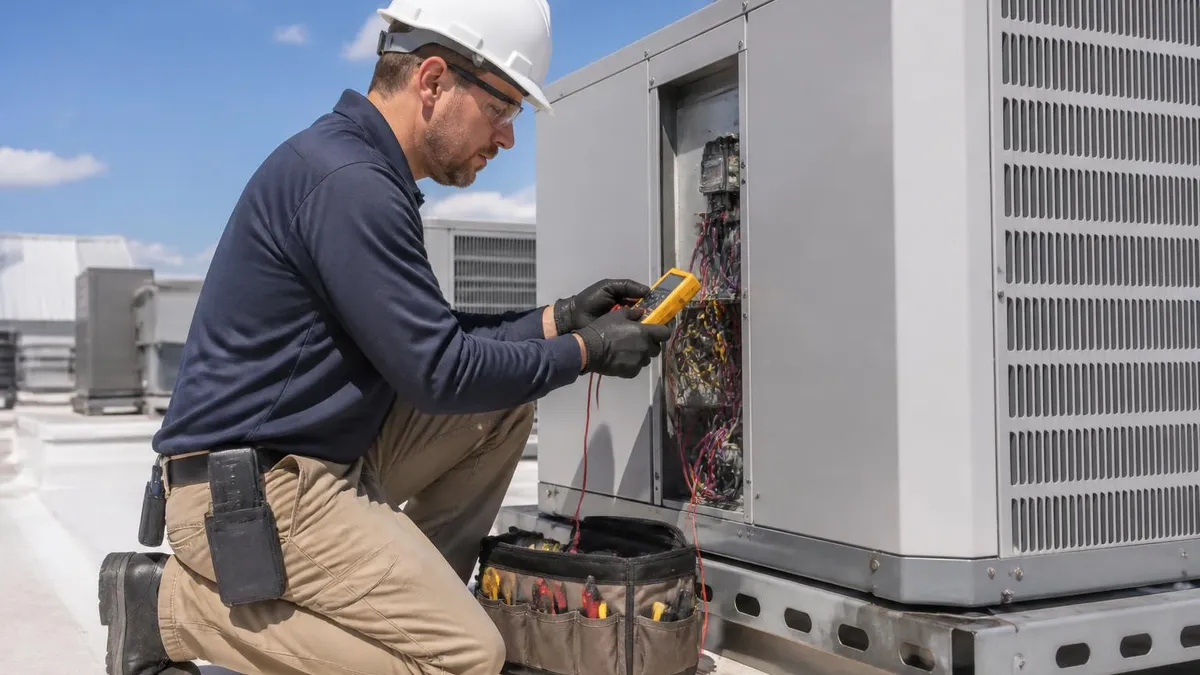
HVAC Repair Portland: The Complete 2026 Homeowner's Guide to Furnace, AC, and Heat Pump Service in the Rose City
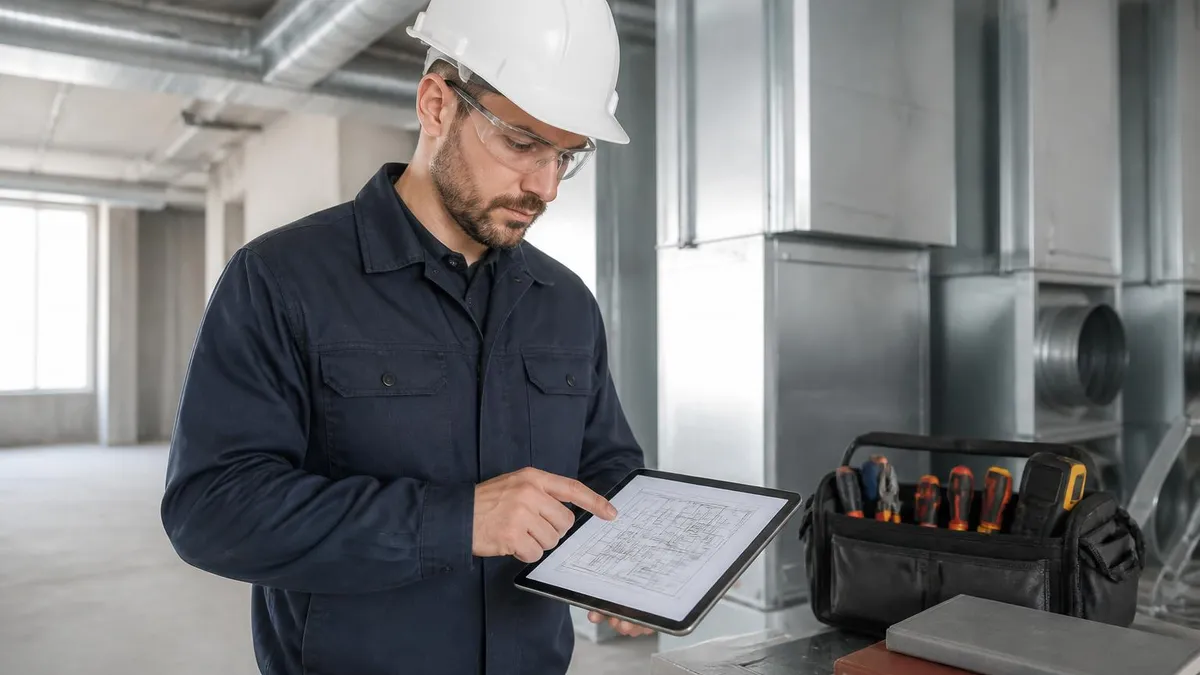
Commercial HVAC Contractors Near Me: How to Find, Vet, and Hire the Right Local Pro for Your Building
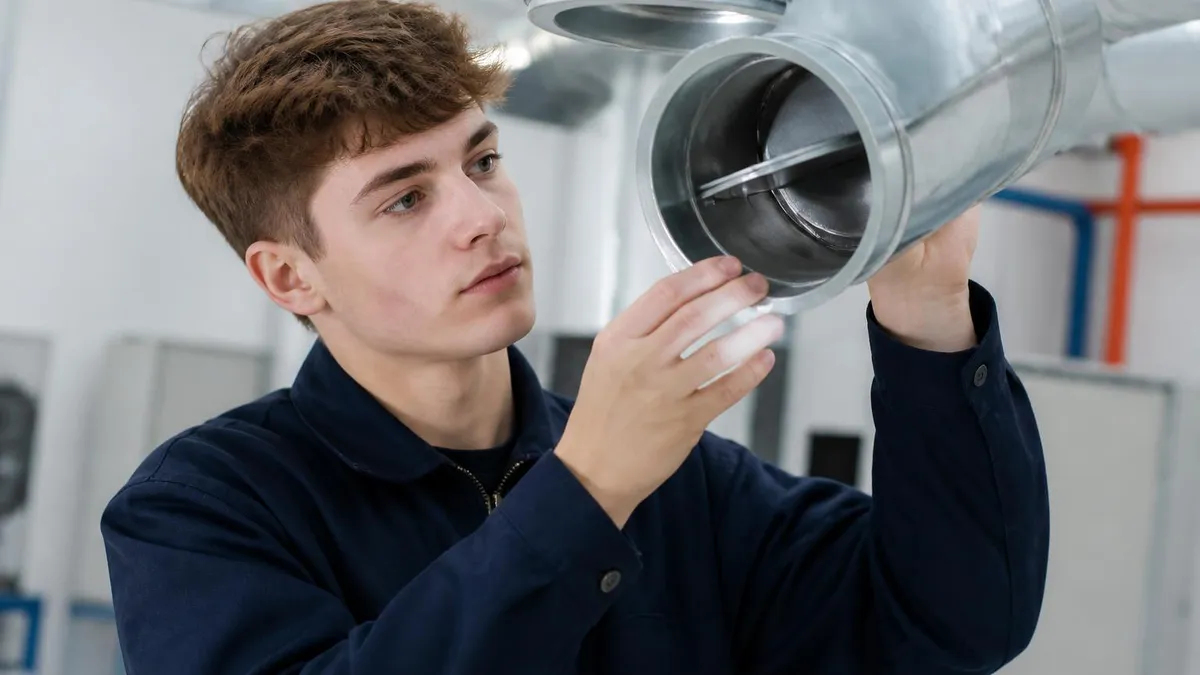
HVAC Tune Up Service: The Complete Guide to Professional HVAC Maintenance and Why It Pays for Itself
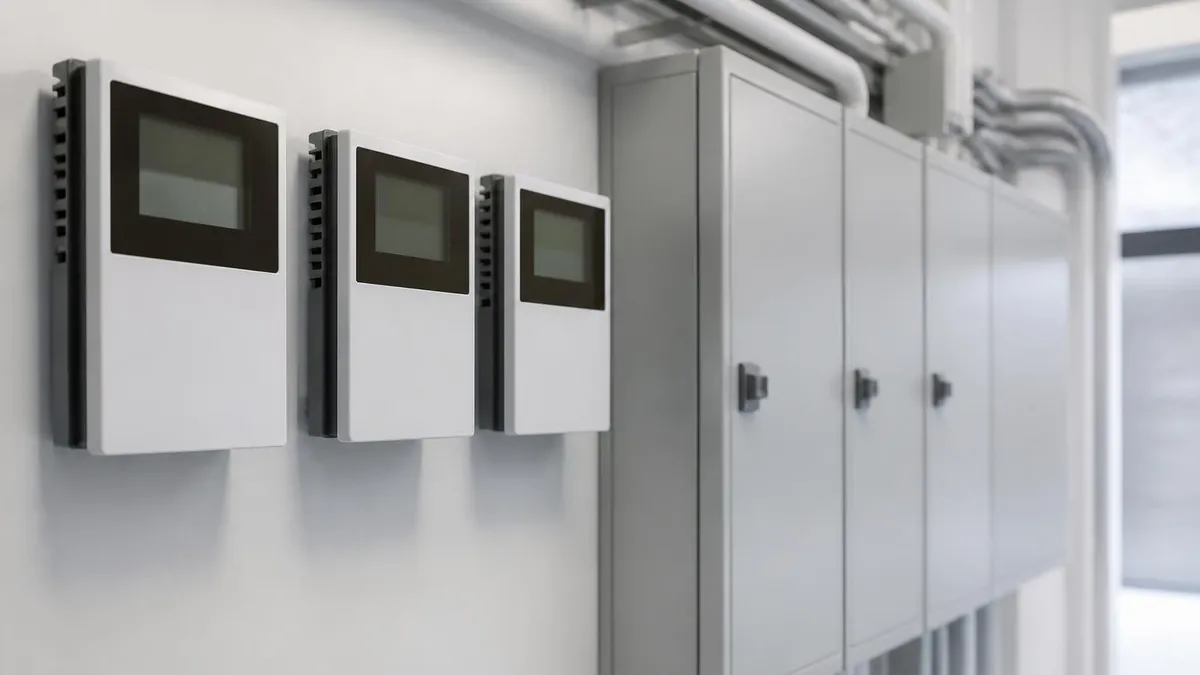
HVAC Solutions: The Complete Guide to Heating, Cooling, and Indoor Air Quality Systems for Homes and Buildings
Certified HVAC Contractors: How to Find, Vet, and Hire the Right Professional for Your Home or Business
About the Author

NATE Certified HVAC Technician & Licensing Exam Trainer
Universal Technical InstituteMike Johnson is a NATE-certified HVAC technician and EPA 608 universal-certified refrigerant handler with a Bachelor of Science in HVAC/R Technology. He has 19 years of commercial and residential HVAC installation and service experience and specializes in preparing technicians for NATE certification, EPA 608, A2L refrigerant safety, and state HVAC contractor licensing examinations.