
Emergency HVAC Repair Services: The Complete Guide to 24/7 Heating and Cooling Help When Systems Fail
✍🏼 Emergency HVAC repair services guide: when to call, costs, response times, what to expect, and how to find trusted 24/7 technicians fast.
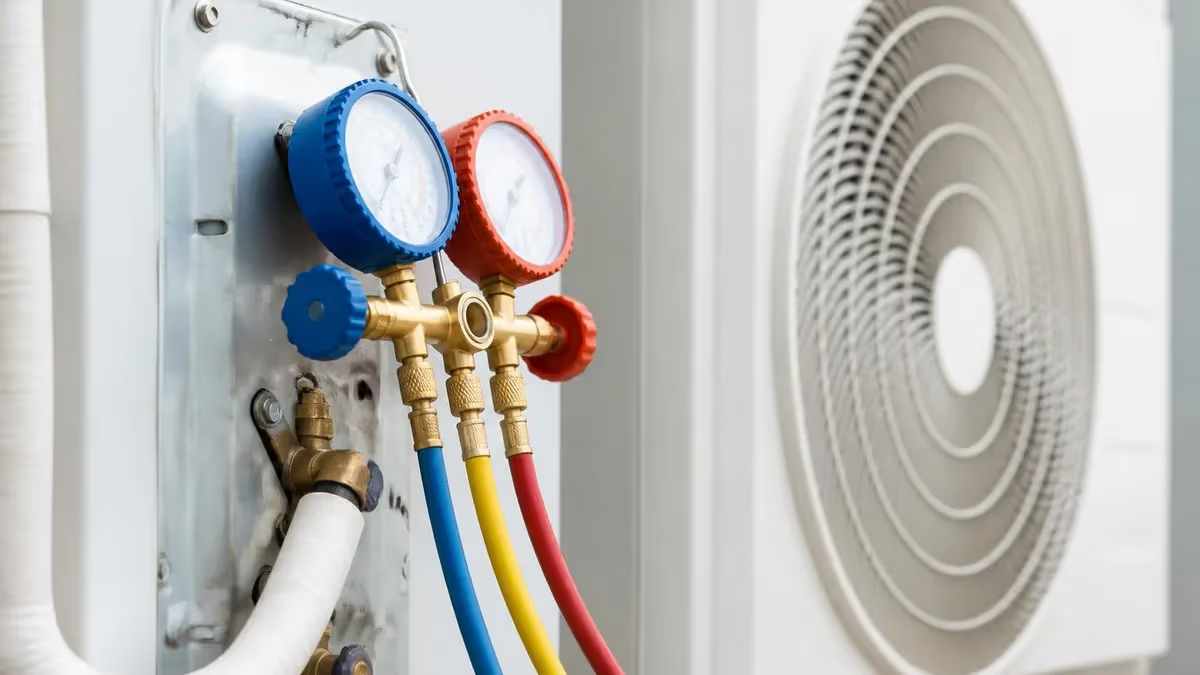
When your furnace dies during a January cold snap or your air conditioner quits during a 100-degree heatwave, emergency HVAC repair services become the difference between a minor inconvenience and a household crisis. These 24/7 response teams specialize in restoring hvac fort collins fast, often within two to four hours of your call, and they handle everything from refrigerant leaks and compressor failures to gas valve malfunctions and frozen evaporator coils. Knowing how the emergency service ecosystem works helps you avoid panic decisions and costly mistakes.
Most homeowners only think about emergency HVAC repair services after disaster strikes, but proactive knowledge pays off enormously when minutes matter. The average emergency call in the United States runs between $150 and $600 just for the after-hours dispatch and diagnostic fee, before any parts or labor for the actual repair. Understanding what qualifies as a true emergency, what red flags signal an unscrupulous contractor, and what reasonable timelines look like protects your wallet and your home.
This guide walks through every aspect of emergency HVAC work, from the technical failures that trigger urgent calls to the licensing requirements technicians must meet under EPA Section 608 and state journeyman rules. You will learn how dispatch prioritization works at busy contractor shops, how to verify a company's credentials at 2 a.m., and how to negotiate fair pricing when you feel pressured to sign anything just to get warm or cool air flowing again. Pair this knowledge with broader HVAC Solutions: The Complete Guide to Heating, Cooling, and Indoor Air Quality Systems for Homes and Buildings for full context.
True HVAC emergencies usually fall into three categories: safety hazards like gas leaks or carbon monoxide alarms, comfort emergencies during extreme weather that threaten vulnerable occupants such as infants or seniors, and property protection issues like frozen pipes from heat loss or water damage from a leaking condensate pan. Each category triggers a different urgency level and a different price point. Recognizing which bucket your situation falls into helps you communicate clearly with dispatchers and get the right tier of response.
The HVAC service industry has evolved significantly with smart diagnostics, mobile dispatch software, and supply-chain integration that lets technicians know within minutes whether a needed part is in the truck, at the warehouse, or on order. This guide covers what to expect when you call, how to prepare your home before the technician arrives, and what questions to ask before any work begins. You will also find practical advice on temporary measures that buy time, like portable space heaters or window units, while you wait for repairs.
Throughout the article you will see real cost ranges, response-time benchmarks, and licensing notes drawn from industry data and contractor surveys. The goal is not to scare you about expensive repairs but to arm you with enough technical literacy that you can have an informed conversation with a technician at midnight in the middle of an outage. By the end you will know exactly what an emergency HVAC repair call should look like and how to spot when something is off.
Whether you own a single-family home, manage a small commercial building, or rent and need to communicate with a landlord, this guide gives you the framework to act decisively when systems fail. Emergency repairs are stressful, but they do not have to be a financial ambush or a multi-day ordeal. Knowledge, preparation, and a vetted contractor list are the three pillars that turn a potential disaster into a routine fix.
Emergency HVAC Repair by the Numbers
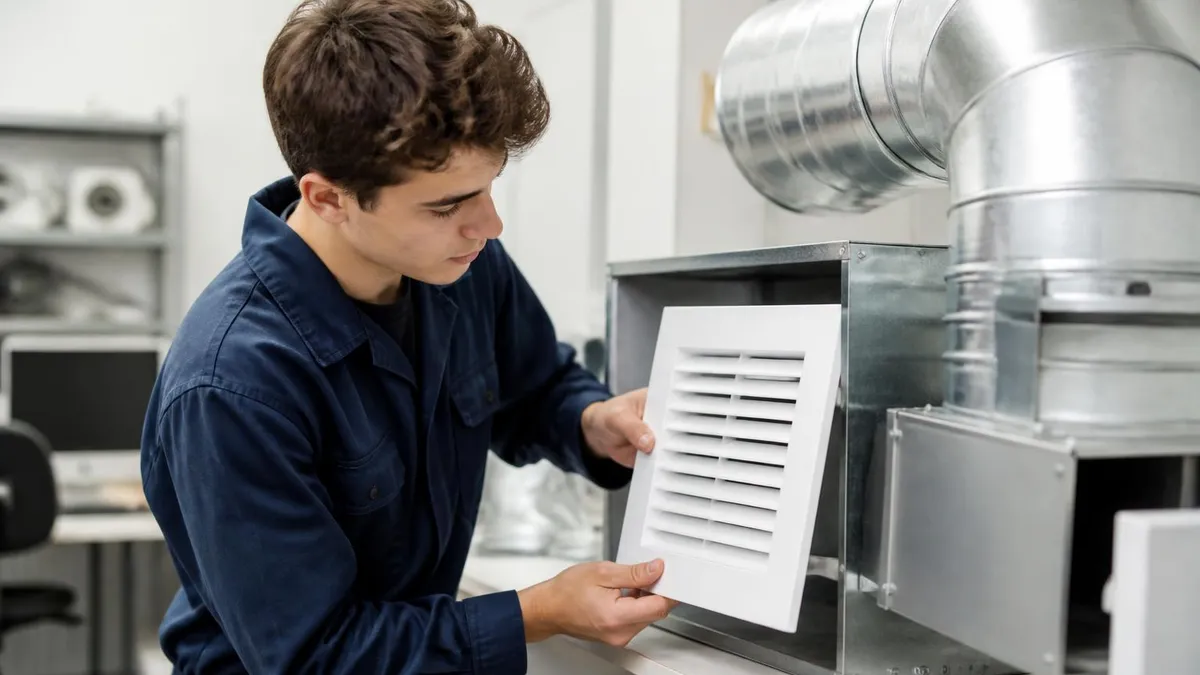
Common HVAC Emergencies That Require Immediate Service
Furnace or AC will not start at all, often due to blown capacitors, failed contactors, or tripped safety switches. In extreme weather this becomes urgent within hours, especially for households with infants, seniors, or medical equipment.
Natural gas smell or hissing near refrigerant lines signals immediate safety risk. Evacuate, call the utility for gas, and dispatch an EPA-certified technician for refrigerant. Never attempt repairs yourself on either system.
Overflowing condensate pans, frozen evaporator coils thawing into ceilings, or burst hydronic lines can cause thousands in damage hourly. Shut off the system, contain water, and call for emergency service immediately.
Burning plastic odors from registers, sparks at the breaker, or smoke from the air handler indicate motor or wiring failure. Cut power at the breaker and call before restarting. Fire risk is real and immediate.
A sounding CO detector near a furnace means evacuate first, call 911 or the gas utility, then schedule HVAC inspection. Cracked heat exchangers are a common cause and require professional combustion analysis to confirm.
Knowing when to call emergency HVAC repair services versus waiting for a regular weekday appointment can save hundreds of dollars and prevent unnecessary stress. The general rule is that anything involving safety, active property damage, or extreme indoor temperatures during dangerous outdoor weather qualifies as an emergency. Anything else, including a system that simply runs less efficiently than usual or makes a new but non-alarming noise, can typically wait 24 to 72 hours for standard service rates. The price difference between these two categories is often double or triple.
Safety emergencies always justify an immediate call regardless of cost. Gas odors, carbon monoxide alarms, electrical burning smells, smoke from vents, or sparks at the breaker panel are non-negotiable situations. In these cases the proper sequence is to evacuate occupants first, shut off the relevant utility at the main if you know how, call 911 or the gas company as appropriate, and then dispatch a licensed HVAC contractor. Never re-enter the home until utility personnel give the all-clear, even if the alarm has stopped sounding.
Temperature-related emergencies depend heavily on outdoor conditions and household vulnerability. A broken furnace at 50 degrees outside is uncomfortable but not urgent for healthy adults. The same failure at 10 degrees with an infant or elderly resident becomes a true emergency because hypothermia risk and frozen pipe damage become serious within hours. Similarly, AC failure at 85 degrees is unpleasant but a 105-degree heat wave with a household member on dialysis or with heart conditions warrants immediate dispatch even at premium pricing.
Property protection emergencies often get overlooked but cost the most when ignored. A frozen evaporator coil thawing into a finished ceiling, an overflowing condensate pan, or a leaking refrigerant line spraying oil onto insulation can cause thousands in secondary damage within hours. Catching these early, shutting down the system, and getting a technician out quickly almost always costs less than the repair plus restoration work that follows neglect. When in doubt, photograph the issue and text it to your contractor for a quick opinion.
Many homeowners hesitate to call after hours because they fear being gouged on price, and that concern is reasonable but manageable. Reputable companies publish their after-hours rates upfront, dispatch technicians who carry common parts in their trucks, and provide written estimates before starting work. Working with established Certified HVAC Contractors: How to Find, Vet, and Hire the Right Professional for Your Home or Business on a maintenance plan often unlocks discounted emergency rates and priority dispatch, which is worth the annual fee for most homeowners.
If you rent, your first call should be to the landlord or property manager, not directly to a contractor, unless your lease specifically authorizes emergency repairs at your own dispatch. Most jurisdictions require landlords to provide functional heating below a specific outdoor temperature and habitable cooling under extreme conditions, but the dispatch authority typically rests with the property owner. Document the failure with photos, video, and timestamped messages so that any later dispute over reimbursement or habitability has a clear paper trail.
Finally, trust your instincts. If something smells wrong, sounds wrong, or feels dangerous, do not wait. A $200 diagnostic fee at midnight is vastly cheaper than a house fire, a flooded basement, or a family medical emergency. Emergency HVAC technicians would rather come out for a false alarm than respond to a tragedy that could have been prevented with one phone call.
HVAC Practice Test Questions
Prepare for the HVAC - Heating Ventilation and Air Conditioning exam with our free practice test modules. Each quiz covers key topics to help you pass on your first try.
HVAC Air Conditioning
HVAC Exam Questions covering Air Conditioning. Master HVAC Test concepts for certification prep.
HVAC Code Compliance
Free HVAC Practice Test featuring Code Compliance. Improve your HVAC Exam score with mock test prep.
HVAC Electrical Controls
HVAC Test Prep for Electrical Controls. Practice HVAC Quiz questions and boost your score.
HVAC Energy Efficiency
HVAC Questions and Answers on Energy Efficiency. Free HVAC practice for exam readiness.
HVAC Heating Systems
HVAC Mock Test covering Heating Systems. Online HVAC Test practice with instant feedback.
HVAC Load Calculations
Free HVAC Quiz on HVAC Load Calculations. HVAC Exam prep questions with detailed explanations.
HVAC Tools and Equipment
HVAC Practice Questions for HVAC Tools and Equipment. Build confidence for your HVAC certification exam.
HVAC Refrigeration
HVAC Test Online for Refrigeration. Free practice with instant results and feedback.
HVAC Safety Practices
HVAC Study Material on Safety Practices. Prepare effectively with real exam-style questions.
HVAC System Design
Free HVAC Test covering System Design. Practice and track your HVAC exam readiness.
HVAC Thermodynamics
HVAC Exam Questions covering Thermodynamics. Master HVAC Test concepts for certification prep.
Emergency HVAC Repair Costs and Pricing Structures
After-hours dispatch fees typically range from $150 to $400 just to get a technician to your door outside business hours. Weekend and holiday rates push the upper end of that range, and some markets like Manhattan or San Francisco see fees above $500 for nights or holidays. This charge usually covers the first 30 to 60 minutes of diagnostic time but does not include parts or major labor.
Ask whether the dispatch fee applies toward the final repair bill if you authorize the work. Many reputable contractors credit the full dispatch fee against the repair invoice, while others apply only a partial credit or none at all. Get this in writing before the technician begins diagnosis so you understand exactly what you will owe regardless of whether you proceed with repairs that night.
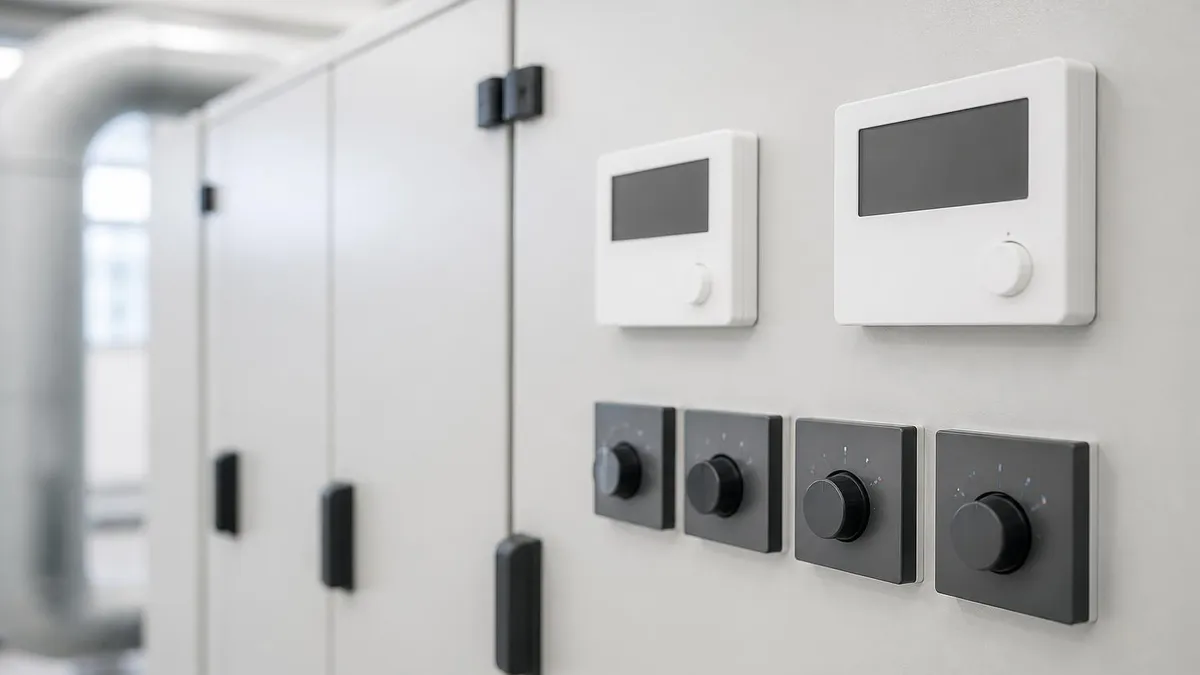
Should You Call Emergency HVAC Repair Services or Wait?
- +Restores comfort and safety within hours instead of days
- +Prevents secondary damage from water leaks or freezing pipes
- +Available 24/7 including weekends and holidays
- +Technicians arrive with common parts already stocked in trucks
- +Protects vulnerable household members from temperature extremes
- +Often includes warranty on emergency repairs same as standard work
- −After-hours rates run 50 to 100 percent higher than standard
- −Diagnostic and dispatch fees apply even if you decline repair
- −Pressure to authorize work quickly can lead to overpaying
- −Some parts may need to wait for daytime supply house opening
- −Limited time to get competing estimates from other contractors
- −Promotional financing terms may be less favorable than daytime offers
Pros and Cons at a Glance
| Pros | Cons |
|---|---|
| Restores comfort and safety within hours instead of days | Diagnostic and dispatch fees apply even if you decline repair |
| Prevents secondary damage from water leaks or freezing pipes | Pressure to authorize work quickly can lead to overpaying |
| Technicians arrive with common parts already stocked in trucks | Some parts may need to wait for daytime supply house opening |
| Protects vulnerable household members from temperature extremes | Limited time to get competing estimates from other contractors |
| Often includes warranty on emergency repairs same as standard work | Promotional financing terms may be less favorable than daytime offers |
Pre-Service Checklist Before the Technician Arrives
- ✓Check the thermostat batteries and settings to rule out simple issues
- ✓Verify the breaker for the HVAC system has not tripped at the panel
- ✓Inspect the air filter and replace if visibly clogged or restrictive
- ✓Clear a three-foot working area around the indoor and outdoor units
- ✓Locate the system model and serial numbers on the equipment data plates
- ✓Gather any maintenance records, warranty paperwork, and prior repair invoices
- ✓Photograph any visible damage, leaks, ice buildup, or error codes
- ✓Secure pets in a separate room before the technician arrives onsite
- ✓Confirm the contractor license, insurance, and EPA certification by phone
- ✓Have a payment method ready and ask for written estimate before work starts
Always Request a Written Estimate Before Authorizing Work
Reputable emergency HVAC contractors will provide a written estimate after the diagnostic, even at 2 a.m., before starting any major repair. If a technician pressures you to authorize work immediately without a written number, treat that as a serious red flag. Take five minutes to read the estimate, ask what each line item covers, and confirm whether the dispatch fee applies toward the final bill.
Understanding what an emergency HVAC technician actually does during a service call demystifies the experience and helps you participate in decisions rather than feeling sidelined. The typical emergency visit begins with a quick interview at the door, where the technician asks what symptoms you noticed, when the problem started, and whether anything unusual preceded the failure such as a storm, power outage, or recent maintenance. This conversation often points the technician toward the likely failure mode before any tools come out.
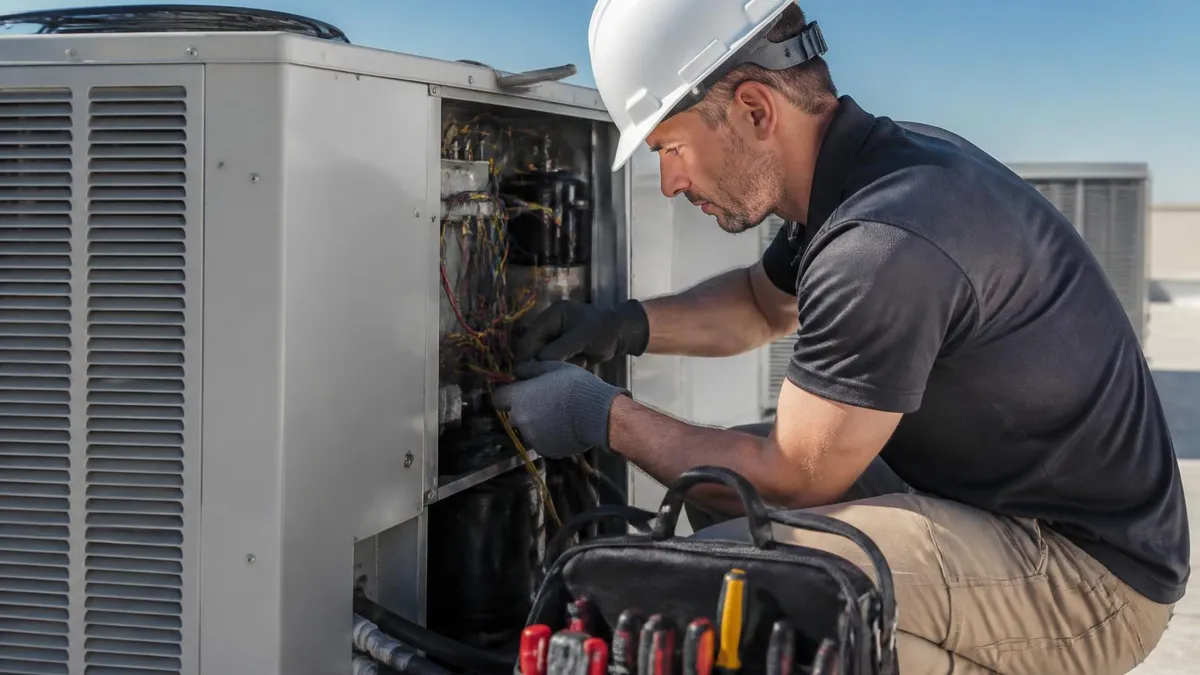
Next comes systematic diagnosis using a combination of visual inspection, electrical testing with a multimeter, and refrigerant pressure readings on hvac size calculator. Modern technicians also use thermal imaging cameras to spot temperature anomalies in ductwork or motors, combustion analyzers on gas furnaces to verify safe operation, and smartphone-connected gauges that log data for warranty claims. A thorough diagnostic on a furnace typically takes 30 to 60 minutes, while AC diagnosis can take 45 to 90 minutes because of refrigerant cycle complexity.
Once the failure is identified, the technician presents findings and repair options. On simple failures like capacitors, contactors, or ignitors, the repair often happens in the same visit because these parts ride in every truck. More complex repairs like compressor replacement, evaporator coil swaps, or heat exchanger work usually require ordering parts and returning during business hours, with a temporary fix or portable equipment loaned to maintain comfort in the meantime. Always ask what the temporary solution looks like.
Code compliance and permitting matter even for emergency work. Major repairs like replacing a heat exchanger, gas valve, or compressor often require mechanical permits in many jurisdictions, and the technician should explain whether a permit applies and when the inspection will happen. Skipping permits to save time or money creates problems when you sell the home or file an insurance claim, so insist that any repair requiring a permit gets one filed promptly. Reputable companies handle this automatically.
Documentation at the end of the visit is critical for your protection. The invoice should list parts replaced with model and serial numbers, labor performed, warranty terms on both parts and workmanship, and any recommendations for follow-up work. Take photos of the technician's truck, license number, and the completed repair. If refrigerant was added, ask for the EPA Section 608 documentation showing the amount recovered and added, which is required by federal law and protects you in any future warranty dispute.
Many emergency calls reveal that a system is near end of life rather than suffering from a single fixable failure. Honest technicians will tell you when a repair makes financial sense versus when replacement is the smarter long-term move, and they will give you the numbers to make that decision yourself. A common rule of thumb is that if the repair costs more than 30 percent of replacement and the system is over 10 years old, replacement deserves serious consideration. Get a second opinion if the numbers are close.
Finally, every emergency repair should end with preventive recommendations to reduce the chance of another middle-of-the-night call. This might include scheduling annual maintenance, replacing the thermostat, sealing duct leaks, upgrading the capacitor to a higher tolerance model, or installing a surge protector on the outdoor unit. These small investments often pay for themselves by extending equipment life and catching problems during business hours rather than during emergencies.
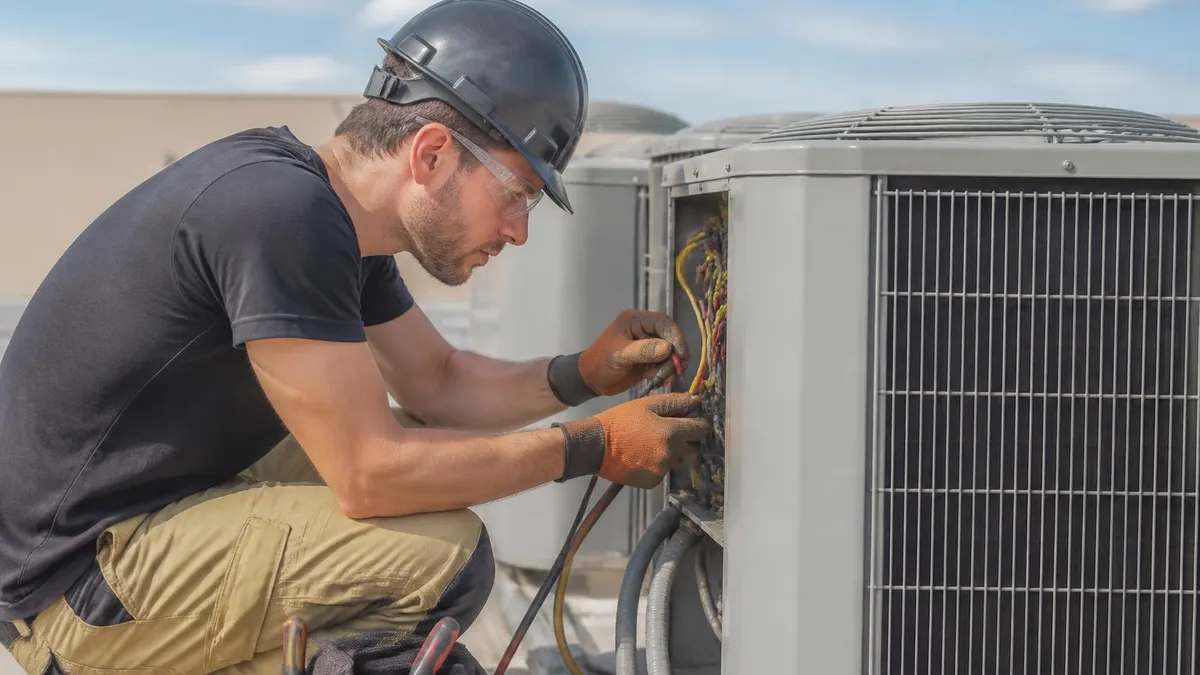
If your carbon monoxide detector sounds and you suspect the furnace, do not reset the alarm and restart the system to see if it happens again. Evacuate, call 911 or your gas utility, and wait for professional inspection. Cracked heat exchangers can release lethal CO levels within minutes of restart, and the symptoms of CO poisoning can mimic flu before becoming fatal.
The unfortunate reality of emergency HVAC repair services is that high-stress, high-urgency situations attract some bad actors who use pressure tactics, inflated prices, or outright fraud to take advantage of homeowners. Recognizing the common scams and red flags protects you from paying thousands more than necessary or, worse, paying for work that was never needed or never properly performed. The good news is that legitimate contractors vastly outnumber bad ones, and a few simple verification steps separate them quickly.
The most common scam is the inflated diagnosis, where a technician finds a small problem and convinces the homeowner that the entire system needs replacement. Warning signs include refusing to provide written estimates, claiming the work must happen immediately without comparison shopping, condemning equipment without showing you the specific failure, or quoting replacement prices significantly above market. Always ask the technician to physically show you the failed component and explain in plain language what went wrong and why.
License and insurance verification is your strongest defense and takes only minutes. Every state requires HVAC contractors to hold specific licenses, and most state contractor boards offer online lookup tools where you can verify a license number, check for active complaints, and confirm bonding and insurance coverage. EPA Section 608 certification is required for any technician handling refrigerant, and you can ask to see the wallet card directly. Companies that resist providing license numbers are almost always operating illegally.
Online reviews give a quick snapshot of contractor reputation, but read them critically. Look for patterns across multiple platforms like Google, Yelp, and the Better Business Bureau rather than relying on a single source. Pay particular attention to one-star reviews because they reveal how the company handles disputes, billing problems, and warranty issues. A contractor with mostly five-star reviews and a thoughtful response to occasional one-star complaints is usually trustworthy. Curated, generic-sounding five-star reviews with no specifics are a warning sign.
Pricing transparency separates professional contractors from opportunists. Legitimate emergency HVAC repair services publish their after-hours rates, provide flat-hvac flat rate pricing books on common repairs, and explain markup on parts in advance. If a technician quotes a part at three or four times the retail price without explanation, push back and ask for a breakdown.
Some markup is normal because the company stocks the part, warranties the work, and absorbs the risk of returns, but excessive markup signals that you should get a second opinion before authorizing the work. Comparing pricing against typical Best HVAC Repair in Bandon, OR: Local Services Near Me Guide rates in your region helps establish a fair benchmark.
Beware of door-to-door HVAC salespeople and unsolicited inspection offers, particularly after storms or extreme weather events. These canvassers often work for marginal companies that rely on high-pressure tactics rather than skilled work, and they sometimes manufacture problems during the inspection itself. If you did not call the company, do not let them inspect your system, and certainly do not authorize any work without independently verifying the company's license and reputation first.
Finally, trust your gut. If something feels off during an emergency call, whether the technician seems unsure of the diagnosis, the price feels wildly out of line, or the sales pressure feels manipulative, you are allowed to pause the work, pay only the dispatch fee, and seek a second opinion. A reputable contractor will respect that decision and may even encourage it. One that fights you or threatens additional fees for declining is showing you exactly who they are, and the right answer is to let them leave.
Practical preparation before any emergency strikes pays enormous dividends in cost, comfort, and stress reduction. The best time to vet emergency HVAC repair services is on a sunny spring afternoon when nothing is broken, not at 11 p.m. on a freezing Tuesday when desperation makes you accept the first available technician. Build a short list of two or three local contractors now, save their numbers in your phone, and ideally schedule a low-cost maintenance visit with each so they have your equipment data on file and you have first-hand experience with their service quality.
Annual or biannual maintenance is the single most effective way to reduce emergency calls. Most failures that result in midnight dispatch, such as failed capacitors, dirty flame sensors, low refrigerant from slow leaks, or worn blower belts, are caught during routine inspections months before they cause complete failure. Maintenance plans typically cost $150 to $300 annually for one system and often include priority emergency dispatch and 10 to 20 percent discounts on repairs, which can pay for the plan in a single call.
Smart thermostats and HVAC monitoring devices give early warning of impending failures by tracking runtime, cycle frequency, and temperature differential across the system. Devices like Sensi, Ecobee, and Nest log months of performance data, and add-on sensors can alert you to unusual humidity, condensate overflow, or duct leaks before they escalate. Some advanced systems integrate with contractor dispatch platforms to automatically open a service ticket when fault codes appear, which dramatically reduces emergency response time.
Keep a printed binder or cloud folder with critical documentation, including equipment model and serial numbers, installation dates, warranty paperwork, all prior repair invoices, and your contractor short list. During an emergency at midnight, you do not want to be hunting for paperwork in a freezing house. Photographing the equipment data plates with your phone is a free, fast backup. Some homeowners also keep a maintenance log noting filter changes, observed behavior, and seasonal startup checks.
Temporary backup equipment can buy critical time during repairs. A pair of quality space heaters, a 5,000 to 8,000 BTU window AC unit, or a portable propane heater for outdoor garage spaces can keep a small area habitable while you wait for parts. Battery-powered fans and rechargeable power stations help during summer outages.
None of this replaces a working system, but a few hundred dollars in backup gear can transform a 48-hour repair window from an emergency into an inconvenience. Familiarity with HVAC Installations: The Complete Guide to Planning, Pricing, and Getting It Right the First Time helps when permanent replacement enters the conversation.
Insurance and warranty awareness is the final piece of preparation. Many homeowners discover too late that their homeowner's policy covers water damage hvacr meaning failures but only if a maintenance record exists. Manufacturer warranties on major components like compressors and heat exchangers often run 10 years but are voided by missed annual service or use of non-licensed contractors. Review your policy and warranty terms now, file proof of annual maintenance in your binder, and you protect tens of thousands in potential coverage.
Above all, build a relationship with one trusted contractor over time. Companies that know your system, have your service history, and value you as a recurring customer treat emergency calls differently than one-off transactions. They prioritize your dispatch, often waive partial dispatch fees, and bring institutional knowledge to diagnostics that strangers cannot match. That relationship is the most underrated piece of emergency HVAC preparation and the easiest to build with one $150 maintenance visit per season.
Sample HVAC Practice Questions
Try these questions from our free HVAC practice tests. The correct answer and an explanation follow each question.
When sizing a residential heating system using Manual J, which factor has the greatest impact on the calculated heating load?
- A. Number of occupants in the home
- B. Envelope insulation levels and window U-values
- C. Orientation of the roof pitch
- D. Color of exterior wall surfaces
Answer: B. Envelope insulation levels and window U-values
Manual J calculations are most sensitive to the building envelope — insulation R-values, window U-values, and infiltration rates drive the majority of heat loss.
When a heat pump switches from cooling to heating mode, which component reverses refrigerant flow direction?
- A. Thermostatic expansion valve
- B. Reversing valve (4-way valve)
- C. Accumulator
- D. Filter drier
Answer: B. Reversing valve (4-way valve)
The reversing valve (four-way valve) redirects refrigerant flow to switch the roles of the indoor and outdoor coils between heating and cooling modes.
In a multi-zone mini-split heat pump system, what happens if one indoor unit calls for heating while another calls for cooling simultaneously?
- A. The system defaults to cooling mode for all zones
- B. On a standard multi-split, the system serves the majority mode; on a heat-recovery multi-split (VRF), both can be served simultaneously
- C. The system shuts down to prevent conflicting operations
- D. The reversing valve oscillates rapidly to alternate between modes
Answer: B. On a standard multi-split, the system serves the majority mode; on a heat-recovery multi-split (VRF), both can be served simultaneously
Standard multi-split systems cannot simultaneously heat and cool, but heat-recovery VRF systems can transfer heat from zones needing cooling to zones needing heating at the same time.
When using a nitrogen cylinder for pressure testing, what device MUST be installed between the nitrogen cylinder and the HVAC system?
- A. A sight glass to monitor flow
- B. A pressure regulator to control output pressure
- C. A ball valve only
- D. A refrigerant manifold gauge set
Answer: B. A pressure regulator to control output pressure
A pressure regulator must be used with nitrogen cylinders to reduce tank pressure (up to 2,200 PSI) to a safe working pressure for the system being tested.
HVAC Questions and Answers
HVAC Solutions: The Complete Guide to Heating, Cooling, and Indoor Air Quality Systems for Homes and Buildings
Certified HVAC Contractors: How to Find, Vet, and Hire the Right Professional for Your Home or Business
Best HVAC Repair in Bandon, OR: Local Services Near Me Guide
HVAC Installations: The Complete Guide to Planning, Pricing, and Getting It Right the First Time
EPA Certification for HVAC: The Complete Guide to Section 608 Requirements, Exam Prep, and Career Impact
About the Author

NATE Certified HVAC Technician & Licensing Exam Trainer
Universal Technical InstituteMike Johnson is a NATE-certified HVAC technician and EPA 608 universal-certified refrigerant handler with a Bachelor of Science in HVAC/R Technology. He has 19 years of commercial and residential HVAC installation and service experience and specializes in preparing technicians for NATE certification, EPA 608, A2L refrigerant safety, and state HVAC contractor licensing examinations.