
What Is an HHA? Home Health Aide Career Overview, Duties & Certification
📗 What is an HHA? Learn HHA duties, certification steps, home health aide training programs, salary, and how to use HHA Exchange to find jobs.
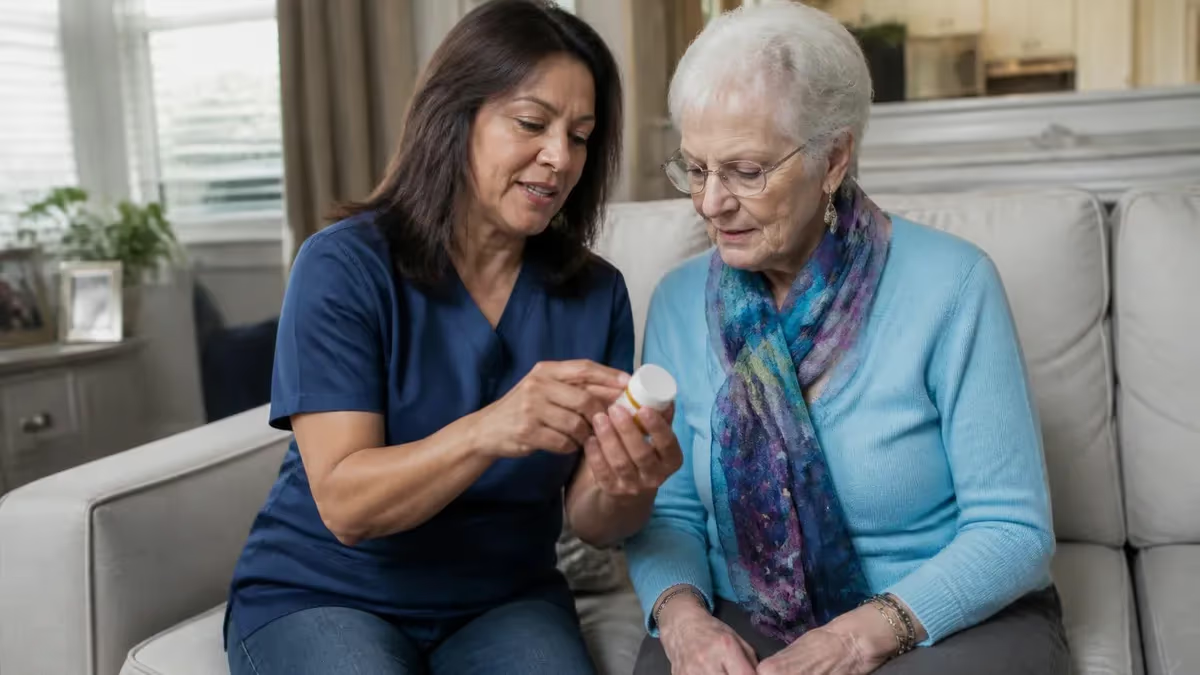
Understanding what is an hha is the first step toward one of the fastest-growing careers in American healthcare. A Home Health Aide (HHA) is a trained, certified paraprofessional who travels to a patient's residence — whether a private home, assisted-living facility, or group home — to deliver hands-on personal care and support services.
HHAs help clients bathe, dress, move safely, take medications on schedule, and carry out the routine tasks of daily life that illness, disability, or aging has made difficult or impossible. Platforms like HHA Exchange connect certified aides with home care agencies across the country, making it easier than ever to find steady employment after completing your training.
The demand for qualified home health aides has never been stronger. The U.S. Bureau of Labor Statistics projects that HHA employment will grow by roughly 22 percent through 2032 — far outpacing the average for all occupations.
This surge is driven by the aging Baby Boomer generation, a nationwide preference for aging in place rather than moving to nursing facilities, and ongoing advances in home-based medical technology that allow more complex care to be delivered outside of hospitals. For career-seekers who want meaningful work, reliable hours, and a clear path to advancement, becoming a certified home health care aide is an excellent choice.
An HHA's responsibilities go well beyond simple companionship. While emotional support is certainly part of the role, certified aides are trained to monitor vital signs, assist with prescribed exercises, change wound dressings under supervision, and report changes in a client's condition to the supervising registered nurse or therapist. This clinical awareness makes HHAs an essential link in the care chain between patients and the licensed medical professionals who oversee their treatment plans. Without well-trained aides, many patients who prefer to stay at home would be forced into costlier institutional care settings.
To become a certified home health aide in most U.S. states, candidates must complete a state-approved home health aide training program that includes both classroom instruction and supervised clinical practice hours. Requirements vary by state, but federal Medicaid and Medicare regulations set a floor of 75 hours of training for aides who work with patients covered by those programs.
Some states require 120 hours or more. After completing training, candidates typically pass a competency evaluation — a written knowledge test and a skills demonstration — before they can be listed on the state's HHA registry and begin working with agency clients.
Tools like HHA Exchange and its associated HHA Exchange login portal have transformed how agencies schedule and track aide assignments. HHA Exchange is an industry-leading Electronic Visit Verification (EVV) platform that allows aides to clock in and out of shifts using GPS-enabled mobile devices, communicate with schedulers, view care plans, and access their pay information — all from a smartphone. When you see searches for hha login or hha exchange login, people are usually looking for this specific workforce management system that many home care agencies require their employees to use every day.
HHA certification also opens doors to career advancement. Many aides use the foundational skills they build on the job as a springboard to pursue additional credentials such as Certified Nursing Assistant (CNA), Licensed Practical Nurse (LPN), or even Registered Nurse (RN) through bridge programs. The hands-on patient care experience gained as an HHA is invaluable for anyone who plans to continue in healthcare, and several nursing schools actively recruit from the pool of experienced home health aides because of their proven commitment to patient-centered care and their real-world clinical exposure.
Whether you are researching this career for yourself or exploring options for a loved one who needs home care, this guide covers everything you need to know about the HHA role: daily duties, state-by-state training requirements, salary expectations, the pros and cons of the career, and exactly how to earn your home health aide certification. Read on for a comprehensive look at one of healthcare's most vital and rewarding entry-level professions, and check out our what is an hha requirements page for detailed eligibility breakdowns by state.
Home Health Aide by the Numbers
Core HHA Duties and Daily Responsibilities
HHAs help clients with bathing, grooming, dressing, oral hygiene, and toileting. These activities of daily living (ADLs) are the backbone of the role. Proper technique prevents skin breakdown, infection, and falls while preserving the client's dignity and independence.
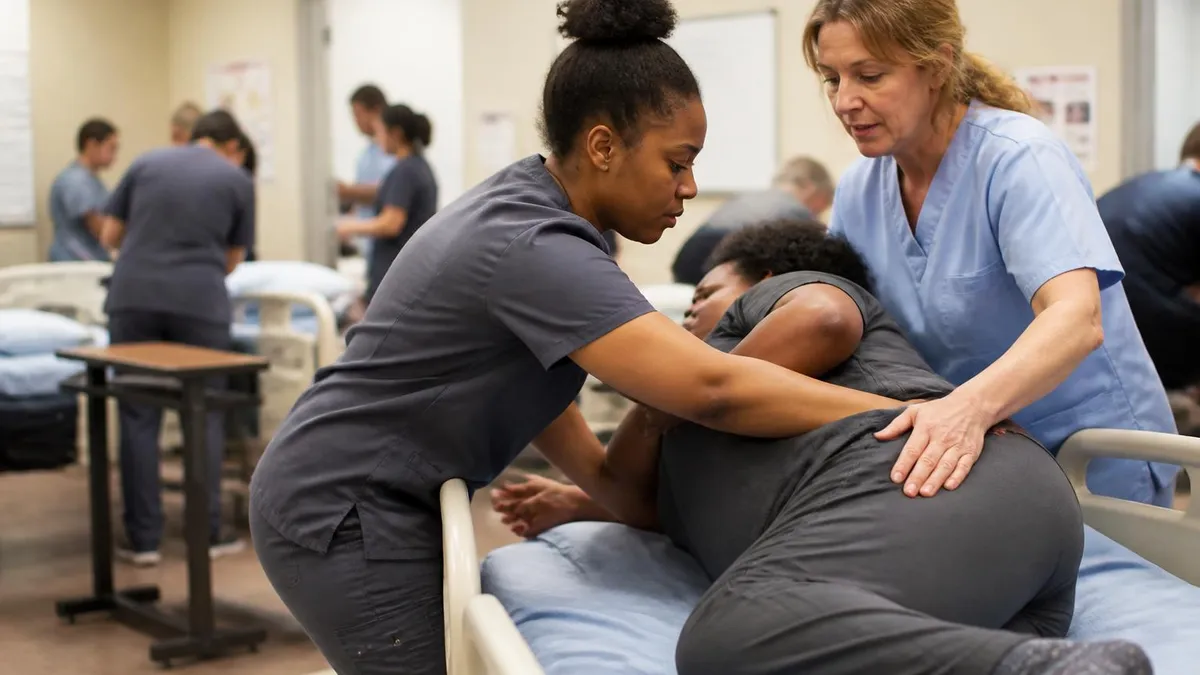
Aides assist clients with transfers, repositioning in bed, and ambulation using walkers, canes, or wheelchairs. They implement fall-prevention protocols, keep pathways clear, and use correct body mechanics to protect both the client and themselves from injury.
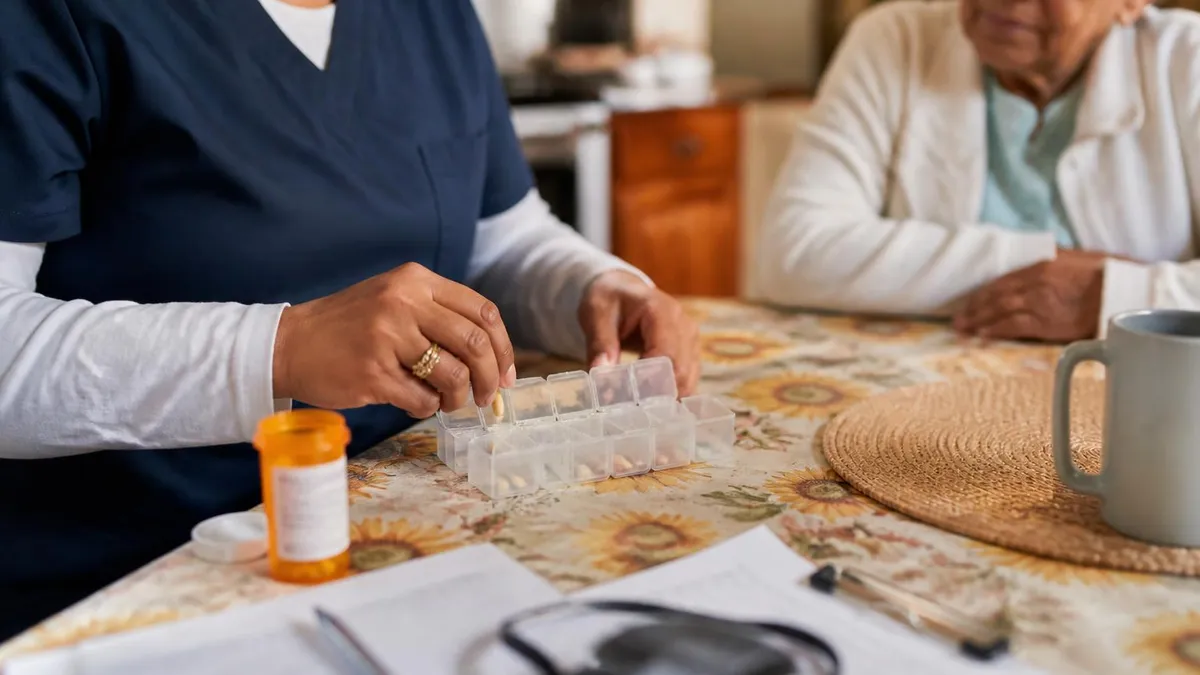
HHAs cannot administer medications, but they can remind clients when it is time to take prescribed drugs and observe whether the client actually takes them. Any missed doses or apparent side effects must be documented and reported to the supervising nurse promptly.
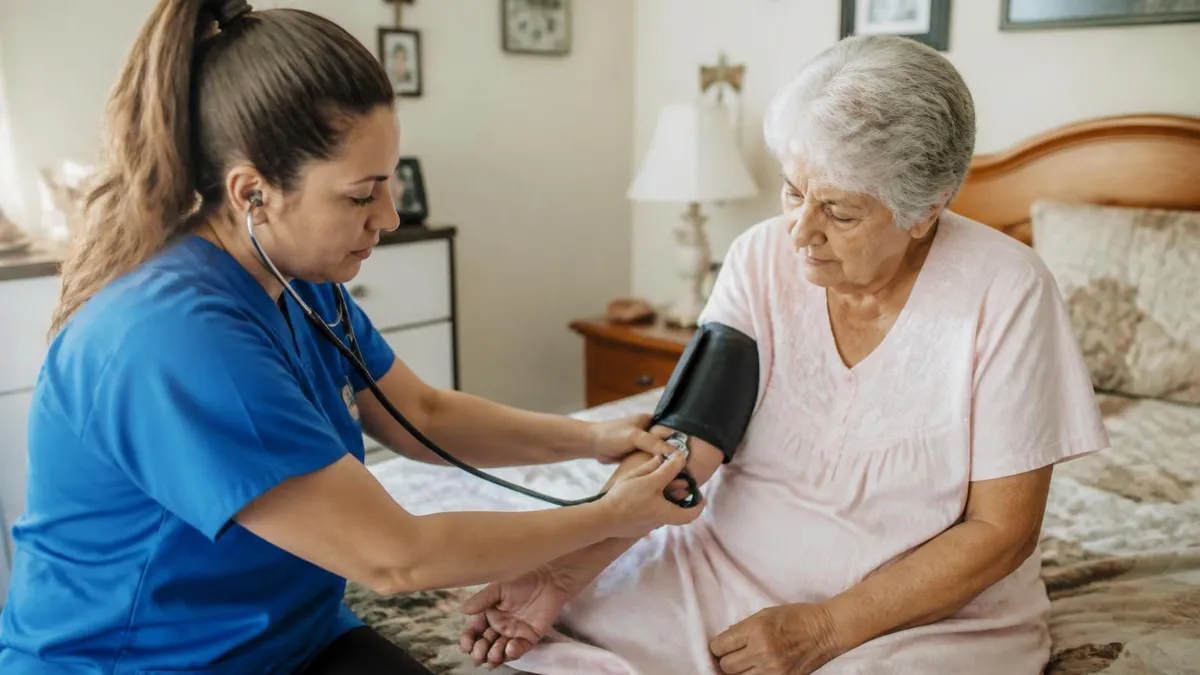
Depending on state law and agency policy, trained HHAs may measure blood pressure, pulse, respiration rate, and temperature. They record these values in the care plan and immediately alert the clinical supervisor if readings fall outside the established normal range.
Accurate record-keeping is a critical HHA duty. Aides document every visit using EVV platforms like HHA Exchange, noting completed tasks, client behavior changes, and any incidents. This record protects clients, agencies, and aides while ensuring continuity of care across shifts.
Completing accredited home health aide training is the gateway to a rewarding and stable career, and understanding the process helps you plan your timeline realistically. The path begins with choosing a state-approved home health aide training program. These programs are offered by community colleges, vocational schools, hospital systems, and private home care agencies. Some agencies will hire candidates with no experience and pay for their training in exchange for a commitment to work for the agency after certification — a significant benefit for people who cannot afford upfront tuition costs.
Federal regulations under the Omnibus Budget Reconciliation Act (OBRA) of 1987 require that HHAs who work with Medicare- or Medicaid-certified home health agencies complete a minimum of 75 hours of training. Of those 75 hours, at least 16 must be supervised practical or clinical training in a real-care setting. However, many states have significantly higher requirements.
California mandates 120 hours, New York requires 75 hours of training plus a separate 16-hour agency orientation, and some states have begun piloting 150-hour curricula to address the increasing clinical complexity of home-based care. Always check your specific state's department of health website for the most current standards before enrolling.
A standard home health aide training program curriculum covers a broad range of topics: infection control and standard precautions, patient rights and confidentiality under HIPAA, basic nutrition and meal preparation, emergency response procedures, effective communication with clients and family members, recognizing and reporting abuse or neglect, and the physical, emotional, and cognitive changes associated with common conditions like dementia, diabetes, COPD, and congestive heart failure. Students also learn and practice hands-on skills such as proper hand washing, bed baths, catheter care, range-of-motion exercises, and safe transfer techniques using gait belts and mechanical lifts.
After completing classroom and clinical hours, candidates must pass a state-recognized competency evaluation to earn their hha certification. The evaluation typically has two parts: a written or oral knowledge test (usually 50 to 100 multiple-choice questions) and a skills demonstration where the candidate must perform several hands-on tasks in front of an evaluator. Common skills tested include hand hygiene, assisting with ambulation, taking vital signs, and performing personal care tasks. Candidates who fail one part of the evaluation can usually retake that portion within a set window without repeating the entire program.
Once certified, your name is added to your state's HHA registry — a publicly searchable database that home care agencies use to verify credentials before hiring. Most home health aide certification credentials must be renewed every one to two years through continuing education hours. Topics for continuing education often include updates on infection control protocols, new documentation requirements, and evolving best practices for managing specific conditions. Staying current on continuing education not only keeps your certification valid but also makes you more competitive when applying for positions through job boards and platforms like HHA Exchange.
For those who prefer a self-directed approach, several accredited online programs offer the didactic (classroom theory) portion of HHA training through interactive video modules and virtual simulations. These hybrid programs allow students to complete theory coursework at their own pace before reporting to a clinical site for the mandatory hands-on hours. Online availability has dramatically expanded access to HHA training for people in rural areas, working parents, and individuals with transportation barriers who previously could not attend traditional in-person programs.
The cost of home health aide training varies widely. Agency-sponsored programs are often free to the trainee. Community college courses typically run between $300 and $900 for the full program. Private vocational schools may charge $500 to $1,500. Financial assistance is available through the Workforce Innovation and Opportunity Act (WIOA), Pell Grants at eligible institutions, and state-specific vocational rehabilitation funds. Some states also allow experienced direct-care workers with documented supervised hours to apply for competency testing equivalency, bypassing the classroom training requirement if they can demonstrate existing skills.
Home Health Aide Certification: Pay, Schedule & Work Environment
According to the U.S. Bureau of Labor Statistics, the median annual wage for home health aides was $33,530 in 2023, which works out to approximately $16.12 per hour. Pay varies considerably by state and employer: aides in California, Massachusetts, and Alaska typically earn $18 to $22 per hour, while those in southern states may earn closer to $12 to $14 per hour. Agency-employed HHAs often receive benefits such as health insurance, paid time off, and mileage reimbursement that independent contractors do not receive.
Overtime opportunities, shift differentials for nights and weekends, and performance bonuses can meaningfully increase an HHA's total annual compensation above the base hourly rate. Experienced aides with specialized skills — such as caring for clients with ventilators, feeding tubes, or complex wound care needs — command higher wages. Live-in HHA positions, where the aide stays in the client's home for 24-hour coverage, often provide room and board in addition to an hourly or daily rate, which can represent significant savings on living expenses for aides who accept this arrangement.
Pros and Cons of Becoming a Home Health Aide
- +High job security with 22% projected growth rate through 2032
- +Flexible scheduling including part-time, per-diem, and live-in options
- +Relatively low barrier to entry — most programs complete in 4 to 12 weeks
- +Deep sense of purpose from directly improving clients' quality of life
- +Strong foundation for advancing to CNA, LPN, or RN credentials
- +Platforms like HHA Exchange make scheduling and pay tracking simple and transparent
- −Median pay of $33,530 per year is below the national average for all occupations
- −Travel time between client homes is typically unpaid at most agencies
- −Physical demands — lifting, bending, transfers — increase injury risk over time
- −Schedules can be unpredictable due to last-minute client cancellations
- −Working alone in clients' homes requires strong independent judgment
- −Emotional toll of client decline, dementia behaviors, and end-of-life situations
HHA Certification Checklist: Everything You Need to Get Certified
- ✓Research your state's specific HHA training hour requirements at the state health department website.
- ✓Choose a state-approved home health aide training program — agency-sponsored, community college, or vocational school.
- ✓Complete all required classroom didactic hours covering personal care, safety, nutrition, and communication.
- ✓Finish the mandatory supervised clinical practice hours in an approved real-care setting.
- ✓Apply to take your state competency evaluation and pay the exam registration fee.
- ✓Pass the written knowledge portion of the HHA competency exam with the required minimum score.
- ✓Successfully demonstrate required hands-on skills in front of a state-approved evaluator.
- ✓Receive your official HHA certification and confirm that your name appears on the state registry.
- ✓Create your HHA Exchange account so agencies can match you with available client assignments.
- ✓Complete your agency orientation and any additional onboarding hours required by your employer.
Agency-Sponsored Training Can Cover 100% of Your Costs
Many home care agencies will pay the full cost of your HHA training program — including exam fees — in exchange for a 6 to 12 month employment commitment after you pass your certification exam. This arrangement eliminates the upfront financial barrier and gets you earning a paycheck faster. Ask agencies in your area about sponsored training before paying out of pocket for a program.
HHA Exchange is much more than a job board — it is the operational backbone that thousands of home care agencies across the United States rely on to run their day-to-day business. Founded to solve the administrative chaos that plagued home care scheduling in the early 2010s, HHA Exchange has grown into a comprehensive care management platform that integrates Electronic Visit Verification (EVV), payroll processing, clinical documentation, and compliance tracking into a single system.
When aides and agency staff search for the hha exchange login or hha login, they are accessing this centralized hub that connects every stakeholder in the care ecosystem.
For aides, the HHA Exchange mobile app is the primary tool for managing their workday. After logging in, an aide can see their complete schedule for the week, view detailed care plans for each assigned client, clock in at the start of a visit using GPS verification (a federal EVV requirement for Medicaid-funded visits), document completed tasks and any observations about the client's condition, and clock out with a digital signature.
The app also allows aides to message their agency coordinator directly if a problem arises during a visit — eliminating the need to call a main office line and wait on hold during a critical moment.
From the agency side, HHA Exchange provides schedulers with real-time visibility into which aides are currently on shift, which visits are running behind schedule, and which clients have not yet been seen for the day. Supervisors can generate compliance reports showing whether all required EVV data has been captured, which is critical for agencies that bill Medicaid, because missing EVV records can result in claim denials and financial penalties. The platform also automates many of the time-consuming billing workflows that previously required manual data entry, reducing administrative costs and accelerating the revenue cycle for home care operators.
Understanding how EVV works is increasingly important for all HHAs. The 21st Century Cures Act, passed in 2016, mandated that all states implement EVV systems for Medicaid-funded personal care and home health services by specific deadlines.
EVV requires that six data points be captured for every visit: the type of service performed, the individual who provided the service, the individual who received the service, the date of the service, the location of the service, and the time the service began and ended. Platforms like HHA Exchange are built specifically to capture these data points automatically through the aide's mobile device, making compliance straightforward for both aides and agencies.
For aides who work with multiple agencies simultaneously — a common arrangement for per-diem workers seeking to maximize their hours — understanding how each agency's scheduling platform works is an important professional skill. While HHA Exchange is the most widely used system in the Northeast and Mid-Atlantic, other regions use platforms such as ClearCare, Homecare Homebase, or WellSky.
Regardless of which platform your agency uses, the core workflow is the same: log in at the start of your shift, document your tasks and observations, and log out with verified GPS data. Mastering these digital tools sets you apart as a tech-savvy, reliable aide in a competitive job market.
Privacy and data security are important considerations when using any home care platform. HHA Exchange stores sensitive protected health information (PHI) for clients and must comply with HIPAA regulations. Aides should never share their login credentials with anyone, should log out of the app after each use on a shared device, and should report any suspected unauthorized access to their agency's compliance officer immediately. HIPAA violations — even unintentional ones caused by leaving a phone unlocked in a public place — can result in termination and, in serious cases, civil penalties.
Beyond EVV compliance, HHA Exchange offers aides access to their pay stubs, direct deposit information, and scheduling history — all of which are valuable for managing personal finances, disputing incorrect pay, and documenting work history when applying for housing or financial assistance programs. Some agencies also use the platform to deliver required continuing education modules directly to aides' phones, making it easier to complete renewal hours without traveling to a training center. If you are entering the home care field, ask your agency which platform they use and request a thorough orientation to its features during your onboarding process.
All states are now required to have Electronic Visit Verification systems in place for Medicaid-funded home care visits. Failure to comply with EVV clock-in and clock-out procedures can result in claim denials for your agency — and potentially missed paychecks for you. Always complete the EVV check-in at the start of each visit, not retroactively, and contact your scheduler immediately if the app fails to capture your GPS location due to a poor signal.
For many healthcare workers, a position as a certified home health care aide is not the final destination but the launchpad for a rewarding long-term career in medicine and nursing. The hands-on patient care experience that HHAs accumulate — often across a diverse caseload of clients with varying diagnoses, ages, and needs — is extraordinarily valuable and directly applicable to higher-level clinical roles. This makes the HHA credential one of the most strategically powerful entry points into healthcare for people who do not yet have a college degree or the financial resources to enroll directly in a nursing program.
The most common next step for ambitious HHAs is earning a Certified Nursing Assistant (CNA) credential. Because HHA and CNA training overlap significantly in content — both cover personal care, vital signs, infection control, and basic safety — many states allow HHAs to receive partial credit toward the CNA training hour requirement. Some states have formal articulation agreements that reduce the additional training burden to as few as 24 additional hours for an already-certified HHA. The CNA exam consists of a written test and skills evaluation similar to the HHA competency assessment, so HHAs are well-prepared to succeed.
From CNA, the advancement pathway continues upward. Licensed Practical Nurse (LPN) and Licensed Vocational Nurse (LVN) programs, which typically require 12 to 18 months of full-time study at a community college or vocational school, are accessible to CNAs who have maintained good academic standing and strong employer references. LPN programs increasingly offer evening and weekend schedules designed for working direct-care staff, making it feasible to continue earning income as an HHA or CNA while completing nursing prerequisites. After licensure, LPNs earn a median salary of approximately $59,730 per year — nearly double the median HHA wage.
Registered Nurse (RN) pathways are also within reach. The Associate Degree in Nursing (ADN), which leads to RN licensure after passing the NCLEX-RN exam, takes approximately two years at a community college. Many ADN programs specifically recruit working healthcare aides because their real-world clinical exposure makes them stronger nursing students than those entering with no care background.
After earning an RN license, nurses can pursue specialty certifications in home health, gerontology, hospice and palliative care, or wound care — all of which align naturally with the experience gained as an HHA. Bachelor of Science in Nursing (BSN) completion programs allow RNs to earn a four-year degree on a flexible schedule while continuing to work.
HHA experience also opens doors to non-nursing healthcare careers. Medical assisting, physical therapy assisting, occupational therapy assisting, and social work are all fields where HHA work history is viewed favorably by admissions committees. Some HHAs discover a passion for specific aspects of the work — say, working with children with developmental disabilities or supporting veterans — and pursue specialized credentials in those areas. Others leverage their bilingual skills and cultural competency to become patient navigators, community health workers, or healthcare interpreters, roles that are in rapidly growing demand as the U.S. patient population becomes more linguistically diverse.
Entrepreneurial HHAs sometimes start their own non-medical home care agencies after gaining enough operational experience to understand the business side of home care. While state licensing requirements for home care agencies vary widely — ranging from minimal registration in some states to intensive regulatory oversight in others — experienced HHAs who have worked inside well-run agencies already understand scheduling, documentation, client communication, and quality assurance from the care delivery side.
Pairing that knowledge with business fundamentals through a small business development course can create a pathway to agency ownership that is uniquely accessible to people who started their careers as frontline aides.
Regardless of which advancement path you choose, the professional habits you build as an HHA — punctuality, careful documentation, compassionate communication, and clinical vigilance — will serve you throughout your entire healthcare career.
Employers and admissions committees at nursing schools recognize these qualities in candidates who have worked in home care, often describing HHA experience as evidence of genuine commitment to patient care rather than a stepping stone chosen for its ease. If you want to understand what is an hha at a deeper level and explore the full eligibility picture, our dedicated page on what is an hha job requirements breaks down every state's standards side by side.
Preparing for your HHA competency evaluation requires a focused, systematic study strategy. The written portion of most state HHA exams covers five broad content domains: personal care skills, safety and emergency procedures, basic restorative services, client rights and independence, and communication and interpersonal skills. Knowing the relative weight of each domain in your state's exam helps you allocate study time efficiently rather than reviewing all topics with equal intensity. Check with your training program instructor or your state health department to obtain the official content outline for your specific exam.
The most effective way to prepare for the written knowledge portion of the HHA competency evaluation is through repeated practice testing under timed conditions. Research in educational psychology consistently shows that retrieval practice — actively recalling information by answering questions — produces stronger long-term memory retention than passive re-reading of notes or textbooks.
Start by taking a full-length diagnostic practice test to identify your weakest content areas, then use targeted question sets to drill those specific topics before taking another full-length test to measure your improvement. Space your practice sessions across multiple days rather than cramming everything into one long session the night before the exam.
For the skills demonstration portion of the competency evaluation, practice each required task until you can perform it correctly and confidently without referring to notes or asking for reminders. Evaluators observe whether you follow proper sequencing — for example, always explaining the procedure to the client before beginning, washing hands before and after personal care tasks, and ensuring the client's privacy and comfort throughout the skill.
Missing a critical safety step, such as locking a wheelchair before assisting a client to stand, is typically an automatic failure for that skill, even if everything else is performed correctly. Practice with a partner who can act as both evaluator and mock client.
Time management during the written exam is an important skill that many first-time test-takers underestimate. Most state HHA written exams allow 90 minutes to 2 hours for 50 to 100 questions — which sounds generous but can feel rushed if you spend too long on difficult questions. Use the practice strategy of marking unfamiliar questions and moving on, then returning to them after answering the questions you know confidently. This approach ensures you earn all the points you can on material you know before spending extra time on material that may simply not click under exam pressure conditions.
On the day of your competency evaluation, arrive at the testing site at least 15 minutes early with all required identification documents and any materials your state requires you to bring. Most state exams require a government-issued photo ID and proof of completed training hours. Dress professionally and bring a pen, because some components may require written responses or signatures on paper forms. Get a full night of sleep before the exam, eat a nutritious breakfast, and avoid consuming excessive caffeine, which can increase test anxiety and impair fine motor coordination during the skills demonstration portion.
After passing your exam, the period between earning your certification and starting your first paid shift is an excellent time to build soft skills that will make you a standout HHA from day one. Practice active listening techniques, study common medical terminology used in home care settings, familiarize yourself with basic nutritional guidelines for conditions like diabetes and heart disease, and review the warning signs that indicate a client needs emergency services.
The more prepared you feel walking into your first client's home, the more confident and effective you will be — and client satisfaction is the primary driver of referrals and schedule growth for HHAs working in agency settings.
Finally, join professional communities of home health aides both online and in your area. Home care aide associations, Facebook groups for HHAs, and continuing education workshops are all valuable sources of peer support, practical tips, and early notice about changes in state regulations or training requirements. The HHA profession is evolving rapidly as the acuity of home-based care increases, technology advances, and policymakers work to address workforce shortages.
Staying connected to your professional community keeps you informed and positions you as a knowledgeable, committed professional rather than someone who simply shows up and collects a paycheck. That professional reputation is your most valuable long-term career asset in the home care industry.
HHA Questions and Answers

HHA Job Requirements 2026 — What You Need to Become a Home Health Aide

HHA Classes Near Me 2026 — How to Find and Enroll in Training
How to Pass the HHA Exam on Your First Try

Medicare Coverage for Home Health Aide Services — What's Covered and What Isn't
How to Become a Home Health Aide — Training, Certification & Requirements
About the Author

Registered Nurse & Healthcare Educator
Johns Hopkins University School of NursingDr. Sarah Mitchell is a board-certified registered nurse with over 15 years of clinical and academic experience. She completed her PhD in Nursing Science at Johns Hopkins University and has taught NCLEX preparation and clinical skills courses for nursing students across the United States. Her research focuses on evidence-based exam preparation strategies for healthcare certification candidates.
Join the Discussion
Connect with other students preparing for this exam. Share tips, ask questions, and get advice from people who have been there.
View discussion (8 replies)