
Duties of a HHA: Complete Guide to Home Health Aide Responsibilities
Learn the duties of a HHA, from personal care to medication reminders. 🎓 Complete guide to home health aide responsibilities, training, and certification.
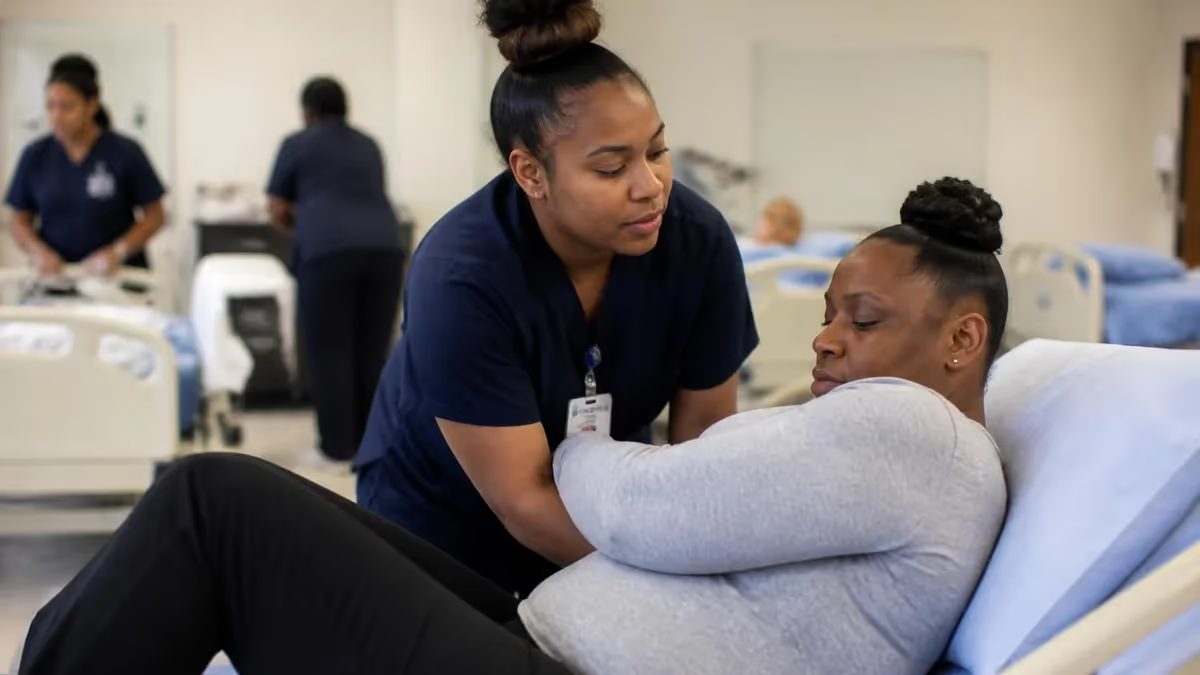
Understanding the deberes de una hha — or duties of a home health aide — is the first step toward a rewarding career in one of America's fastest-growing healthcare fields. The hha exchange platform and similar scheduling systems connect thousands of certified home health aides with clients every day, but behind those digital connections lies a demanding, deeply human job that requires technical skill, emotional resilience, and genuine compassion. Whether you are exploring this career for the first time or preparing to sit for your certification exam, knowing exactly what the role entails sets you up for long-term success.
A home health aide works directly in a client's residence, providing assistance that allows elderly, disabled, or chronically ill individuals to remain safely in their own homes rather than moving to institutional care. This setting distinguishes the HHA role from that of a nursing home aide: you are a guest in someone's most personal space, and that dynamic shapes every interaction. Clients range from seniors recovering from a hip replacement to adults with multiple sclerosis managing a progressive condition, meaning no two workdays look exactly alike.
The scope of home health aide duties and responsibilities is broader than many people expect. In addition to hands-on personal care tasks like bathing, grooming, and mobility assistance, HHAs monitor vital signs, assist with prescribed exercises, prepare nutritious meals, perform light housekeeping, and provide the kind of steady companionship that dramatically reduces social isolation among homebound clients. Each of these tasks must be performed according to a care plan developed by a registered nurse or therapist, so accurate documentation and clear communication with the supervising clinical team are just as important as physical caregiving skills.
From a workforce perspective, the Bureau of Labor Statistics projects that employment of home health and personal care aides will grow 22 percent through 2032 — far faster than the average for all occupations. This surge is driven by the aging Baby Boomer population: by 2030, all Boomers will be at least 65 years old, and many will require in-home assistance to maintain independence. For job seekers, this translates into strong employment prospects, geographic flexibility, and increasing opportunities for career advancement into supervisory or specialized roles.
Entering the field requires completing a state-approved home health aide training program, passing a competency evaluation, and in most states obtaining formal hha certification. The training curriculum typically covers anatomy and physiology basics, infection control, emergency procedures, personal care techniques, and communication strategies for working with cognitively impaired clients. Programs range from 75 to 120 hours depending on state requirements, and many community colleges, vocational schools, and home health agencies offer them in flexible formats including evening and weekend schedules.
Once certified, HHAs often use scheduling and administrative platforms to manage their caseloads. The widely used hha exchange login portal, for example, allows aides to view shift assignments, clock in and out, review care plans, and communicate with agency supervisors — all from a smartphone. Familiarity with these digital tools is increasingly expected by employers and can give candidates a competitive edge during the hiring process. Understanding both the clinical duties and the administrative workflows of the role prepares you to hit the ground running from your very first shift.
This comprehensive guide walks through every major dimension of the HHA role: the daily tasks you will perform, the skills you need to master, the training pathway to certification, and the practical strategies that distinguish excellent aides from average ones. By the end, you will have a clear, grounded picture of what the job actually looks like — and a solid foundation for acing your competency exam and launching a successful career in home healthcare.
Home Health Aide Career by the Numbers
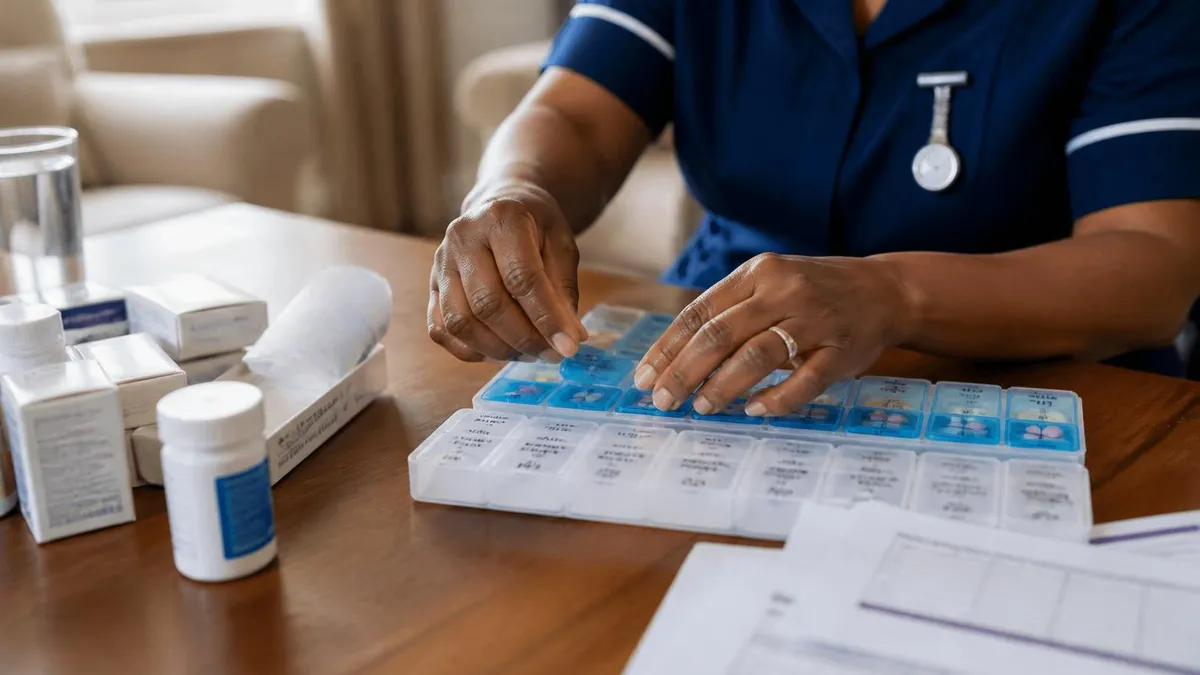
Core Daily Duties of a Home Health Aide
Bathing, grooming, oral hygiene, dressing, and toileting assistance performed with dignity and respect for the client's privacy. HHAs follow the care plan precisely and report any skin changes, wounds, or physical concerns to the supervising nurse immediately.
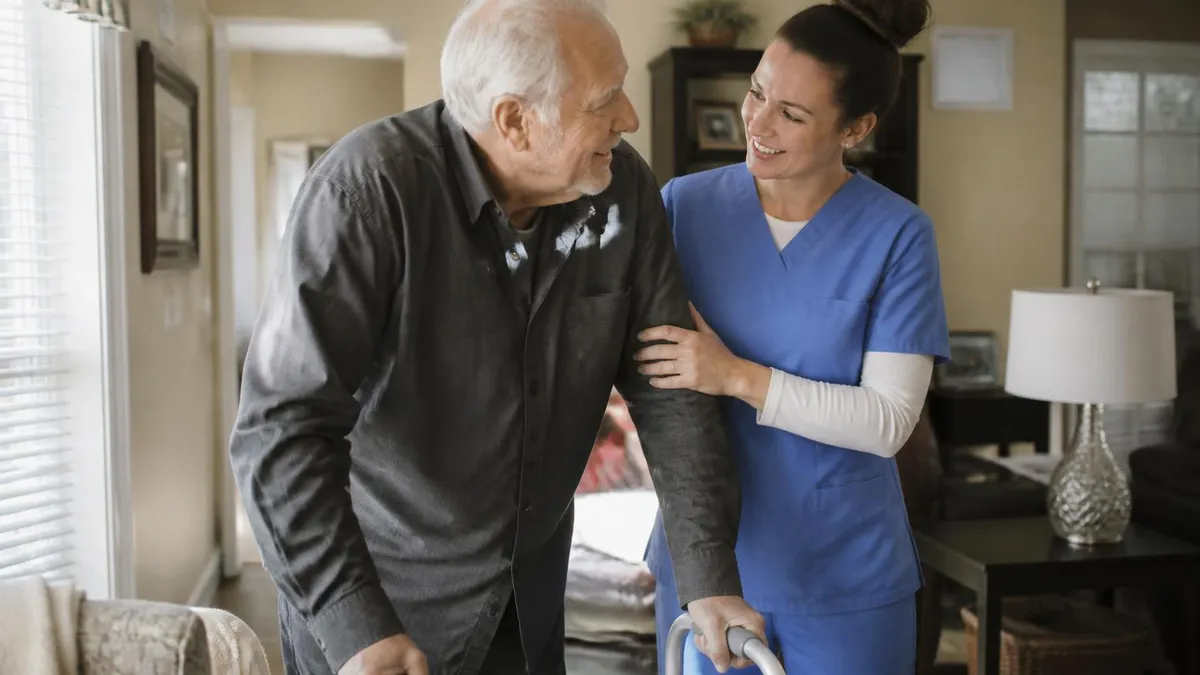
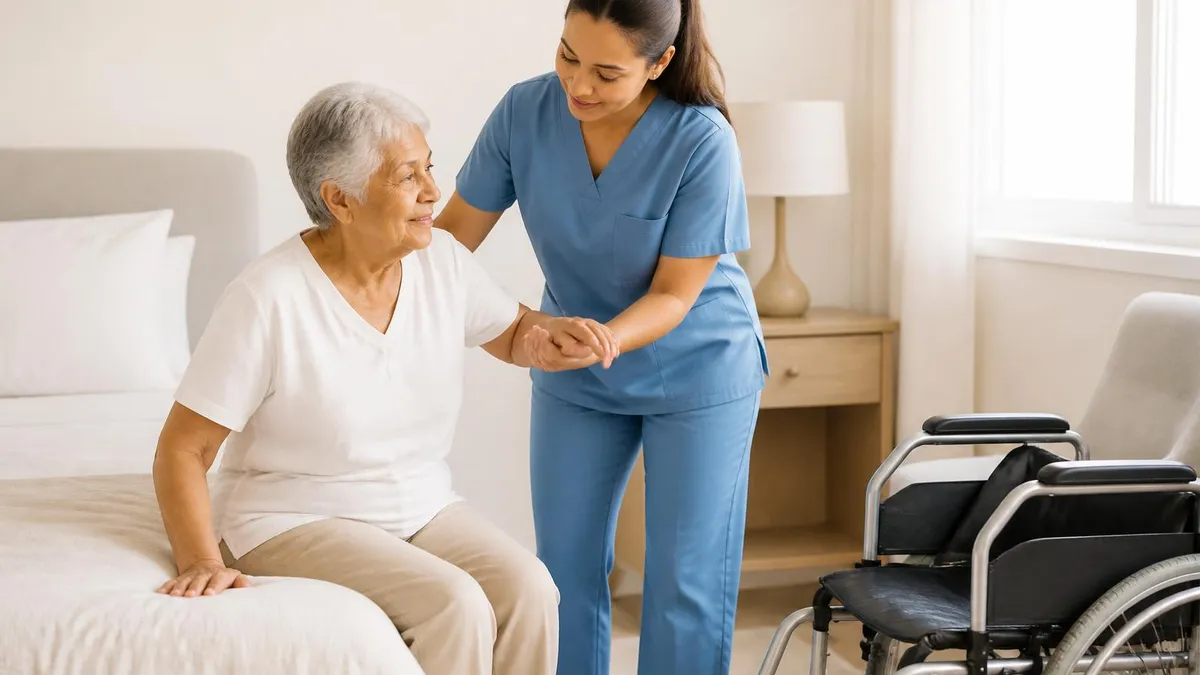
Helping clients transfer safely between bed, wheelchair, and other surfaces; assisting with prescribed range-of-motion exercises; and encouraging ambulation to prevent muscle weakness, contractures, and fall-related injuries during daily activities.
Measuring and recording temperature, pulse, respiration rate, and blood pressure. HHAs must recognize abnormal readings and understand when to escalate findings to the supervising clinician, making accurate documentation a life-safety responsibility.
Planning and preparing meals that comply with therapeutic diets — low-sodium, diabetic-friendly, pureed — while honoring cultural food preferences. HHAs also assist with feeding when necessary and monitor for swallowing difficulties or changes in appetite.
Maintaining a clean, hazard-free living environment by doing laundry, dishes, and vacuuming; removing fall hazards; and ensuring the home meets basic safety standards that protect both the client and the aide during every visit.
Pursuing home health aide certification begins with choosing a state-approved training program that fits your schedule and learning style. Most programs are offered through community colleges, vocational schools, Red Cross chapters, and home health agencies themselves. Agency-based programs are particularly attractive for new entrants because they frequently include a job offer upon successful completion, eliminating the uncertainty of the job search. Before enrolling, confirm that the program is approved by your state health department, since completing an unapproved program means your hours may not count toward certification.
The curriculum of a quality home health aide training program is structured around both classroom instruction and supervised clinical hours. In the classroom, students study human anatomy, common diagnoses they will encounter (diabetes, COPD, dementia, stroke), infection control procedures, and the legal and ethical dimensions of caregiving including client rights and mandatory reporting obligations. The clinical component places students in real care settings — often a skilled nursing facility or directly in client homes — where they practice personal care techniques under the supervision of a licensed nurse who evaluates their competency.
After completing the required training hours, candidates must pass a competency evaluation that typically includes both a written knowledge test and a skills demonstration. The skills portion requires candidates to correctly perform between five and ten randomly selected tasks drawn from the full curriculum — tasks such as taking a manual blood pressure reading, performing a proper hand-washing procedure, or safely transferring a client using a gait belt. Passing both components earns the candidate status as a certified home health care aide and places them on their state's registry of qualified aides.
State requirements vary considerably, and it is important to understand the rules in the state where you plan to work. Florida requires 40 training hours for state certification but 75 hours for Medicare-certified agencies; New York mandates 76 hours; California requires 10 hours of initial training followed by 5 additional hours annually. Some states maintain a separate home health aid certification distinct from a personal care aide credential, so verify which credential your target employer requires before you begin. The duties of a hha resource page provides free study materials aligned with these multi-state requirements.
Maintaining your certification requires ongoing education. Most states require HHAs to complete a set number of continuing education hours each year — typically 12 to 24 hours — covering topics like updated infection control protocols, dementia care techniques, or fall prevention strategies. Staying current with these requirements not only keeps your credential active but also makes you a more effective caregiver as best practices evolve. Many employers cover the cost of continuing education, making it one of the field's tangible employee benefits.
The hha login systems used by agencies like HHA Exchange are where certified aides manage their professional lives day to day. After logging in, aides can accept or decline shift offers, review client care plans before arriving at a new assignment, submit documentation of completed tasks, and communicate securely with coordinators. Learning to navigate these platforms efficiently is a practical skill that reduces administrative friction and ensures that clinical notes are submitted on time — a requirement for both regulatory compliance and agency reimbursement from Medicare and Medicaid.
For those interested in advancing beyond the entry-level HHA role, certification is the essential first rung on a clearly defined career ladder. From a certified HHA, career paths lead to certified nursing assistant, medical assistant, licensed practical nurse, and beyond. Each step typically requires additional education and a new licensing exam, but the foundational skills and patient-care experience gained as an HHA provide an enormous advantage in those subsequent programs. Many nursing schools specifically recruit HHAs because they already understand the realities of bedside care in a way that students with no clinical background do not.
HHA Certification: What You Need to Know
Personal care is the cornerstone of the HHA competency exam. Candidates must demonstrate the ability to bathe a client safely — including bed baths for immobile individuals — while protecting skin integrity, maintaining warmth, and preserving dignity. Oral hygiene, hair care, nail care for non-diabetic clients, and dressing assistance are also tested. Evaluators look for proper body mechanics, infection control compliance including glove use, and clear communication with the simulated client throughout each procedure.
Proper positioning and repositioning are equally critical. Clients who are bedridden must be turned and repositioned every two hours to prevent pressure ulcers, which are painful, costly to treat, and potentially fatal. The exam tests whether candidates can position a client in the lateral (side-lying), supine, and semi-Fowler positions using pillows for support, and can accurately document the procedure. Mastery of these techniques during training pays dividends on exam day and throughout a career.
Is a Career as a Home Health Aide Right for You?
- +Strong and growing job market with 22% projected growth through 2032
- +Meaningful one-on-one relationships with clients and their families
- +Relatively short training period allows quick entry into the workforce
- +Geographic flexibility — HHA jobs exist in virtually every US county
- +Clear career ladder leading to CNA, LPN, RN, and beyond
- +Schedule variety including part-time, full-time, and live-in options
- −Physical demands including lifting, bending, and standing for long periods
- −Emotionally challenging work, especially when clients decline or pass away
- −Median pay is modest, averaging around $14–$17 per hour nationally
- −Irregular hours including evenings, weekends, and holidays are common
- −Working in isolation without immediate clinical backup can feel stressful
- −Exposure to infectious illness, especially during cold and flu season
HHA Certification Readiness Checklist
- ✓Complete all required training hours at a state-approved HHA training program.
- ✓Demonstrate competency in personal care skills including bathing and grooming during clinical hours.
- ✓Practice taking accurate manual blood pressure, pulse, and temperature readings.
- ✓Review infection control protocols including proper hand-washing technique and PPE use.
- ✓Study the care plan documentation process and understand your reporting obligations.
- ✓Practice safe transfer and repositioning techniques using a gait belt and proper body mechanics.
- ✓Learn common therapeutic diet types: diabetic, low-sodium, renal, and pureed diets.
- ✓Understand client rights and the legal boundaries of the home health aide scope of practice.
- ✓Create an account on your agency's scheduling platform (such as HHA Exchange) before your first shift.
- ✓Take at least three full-length HHA practice tests to identify and close knowledge gaps before exam day.
Documentation Is a Life-Safety Skill
Many new HHAs underestimate the importance of documentation, but your written records are the primary way the supervising nurse monitors a client's condition between visits. An accurate, timely note about a client's decreased appetite or unusual bruising can trigger a nurse visit that prevents a hospitalization. Treat every care note as if a physician will review it — because they often do.
The skills that separate excellent home health aides from adequate ones go well beyond the technical competencies tested on the certification exam. Emotional intelligence — the ability to read a client's mood, respond with empathy, and de-escalate moments of frustration or confusion — is arguably the most important quality an HHA can bring to the job. Clients with dementia may lash out verbally or physically during personal care, and an aide who responds with patience and redirection rather than frustration protects both the client's dignity and the therapeutic relationship that makes care possible.
Cultural competence is another dimension of excellence that is increasingly emphasized in professional training. The United States is home to clients from every cultural background imaginable, and effective caregiving means respecting dietary restrictions rooted in religious practice, understanding family dynamics that may include multiple generations living together and holding decision-making authority, and communicating respectfully across language barriers. Many agencies now provide cultural competence training as part of their orientation programs, and HHAs who proactively develop these skills are better prepared to serve a diverse clientele.
Observational acuity — the trained habit of noticing subtle changes in a client's appearance, behavior, or environment — is a skill that grows with experience but can be accelerated by deliberate practice during training. A client who seems more confused than usual may be experiencing a urinary tract infection, which presents atypically in the elderly. Swelling in the ankles that was not present last week could signal worsening heart failure. An HHA who notices these changes and reports them promptly to the supervising nurse is functioning as a true member of the care team, not merely a task performer.
Time management is a practical skill that profoundly affects both client outcomes and aide wellbeing. A typical HHA shift involves completing a set list of tasks within a defined time window, often while managing a client who moves slowly, becomes distracted, or resists certain aspects of care.
Learning to sequence tasks efficiently — for example, starting the washing machine before beginning breakfast preparation — and building in buffer time for unexpected needs prevents the rushed, stressful dynamic that leads to care errors and aide burnout. New aides benefit from reviewing the care plan before arriving and mentally mapping the sequence of the visit.
Boundary management is a topic that receives insufficient attention in many training programs but is central to sustainable performance in this field. HHAs work in intensely personal settings, and clients and families may ask for assistance that falls outside the aide's scope of practice — administering prescription medications, performing wound care, or making medical decisions. Understanding how to decline these requests respectfully, explain the scope-of-practice boundaries clearly, and escalate to the supervising nurse protects the client from unauthorized care and protects the aide from legal liability.
Self-care is not optional for HHAs — it is a professional responsibility. The physical demands of the job, combined with the emotional weight of caring for individuals who are suffering, create genuine risk of burnout and musculoskeletal injury.
Aides who practice proper body mechanics consistently, take their allotted breaks, seek peer support when processing difficult clinical situations, and maintain boundaries between their professional and personal lives deliver better care over a longer career than those who ignore these needs. Many experienced HHAs describe intentional self-care practices — exercise, journaling, peer supervision — as the key to their longevity in the field.
Communication with families is another dimension of the HHA role that requires finesse. Family members are often anxious about their loved one's care, and they may question your methods, hover during visits, or make requests that conflict with the care plan. Approaching these interactions with transparency, patience, and a genuine understanding that the family member is also navigating a difficult situation goes a long way toward building the trust that makes your work easier. When family requests conflict with the care plan or your scope of practice, involving the supervising nurse as a mediator is always the right move.

Home health aides are legally prohibited from performing tasks that fall outside their certified scope of practice, even if a client or family member insists. Administering or adjusting prescription medications, performing catheter care, inserting suppositories, and completing wound care requiring sterile technique are all nursing tasks in most states. Performing them without authorization exposes you to license revocation, civil liability, and potential criminal charges. When in doubt, stop and call your supervising nurse before proceeding.
Career growth in the home health field is more structured and accessible than many entrants realize. Starting as a certified HHA, a motivated professional can advance to a certified nursing assistant role with relatively modest additional training — in many states, CNA programs are 120 to 180 hours and are offered at the same community colleges and vocational schools where HHA training is available. Because HHAs already have hands-on patient care experience, they often complete CNA programs faster and with stronger practical skills than students entering directly from high school.
From the CNA level, the next step for many is licensed practical nurse, a credential that requires completing an accredited LPN program (typically 12 to 18 months), passing the NCLEX-PN licensing exam, and applying for licensure in their state. LPNs earn median annual salaries in the $55,000 range — a substantial increase over entry-level HHA wages — and take on expanded clinical responsibilities including medication administration, IV therapy in some states, and supervised patient assessments. The clinical foundation built during years of HHA work makes the transition to LPN both academically and emotionally smoother.
Specialization within the home health field itself is another avenue for advancement. HHAs who develop expertise in dementia care, pediatric home health, ventilator-dependent clients, or maternal-infant care can command higher hourly rates and access a more specialized — and often more stable — client caseload. Some agencies offer specialized training programs in these areas as a retention tool, recognizing that certified specialists are harder to replace than generalists. Pursuing specialty training signals ambition to employers and creates genuine differentiation in a competitive job market.
The supervisory and administrative track is a third path for experienced HHAs. Home health agencies need field supervisors, care coordinators, scheduler-coordinators, and training instructors — positions that draw heavily on the practical knowledge and relationship skills developed in direct care. Moving into a coordinator role often involves learning agency-management software (including platforms like the hha exchange system at a deeper administrative level), developing scheduling optimization skills, and building the communication fluency to manage a team of aides across multiple client sites simultaneously.
For those with entrepreneurial interests, the home health field also supports independent contractor and agency-ownership models. Experienced HHAs who develop a strong local reputation sometimes transition to working directly with client families as independent contractors, charging private-pay rates that are typically higher than agency-employed wages. This model offers maximum schedule control but requires the aide to manage their own taxes, insurance, and client acquisition. A small number of experienced professionals go further and establish their own home health agencies, navigating the licensing, bonding, and Medicare certification requirements to build a business from the ground up.
The home health aide certification you earn at the beginning of your career is thus not a ceiling but a foundation. Every year you spend in direct care builds clinical judgment, communication skill, and professional reputation that transfer into whatever advanced role you pursue. Employers across the healthcare spectrum — hospitals, rehabilitation centers, long-term care facilities, insurance companies, and public health agencies — actively recruit candidates with hands-on home care experience precisely because it develops qualities that classroom training alone cannot.
Staying informed about policy changes that affect the home health industry is also part of long-term career management. Medicare and Medicaid reimbursement policies, state licensure requirements, and federal wage standards for home care workers all shift periodically, and HHAs who understand how these policy frameworks affect their employment conditions are better positioned to advocate for themselves and their clients. Professional organizations like the National Association for Home Care and Hospice publish policy updates and offer advocacy resources that help working aides stay engaged with the larger forces shaping their field.
Preparing for the HHA competency exam requires a strategic approach that goes beyond simply re-reading your training materials. The most effective exam preparation combines content review, skills practice, and timed question drills — the same three-pronged approach used by candidates for nursing and medical licensing exams. Begin by mapping the exam blueprint: most state competency evaluations weight personal care and safety topics most heavily, so allocate your study time accordingly rather than dividing it equally across all topics.
Practice tests are one of the highest-yield study tools available. Working through realistic exam-style questions helps you identify gaps in your knowledge, builds familiarity with the question format (many HHA exams use scenario-based items that describe a client situation and ask what you should do first), and reduces test anxiety by making the experience feel familiar on exam day. Aim to complete at least 150 to 200 practice questions in the week before your exam, reviewing the rationale for every incorrect answer rather than simply noting the right choice.
For the skills demonstration portion of the exam, deliberate physical practice is irreplaceable. Set up a practice station at home using a bed, a chair, and basic supplies — a blood pressure cuff, a thermometer, a gait belt if possible — and walk through each testable skill from memory before checking your notes. Many candidates find it helpful to practice with a study partner who plays the role of the client, since performing skills on an actual person (even a healthy friend or family member) activates the communication and body-mechanics habits that rote repetition alone does not build.
Time management during the written exam is a skill unto itself. Read each question carefully before looking at the answer choices, since the scenario often contains details that are relevant to the correct answer. Eliminate obviously incorrect choices first, then choose between the remaining options based on your clinical knowledge. If a question stumps you, mark it and move on — returning with fresh eyes often yields the correct answer, and spending too long on one question risks running out of time for questions you know well.
On the day of the skills exam, arrive early enough to review the procedure steps for common skills one final time. Most testing sites will give you a brief orientation before the evaluation begins, during which you can clarify any procedural questions with the evaluator. During the demonstration itself, narrate your actions aloud — explaining to the evaluator what you are doing and why shows not only that you can perform the skill but that you understand its purpose, which distinguishes a passing performance from a merely adequate one.
After passing your competency evaluation, focus your first weeks on the job on building efficient, client-centered routines rather than speed. New HHAs sometimes feel pressure to complete care visits as quickly as possible, but rushing through personal care increases the risk of falls, skin injuries, and missed observations. Experienced supervisors consistently report that new aides who prioritize thoroughness and communication over speed develop into stronger long-term performers than those who optimize for task completion time from the outset.
Finally, invest in building your professional network from your first day in the field. Connect with the nurses and therapists who supervise your clients' care — these professionals observe your work and can become important references when you apply for advanced programs or promotions. Join professional associations, attend any agency-sponsored training events, and seek out a mentor among experienced HHAs at your agency. The knowledge, encouragement, and career guidance that a strong professional network provides are among the most valuable and underutilized resources available to new home health aides navigating the early stages of a long and meaningful career.
HHA Questions and Answers


About the Author

Registered Nurse & Healthcare Educator
Johns Hopkins University School of NursingDr. Sarah Mitchell is a board-certified registered nurse with over 15 years of clinical and academic experience. She completed her PhD in Nursing Science at Johns Hopkins University and has taught NCLEX preparation and clinical skills courses for nursing students across the United States. Her research focuses on evidence-based exam preparation strategies for healthcare certification candidates.
Join the Discussion
Connect with other students preparing for this exam. Share tips, ask questions, and get advice from people who have been there.
View discussion (8 replies)