
EEG for ADHD: What the EEG Test Shows, How It Works, and What to Expect
Learn what an EEG test reveals about ADHD, how it works, cost, side effects, and what to expect. 🧠 Real facts for US patients.

An EEG test — short for electroencephalogram — is one of the most discussed diagnostic tools when it comes to evaluating brain activity in people suspected of having ADHD. The question of whether an EEG test can definitively diagnose ADHD is one that patients, parents, and clinicians return to again and again. Understanding what the EEG medical test actually measures, how long the procedure takes, and what the results can and cannot tell you is essential before walking into a neurologist's office and expecting a clear answer.
ADHD, or Attention-Deficit/Hyperactivity Disorder, is primarily a clinical diagnosis based on behavioral observation, structured interviews, and standardized rating scales. However, brain-based testing like the EEG test has gained attention because it offers an objective window into how the brain generates electrical signals. Researchers have identified distinct brainwave patterns in many individuals with ADHD — particularly elevated theta waves and reduced beta wave activity — that differ from neurotypical patterns, prompting renewed interest in EEG as a supportive diagnostic tool.
The FDA cleared a specific quantitative EEG device called the Neuropsychiatric EEG-Based Assessment Aid (NEBA) for use as an adjunct — not a standalone — diagnostic tool for ADHD in children and adolescents aged 6 to 17. This cleared the path for EEG to enter mainstream ADHD evaluations, though most clinicians still treat it as one piece of a broader diagnostic picture rather than the definitive final word. If you are studying for a credentialing exam and want to practice interpreting brainwave data, reviewing eeg for adhd practice materials is a strong starting point.
From a patient perspective, the EEG test is non-invasive and painless. A technician places small metal electrodes on the scalp using a conductive gel or paste, and the machine records the brain's spontaneous electrical activity over a period that typically lasts between 20 minutes and one hour. The procedure carries no radiation and no EEG test side effects in the traditional medical sense, though some patients experience mild scalp irritation from the electrode adhesive. There is no sedation required for a standard awake EEG, making it accessible even for young children when performed by experienced pediatric technicians.
Cost is a common concern for families pursuing an ADHD workup. The EEG test price varies considerably depending on the facility, geographic location, and whether the study is inpatient or outpatient. In the United States, the EEG test cost typically ranges from $200 to $700 for a routine outpatient study, though hospital-based studies can exceed $1,000 before insurance adjustments. Medicare and many private insurers cover EEG when ordered for a medically documented indication, but coverage for ADHD-specific EEG may require prior authorization and documentation of medical necessity.
It is worth noting what an EEG test does not do. It cannot detect ADHD directly the way a blood test detects a specific protein or pathogen. Instead, it identifies patterns of electrical activity that are statistically more common in ADHD populations. A child with ADHD may have a completely normal routine EEG, and a child without ADHD may show elevated theta waves for reasons entirely unrelated to attention disorders. This is why neurologists and psychiatrists consistently emphasize that EEG results must be interpreted within the full clinical context.
This article walks through everything you need to know about EEG testing in the context of ADHD: how the test works, what brainwave patterns are associated with the condition, what the procedure involves from preparation through results, what the test costs and how insurance works, and practical guidance for families navigating this evaluation. Whether you are a patient, a caregiver, or a healthcare student preparing for an EEG credentialing exam, this comprehensive resource covers the essential science and practical details you need.
EEG and ADHD by the Numbers

What an EEG Test Measures in the ADHD Brain
Theta waves are associated with daydreaming, drowsiness, and reduced alertness. Many individuals with ADHD show excess frontal theta activity during tasks that require sustained attention, which correlates with the inattentive symptoms clinicians observe behaviorally.
Beta waves reflect active, alert cognitive processing. Research consistently finds that individuals with ADHD tend to produce less frontal beta activity during attention tasks, contributing to the elevated theta-to-beta ratio that serves as a key EEG marker.
The theta/beta ratio is the most studied quantitative EEG metric for ADHD. A ratio above 3.0 — particularly measured at electrode site Cz — has been associated with ADHD diagnoses in children, though individual variability limits its standalone diagnostic value.
ERPs capture the brain's electrical response to specific stimuli. In ADHD research, reduced P300 amplitude and prolonged reaction-time-related components suggest deficits in inhibitory control, response preparation, and working memory — core executive functions affected by ADHD.
Alpha waves (8–12 Hz) reflect relaxed wakefulness and inhibition of irrelevant inputs. Atypical alpha distributions in ADHD may indicate difficulties with sensory gating — the brain's ability to filter out distracting stimuli and focus on task-relevant information.
Understanding what happens during an EEG test helps patients prepare mentally and physically for the experience. The procedure begins with a pre-test consultation, during which a technician reviews your medical history, confirms any medications you are taking, and explains what the recording will involve.
For ADHD evaluations, the technician may also ask about sleep habits the night before, since sleep deprivation can alter brainwave patterns and affect the quality of the recording. In most standard EEG protocols, patients are asked to arrive with clean, dry hair and to avoid using conditioners, oils, or styling products that can interfere with electrode adhesion.
Once you are seated or lying down comfortably, the EEG technician measures your head using the standard 10-20 international electrode placement system. This system places electrodes at defined anatomical landmarks — nasion, inion, and ear preauricular points — to ensure reproducible, comparable recordings across sessions and facilities.
For a standard clinical EEG, between 19 and 25 electrodes are applied. Each electrode is filled with a small amount of conductive gel and secured either with a stretchy cap or individually with adhesive paste. The process of electrode application takes roughly 20 to 30 minutes and is entirely painless, though some patients describe a feeling of pressure on the scalp.
Once electrodes are in place and impedance values confirm good contact, the recording begins. Most routine awake EEGs last between 20 and 40 minutes, though extended recordings for ADHD research protocols may run longer. During the recording, the technician will ask you to lie or sit quietly with eyes open for some segments and eyes closed for others, since alpha wave activity changes significantly between these states.
You may also be asked to breathe rapidly for three minutes — a process called hyperventilation activation — and to look at a strobe light that flickers at varying frequencies in a procedure called photic stimulation. Both activation procedures can unmask abnormal brainwave patterns that are not visible during the resting state.
For children being evaluated for ADHD, sleep deprivation is sometimes requested prior to the EEG so that the child falls asleep naturally during a portion of the recording. Sleep EEG captures distinct wave patterns — sleep spindles, K-complexes, and slow-wave activity — that provide additional diagnostic information. Sedation is generally avoided in pediatric EEG whenever possible, because sedative medications themselves alter brainwave morphology and can confuse interpretation. An experienced pediatric EEG technician uses distraction techniques, comfort positioning, and parental presence to help children remain cooperative throughout the recording.
After the recording is complete, a neurologist interprets the raw EEG data by visually reviewing the waveforms displayed across multiple channels. For ADHD-specific evaluations using quantitative EEG (qEEG), specialized software computes numerical measures — including the theta/beta ratio at each electrode site — and compares them against normative databases stratified by age and sex.
This comparison generates a brain map that highlights regions where activity deviates from expected norms. The colorful topographic maps produced by qEEG analysis have become familiar images in ADHD and neurofeedback literature, though clinicians emphasize that the maps must always be interpreted alongside behavioral and cognitive data.
When considering how long an EEG test takes from arrival to departure, most patients should plan for approximately two to three hours for a comprehensive outpatient study, including the pre-test paperwork, electrode setup, the recording itself, and electrode removal. The gel used to secure electrodes is water-soluble and washes out easily with shampoo after the appointment. Many patients return to normal activities immediately after the test with no restrictions. There are no EEG test side effects that require recovery time, which makes it an attractive option for busy families who cannot afford lengthy post-procedure downtime.
Results from a routine clinical EEG are typically available within three to five business days, though urgent studies ordered in hospital settings may be read within hours. For quantitative EEG reports comparing the patient's data against normative databases, additional processing time may extend turnaround to one to two weeks. The ordering physician — usually a neurologist, psychiatrist, or developmental pediatrician — will review the results with the patient and integrate them into the broader ADHD diagnostic picture alongside behavioral rating scales, neuropsychological testing, and clinical interview findings.
What Is an EEG Medical Test: Key Perspectives
For patients and families, the EEG test is most important as a tool for ruling out seizure activity that can mimic ADHD symptoms. Children who stare off, zone out repeatedly, or show sudden behavioral lapses may have absence seizures rather than — or in addition to — ADHD, and an EEG is the definitive way to distinguish between these conditions. A normal EEG in a child with classic ADHD symptoms actually provides reassurance that epilepsy is not complicating the picture.
Parents should know that the EEG test itself involves no needles, no radiation, and no sedation for most routine studies. Children can watch a movie or listen to music during the recording with technician approval, which helps them remain still. Bring a favorite comfort item, plan for a two-to-three-hour visit, and wash the child's hair the night before. Results take several days to return, so avoid scheduling the appointment right before a major clinical decision deadline.

EEG for ADHD: Advantages and Limitations
- +Non-invasive, painless, and requires no radiation or sedation for standard studies
- +Can rule out seizure disorders and other neurological conditions that mimic ADHD symptoms
- +FDA-cleared NEBA device provides an objective data point to support clinical decision-making
- +Quantitative EEG offers detailed brainwave mapping that may guide individualized treatment planning
- +Widely available at hospitals, neurology clinics, and outpatient imaging centers across the US
- +Results are typically covered by insurance when medically indicated with proper documentation
- −Cannot diagnose ADHD on its own — must be interpreted alongside clinical and behavioral data
- −Normal EEG results do not rule out ADHD, since many patients with ADHD have unremarkable EEGs
- −Quantitative EEG normative databases vary across laboratories, affecting result comparability
- −EEG test cost can be significant without insurance, ranging from $200 to over $1,000 for complex studies
- −Pediatric recordings are prone to movement and drowsiness artifacts, reducing data quality
- −Theta/beta ratio has moderate sensitivity and specificity — not sufficient as a standalone diagnostic marker
ADHD EEG Test Preparation Checklist
- ✓Wash hair with regular shampoo the night before — avoid conditioners, oils, and styling products
- ✓Confirm with your ordering physician whether any medications should be held before the test
- ✓Inform the EEG lab if the patient takes stimulants, benzodiazepines, or antiepileptic drugs
- ✓Ask whether a sleep-deprived EEG is needed — this requires staying awake until after midnight
- ✓Plan to arrive 15–20 minutes early for registration, paperwork, and patient history forms
- ✓Bring a list of all current medications including dosages and the time of last dose
- ✓Pack a comfort item for children — a stuffed animal or favorite toy reduces anxiety and movement
- ✓Eat a normal meal before the test unless your provider has given specific fasting instructions
- ✓Arrange for a driver if you expect to be drowsy from sleep deprivation protocols
- ✓Ask the lab about turnaround time for results and how the ordering physician will deliver them
The NEBA System: What FDA Clearance Actually Means
The FDA's 2013 clearance of the NEBA System was a landmark moment for EEG and ADHD, but it is widely misunderstood. FDA clearance as a 510(k) device means the NEBA was shown to be substantially equivalent to a predicate device — not that it was proven to diagnose ADHD independently. Clinicians are instructed to use NEBA data as one input among many, never as a standalone diagnosis. A positive NEBA result in the context of a thorough clinical evaluation strengthens diagnostic confidence; a negative result does not exclude ADHD.
The cost of an EEG test is one of the most common practical concerns that families raise when ADHD is being evaluated. In the United States, the EEG test price depends on several intersecting factors: the type of study ordered (routine vs. extended vs. ambulatory), the setting in which it is performed (hospital-based vs. freestanding outpatient clinic), the geographic region, and whether the facility accepts the patient's insurance plan.
A basic routine outpatient EEG at a freestanding neurology clinic typically runs between $200 and $450 before insurance adjustments. Hospital-based outpatient departments charge more, often in the $500 to $900 range, because of facility fees layered on top of the professional fee for the interpreting neurologist.
Insurance coverage for EEG in the context of ADHD evaluation is not automatic. Most major commercial insurers — including Aetna, UnitedHealthcare, Cigna, and Blue Cross Blue Shield — cover EEG when ordered for a documented medical indication such as ruling out seizures, evaluating episodic neurological symptoms, or investigating treatment-refractory attention disorders.
However, EEG ordered specifically to quantify theta/beta ratios for routine ADHD diagnosis may be classified as investigational by some payers, triggering a prior authorization requirement or a coverage denial. Families should obtain pre-authorization before scheduling, and clinicians should include detailed medical necessity language in their orders to minimize the risk of denial.
Medicare Part B covers EEG under the diagnostic laboratory and testing benefit when ordered by a treating physician for a medically necessary indication. Medicare does not cover EEG performed as a screening test in the absence of documented symptoms. Medicaid coverage varies by state, but most state Medicaid programs cover routine EEG for neurological indications in children. Families enrolled in Children's Health Insurance Program (CHIP) plans should contact their plan's member services department to confirm EEG benefits before scheduling, as coverage rules differ between states and managed care organizations.
For patients without insurance or with high-deductible plans, several cost-reduction strategies are available. First, comparing prices between hospital-based and independent outpatient neurology or EEG centers in your area can yield savings of 30 to 50 percent for an equivalent study.
Second, many providers offer self-pay discounts when the bill is paid in full at the time of service — discounts of 20 to 40 percent from the chargemaster rate are not uncommon. Third, community health centers that receive federal funding under Section 330 of the Public Health Service Act offer EEG services on a sliding scale fee based on income, with some patients qualifying for significantly reduced rates.
The EEG test cost is distinct from the cost of the full ADHD diagnostic evaluation, which may also include neuropsychological testing, a clinical psychiatric interview, behavioral rating scales administered to parents and teachers, and a formal diagnostic report. The total cost of a comprehensive ADHD evaluation can range from $1,000 to $5,000 depending on the scope of testing ordered.
Many pediatricians and child psychiatrists complete the core clinical interview and rating scale review themselves without referring for EEG, so families should discuss with their provider whether EEG will add meaningful diagnostic value in their specific situation before committing to the expense.
Health Savings Accounts (HSA) and Flexible Spending Accounts (FSA) can be used to pay for EEG costs on a pre-tax basis, effectively reducing the out-of-pocket expense by the patient's marginal tax rate. For a family in the 22 percent federal tax bracket paying $400 for an outpatient EEG, using HSA funds results in an effective cost of approximately $312 — a meaningful savings. Patients should retain their Explanation of Benefits (EOB) document from the insurer and any itemized bills from the provider to ensure accurate reimbursement when submitting HSA or FSA claims.
Understanding the billing codes associated with an EEG test helps patients anticipate costs and verify their insurance benefits before the appointment. The most common CPT codes for outpatient EEG include 95812 (EEG with at least 41 minutes of recording, awake and drowsy), 95813 (EEG with at least 41 minutes, awake and asleep), and 95816 (EEG including hyperventilation and photic stimulation). If your provider orders a quantitative EEG or brain mapping study, CPT 95957 applies.
Asking the scheduling coordinator which CPT codes will be billed allows you to get an accurate cost estimate from your insurance company before the date of service.

No professional medical organization — including the American Academy of Pediatrics, the American Academy of Neurology, or the American Psychiatric Association — recommends EEG as a routine standalone diagnostic test for ADHD. A normal EEG does not rule out ADHD, and an abnormal theta/beta ratio does not confirm it. Always integrate EEG data with a comprehensive clinical evaluation conducted by a qualified healthcare provider before drawing diagnostic conclusions.
Once your EEG results are available, the next challenge is understanding what the report actually means in the context of an ADHD evaluation. A standard clinical EEG report includes a description of background activity, characterization of any abnormal waveforms, a summary of findings from activation procedures, and a clinical impression from the interpreting neurologist.
For patients being evaluated for ADHD, the most clinically significant findings are typically either normal — meaning no epileptiform activity is detected — or abnormal in ways that point to alternative explanations for the attention difficulties, such as subclinical seizures or focal slowing suggesting an underlying structural issue.
When a routine EEG is normal in a patient with ADHD symptoms, this is actually a common and expected finding. The majority of individuals with ADHD have normal routine EEGs, because routine EEG is not designed to capture the subtle quantitative differences in theta/beta ratio that characterize the ADHD brain.
A normal EEG report does not mean the patient's symptoms are not real, not significant, or not biological in origin. It simply means that no gross epileptiform or focal structural abnormalities were detected during the recording window. The diagnosis of ADHD proceeds based on clinical criteria regardless of EEG findings in most cases.
A quantitative EEG (qEEG) report, in contrast, includes additional numerical analyses and topographic brain maps. The report will typically note the theta/beta ratio at key electrode sites, compare spectral power across frequency bands against age-matched normative databases, and highlight regions of statistical deviation using colored z-score maps. Positive deviations — areas where activity is significantly higher or lower than expected — are flagged for clinical attention. In an individual with ADHD, common qEEG findings include frontal theta excess, frontocentral beta deficiency, and a globally elevated theta/beta ratio at Cz. These findings are consistent with but not pathognomonic for ADHD.
The treating clinician — whether a neurologist, psychiatrist, or developmental pediatrician — synthesizes the EEG findings with all other available data before formulating a diagnostic impression and treatment plan. If the EEG identifies seizure activity, the treatment approach changes substantially — anticonvulsant medication takes priority, and the stimulant medications typically used for ADHD may need to be held pending seizure stabilization. If the EEG is normal or shows nonspecific findings consistent with ADHD literature, the evaluation proceeds toward confirmation of the ADHD diagnosis and discussion of evidence-based treatment options including behavioral therapy, psychoeducation, and medication management.
Neurofeedback is a treatment modality that directly uses ongoing EEG data to help patients modulate their own brainwave patterns. In a typical neurofeedback session for ADHD, the patient sits in front of a screen wearing EEG electrodes while a software program provides real-time feedback — often in the form of a video game or animation — that rewards the brain when it produces target patterns such as reduced theta and increased beta.
Over many sessions, the theory holds that the brain learns to self-regulate toward more attentive states. Parents and patients researching neurofeedback should look for practitioners who follow American Association of Applied Psychophysiology and Biofeedback (AAPB) standards and use research-validated protocols.
For individuals who have already received an ADHD diagnosis and are wondering whether EEG monitoring is needed during stimulant medication treatment, the answer for most patients is no. Stimulant medications such as methylphenidate and amphetamine salts are not known to cause epileptic seizures in neurologically normal individuals. EEG monitoring during stimulant treatment is reserved for patients with pre-existing seizure disorders or known epilepsy, where the clinician needs to confirm that seizure control is not worsening. For the average child or adult with uncomplicated ADHD starting stimulant therapy, baseline or follow-up EEG is not routinely recommended by current clinical guidelines.
Emerging research into EEG biomarkers for ADHD treatment response is an exciting frontier. Several studies have examined whether pre-treatment qEEG patterns can predict which patients will respond better to methylphenidate versus amphetamine formulations, or which patients are most likely to benefit from neurofeedback. While preliminary results are promising, this application of EEG remains experimental and is not yet standard of care. Patients interested in cutting-edge EEG applications for ADHD management should discuss participation in clinical trials with their neurologist or psychiatrist, as several research centers across the United States are actively recruiting participants for EEG biomarker studies.
Practical preparation for an EEG appointment makes a significant difference in both the quality of the recording and the patient's overall experience. Whether you are accompanying a child or preparing yourself, a few concrete steps in the days and hours before the test can streamline the appointment and reduce anxiety.
Start by reviewing the specific instructions provided by your EEG lab, since protocols vary slightly between facilities. Some labs request a sleep-deprived study in which the patient stays awake until midnight or later the night before; others request a fully rested patient to capture a reliable baseline of normal waking activity. Confirm which protocol applies to your appointment when you schedule.
Hair preparation is consistently the most overlooked aspect of EEG readiness. Oil-based conditioners, leave-in treatments, hairspray, and dry shampoo all increase scalp impedance — the electrical resistance between the electrode and the scalp — which degrades signal quality and can force the technician to spend extra time troubleshooting bad electrode contacts.
Wash hair with a plain shampoo that contains no conditioning agents on the morning of or the night before the study, and do not apply any products after washing. Patients with thick or curly hair may find that the technician needs additional time to part and prepare the scalp at each electrode site, so mentally allocate extra time for the setup phase.
Medication management before an EEG requires explicit guidance from the ordering physician. As a general rule, neurologists prefer that patients continue their normal medication regimen for a routine clinical EEG, because the goal is to capture the brain's activity under real-world conditions — not under artificial medication withdrawal. Stimulant medications such as Adderall and Concerta do alter brainwave patterns, particularly in the beta range, but discontinuing them without medical supervision can cause significant functional impairment in children who depend on them to manage their school day. Always confirm the medication plan with your prescriber before making any changes.
For the actual recording, helping children understand what will happen before they arrive at the lab substantially reduces anxiety and movement artifacts. Many pediatric EEG laboratories provide educational videos or picture books showing the electrode application process in child-friendly terms.
Describing the electrodes as a special thinking cap, the gel as hair gel, and the recording process as the machine listening to the brain's music helps children frame the experience in non-threatening terms. Older children and adolescents benefit from direct, factual explanations: the test does not hurt, the machine cannot read thoughts, and the gel washes out easily after the appointment.
After the EEG, the electrode removal process takes about five to ten minutes. The technician will use a damp cloth or cotton pad moistened with water or a light solvent to loosen the electrode adhesive and gel. Most of the residue will come out in the first shampoo after the appointment.
Some patients notice small areas of scalp tenderness where the electrodes pressed against the skin during the recording; this resolves within a few hours and does not require treatment. There are no physical restrictions after a routine EEG — patients can drive, eat normally, and return to school or work unless they were sleep deprived as part of the protocol, in which case avoiding driving while drowsy is important.
Patients undergoing ambulatory EEG for ADHD — a 24- to 72-hour recording using a portable EEG device worn at home — have additional practical considerations. The ambulatory device records brain activity continuously across natural sleep-wake cycles, school days, and everyday activities, capturing information about brainwave patterns in real-life ADHD contexts rather than the artificial quiet of a laboratory.
During an ambulatory study, patients should maintain their normal routine as much as possible, keep an event diary to note any notable behavioral episodes, and avoid activities that risk damaging the recording device such as swimming or contact sports. The extended recording window significantly increases the probability of capturing diagnostically meaningful data.
Finally, follow-up after the EEG is as important as the test itself. Schedule a follow-up appointment with your ordering physician within one to two weeks of the expected result turnaround date. Bring a written list of questions — particularly if the report contains technical terminology that was not explained at the time of scheduling.
Ask specifically whether the EEG findings change the diagnostic impression, whether any additional testing is recommended, and how the results integrate with the overall ADHD evaluation. A well-informed patient or caregiver who actively participates in the results discussion is better positioned to make collaborative, evidence-based decisions about ADHD treatment planning going forward.
EEG Questions and Answers
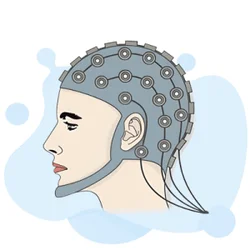
EEG Electroencephalography Practice Test PDF (Free Printable 2026)

Seizure EEG: What the EEG Test Shows, How It Works, and What to Expect
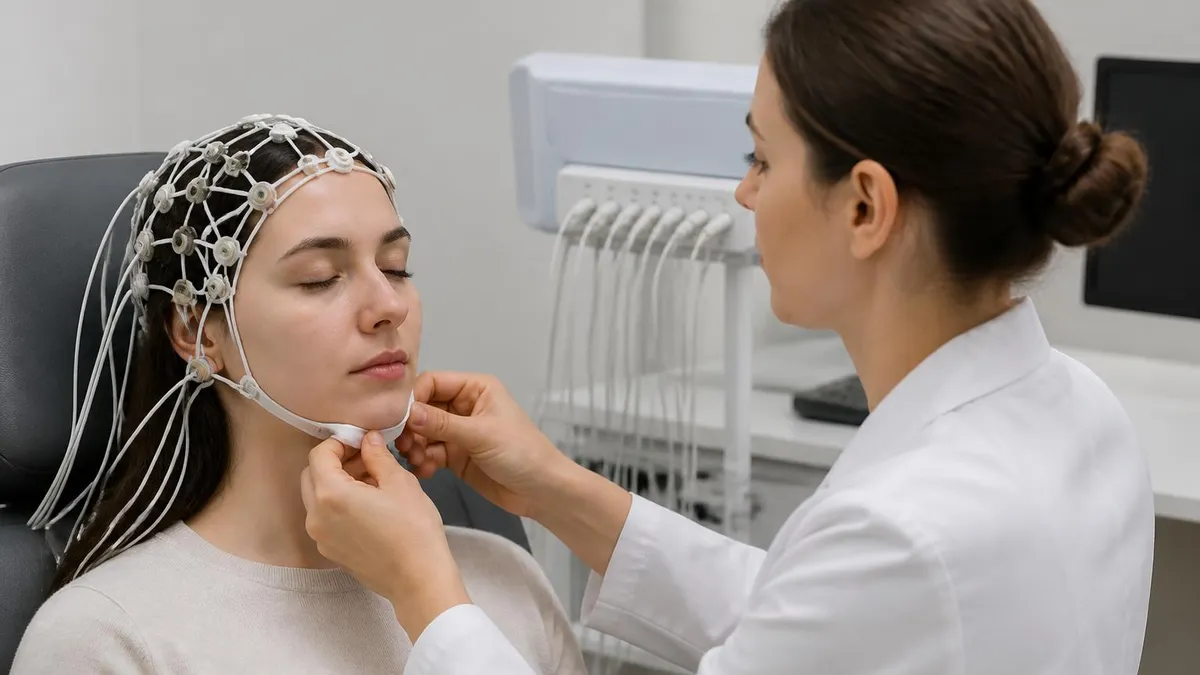
EEG Test Cost in 2026: Prices, Insurance Coverage, and How to Save

EEG Coherence: What It Is, How It Works, and What It Reveals About Brain Connectivity
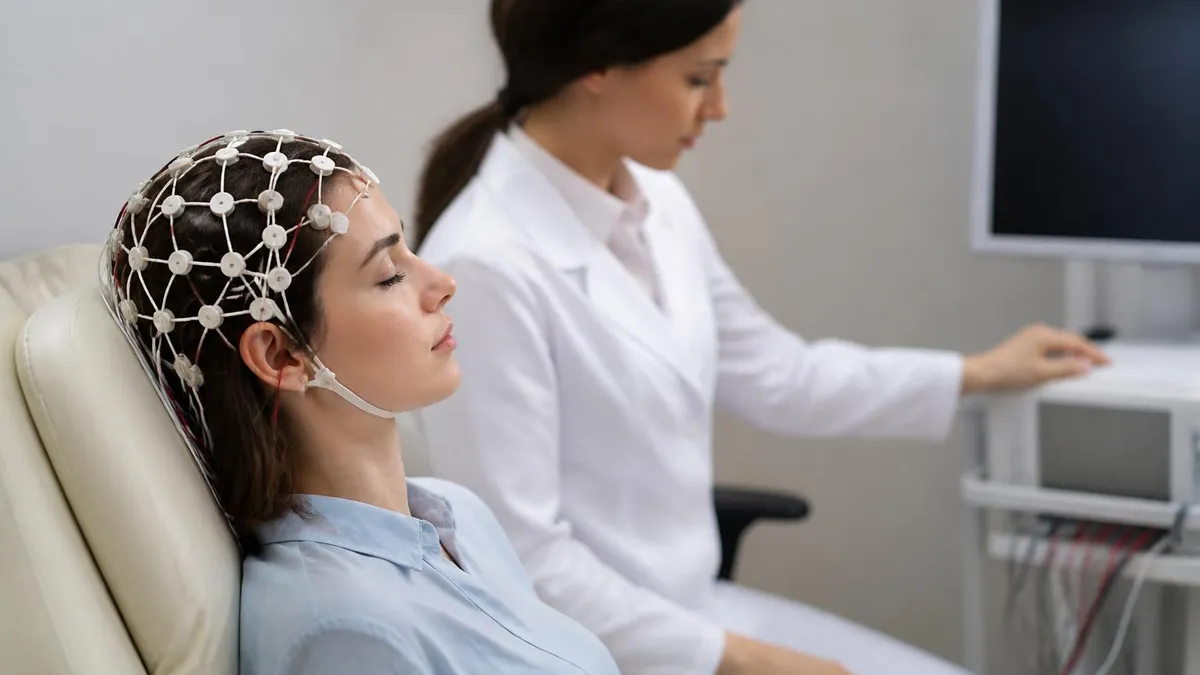
EEG vs ECG vs EKG: What Each Test Measures, How They Differ, and What to Expect
About the Author

Educational Psychologist & Academic Test Preparation Expert
Columbia University Teachers CollegeDr. Lisa Patel holds a Doctorate in Education from Columbia University Teachers College and has spent 17 years researching standardized test design and academic assessment. She has developed preparation programs for SAT, ACT, GRE, LSAT, UCAT, and numerous professional licensing exams, helping students of all backgrounds achieve their target scores.