
CPR Classes for 11 Year Olds: Age Rules, Course Types, Infant CPR Skills, and the Path to Life Support Certification
🎓 Find CPR classes for 11 year olds: age rules, course types, infant CPR skills, AED basics, costs, and how kids move toward BLS, PALS and ACLS later.
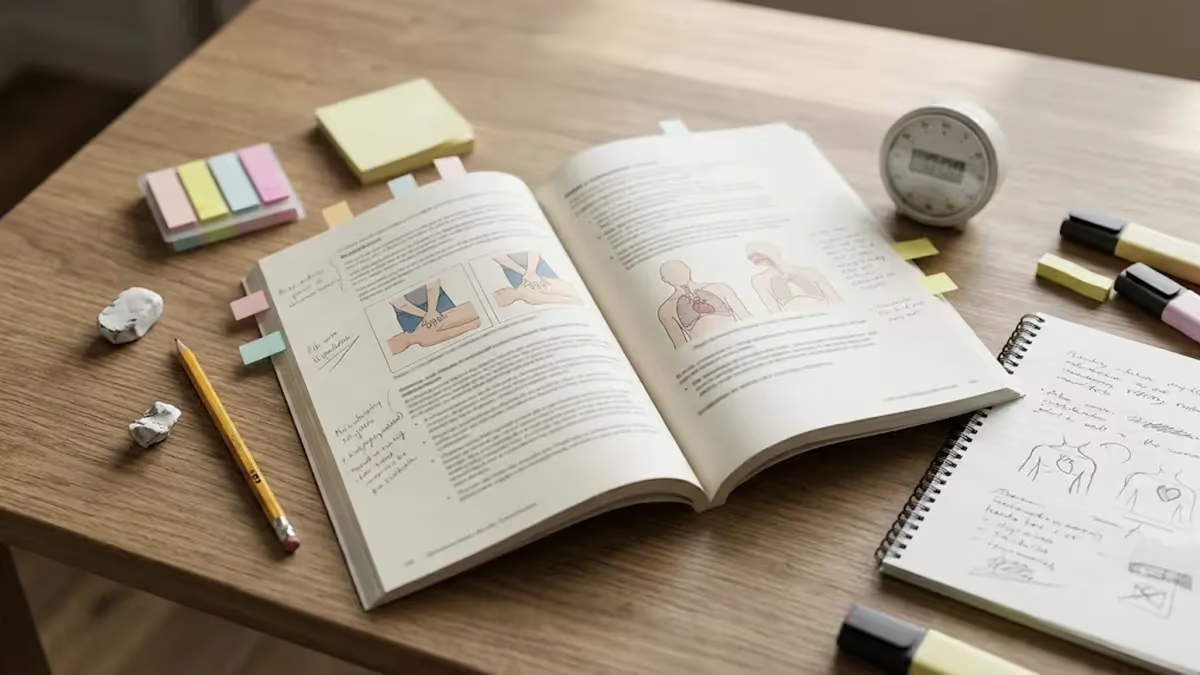
Parents searching for cpr classes for 11 year olds usually want a straight answer: can a sixth grader really learn lifesaving skills, and which course is worth paying for? Yes, they can. The American Heart Association and the American Red Cross both note that children who are strong enough to push hard and fast can learn compressions, and many schools begin teaching hands-only CPR around ages 10 to 12. The key is picking a course built for their size, attention span, and goals. Practice with the free CPR (Cardiopulmonary Resuscitation) practice test on PracticeTestGeeks (700+ questions with answer explanations).
This guide is a training and requirements walkthrough for families, teachers, scout leaders, and youth group coordinators. It covers which organizations accept younger students, what a typical class teaches, how long it runs, and what it costs. It also explains how childhood training connects to adult credentials such as BLS, PALS certification, and the ACLS algorithm, so you can see the long road ahead. Many of those advanced credentials are healthcare-provider courses, so an 11-year-old will not take them, but the foundation starts now.
Why start so young? Roughly 350,000 out-of-hospital cardiac arrests happen in the United States each year, and most occur at home, where the person nearby is often a family member. Immediate CPR can double or triple survival, yet fewer than half of victims receive it from a bystander. A child who knows what to do, and who is willing to call 911 and start compressions, can change an outcome while the adults around them are still panicking.
Eleven is a sweet spot developmentally. Kids this age can follow multi-step instructions, remember a rhythm, and take responsibility seriously, especially when instructors treat them as capable. They also tend to be less embarrassed than teenagers about practicing on manikins and singing songs to keep tempo. Many babysitting programs start at age 11 for exactly this reason, and those courses typically include infant CPR, choking response, and basic first aid alongside safety and child-care skills.
Everything in this article concerns cardiopulmonary resuscitation. We will also point out when a course is too advanced for kids, since life support credentials for clinicians have prerequisites, skills testing, and role expectations that elementary and middle school students cannot meet.
Throughout this article you will find practical numbers: compression rate, depth, ratio, class length, and typical price ranges. You will also see how an AED works, including what AED stands for, and why children can safely follow the voice prompts on one. Our goal is that you finish reading with a shortlist of course formats, a checklist for choosing a provider, and a realistic plan for practicing at home between sessions so the skills actually stick.
For deeper background on adult and provider-level training, see our overview of cpr classes for specific groups, which explains how course tiers differ by audience. Come back here for the youth-focused details. By the end, you should know whether a family course, a school program, a scout badge session, or a babysitting class is the best first step for your 11-year-old, and what to expect on the day of class.
Free CPR (Cardiopulmonary Resuscitation) Study Tools
Interactive CPR (Cardiopulmonary Resuscitation) resources on PracticeTestGeeks, free to start:
- CPR (Cardiopulmonary Resuscitation) practice test — 700+ questions with instant scoring and answer explanations
- CPR (Cardiopulmonary Resuscitation) flashcards — review key terms and concepts card by card
- CPR (Cardiopulmonary Resuscitation) study guide — topic-by-topic overview of what the exam covers
- CPR (Cardiopulmonary Resuscitation) cheat sheet — one-page printable summary for last-minute review
CPR Training for Kids by the Numbers
How to Enroll Your 11-Year-Old in a CPR Class
Decide on the Goal
Confirm Age Policies
Find an Authorized Instructor
Practice Before Class
Attend and Schedule a Refresher
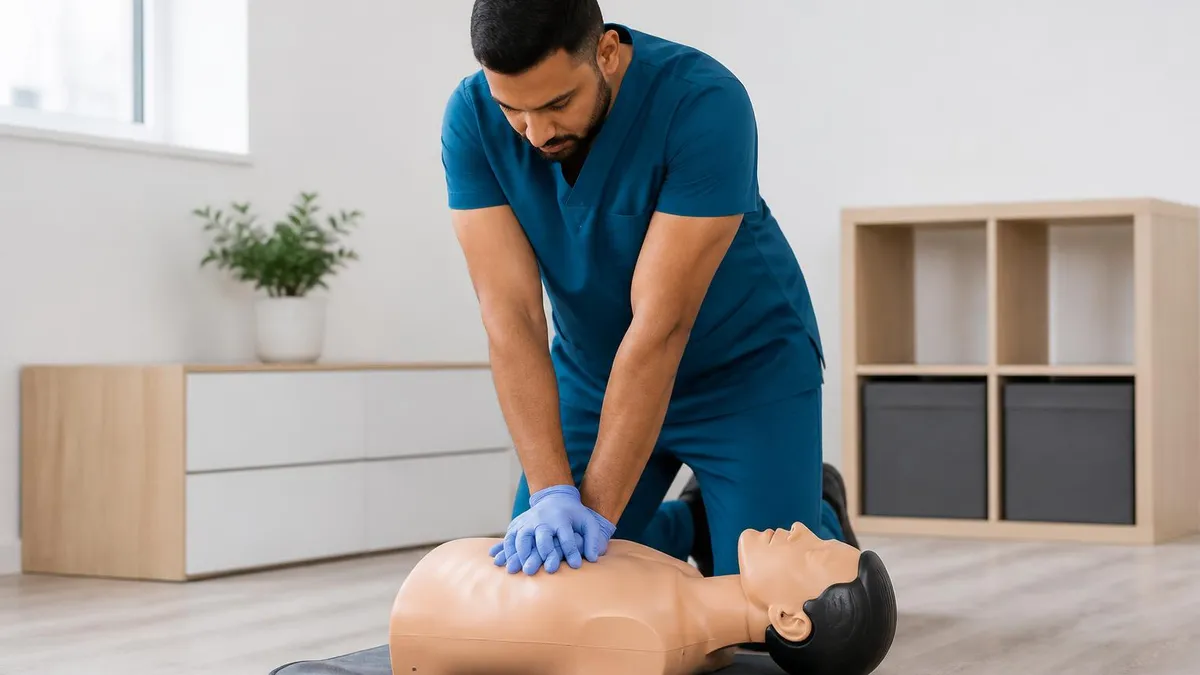
There is no single national law that sets a minimum age for CPR training. The American Heart Association says students of many ages can learn the skills, and instructors decide whether a child can physically perform them. For an 11-year-old, that usually means pushing a manikin's chest down about two inches at 100 to 120 compressions per minute. Some kids manage this easily, while smaller children may tire sooner and need short breaks between rounds of practice.
Certification is a separate question. Many providers issue a completion card to any participant who passes the skills check, including preteens, but employers rarely accept those cards for jobs because workplace rules usually require adults. For a child, the card is a record of achievement and a confidence boost. Ask the provider whether the card carries a two-year validity period and whether younger students receive the same card as adults or a youth-specific certificate of participation.
Several organizations run suitable programs. The American Heart Association offers Friends and Family CPR and Heartsaver courses, plus school kits that teach hands-only CPR in about 30 minutes. The American Red Cross offers Babysitting Basics and Babysitter's Training for ages 11 to 15. The National CPR Foundation, a popular name in online searches, offers online certification, though you should confirm that its cards fit your purpose and your school or club rules before paying.
Online-only classes are convenient but weak for children, because compressions and breaths are motor skills that need feedback. A blended format, where a child completes video lessons and then practices with an instructor and manikins, works much better. If you take an online class, use a pillow or a low-cost manikin at home, and have a certified adult watch your child's hand position, depth, and speed while counting out loud. Feedback devices that beep at the right tempo are especially helpful.
A good class for 11-year-olds covers the same chain of survival as adult training, simplified. Kids learn to check the scene for safety, tap and shout to check responsiveness, call 911 or send someone else to do it, and start hard and fast compressions in the center of the chest. They practice using an AED, which stands for automated external defibrillator, and they learn the recovery position for a person who is breathing but unresponsive.
The recovery position, sometimes searched as position recovery, is a favorite for this age group because it feels doable. The child rolls a breathing, unresponsive person onto their side, bends the top knee for stability, and tilts the head back slightly so the airway stays open and fluid can drain. Instructors stress that this is only for someone who is breathing normally, and that if breathing stops, the child must roll the person back and begin compressions.
Kids also get a first look at assessing breathing. A normal resting respiratory rate for adults is about 12 to 20 breaths per minute, and children breathe somewhat faster, so a quick glance for chest rise tells them whether breathing looks normal. Most instructors simplify this: if the person is not breathing, or is only gasping, start CPR. Gasping, called agonal breathing, is not normal breathing, and teaching that distinction early prevents dangerous hesitation in a real emergency.
Many readers pair this guide with the cpr study guide pdf to check their readiness before exam day.
Life Support Training Paths: Which Course Fits an 11-Year-Old?
Hands-only CPR is the best entry point for most 11-year-olds. The class skips rescue breaths and focuses on three actions: call 911, push hard and fast in the center of the chest, and use an AED when one arrives. Sessions last 30 to 60 minutes, often cost nothing, and are frequently offered through schools, libraries, and fire stations. Kids leave knowing the tempo and the confidence to start.
The tradeoff is scope. Hands-only training does not cover infant CPR, rescue breaths, or choking relief in depth, so it suits a child who may witness an adult collapse rather than one who will babysit. It is also the easiest format to repeat. A parent can reinforce it at home in ten minutes with a pillow, a timer, and a playlist that keeps a steady 110 beats per minute.
Are CPR Classes for 11-Year-Olds Worth It?
- +Children learn to act instead of freezing during a real emergency
- +Hands-on practice builds confidence and responsibility early
- +Many school and community programs are free or low cost
- +Skills transfer directly to babysitting and sibling care
- +Kids often teach family members, multiplying the benefit
- +Early exposure can spark interest in medicine or public safety
- −Smaller children may struggle to reach full compression depth
- −Skills fade within months without regular practice
- −Online-only classes provide little feedback on technique
- −Some cards are not accepted by employers or youth organizations
- −Realistic scenarios can frighten anxious children
- −Advanced credentials such as PALS and ACLS remain out of reach
Checklist for Choosing CPR Classes and Infant CPR Training for Kids
- ✓Confirm the provider accepts 11-year-old students.
- ✓Ask whether a parent must attend with the child.
- ✓Verify the instructor is authorized by the AHA or Red Cross.
- ✓Check for a ratio of three students or fewer per manikin.
- ✓Make sure infant and child manikins are available.
- ✓Ask what card or certificate your child will receive.
- ✓Request a class that includes hands-on AED practice.
- ✓Choose a session under two hours with built-in breaks.
- ✓Review the refund and rescheduling policy before paying.
- ✓Schedule a home refresher within six months of class.
Hands-only CPR beats waiting for perfect training
Bystander CPR can double or triple the chance of survival, and an untrained but willing child who calls 911 and pushes hard and fast in the center of the chest is far better than no help at all. Dispatchers can coach kids step by step over the phone, so teach your child to put the phone on speaker and follow instructions.
Infant CPR is the skill parents most want an 11-year-old to know before babysitting. Infants are babies under one year old. Rescuers use two fingers, placed just below the nipple line, to compress the chest about 1.5 inches, still at 100 to 120 per minute. Because infant hearts usually fail from breathing problems rather than sudden rhythm disorders, rescue breaths matter more, and a single rescuer does 30 compressions followed by two gentle breaths.
Choking is the other major infant emergency. For a conscious infant who cannot cry or cough, the rescuer alternates five back blows with five chest thrusts, supporting the head and keeping the baby face down along the forearm for back blows. Abdominal thrusts are not used for infants. Eleven-year-olds practice on infant manikins, which are small enough for their hands, and many report that this is the part of class that feels most real and most meaningful.
For children from age one to puberty, rescuers use one or two hands depending on the child's size, compress about two inches, and use the same 30 to 2 ratio when alone. Because an 11-year-old may be close to adult size, many instructors let them practice adult technique too. A lone rescuer with no phone gives about two minutes of CPR before calling 911, but anyone with a phone should call first and keep it on speaker.
Babysitting classes combine CPR with prevention skills, which are arguably more valuable. Children learn to childproof rooms, check allergy lists, handle burns, nosebleeds, and minor cuts, and recognize when to call poison control at 1-800-222-1222. They also practice leaving clear notes with parents' phone numbers and the home address, because a frightened child on the phone with 911 must state exactly where they are. Role-play scenarios build the confidence to act under stress.
Looking ahead, it helps to understand the ladder of credentials. Basic Life Support is the healthcare-provider level of life support training and the entry point for nurses, EMTs, and clinical students. Pediatric Advanced Life Support, known as PALS certification, builds on it for people treating critically ill children, and the ACLS algorithm guides rhythm-specific care in adult cardiac arrest. None are appropriate for an 11-year-old, but they show where an interest in medicine can lead.
Some curious preteens love the science, and you can feed that interest safely. Watching a nurse explain the ACLS algorithm flowchart, visiting a fire station, or reading about how shocks and medications fit into resuscitation builds vocabulary without pressure to perform advanced skills. Keep expectations clear: children can learn to start the chain of survival, not to run it. Their job is to recognize an emergency, call for help, and begin compressions until trained responders arrive.
Retention matters as much as the first class. Studies of CPR training show that skills decay noticeably within three to six months without practice, even in adults. For children, brief refreshers every few months, such as a ten-minute drill at home, hold up much better than a single annual class. Have your child narrate the steps aloud, practice to a 110 beats-per-minute song, and teach a sibling or grandparent, since teaching is one of the best ways to remember.
Online-only certificates, including some from national online providers, may not be accepted by schools, employers, or youth organizations, and they do not replace hands-on skills practice. Confirm acceptance first. Also remember that BLS, PALS, and ACLS courses are written for healthcare providers and adults, so an 11-year-old should choose a family, hands-only, or babysitting course instead.
Costs vary widely. Many school and community programs are free, funded by local hospitals, fire departments, or grants. Hands-only CPR sessions at libraries and scout meetings often cost nothing. Paid family courses typically run 30 to 70 dollars per person, and babysitting courses generally cost 50 to 100 dollars. Full provider-level BLS courses run about 50 to 100 dollars, but those are aimed at adults and clinicians. Compare the total, including any card fee, before you register.
Class length depends on content. A hands-only introduction takes 30 to 60 minutes. Family and friends courses with infant and child skills usually run two to three hours. Babysitting programs stretch across a half day or two sessions. Eleven-year-olds generally do well with sessions up to two hours before attention drops, so choose a course with built-in movement, partner work, and breaks, and avoid marathon lectures that bury the hands-on practice.
Vet the instructor. Look for an authorized AHA or Red Cross instructor, a student-to-manikin ratio of no more than three to one, and clean, sanitized equipment. Ask whether the class uses manikins with feedback lights or clickers that confirm depth. Good instructors speak to kids directly rather than only to parents, use age-appropriate scenarios, and allow repeated attempts without embarrassment. If the provider cannot answer these questions clearly, consider another option.
Where do you find classes? Start with your local fire department and hospital community education pages, then check the American Heart Association course finder and the Red Cross class finder. YMCAs, scout troops, school PTAs, and 4-H clubs often host sessions. For group bookings, such as a birthday party or a homeschool co-op, many instructors travel to you and set a flat fee for eight to twelve kids, which can be cheaper per child than open enrollment.
Parents often ask about legal protection. All 50 states have Good Samaritan laws that generally protect people who help in an emergency in good faith, though details vary and some are written with adults in mind. Minors acting with reasonable care are rarely held liable. Teaching your child to call 911 and follow the dispatcher's instructions is the safest approach, since dispatchers are trained to coach compressions over the phone in real time.
School requirements are expanding. More than 40 states now require CPR instruction for high school graduation, usually in health class, and some programs begin earlier in middle school. If your 11-year-old's school offers a hands-only unit, support it and reinforce it at home. Ask the teacher whether the course uses a standard curriculum and whether students receive a completion record they can keep for scouting or babysitting applications.
Consider accessibility and comfort. Children with asthma, joint conditions, or sensory sensitivities can still participate; instructors can modify kneeling positions, allow breaks, and reduce noise from manikin feedback devices. Tell the organizer ahead of time. Anxious kids benefit from watching a demonstration first, and some do better when a parent partners with them. The goal is confidence, so a calm, supportive environment matters more than speed or perfect form.
Before the class, prepare your child with a simple script. Tell them the class teaches how to help someone whose heart has stopped, that it is normal to feel nervous, and that nobody expects perfection. Review the three-step opener: check, call, compress. Dress comfortably, since they will kneel on the floor, and bring a water bottle. Arriving ten minutes early lets them handle a manikin before the group starts, which reduces first-minute jitters.
Teach the tempo. The target for compressions is 100 to 120 per minute, which matches songs like Stayin' Alive or Baby Shark. Practice clapping the rhythm for 30 beats, then pausing for two imaginary breaths. Counting out loud keeps the pace steady and calms nerves. If your child tires after a minute, that is normal; teach them that rescuers switch about every two minutes when more than one person is present.
Practice calling 911. Role-play with a toy phone. Your child should state the address, say what happened in plain words, and stay on the line. Rehearse your home address and nearby landmarks. Include what to say if a parent is unconscious, such as: my mom is not waking up and is not breathing normally. Dispatchers are trained to guide children, so remind them to speak slowly, follow instructions, and put the phone on speaker.
Introduce the AED early. Many 11-year-olds assume the device is complicated. Show a trainer unit or a video: turn it on, follow the voice prompts, place the pads on bare skin as pictured, let it analyze, and press the flashing shock button only when told to and when everyone is clear. Child-sized pads exist, but adult pads can be used on a child if child pads are not available.
Use practice questions to reinforce learning. Quizzes turn passive knowledge into active recall, which research shows improves long-term retention. Sit with your child, read each question aloud, and discuss why the wrong answers are wrong. Short ten-question rounds fit a kid's attention span. Our free CPR practice tests cover basic CPR, adult CPR and AED usage, and airway and breathing management, and parents often find they learn something new too.
Prepare emotionally for real-world use. Explain that even perfect CPR does not always save someone, and that trying is still the right thing to do. After any real emergency, children may feel scared or guilty, so talk with them, thank them, and involve a school counselor or pediatrician if distress lasts. This honest framing protects kids from unrealistic expectations and encourages them to act again the next time they are needed.
Plan the next steps. After the first class, put a refresher date on the calendar, about six months out. Consider scouting, junior firefighter, or youth emergency response programs, many of which start between ages 11 and 14. At 15 or 16, teens can take full Heartsaver or lifeguard courses, and by 18 they can explore BLS. Keep the card, note the expiration date, and celebrate. Every trained child makes a household and neighborhood measurably safer.
CPR Questions and Answers

BLS CPR Certification Online: Complete Study Guide for ACLS Algorithm, PALS Certification, and Life Support Training in 2026
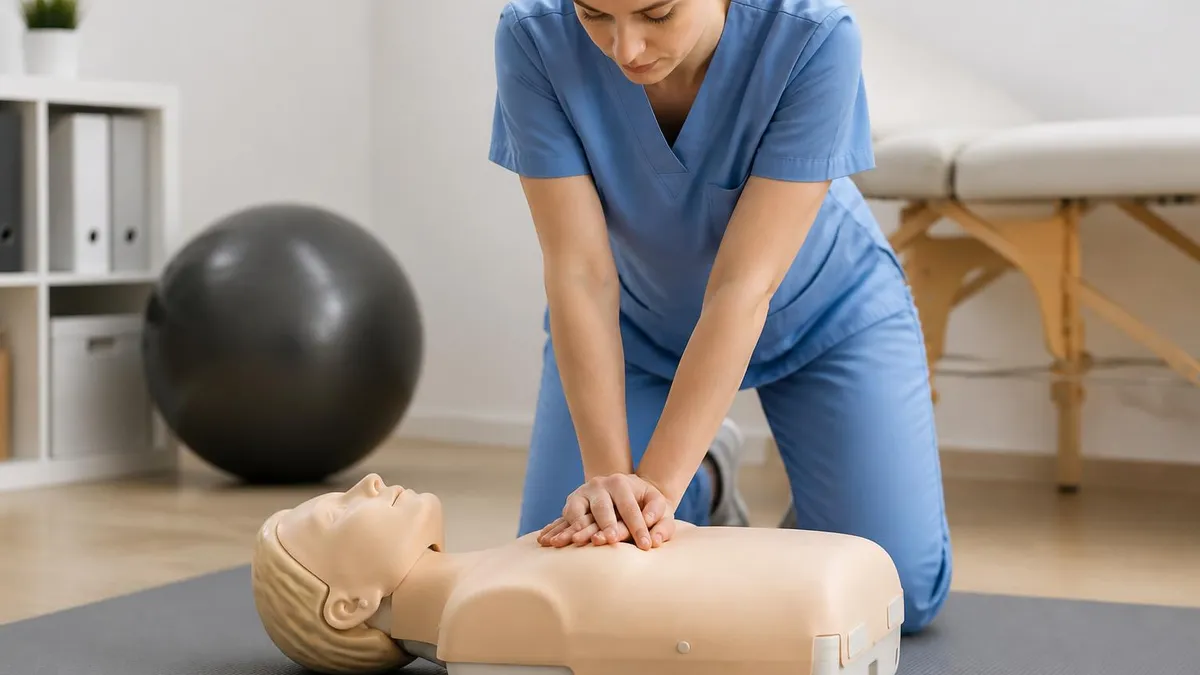
AHA BLS CPR: Complete 2026 Guide to American Heart Association Basic Life Support Certification, Course Requirements, and Skills
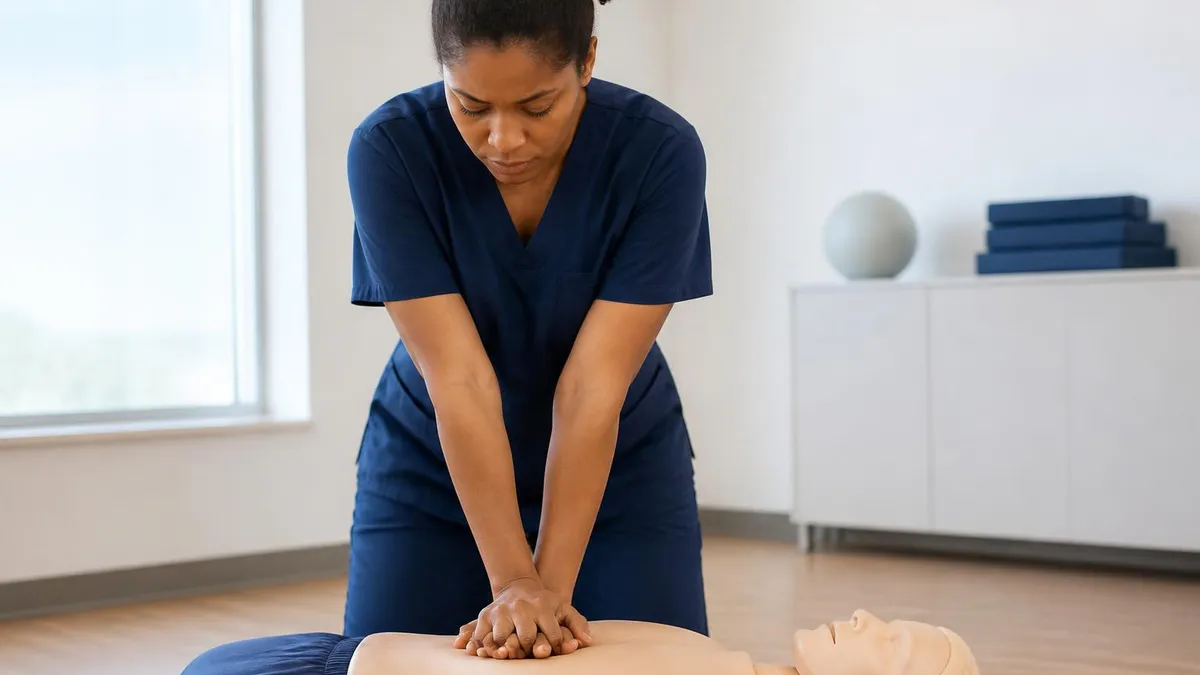
CPR vs First Aid: Is CPR and First Aid the Same? Complete 2026 Comparison Guide
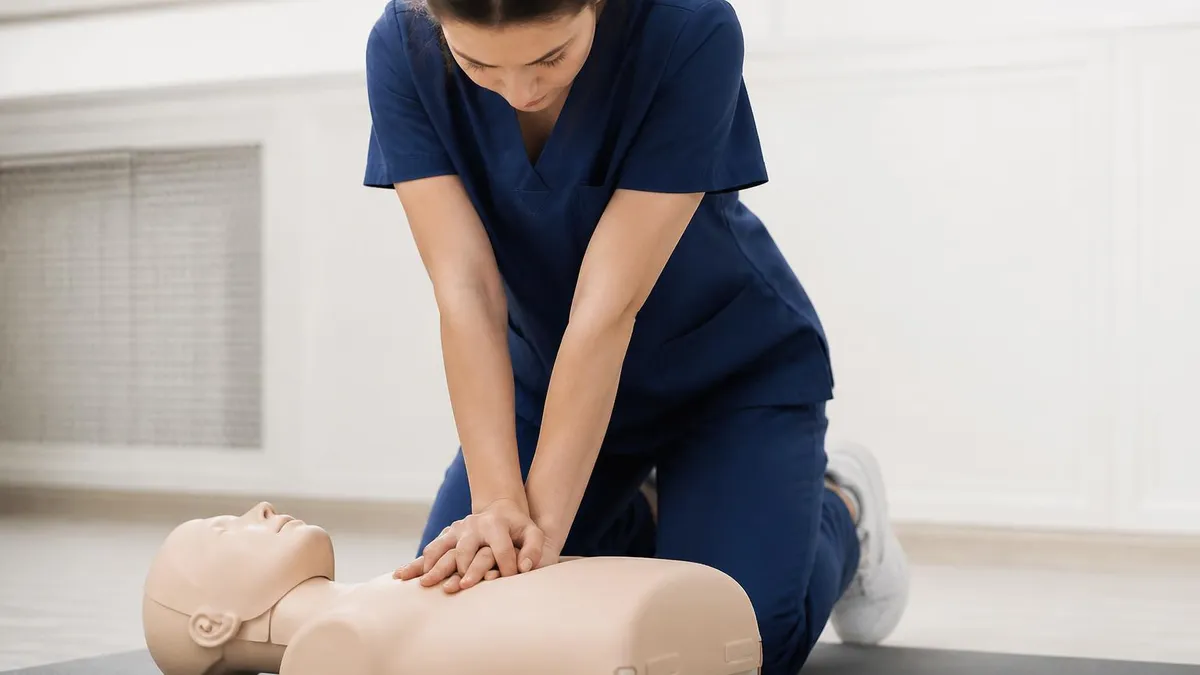
How Many Rounds of CPR in 2 Minutes? Complete Guide to CPR Cycles, Compression Rates, and Rescuer Rotation
Online CPR Classes: Complete Guide to Certification, ACLS Algorithm, PALS, and Life Support Training in 2026
Written and edited by Nathan Beja, founder of Practice Test Geeks, with AI assistance. Exam facts are checked against the official sources linked below. Editorial policy
Sources & references
Exam facts on this page (fees, format, dates, passing scores) are checked against these official sources; the date is our last check. Editorial policy
- redcross.org — Test delivery, score validity, renewal, passing score · verified Nov 2026
- cpr.heart.org — Test delivery, eligibility, score validity, renewal, score release · verified Nov 2026
- elearning.heart.org — Fees, passing score · verified Nov 2026