
Milan Institute of Cosmetology: Campuses, Programs, Costs, and What to Expect
Milan Institute of Cosmetology runs cosmetology, esthetics, and nail programs across the western US. 🔎 Here's tuition, accreditation, and what to expect.
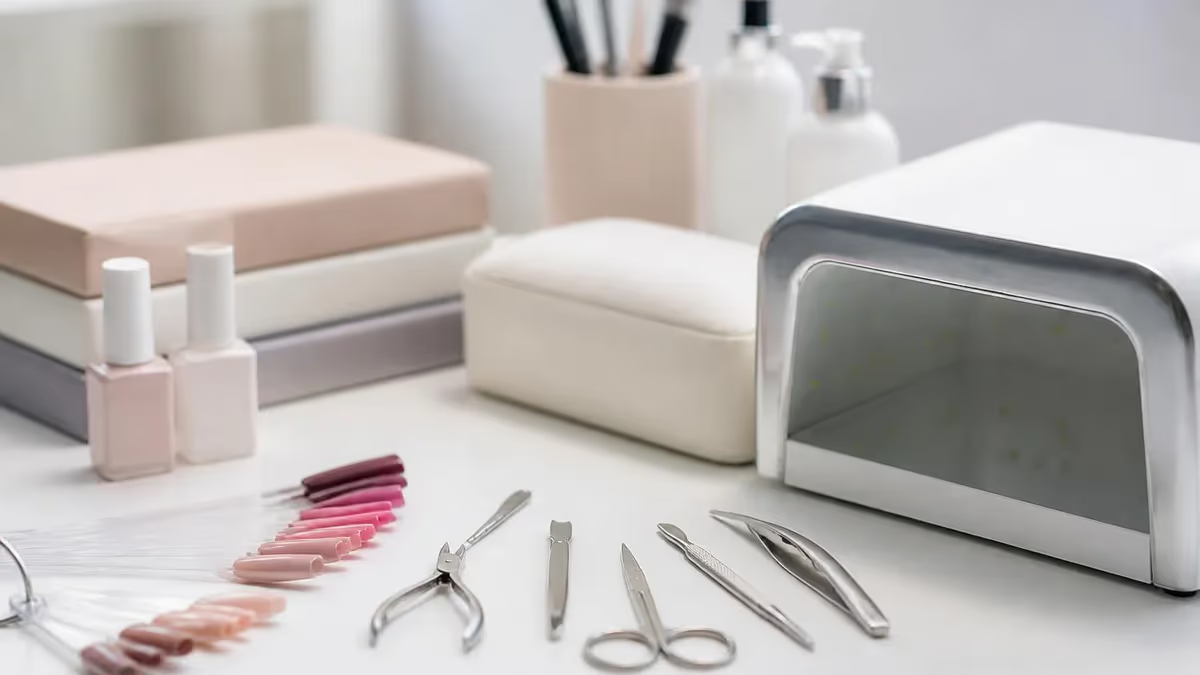
If you've been looking into cosmetology schools out west, the Milan Institute of Cosmetology probably came up. It's one of the better-known career college networks for beauty and personal services, with campuses scattered across California, Arizona, Nevada, Idaho, Texas, and a few other states. The name shows up on accreditation lists, financial-aid databases, and a steady stream of student review threads.
What's harder to find in one place is a clean breakdown of what the school actually offers, how the programs work day to day, what licensing your hours count toward, and whether the price tag lines up with what graduates earn afterward. That's what this guide pulls together.
Milan Institute is a private, for-profit career college that focuses on hands-on training in cosmetology, barbering, esthetics, nail technology, massage therapy, and a handful of allied health programs depending on the campus. It's been operating since the 1990s, accredited by the Council on Occupational Education (COE), and registered with the U.S. Department of Education for Title IV federal student aid.
That last piece matters more than most prospective students realize. Title IV eligibility means you can apply for federal Pell Grants and direct student loans, which is how a substantial majority of Milan students fund their education. It also means the school has to publish gainful-employment data, default rates, and completion statistics that you can verify before you enroll. We'll get to those numbers in a minute.
Milan Institute by the Numbers
Those numbers are starting points. Hour requirements for the cosmetology program shift based on the state where the campus operates, because each state board sets its own minimum. California requires 1,000 hours as of recent changes. Texas sits at 1,000 hours. Nevada is at 1,600. Idaho is 2,000. The Milan campus in each state structures the cosmetology program to meet whatever the local minimum is, and sometimes slightly more.
The campus count moves too. Milan has consolidated some locations and opened others over the past few years, and the current active list is published on the school's own site and on the COE accreditation roster. If you're researching, always check both before assuming a specific city has an active campus.
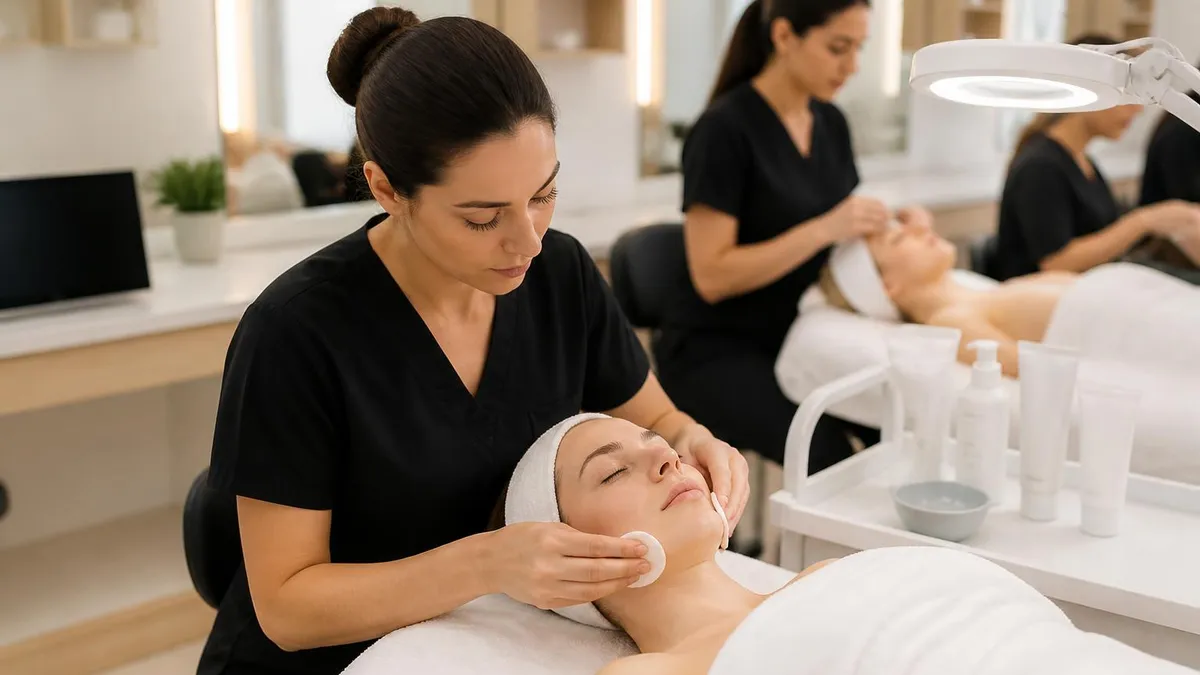
Career-Focused Structure
Milan Institute runs its programs on a continuous-enrollment model, meaning new students start every few weeks rather than once or twice a year. That speeds up your entry into training but also changes how the curriculum sequences. You'll often be in mixed-cohort classes where some students are weeks ahead of you and others just started. The model has real upsides (fast start, flexibility) and trade-offs (less of a single-cohort bond) worth weighing.
The Programs Milan Offers
The flagship program at almost every Milan campus is cosmetology. It's the longest, the most expensive, and the most heavily enrolled. The curriculum covers the full skill range required for state board licensure: hair cutting, coloring, chemical services, styling, scalp treatments, basic skincare, nail care, sanitation, and the legal and business sides of working in a salon.
Beyond cosmetology, the program lineup at any given campus usually includes some mix of the following: barbering, esthetics, nail technology, massage therapy, and a handful of allied health offerings like medical assistant or dental assistant. Allied health is heavier at Milan than at most beauty schools, and several campuses have built reputations for those programs alongside the traditional cosmetology track.
Esthetics programs at Milan typically run 600 to 750 hours depending on the state, focusing on skincare, facials, hair removal, makeup, and basic spa treatments. Nail technology programs are shorter, usually 300 to 600 hours, covering manicures, pedicures, artificial nails, and salon sanitation. Barbering ranges from 1,000 to 1,500 hours and includes the cutting, shaving, and grooming techniques specific to that license.
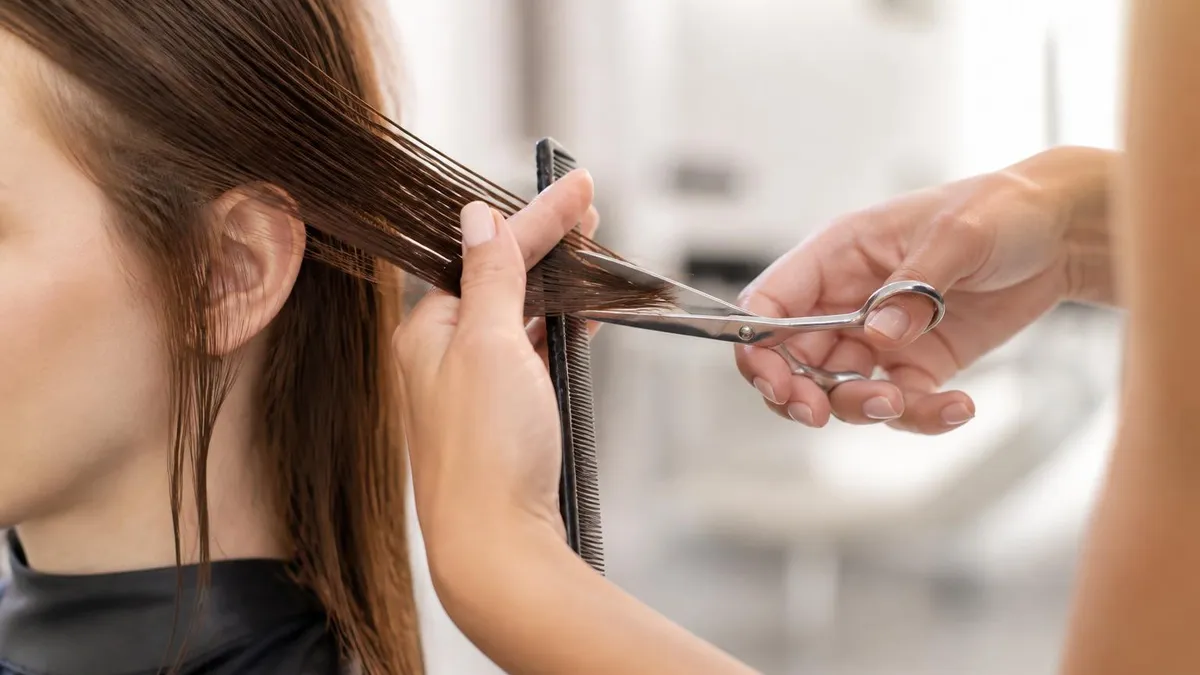
The teaching format mixes classroom theory with extensive hands-on clinic work, which is where most of your hours get logged. Students start on mannequins and move to real clients in the school's onsite salon as soon as instructors clear them. That clinic floor is also where the school generates a small portion of its revenue and where students build the speed and bedside manner that determine whether they thrive on a salon floor after graduation.
Milan's Core Programs at a Glance
1,000-1,600 hours depending on state. Full hair, skin, and nail curriculum. Prepares you for state board licensure.
600-750 hours. Skincare, facials, hair removal, and makeup. Separate license from cosmetology in most states.
300-600 hours. Manicures, pedicures, artificial nails, and sanitation. The fastest path to a beauty license.
1,000-1,500 hours. Cutting, shaving, beard work. A distinct license from cosmetology in most states.
How Much Milan Institute of Cosmetology Costs
This is the question every prospective student wants answered first, and the honest answer is it depends on the program, the campus, and the year you enroll. Tuition is set per program and varies enough between locations that quoting one number for all of Milan would mislead you.
That said, the ballpark for the cosmetology program at most Milan campuses sits somewhere between $17,000 and $22,000 in total program cost, including tuition, kit fees, books, and registration. Esthetics typically runs $9,000 to $14,000. Nail technology is the cheapest, often $4,000 to $7,000. Barbering lands in similar territory to cosmetology, $15,000 to $20,000.
Those totals usually include the student kit, which contains all the tools you'll need for the program: shears, brushes, combs, mannequin heads, capes, and basic chemical products. The kit alone runs several hundred to over a thousand dollars depending on the program, and at Milan it's bundled into program cost rather than charged separately.
Pay close attention to the difference between published tuition and final out-of-pocket cost. Federal aid, state grants, and Milan's own scholarship programs reduce what most students actually pay, sometimes substantially. The school's financial aid office runs through that math during the enrollment process. Get the numbers in writing and compare them against what the average cosmetology school cost looks like nationally before signing anything.
What You Need to Know Before Enrolling
- High school diploma or GED equivalent
- Minimum age of 16 or 17 depending on state law
- Valid government-issued ID and Social Security number
- Completed Milan admissions application
- Campus interview, in person or by phone
- FAFSA submission for federal aid consideration
Accreditation and Why It Matters
Milan Institute is accredited by the Council on Occupational Education, commonly called COE. COE is a regional accreditor recognized by the U.S. Department of Education for career and technical institutions. That's the credential that makes Milan eligible for federal student aid and that satisfies most state boards' school-recognition requirements.
Accreditation matters for three concrete reasons. First, it determines whether your hours count toward state licensure. If you complete your hours at a non-accredited school, some state boards won't accept them, and you'd be locked out of taking the licensing exam. Milan's accreditation puts that risk to bed for any state where the school operates.
Second, accreditation determines federal financial aid eligibility. Pell Grants, subsidized and unsubsidized federal loans, and certain state aid programs all require enrollment at an accredited institution. Without COE recognition, Milan students couldn't access any of that funding.
Third, accreditation affects transferability. If you decide partway through to switch to a different cosmetology school, an accredited school's hours are more likely to transfer than hours from a non-accredited program. That said, transfer between cosmetology schools is always messy and never guaranteed, so don't enroll anywhere assuming an easy switch.
You can verify Milan's current accreditation status directly on the COE website by searching for the specific campus location. Don't just take the school's word for it during enrollment, because accreditation status can change and individual campuses have occasionally fallen off the list during review periods.
Tuition, program offerings, schedule options, and even accreditation status can differ between Milan campuses in different states. Don't assume what's true at the Vista, California campus applies to Las Vegas or Boise. Always verify the specific campus's current program list, tuition figures, and licensing alignment before enrolling.
The Student Experience at Milan
Talking to current students and recent graduates pulls up a consistent set of themes about what daily life at Milan looks like. The instructors get high marks from most students, especially on the technical side. Most are working or formerly working cosmetologists with years of salon experience, and the program leans hard on that practical perspective.
The clinic floor experience is where opinions split most. The high reviews praise the volume of real-client work and how quickly students build speed and confidence. The complaints usually circle around the same handful of issues: not enough chairs for the number of students at busy campuses, occasional booking gaps where students sit idle, and inconsistent instructor availability during peak hours.
Kit quality also draws mixed reviews. Some students find the included shears and tools more than adequate for school. Others upgrade to professional-grade equipment within their first few months because the kit tools wear out or simply don't perform like the high-end gear they see professional stylists using. Budget for at least one or two upgraded tools during your training if you can.
Attendance is treated seriously. Milan, like every accredited cosmetology school, has to track hours by clock, and most state boards audit those records. Repeated absences can drop you below the attendance threshold required to graduate on time and to qualify for federal aid. Plan around your schedule realistically before enrolling, especially if you're balancing work or childcare.

Before You Enroll at Milan
- ✓Verify the specific campus's current COE accreditation status on the COE website
- ✓Pull the school's most recent gainful-employment data from the Department of Education
- ✓Confirm your state's exact hour requirement and program-licensure alignment
- ✓Get a complete written breakdown of tuition, fees, kit, and any add-on costs
- ✓Submit FAFSA early and review the financial aid award letter line by line
- ✓Tour the campus and watch students on the clinic floor during a busy time
- ✓Ask currently enrolled students directly about their experience, not just admissions reps
- ✓Confirm placement assistance details and ask for recent graduate outcomes
- ✓Read the enrollment contract carefully, especially the refund and withdrawal sections
- ✓Compare total cost and outcomes against at least two other local cosmetology schools
Career Outcomes After Milan
The career path from a Milan cosmetology graduate to a working salon stylist is the same as from any other accredited program. You finish your hours, take the state board written and practical exams, get your license, and start working. Where Milan grads tend to end up varies by campus, with most heading into salon employment, a smaller share into spa or hospitality settings, and a handful into freelance or booth-rental arrangements.
Earnings the first year out are usually modest. Most new cosmetologists start as apprentices, assistants, or commission stylists on a tiered structure where pay rises as your client book grows. National Bureau of Labor Statistics data puts the median hourly wage for cosmetologists at around $14 to $18 per hour including tips in the first year of work, with that figure rising meaningfully by year three to five for stylists who build a steady clientele.
That salary curve is steep. Five-year stylists at established salons commonly earn double or triple what they made their first year out, and salon owners or top-tier specialists can earn far more. The variability comes down to location, specialty, and the simple business reality that returning clients are what drive the income.
For more on the financial side, the cosmetology career and salary guide walks through earnings expectations in detail. The path to license itself is laid out in the cosmetology license guide, and if you're still weighing the program choice generally, the best cosmetology schools comparison stacks Milan against major peers.
The Honest Pros and Cons of Milan Institute
- +COE-accredited with federal aid eligibility, making funding accessible for most students
- +Continuous enrollment lets you start within a few weeks instead of waiting for semester cycles
- +Multiple campus locations across western US states offer geographic flexibility
- +Hands-on clinic floor logs real client hours that build practical speed and confidence
- +Instructors typically come from working salon backgrounds with current industry insight
- +Student kit included in tuition means no surprise upfront tool costs
- +Multiple programs (cosmetology, esthetics, nails, barbering) under one school for switching paths
- −For-profit structure means tuition runs higher than community college cosmetology programs
- −Continuous enrollment can dilute cohort bonding and create mixed-skill-level classes
- −Campus quality varies, with some locations consistently outperforming others on reviews
- −Kit tools are adequate but most students upgrade key items during the program
- −Job placement assistance is uneven by campus and not as strong as program marketing suggests
- −Federal loan debt can outweigh first-year earnings if you don't manage borrowing carefully
- −Refund and withdrawal terms favor the school, so plan carefully before enrolling
Pros and Cons at a Glance
| Pros | Cons |
|---|---|
| COE-accredited with federal aid eligibility, making funding accessible for most students | For-profit structure means tuition runs higher than community college cosmetology programs |
| Continuous enrollment lets you start within a few weeks instead of waiting for semester cycles | Continuous enrollment can dilute cohort bonding and create mixed-skill-level classes |
| Multiple campus locations across western US states offer geographic flexibility | Campus quality varies, with some locations consistently outperforming others on reviews |
| Hands-on clinic floor logs real client hours that build practical speed and confidence | Kit tools are adequate but most students upgrade key items during the program |
| Instructors typically come from working salon backgrounds with current industry insight | Job placement assistance is uneven by campus and not as strong as program marketing suggests |
| Student kit included in tuition means no surprise upfront tool costs | Federal loan debt can outweigh first-year earnings if you don't manage borrowing carefully |
How Milan Compares to Other Cosmetology Schools
It's worth seeing where Milan fits in the broader landscape. Compared to community college cosmetology programs, Milan is more expensive but offers continuous enrollment, faster scheduling, and more direct industry-tracked instruction. Community college programs run cheaper, often under $8,000 total, but enrollment is competitive and start dates are usually fall and spring only.
Compared to other for-profit beauty school chains like Paul Mitchell or Empire Beauty Schools, Milan tends to sit in a similar tuition range. The differences come down to brand identity, regional reputation, and which campuses have built strong local salon-employer relationships. In some markets Milan is the dominant cosmetology school, in others it's a clear second to a local competitor. Research the campus you're considering specifically rather than relying on the chain's overall reputation.
Compared to high-end specialty schools like Aveda or Pivot Point, Milan offers a more generalist curriculum at a lower price point. The trade-off is that the high-end schools sometimes carry more weight with prestige salon employers, especially in major metropolitan markets. For most graduates working in mid-range and budget-tier salons, that prestige gap doesn't translate to meaningfully different starting wages.
Frequently Confused Programs and Credentials
A few things get tangled up online and in conversation. Cosmetology and barbering are separate licenses in most states, even though both involve cutting hair. If you want to legally cut beards or do straight-razor shaves, you typically need a barbering license, not a cosmetology one. Milan offers both as distinct programs.
Esthetics and cosmetology are also separate. A cosmetology license generally includes basic skincare, but doing facials, chemical peels, or microdermabrasion as a profession usually requires the separate esthetician license. Some students pursue both, which Milan structures as separate enrollments rather than a combined credential.
Nail technology is the shortest of the four main programs and is its own license. You can do nails under a cosmetology license in most states, but a nail-tech-only license is faster and cheaper if nails are the only career you're targeting.
For deeper coverage on each path, the overview of cosmetology programs and the cosmetology school guide cover the curriculum and licensing differences in detail. The state board of cosmetology overview explains how the licensing exam works.
Sample Cosmetology Practice Questions
Try these questions from our free Cosmetology practice tests. The correct answer and an explanation follow each question.
What ingredient in a sunscreen physically blocks UV rays by sitting on top of the skin?
- A. Avobenzone
- B. Oxybenzone
- C. Zinc oxide
- D. Octinoxate
Answer: C. Zinc oxide
Zinc oxide is a physical (mineral) sunscreen ingredient that reflects and scatters UV radiation on the skin's surface rather than absorbing it chemically.
What is the purpose of a neutralizer after a perm service?
- A. Add moisture to the hair
- B. Remove the waving lotion and re-form disulfide bonds
- C. Prepare hair for color
- D. Condition the scalp
Answer: B. Remove the waving lotion and re-form disulfide bonds
The neutralizer stops the chemical action of the waving lotion and uses oxidation to re-form the disulfide bonds around the new shape of the perm rod.
What is the term for the angle at which the hair is held away from the head during a haircut?
- A. Elevation
- B. Tension
- C. Projection
- D. Graduation
Answer: A. Elevation
Elevation (also called projection) refers to the angle at which hair is lifted from the head before cutting, which determines the finished shape.
What is the scope of practice for a licensed cosmetologist in the US?
- A. Any beauty-related service including medical skin treatments
- B. Hair, skin, and nail services within the limits defined by state law
- C. Only hair cutting and styling services
- D. Unlimited beauty services including surgical procedures
Answer: B. Hair, skin, and nail services within the limits defined by state law
A cosmetology license permits the holder to perform hair, skin, and nail services as defined by state law, but does not authorize medical or surgical procedures.
Cosmetology Questions and Answers
Putting It All Together: Is Milan Right for You?
Here's the bottom-line read. Milan Institute of Cosmetology is a legitimate, accredited, federally-aid-eligible cosmetology school with a track record going back to the 1990s and campuses across the western United States. For students in those markets, especially in cities where Milan has a long-standing local presence, it's a reasonable choice for cosmetology training.
The decision shouldn't be Milan versus nothing. It should be Milan versus the specific community college, vocational school, and competing private cosmetology schools in your area. Pull tuition, accreditation, completion rates, and gainful-employment data for every school within driving distance, and compare them line by line.
If the campus you're considering is well-reviewed locally, fits your budget after financial aid, and has visible recent graduate placement in salons you'd want to work for, Milan is a solid option. If the campus has weak local salon partnerships, a high default rate, or visibly struggling student outcomes, look harder at the alternatives even if Milan is the most convenient location.
One last practical note. The cosmetology state board exam doesn't care which school you attended. It tests skills and knowledge directly. Your job, once enrolled, is to log clean hours, log honest practice on the clinic floor, and master the practical procedures that the state board will ask you to demonstrate.
Start your test prep early using the cosmetology state board guide and run through practice questions weekly throughout your program. The students who pass the board exam on the first attempt are almost always the ones who treated test prep as a parallel project to their schoolwork, not a final-month scramble.
Whichever cosmetology school you end up choosing, the formula for success is the same: pick an accredited program, attend consistently, treat clinic-floor clients like real professional clients from day one, and build your test-prep momentum gradually rather than all at once. Milan Institute can fit that formula well for the right student. Make sure you're that student before you sign anything.
About the Author
Licensed Cosmetologist & Beauty Licensing Exam Specialist
Paul Mitchell SchoolsMichelle Santos is a licensed cosmetologist with a Bachelor of Science in Esthetics and Salon Management from Paul Mitchell School. She has 16 years of salon industry experience and 8 years preparing students for state cosmetology board exams in theory, practical skills, and sanitation. She specializes in licensure preparation for cosmetologists, estheticians, and nail technicians.