
Paul Mitchell Cosmetology School: Complete Guide to Beauty Education
Complete guide to Paul Mitchell cosmetology schools covering programs, 🎓 locations, costs, curriculum, requirements, and career outcomes for beauty
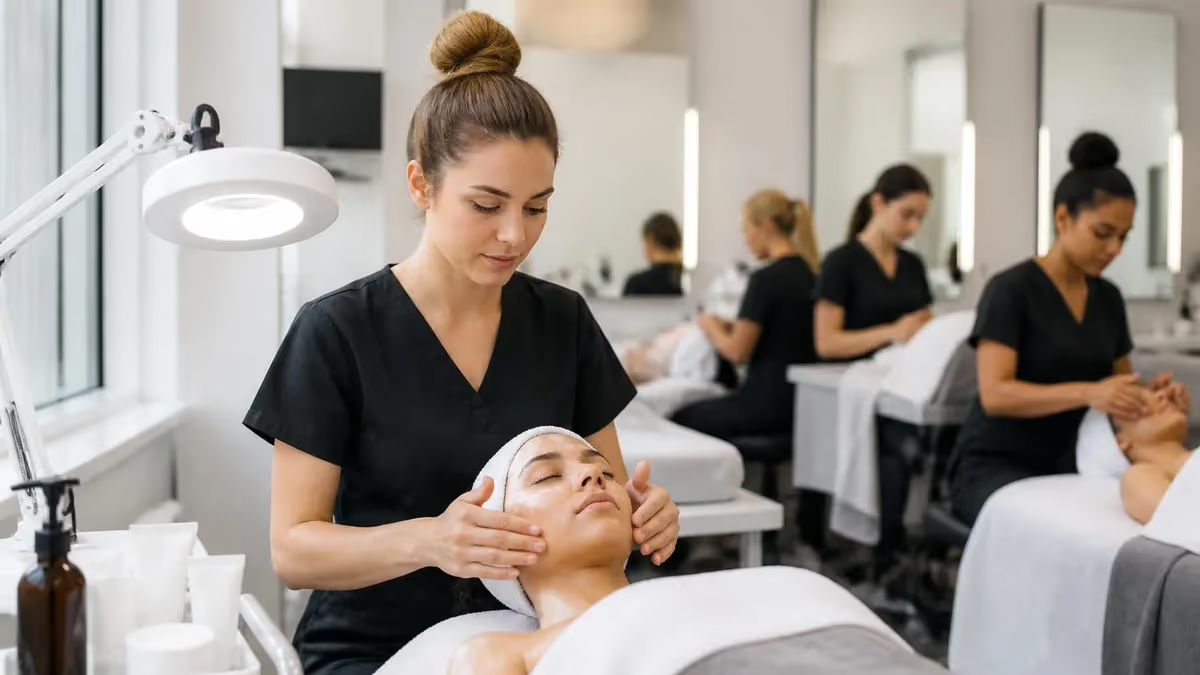
Paul Mitchell Schools represent one of the most recognized cosmetology school networks in the United States with dozens of locations across multiple states. Founded as extension of the Paul Mitchell professional hair care brand, the school network supports cosmetology education aligned with Paul Mitchell brand values and educational approach. Understanding Paul Mitchell School programs, costs, and outcomes supports informed decisions for aspiring cosmetologists evaluating this established cosmetology education option.
Program offerings at Paul Mitchell Schools span various cosmetology and beauty industry credentials. Full cosmetology programs prepare students for state board licensing examinations qualifying for general cosmetology practice. Esthetics programs prepare students for skincare specialty including facials, makeup, and various skin treatments. Barbering programs prepare students for men hair cutting and styling specializations. Various other specialty programs address specific beauty industry segments depending on school location and student demand for specific programs.
Cosmetology program structure at Paul Mitchell typically spans 9 to 16 months depending on state requirements and program format. Most states require approximately 1,000 to 1,600 hours of cosmetology instruction for licensure eligibility. Full-time programs typically complete in 9 to 12 months while part-time programs extend duration accommodating various student schedules. The substantial program duration supports comprehensive preparation across hair, skin, and nail services that state board licensing examinations test.
Paul Mitchell brand history traces back to 1980 when John Paul DeJoria and Paul Mitchell founded the John Paul Mitchell Systems company. The professional hair care brand grew substantially over subsequent decades becoming major beauty industry presence. School network expansion began in 2000 with first Paul Mitchell School opening. Continued growth has produced the substantial school network operating today across the United States supporting cosmetology education aligned with brand values.
Specific Paul Mitchell School locations include schools in major metropolitan areas across the United States. Schools exist in California, Texas, Florida, New York, and many other states supporting broad geographic accessibility. Each location operates as relatively independent franchise though following national brand standards. Some locations have established stronger reputations than others producing variation in educational quality across the substantial network. Researching specific target locations before commitment supports better outcomes.
Demographics of Paul Mitchell School students span various age groups and backgrounds. Many students are recent high school graduates entering cosmetology immediately after secondary education. Career changers from various other fields represent substantial student population pursuing cosmetology as second career. Some students return to education after raising families seeking professional development opportunities. The diverse student demographics produce varied classroom experiences enriching educational environments through different perspectives across age and life stage groups.
Paul Mitchell Schools operate over 100 locations across the United States offering cosmetology, esthetics, barbering, and various other beauty industry programs. Cosmetology programs typically span 9 to 16 months. Tuition typically ranges from 15,000 to 25,000 dollars depending on location and program. State board examination preparation supports licensure eligibility after program completion.
Paul Mitchell School network represents established cosmetology education option with brand affiliation, standardized curriculum, and broad accessibility supporting various student situations across diverse geographic locations.
Curriculum at Paul Mitchell Schools combines technical skill development with broader professional development. Hair services curriculum covers cutting, coloring, styling, chemical texture services, and various hair-related skills. Skin services curriculum covers facials, makeup, hair removal, and various skin care services. Nail services curriculum covers manicuring, pedicuring, and various nail treatments. Beyond technical content, Paul Mitchell programs emphasize professional development including communication, business skills, and brand alignment producing graduates prepared for various beauty industry roles.
Paul Mitchell brand influence permeates curriculum reflecting parent company beauty industry philosophy. Education emphasizes specific Paul Mitchell techniques and product knowledge alongside general cosmetology content. Brand alignment supports graduates pursuing employment at Paul Mitchell Focus salons or other establishments using Paul Mitchell products. The brand integration distinguishes Paul Mitchell from generic cosmetology programs though may produce different orientation compared to programs unaffiliated with specific product brands.
Founder John Paul DeJoria continues influencing Paul Mitchell brand and school network through ongoing leadership engagement. Brand philosophy emphasizing professional development, environmental responsibility, and community engagement permeates both product company and school network. Specific Paul Mitchell brand values affect educational approach beyond just technical content. Students attending Paul Mitchell Schools experience brand culture alongside cosmetology training producing distinctive educational experience.
Comparison shopping among Paul Mitchell Schools in your geographic area helps identify best specific option. Visiting multiple schools, talking with current students, observing facilities, and various other research activities support informed comparison. Some students discover substantial differences between schools in same brand network affecting their final selection decisions. The investment in comparison research before committing supports better educational experience and outcomes across program duration.
International student considerations affect some Paul Mitchell School enrollment. Some international students pursue US cosmetology training through Paul Mitchell programs. Visa requirements, English language requirements, and various other international student factors affect enrollment. Some schools have stronger international student support than others. Researching specific school international student services supports informed selection for international students considering Paul Mitchell programs from outside the United States.
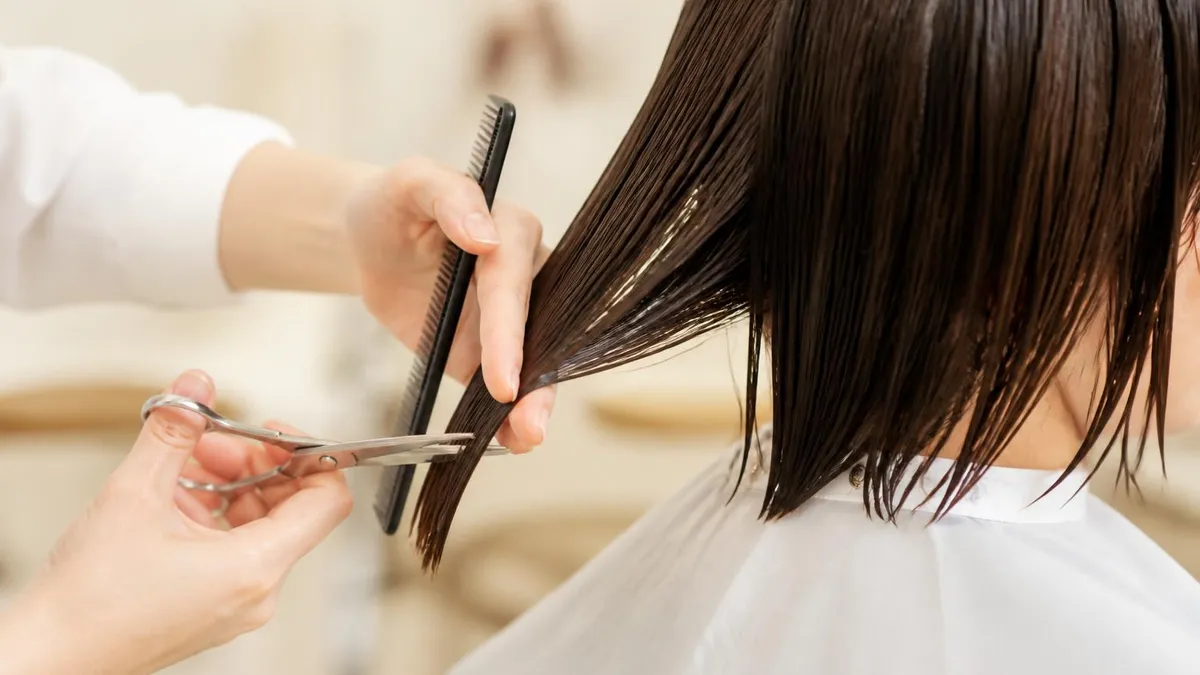
Paul Mitchell Programs
Full cosmetology program covering hair, skin, and nail services preparing students for state board cosmetology licensure across diverse beauty industry roles. Specific program characteristics vary across locations requiring research before commitment to particular schools.
Skincare specialty program preparing students for esthetician licensure including facials, makeup application, hair removal, and various skin treatments. Specific program characteristics vary across locations requiring research before commitment to particular schools.
Men hair cutting and styling specialty preparing students for barber licensure in states requiring separate barber credential beyond cosmetology. Specific program characteristics vary across locations requiring research before commitment to particular schools.
Nail specialty program for nail technician licensure focusing on manicuring, pedicuring, nail enhancements, and various specialized nail treatments. Specific program characteristics vary across locations requiring research before commitment to particular schools.
Instructor training programs preparing experienced cosmetologists for teaching roles in cosmetology schools requiring specialized education credentials. Specific program characteristics vary across locations requiring research before commitment to particular schools.
Various continuing education courses supporting licensed cosmetologists maintaining licensure and developing specialized skills beyond initial preparation. Specific program characteristics vary across locations requiring research before commitment to particular schools.
Admission requirements for Paul Mitchell Schools typically include high school diploma or GED equivalent, minimum age usually 16 or 17 depending on state, application fee, and various other requirements. Some programs require interviews evaluating candidate fit for cosmetology careers. Some programs require basic skills assessments verifying readiness for cosmetology curriculum. The relatively accessible admission requirements support entry from various educational backgrounds though student commitment to demanding program represents critical success factor beyond just meeting minimum admission requirements.
Tuition costs at Paul Mitchell Schools vary by location and specific program. Full cosmetology programs typically cost 15,000 to 25,000 dollars including books and supplies. Esthetics programs typically cost 8,000 to 15,000 dollars. Specific costs vary based on state requirements affecting program hours and various other factors. Financial aid through federal student loans, grants, scholarships, and Paul Mitchell scholarships helps many students manage substantial education costs. Some students also pursue payment plans spreading costs across program duration.
Charitable and community engagement through Paul Mitchell Schools includes various initiatives. Schools support charitable causes through fundraising events. Some schools partner with local community organizations supporting beauty services for underserved populations. The community engagement reflects brand values emphasizing positive social impact beyond just business operations. Students participating in community engagement develop both professional skills and community connection during education.
State board examination preparation success affects graduate licensure achievement substantially. Paul Mitchell programs include practice testing, technique review, and various other examination preparation components. State board exams test both written knowledge and practical skills under standardized conditions. Quality preparation supports first-attempt passage avoiding delays and additional examination fees from failures. Tracking school-specific pass rates supports informed school selection based on practical outcome measures rather than just general reputation.
Paul Mitchell School Considerations
Paul Mitchell brand recognition supports graduate employment at salons using Paul Mitchell products. The brand network includes thousands of Focus salons across the United States supporting graduate employment opportunities. Brand recognition can provide initial career advantage though graduates can work at non-Paul Mitchell salons without obstacles. The brand connection represents both immediate benefit and ongoing professional identity.
Each consideration aspect affects specific student experience supporting informed program selection matching personal circumstances and educational goals.
Future Professional kit and student kit requirements add to total program costs beyond just tuition. Paul Mitchell Schools require students to purchase substantial supply kits including hair styling tools, scissors, brushes, various products, and other supplies. Kit costs typically range from 1,500 to 3,000 dollars depending on specific program and location. The kit becomes student property supporting continued use after program completion. Understanding total program costs including kits prevents budget surprises during education.
Practical experience opportunities through Paul Mitchell Schools include both on-campus clinic work and various other practical training. Most Paul Mitchell Schools operate student salons where supervised students provide services to actual customers at reduced prices. The practical experience builds confidence and skills beyond just theoretical learning supporting graduate preparation for actual salon work. Customer interaction during student clinic work develops both technical and customer service skills essential for cosmetology careers.
Specialized training opportunities at Paul Mitchell Schools include advanced techniques beyond basic curriculum. Color theory advanced training builds expertise in complex hair coloring. Cutting technique workshops develop advanced cutting skills. Various other specialized training supports students wanting expertise beyond basic licensure preparation. Some specialized training is included in core programs while other advanced training may carry additional fees supporting cost-conscious student decisions about specialization investment.
Continuing education after graduation supports career advancement and licensure maintenance. Most states require continuing education for cosmetology license renewal typically every 1 to 2 years. Paul Mitchell network supports ongoing continuing education through various programs. Advanced training in specific techniques supports career advancement beyond just renewal compliance. The ongoing professional development extends beyond just initial education supporting career-long growth opportunities across diverse beauty industry roles.

Verify Paul Mitchell School accreditation for your specific target program. Most Paul Mitchell Schools maintain proper accreditation though specific locations may have different accreditation status. Accreditation affects both program quality and federal financial aid eligibility. Researching specific school accreditation before substantial educational commitment supports informed decision making.
Researching specific school location characteristics including faculty quality, facilities, and graduate outcomes supports informed school selection beyond just general Paul Mitchell brand consideration affecting specific student outcomes.
Career outcomes for Paul Mitchell School graduates depend substantially on individual factors beyond just program completion. Job placement varies across locations with some achieving strong placement rates while others struggle. Industry connections through Paul Mitchell network support some graduate placement at affiliated salons. Independent salon employment, mobile cosmetology, and various other career paths all represent options for graduates beyond just Paul Mitchell-affiliated employment. Strong individual performance during program supports better employment opportunities regardless of school affiliation.
Salary expectations for cosmetology graduates vary substantially across employers, regions, and individual capabilities. Entry-level cosmetologists typically earn 25,000 to 40,000 dollars annually including tips. Experienced cosmetologists in strong markets can earn 50,000 to 100,000 dollars or more. Self-employed cosmetologists with established clientele can earn substantially more though with business management responsibilities. The wide salary range produces both opportunity and uncertainty for new graduates entering the beauty industry workforce.
Student support services at Paul Mitchell Schools include academic support, career services, financial aid assistance, and various other support functions. Quality programs provide strong student services supporting program completion. Some students benefit substantially from available support while others succeed primarily through individual initiative. Verifying student service availability supports informed program selection beyond just curriculum and cost considerations alone affecting overall student experience.
Personal motivation maintenance during demanding program supports successful completion. Cosmetology programs require sustained effort across months of intensive learning and practice. Motivation can flag during difficult periods particularly with substantial practical work requiring physical effort. Building support networks among classmates and family supports motivation through challenging periods. Recognizing motivation challenges as normal rather than personal failure supports continued progress through occasional discouraging program moments.
Choosing Paul Mitchell School
- ✓Visit specific Paul Mitchell School locations to evaluate facilities and culture before committing
- ✓Compare total costs including tuition and kit fees against alternative cosmetology school options
- ✓Verify accreditation status of specific school you plan to attend
- ✓Research employer preferences in your target work area for Paul Mitchell versus other school credentials
- ✓Talk to current students and recent graduates about their experiences and outcomes
- ✓Confirm specific state board examination preparation supporting subsequent licensure success
- ✓Plan financial approach including financial aid, family support, and personal savings before commitment
- ✓Plan transportation to Paul Mitchell School location including parking, public transit, or carpooling arrangements
- ✓Consider proximity of school location to potential employment areas supporting subsequent career launching
Student culture at Paul Mitchell Schools reflects brand emphasis on positive professional development. The Be Nice culture characteristic of Paul Mitchell brand permeates school experience emphasizing collaborative learning, mutual support, and positive professional development. Some students appreciate the cultural approach while others find it differently from generic educational environments. The cultural distinction represents both opportunity and consideration for students evaluating Paul Mitchell against alternative cosmetology school options.
Graduate networks through Paul Mitchell support various professional development opportunities. Alumni relationships, continuing education programs, professional events, and various other engagement opportunities continue throughout careers beyond just initial program completion. The ongoing network engagement supports career-long professional development. Engaged graduates use these networks producing better career outcomes than graduates who treat school completion as endpoint rather than beginning of professional engagement with Paul Mitchell community.
Job placement assistance through Paul Mitchell Schools varies across locations. Some schools maintain strong relationships with employers supporting placement after graduation. Others have less effective placement services requiring greater graduate initiative. Brand network supports placement at affiliated Paul Mitchell Focus salons across the substantial Paul Mitchell salon network. Independent salon employment, mobile cosmetology, and various other career paths also support graduate employment beyond just school-affiliated placement.
State board examination preparation represents critical Paul Mitchell School outcome. State board exams test both theoretical knowledge and practical skills required for cosmetology licensure. Programs prepare graduates for these examinations through curriculum coverage and practice testing. Pass rates on state board exams represent important quality measure for cosmetology schools. Researching specific Paul Mitchell School pass rates supports informed comparison among locations and against alternative schools beyond just generic Paul Mitchell brand reputation.
Continuing education through Paul Mitchell extends beyond initial cosmetology preparation. Advanced training programs in specific techniques, business skills development for salon owners, instructor training for those pursuing teaching careers, and various other continuing education opportunities continue throughout careers. The continuing learning supports career advancement and adaptation to evolving beauty industry trends. Maintaining engagement with Paul Mitchell continuing education programs supports professional development beyond just licensure maintenance through required continuing education.
Schedule flexibility at Paul Mitchell Schools varies across locations and programs. Full-time programs typically run weekday daytime hours similar to traditional schools. Some locations offer evening or weekend programs accommodating working students. Part-time programs extend program duration but support continued employment during education. The schedule flexibility variations affect student access for those with work or family responsibilities limiting traditional full-time daytime program participation.
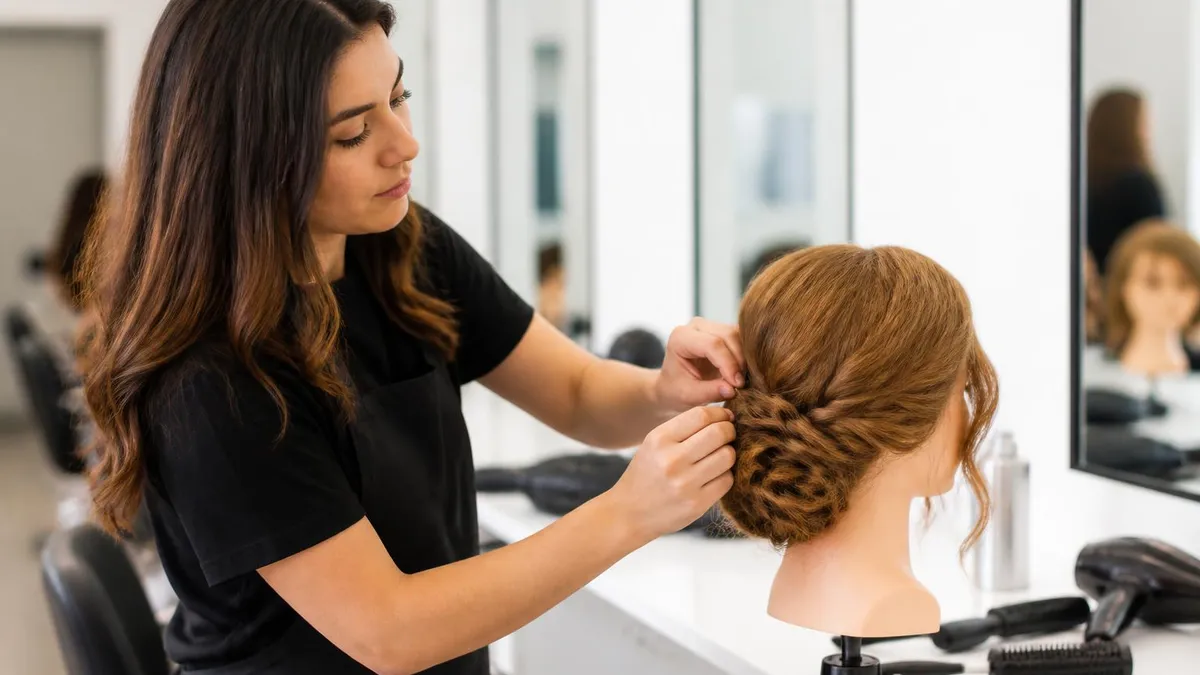
Paul Mitchell School Statistics
Key Facts at a Glance
| Item | Value | Details |
|---|---|---|
| Cosmetology Cost | $15-25K | |
| Program Length | 9-16 mo | |
| Required Hours | 1000-1600 |
Cosmetology Career Paths
Traditional salon employment cutting, coloring, and styling hair. Most common cosmetology career path with various salon types from chain to independent boutique salons. Specific program characteristics vary across locations requiring research before commitment to particular schools.
Renting booth space in salons supporting greater independence than employment while accessing established salon infrastructure and clientele. Specific program characteristics vary across locations requiring research before commitment to particular schools.
Owning and operating own salon supporting business ownership opportunity beyond just employment. Requires substantial business management capabilities beyond cosmetology skills. Specific program characteristics vary across locations requiring research before commitment to particular schools.
Skincare specialty practice including facials, makeup application, and various skin treatments. Some cosmetologists specialize entirely in skincare services. Specific program characteristics vary across locations requiring research before commitment to particular schools.
Cosmetology school teaching positions for experienced cosmetologists with instructor credentials supporting next generation of cosmetology professionals. Specific program characteristics vary across locations requiring research before commitment to particular schools.
Manufacturer sales roles for cosmetology product companies using industry knowledge supporting product education and sales to salons. Specific program characteristics vary across locations requiring research before commitment to particular schools.
Comparison with community college cosmetology programs helps evaluate Paul Mitchell against alternatives. Community college cosmetology typically costs substantially less than Paul Mitchell with similar state board examination preparation. Community college programs lack brand affiliation though produce qualified graduates for various beauty industry roles. The cost difference matters substantially for cost-conscious students. The Paul Mitchell brand connection provides specific benefits some students value while others prioritize lower total costs through community college alternatives.
Online and hybrid program options at Paul Mitchell remain limited compared to fully in-person programs. Cosmetology fundamentally requires hands-on training that purely online programs cannot replicate. Some Paul Mitchell content delivers through online platforms supplementing in-person practical training. The substantial in-person requirement reflects cosmetology nature requiring hands-on practice rather than just theoretical learning. Students considering online cosmetology programs should verify accreditation and ensure programs meet state licensing requirements before commitment.
Paul Mitchell Schools support diverse cosmetology career launching across the substantial brand network and broader beauty industry. Both immediate brand-affiliated opportunities and independent career paths after graduation produce strong outcomes for committed students completing Paul Mitchell programs across various locations throughout the United States.
Strong individual commitment combined with quality educational program produces best outcomes for cosmetology career launching.
Continued investment in professional development beyond initial cosmetology preparation supports sustained career success across decades.
Ongoing learning produces career-long growth across cosmetology.
Beauty careers reward sustained professional commitment.
Paul Mitchell School Considerations
- + —
- + —
- + —
- + —
- + —
- + —
- − —
- − —
- − —
- − —
- − —
- − —
Cosmetology Questions and Answers
About the Author
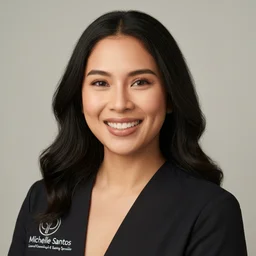
Licensed Cosmetologist & Beauty Licensing Exam Specialist
Paul Mitchell SchoolsMichelle Santos is a licensed cosmetologist with a Bachelor of Science in Esthetics and Salon Management from Paul Mitchell School. She has 16 years of salon industry experience and 8 years preparing students for state cosmetology board exams in theory, practical skills, and sanitation. She specializes in licensure preparation for cosmetologists, estheticians, and nail technicians.