
Cosmetology Practice Test: Free Questions, State Boards, and How to Pass Your Licensing Exam
Cosmetology practice test: free practice questions, state board exam prep, common topics, study strategies, and how to pass your cosmetology 🧠
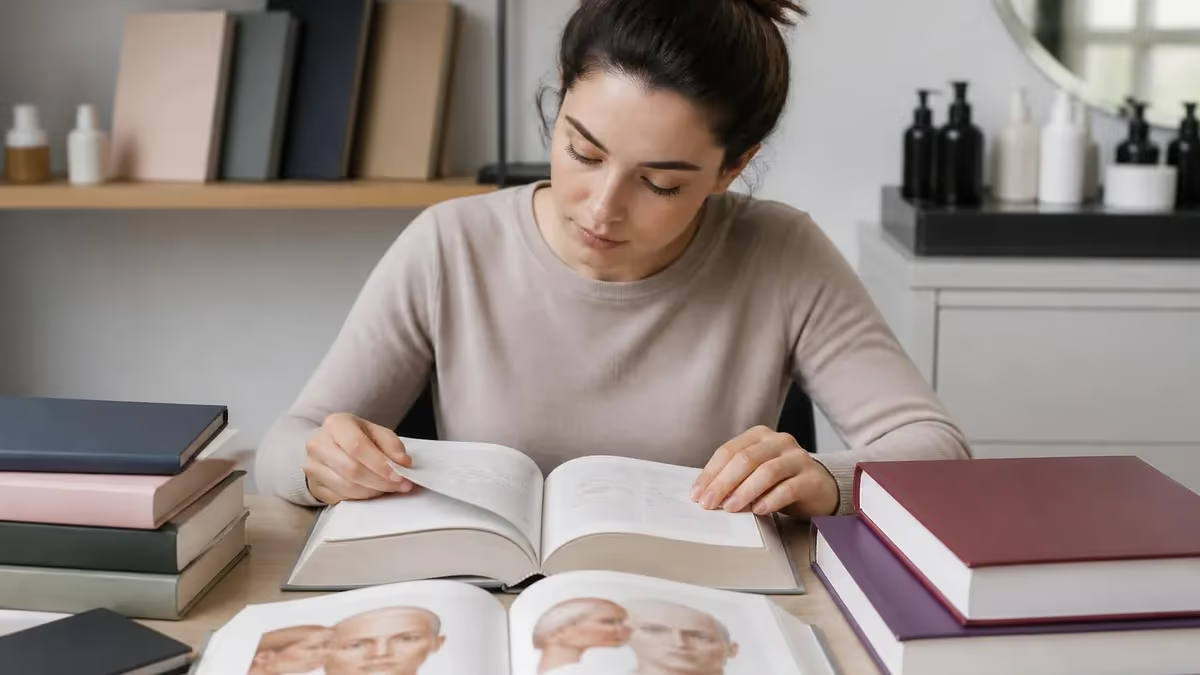
A cosmetology practice test is essential preparation for state board licensing exams. Whether you're studying for the written portion or the practical exam, free practice tests reveal what you need to know and where you have gaps. Most states use exams developed by the National-Interstate Council of State Boards of Cosmetology (NIC) or PSI, and practice tests typically follow this format closely.
Why practice tests matter. Identify weak areas before the real exam. Get used to test format and timing. Build confidence through repeated success. Reduce test anxiety. Memorize key facts through repetition. Track improvement over time.
What state boards test. State board exams cover: hair (cutting, coloring, perms, styling), skin (facials, hair removal), nails (manicures, pedicures), cosmetology theory, safety and sanitation, state laws and regulations, infection control. Plus practical exam: hands-on demonstration of techniques.
Pass rates. National average: first-attempt pass rate ~70-80%. With dedicated practice, pass rates climb to 85-95%. Investment in practice tests pays back in fewer retake fees and faster career start.
Cost of failing. Each retake: $50-200 state fees. Plus delayed career start. Plus reduced confidence. Investment in practice tests typically saves significantly more than it costs.
This guide covers cosmetology practice test resources, exam content, study strategies, and how to maximize practice test value. It's intended for cosmetology students preparing for state board exams.
Key Information
- State board exams: Each state administers cosmetology licensing
- Major exam provider: NIC (National-Interstate Council) and PSI
- Written exam: 75-100 questions typical, 90-120 minutes
- Practical exam: Hands-on hair, skin, nail demonstrations
- Passing score: 70-75% typical
- First-attempt pass rate: 70-80% average
- Cost per exam: $75-200 typical
- Retake fees: $50-150 per retake
- License validity: 1-3 years (state-specific)
- Continuing education: Required to renew (state-specific)
What's on the cosmetology state board exam. Major topics.
Cosmetology theory. Basic anatomy and physiology. Hair structure and types. Skin layers and conditions. Nail anatomy. Color theory. Cell biology basics. Aging effects on hair and skin.
Hair services. Cutting techniques (basic to advanced). Hair coloring (chemical and natural). Permanent waves and relaxers. Styling techniques. Hair conditioning treatments. Trichology (hair and scalp disorders).
Skin services. Facial treatments. Skin analysis. Hair removal (waxing, threading, sugaring). Skin conditions and disorders. Cosmetics and product knowledge.
Nail services. Manicures (basic to elaborate). Pedicures. Artificial nails (acrylic, gel, dip powder). Nail disorders and diseases. Nail anatomy and structure.
Safety and sanitation. Infection control. Disinfection vs sterilization. State sanitation laws. Bloodborne pathogen safety. Tool sterilization procedures. Workplace safety.
State laws and regulations. State-specific licensing rules. Scope of practice. Disciplinary procedures. Continuing education requirements. State board contact info.
Product knowledge. Chemical processes. Active ingredients. Allergen identification. Product application. Customer consultation.
Customer service. Client consultation. Skin/hair analysis. Treatment planning. Aftercare instructions. Professional communication.
Business practices. Salon operations. Bookings and scheduling. Pricing structures. Customer retention. Marketing basics.
Anatomy specifics. Skull and facial bones. Hair growth phases. Skin layers (epidermis, dermis, hypodermis). Nail matrix and bed. Sweat and sebaceous glands.
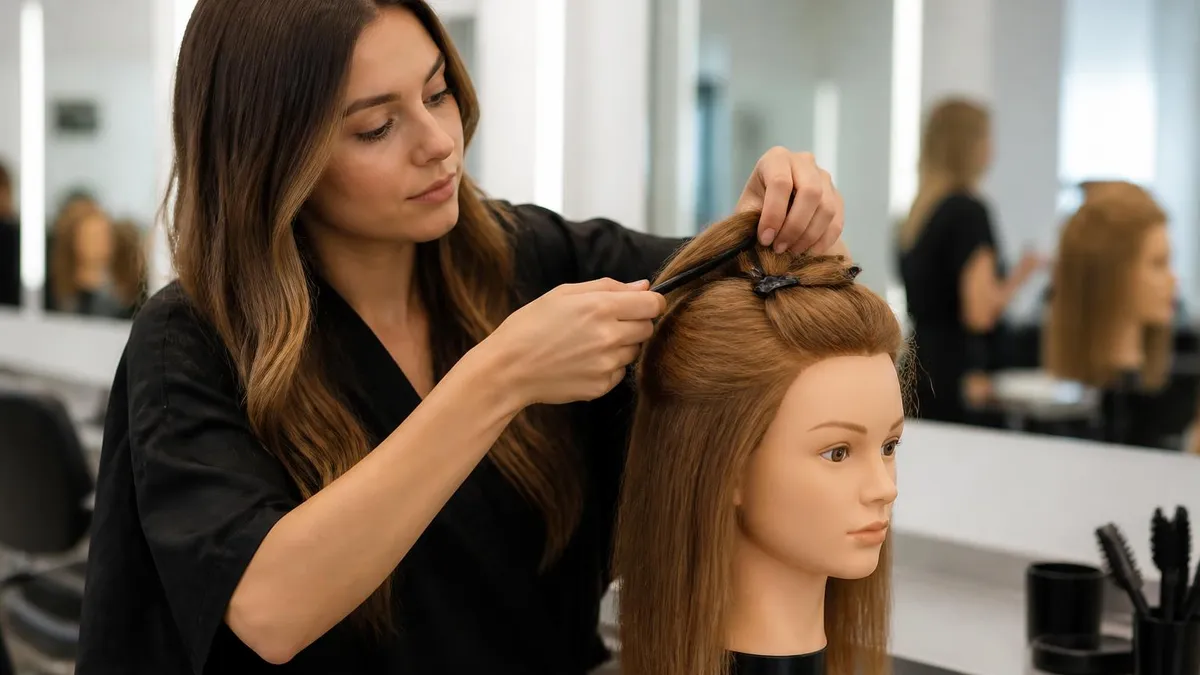
Exam Topics
Cutting, coloring, perms, styling, conditioning.
Facials, analysis, hair removal, products.
Manicures, pedicures, artificial nails, anatomy.
Infection control, sterilization, state laws.
Anatomy, hair/skin structure, color theory.
Licensing, scope, regulations, continuing ed.
How to use practice tests effectively.
Start early. Don't wait until weeks before exam. 3-6 months of practice ideal. Build foundation before testing.
Take a baseline test. Take full practice test before studying intensely. Identifies starting weakness areas. Sets baseline for improvement tracking.
Study weak areas. Focus study on lowest-scoring topics. Build to mastery. Then move to medium areas. Save strong areas for review.
Take regular practice tests. Weekly during prep. Daily as exam approaches. Tracks improvement. Builds test stamina.
Time yourself. Real exam has time limit. Practice with timer. Build comfort with pace.
Review wrong answers. After each practice test, study why you missed each question. Understand reasoning. Don't just memorize answer.
Use multiple sources. Different practice tests from different providers. Gets you exposed to variety of question styles. Reduces risk of being surprised on exam.
Final review. Last 1-2 weeks: focus on practice tests, not new material. Practice exam-like conditions.
Practice test sources. PracticeTestGeeks (free, comprehensive). NIC practice tests (closer to real exam). State-specific resources. Cosmetology textbook end-of-chapter quizzes.
Don't memorize answers. Understand concepts. Real exam questions vary. Focus on understanding why answers are correct.
Take final practice test. 1-2 weeks before exam. Comprehensive timed practice test. Should be scoring 80-85%+ to feel confident.
Mock testing. Some prep companies offer mock exams. Closer to real conditions. Worth investment if anxiety is high.
Study Strategy
Take full practice test before intense study. Identifies starting weak areas. Sets baseline for tracking improvement. Don't worry about score yet — informational only.
State board exam format.
Written exam. 75-100 multiple-choice questions typical. 90-120 minutes typically. Computer-based or paper. Passing score 70-75% typical (state-specific).
Practical exam. Hands-on demonstration. Hair: cutting, coloring, styling techniques. Skin: facial demonstration. Nails: manicure or pedicure. Sanitation: complete sanitation procedures.
Practical scoring. Pass/fail per skill area. Need to pass all skill areas. Some states require passing both written and practical separately.
Practical equipment. Bring your own (clippers, brushes, etc.). State board provides client (model). Or some states provide all tools.
Time limits practical. 4-8 hours typical. Multiple skill stations. Time pressure significant.
Practical workspace. State board station. Your supplies organized. Pre-procedure sanitation check. Performance evaluation.
Common practical mistakes. Cross-contamination of tools. Improper sanitation procedures. Missed safety steps. Time mismanagement.
Best practice for practical. Practice extensively before exam. Mock practical with school instructors. Verify state-specific requirements.
Reapplying for practical. If failed, retake required. May be costly ($75-150). Some states require retaking after waiting period.
Combined results. Pass written + pass practical = receive license. Fail either = retake required for that portion.
Score reporting. Some states release scores immediately (computer-based). Others 1-2 weeks. State varies.
State-specific differences. Each state's exam has unique requirements. Verify with your state board. Common providers: NIC, PSI, but content varies.
Exam Stats
Key Facts at a Glance
| Item | Value | Details |
|---|---|---|
| Written exam questions typical | 75-100 | |
| Written exam time | 90-120 min | |
| Practical exam duration | 4-8 hr | |
| Exam fee state-specific | $75-200 |
Common exam topics with examples.
Hair anatomy. Hair shaft has three layers: cuticle (outer), cortex (middle), medulla (inner). Cortex contains pigment (melanin). Hair grows from follicle and matrix. Phase: anagen (growth), catagen (transition), telogen (resting).
Skin layers. Epidermis (outer). Dermis (middle, contains follicles, glands, blood vessels). Hypodermis (deepest, fat). Hair follicle penetrates from epidermis into dermis.
Color theory. Primary colors (red, yellow, blue) can be combined to create secondaries (orange, green, violet). Complementary colors neutralize each other (green neutralizes red). Tone levels 1-10 from darkest to lightest.
Hair color processes. Permanent: oxidation process opens cuticle, deposits pigment, recloses. Semi-permanent: coats hair shaft, washes out over time. Temporary: surface coating, washes out with shampoo.
Perms. Cold waving: ammonium thioglycolate breaks disulfide bonds in cortex. Hot waving: heat speeds chemical reaction. Reduction (breaking bonds) → forming around rod → neutralization (rebuilding bonds).
Sanitation procedures. Disinfection: clean + apply disinfectant. Sterilization: heat or chemical to destroy all microorganisms. Tools: separate clean from used. Workspace: disinfect between clients.
State laws. Each state's laws vary. License must be visible. Tools labeled with name. Reporting suspected disease required in some states. Continuing education to renew.
Skin conditions. Acne, eczema, psoriasis, rosacea. Each requires different approach. Avoid procedures on irritated skin. Refer to physician if severe.
Nail conditions. Healthy vs infected. Onychomycosis (fungus). Paronychia (cuticle infection). Diabetic considerations. Pregnancy considerations.
Common Test Topics
Cuticle, cortex, medulla. Growth phases. Trichology basics.
Epidermis, dermis, hypodermis. Functions of each.
Primary/secondary colors. Complementary neutralization.
Perms, color, relaxers. Reduction and neutralization.
Disinfection vs sterilization. Tool handling, workspace.
Hair, skin, nail disorders. When to refer to physician.
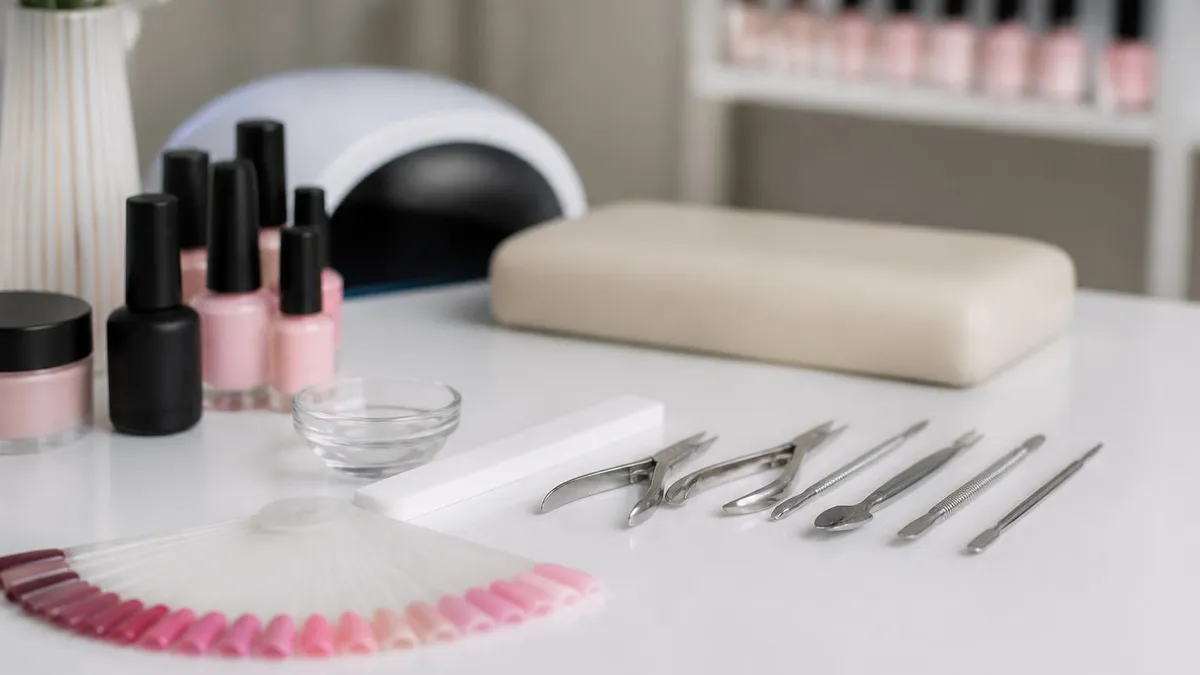
State-by-state cosmetology requirements.
Hours of training required. Most states: 1,200-1,500 hours of cosmetology school. Some require 1,000 (lower end). Others require 1,800+ (Texas, Oregon).
Specific state examples. California: 1,600 hours, both written and practical. New York: 1,000 hours, NIC exam. Texas: 1,500 hours, written + practical. Florida: 1,200 hours, written + practical. Illinois: 1,500 hours, NIC.
Major exam providers. NIC (National-Interstate Council): used in many states. PSI: another major provider. Pearson VUE: used by some.
State board contact. Each state has Cosmetology Board. Provides licensing info, exam scheduling, regulations. Verify current requirements through your state board.
Reciprocity. Many states accept licenses from other states. Reduces re-licensing if you move. Check destination state's reciprocity rules.
Specialty licenses. Esthetician (skin) typically separate from cosmetology. Nail technician separate. Some states offer additional specialty licenses (manicurist, masseuse, etc.).
Continuing education. Required to renew license. Hours vary by state (4-25 per year typical). Topics: sanitation updates, new techniques, safety.
License renewal cycles. Annual or biennial. Fee per renewal $50-150 typical. Late renewal: additional fees and possible re-test.
Out-of-state students. Some states accept out-of-state cosmetology schools. Some require additional state-specific training. Verify before enrollment.
Online cosmetology school. Mostly hands-on training required. Hybrid online + in-person possible in some states. Verify state acceptance.
Apprenticeship option. Some states allow apprenticeship instead of school. 1,500+ hours of supervised practice. Less common pathway.
State Requirements
1,200-1,500 hours typical. California 1,600. Texas 1,500. New York 1,000. Oregon 1,500. Verify current requirements with your state's cosmetology board before enrolling in school.
Resources for cosmetology practice tests.
PracticeTestGeeks. Free comprehensive practice tests. Multiple categories. Aligned with NIC exam format. No signup required. Strong starting resource.
State board websites. Some states publish official practice tests. Free. Aligned exactly with state exam.
NIC (National-Interstate Council). Practice tests from exam provider. Available through their website.
Cosmetology textbooks. End-of-chapter quizzes. Comprehensive review. Often available used.
Cosmetology test prep companies. Theory Online. Cosmetology Test Prep. Various providers. Cost: $20-100 for comprehensive packages.
YouTube tutorials. Free video reviews. Visual learners benefit. Many top cosmetology educators on YouTube.
Mobile apps. Cosmetology practice test apps. Most $10-30. Convenient on phone. Quick study sessions.
Cosmetology school resources. Most schools provide practice materials. Use what your school offers. May be tailored to your specific exam.
Study guides. Cosmetology Exam Prep Guide books. $20-40. Comprehensive review. Practice questions included.
Online courses. Cosmetology Career Path. Beauty School Online. Various providers. Cost: $50-200. Structured learning.
Tutoring. One-on-one with experienced cosmetologist. Higher cost ($30-100/hour) but accelerates learning if you're struggling.
Peer study groups. Form group with classmates. Quiz each other. Discuss difficult topics. Free and effective.
Practice Test Sources
Free comprehensive tests. NIC-aligned. No signup.
Some states publish official practice tests. Free and aligned.
Practice tests from exam provider. Available through website.
End-of-chapter quizzes. Comprehensive review.
Mobile apps $10-30. Convenient quick study sessions.
Free peer learning. Quiz each other. Discuss topics.
Test-taking strategies.
Read each question carefully. Understand what's being asked before reading answers.
Eliminate clearly wrong answers. Reduces remaining options. Increases odds.
Look for absolute words. 'Always,' 'never,' 'all,' 'none' often signal incorrect answers. Cosmetology rarely has absolutes.
Watch for negative phrasing. 'Which is NOT...' easy to miss. Slow down on these.
Trust your gut. Often first instinct is correct. Don't overthink. Change answers only with clear reason.
Pace yourself. Note time periodically. 75 questions in 90 minutes = 72 seconds per question. Plan accordingly.
Mark difficult questions. Skip and return. Don't get stuck. Move forward.
Answer everything. No penalty for wrong answers in most exams. Answer every question, guess if needed.
Review at end. If time permits, review marked questions. Double-check answers.
Manage anxiety. Take deep breaths. If panicking, pause briefly. Reset.
Bring required items. ID. Confirmation. Calculator (if allowed). Pencils. Verify before test day.
Sleep and food. Sleep well night before. Light breakfast. Avoid heavy meals or excessive caffeine.
Arrive early. Stress-free arrival. Allow time for parking, check-in, restroom.
Don't talk during exam. Strict rules. Focus on your test. Don't disrupt others.
If time runs out. Answer remaining questions quickly. Even guesses count. No score for blank answers.
1. Sleep well night before. 8 hours of sleep. Avoid late-night studying.
2. Light breakfast. Avoid heavy meals or excessive caffeine. Stable energy throughout exam.
3. Arrive 30 minutes early. Stress-free check-in. Time for restroom and settling in.
4. Bring required items. Photo ID. Test confirmation. Required materials. Verify exact list with state board.
5. Wear comfortable clothing. No distractions. Long exam — comfort matters.
6. Practical exam: bring tools. State-specific list. Verify each item. Bring backups.
7. Read instructions carefully. Before starting test. Understand format and rules.
8. Pace yourself. Don't rush. Don't dwell. Move steadily.
9. Answer everything. No penalty for wrong answers typically. Guess if needed.
10. Trust your prep. You've prepared. Trust yourself. Stay calm.
Career after passing cosmetology exam.
License received. Each state issues differently. Wall license for salon. Wallet card for ID.
Find employment. Salons typically hire new graduates. Often booth rental option. Build clientele over time.
Starting salary. Hourly: $11-18/hour + tips. Or commission: 35-50% of services. Or booth rental: keep all revenue, pay rent.
Build clientele. Critical first year. Excellent service. Build reviews. Social media presence. Networking.
Specialty areas. Hair coloring specialist. Brides and special events. Men's grooming. Children's cuts. Etc.
Salon types. Chain salons (Great Clips, Supercuts). Independent salons. Booth rental salons. Hotel/spa salons. Specialty studios.
Income growth. Year 1: $25-40K. Year 3-5: $35-55K. Year 5-10: $40-75K. Top stylists in major metros: $75-150K+.
Career paths. Stylist (work for someone). Booth rental (independent contractor). Salon owner. Cosmetologist + esthetician + nail tech combined. Educator/instructor. Product representative. Beauty influencer/social media.
Continuing education. Required for license renewal. Take advanced classes. Specialty certifications. Improve skills.
Professional organizations. Professional Beauty Association (PBA). State cosmetology associations. Specialty groups (color specialists, etc.).
Burnout prevention. Cosmetology is physically demanding. Take breaks. Manage standing time. Plan vacation. Maintain mental health.
Long-term career. Many cosmetologists work 30-40+ year careers. Strong field with good demand. Continuous learning expected.
Career Trajectory
$25-40K typical. Build clientele. Often start at salon. Develop reputation. Excellent service quality. Social media presence. Build foundation.
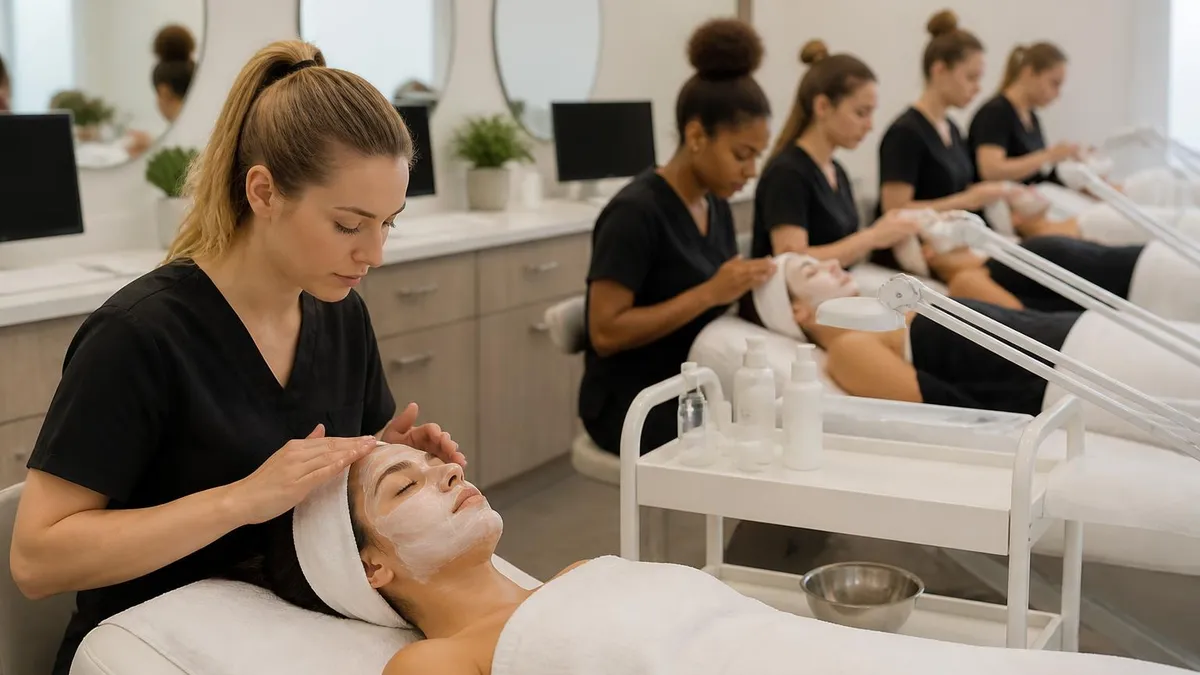
Common questions about cosmetology practice tests.
How many practice tests should I take? At least 3-5 full-length practice tests. More if you have time. Aim for 80-85%+ on practice tests before sitting for real exam.
Are free practice tests as good as paid ones? Quality varies. Some free tests excellent (PracticeTestGeeks). Some paid tests low quality. Verify reviews before paying.
How close are practice tests to real exam? Best practice tests from NIC or aligned with state board format. Within 5-10% of real exam difficulty typical.
What if I keep failing practice tests? Take more time to study. Identify specific weak topics. Get tutoring if needed. Don't rush to real exam.
Should I take practice tests timed or untimed? Initially untimed to learn material. Later timed to build pace. Final practice tests fully timed.
How do I know I'm ready for real exam? Consistent 80-85%+ on multiple practice tests. Confident in all topic areas. No major gaps remaining.
What's the best time to take practice tests? Distribute across study period. Daily quick quizzes + weekly full-length tests. Final intensive practice 1-2 weeks before exam.
Can I use practice tests for both written and practical? Practice tests focus on written. For practical: practice with friends, mock practical with instructors, video record yourself.
What if I'm anxious about the exam? Take more practice tests. Familiarity reduces anxiety. Mental rehearsal. Visualization. Possibly counseling for test anxiety.
Are practice tests just for licensing? Useful for: state board exam, NIC exam, school exams, knowledge maintenance. Multiple use cases.
How do practice tests help on practical? Indirectly. Written knowledge supports practical performance. Sanitation procedures, anatomy understanding helps in hands-on work.
Practice Test FAQ
3-5 full-length practice tests minimum. More if time allows.
Quality varies. PracticeTestGeeks free excellent. Verify reviews.
NIC-aligned within 5-10% difficulty. Good prediction.
Study more. Identify weak areas. Get tutoring if needed.
Initially untimed. Later timed. Final fully timed conditions.
80-85%+ consistently. All topics covered. No major gaps.
What to do if you fail the exam.
Don't panic. Many students retake. Pass rates typically higher on retake.
Get failure analysis. State may provide detailed report. Identifies specific topic weaknesses.
Study weak areas extensively. Focus on areas you failed. Build mastery before retesting.
Get tutoring if needed. One-on-one help. Identify gaps you can't see yourself. Higher cost but worth it for retake.
Take more practice tests. Multiple full-length practice tests. Build confidence. Improve weak areas.
Wait period. Some states require waiting period before retake (30-90 days). Verify your state's rules.
Retake fee. Varies $50-150. Plan financially.
Multiple retakes. Some states limit retakes per year. Verify rules. May need additional training in some cases.
Practical re-test. Hands-on portion. Practice extensively with classmates and instructors. Mock practical important.
Mental approach. Don't take failure personally. Common. Most successful cosmetologists faced initial challenges. Use as learning.
Support network. Don't isolate. Talk to classmates. Join study groups. Maintain hope and motivation.
Persistence pays. Most who fail eventually pass with continued study. Don't give up. Strong demand for licensed cosmetologists.
Career while preparing. If you have CPC or similar credentials, can work as apprentice. Maintain income while preparing for retake.
1. Many students retake. Pass rates often higher on retake. Common path. Don't take failure personally.
2. Get failure analysis. State may provide topic-specific weaknesses. Use to target study.
3. Wait period. 30-90 days typical between attempts. Verify your state's rules.
4. Study weak areas extensively. Focus where you failed. Build true mastery before retesting.
5. Tutoring helps. One-on-one with experienced cosmetologist. Identify gaps you can't see.
6. Take more practice tests. Multiple full-length. Aim for 85%+ consistently before retake.
7. Retake fee planning. $50-150 typical. Budget for it.
8. Persistence pays. Most students who initially fail eventually pass with continued effort.
9. Mental support. Family, friends, classmates. Maintain motivation. Cosmetology career is worth it.
10. Maintain income. If allowed in your state, work as apprentice while preparing for retake.
Final preparation tips. The week before your exam.
Week before: light review. Skim notes. Focus on memorization (codes, formulas, key facts). Don't study new material.
Take final practice test. 1-2 weeks before. Comprehensive. Should score 80-85%+. Identify any remaining weak areas.
Day before: rest. Light review (1-2 hours max). Pack materials. Plan route. Sleep early.
Morning of exam. Wake up early. Light breakfast. Avoid heavy coffee. Comfortable clothes. Arrive 30 minutes early.
Bring everything. Photo ID. Confirmation. Required tools (practical). Water. Snacks for break.
During exam. Take deep breaths. Pace yourself. Trust your preparation. Don't panic if questions are difficult.
If you get stuck. Skip and return. Don't waste time. Mark for review.
Restroom break. Most exams allow. Use when needed. Don't worry about time loss.
If practical exam has model. Be respectful to your model. Communicate clearly. Treat as you would real client.
After exam. Don't dwell on what you missed. Continue normal activities. Wait for results patiently.
While waiting for results. Continue light studying. Maintain skills. Some states release immediately, others 2-3 weeks.
When results arrive. Pass: celebrate, get license, start career. Fail: don't panic, plan retake, study weaknesses.
Final Week Plan
Light review. No new material. Pack tools.
1-2 weeks before. 80-85%+ target.
Rest. Light review. Pack materials. Sleep early.
Wake early. Light breakfast. Arrive 30 min early.
ID, confirmation, tools, water, snacks.
Trust your prep. Don't panic. Pace yourself.
Cosmetology Pros and Cons
- +Cosmetology practice tests reveal knowledge gaps that content review alone can't identify
- +Timed practice builds the pace needed for the real exam
- +Reviewing wrong answers is the highest-ROI study activity
- +Multiple free sources available
- +Score tracking shows measurable readiness
- −Third-party tests vary in quality and exam alignment
- −Taking tests before content review produces misleading scores
- −Memorizing answers without understanding concepts doesn't transfer
- −Authentic official practice material is limited
- −Practice scores don't perfectly predict actual exam performance
Cosmetology Questions and Answers
Final thoughts. Cosmetology practice tests are the single most valuable tool for passing your state board exam. Free, comprehensive practice tests from sources like PracticeTestGeeks can be the difference between passing first try and multiple retakes.
Start early. 3-6 months of preparation is ideal. Build knowledge gradually. Don't cram. Quality preparation beats quantity studying.
Use multiple sources. Different practice tests, different angles. Variety prepares you for the variety of questions on the real exam.
Focus on weak areas. Identify and target. Don't waste time on topics you already know well. Strategic preparation matters.
Take regular practice tests. Track improvement over time. Builds confidence. Reduces test anxiety. Identifies remaining gaps.
Practice the practical too. Hands-on demonstration matters. Mock practical exams with instructors. Verify your state's specific requirements.
Stay calm on test day. Trust your preparation. You've done the work. Pace yourself. Don't panic if questions are difficult.
If you fail, don't quit. Many cosmetologists faced initial setbacks. Get failure analysis. Study weak areas. Retake. Most who persist eventually pass.
The cosmetology career is rewarding. Steady demand. Good income potential. Creative work. Helping people feel confident. Worth the preparation investment.
For aspiring cosmetologists: practice tests are your friend. Use them strategically. Build confidence. Master the material. The exam is just a hurdle — your career begins when you pass. Get started practicing today.
About the Author
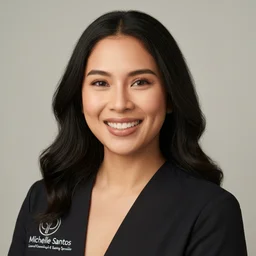
Licensed Cosmetologist & Beauty Licensing Exam Specialist
Paul Mitchell SchoolsMichelle Santos is a licensed cosmetologist with a Bachelor of Science in Esthetics and Salon Management from Paul Mitchell School. She has 16 years of salon industry experience and 8 years preparing students for state cosmetology board exams in theory, practical skills, and sanitation. She specializes in licensure preparation for cosmetologists, estheticians, and nail technicians.