
Cosmetology School Cost: Tuition, Fees, and Financial Aid 2026 September
How much is cosmetology school in 2026 September? Tuition ranges $5K-$25K, plus kit, books, and state fees. 🧠 Full cost breakdown, financial aid, and ROI.
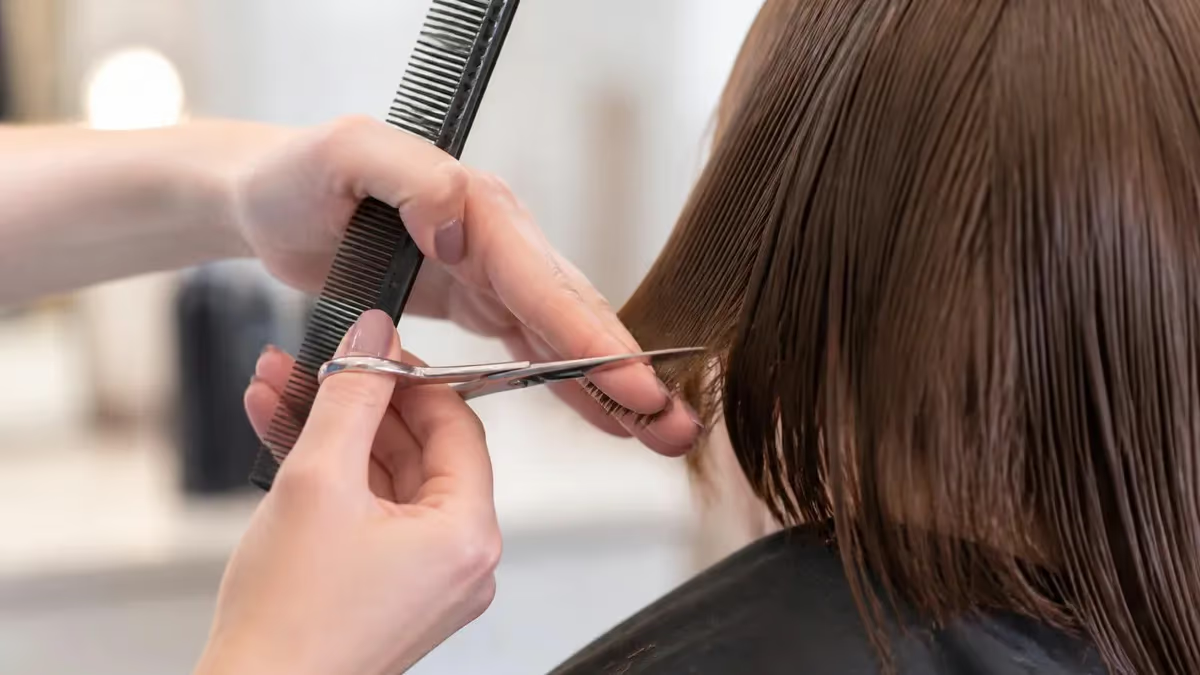
Cosmetology School Cost: What You'll Actually Pay in 2026
So you want to know how much is cosmetology school. Short answer: somewhere between $5,000 and $25,000 for tuition. The honest answer is messier. It depends on the state, the school's accreditation, the program length, and whether you're choosing a community college or a private beauty academy. Two students in two different states can pay wildly different totals for the same license.
Tuition is only part of the bill. Real cosmetology school cost also includes a starter kit ($1,000-$3,000), textbooks like Milady, state board exam fees, scrubs or salon uniforms, lab fees, and sometimes parking or registration costs. By the time you add it all up, the $8,000 tuition program might really cost $13,000 out-of-pocket. That gap surprises a lot of first-year students every September.
Here's the good news: most accredited cosmetology programs qualify for federal financial aid. That means FAFSA, Pell Grants up to $7,395 for the 2025-26 award year, subsidized loans, and Title IV funding can cover a huge chunk of your tuition. State scholarships, salon employer sponsorships, and payment plans fill the rest. You don't have to write a $15,000 check on day one — most students don't.
This guide breaks down every line item — tuition by program type, hidden fees, state-by-state averages, financial aid options, and whether the cosmetology license ROI actually makes sense. We'll cover community college vs private academy math, the difference between 1,000-hour and 1,600-hour state programs, and the seven biggest hidden costs that catch students off guard. By the end you'll know exactly what to budget, where to save, and which schools to avoid. Let's go through it line by line.
One more thing before we dive in. Cosmetology school cost should always be weighed against expected income. The U.S. Bureau of Labor Statistics puts median wages for cosmetologists around $33,400, with top earners crossing $60,000 and salon owners pushing past six figures.
Borrowing $25,000 to enter a field where many graduates earn $28,000 in year one is a math problem, not a passion problem. The students who handle the cost question best are the ones who treat it like opening a small business — they know their numbers, watch their margins, and plan their first three years before signing a tuition agreement.
Average Cosmetology School Cost in 2026
The national average for cosmetology school tuition is $10,000 to $15,000. Community colleges run $5,000-$10,000 total. Private beauty academies like Paul Mitchell and Aveda run $15,000-$25,000. Add $2,000-$5,000 for kit, books, uniforms, and state board exam fees. Most students pay between $12,000 and $20,000 all-in after financial aid.
Cosmetology School Cost Breakdown
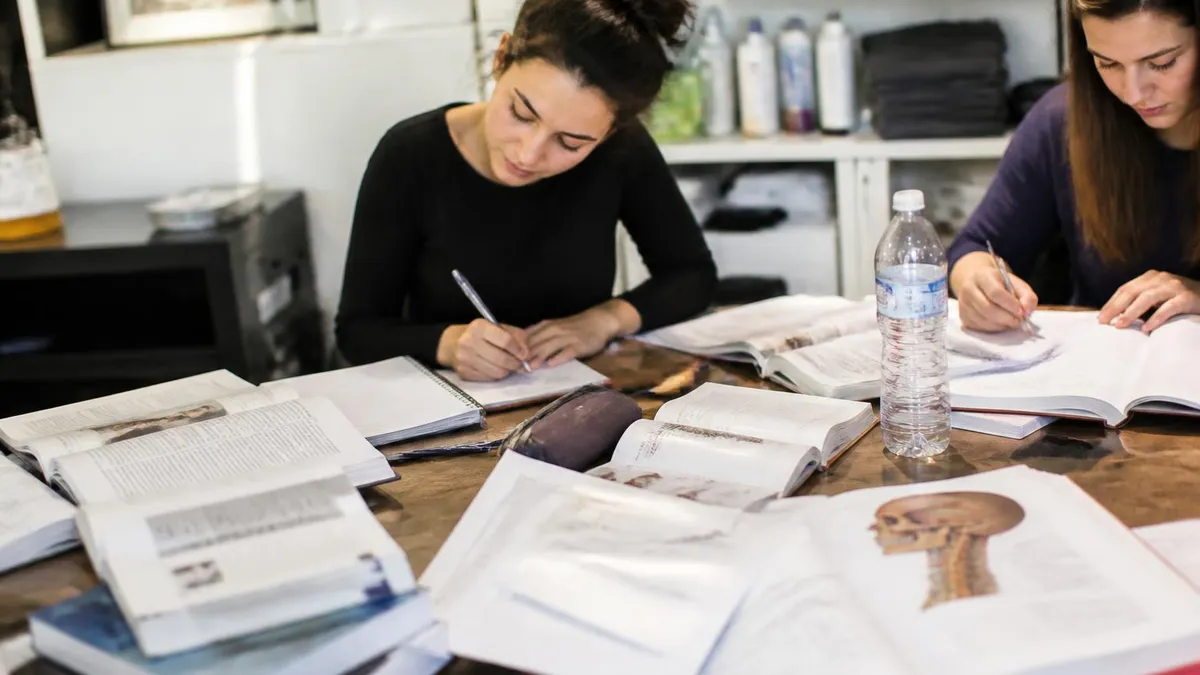
Public vs Private: Why Tuition Varies So Much
The single biggest factor in your total bill is whether you pick a community college, a vocational/technical school, or a private beauty academy. Each has trade-offs around price, hours, brand recognition, placement help, and how much debt you take on. There's no universally 'best' option — only the right one for your budget and career goals.
Community Colleges ($5K-$10K)
Public community colleges are the cheapest path. Many states offer cosmetology certificates through their workforce or career training divisions. In-state tuition often runs $3-$8 per credit hour, and a full 1,500-hour cosmetology program can cost as little as $5,000 in total. The trade-off: classes are usually larger, equipment can feel dated, and there's no fancy brand on the certificate. For most working stylists, none of that matters once they're behind the chair — the license is what counts.
Vocational/Technical Schools ($8K-$15K)
State-run vo-tech centers fall in the middle. Tuition is moderate, the curriculum is structured around state board exam topics, and many programs partner with local salons for placement. These schools are excellent for students who want to enter the workforce fast. Equipment is typically newer than community colleges but not as polished as private academies, and class sizes sit in a comfortable middle range.
Private Beauty Academies ($15K-$25K+)
Schools like Paul Mitchell, Aveda Institutes, Empire Beauty Schools, and Tricoci University charge premium tuition. You're paying for brand recognition (which helps in some salon hiring), proprietary curriculum, modern equipment, and high-touch placement support. A Paul Mitchell cosmetology school program runs around $18,000-$23,000. Aveda Institutes are similar. Whether the brand premium translates into higher salon income is debatable — most working stylists say it doesn't, although it can open doors at flagship salons in major cities.
Online/Hybrid Programs
Hybrid programs split theory online with in-person clinical hours. Tuition can be 20-30% lower than full in-person programs because the school saves on classroom overhead. Check our online cosmetology school guide for accredited hybrid options. Pure-online cosmetology does not exist — every state requires supervised hands-on hours for licensure. Hybrid is the most flexible format for parents and second-career adults who can't quit their day jobs.
Cosmetology Program Types Compared
Total Cost: $5,000-$10,000
Length: 1,000-1,600 hours (typically 12-18 months)
Pros: Cheapest option, college credit transferable, financial aid easy, in-state discounts.
Cons: Larger classes, less individual attention, equipment may be dated, weaker placement networks.
Best for: Budget-focused students, second-career adults, anyone on Pell Grant.
State-by-State Cosmetology School Cost Variation
Costs vary state by state because state-required training hours vary from 1,000 to 1,600 hours. Plus regional pricing, cost-of-living, and licensing fees stacked on top. New York's required hours are 1,000 — among the lowest in the country. Iowa, Alabama, and Massachusetts require 1,500-1,600 hours, which means more tuition, more kit usage, and more time before you can earn a paycheck. Check the cosmetology license requirements by state for the exact hours where you live before you commit.
Cheapest States for Cosmetology School
The states with the lowest average tuition combine short required hours with strong community college systems. Texas, Florida, Arizona, Tennessee, and Oklahoma consistently offer programs under $8,000 total. In-state Texas community colleges run as low as $4,500 for the full 1,000-hour program. Florida programs average $7,500. These states also have lower licensing fees ($40-$100) compared to coastal averages.
Most Expensive States
California, New York, Massachusetts, Hawaii, and New Jersey sit at the top of the cost chart. Tuition averages $15,000-$22,000 even at community colleges, and private academies push past $30,000. California requires 1,000 hours but its cost of living and licensing fees raise the total spend. New York's 1,000-hour requirement is offset by high tuition rates in NYC. Boston-area private academies routinely charge $25,000+.
Required Hours Drive Total Cost
If your state requires 1,500 hours instead of 1,000, you're paying for 50% more class time, 50% more kit usage, and 50% more weeks before you can sit for the licensing exam. Always check your state board of cosmetology for current hour requirements before enrolling.
Reciprocity and Multi-State Costs
If you plan to move after licensure, reciprocity matters more than the cheapest tuition. Some states only honor licenses from training programs of equal or greater hours. A 1,000-hour New York graduate moving to Iowa (1,600 hours) may need 600 hours of additional training to license in Iowa. That's effectively a hidden 'transfer tax' of $2,000-$5,000.
Living Costs During School
Living expenses during the 12-18 month program are real money too. A Texas student living at home pays $0 in rent and may earn part-time wages of $1,000-$1,500/month. A student in Boston or NYC paying $1,400+ rent loses $20,000+ in living expenses over the program. When comparing states, factor in housing, utilities, food, and lost income from full-time class hours — these can easily double the actual cost of becoming licensed.
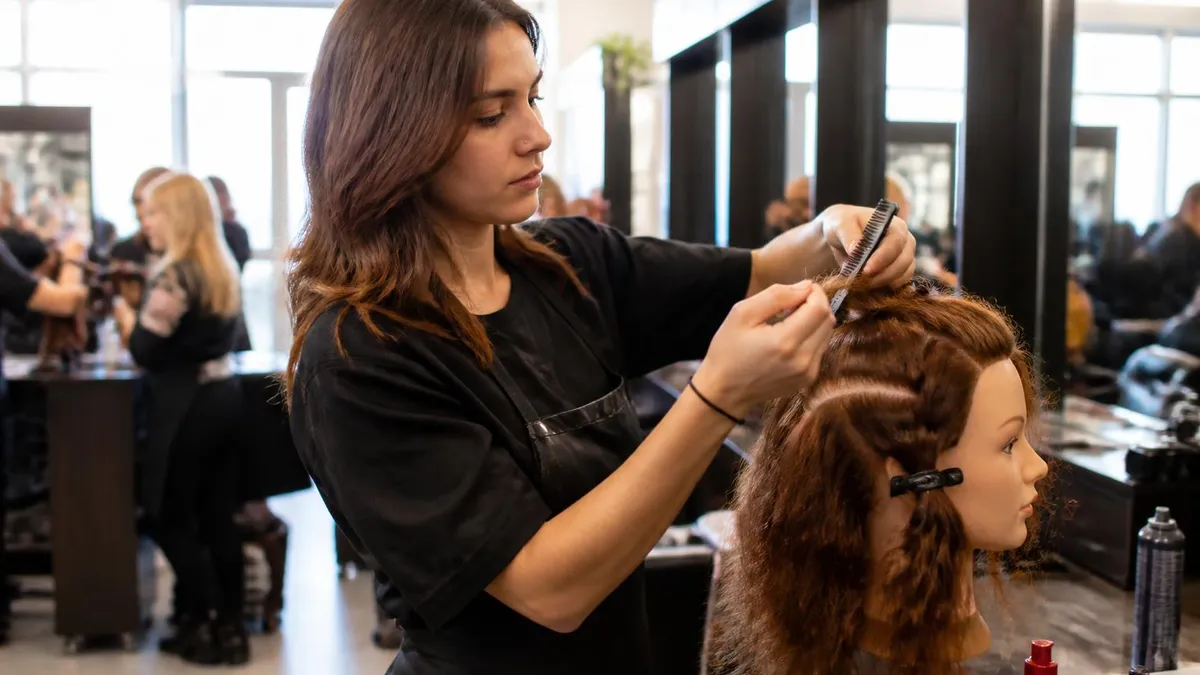
Hidden Costs Most Students Forget
- Cost: $100-$200/retake
- Why: First-time pass rate ~70-80%, retakes are common
- Plan: Buffer $200-$400 in your budget
- Cost: $200-$500
- Why: Lost or broken shears, mannequin heads, color brushes
- Plan: Quality shears alone cost $150+
- Cost: $50-$100
- Why: Required by most state boards before license issue
- Plan: Renewal often needs another check
- Cost: $50-$200/month
- Why: Daily commute over 12-18 months adds up fast
- Plan: Total: $1,200-$2,500 over the program
- Cost: $20-$50/session
- Why: Required for cuts, color, and chemical services
- Plan: Color models alone: $200-$400 per semester
- Cost: $30-$100 every 2 yrs
- Why: Ongoing cost after graduation in most states
- Plan: Includes CE hours in most states
Cosmetology Cost Quick Stats
Financial Aid: How Most Students Actually Pay
Very few students pay the full bill upfront. Cosmetology school financial aid is broader than most realize, but it requires the school to be accredited and Title IV eligible. Confirm accreditation before paying any deposit — the school's NACCAS or COE accreditation status determines federal aid eligibility. If a school isn't accredited, you cannot use federal loans or grants, period. That alone should rule out about a third of the schools that aggressively market themselves on social media.
FAFSA and Pell Grants
Submit the FAFSA at studentaid.gov as your first step. Independent students and lower-income families often qualify for a Pell Grant up to $7,395 per award year. That alone can cover half of a community college program. Pell is a grant — you don't pay it back, ever. The earlier you file (FAFSA opens October 1), the more state aid stays available.
Federal Student Loans
Subsidized and unsubsidized Stafford loans cover what Pell doesn't. Subsidized loans don't accrue interest while you're enrolled. The federal direct loan limit for a first-year dependent student is $5,500. Cap your borrowing — your future stylist income won't easily service $30,000 in debt. Borrow only what you genuinely need after Pell, scholarships, and savings cover the rest.
Scholarships
The Professional Beauty Association (PBA) Example scholarship, NACCAS scholarship programs, ACE Mentor scholarships, state cosmetology association awards, and individual school scholarships add up fast. Each typically awards $500-$5,000. Apply to 10+ — most students who apply get at least one. Search '[your state] cosmetology scholarship' to start. Local Rotary clubs and women's foundations also sponsor beauty students.
Employer Sponsorship
Some salons sponsor employees through cosmetology school in exchange for a post-license commitment of 1-3 years. Smartstyle, JCPenney Salon, Great Clips, and local independent salons all run programs in some markets. Ask local salon managers directly — these programs are rarely advertised online. A receptionist job at a chain salon during high school or as a career-change adult can become a paid path to licensure.
School Payment Plans
Most private academies offer in-house payment plans of $200-$600/month for the duration of the program. Interest rates vary. Read the contract carefully — some plans use private third-party financing with rates higher than federal loans. Always exhaust federal aid before signing a private payment contract.
WIOA and Workforce Programs
The Workforce Innovation and Opportunity Act funds career training, including cosmetology, for displaced or low-income workers. Contact your state workforce office or local American Job Center. Awards can cover 100% of tuition for eligible students. Many career-changers don't even know this exists — it's worth one phone call to verify eligibility.
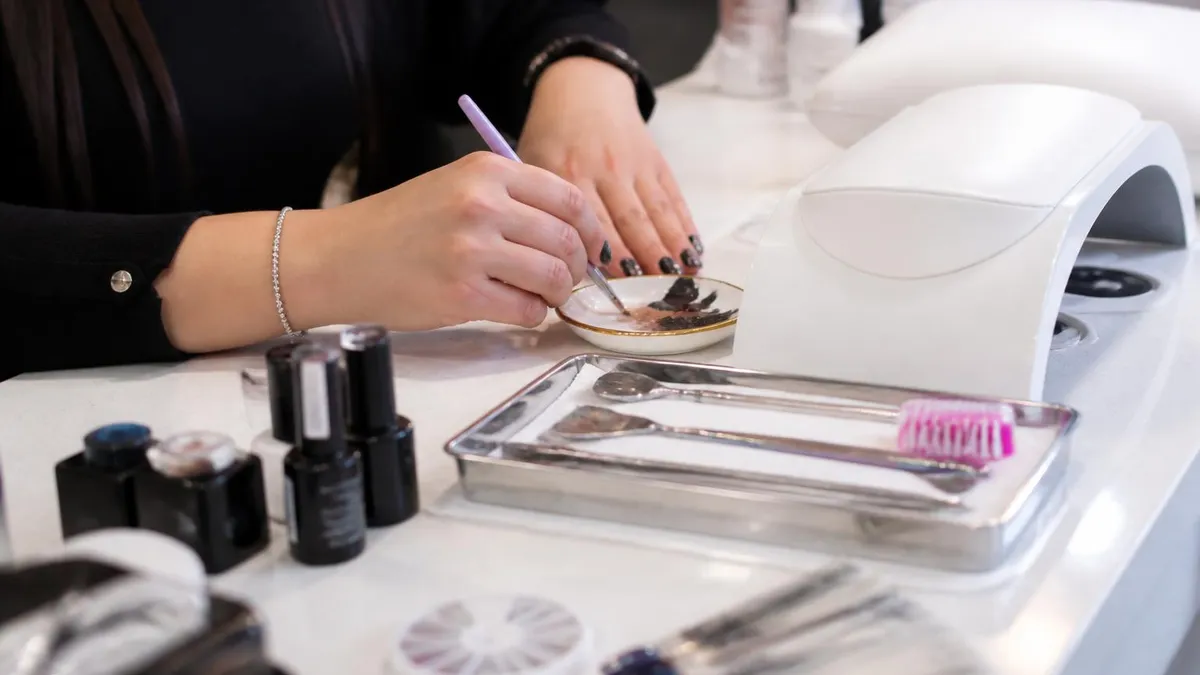
Financial Aid Application Checklist
- ✓Confirm the school is NACCAS or COE accredited (required for federal aid)
- ✓File FAFSA at studentaid.gov (use school code listed in admissions)
- ✓Apply for Pell Grant — automatic via FAFSA, up to $7,395
- ✓Compare federal subsidized vs unsubsidized loan offers
- ✓Apply to 10+ scholarships: PBA Example, NACCAS, state cosmetology assoc
- ✓Ask 3+ local salons about employer sponsorship programs
- ✓Request school payment plan terms in writing
- ✓Check WIOA eligibility through your state workforce office
- ✓Budget for $1,500-$3,000 in kit + book + uniform costs not covered by tuition
- ✓Reserve $200-$400 for state board exam + retake buffer
Cosmetology School: Is the Cost Worth It?
- +Most accredited programs qualify for FAFSA, Pell Grants, and federal loans
- +Pell Grant up to $7,395/year covers most of community college tuition
- +Starting salaries of $30K-$45K with growth to $60K+ for experienced stylists
- +Tip income often adds 20-30% on top of base wages
- +License is portable to most states with reciprocity or modest re-testing
- +Self-employment and salon ownership unlock six-figure earning potential
- +Career change-friendly: most programs finish in 12-18 months
- −Total out-of-pocket often hits $15,000-$20,000 even after aid
- −Starting wages are low; many new stylists earn under $30K year one
- −Private academies charge $20K+ with no guaranteed salary upside
- −Loan repayment can strain budgets if you borrow more than $15,000
- −Re-take fees, kit replacements, and license renewal add ongoing costs
- −Income depends heavily on location, salon brand, and personal clientele
How to Reduce Cosmetology School Costs
Cutting costs starts before you enroll. The decisions you make in admissions — school choice, program length, financial aid timing — determine 80% of your final bill. Here are the most effective ways to lower the total without sacrificing the quality of your education or your shot at a strong salon job.
1. Pick a Community College First
If a brand-name academy isn't critical for your career goal, community college is the single biggest cost saver. A 1,500-hour Texas community college program for $5,000 produces the same state license as a $20,000 private academy. The license is what matters legally and for salon hiring at most price points.
2. Choose a State With Lower Required Hours
If you have geographic flexibility, training in New York, Massachusetts, or Florida (1,000-1,200 hours) means fewer tuition months and faster earning. Then transfer your license to your target state via reciprocity. Verify the reciprocity rules at your state board of cosmetology first — some require additional hours or testing on transfer.
3. Apply for Aid Aggressively
Students who apply to 8+ scholarships typically get $2,000-$8,000 in free money. Most students apply to 1-2 and get nothing. Stack PBA Example, NACCAS, state associations, school-specific awards, and local salon partnerships for maximum coverage of your tuition.
4. Negotiate the Kit
School kits often include products you'll never use. Ask if the school allows you to opt out of the kit and bring your own from a list of approved tools. Buying shears, mannequins, and brushes individually from Sally Beauty or Amazon often costs 30-40% less than the school markup.
5. Buy Used Books
The Milady textbook bundle is $250-$400 new. Used copies from a graduating senior or eBay run $50-$150. Editions matter — confirm the school's required edition first, then buy used.
6. Front-Load the FAFSA in October
FAFSA opens October 1 for the next academic year. Filing in October instead of February increases your chance of capturing state-level aid that runs out fast. Late filers routinely miss state grants worth $1,000-$3,000. Set a calendar reminder for October 1, have your prior-year tax documents ready in advance, and submit during the first week.
Is Cosmetology School a Good Financial Investment?
The honest answer is 'it depends'. The U.S. Bureau of Labor Statistics lists median annual wages for hairdressers, hairstylists, and cosmetologists at around $33,400 (May 2023 data). Top earners — usually salon owners, color specialists, or stylists with strong personal brands — clear $60,000-$100,000+. New graduates often earn $25,000-$30,000 in year one before building clientele.
The math works best when you keep tuition under $12,000, borrow less than $10,000 in federal loans, plan to specialize in color, extensions, or barbering, and consider booth-renting or owning a chair within 3-5 years of licensure. The math breaks down when you take $25,000+ in loans for a private academy and stay on commission at an entry salon for 5+ years without specializing.
Tips and Commissions Matter
Most working stylists earn 15-25% of their gross income from tips. A stylist generating $40,000 in service revenue often takes home $48,000-$50,000 after tips. Commission structures also climb with seniority — a new stylist might split 40/60 with the salon, while a senior stylist with a book runs 60/40 or rents a booth outright. Booth-renters keep nearly all their service revenue but pay weekly rent and supply costs.
Specialization Doubles Income
Color specialists, extension artists, and chemical-relaxer experts can charge $200-$400 per service while a general cut runs $30-$60. Picking a specialty in your second year can double your annual income within three years of licensing.
Run your numbers honestly before signing tuition contracts. Before enrolling, review cosmetology schools and cosmetology colleges across price tiers so you can compare apples to apples.
Cosmetology Questions and Answers
Related Cosmetology Guides
Cosmetology School: Programs, Costs, and What You'll Actually Learn
Cosmetology Schools: How to Choose, What to Expect, and How to Enroll

Cosmetology Colleges: How to Pick the Right Program in 2026
Cosmetology License: How to Get One, State Requirements, and Costs

Online Cosmetology School: The Honest Truth About Hybrid Programs in 2026
Paul Mitchell Cosmetology School: Complete Guide to Beauty Education
About the Author
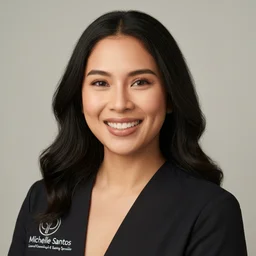
Licensed Cosmetologist & Beauty Licensing Exam Specialist
Paul Mitchell SchoolsMichelle Santos is a licensed cosmetologist with a Bachelor of Science in Esthetics and Salon Management from Paul Mitchell School. She has 16 years of salon industry experience and 8 years preparing students for state cosmetology board exams in theory, practical skills, and sanitation. She specializes in licensure preparation for cosmetologists, estheticians, and nail technicians.
Join the Discussion
Connect with other students preparing for this exam. Share tips, ask questions, and get advice from people who have been there.
View discussion (6 replies)