
Cosmetology License: How to Get One, State Requirements, and Costs
🎓 Learn how to get a cosmetology license in your state. Covers training hours, state board exam, renewal, and reciprocity between states.
What Is a Cosmetology License?
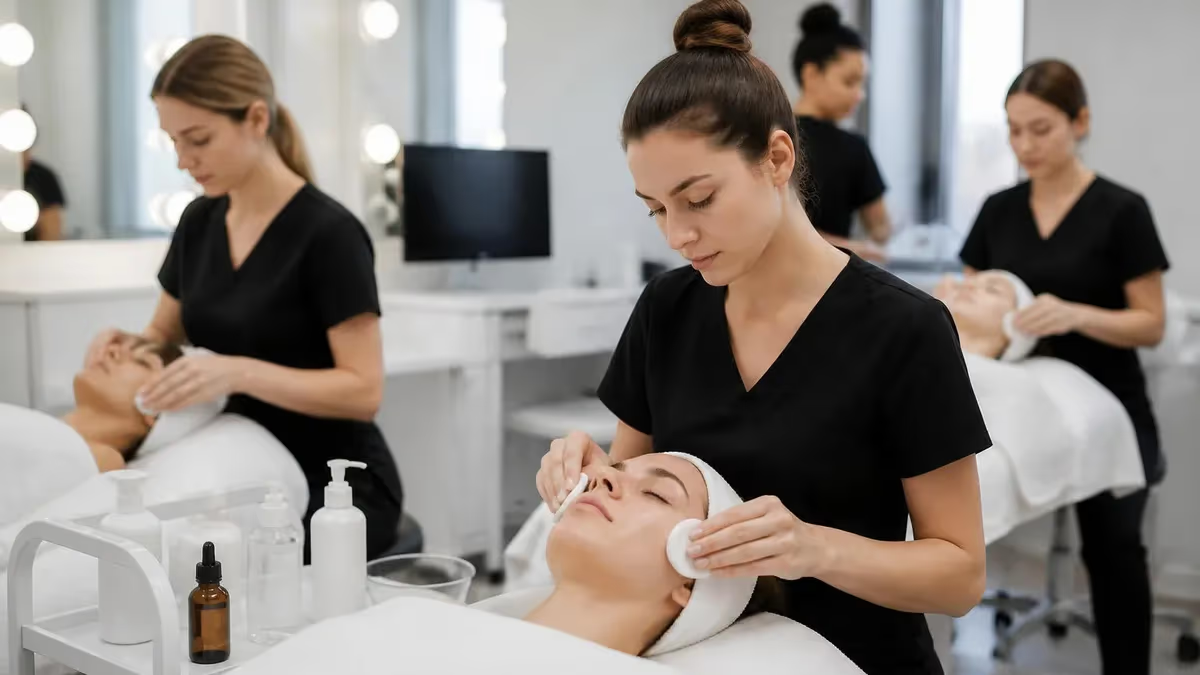
A cosmetology license is a state-issued credential that authorizes you to perform hair, skin, and nail services professionally for compensation. All 50 U.S. states require a cosmetology license (or a related specialty license) before you can legally work as a cosmetologist, hairstylist, esthetician, nail technician, or barberin a salon or spa. Working without a license subjects both you and your employer to fines and the potential closure of the business — state boards take unlicensed practice seriously.
Cosmetology licenses cover a broad scope of services including hair cutting, coloring, styling, chemical treatments (perms, relaxers), facials, skincare, makeup application, and nail services. The exact scope varies by state — some states issue one comprehensive cosmetology license that covers all these services, while others issue separate specialty licenses for esthetics, nail technology, and cosmetology, requiring you to hold the specific license for each service you perform.
Licensing requirements are set by each state's board of cosmetology (sometimes called the board of barbering and cosmetology or the department of consumer affairs). There's no single national cosmetology license — you must be licensed in the state where you work, and if you move to a different state, you'll need to apply for licensure in that new state (potentially through reciprocity or endorsement if an agreement exists). Understanding your specific state's requirements is the essential first step before you enroll in school or sit for an exam.
Understanding what cosmetology covers in full scope — including the subjects tested on the state board exam — is covered in the cosmetology overview guide, which is useful context before diving into the licensing process specifically.
Regardless of which state you're in, the general pathway to licensure is similar: complete an approved school program, pass the state board exam, and apply for your license. The specific numbers — hours, fees, passing scores — differ by state, but the sequence is consistent. Knowing this overall framework lets you plan your cosmetology career timeline and budget before you commit to any school, which prevents unwanted costly surprises partway through the licensing process.
- Who regulates it: Each state's board of cosmetology (requirements vary by state)
- Training required: 1,000 to 2,300 hours of cosmetology school depending on the state (national average ~1,500 hours)
- Exam components: Written knowledge exam + practical (hands-on) skills exam — both required in most states
- Renewal: Every 1 to 2 years; most states require continuing education hours for renewal
- Reciprocity: Some states recognize licenses from other states; others require a new exam or additional training
- Specialty licenses: Separate esthetics, nail technology, and barber licenses are issued by most states
How to Get a Cosmetology License
Complete Cosmetology School
Apply for the State Board Exam
Pass the Written (Theory) Exam
Pass the Practical (Skills) Exam
Apply for Your License
Maintain and Renew Your License
State Requirements for a Cosmetology License
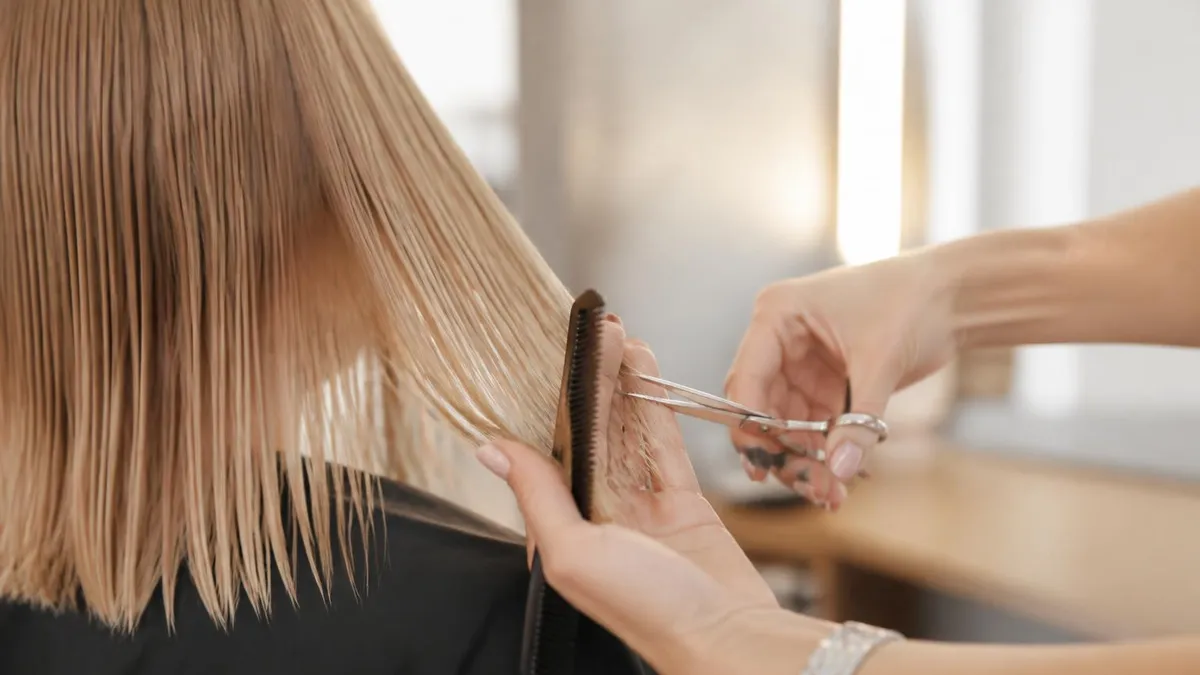
Training hour requirements are the most significant variable between states. States like California and New York require 1,600 hours of cosmetology school. Texas requires 1,500 hours. States like Colorado and Maine require as few as 1,500 hours, while states like Alabama have required as many as 1,500 hours for full cosmetology. These requirements change — always verify your state's current requirement directly with the state board, not from third-party guides that may be outdated.
The written exam used also varies. Most states use the NIC (National Interstate Council on State Boards of Cosmetology) written examination, which is a standardized multiple-choice test covering cosmetology theory, sciences, and state law. Some states use their own proprietary written exam. The practical exam is usually administered by the state board's examiners at a testing site, and the specific techniques required vary by state. Your cosmetology school will know which exam format your state uses and will orient you toward it.
Age requirements are standard across most states at 16 years old, though some states require 17. Most states also require completion of a minimum amount of formal education — typically 8th or 10th grade — though a GED or high school diploma satisfies this in all states. Some states allow students to begin cosmetology school before completing their general education requirement if they finish the education requirement before applying for the license.
Background checks are increasingly required for cosmetology licensure in many states. Certain criminal convictions may affect your ability to obtain a license — but the specific crimes and standards vary by state. Most state boards review applications case-by-case rather than applying automatic bars. If you have a criminal history and are concerned about licensure, contact the state board directly before investing in cosmetology school to understand how your situation would be evaluated. The cosmetology school guide covers what to look for in accredited programs to ensure your training hours are recognized by your state board.
Language accessibility for the state board exam is improving. Many states now offer the written exam in Spanish and other languages, and some offer the practical exam with bilingual examiner support. If English isn't your primary language, check with your state board about available language options before your test date — this information isn't always prominently advertised but can make a meaningful difference in exam performance for candidates who are more comfortable in another language.
Cosmetology vs. Specialty Licenses
Covers: hair cutting, coloring, chemical services, basic skin care, nail services (in many states). Requires the most training hours (typically 1,500–1,600). Provides the broadest service scope. Best if you want to work in a full-service salon.
Covers: facials, skin care, waxing, makeup, chemical peels, microdermabrasion, lash and brow services. Requires 260–1,500 hours depending on state (typically 600–1,000 hours). Does NOT typically authorize hair services. Best for spa, skincare clinic, or medical spa roles.
Covers: manicures, pedicures, gel nails, acrylic nails, nail art. Requires 150–600 hours depending on state (typically 300–400 hours). Does NOT authorize hair or esthetics services. Best for nail salon roles or nail-focused work within a full-service salon.
Covers: hair cutting, shaving, beard trimming, scalp treatments. Training requirements and scope overlap with cosmetology in many states, but barber licensing is administered separately. Some states allow barbering and cosmetology licenses to be cross-qualified; others require separate training and exams for each.
The Cosmetology State Board Exam
The written (theory) exam tests your knowledge of cosmetology sciences and professional standards. Content areas include:
- Infection control and sanitation: Disinfection procedures, sterilization, bloodborne pathogens, OSHA standards — typically 20–30% of exam questions
- Hair sciences: Hair structure, growth cycles, chemical composition, effect of treatments on hair shaft
- Skin anatomy and disorders: Skin layers, common conditions, contraindications for treatments
- Nail structure: Nail anatomy, disorders, artificial nail chemistry
- Electricity and equipment safety: Basic electrical principles, safe use of tools and appliances
- Laws and regulations: State board rules, licensing requirements, scope of practice
Most written exams contain 100 to 200 multiple-choice questions with a 2- to 3-hour time limit. Passing scores vary by state, typically 70–75%.

Cost of Getting a Cosmetology License
The total cost of obtaining a cosmetology license has three main components: school tuition, exam fees, and license application fees. School tuition is by far the largest expense. Full cosmetology programs at private beauty schools typically cost $10,000 to $20,000 for tuition, plus fees for tools, kit supplies, and textbooks. Community college cosmetology programs are typically lower cost — some run $5,000 to $10,000 or less — and may be eligible for FAFSA federal financial aid if the program qualifies.
State board exam fees include a separate fee for the written exam and the practical exam. Combined, these typically run $100 to $200 depending on the state and exam provider. Application fees for the initial cosmetology license range from $30 to $150 depending on the state. If you fail an exam component, retake fees apply — typically $40 to $100 per retake. Investing in thorough exam preparation before your first attempt saves money and time compared to relying on retakes.
Tool and supply costs for cosmetology school are significant and often under-estimated by new students. A professional cosmetology kit — including shears, combs, brushes, rollers, and required mannequin heads — typically costs $500 to $1,500, depending on the quality of tools and what the school provides versus requires you to purchase. Some schools include the kit in tuition; others require students to purchase it separately.
Financial aid options exist for cosmetology students at qualifying programs. FAFSA eligibility depends on whether the school is Title IV eligible — not all private beauty schools qualify. Scholarships from the Professional Beauty Association (PBA), cosmetology manufacturers, and state cosmetology boards are available and worth researching. Some cosmetology chains sponsor employees through school in exchange for a post-graduation employment commitment — an arrangement that reduces out-of-pocket cost if you know you want to work for a chain salon after licensing.
Cosmetology License Application Checklist
- ✓Verify your state's current cosmetology training hour requirements directly with the state board — requirements change
- ✓Confirm your cosmetology school is state-approved — hours completed at non-approved schools don't count toward licensure
- ✓Track your training hours carefully throughout school — you'll need documented hours for your license application
- ✓Obtain your school transcript and proof of completion before applying for the state board exam
- ✓Confirm which exam format your state uses: NIC national exam or a state-specific written test
- ✓Review the exact practical exam requirements for your state — required techniques vary and must be practiced specifically
- ✓Prepare your practical exam kit in advance — know what tools are required and have them sanitized and organized before exam day
- ✓Submit your license application promptly after passing both exam components to avoid unnecessary delays
- ✓Note your license expiration date and any continuing education requirements upon receiving your license
- ✓Keep your license certificate in a safe location — salons may require you to display a copy on-site
Full Cosmetology License vs. Specialty License
- +Full cosmetology license: broadest service scope — you can do hair, basic skin, and nails in most states
- +Full cosmetology license: more versatile for career moves between salon types and employers
- +Specialty esthetics license: fewer required training hours than full cosmetology — faster and less expensive to obtain
- +Specialty nail license: fewest required training hours — can be obtained in as little as 3 to 6 months
- +Specialty licenses allow focus: if your passion is skincare or nails, a specialty license is the cleaner path
- −Full cosmetology license: most expensive and time-consuming to obtain — 1,500+ hours and $10,000–$20,000 in tuition
- −Full cosmetology license: scope may be broader than your actual career interest requires
- −Specialty licenses: can't perform services outside your licensed scope — hair work requires cosmetology or barber license separately
- −Specialty licenses: may limit future career flexibility if your interests expand beyond your initial specialty
- −All licenses: expire and require renewal — ongoing compliance costs and continuing education obligations
Pros and Cons at a Glance
| Pros | Cons |
|---|---|
| Full cosmetology license: broadest service scope — you can do hair, basic skin, and nails in most states | Full cosmetology license: scope may be broader than your actual career interest requires |
| Full cosmetology license: more versatile for career moves between salon types and employers | Specialty licenses: can't perform services outside your licensed scope — hair work requires cosmetology or barber license separately |
| Specialty esthetics license: fewer required training hours than full cosmetology — faster and less expensive to obtain | Specialty licenses: may limit future career flexibility if your interests expand beyond your initial specialty |
| Specialty licenses allow focus: if your passion is skincare or nails, a specialty license is the cleaner path | All licenses: expire and require renewal — ongoing compliance costs and continuing education obligations |
License Renewal and Continuing Education
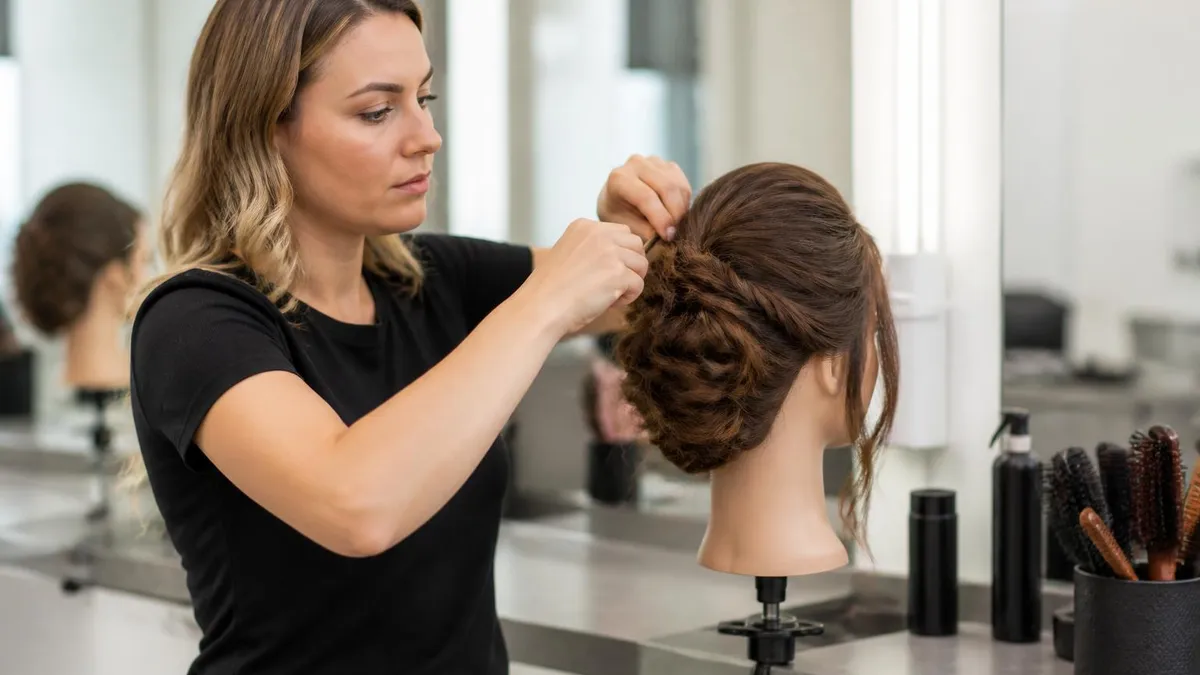
Cosmetology licenses in most states must be renewed every 1 to 2 years. The renewal process requires submitting a renewal application, paying the renewal fee, and — in most states — documenting completion of a required number of continuing education (CE) hours during the renewal period. CE requirements vary from 4 to 16 hours per renewal period depending on the state. CE topics often include infection control updates, chemical safety, and new technique standards.
Continuing education courses for cosmetologists are offered by beauty product companies, state cosmetology associations, trade shows, and online providers. Many suppliers and manufacturers offer free or low-cost CE courses featuring their own products — these count toward CE hours and give you product training simultaneously. Online CE courses have made meeting renewal requirements more convenient, though some states limit how many CE hours can be completed online versus in-person.
Forgetting to renew before the expiration date creates a problem. Most states have a grace period during which you can renew with a late fee, but continuing to work after the license has expired (even unknowingly) can result in fines. Some states require you to retake the full licensing exam if your license has been expired for more than a certain period. Set a calendar reminder well before your expiration date to avoid these complications.
Salon owners are legally responsible for verifying that all employees hold current, valid licenses in most states. State boards conduct compliance inspections and may audit salon license records. As an employee, your valid license protects both you and your employer — maintaining it is a professional responsibility, not just a paperwork task.
Some states now offer license lookup tools on the state board's website where clients and employers can verify a cosmetologist's license status in real time. Being able to direct clients or a potential employer to verify your license online is a professional asset — it demonstrates transparency and removes any doubt about your credentials. Make a habit of checking your own license status annually, since administrative errors occasionally affect license records and are far easier to correct before they become employment problems.
Cosmetology License Quick Stats
Cosmetology License Reciprocity Between States
If you're a licensed cosmetologist who moves to a different state, you'll need to apply for licensure in your new state. The simplest path is reciprocity (sometimes called endorsement) — a formal agreement between states to recognize each other's licenses without requiring the full initial training and exams again. However, cosmetology reciprocity in the United States is not universal. Some states have reciprocity agreements; others don't, and some recognize licenses from certain states but not others.
When reciprocity exists, the process typically involves submitting your current license verification, proof of training hours, exam score records, and a license application with the applicable fee to the new state's board. The new state may still require you to take a state law exam (testing knowledge of their specific regulations) even if they waive the full written exam. The new state may also require additional training hours if your original state required fewer hours than they do.
When reciprocity doesn't exist, your options are to take the new state's written exam (with or without needing to complete additional training hours), or to complete additional training in the new state to meet their hour requirements before testing. Some states offer a challenge exam for experienced licensed cosmetologists that allows waiving the training hour requirement if you can pass the exam directly — check with the state board for this option before assuming you need to repeat school.
If you're planning to work in multiple states or travel frequently for work, research each state's reciprocity agreements before you start. Some cosmetologists who work across state lines on editorial, film, or event work operate through business entities rather than individual licensure — the legal requirements for these arrangements vary and consulting with a cosmetology association or attorney is advisable for complex multi-state situations.
The Professional Beauty Association (PBA) and National Cosmetology Association (NCA) maintain resources on reciprocity agreements and legislative changes affecting licensing requirements across states. Following these organizations keeps you informed of changes that could affect your ability to work or transfer your license — useful background knowledge even if you currently have absolutely no plans to leave your state or change your primary work location.
Cosmetology licensing requirements vary significantly by state and change more frequently than most published guides reflect. Before enrolling in any cosmetology program, contact your state's board of cosmetology directly to confirm: (1) the current minimum training hours required for the license type you're seeking, (2) whether the school you're considering is state-approved, and (3) the current exam format and fee schedule. This five-minute call can prevent costly mistakes — enrolling in a non-approved school or completing insufficient hours means your training won't count toward licensure, and you may need to start over at an approved school.
Career Opportunities with a Cosmetology License
A cosmetology license opens the door to employment in salons, spas, resorts, hotels, film and television production, editorial work, theatrical makeup, and cruise lines, among other settings. Most licensed cosmetologists begin their careers in traditional retail salons — the high volume of clients in a salon environment builds technical speed and client service skills quickly. Many advance to salon management, salon ownership, or specialized roles in color, extensions, or bridal work within the first few years of their career.
Salon employment structures vary. Commission-based pay (typically 40 to 60 percent of service revenue) is common at many salons. Booth rental (renting a chair at a salon and keeping all client revenue minus the rental fee) is an option for more established stylists with a built clientele. Employee-based salons offer hourly or salary pay with benefits. The right structure depends on your career stage and client base — commission or employee roles suit early-career cosmetologists building their book, while booth rental makes more sense once you have reliable clientele who will follow you.
Specialty career paths within cosmetology include becoming a platform artist (demonstrating techniques at trade shows for product companies), opening a salon suite (a private single-chair studio), teaching at a cosmetology school, working in medical or clinical settings as an esthetician (for licensed estheticians), and becoming a salon owner or manager. Continuing education in advanced color techniques, extensions, or business management expands your earnings potential and positions you for these specialized paths.
Cosmetology is one of the few licensed professions with a clear path from licensure to entrepreneurship without additional educational credentials beyond the license itself. Many cosmetologists open their own business within 5 to 10 years of licensing. Understanding the business side of the profession — booth rental economics, product cost management, client retention strategies — is as important to long-term career success as technical skill. Many experienced cosmetologists say their school taught them to do hair and the profession taught them to run a business.
Social media has transformed client acquisition for cosmetologists over the past decade. Building a portfolio on Instagram or TikTok — documenting color work, cuts, and transformations — now drives significant new client bookings for stylists who invest in quality before-and-after photography. This freelance marketing channel doesn't replace licensed professional skill, but it amplifies it: the licensed cosmetologist who documents great work consistently builds a following and client base that sustains a career regardless of which salon or city they're in.
Cosmetology Questions and Answers
About the Author
Licensed Cosmetologist & Beauty Licensing Exam Specialist
Paul Mitchell SchoolsMichelle Santos is a licensed cosmetologist with a Bachelor of Science in Esthetics and Salon Management from Paul Mitchell School. She has 16 years of salon industry experience and 8 years preparing students for state cosmetology board exams in theory, practical skills, and sanitation. She specializes in licensure preparation for cosmetologists, estheticians, and nail technicians.