
California Board of Barbering and Cosmetology: Licensing, Exams, and Renewals Guide
California Board of Barbering and Cosmetology guide covers license types, exam steps, fees, and renewals so you can move from school to working pro. 📚
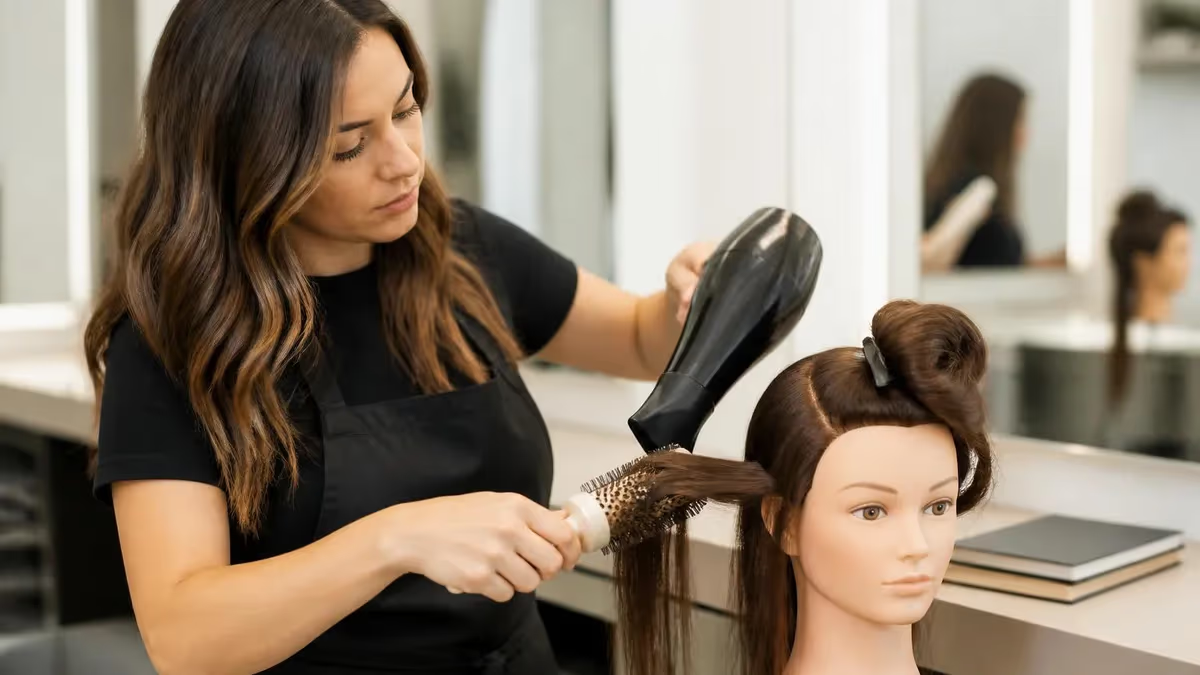
The California Board of Barbering and Cosmetology is the state agency that decides who gets to cut, color, shape, or shave hair for money in California. If you want a license here, you go through this board. If you want to keep working without trouble, you stay on the right side of its rules. That is the whole deal in one sentence, and yet candidates still get tripped up by paperwork, fees, and exam logistics every single week.
You do not need to memorize the entire Business and Professions Code to pass and stay licensed. You need a clear map. Which license fits the work you want to do? How many hours of training does the board demand? What does the written exam actually look like? How does renewal work once you are in? This guide walks through all of that in plain English, with the small details that trip up real applicants.
Whether you are a high schooler picking a beauty school, an out-of-state stylist trying to move to California, or a salon owner trying to keep your establishment license clean, the same rulebook applies. The trick is knowing which pages matter for your situation. Let's break it down.
California Board Licensing at a Glance
Key Facts at a Glance
| Item | Value | Details |
|---|---|---|
| Hours required for a cosmetology license from a California board-approved school | 1,000+ | |
| Approximate hours for a barber training program in California | 1,500 | |
| Passing score on the written licensing exam, scaled across exam forms | 75% | |
| Standard license renewal cycle, starting the day your license is issued | 2 years |
Those four numbers cover most of what early candidates ask about. A cosmetology applicant in California needs a thousand hours minimum from a board-approved school, plus documentation showing the program was completed under instructor supervision. Barbers run a similar track, though hour counts vary based on legislative updates and pre-apprenticeship credit. The 75 percent passing mark applies to the written portion of the licensing exam administered through the contracted testing vendor.
Renewal is straightforward in theory. Pay the fee, certify your continuing health and safety knowledge, and keep your address current with the board. In practice, lapsed licenses pile up because professionals move, change names, or simply forget the two-year cycle. We will get to that.
One thing worth flagging early: every state runs its own licensing board, and California's hour minimum is on the higher end nationally. If you come from a state with shorter training requirements, you will likely need extra documentation or supplemental hours to qualify. Reciprocity is partial, not automatic, and the board reviews each out-of-state application individually.
Worth noting: the board also licenses schools themselves. If you graduated from an unapproved program, your hours do not count, no matter how many you logged. Always confirm a school's board approval status before enrolling. The board publishes a current list of approved schools on its website, and a quick check there can save you years of wasted time.
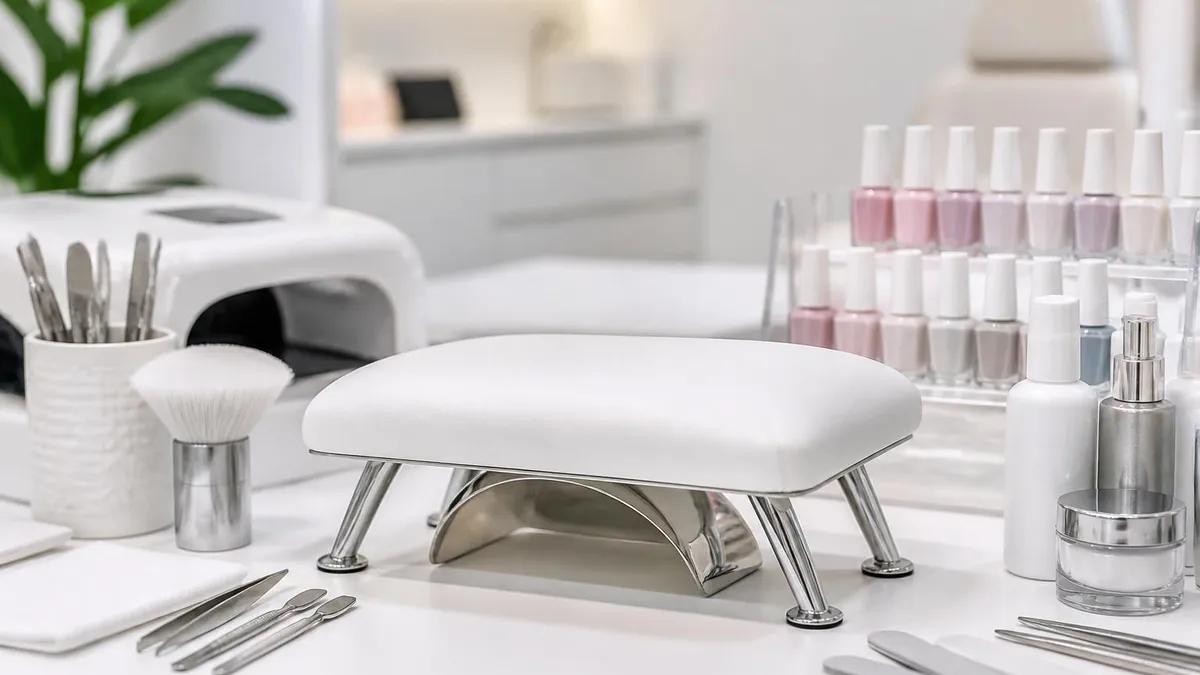
You need a license from the board if you perform any service for compensation that touches hair, skin, nails, or scalp under the categories the board regulates. That includes cosmetologists, barbers, estheticians, electrologists, and manicurists. Salon owners need a separate establishment license for the physical location. Instructors at beauty schools carry their own credential. Working without the right license is not just risky, it carries citations, fines, and disqualification from future applications. Even unpaid services to friends and family can become regulated activity if they happen inside a licensed establishment, so understand the scope before you offer a free trim in a salon chair.
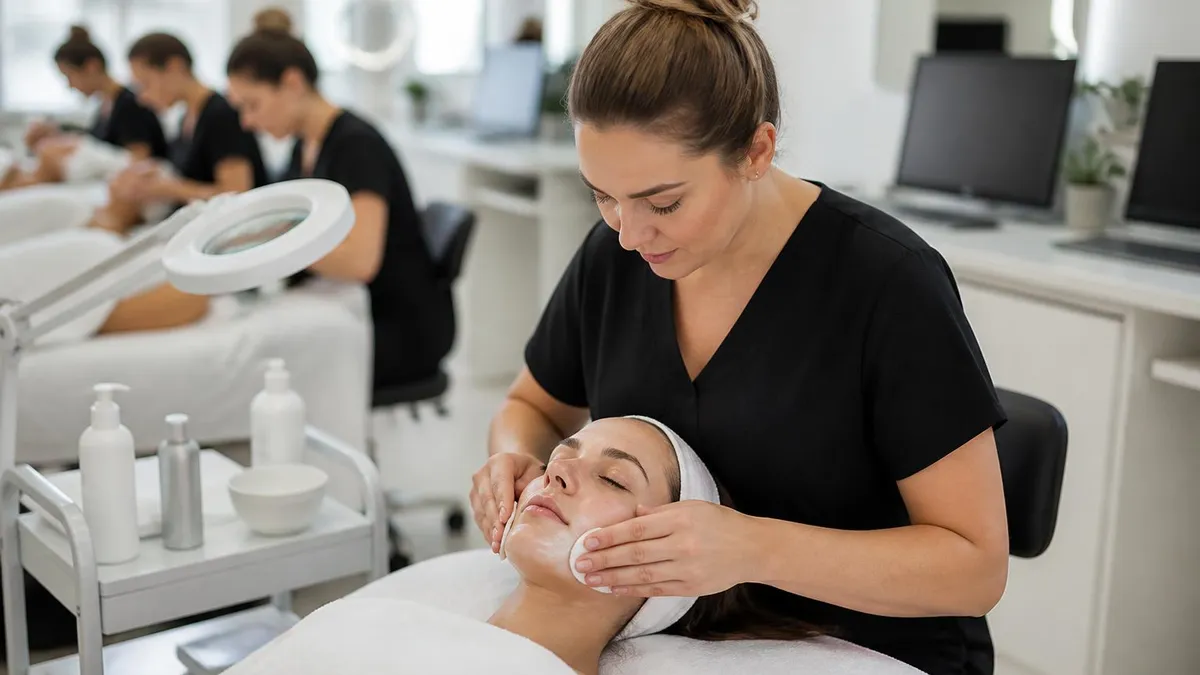
The board separates its license types more carefully than people expect. A cosmetology license covers hair, skin, and nails broadly. An esthetician license covers skin care only, including facials, waxing, and limited chemical exfoliation. A manicurist license covers nails and hands. An electrology license covers permanent hair removal via electric current. Barbering covers hair cutting and shaving, with chemical service permissions that overlap cosmetology in some areas.
This matters because plenty of new graduates assume one license unlocks everything. It does not. A licensed manicurist cannot legally wax a client's eyebrows in California, for example, even though the services often live in the same salon. Knowing the scope of your specific license keeps you out of complaint files.
Scope creep is the number one complaint type the board investigates. Clients report a service that the licensee was not authorized to perform, the board reviews, and a citation follows. Stay inside your scope. If you want to add services, add the corresponding license. Several California professionals carry dual credentials, such as cosmetology plus electrology, to expand legally.
Even within scope, certain procedures require specific training and signed competency documentation. Chemical relaxers, color corrections, and lash extensions are common examples where the board expects you to have demonstrable skill before you take a paying client. Salons that move stylists into chemical work too fast tend to generate the most board complaints. Slow your roll, document your competency, and protect your license.
License Categories the Board Issues
Full scope across hair, skin, and nail services for compensation. Requires 1,000 plus training hours from a board-approved school. The most flexible license type and the most common path for California professionals working in salons.
Hair cutting, shaving with straight razor, and certain chemical services including bleaching and coloring. Separate exam track from cosmetology and a separate scope of practice. Common license for traditional barbershops focused on men's grooming.
Skin care services including facials, makeup application, waxing, and limited chemical exfoliation. Roughly 600 training hours typically required. A focused license that pairs well with spa or medical aesthetic clinic employment.
Nail care services including manicures, pedicures, sculpted nails, and gel polish application. Shortest training path of any license category, around 400 hours. Great entry point but narrow in scope.
Permanent hair removal using electric current. Specialized track with separate exam and limited applicant pool. Often combined with esthetics or medical aesthetic practice for a complete hair removal service menu.
License for the physical salon, shop, or spa, held by the owner or designated responsible party. Required before opening doors to the public, regardless of how many practitioners work inside.
Each category has its own application packet, fee schedule, and exam content outline. Mixing them up wastes weeks. Before you submit anything, confirm with your school registrar that the program code on your proof-of-training matches the license category you want. Schools occasionally enroll students in a combined or cross-listed program and forget to clarify which credential the student is actually chasing. You catch that mistake on graduation day, not before.
If you trained out of state, the rules change. California uses a separate evaluation process for applicants licensed elsewhere, and reciprocity is partial rather than automatic. You may need to log additional hours, sit for the California-specific written exam, or both. The board's website lists the current state-by-state evaluation chart.
Exam Day Breakdown by License Type
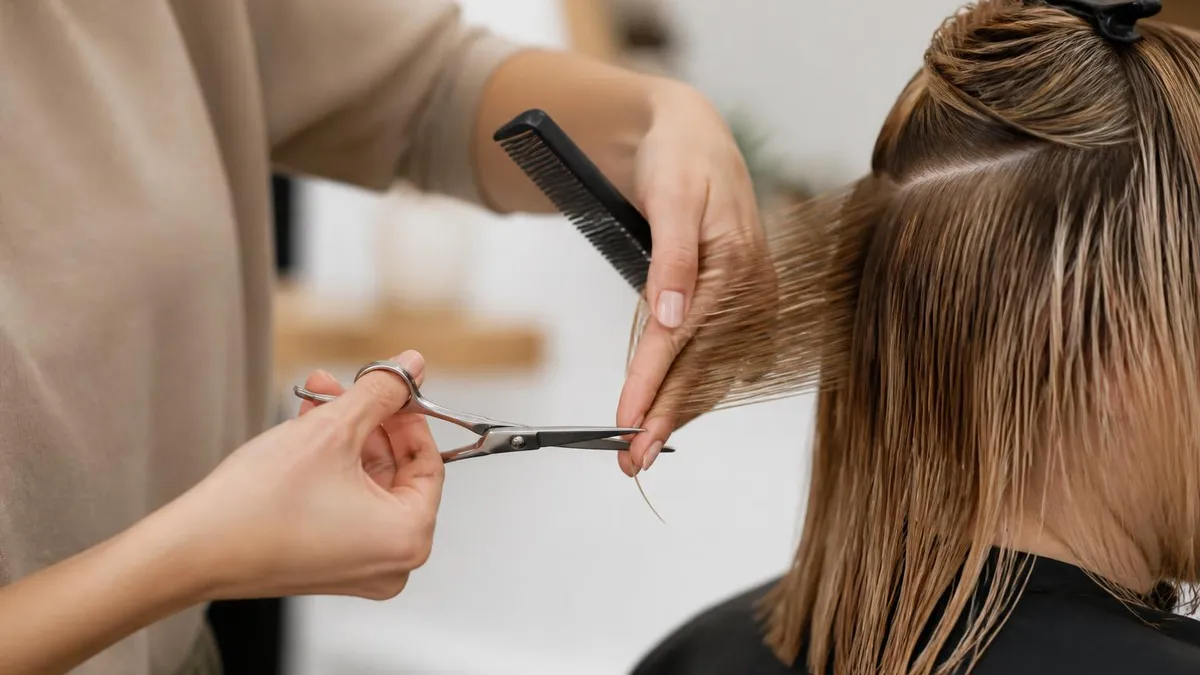
California eliminated live practical exams for cosmetology and esthetics during the operational overhaul a few years back, leaning instead on a more rigorous written test combined with school-based competency verification. Barbering retained its practical for now, though every applicant should check the board's current bulletin before relying on yesterday's information. Rules shift, and the board publishes the active version on its candidate information page.
Test day logistics matter as much as content. You report to a contracted Pearson VUE test center, present a valid government photo ID matching your application name exactly, and complete the exam on a workstation. No notes. No phones. A simple calculator may be provided if any item requires one. You receive your score before leaving the test center, which is both useful and stressful.
Plan to arrive 30 minutes early. The check-in process includes biometric verification and a personal belongings storage step. Late arrivals lose their slot and may forfeit the fee depending on policy at the time. Read the candidate handbook before you leave home, then read it again the morning of.
Test anxiety is real, and the board's contracted testing vendor offers some accommodations for documented disabilities. Apply for accommodations before scheduling, not during check-in. The accommodations team reviews requests separately, and approvals typically take a couple of weeks. Asking on test day will not work.
If the name on your photo ID does not match the name on your exam confirmation, you will not test that day. The board does not allow same-day corrections. Update your application or your ID before booking. Recent name changes due to marriage are the most common cause of canceled appointments, followed by mismatched middle initials. Plan ahead by at least 30 days if you are in the middle of any legal name change. Expired IDs also disqualify you from testing, so check that expiration date when you confirm your appointment.
The application sequence trips up first-time candidates more than the exam itself. You finish your hours at school, your school submits a Proof of Training form, and only then can you submit a complete application packet with your fee. The board reviews, sometimes requests additional documentation, and eventually issues an Authorization to Test. With that authorization, you schedule your exam directly with the testing vendor. The window between submission and ATT can stretch from two weeks to two months depending on board workload.
Speed yourself up by submitting a clean packet. That means legible forms, correct fee, proof of training in the correct format, and any required identity verification. The single most common reason for rejection is a Proof of Training discrepancy: hours that do not add up, signature missing, or school code wrong. Talk to your registrar before mailing anything.
The application packet is also where many candidates encounter the moral character or disclosure questions for the first time. The board asks about prior convictions, disciplinary actions in other states, and certain unresolved obligations. Honesty here is mandatory. The board has access to background databases and cross-references answers. A non-disclosure that surfaces later can cost you the license entirely, even when the underlying issue would not have disqualified you.
Application Checklist Before You Mail
- ✓Completed application form signed and dated, with your name printed exactly as on your government photo ID — mismatched names cause weeks of delay
- ✓Proof of Training form submitted directly by your school showing total verified hours by license category, with the registrar signature and school code
- ✓Application fee paid by check, money order, or accepted electronic payment method, in the correct amount for your specific license type and current rate schedule
- ✓Photocopy of valid government photo identification, legible, unexpired, and showing your current legal name in full
- ✓Social Security number provided on the application form, required for license issuance under state and federal law
- ✓Out-of-state applicants only: official license verification from your previous state's licensing authority sent directly to the California board, not through your hands
- ✓Full disclosure of any prior convictions, disciplinary actions, or pending obligations as requested in the moral character section of the application
- ✓Current mailing address that you check regularly, because all board correspondence including your Authorization to Test will arrive there
Once you receive your license, the relationship with the board does not end. You will renew every two years, and the renewal cycle starts the day your license is issued. The board mails a renewal notice to your address on file roughly 60 days before expiration, but the legal responsibility to renew sits with you, not the board. Lost mail is not a defense. Keep your address current online through the BreEZe portal.
Renewal fees vary by license type and are subject to legislative change. Pay through the portal to avoid mailing delays. If your license expires, you enter a delinquent period during which you cannot legally work. Working on a lapsed license generates a citation and back-fees. A license expired more than three years requires full reapplication and possibly re-examination, depending on the rule current at the time of your reapplication.
The board also requires that you keep proof of identity, address, and any name change on file. Marriage, divorce, or legal name updates need to be reflected in your license record within a reasonable window. Inspectors who visit salons can check that the name on the wall license matches the name on the licensee's ID. A small administrative gap can trigger a citation that takes time and fees to clear.
One more renewal detail. The board requires that license holders maintain current emergency contact information and respond to inquiries within stated windows. Failure to respond to a board inquiry, even on a simple administrative matter, can escalate into a disciplinary citation. Treat any letter from the board as priority mail. Open it the day it arrives. If you are not sure how to respond, call the board's licensee services line before the deadline on the letter.
Choosing the California Board Path
- + —
- + —
- + —
- + —
- + —
- − —
- − —
- − —
- − —
- − —
Some applicants weigh California against neighboring states with shorter hour requirements and consider training elsewhere first, then transferring. That math sometimes works, but it depends on whether the other state's program meets California's evaluation rubric and whether the exam content is comparable. A few hours saved in school can become months lost in evaluation paperwork. Talk to admissions at any California school before you commit to that path, because they have seen every variant.
The other route worth understanding is apprenticeship. California allows apprenticeship-based training for barbering and cosmetology under a Department of Industrial Relations program, with a longer total clock of supervised hours but an earned-while-you-learn structure. Apprenticeship has its own rules and is not faster, but it is paid. Schools and shops that participate are listed through the apprenticeship coordinator and the board's resource pages.
Cost matters too. Beauty school tuition in California ranges widely. Public community college cosmetology programs run cheapest, sometimes a few thousand dollars total. Private schools can charge ten thousand or more. Apprenticeship pays you while you train. Run the numbers honestly before you sign loan paperwork. Many graduates regret their school choice within the first two years of working, usually because of debt that did not match their post-license earning reality.
The salon you choose for your first job also shapes your early career more than most graduates realize. A shop with strong mentorship and a steady client flow lets you build technique on real heads of hair, not mannequins. A booth-rental shop with no mentorship can leave a new licensee underbooked and undertrained. Visit before you commit. Ask current renters how often they fill their books. Ask about chemical service support. The questions you ask in that interview filter the shops that will help you grow from the ones that will only collect rent.
CBBC Questions and Answers
The California Board of Barbering and Cosmetology runs the gate, but it is a gate you can walk through with the right preparation. Pick the license category that matches the work you actually want to do. Confirm your school's program code and Proof of Training before you graduate. Submit a clean application packet with the right fee. Book your written exam with name details that match your ID exactly. Pass at 75 percent. Renew every two years through BreEZe. Keep your address current.
Most professionals who fall behind on their license obligations do so because they treat the board as a one-time hurdle rather than an ongoing relationship. The board is a permanent fixture in your career, like your social security number or your state tax return. Build the renewal date into your calendar the day you receive your license. Bookmark the BreEZe portal. Save a digital copy of your wall license in case the original gets damaged or stolen. The professionals who do these small things keep their books clean for decades.
If you are still in the planning phase, use practice exams to gauge your readiness before you spend the testing fee. Working through a strong question bank reveals the content gaps that lecture and clinical hours can hide. Hair color theory, scalp disorders, infection control protocols, and California-specific law are the four areas where unprepared candidates lose the most points. Drill those areas, and the rest of the test rewards your school training.
One last thought. Treat the board's website like a tool, not an enemy. Bookmark the candidate information bulletin, the BreEZe login, and the contact page for your license category. When rules change, the board posts updates. Read those updates. The professionals who keep an eye on their licensing authority avoid most of the surprises that cost their colleagues money and time. That is the path from beauty school to a working California license, walked correctly the first time and maintained correctly thereafter.
Finally, a quick word about staying current after you license. Trade publications, board newsletters, and reputable continuing education courses keep your skills sharp and your knowledge of the regulatory environment fresh. The cosmetology and barbering industries evolve, and so does the law. The professionals who treat education as ongoing, not as a one-time school requirement, are the ones who build long careers and avoid the citations that derail less attentive colleagues. Bookmark, read, and keep learning every year you hold this license.
Learn more in our guide on Cosmetology Practice Test PDF (Free Printable 2026). Learn more in our guide on board of barbering and cosmetology. Learn more in our guide on cosmetology state board. Learn more in our guide on cosmetology colleges in dallas.
About the Author
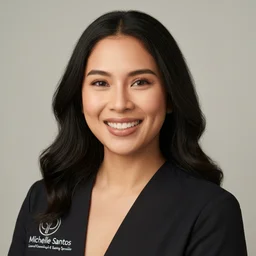
Licensed Cosmetologist & Beauty Licensing Exam Specialist
Paul Mitchell SchoolsMichelle Santos is a licensed cosmetologist with a Bachelor of Science in Esthetics and Salon Management from Paul Mitchell School. She has 16 years of salon industry experience and 8 years preparing students for state cosmetology board exams in theory, practical skills, and sanitation. She specializes in licensure preparation for cosmetologists, estheticians, and nail technicians.