
Milady Cosmetology Book: Complete Guide to the Industry Standard Textbook
Comprehensive guide to the Milady Cosmetology textbook covering chapters, 📚 study strategies, editions, supplements, and exam preparation for cosmetology...
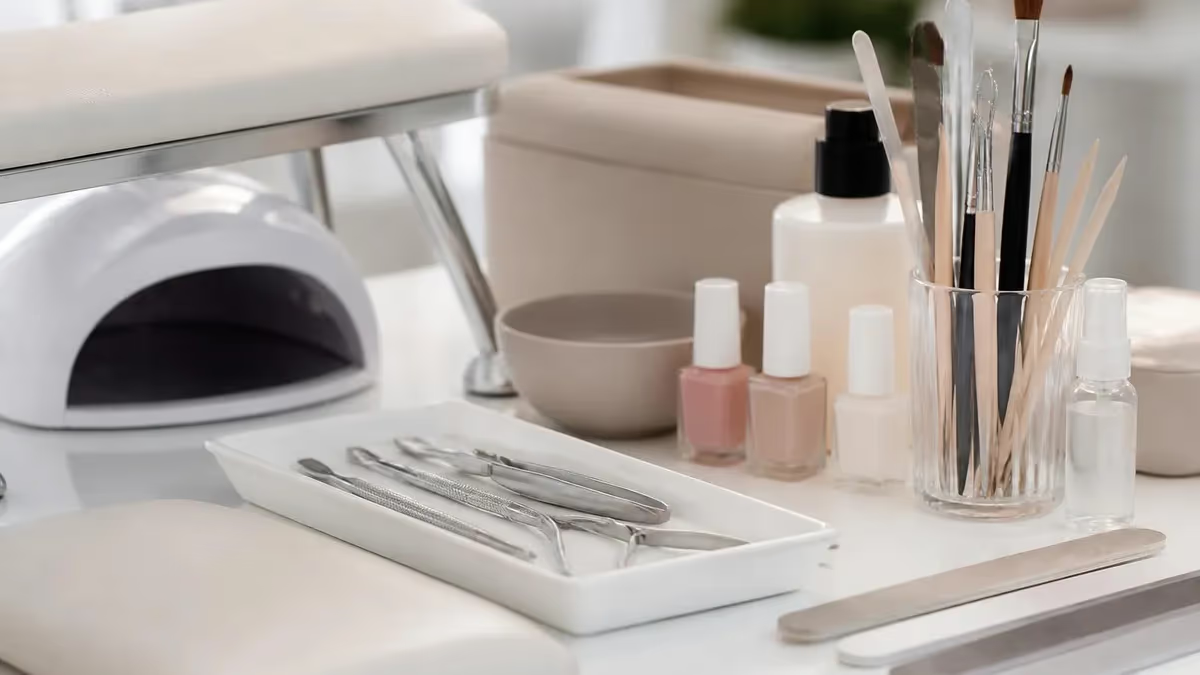
The Milady Standard Cosmetology textbook has served as the industry-standard reference for cosmetology education in the United States for over 80 years. Generations of cosmetology students have used this comprehensive textbook to prepare for state board licensing examinations and professional careers in the beauty industry. The book covers everything from foundational sciences including chemistry and anatomy through technical skills covering hair, skin, and nail services. Understanding how to effectively use the Milady textbook produces substantially better outcomes for cosmetology students preparing for both their state board exam and their professional careers.
The current edition of Milady Standard Cosmetology represents decades of refinement reflecting changes in cosmetology practice, scientific understanding, regulatory requirements, and educational best practices. Earlier editions established the foundational structure that continues today while modern editions incorporate digital learning resources, updated infection control protocols reflecting current health concerns, and contemporary techniques in hair coloring, cutting, styling, and other service categories. The publisher Cengage maintains active development of the textbook supporting its continued relevance as the dominant cosmetology educational resource.
Cosmetology students typically encounter the Milady textbook on the first day of their training program with the book remaining their primary reference throughout the entire educational journey. Most cosmetology schools structure their curriculum around the Milady textbook chapters with classroom instruction, demonstrations, and practical skills training all aligning with textbook content. The deep integration between Milady and cosmetology education means understanding the textbook structure directly supports academic success in cosmetology programs across the country.
The author legacy behind Milady reflects generations of cosmetology educators contributing to its development. Original publication dates back to early 20th century beauty industry growth. Successive editions have incorporated contributions from leading cosmetology educators and industry professionals refining content over decades.
Editorial development teams at Cengage Learning manage modern editions ensuring contemporary accuracy. Subject matter experts review specific content areas while general editors maintain consistency across the comprehensive textbook supporting reliable educational quality across all topics covered.
Mobile study options have transformed how cosmetology students can engage with Milady content during their programs. PDF versions of the textbook accessed through tablets enable study during commutes, lunch breaks, and other small time windows that would otherwise be lost to entertainment scrolling. The flexibility supports busy adult learners juggling cosmetology school with work and family responsibilities. Combining mobile study with dedicated home study sessions produces effective use of limited available time across the demanding cosmetology program duration.
Networking opportunities during cosmetology school produce relationships supporting career success beyond licensure. Classmates often become colleagues at salons across the area. Instructors provide professional references and may know of employment opportunities. Industry connections developed during school produce ongoing professional support throughout cosmetology careers. The relationship building aspect of cosmetology school deserves attention alongside textbook mastery and practical skills development for comprehensive program success.
The Milady Standard Cosmetology textbook is the industry standard for cosmetology education in the United States. The current edition contains approximately 1,000 pages covering all topics tested on state board examinations. The textbook is organized into five major sections covering orientation, general sciences, hair services, skin services, and nail services with chapter-level detail throughout.
The textbook integrates with school curriculum nationwide. Most accredited cosmetology programs use Milady as their primary textbook supporting consistent educational quality and state board preparation across diverse program structures.
The textbook organization follows a logical progression from foundational concepts through specific service techniques supporting student learning throughout the cosmetology program. The opening orientation section introduces cosmetology as a profession, professional image, and communication skills. The general sciences section covers infection control, anatomy and physiology, chemistry, electricity, and basic principles underlying all cosmetology services. Subsequent sections address hair services in greatest depth reflecting hair work as the largest portion of typical cosmetology practice followed by sections on skin services and nail services that round out the comprehensive coverage.
Chapter structure within each major section follows consistent formatting supporting student learning. Each chapter opens with learning objectives identifying what students should master from the material. The chapter body presents content through text, photographs, illustrations, and step-by-step procedural diagrams for technical skills. Sidebar features include focus on safety highlighting important health and safety considerations, focus on success providing professional development insights, and key terms with definitions supporting vocabulary development. End-of-chapter review questions help students verify their understanding before moving to subsequent chapters.
The book design philosophy emphasizes visual learning alongside text content. Hundreds of color photographs demonstrate procedural sequences. Detailed illustrations show anatomical structures and chemical reactions. The visual emphasis supports diverse learning preferences accommodating students who learn better through imagery than text descriptions alone.
Layout decisions affect study efficiency with content organization. Numbered procedural steps support sequential learning. Sidebar features separate supplementary content from main text avoiding interruption of primary content flow. The thoughtful design supports navigation during both initial reading and later reference work consulting specific topics.
Test anxiety management complements content mastery for state board examination success. Many cosmetology students experience substantial anxiety about state board examinations particularly the practical skills component. Anxiety management techniques including deep breathing, visualization, and adequate sleep before examinations support performance reaching the level of content mastery achieved during study. Some test takers benefit from anxiety counseling or workshops specifically addressing examination performance under pressure.
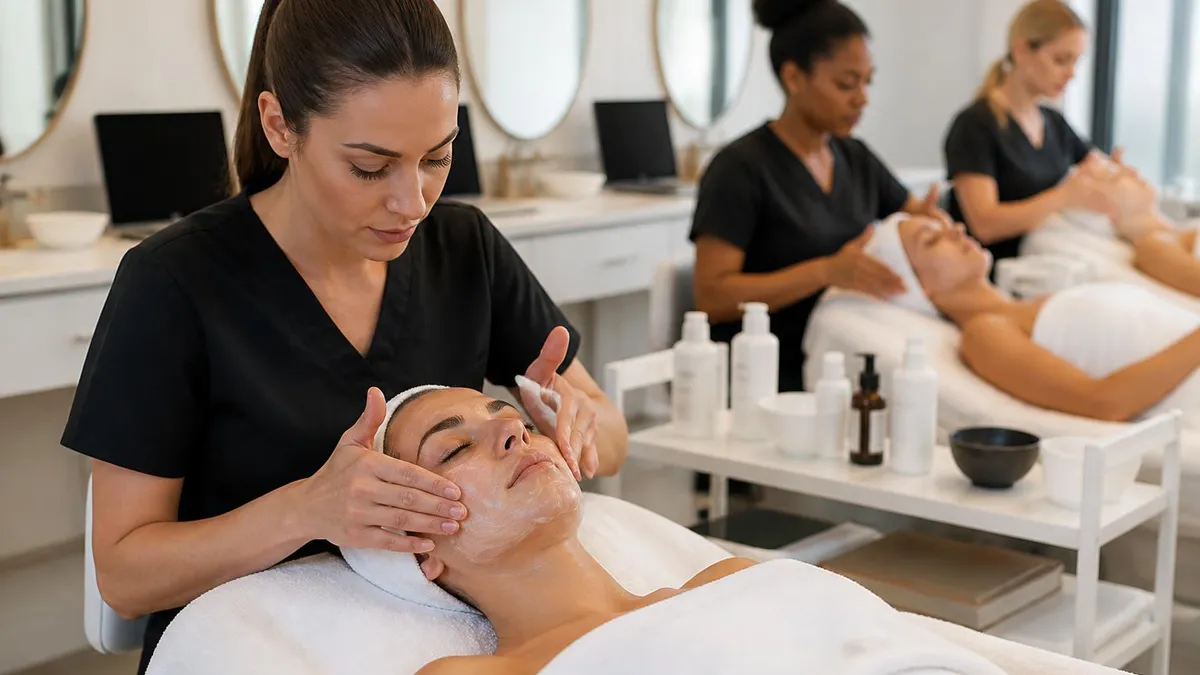
Major Sections of Milady Cosmetology
Covers history of cosmetology, professional image, communication skills, and life skills. Foundation chapters establishing context for cosmetology careers. This content aligns with state board examination expectations across most jurisdictions in the United States.
Infection control, anatomy, chemistry, electricity, and basic principles. Scientific foundation supporting safe and effective cosmetology practice. This content aligns with state board examination expectations across most jurisdictions in the United States.
Largest section covering hair structure, properties, cutting, styling, braiding, coloring, chemical texturing, and hair extensions. Core cosmetology services. This content aligns with state board examination expectations across most jurisdictions in the United States.
Skin structure, disorders, facials, makeup, hair removal, and advanced topics in esthetics work. Skin care fundamentals for cosmetologists. This content aligns with state board examination expectations across most jurisdictions in the United States.
Nail structure, manicuring, pedicuring, nail tips, wraps, monomer liquid and polymer powder products, and gel systems. Complete nail care coverage. This content aligns with state board examination expectations across most jurisdictions in the United States.
The Milady textbook serves multiple educational purposes throughout cosmetology programs. As a reference resource, students consult specific chapters when learning new techniques or reviewing material for assessments. As a comprehensive coverage tool, the textbook ensures students encounter all topics state boards consider essential for licensure. As a procedural guide, step-by-step photo sequences demonstrate proper technique for hundreds of cosmetology services. As an exam preparation resource, the comprehensive coverage and end-of-chapter review questions support state board examination preparation throughout the program rather than just at the end.
Digital learning resources increasingly complement the printed textbook in modern cosmetology education. MindTap and other Cengage digital platforms provide interactive learning experiences including videos, quizzes, and adaptive learning paths that personalize instruction based on individual student progress. The digital components support contemporary learners who prefer multimedia content while preserving the comprehensive printed textbook for students who prefer traditional reading and reference work. Many schools require both digital access and physical textbook ownership giving students multiple ways to engage with the material.
Cosmetology school selection often considers Milady integration with curriculum design. Most accredited cosmetology schools structure their curriculum around Milady chapters supporting students who choose schools with strong Milady alignment. Some specialized programs may use additional or alternative textbooks though Milady remains dominant across the industry.
The textbook serves multiple stakeholder needs beyond just student learning. Instructors use Milady as the basis for lesson plans. School administrators ensure curriculum coverage matches state requirements. State boards reference Milady content when developing examination questions. The multiple stakeholder roles produce strong industry alignment around Milady as the cosmetology educational standard.
Post-licensure career development continues beyond state board success into ongoing professional growth. The skills foundation Milady establishes supports lifelong learning as cosmetology practice evolves. New techniques emerge requiring continuing education. Product innovations introduce different chemistry that builds on Milady foundations. Professional development beyond initial licensure distinguishes cosmetologists who continue advancing from those who plateau at entry-level competence after licensure achievement.
Study Methods for the Milady Textbook
Active reading approaches the textbook material engagingly rather than passively. Highlight key terms, write notes in margins, and pause regularly to summarize what you have read. The active engagement substantially improves retention compared to passive reading that produces minimal long-term learning. Active reading takes longer but produces better results for state board examination preparation.
The specific study approach should match individual learning preferences with most students benefiting from combining multiple methods rather than relying on single approaches alone.
State board examination preparation represents a primary purpose for Milady textbook study throughout cosmetology programs. State boards test on content directly covered in Milady making the textbook essentially the foundation for state board success. The comprehensive nature of Milady means students who genuinely master textbook content possess the knowledge state boards expect for licensure. Examination preparation should integrate textbook study with practice questions, hands-on skills practice, and review of state-specific requirements that supplement the general cosmetology knowledge Milady provides.
The role of Milady extends beyond just initial cosmetology education to ongoing professional reference throughout careers. Many licensed cosmetologists retain their Milady textbook as a professional reference for occasional consultation when encountering unusual situations or rare service requests. The comprehensive coverage means Milady can answer questions years after initial cosmetology education when memory of specific details has faded. Some cosmetologists update to newer editions periodically to maintain access to current information as cosmetology practice evolves.
International cosmetology education sometimes uses Milady though many countries have their own cosmetology textbooks. The American focus of Milady covers United States licensing requirements specifically. International students attending American cosmetology programs use the same Milady textbook as domestic students. International cosmetology programs typically use local textbooks reflecting their specific regulatory environments and cultural practices.

Outdated editions of Milady may contain procedures or product information that has been updated in newer editions. Always verify whether your school requires a specific edition before purchasing. Edition differences particularly affect chemistry chapters, infection control information, and discussion of newer product categories that have emerged since older editions were published.
Verify edition requirements with your school before purchasing to avoid buying wrong editions. Some schools use specific editions for curriculum alignment though most use the current edition.
Edition variations across Milady history affect which textbook version cosmetology programs require. Newer editions reflect updated scientific understanding, regulatory changes, and contemporary professional practices. Older editions may be available at lower prices but typically lack current information particularly around infection control protocols that have substantially updated following recent public health events. Students should verify edition requirements with their specific school before purchasing to ensure they obtain the version that aligns with curriculum and instructor expectations.
Purchasing options for Milady textbooks include new printed copies, used printed copies, digital editions, and bundled packages including digital resources. New printed copies cost approximately 100 to 150 dollars depending on edition and retailer. Used copies sell for substantially less though may have markings or missing supplements affecting their utility. Digital editions provide convenience for students preferring electronic access while bundled packages including MindTap or other digital platforms add interactive learning resources. Most cosmetology schools provide specific purchase recommendations or supply textbooks as part of program enrollment.
Adult learner considerations affect how cosmetology students engage with Milady. Many cosmetology students are adult career changers rather than recent high school graduates. Adult learning approaches benefit from connecting new cosmetology content to existing life knowledge. Returning to academic study after years in other fields can challenge adult learners initially though motivation typically exceeds traditional college students producing strong outcomes despite study skill rust.
Getting the Most From Your Milady Textbook
- ✓Read learning objectives at chapter start to identify what you need to master from the material
- ✓Take notes during initial reading capturing key concepts, vocabulary, and procedural steps
- ✓Complete end-of-chapter review questions before moving to subsequent chapters
- ✓Review safety focus sidebars carefully as state boards emphasize infection control and safety
- ✓Create flashcards for key terms and definitions to support vocabulary mastery
- ✓Practice procedural skills using textbook photo sequences as reference guides during practice
- ✓Schedule periodic reviews of earlier chapters to maintain knowledge as program progresses
- ✓Connect with classmates for study group sessions to deepen understanding through teaching and discussion
- ✓Maintain consistent daily study time throughout the program rather than cramming before examinations
Specific chapter focus areas reflect their importance on state board examinations and in professional practice. Infection control receives particular attention from state boards making thorough mastery of these chapters essential for both examination success and safe professional practice. Hair structure, properties, and chemistry chapters provide foundational knowledge underlying nearly all hair services making mastery important even though direct examination questions on chemistry may seem disconnected from daily practice. Procedural chapters require both reading and physical practice with hands-on skills work in the school clinic supplementing textbook study.
Note-taking strategies during Milady study substantially affect long-term retention and examination performance. Effective note-taking captures essential concepts rather than copying textbook content verbatim. Cornell note-taking systems with question prompts in margins support active recall during review sessions. Concept mapping connects related ideas visually supporting understanding of how cosmetology concepts interrelate. Personal preferences for note-taking approaches vary across students with the best approach being whatever method consistently engages individual learners with the material throughout the program.
Test-taking strategies for state board examinations build on Milady content mastery. Reading questions carefully before considering answer options. Eliminating obviously incorrect options first. Watching for absolute terms like always and never that often indicate incorrect options. Managing time across the examination avoiding excessive time on individual questions. The strategic approaches combine with content knowledge from Milady producing the strongest examination performance.
Group study approaches with Milady textbook can supplement individual study supporting learning through teaching others. Study groups work best when participants come prepared with their own initial study completed allowing discussion to deepen understanding rather than substituting for individual work. Quizzing each other on key terms and procedural steps reinforces memory while explaining concepts to study partners produces deeper personal understanding than reading alone. Online study groups through video calls have expanded options for cosmetology students in different programs or locations to collaborate during their education.
Supplementary resources beyond just the textbook itself support comprehensive examination preparation. Practice examination books from various publishers provide additional question practice beyond the end-of-chapter questions in Milady. Mobile apps offering practice questions and flashcards make study possible during commutes and other downtime. Online video resources from instructors and successful cosmetologists demonstrate procedural skills visually supplementing textbook diagrams. State-specific exam prep resources address jurisdictional details that general resources like Milady may not cover in sufficient depth for specific state boards.
Career path planning during cosmetology education benefits from understanding the comprehensive scope Milady covers. Some cosmetologists pursue salon employment immediately after licensure. Others specialize in specific service areas like hair coloring or skincare. Some advance to salon ownership or management positions. Some teach cosmetology themselves at trade schools. The broad foundation Milady provides supports diverse career paths within the beauty industry beyond just basic cosmetology practice.
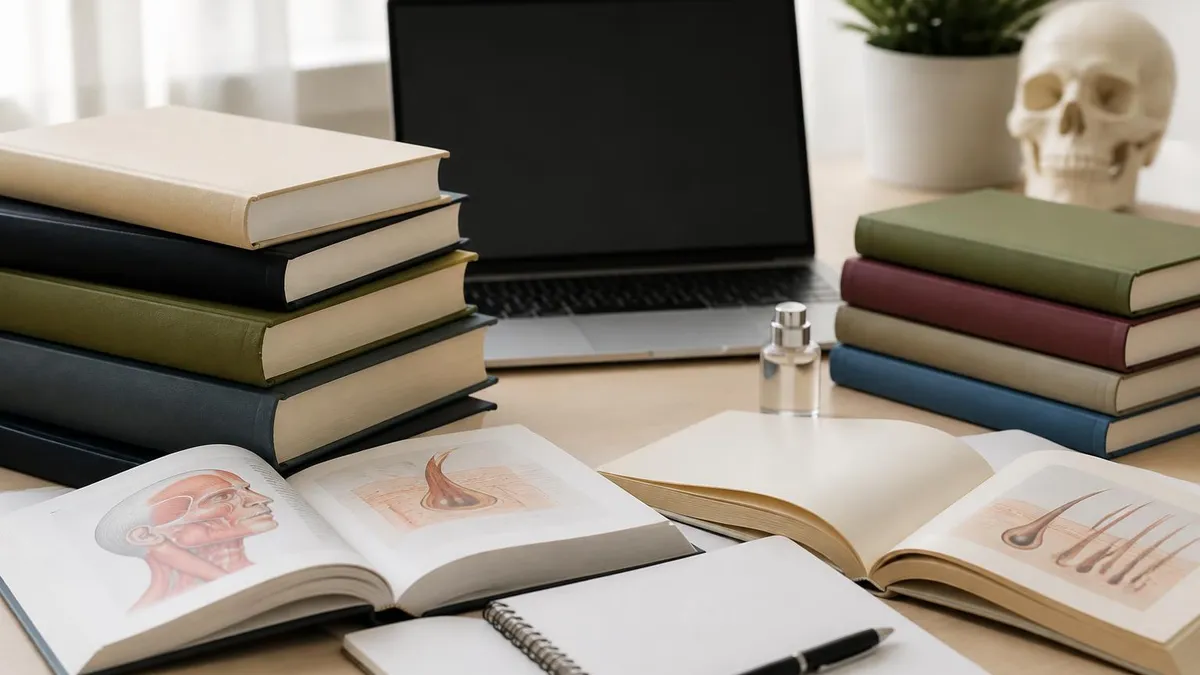
Milady Cosmetology By the Numbers
Milady Companion Resources
Interactive online learning environment with videos, adaptive learning paths, and assessments complementing the printed textbook for engaged digital learners. This content aligns with state board examination expectations across most jurisdictions in the United States.
Companion workbook with practice questions, vocabulary exercises, and chapter reviews supporting active learning beyond just textbook reading alone. This content aligns with state board examination expectations across most jurisdictions in the United States.
Focused on the science and theory portions of cosmetology education with structured exercises building understanding of foundational concepts. This content aligns with state board examination expectations across most jurisdictions in the United States.
Concentrated review resource for final state board exam preparation with practice tests and key information summaries from the comprehensive textbook. This content aligns with state board examination expectations across most jurisdictions in the United States.
Milady is available in Spanish translation supporting Spanish-speaking students and dual-language learning approaches that benefit from comparison reading. This content aligns with state board examination expectations across most jurisdictions in the United States.
Teaching guides, presentation materials, and assessment tools supporting cosmetology instructors who teach using the Milady textbook in their programs. This content aligns with state board examination expectations across most jurisdictions in the United States.
Long-term retention of Milady content benefits from spaced repetition rather than concentrated cramming. Reviewing material at increasing intervals after initial learning consolidates knowledge into long-term memory more effectively than repeated immediate review. Apps using spaced repetition algorithms support this evidence-based approach to memorization. Cosmetology programs lasting 9 to 15 months provide substantial time for spaced repetition approaches though many students wait until final exam preparation periods losing opportunities for the more effective spaced approach.
The transition from student use of Milady to professional reference use reflects how cosmetologists relate to the textbook over their careers. During school, Milady serves as the primary learning resource consulted constantly. During initial career years, the textbook becomes occasional reference for unfamiliar situations. During mid-career, many cosmetologists rarely consult Milady as routine practice covers what they encounter. During specialization or technique expansion, cosmetologists may return to Milady for foundational review or initial study of new service areas they want to add to their practice scope.
Continuing education requirements after initial licensure produce ongoing engagement with cosmetology knowledge. State requirements for license renewal typically include continuing education hours covering safety, sanitation, and new techniques. Some continuing education courses reference current Milady editions or use Milady as supplementary material. The ongoing learning supports career-long professional development beyond just initial licensure achievement.
Milady Cosmetology Textbook Considerations
- + —
- + —
- + —
- + —
- + —
- + —
- − —
- − —
- − —
- − —
- − —
- − —
Cosmetology Questions and Answers
About the Author

Licensed Cosmetologist & Beauty Licensing Exam Specialist
Paul Mitchell SchoolsMichelle Santos is a licensed cosmetologist with a Bachelor of Science in Esthetics and Salon Management from Paul Mitchell School. She has 16 years of salon industry experience and 8 years preparing students for state cosmetology board exams in theory, practical skills, and sanitation. She specializes in licensure preparation for cosmetologists, estheticians, and nail technicians.