
Cosmetology Student Kit: The Complete Guide to Tools, Costs, and Checklists for 2026 September
🔎 Complete cosmetology student kit guide with checklists, costs, and tips. Find the best cosmetology school near me and prepare for your first day in 2026 September.
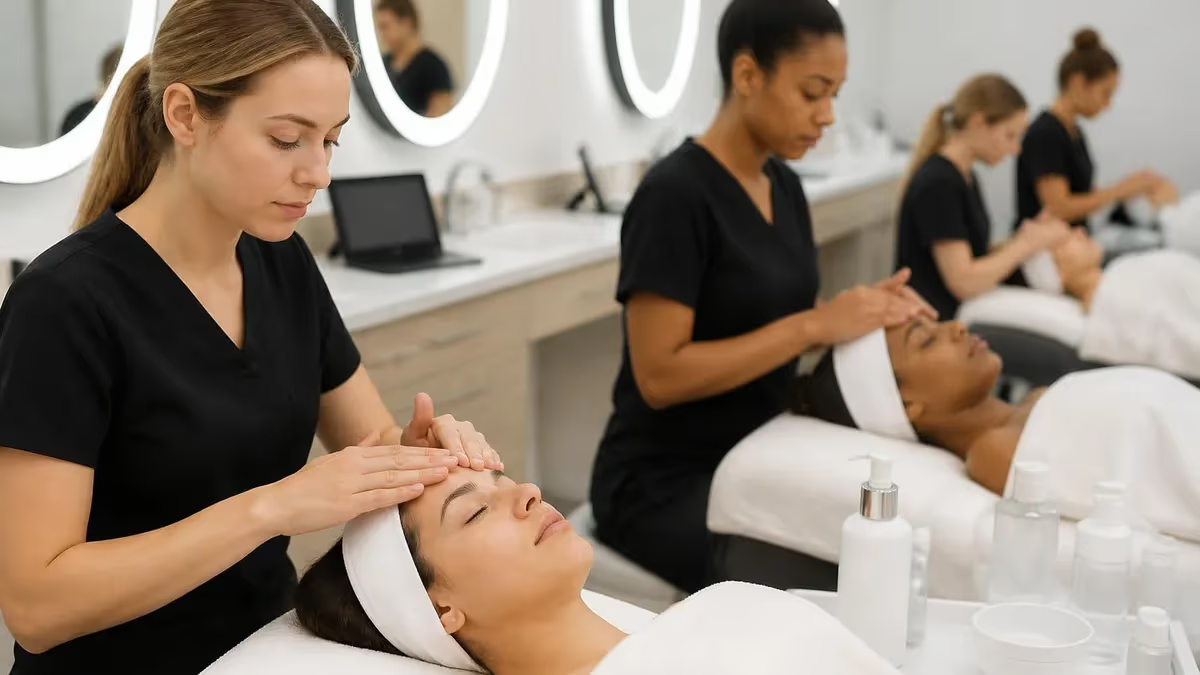
When searching for a cosmetology school near me, one of the first requirements students encounter is the cosmetology student kit. This essential collection of professional-grade tools and supplies forms the foundation of your hands-on education. Whether you are enrolling in a traditional campus program or exploring hybrid options, understanding what goes into your student kit helps you budget accurately and start training with confidence. Every aspiring cosmetology cosmetologist begins their professional journey with these carefully selected instruments ready to use on day one.
A cosmetology student kit typically includes everything from professional shears and combs to mannequin heads and chemical application tools. Most cosmetology colleges require incoming students to purchase an approved kit before their first day of practical instruction. These kits are not one-size-fits-all, however. The exact contents vary depending on your state's licensing requirements, your school's curriculum structure, and whether you plan to specialize in hair, skin, nails, or a combination of services during your training program at an accredited institution.
Understanding what is cosmetology at its core helps explain why student kits are so comprehensive. Cosmetology encompasses the art and science of beautifying hair, skin, and nails, meaning students need tools for cutting, coloring, styling, chemical treatments, facials, manicures, and more. The breadth of the profession demands a diverse set of instruments. Your student kit is essentially a portable salon that allows you to practice techniques on mannequins and eventually on real clients under direct instructor supervision in the classroom.
The cost of a cosmetology student kit ranges from approximately two hundred to over one thousand dollars depending on brand quality and comprehensiveness. Some schools bundle the kit into tuition, while others require a separate purchase. If you are wondering how much is cosmetology school overall, the kit expense is one piece of your total investment. Financial aid and payment plans may cover kit costs at certain institutions, so ask your admissions counselor about all available options early in the enrollment process before committing financially.
Many students research the alabama board of cosmetology guidelines and similar state-level resources to ensure their kit meets local standards. Each state board publishes a list of required tools and supplies students must possess before sitting for the practical licensing examination. Purchasing an approved kit from the start saves you from buying duplicate items or realizing too late that a critical tool is missing from your collection when examination day arrives. Verifying compliance early prevents costly last-minute scrambling during your final semester.
How long is cosmetology school also influences what you need in your kit and how durable those tools must be. Programs typically range from one thousand to two thousand hours spread across twelve to twenty-four months. During that time, your tools experience significant wear. Investing in durable, professional-quality items from the beginning means they will last through graduation and into your early career. Cheap alternatives might save money upfront but often need replacement before you finish your program, costing you more in the long run overall.
Cosmetology Student Kit by the Numbers
What's Inside a Cosmetology Student Kit
Professional shears, thinning shears, straight razors, and sectioning clips form the foundation. Quality steel blades maintain their edge through hundreds of practice cuts and are required for state board practical examinations.
Blow dryers, flat irons, curling irons, and brushes enable students to master styling techniques. Ceramic or tourmaline plates provide even heat distribution and protect hair from unnecessary damage during practice.
Tint brushes, foil sheets, applicator bottles, measuring cups, and protective gloves support coloring, perming, and relaxing treatments. A color wheel helps with formulation theory during chemical texture coursework.
Hospital-grade disinfectant, sanitizing containers, disposable gloves, neck strips, capes, and spray bottles ensure compliance with state health regulations rigorously tested during practical licensing examinations.
Facial sponges, extraction tools, nail files, buffers, cuticle pushers, and polish applicators complete kits for programs covering esthetics and manicuring modules in their curriculum.
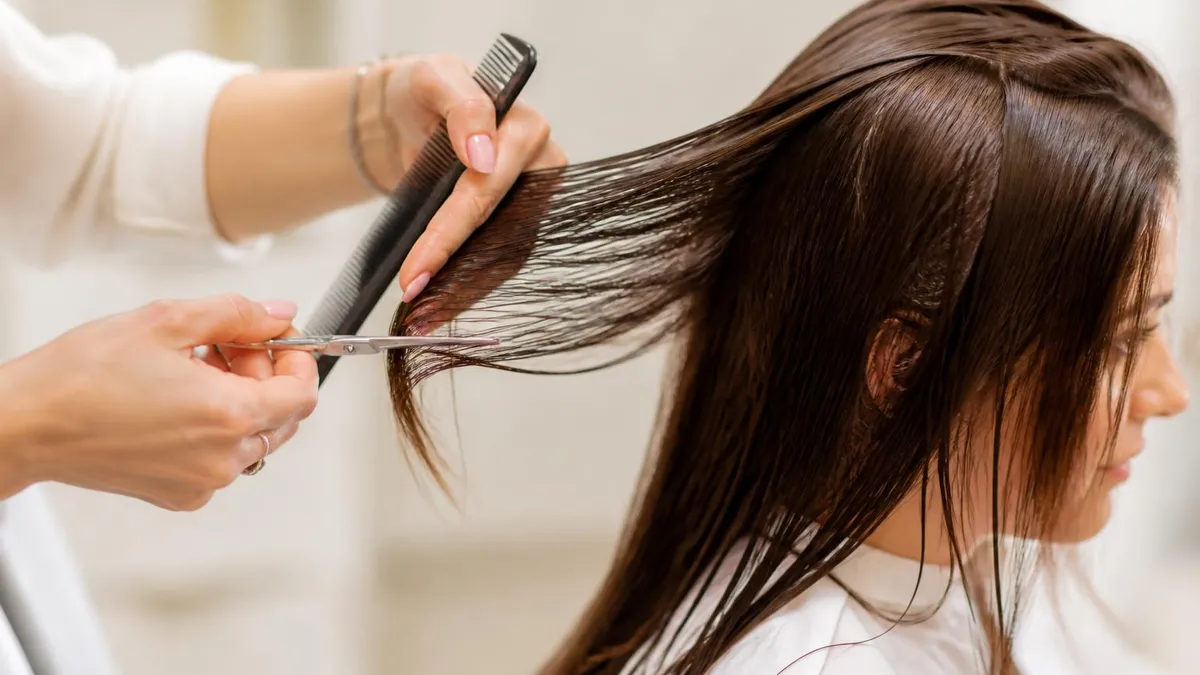
Diving deeper into the core contents of a cosmetology student kit reveals several distinct categories of tools every student needs. Haircutting instruments form the largest group and typically include at least two pairs of professional shears, thinning shears, a straight razor with replaceable blades, and a variety of sectioning clips. The quality of your shears directly impacts cutting precision, so most instructors recommend investing in Japanese or German steel blades that maintain their edge through hundreds of practice cuts during your entire program of training.
Styling tools represent another major category within your kit. You will need a professional-grade blow dryer with multiple heat and speed settings, a flat iron with adjustable temperature, a curling iron in at least one barrel size, and a collection of round and paddle brushes. Hot tools should have ceramic or tourmaline plates for even heat distribution and reduced hair damage. Many schools specify minimum wattage requirements for dryers to ensure students learn techniques that translate to fast-paced salon environments immediately after graduation day arrives.
Combs and brushes deserve special attention because they are the tools you will use most frequently. A standard kit includes a cutting comb, tail comb, wide-tooth detangling comb, styling comb, and vent brush at minimum. Professional-grade combs made from carbon fiber or hard rubber resist static and chemical damage better than cheap plastic versions. The arizona state board of cosmetology and similar regulatory bodies often specify exact comb types required for practical examinations, so verifying compliance before purchasing prevents issues later.
Chemical service supplies make up a substantial portion of your kit because coloring, perming, and relaxing treatments require specialized applicator tools. Expect your kit to include tint brushes, foil sheets, applicator bottles, measuring cups, a timer, plastic caps, and protective gloves. You will also need a color wheel for understanding color theory during formulation exercises. These items experience heavy use during color and chemical texture portions of your curriculum, so choose durable brands that your instructors endorse for achieving consistent professional results.
Skin care and nail technology tools round out the typical cosmetology student kit for programs including esthetics and manicuring in their curriculum. Skin care supplies might include facial sponges, extraction tools, a magnifying lamp, and applicator brushes. Nail supplies typically encompass files, buffers, cuticle pushers, polish brushes, and acrylic or gel application tools. Not every program covers all three disciplines equally, so confirm your school's specific curriculum before purchasing specialty items you may never use during your training period.
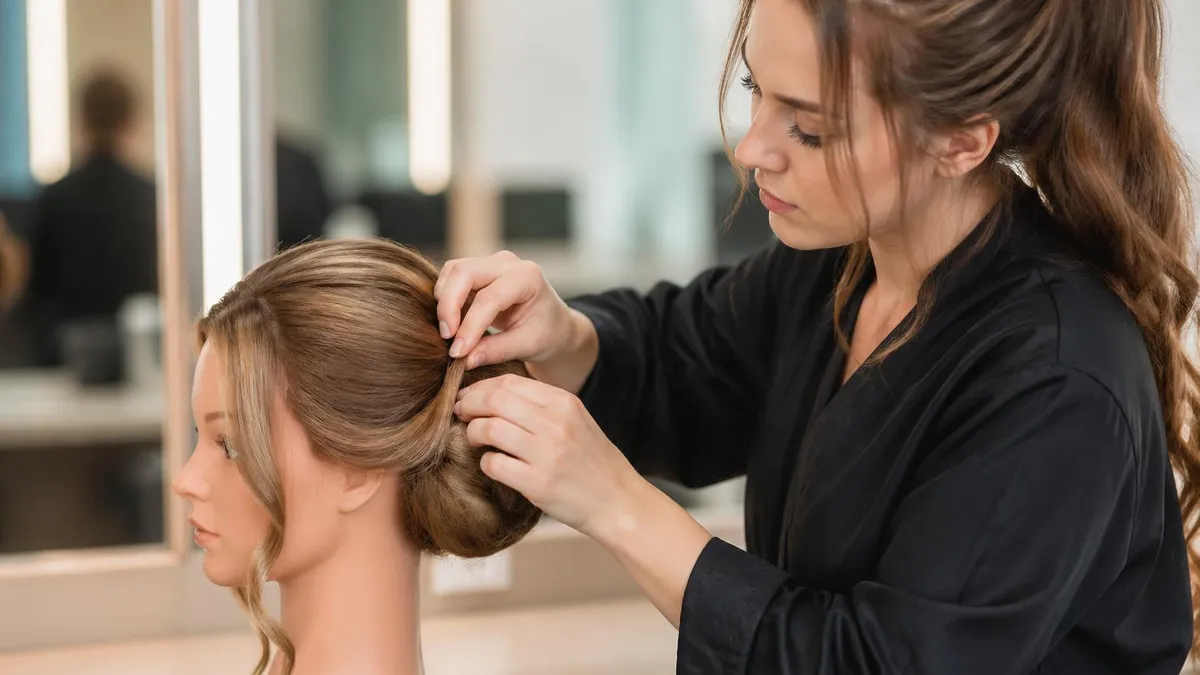
Mannequin heads serve as your primary practice medium throughout school and represent a recurring expense beyond the initial kit purchase. Most programs require multiple heads with different hair textures and lengths for cutting, coloring, and styling practice. A single high-quality mannequin head costs between twenty-five and sixty dollars, and students typically use four to eight heads during their entire program. Some schools include the first mannequin head in the kit cost while charging separately for replacements needed as you progress through different skill modules and techniques.
Cosmetology Practice Test Questions
Prepare for the Cosmetology exam with our free practice test modules. Each quiz covers key topics to help you pass on your first try.
Cosmetology Chemical Services
Cosmetology Exam Questions covering Chemical Services. Master Cosmetology Test concepts for certification prep.
Cosmetology Laws and Regulations
Free Cosmetology Practice Test featuring Cosmetology Laws and Regulations. Improve your Cosmetology Exam score with mock test prep.
Cosmetology Hair Care and Cutting
Cosmetology Mock Exam on Hair Care and Cutting. Cosmetology Study Guide questions to pass on your first try.
Cosmetology Nail Care and Manicuring
Cosmetology Test Prep for Nail Care and Manicuring. Practice Cosmetology Quiz questions and boost your score.
How Much Is Cosmetology School Kit by Price Level
Budget cosmetology student kits include basic versions of essential tools manufactured with standard materials. These kits work well for students on tight budgets who plan to upgrade individual items as skills develop. Entry-level shears in this range use stainless steel rather than premium alloys, and hot tools may lack advanced features like adjustable temperature controls or ionic technology that higher-tier kits offer for better styling performance and durability.
While budget kits meet minimum school requirements in most states, students should expect to replace certain items before graduation due to regular wear. Shears lose their edge more quickly, and blow dryers in this range typically have shorter lifespans than professional alternatives. Consider a budget kit if your school offers individual tool upgrades at student pricing throughout your program timeline and if minimizing initial out-of-pocket cost is your primary financial concern right now.
Pre-Assembled School Kit vs. Building Your Own
- +Guarantees compliance with all school and state board requirements from day one
- +School vendors often include warranties and return policies designed specifically for students
- +Bundled pricing saves fifteen to twenty-five percent compared to individual purchases
- +Eliminates research burden of identifying which specifications meet regulatory standards
- +Arrives ready to use before first day with no assembly or sourcing required
- +Financial aid coverage often applies only to approved pre-assembled kit packages
- −May include lower-quality tools than what you could select individually
- −Limited brand choices prevent selecting ergonomic preferences for your hand size
- −Some bundled items may be unnecessary for your specific program or specialization
- −School-affiliated vendors sometimes charge higher prices than independent retailers
- −Cannot upgrade individual tools to premium brands without buying entire packages
- −Returned kits may incur restocking fees reducing the cost advantage of bundling
Pros and Cons at a Glance
| Pros | Cons |
|---|---|
| Guarantees compliance with all school and state board requirements from day one | May include lower-quality tools than what you could select individually |
| School vendors often include warranties and return policies designed specifically for students | Limited brand choices prevent selecting ergonomic preferences for your hand size |
| Bundled pricing saves fifteen to twenty-five percent compared to individual purchases | Some bundled items may be unnecessary for your specific program or specialization |
| Eliminates research burden of identifying which specifications meet regulatory standards | School-affiliated vendors sometimes charge higher prices than independent retailers |
| Arrives ready to use before first day with no assembly or sourcing required | Cannot upgrade individual tools to premium brands without buying entire packages |
| Financial aid coverage often applies only to approved pre-assembled kit packages | Returned kits may incur restocking fees reducing the cost advantage of bundling |
Essential Cosmetology Student Kit Checklist
- ✓Verify your kit contains at least two pairs of professional cutting shears in different sizes.
- ✓Confirm thinning shears are included with proper tension adjustment for blending techniques.
- ✓Check that your blow dryer meets the minimum wattage specified by your school curriculum.
- ✓Ensure flat iron and curling iron have adjustable ceramic or tourmaline heating plates.
- ✓Count all required comb types including cutting, tail, wide-tooth, and fine-tooth varieties.
- ✓Verify hospital-grade disinfectant solution and a properly sized sanitizing container are included.
- ✓Confirm sufficient disposable gloves, neck strips, and clean capes for practical sessions.
- ✓Check that chemical supplies include tint brushes, foil, applicator bottles, and a color wheel.
- ✓Ensure at least one mannequin head with appropriate hair texture is included for practice.
- ✓Label every tool with your name or unique identifier to prevent loss in shared classrooms.
Your Student Kit Becomes Your Professional Kit
Over seventy percent of working cosmetologists report using at least some tools from their original student kit during their first two years in the industry. Choosing durable, professional-quality tools from the start eliminates the need for a costly post-graduation equipment overhaul. Think of your student kit as a long-term career investment that pays dividends every working day.
Organizing and maintaining your cosmetology student kit is just as important as selecting high-quality tools in the first place. A well-organized kit allows you to locate any instrument within seconds, which is critical during timed practical examinations and fast-paced classroom sessions. Most professionals recommend using a rolling case with multiple compartments or a hard-sided toolbox designed for beauty professionals. Proper storage protects delicate instruments from damage during transport between your home and school campus every day throughout your program.
Developing a consistent cleaning routine for your cosmetology student kit prevents tool degradation and ensures compliance with state sanitation regulations. After every use, shears should be wiped with a disinfectant cloth and lightly oiled at the pivot point. Combs and brushes need soaking in hospital-grade disinfectant solution for the time specified on the product label. Hot tools should be wiped down after cooling completely to remove product residue that builds up on plates and barrels over time, eventually reducing their effectiveness and heat distribution quality.
Shear maintenance requires particular attention because dull blades produce uneven cuts and can cause hand fatigue or repetitive strain injuries during extended practice sessions. Professional sharpening services cost between ten and twenty-five dollars per pair and should be scheduled every three to six months depending on usage frequency. Learning to test shear sharpness by cutting tissue paper or cotton helps you identify when blades are losing their edge before the dullness begins affecting your cutting technique during graded practical exercises and client services.
Replacing consumable items on a regular schedule prevents interruptions during training. Disposable items like gloves, neck strips, cotton rounds, and foil sheets need restocking every few weeks depending on class schedule intensity. Keeping a running inventory list inside your kit case helps track what needs replenishing before your next practical session. Many beauty supply stores near cosmetology colleges offer student discount programs that make regular restocking more affordable over the duration of your program and keep your ongoing costs manageable throughout your education.
Kit inspections are a standard part of cosmetology school culture, and instructors frequently check that students maintain all required tools in clean working condition. Failing a kit inspection can result in being excluded from practical sessions until deficiencies are corrected and approved by your instructor. Some schools conduct surprise inspections while others schedule them at the beginning of each new course module. Treating every day as a potential inspection day builds the professional habits that will serve you throughout your entire career in the beauty industry and beyond.
Upgrading individual tools as your skills develop is a natural part of the learning process many students overlook when budgeting. As you discover preferred techniques and potential specialization areas, you may want to invest in additional shear sizes, specialized brushes, or advanced hot tools that match your evolving professional style. Setting aside a small monthly budget for tool upgrades ensures you can acquire better instruments without financial strain while building a professional-caliber collection that transitions seamlessly from student use to salon employment after graduation.
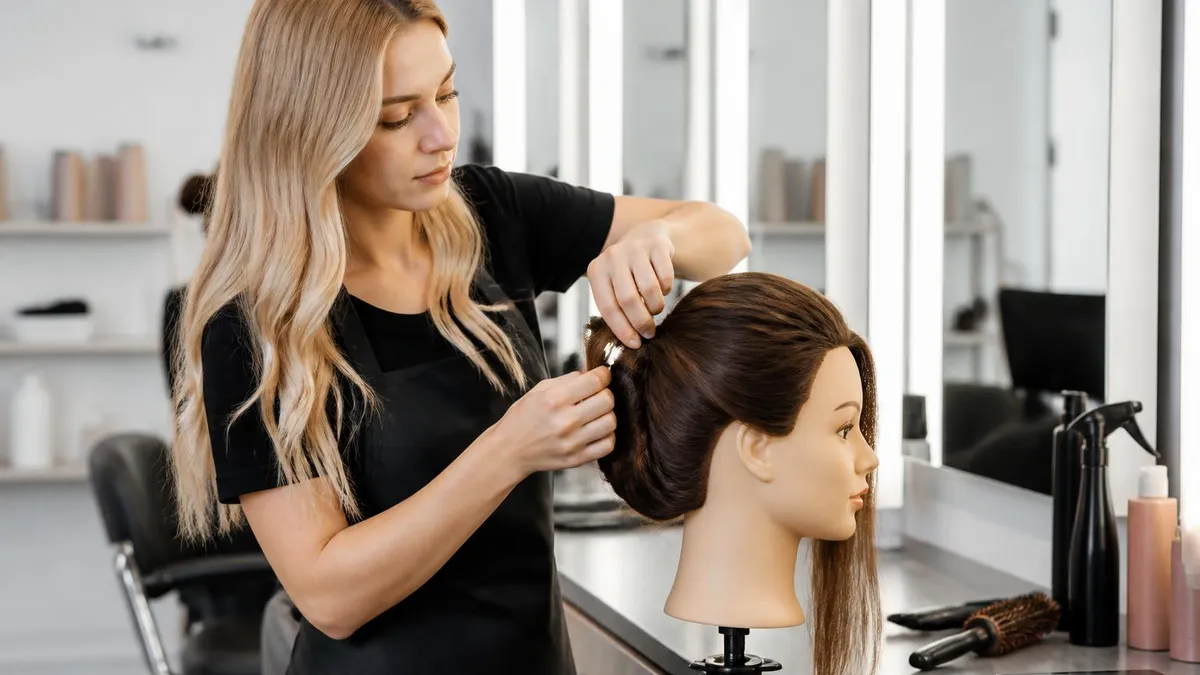
Never assume a generic cosmetology student kit meets your specific state's practical examination requirements. Each state board publishes its own detailed tool list, and missing even one required item during your licensing exam can result in point deductions or examination postponement. Always cross-reference your kit contents against your state board's official published requirements before your scheduled exam date.
State licensing boards play a decisive role in determining what your cosmetology student kit must contain, and requirements vary significantly from state to state. Before purchasing any kit, research your specific state board's published tool list to ensure full compliance. For example, the ohio state cosmetology board maintains detailed requirements that differ from those in Texas, California, or Florida. Buying a generic kit without checking state-specific mandates is one of the most common and costly mistakes new cosmetology students make during their initial enrollment period.
The ohio state board of cosmetology requires students to demonstrate competency with specific instruments during the practical examination, and any missing tool can result in point deductions or examination postponement. Similarly, the arizona board of cosmetology publishes its own distinct list of required implements reflecting the state's curriculum standards. Understanding these differences is especially important if you plan to pursue cosmetology license renewal in a different state from where you attended school or if you are considering relocation after graduation to pursue career opportunities elsewhere.
Students enrolled in cosmetology programs across different states should familiarize themselves with reciprocity agreements that affect tool and training requirements. Some states accept training from accredited programs regardless of minor differences in kit composition, while others require supplemental coursework or additional tool proficiency demonstrations. Researching these policies early in your education prevents surprises when you apply for licensure or attempt to transfer credentials to a new jurisdiction after completing your program and passing your initial state examination.
Many cosmetology colleges have established relationships with approved vendors who supply pre-assembled student kits meeting all local and state requirements. Purchasing through approved channels guarantees compliance and often includes warranties on major tools. However, students are generally not required to buy exclusively from school-affiliated vendors. Comparison shopping at professional beauty supply stores or authorized online retailers can save between fifteen and thirty percent on identical items if you carefully verify each tool against your state's published requirements list before completing the purchase.
Financial assistance for kit purchases extends beyond traditional tuition aid programs in many cases. Federal financial aid, including Pell Grants, can cover kit costs when the kit is a required educational expense at an accredited institution. Some state workforce development agencies also offer grants specifically for vocational training supplies. Additionally, certain beauty industry organizations and manufacturers sponsor scholarship programs that include tool kits as part of the award package, making professional-grade equipment accessible to deserving students from all economic backgrounds and financial situations.
The trend toward specialized kits has grown as cosmetology curricula have expanded to include advanced techniques and modern technology. Some schools now offer tiered kit options where a base kit covers fundamental tools and optional add-on packages include specialized items for advanced coloring, texture services, or esthetics modules. This modular approach helps students manage costs by spreading purchases across their program timeline rather than paying for everything upfront during enrollment. Evaluate which specialization tracks interest you most before selecting optional additions to your core required kit package.
Preparing your cosmetology student kit for the first day of school requires more than simply unboxing supplies and showing up to class. Take time before your program starts to inventory every item against the school's published kit checklist for accuracy. Label your tools with your name or a unique identifier using engraving or permanent markers, because dozens of students in a shared classroom setting own identical instruments. Lost or mixed-up tools are one of the most common frustrations during the early weeks of cosmetology school and can disrupt your practical learning significantly.
Practicing basic tool handling before classes begin gives you a meaningful advantage over classmates who pick up instruments for the first time in the classroom. Spend time getting comfortable holding shears correctly, sectioning hair on your mannequin head, and operating your blow dryer and hot tools safely and efficiently. Many free tutorial videos from professional educators demonstrate proper grip techniques and basic movements. Even ten to fifteen minutes of daily practice during the week before school starts builds valuable muscle memory that accelerates your learning curve significantly from the very first day.
Building relationships with your local beauty supply store provides ongoing benefits throughout your cosmetology education and professional career. Store staff members often have industry experience and can recommend specific products, offer application tips, and alert you to sales on items you need regularly. Many stores offer student loyalty programs with accumulated discounts and early access to new products. Establishing yourself as a regular customer also creates networking opportunities because supply stores attract working professionals who may become future mentors, colleagues, or potential employers in your local market.
Creating a budget tracker specifically for your cosmetology student kit expenses helps you manage the ongoing financial commitment accurately. Beyond the initial kit purchase, plan for monthly consumable restocking, periodic sharpening services, mannequin head replacements, and occasional tool upgrades as your technique develops. A realistic estimate for annual maintenance and replenishment costs runs between two hundred and four hundred dollars depending on your program's intensity and personal usage patterns. Tracking these expenses also helps when filing taxes, as some educational supply costs may qualify for available deductions.
Ergonomic considerations should influence your tool selections whenever options exist within your school's approved list. Shears with offset handles reduce thumb strain during extended cutting sessions lasting several hours. Blow dryers with lightweight construction prevent shoulder fatigue during blow-out styling. Brushes with ergonomic grip handles maintain comfort during long sessions. Investing in ergonomically designed tools from the start helps prevent repetitive strain injuries that plague many beauty professionals later in their careers. Your hands are your most valuable professional asset, and protecting them from the beginning deserves serious consideration and attention.
Connecting kit preparation with your broader career goals transforms a simple supply purchase into a strategic investment in your professional future. If you aspire to work in a high-end salon, investing in premium tool brands signals your commitment to quality during job interviews where employers examine candidates' personal tool collections. If you dream of freelance or editorial work, building a versatile portable kit from the beginning saves costly upgrades later. Your student kit evolves into your professional kit, so choose wisely from day one and treat every purchase as a building block toward your ultimate career vision.
Cosmetology Questions and Answers

Cosmetology Classes Online: How Hybrid Programs Work, Cost, and Whether They Lead to Licensure in 2026
Cosmetology School Programs: Complete 2026 Guide to Curriculum, Cost, Hours and Licensing
Cosmetology License Transfer From State to State: Complete 2026 Guide to Reciprocity, Endorsement, and Requirements
Texas Cosmetology License: Complete Requirements, Costs, and Application Guide for 2026
Cosmetology Test 2026
About the Author

Licensed Cosmetologist & Beauty Licensing Exam Specialist
Paul Mitchell SchoolsMichelle Santos is a licensed cosmetologist with a Bachelor of Science in Esthetics and Salon Management from Paul Mitchell School. She has 16 years of salon industry experience and 8 years preparing students for state cosmetology board exams in theory, practical skills, and sanitation. She specializes in licensure preparation for cosmetologists, estheticians, and nail technicians.