
CNA vs CMA: Salary, Scope & Which Path Fits You 2026 September
📝 Prepare for the CNA vs CMA: Salary, Scope & Which Path certification. Practice questions with answer explanations covering all exam domains.

CNA vs CMA: Two Healthcare Paths, One Decision
Choosing between a CNA vs CMA credential is one of the first big decisions you'll face when breaking into healthcare. Both certifications get you working with patients fast, but the day-to-day work looks nothing alike. A CNA handles bedside care -- bathing, repositioning, vitals, emotional support. A CMA splits time between clinical tasks like drawing blood and administrative work like scheduling and billing. If you're browsing CNA jobs near me, you'll notice most openings sit in hospitals and nursing homes. CMA postings tend to cluster around physician offices and outpatient clinics.
Why does this matter? Because your daily environment shapes everything: your stress levels, your paycheck, even your next career move. CNAs who love direct patient contact thrive in fast-paced hospital floors. CMAs who enjoy variety bounce between exam rooms and front desks without getting bored. Neither role is "better" -- they just attract different personalities. The trick is knowing which personality is yours before you spend money on training.
This guide breaks the comparison into chunks you can actually use. We'll cover wages for a CNA versus a CMA, training length, scope of practice, and career ladders for both roles. You'll also find CNA classes near me resources and free practice tests so you can start preparing today. Whether you're fresh out of high school, switching careers at 35, or looking to build on existing healthcare experience, you'll leave this page knowing exactly which credential fits your goals, your budget, and your timeline. Let's get into it.

Before you start hunting for CNA classes near me, it helps to understand what each certification actually requires. CNA programs are short -- some wrap up in four weeks. They focus almost entirely on patient care skills: feeding, hygiene, mobility, and infection control. You'll spend classroom time on anatomy basics, then shift to supervised clinical hours where you practice on real patients. Most states demand at least 75 training hours, though some push past 150.
CMA programs cast a wider net. Beyond clinical skills like phlebotomy and EKG readings, you'll study medical terminology, pharmacology, billing codes, and electronic health records. Certificate-only tracks run 8 to 20 weeks. Associate degree programs stretch to two years but open extra doors -- some employers require the degree for higher-paying CNA jobs and CMA roles alike. The trade-off is straightforward: more time in school means a broader skill set and slightly better starting pay.
Cost matters too. CNA training typically runs $500 to $2,000, and many hospitals will pay for it if you agree to work there afterward. CMA programs cost $1,000 to $15,000 depending on whether you go certificate or degree. Financial aid, employer sponsorship, and community college rates can shrink that gap. Either way, both credentials pay for themselves within the first year of full-time work.
So what's the real difference in daily life? CNA programs prepare you to work directly under registered nurses. You'll answer call lights, help patients eat, record vital signs, and report changes to the nursing team. It's physical work. Twelve-hour shifts on your feet, lifting patients, and moving fast between rooms. That intensity is exactly why many people love it -- there's no sitting around wondering if you're making a difference.
CMAs operate in a calmer setting most of the time. A typical day might start with rooming patients and taking vitals, shift to drawing blood for lab work, then finish with insurance authorizations and chart updates. You rarely deal with overnight shifts. Most physician offices close by 5 PM. The CNA salary averages $35,760, while CMAs pull in about $38,270 -- not a huge gap, but it adds up over a career.
Here's what people overlook: scheduling flexibility. CNAs often get three 12-hour shifts per week, leaving four days off. That's gold if you're going to nursing school on the side. CMAs usually work five 8-hour days, Monday through Friday. Predictable? Yes. Flexible? Not as much. Match the schedule to your life before you commit.
Career Advancement Paths
Where CNAs Go Next
The CNA credential is a launchpad. Most registered nurses started right here. You can move to LPN in 12-18 months (salary jump to $48,000-$55,000), then pursue an ADN or BSN for RN status ($77,000-$90,000). Specialty roles -- dialysis tech, medication aide, hospice CNA -- boost pay without going back to school full-time. Travel CNA jobs pay $18-$25/hour plus housing stipends.
Let's talk money in more detail. The wages for a CNA depend heavily on setting and geography. Hospital CNAs earn $33,000-$40,000. Nursing home CNAs sit lower at $30,000-$35,000. Home health aides -- often CNAs working through agencies -- earn $28,000-$33,000. The sweet spot? Travel CNA roles through staffing agencies, where you can pull $38,000-$52,000 with housing and travel stipends included. But what is a CNA's earning ceiling? With experience and specialization, some CNAs break $45,000 in high-cost states like California and New York.
CMA pay follows a similar pattern but skews slightly higher. Primary care CMAs earn $34,000-$39,000. Specialty practice CMAs in cardiology or dermatology push $38,000-$48,000. Urgent care clinics fall in between at $35,000-$41,000. The real CMA advantage isn't base pay -- it's overtime. Most CMA positions are hourly, and busy clinics frequently need extra coverage.
Don't ignore benefits. Hospital-based CNA jobs typically offer stronger health insurance, retirement plans, and tuition reimbursement than small physician offices where CMAs work. That tuition reimbursement is especially valuable if you plan to advance to LPN or RN while working. Factor total compensation, not just the hourly rate, when you compare these two paths.
Getting your cert CNA is the fastest way into healthcare -- period. Four weeks of training, a state exam, and you're working. That speed attracts people who need income now, not in two years. Many CNA classes run at community colleges, Red Cross chapters, and even some hospitals that train you for free in exchange for a work commitment. CNA programs at community colleges often cost under $1,000, making them one of the cheapest professional credentials available.
The CNA exam itself has two parts. First, a written or oral test with 60-100 multiple-choice questions covering patient rights, infection control, communication, and basic nursing skills. Second, a clinical skills demonstration where you perform 3-5 procedures (hand washing, vital signs, patient transfers) in front of an evaluator. The skills portion trips up more candidates than the written section, so practice those procedures until they feel automatic.
CMA exams are written only -- no clinical demo. But the content is broader: anatomy, physiology, pharmacology, medical terminology, lab procedures, and administrative topics like coding and insurance. Each certifying body (AAMA, AMT, NHA, NCCT) has its own exam format and question count. Pass rates hover around 70-80% for first-time test takers from accredited programs. Study guides and practice exams make a real difference.
CNA vs CMA: Pros and Cons
- +CNA training is fast -- 4 to 12 weeks from start to working
- +Low cost of entry with many free or employer-paid programs
- +Direct path to LPN and RN through nursing school
- +Flexible scheduling with 12-hour shift options
- +High demand in every state with strong job security
- +Hands-on patient care builds real clinical experience
- −CMA earns about $2,500 more per year on average
- −CNA work is physically demanding with heavy lifting
- −CMAs get weekday schedules -- no nights or weekends
- −CMA job growth is projected at 14% versus 4% for CNA
- −CMAs learn broader skills including admin and billing
- −CNA scope is limited -- no meds, no phlebotomy, no EKG
CNA training programs vary wildly by state. Some states require only 75 hours; others push past 150. That variation means your timeline depends on where you live. California mandates 150 hours. Florida requires 120. If speed matters, check your state's minimum before enrolling -- you might finish in three weeks instead of twelve. The CNA practice test questions on this site mirror the format and difficulty of real state exams, so use them to gauge your readiness.
One thing both certifications share: renewal requirements. CNAs renew every two years in most states. You'll need to show proof of employment (typically 8 hours of paid work) and complete continuing education hours. CMAs renew every one to two years depending on the certifying body. AAMA requires 60 continuing education credits over five years. Staying current isn't hard, but forgetting to renew can force you to retake the entire exam.
Clinical experience during training is where you build real confidence. CNA students practice bed-making, patient transfers, vital signs, and hygiene care with actual patients under supervision. CMA students perform blood draws, injections, and EKG readings during their externship. Both programs include competency checkoffs -- you must demonstrate each skill correctly before advancing. Don't rush through these. The clinical portion of your training is what separates a nervous new hire from a confident one.
CNA vs CMA Decision Checklist
- ✓I prefer hands-on bedside patient care -- choose CNA
- ✓I want the fastest path into healthcare (under 12 weeks) -- choose CNA
- ✓I plan to advance to LPN or RN through nursing school -- choose CNA
- ✓I enjoy a mix of clinical and administrative work -- choose CMA
- ✓I prefer weekday, daytime schedules -- choose CMA
- ✓I want stronger long-term job market growth -- choose CMA
- ✓I'm interested in phlebotomy, EKG, and lab work -- choose CMA
- ✓I want employer-paid training with a work commitment -- either path works
- ✓I need flexible scheduling with 12-hour shifts -- choose CNA
- ✓I'm interested in medical billing and health records -- choose CMA
What about the pay rate for a CNA in your area specifically? It fluctuates by region more than almost any other healthcare role. Urban hospitals in the Northeast and West Coast pay $17-$22/hour. Rural facilities in the South and Midwest sit closer to $12-$15/hour. If you're hunting for free CNA classes near me, check local hospitals first -- many offer tuition-free programs in exchange for a 6-12 month work commitment. That's the best deal in healthcare education, hands down.
The CNA salary picture improves with specialization. Restorative CNAs, who focus on helping patients regain mobility and independence, earn premiums of $1-$3/hour over standard rates. Hospice CNAs and acute care CNAs also command higher wages because the work demands extra skills and emotional resilience. Specialty certifications stack on top of your base CNA credential without requiring a full new program.
CMAs face less geographic variation because most work in private practices with relatively standardized pay scales. The biggest CMA pay bumps come from specialty clinics. A CMA in a cardiology practice earns more than one in a family medicine office. Experience matters too -- CMAs with five-plus years consistently earn 15-20% above entry-level rates.
Both paths reward loyalty and skill, just through different mechanisms. One more factor: overtime eligibility. Both CNAs and CMAs are hourly in most settings, which means time-and-a-half kicks in after 40 hours. Hospitals that run short-staffed -- and many do -- offer CNAs double shifts regularly. That extra income can add $5,000-$10,000 per year if you're willing to pick up shifts.
Travel CNA jobs deserve special attention because they're reshaping how CNAs think about career trajectory. Staffing agencies place CNAs in short-term assignments (8-13 weeks) at hospitals and facilities across the country. Pay ranges from $18-$25/hour plus tax-free housing stipends, meal allowances, and travel reimbursement. The total package often exceeds $50,000/year -- well above what a staff CNA earns at any single facility.
If you're considering CNA classes online, know that most states allow the didactic (classroom) portion to be completed remotely. The clinical hours, however, must be done in person at an approved facility. Hybrid programs have exploded in popularity since 2020. You watch lectures and take quizzes online, then schedule clinical rotations at a local partner site. It's a practical option if you're working another job while transitioning into healthcare.
CMAs don't have as robust a travel market, but locum tenens agencies do place medical assistants in temporary roles at clinics facing staffing shortages. These assignments typically pay 20-30% above market rate. The demand is highest in rural areas and underserved communities. If you're mobile and willing to relocate temporarily, both CNA and CMA travel opportunities can accelerate your earning timeline significantly.
Verify your program is state-approved (CNA) or accredited by CAAHEP/ABHES (CMA). Unaccredited programs may not qualify you for certification exams. Check your state health department website for approved CNA programs, and the AAMA or ABHES directory for CMA programs. Background checks and immunization records are required for both.
Need to verify an existing credential? Every state maintains a CNA license lookup registry where employers (and you) can confirm active certification status. Most registries are searchable by name or license number on the state health department website. If you've moved states, you'll need to apply for reciprocity -- the process of transferring your CNA to a new state. Some states grant it automatically; others require additional paperwork or even a new skills test.
Searching for CNA courses near me? Community colleges, vocational schools, the American Red Cross, and hospital-based programs are your main options. Community colleges offer the most affordable rates ($300-$1,200), and many accept financial aid. Hospital programs are often free but require a work commitment. Red Cross programs run on fixed schedules and are widely available in urban areas. Vocational schools charge more ($1,500-$3,000) but may offer evening and weekend classes that fit around existing jobs.
Online directories like your state's nursing board website list every approved program with contact information, schedules, and costs. Don't rely on Google ads alone -- some promoted programs aren't state-approved, which means you'd complete training only to discover you can't sit for the exam. Always verify approval status before paying a deposit. A quick phone call to your state board of nursing can save you thousands of dollars and months of wasted time. They'll confirm whether a specific program meets their requirements.
CNA Practice Test Questions
Prepare for the CNA - Certified Nursing Assistant exam with our free practice test modules. Each quiz covers key topics to help you pass on your first try.
CNA Activities of Daily Living
CNA Exam Questions covering Activities of Daily Living. Master CNA Test concepts for certification prep.
CNA Aging Process
Free CNA Practice Test featuring Aging Process. Improve your CNA Exam score with mock test prep.
CNA Anatomy and Physiology Basics
CNA Mock Exam on Anatomy and Physiology Basics. CNA Study Guide questions to pass on your first try.
CNA Assisting with Daily Living
CNA Test Prep for Assisting with Daily Living. Practice CNA Quiz questions and boost your score.
CNA Assisting with Range of Motion Exercises
CNA Questions and Answers on Assisting with Range of Motion Exercises. Free CNA practice for exam readiness.
CNA Basic Human Anatomy and Age-Related Ch...
CNA Mock Test covering Basic Human Anatomy and Age-Related Changes. Online CNA Test practice with instant feedback.
CNA Basic Nursing Skills
Free CNA Quiz on Basic Nursing Skills. CNA Exam prep questions with detailed explanations.
CNA Basic Nursing Skills 10
CNA Practice Questions for Basic Nursing Skills 10. Build confidence for your CNA certification exam.
CNA Basic Nursing Skills 11
CNA Test Online for Basic Nursing Skills 11. Free practice with instant results and feedback.
CNA Basic Nursing Skills 1
CNA Study Material on Basic Nursing Skills 1. Prepare effectively with real exam-style questions.
CNA Basic Nursing Skills 12
Free CNA Test covering Basic Nursing Skills 12. Practice and track your CNA exam readiness.
CNA Basic Nursing Skills 13
CNA Exam Questions covering Basic Nursing Skills 13. Master CNA Test concepts for certification prep.
CNA Basic Nursing Skills 14
Free CNA Practice Test featuring Basic Nursing Skills 14. Improve your CNA Exam score with mock test prep.
CNA Basic Nursing Skills 15
CNA Mock Exam on Basic Nursing Skills 15. CNA Study Guide questions to pass on your first try.
CNA Basic Nursing Skills 16
CNA Test Prep for Basic Nursing Skills 16. Practice CNA Quiz questions and boost your score.
CNA Basic Nursing Skills 17
CNA Questions and Answers on Basic Nursing Skills 17. Free CNA practice for exam readiness.
CNA Basic Nursing Skills 18
CNA Mock Test covering Basic Nursing Skills 18. Online CNA Test practice with instant feedback.
CNA Basic Nursing Skills 19
Free CNA Quiz on Basic Nursing Skills 19. CNA Exam prep questions with detailed explanations.
CNA Basic Nursing Skills 20
CNA Practice Questions for Basic Nursing Skills 20. Build confidence for your CNA certification exam.
CNA Basic Nursing Skills 21
CNA Test Online for Basic Nursing Skills 21. Free practice with instant results and feedback.
CNA Basic Nursing Skills 2
CNA Study Material on Basic Nursing Skills 2. Prepare effectively with real exam-style questions.
CNA Basic Nursing Skills 3
Free CNA Test covering Basic Nursing Skills 3. Practice and track your CNA exam readiness.
CNA Basic Nursing Skills 4
CNA Exam Questions covering Basic Nursing Skills 4. Master CNA Test concepts for certification prep.
CNA Basic Nursing Skills 5
Free CNA Practice Test featuring Basic Nursing Skills 5. Improve your CNA Exam score with mock test prep.
CNA Basic Nursing Skills 6
CNA Mock Exam on Basic Nursing Skills 6. CNA Study Guide questions to pass on your first try.
CNA Basic Nursing Skills 7
CNA Test Prep for Basic Nursing Skills 7. Practice CNA Quiz questions and boost your score.
CNA Basic Nursing Skills 8
CNA Questions and Answers on Basic Nursing Skills 8. Free CNA practice for exam readiness.
CNA Basic Nursing Skills 9
CNA Mock Test covering Basic Nursing Skills 9. Online CNA Test practice with instant feedback.
CNA Basic Restorative Services
Free CNA Quiz on Basic Restorative Services. CNA Exam prep questions with detailed explanations.
CNA Basic Restorative Services 1
CNA Practice Questions for Basic Restorative Services 1. Build confidence for your CNA certification exam.
CNA Bathing and Dressing
CNA Test Online for Bathing and Dressing. Free practice with instant results and feedback.
CNA Body Mechanics
CNA Study Material on Body Mechanics. Prepare effectively with real exam-style questions.
CNA Career Advancement and Opportunities
Free CNA Test covering Career Advancement and Opportunities. Practice and track your CNA exam readiness.
CNA Career Opportunities and Benefits
CNA Exam Questions covering Career Opportunities and Benefits. Master CNA Test concepts for certification prep.
CNA Care for Residents with Cognitive Impa...
Free CNA Practice Test featuring Care for Residents with Cognitive Impairment. Improve your CNA Exam score with mock test prep.
CNA Care of Cognitively Impaired Residents
CNA Mock Exam on Care of Cognitively Impaired Residents. CNA Study Guide questions to pass on your first try.
CNA Care of Cognitively Impaired Residents 1
CNA Test Prep for Care of Cognitively Impaired Residents 1. Practice CNA Quiz questions and boost your score.
CNA Care Of Cognitively Impaired Residents 4
CNA Questions and Answers on Care Of Cognitively Impaired Residents 4. Free CNA practice for exam readiness.
CNA Common Medical Terms and Abbreviations
CNA Mock Test covering Common Medical Terms and Abbreviations. Online CNA Test practice with instant feedback.
CNA Communication and Interpersonal Skills
Free CNA Quiz on Communication and Interpersonal Skills. CNA Exam prep questions with detailed explanations.
CNA Communication and Interpersonal Skills 1
CNA Practice Questions for Communication and Interpersonal Skills 1. Build confidence for your CNA certification exam.
CNA Communication And Interpersonal Skills 4
CNA Test Online for Communication And Interpersonal Skills 4. Free practice with instant results and feedback.
CNA Eligibility and Qualifications
CNA Study Material on Eligibility and Qualifications. Prepare effectively with real exam-style questions.
CNA Emergency Procedure
Free CNA Test covering Emergency Procedure. Practice and track your CNA exam readiness.
CNA Ethics and Professionalism
CNA Exam Questions covering Ethics and Professionalism. Master CNA Test concepts for certification prep.
CNA Exam Structure and Content
Free CNA Practice Test featuring Exam Structure and Content. Improve your CNA Exam score with mock test prep.
CNA Feeding and Hydration
CNA Mock Exam on Feeding and Hydration. CNA Study Guide questions to pass on your first try.
CNA Infection Control
CNA Test Prep for Infection Control. Practice CNA Quiz questions and boost your score.
CNA Infection Control and Safety
CNA Questions and Answers on Infection Control and Safety. Free CNA practice for exam readiness.
CNA Isolation Precautions
CNA Mock Test covering Isolation Precautions. Online CNA Test practice with instant feedback.
CNA Legal & Ethical Behaviours
Free CNA Quiz on Legal & Ethical Behaviours. CNA Exam prep questions with detailed explanations.
CNA Legal & Ethical Behaviours 1
CNA Practice Questions for Legal & Ethical Behaviours 1. Build confidence for your CNA certification exam.
CNA Legal & Ethical Behaviours 4
CNA Test Online for Legal & Ethical Behaviours 4. Free practice with instant results and feedback.
CNA Mental Health and Social Services Needs
CNA Study Material on Mental Health and Social Services Needs. Prepare effectively with real exam-style questions.
CNA Mental Health and Social Services Needs 1
Free CNA Test covering Mental Health and Social Services Needs 1. Practice and track your CNA exam readiness.
CNA Mental Health And Social Services Needs 4
CNA Exam Questions covering Mental Health And Social Services Needs 4. Master CNA Test concepts for certification prep.
CNA Nutrition and Hydration Management
Free CNA Practice Test featuring Nutrition and Hydration Management. Improve your CNA Exam score with mock test prep.
CNA Patient Care Procedure
CNA Mock Exam on Patient Care Procedure. CNA Study Guide questions to pass on your first try.
CNA Personal Care Skills
CNA Test Prep for Personal Care Skills. Practice CNA Quiz questions and boost your score.
CNA Personal Care Skills 1
CNA Questions and Answers on Personal Care Skills 1. Free CNA practice for exam readiness.
CNA Personal Care Skills 4
CNA Mock Test covering Personal Care Skills 4. Online CNA Test practice with instant feedback.
CNA Personal Care Skills 5
Free CNA Quiz on Personal Care Skills 5. CNA Exam prep questions with detailed explanations.
CNA Personal Hygiene and Grooming
CNA Practice Questions for Personal Hygiene and Grooming. Build confidence for your CNA certification exam.
CNA Practice Test - Basic Nursing Skills #2
CNA Test Online for Practice Test - Basic Nursing Skills #2. Free practice with instant results and feedback.
CNA Practice Test - Basic Nursing Skills #2 1
CNA Study Material on Practice Test - Basic Nursing Skills #2 1. Prepare effectively with real exam-style questions.
CNA Preventing Patient Falls and Injuries
Free CNA Test covering Preventing Patient Falls and Injuries. Practice and track your CNA exam readiness.
CNA Promoting Resident Independence and Ch...
CNA Exam Questions covering Promoting Resident Independence and Choice. Master CNA Test concepts for certification prep.
CNA Proper Hand Hygiene and PPE Usage
Free CNA Practice Test featuring Proper Hand Hygiene and PPE Usage. Improve your CNA Exam score with mock test prep.
CNA Resident Rights and Communication
CNA Mock Exam on Resident Rights and Communication. CNA Study Guide questions to pass on your first try.
CNA Resident’s Rights
CNA Test Prep for Resident’s Rights. Practice CNA Quiz questions and boost your score.
CNA Resident's Rights 1
CNA Questions and Answers on Resident's Rights 1. Free CNA practice for exam readiness.
CNA Resident's Rights 4
CNA Mock Test covering Resident's Rights 4. Online CNA Test practice with instant feedback.
CNA Roles and Responsibilities
Free CNA Quiz on Roles and Responsibilities. CNA Exam prep questions with detailed explanations.
CNA Safety and Emergency Procedures
CNA Practice Questions for Safety and Emergency Procedures. Build confidence for your CNA certification exam.
CNA Safety and Emergency Procedures 1
CNA Test Online for Safety and Emergency Procedures 1. Free practice with instant results and feedback.
CNA Safety And Emergency Procedures 4
CNA Study Material on Safety And Emergency Procedures 4. Prepare effectively with real exam-style questions.
CNA Safety and Infection Control
Free CNA Test covering Safety and Infection Control. Practice and track your CNA exam readiness.
CNA Scope of Practice
CNA Exam Questions covering Scope of Practice. Master CNA Test concepts for certification prep.
CNA Skills and Competencies
Free CNA Practice Test featuring Skills and Competencies. Improve your CNA Exam score with mock test prep.
CNA Supporting Rehabilitation Activities
CNA Mock Exam on Supporting Rehabilitation Activities. CNA Study Guide questions to pass on your first try.
CNA The Nurse Aide's Role and Responsibili...
CNA Test Prep for The Nurse Aide's Role and Responsibilities. Practice CNA Quiz questions and boost your score.
CNA Time Management and Prioritization
CNA Questions and Answers on Time Management and Prioritization. Free CNA practice for exam readiness.
CNA Toileting and Elimination
CNA Mock Test covering Toileting and Elimination. Online CNA Test practice with instant feedback.
CNA Using Adaptive Devices
CNA Practice Questions for Using Adaptive Devices. Build confidence for your CNA certification exam.
So how to become a CNA? The process is simpler than most people expect. Step one: confirm you meet the minimum age requirement (usually 16-18) and have a high school diploma or GED. Step two: enroll in a state-approved CNA training program. Step three: complete the required classroom and clinical hours. Step four: pass your state's CNA competency exam -- both the written and skills portions. Step five: apply for placement on your state's nurse aide registry. That's it. From enrollment to working your first CNA job, the timeline is often under three months.
The CMA path runs parallel but longer. You'll need to complete an accredited medical assistant program (certificate or degree), then pass a national certification exam. Unlike CNAs, CMAs aren't regulated at the state level in most states -- the certification is voluntary but effectively required by employers. The four main certifying bodies (AAMA, AMT, NHA, NCCT) each have their own exam. Research which one your target employers prefer before you choose.
Both certifications are renewable, both are in demand, and both serve as stepping stones to higher roles. The right choice depends on your personality, your schedule, and where you see yourself in five years. If bedside nursing excites you, start with CNA. If you want clinical variety plus admin skills, go CMA. Either way, you're entering a field that needs you -- and that's not changing anytime soon.
CNA Questions and Answers
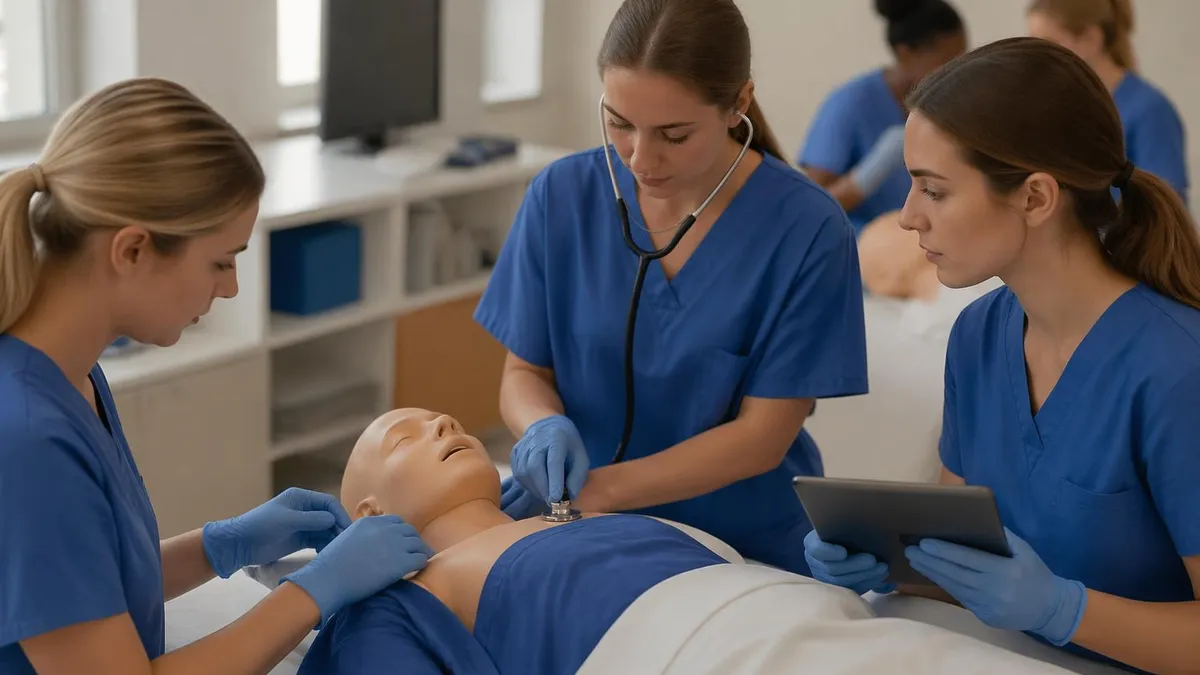
Restorative CNA: Duties, Training, Salary & How to Get Started

CNA Hospital Jobs Near Me: How to Find, Apply & Get Hired in 2026

Goodwill CNA Program: Free Classes, Costs, and How to Enroll

Hospice CNA: Duties, Salary, Per Diem Work & How to Get Started
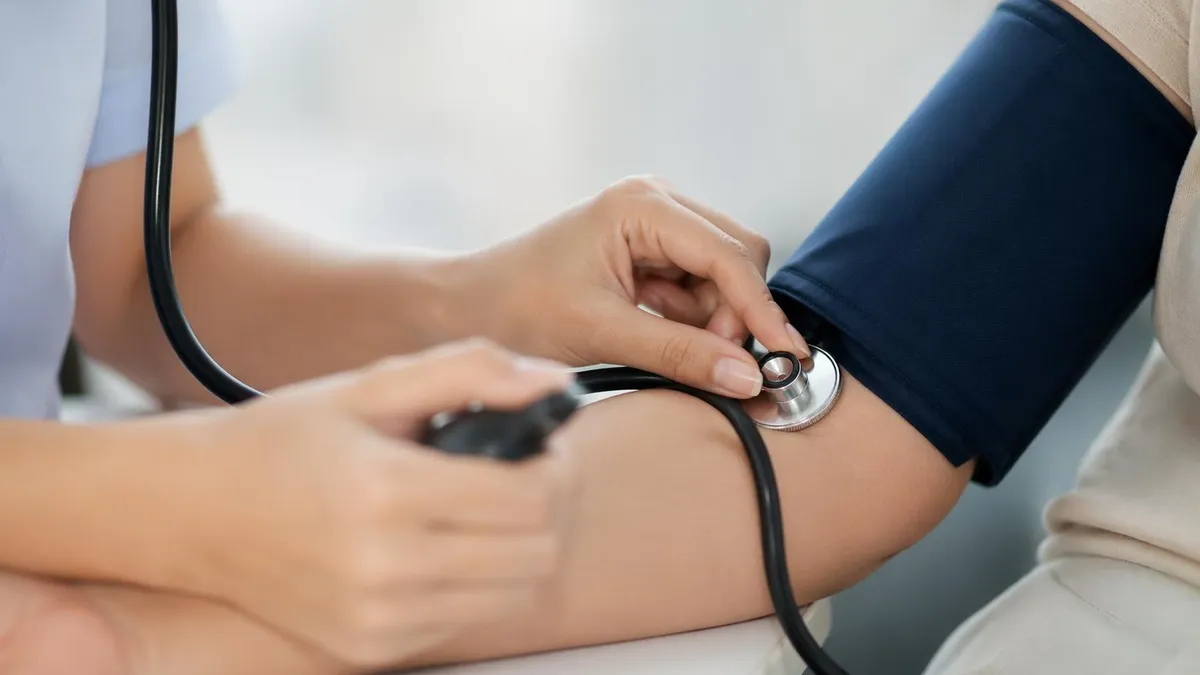
4-Week CNA Program: Online Options, State Programs & How to Enroll
About the Author

Registered Nurse & Healthcare Educator
Johns Hopkins University School of NursingDr. Sarah Mitchell is a board-certified registered nurse with over 15 years of clinical and academic experience. She completed her PhD in Nursing Science at Johns Hopkins University and has taught NCLEX preparation and clinical skills courses for nursing students across the United States. Her research focuses on evidence-based exam preparation strategies for healthcare certification candidates.
Join the Discussion
Connect with other students preparing for this exam. Share tips, ask questions, and get advice from people who have been there.
View discussion (8 replies)