
Border Patrol Agent Career: How Many Border Patrol Agents Are There?
🎓 Prepare for the Border Patrol Agent Career: How Many certification. Practice questions with answer explanations covering all exam domains.
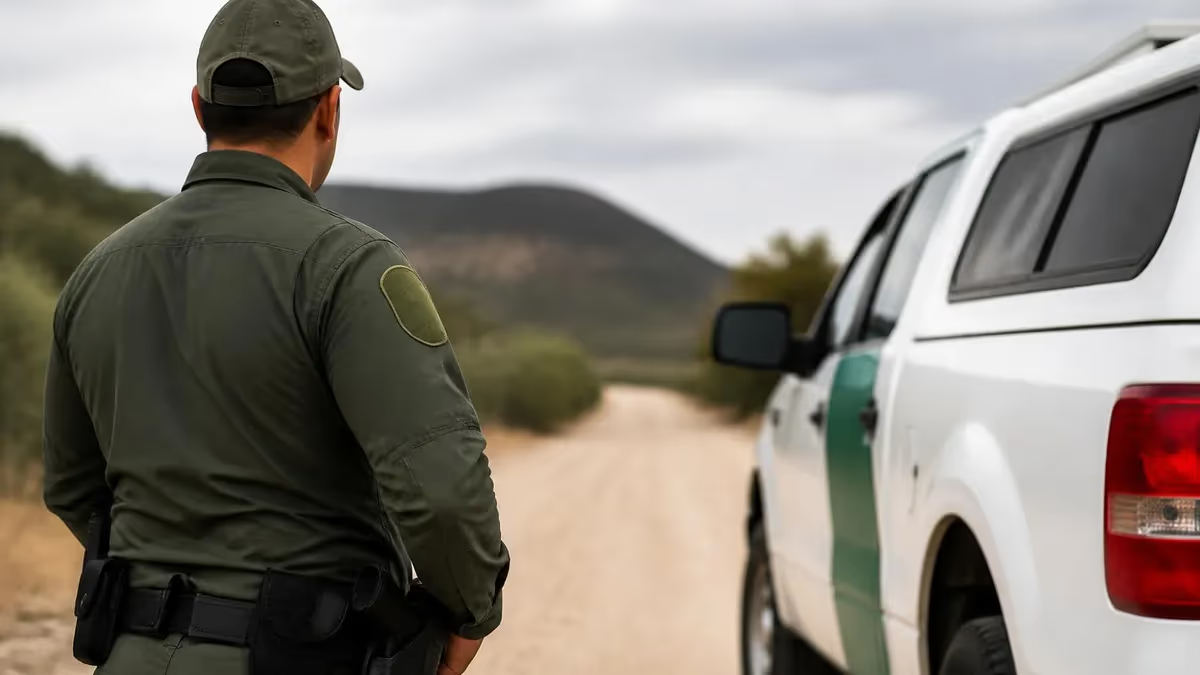
U.S. Customs and Border Protection (CBP) is the largest federal law enforcement agency in the United States, and Border Patrol is its primary uniformed law enforcement component. As of recent reporting, there are approximately 19,000 to 20,000 active Border Patrol Agents across all sectors, though this number fluctuates based on hiring cycles, attrition, and federal policy priorities. At its peak in 2011, the Border Patrol employed approximately 21,444 agents.
Staffing has remained in the 18,000–20,000 range in subsequent years, with periodic surges in hiring authorised by Congress in response to border security priorities. The current administration's target staffing levels and attrition rates mean that CBP is consistently recruiting — the agency hires hundreds to thousands of new agents annually to maintain current strength and close the gap toward authorised levels.
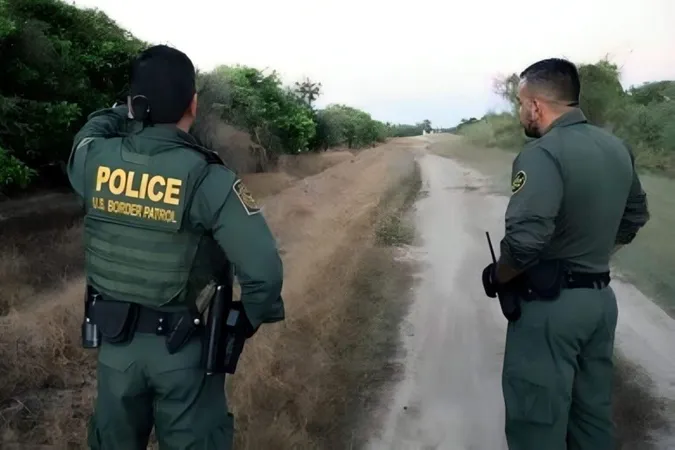
Border Patrol Agents are stationed in 20 sectors covering the U.S.-Mexico border (the primary deployment area), the U.S.-Canada border, and coastal zones in Florida, Puerto Rico, and the Gulf Coast. The busiest sectors by agent count are the Rio Grande Valley sector in Texas and the Tucson sector in Arizona, which together account for a significant portion of total apprehensions and require the largest concentrations of personnel.
The El Paso sector, Del Rio sector, and Laredo sector are other high-activity areas along the southern border. The northern border sectors — Detroit, Buffalo, Spokane, Blaine, and others — are smaller in agent count but cover vast geographic areas requiring vehicle, boat, and air patrol capability.
The primary mission of a Border Patrol Agent is to detect, interdict, and apprehend individuals and contraband attempting to enter the United States between ports of entry. This mission is distinct from CBP officers who work at official ports of entry checking documentation and cargo. Border Patrol operates between the ports — patrolling the open terrain, rivers, mountains, and deserts that connect legal crossing points.
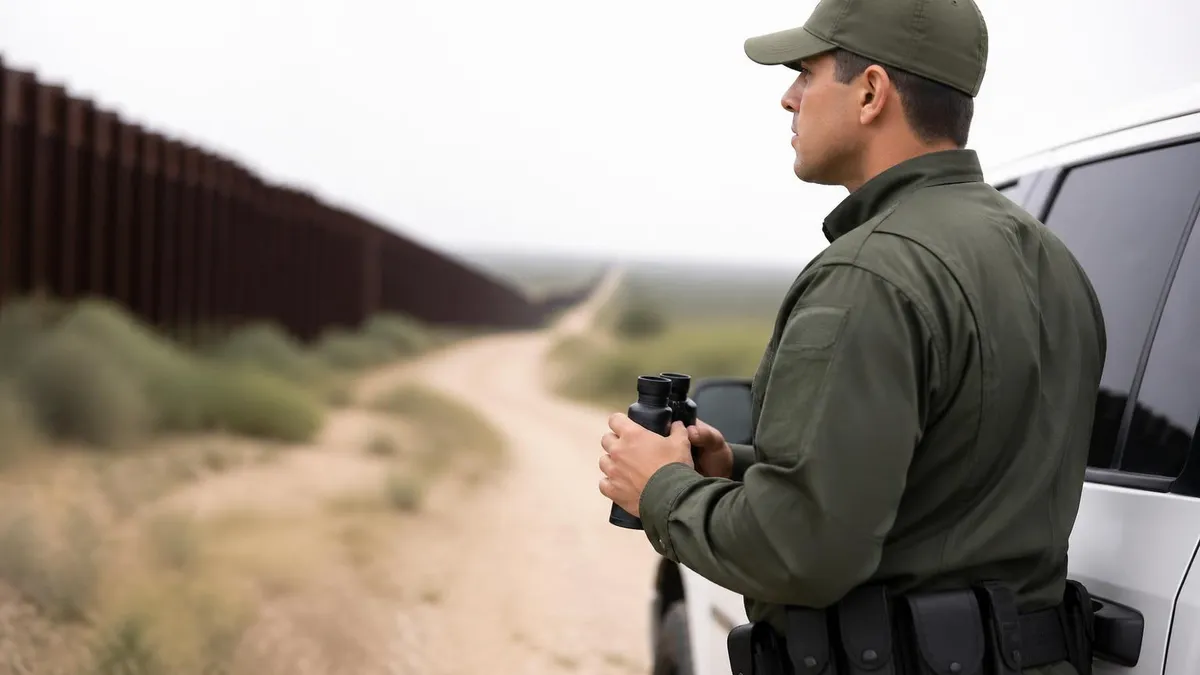
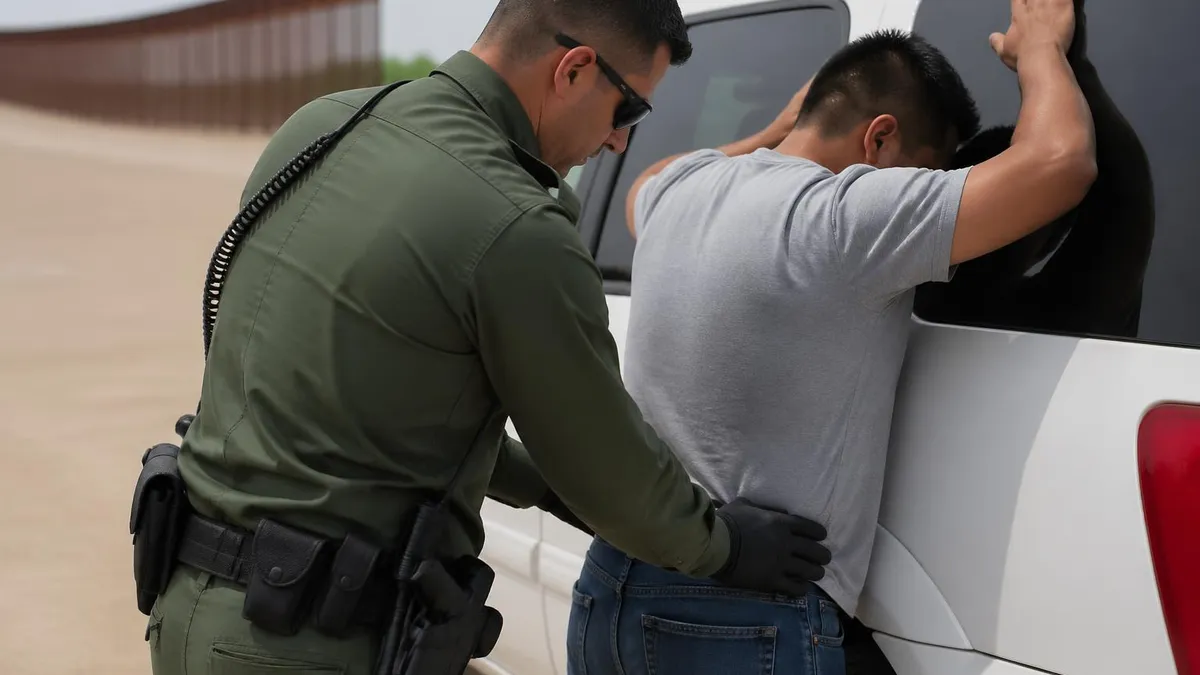
Day-to-day duties include vehicle patrol, foot patrol, sensor monitoring, processing apprehended individuals, operating inland checkpoints, and responding to calls for service. Agents in specialised units may work on anti-smuggling investigations, use equestrian patrol in remote terrain, operate boats in coastal or river sectors, or provide tactical support through BORTAC (Border Patrol Tactical Unit) for high-risk operations.
Career progression for Border Patrol Agents follows a structured federal law enforcement pay scale. Entry-level agents are hired at GL-7 or GL-9 depending on prior experience and education — GL-7 for candidates with a bachelor's degree or qualifying experience, GL-9 for candidates with superior academic achievement or relevant advanced experience. Advancement to GL-11 occurs after one year at GL-9 with satisfactory performance evaluations.
Beyond GL-11, agents compete for supervisory and senior positions in the General Schedule (GS) classification system, with supervisory agents typically reaching GS-12 or GS-13. Senior leadership positions at the sector, division, and headquarters level reach GS-14 and GS-15, with Senior Executive Service (SES) appointments for assistant commissioners and commissioners.
The U.S. Border Patrol was founded in 1924 as a small mounted patrol force of 450 officers and has grown into a sophisticated federal law enforcement organisation with 20 sector headquarters, a fleet of vehicles, boats, aircraft, and remote surveillance technology. The technological dimension of modern border enforcement includes fixed sensor towers, mobile surveillance systems, aerostats (tethered surveillance platforms), drone aircraft, and advanced camera networks — meaning that Border Patrol Agents today combine traditional patrol skills with surveillance monitoring and rapid response to technology-generated leads across large geographic areas.
The Rio Grande Valley and Tucson sectors are the highest-activity sectors by apprehension volume. Northern border sectors (Detroit, Buffalo, Spokane, Blaine) cover large geographic areas with lower agent-to-mile ratios. Coastal sectors (Miami, Ramey in Puerto Rico) handle maritime interdiction. Agents typically cannot choose their initial sector assignment — CBP places new graduates based on operational need. Relocation assistance may be available for assignments to high-priority sectors.
Compensation for Border Patrol Agents includes base pay plus Law Enforcement Availability Pay (LEAP) — a 25% supplement on top of base salary that compensates agents for the irregular hours and availability requirements inherent to law enforcement work. At the GL-7 pay grade, total compensation including LEAP typically falls between $61,000 and $75,000 annually, depending on duty location locality pay adjustments. At GL-9, total compensation including LEAP ranges from approximately $75,000 to $92,000.
Agents at GS-12 and above with several years of service routinely earn $110,000 to $140,000 including LEAP and locality pay. Federal law enforcement benefits packages — including the Federal Employees Retirement System (FERS), Federal Employees Health Benefits (FEHB), and potential retirement eligibility at age 50 with 20 years of federal law enforcement service — add substantial value beyond base compensation.
The geographic distribution of Border Patrol Agents reflects the intensity of cross-border activity across different sectors. The Rio Grande Valley sector in Texas is consistently the busiest, accounting for the highest number of annual apprehensions. The Tucson sector in Arizona is the second most active.
Together, these two sectors typically employ the largest concentrations of agents and see the most significant operational tempo — agents in these sectors frequently work in demanding environmental conditions including extreme heat, desert terrain, and river crossings. Northern border sectors face different operational challenges: longer patrol distances, colder climates, forested terrain, and Great Lakes maritime environments that require different equipment and training profiles.
Federal law enforcement retirement benefits are a significant non-salary component of the Border Patrol Agent compensation package. Under the federal law enforcement retirement provision, agents are eligible to retire at age 50 with a minimum of 20 years of qualifying federal law enforcement service. This earlier retirement eligibility — compared to the standard federal employee retirement at age 60–62 — reflects the physically demanding nature of patrol work and the corresponding expectation that agents will transition out of direct operational roles before conventional retirement age.
The pension formula for federal law enforcement officers under FERS (Federal Employees Retirement System) is 1.7% of the high-3 average salary multiplied by the first 20 years of service, plus 1% for each additional year, providing a meaningful defined benefit component alongside Social Security and the Thrift Savings Plan (TSP) retirement account.
Diversity in the Border Patrol has increased significantly over recent decades, and CBP actively recruits veterans, women, and bilingual candidates. Veterans receive hiring preference points under federal employment rules and may be able to have military service counted toward the 20-year federal law enforcement retirement calculation under certain conditions.
Women represent a growing share of new agents — CBP has initiatives specifically targeting female recruitment and has adjusted physical fitness test standards to account for physiological differences while maintaining meaningful fitness requirements. Bilingual candidates — particularly those fluent in Spanish — are highly valued and may receive preference in sector assignment, though they are not the only candidates hired.
Pay raises for Border Patrol Agents occur through a combination of annual pay adjustments (when legislated by Congress), within-grade step increases (automatic raises every one to three years based on satisfactory performance), and competitive promotions.
Locality pay adjustments for high-cost metropolitan areas can meaningfully increase total compensation — agents assigned to San Diego or Tucson sectors, for example, may receive different locality adjustments than agents in more rural southern border locations. Total compensation calculators for federal law enforcement positions are available through the Office of Personnel Management (OPM) website, allowing candidates to estimate expected pay for specific duty locations and pay grades.
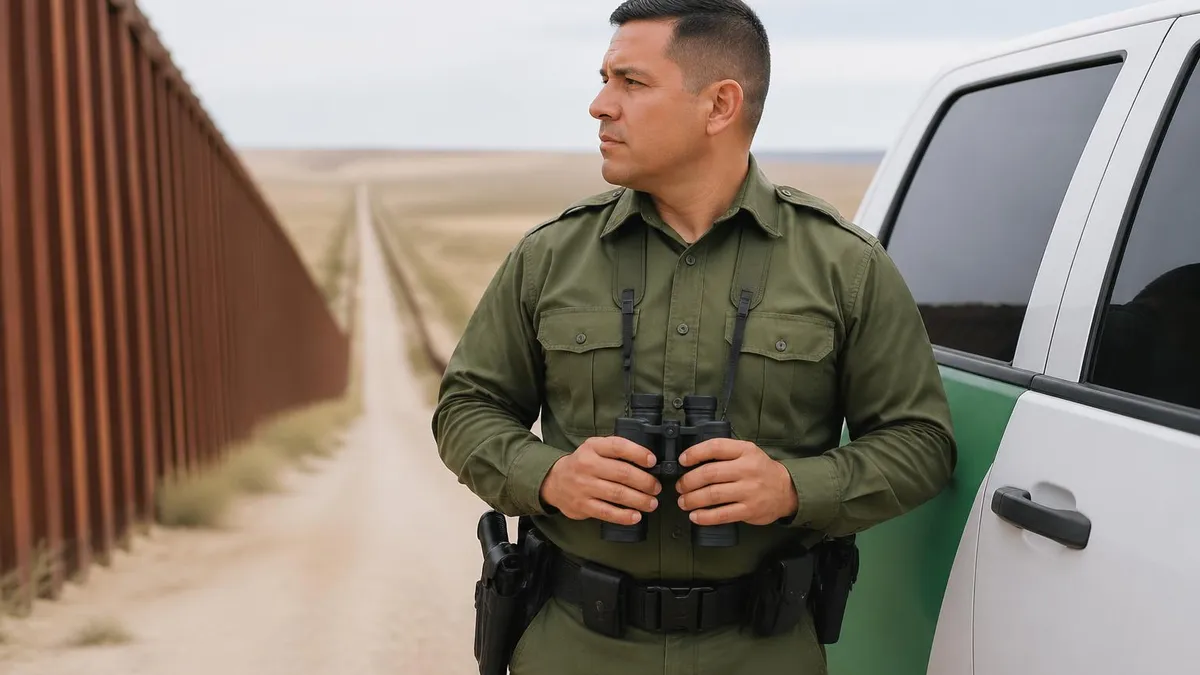
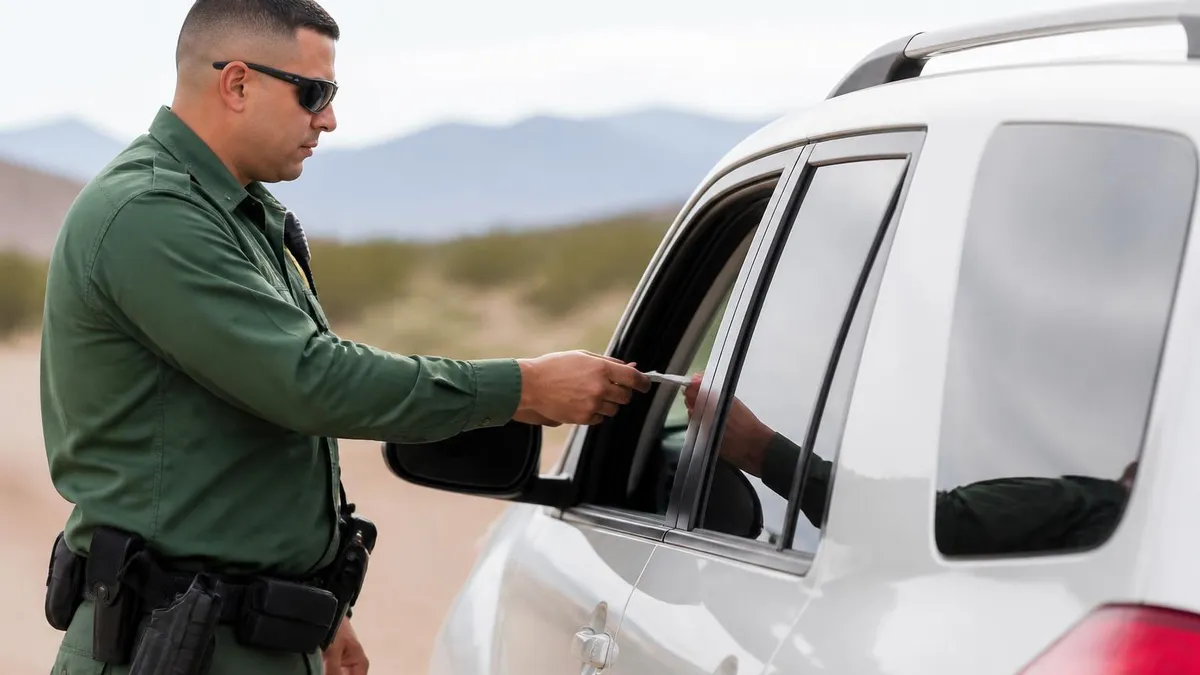
U.S. Customs and Border Protection maintains ongoing recruitment for Border Patrol Agents due to consistently high attrition and authorised staffing levels above current force strength. CBP frequently offers hiring incentives including relocation bonuses and recruitment bonuses for candidates who accept assignments in high-need sectors. Check USAJobs.gov for current Border Patrol Agent vacancy announcements, as new postings are opened on a rolling basis throughout the year.
Minimum requirements to become a Border Patrol Agent include U.S. citizenship, age between 18 and 39 at the time of appointment (candidates aged 40 or older are ineligible unless they have prior qualifying federal law enforcement experience that counts toward the mandatory retirement calculation), and a valid driver's licence.
Educational requirements are flexible — a bachelor's degree from an accredited college satisfies the GL-7 entry point, as does one year of qualifying work experience above the routine clerical level, or a combination of education and experience. For GL-9 entry, superior academic achievement (GPA of 3.0 or higher, top-third class standing, or membership in a national honour society) or at least one year of specialised experience is required.
The CBP hiring process for Border Patrol Agents is one of the most extensive in federal law enforcement. The sequence typically includes: completing an online application through USAJobs.gov, passing the Border Patrol Agent Written Exam (BPAWET), passing a physical fitness test (PFT), completing a structured interview, undergoing a polygraph examination, receiving a medical examination, completing a background investigation with drug screening, and receiving a final job offer.
The timeline from application to job offer varies widely — candidates frequently report processes lasting six months to over a year, depending on the volume of applicants being processed and the availability of investigative resources. Maintaining patience and keeping all contact information current with CBP throughout the process is essential, as communication gaps can lead to applications being administratively closed.
The physical fitness test for Border Patrol Agent candidates evaluates push-ups, sit-ups, and a 1.5-mile run. Minimum standards must be met to pass each component, with the run time being the most commonly cited barrier for unprepared candidates. Candidates are advised to begin physical conditioning well before their scheduled PFT date, particularly if they are not regularly active.
The polygraph examination covers truthfulness about past drug use, criminal history, and information provided in application materials — this component results in a meaningful percentage of otherwise qualified candidates being disqualified, particularly those who minimised or omitted relevant information during the application process.
Language skills are an asset — though not a universal requirement — for Border Patrol Agents. Spanish language proficiency is operationally valuable in most southern border sectors, where a significant portion of interdictions involve Spanish-speaking individuals. CBP provides Spanish language training to agents assigned to southern border sectors, but candidates who enter with existing Spanish proficiency may have an advantage in sector assignment preferences. Agents in northern border sectors may find French proficiency useful, particularly in sectors near the Quebec border. Some agent positions specifically require Spanish proficiency and are designated accordingly in vacancy announcements.
Border Patrol Agent applicants who hold a military background have specific advantages in the hiring process. Veterans receive federal preference points (5 or 10 additional points on federal assessment scores) under the Veterans' Preference Act, and military law enforcement or security experience may qualify for GL-9 entry rather than GL-7. Service members separating from active duty should coordinate their CBP application timeline with their military separation date to ensure continuous employment eligibility, and should obtain proper documentation of military service (DD-214) before initiating the federal hiring process, as this documentation is required during background investigation.
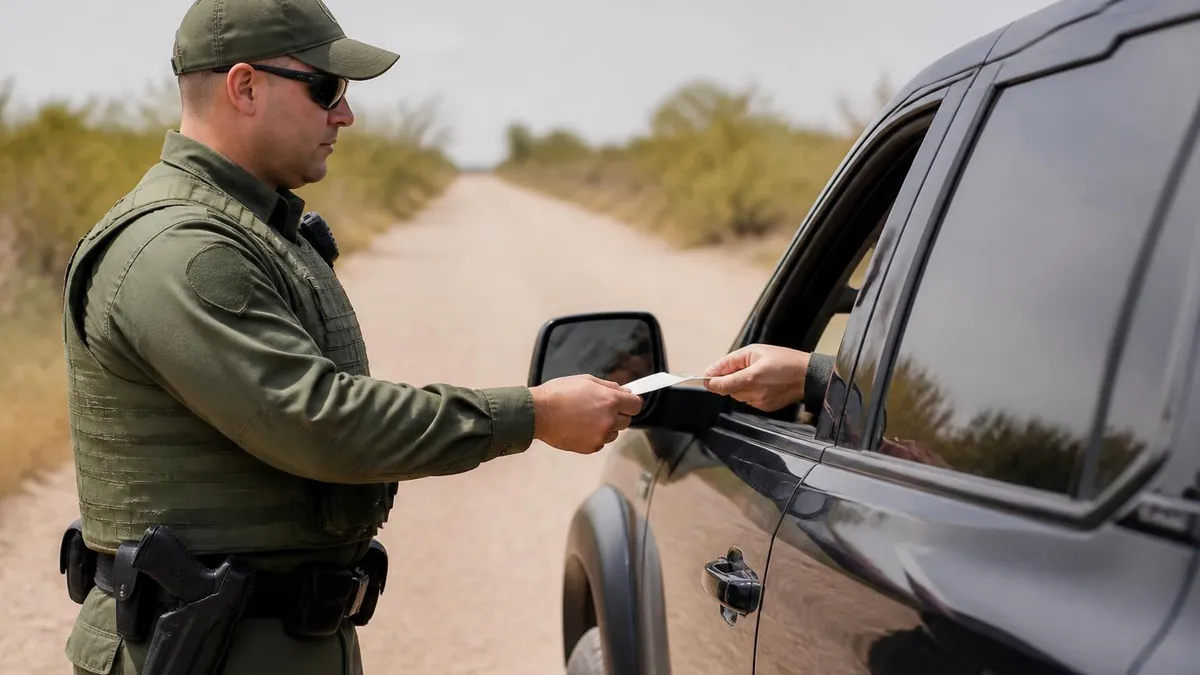
The polygraph examination is one of the most common disqualification points in the Border Patrol hiring process. The exam covers truthfulness about drug use history, criminal activity, and information in your application. Omissions are treated as deceptions — if you used marijuana even once, disclose it upfront. CBP has specific drug use thresholds and disqualification windows. Candidates who disclose honestly are evaluated fairly; candidates who are caught omitting relevant information are typically permanently disqualified from CBP employment.
Training for newly hired Border Patrol Agents takes place at the Federal Law Enforcement Training Centers (FLETC) in Artesia, New Mexico — the Border Patrol's primary training facility — and lasts approximately 17 to 19 weeks. The training curriculum covers law, border enforcement operations, vehicle operations, firearms, physical training, and Spanish language instruction for candidates without prior proficiency.
Graduates are then assigned to their designated sector for on-the-job training under the supervision of field training officers before becoming fully independent agents. The entire pathway from hire date to fully qualified solo agent typically spans six to nine months after initial appointment.
Career specialisation options for experienced Border Patrol Agents include BORTAC (the tactical unit equivalent to a SWAT team), BORSTAR (Border Patrol Search, Trauma, and Rescue for backcountry search and rescue operations), the Canine program (handler positions with trained drug or human detection dogs), the Air and Marine Operations branch for agents who qualify as pilots or maritime officers, and anti-smuggling units that conduct investigative work in collaboration with ICE.
Intelligence analyst and targeting roles provide career paths for agents with strong analytical skills who prefer operations-support work to direct patrol duties. These specialisations require a qualifying service period as a general patrol agent — typically two to four years — before eligibility.
Medical examination standards for Border Patrol Agents are rigorous, reflecting the physical demands of patrol work. Vision requirements include corrected visual acuity of at least 20/100 in both eyes, correctable to at least 20/20 with lenses or contacts. Colour vision deficiency is typically disqualifying.
Candidates with certain cardiovascular conditions, severe musculoskeletal limitations, or hearing deficiencies that cannot be corrected may be found medically unsuitable. Candidates who have been disqualified for medical reasons should review CBP's medical standards documentation, as some conditions that were historically disqualifying have been updated over time and recent guidance may differ from older information found in unofficial sources.
The structured interview component of the Border Patrol hiring process is a scored competency-based interview that evaluates candidates' suitability for law enforcement work. Interviewers assess qualities including integrity, judgment, problem-solving, interpersonal skills, and motivation for the role.
Candidates are typically asked situational and behavioural questions — "tell me about a time when you had to make a difficult decision under pressure" — and evaluated based on the specific content and quality of their responses rather than general impressions. Preparing specific examples from work, academic, or military experience that demonstrate relevant competencies is the most effective interview preparation strategy for this type of structured federal assessment.
Attrition in the Border Patrol is a significant operational challenge that drives the agency's ongoing recruitment efforts. Agent attrition stems from several sources: voluntary separations to other law enforcement agencies or private sector employers, medical retirements resulting from injuries sustained in the field, and mandatory retirement at age 57 under federal law enforcement retirement rules.
The agency has invested in retention initiatives including improved facilities at remote stations, expanded employee wellness programmes, and career development pathways to specialised units — but the combination of challenging duty conditions, mandatory border region assignments, and competitive offers from other agencies creates persistent turnover that requires continuous recruitment to address.
Border Patrol Agent Application Checklist
- ✓Verify age eligibility: must be under 40 at time of appointment (with limited exceptions)
- ✓Confirm U.S. citizenship and valid driver's licence
- ✓Create a USAJobs.gov profile and apply when a vacancy announcement is open
- ✓Pass the Border Patrol Agent Written Exam (BPAWET) — prepare with practice tests
- ✓Begin physical conditioning for the 1.5-mile run, push-ups, and sit-ups fitness test
- ✓Prepare for the polygraph: be truthful and consistent with all application materials
- ✓Complete the medical examination and drug screening
- ✓Disclose all relevant background information — omissions are the #1 disqualification cause
- ✓Keep your contact information current with CBP throughout the process (timelines vary)
- ✓Research sector assignments and prepare for potential relocation to border regions
Border Pros and Cons
- +Border has a publicly available content blueprint — you know exactly what to prepare for
- +Multiple preparation pathways accommodate different schedules and budgets
- +Clear score reporting shows specific strengths and weaknesses
- +Study communities share current insights from recent test-takers
- +Retake policies allow recovery from a difficult first attempt
- −Tested content scope requires substantial preparation time
- −No single resource covers everything optimally
- −Exam-day performance can differ from practice test performance
- −Registration, prep, and retake costs accumulate significantly
- −Content changes between versions can make older materials less reliable
Pros and Cons at a Glance
| Pros | Cons |
|---|---|
| Border has a publicly available content blueprint — you know exactly what to prepare for | Tested content scope requires substantial preparation time |
| Multiple preparation pathways accommodate different schedules and budgets | No single resource covers everything optimally |
| Clear score reporting shows specific strengths and weaknesses | Exam-day performance can differ from practice test performance |
| Study communities share current insights from recent test-takers | Registration, prep, and retake costs accumulate significantly |
| Retake policies allow recovery from a difficult first attempt | Content changes between versions can make older materials less reliable |
Sample BPA - Border Patrol Agent Practice Questions
Try these questions from our free BPA - Border Patrol Agent practice tests. The correct answer and an explanation follow each question.
What is the primary reason Border Patrol Agents are required to maintain fitness standards throughout their career?
- A. To qualify for additional hazard pay
- B. To ensure they can safely perform physically demanding law enforcement duties including foot pursuits and use of force
- C. To meet military reserve requirements
- D. To qualify for government health insurance discounts
Answer: B. To ensure they can safely perform physically demanding law enforcement duties including foot pursuits and use of force
Ongoing fitness requirements ensure agents can safely handle the physical demands of patrol, apprehensions, foot pursuits, and emergency responses.
Under U.S. immigration law, what is the legal standard for a Border Patrol Agent to stop and question an individual near the border?
- A. Probable cause that a crime has occurred
- B. A reasonable suspicion based on articulable facts
- C. Absolute certainty of illegal entry
- D. A warrant issued by a federal judge
Answer: B. A reasonable suspicion based on articulable facts
The U.S. Supreme Court in Terry v. Ohio established that a reasonable, articulable suspicion is the standard for brief investigative stops.
A Border Patrol Agent asks a subject '¿Cuál es su ciudadanía?' What information is the agent requesting?
- A. The subject's destination
- B. The subject's citizenship
- C. The subject's name
- D. The subject's date of birth
Answer: B. The subject's citizenship
'Ciudadanía' means citizenship, so the agent is asking about the person's national citizenship.
Which federal agency is the primary partner for Border Patrol agents conducting drug interdiction operations along the Southwest Border?
- A. Drug Enforcement Administration (DEA)
- B. Bureau of Alcohol, Tobacco, Firearms and Explosives (ATF)
- C. Federal Bureau of Investigation (FBI)
- D. Secret Service
Answer: A. Drug Enforcement Administration (DEA)
The DEA is the lead federal agency for drug enforcement and works directly with Border Patrol on interdiction operations and case referrals.
Border Patrol Agent Questions and Answers
About the Author

Educational Psychologist & Academic Test Preparation Expert
Columbia University Teachers CollegeDr. Lisa Patel holds a Doctorate in Education from Columbia University Teachers College and has spent 17 years researching standardized test design and academic assessment. She has developed preparation programs for SAT, ACT, GRE, LSAT, UCAT, and numerous professional licensing exams, helping students of all backgrounds achieve their target scores.
Join the Discussion
Connect with other students preparing for this exam. Share tips, ask questions, and get advice from people who have been there.
View discussion (8 replies)