
Border Patrol Agent Qualifications: Complete Requirements Guide 2026 October
🔎 Pass the Border Patrol Agent Qualifications: exam with confidence. Practice questions with detailed explanations and instant feedback on every answer.
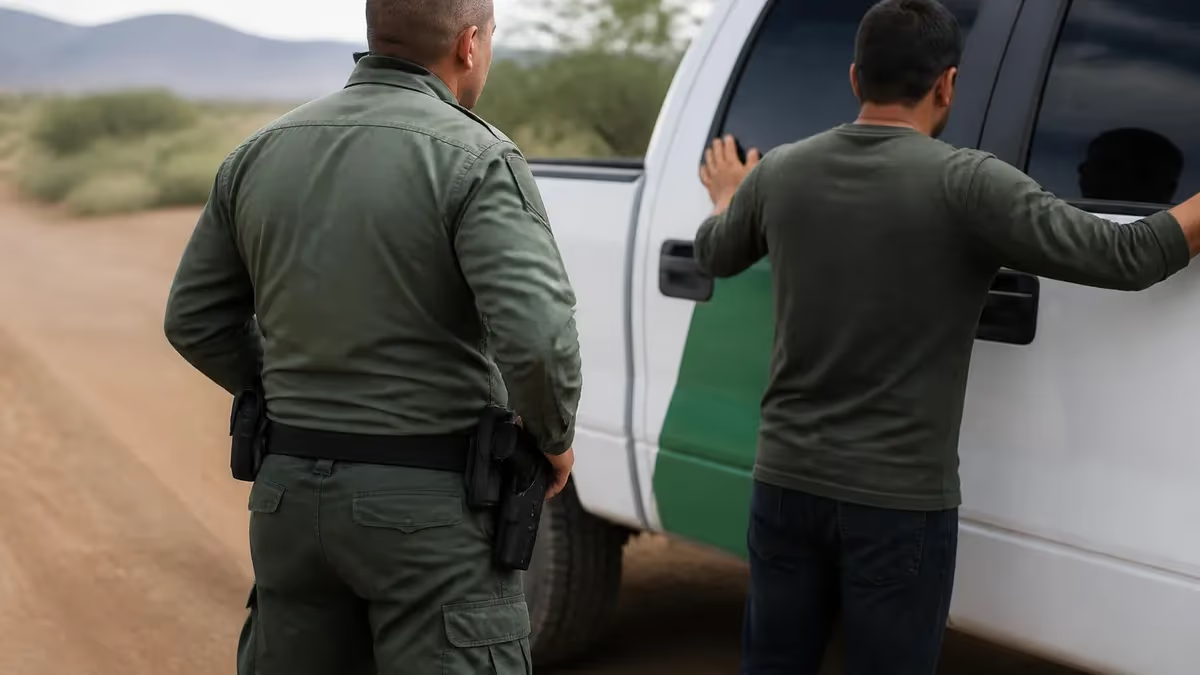
Becoming a U.S. Border Patrol Agent means joining one of the largest law enforcement agencies in the country. CBP hires thousands of agents each year, but the qualifications are strict — citizenship, age limits, a multi-stage exam, physical fitness tests, a polygraph, a background investigation, and 58 weeks of academy training. This guide walks through every requirement so you know exactly what to expect before you apply.
Basic Eligibility Requirements
Before you get to any testing, you must meet CBP's baseline requirements. These are non-negotiable:
- Citizenship: U.S. citizenship is required. Dual citizens and naturalized citizens are eligible.
- Age: You must be under 40 years of age at the time of appointment. The age limit can be waived if you have prior federal law enforcement experience that qualifies under 5 U.S.C. § 3307.
- Driver's license: A valid state driver's license is required at the time of appointment.
- Education or experience: A bachelor's degree OR one year of specialized work experience (GS-5 level). For GS-9 entry, you need a master's degree or 1 year of specialized experience at GS-7. Most applicants without degrees enter at GS-7 if they have qualifying work experience in law enforcement, military, or federal service.
Disqualifying Factors
Even if you meet the basic requirements, certain factors will automatically disqualify you:
- Any felony conviction
- Domestic violence conviction (Lautenberg Amendment applies to federal LEOs)
- Illegal drug use within the past three years; marijuana use within the past year
- Failure to pay federal income taxes or being in tax delinquency
- Dishonest conduct or falsification on any federal application
- Not receiving a passing score on the polygraph examination
CBP takes dishonesty on the application very seriously — applicants who misrepresent their history are permanently barred. Be thorough and accurate on every form.
The Logical Reasoning Test (BPAT)
All BPA applicants must pass the Border Patrol Agent Test (BPAT), which assesses logical reasoning, cognitive ability, and written Spanish (if you have prior Spanish language proficiency). The test is taken at a testing center and is not an open-book exam.
The logical reasoning section tests your ability to draw conclusions from written passages, identify patterns, and make inferences — skills directly relevant to surveillance, investigation, and patrol work. Practice with the BPA Logical Reasoning practice test to build speed and accuracy before your exam date.
If you already speak Spanish, you can take the Spanish language portion of the BPAT to demonstrate proficiency, which can improve your placement score and reduce your language training burden at the academy. Work through the BPA Spanish Language Proficiency practice test to assess your readiness.
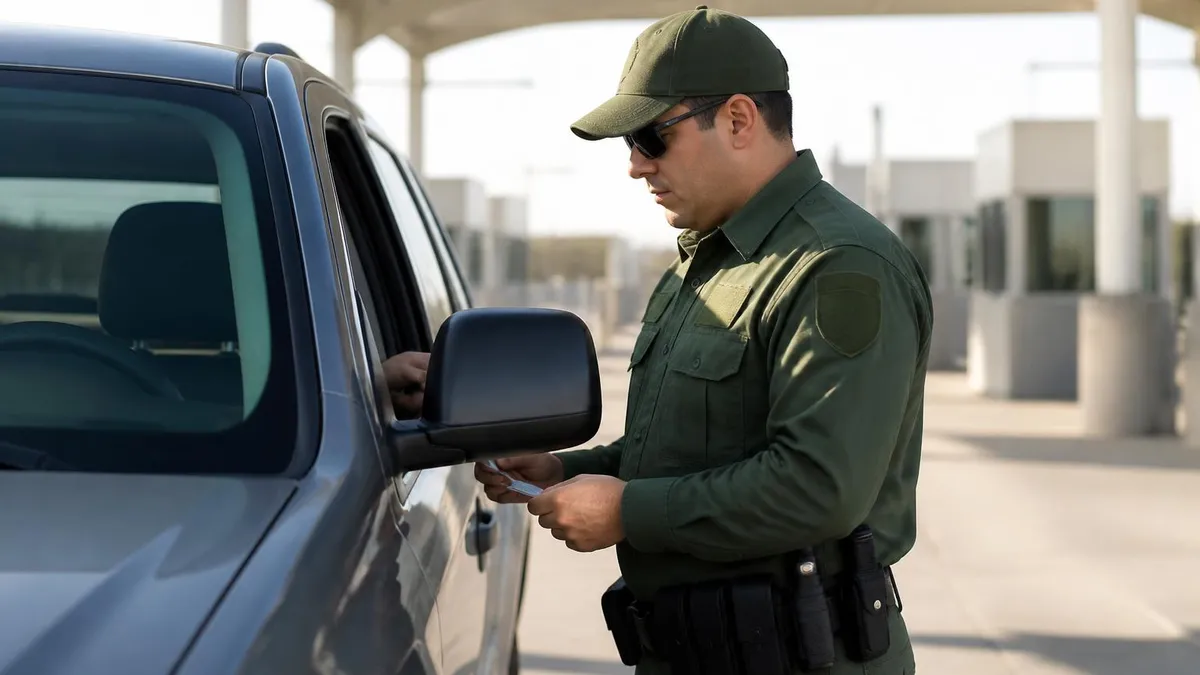
Physical Fitness Requirements
BPA candidates must pass a Physical Fitness Test (PFT) that reflects the demands of patrol work — running, climbing, lifting, and sustained exertion in demanding outdoor environments. The PFT is administered both during the hiring process and at the academy.
Standard PFT components include:
- 1.5-mile run: Completed within a maximum time (approximately 16–17 minutes for males depending on age; females have adjusted standards)
- Push-ups: Minimum reps in 1 minute (typically 20–25 depending on age/gender)
- Sit-ups: Minimum reps in 1 minute (typically 20–30)
- Pull-ups: Some assessment versions include pull-ups or a shuttle run
Candidates who pass the PFT during hiring will face the same standards again at the Academy in Artesia. Agents who fail at the Academy may be dismissed. Build your fitness base well before your assessment date — don't expect to get in shape during the process.
Use the BPA Physical Fitness and Medical Standards practice test to review the standards, measurement criteria, and medical exam requirements.
Medical Standards
The medical examination covers vision, hearing, cardiovascular health, and general physical condition:
- Vision: Correctable to 20/20 in both eyes. Laser eye surgery is generally acceptable with a waiting period. Color vision testing is required.
- Hearing: Adequate hearing to perform duties — evaluated by audiometry
- Cardiovascular: No conditions that would prevent sustained physical exertion or pose risk to self or others
- Controlled substances: Urinalysis testing is part of the medical exam
- ✓Review the official BPA exam content outline
- ✓Take a diagnostic practice test to identify weak areas
- ✓Create a study schedule (4-8 weeks recommended)
- ✓Focus on your weakest domains first
- ✓Complete at least 3 full-length practice exams
- ✓Review all incorrect answers with detailed explanations
- ✓Take a final practice test 1 week before exam day

Background Investigation and Polygraph
CBP conducts one of the most thorough background investigations in federal law enforcement. The SF-86 (Questionnaire for National Security Positions) is the centerpiece — it covers the past 10 years of employment, residency, personal relationships, foreign contacts, financial history, and criminal record. Incomplete or inaccurate SF-86s are a leading cause of disqualification.
The polygraph examination is mandatory for all BPA applicants. CBP uses the polygraph to verify information provided in the application, identify undisclosed criminal conduct, and assess suitability for a position with access to sensitive information. A polygraph failure or refusal is disqualifying. Common topics covered include drug use, criminal conduct, financial fraud, and contact with foreign nationals.
Familiarize yourself with the investigation process using the BPA Background Investigation and Interview Process practice test — it covers what investigators look at, what to expect during the structured interview, and how to approach the SF-86 accurately.
Immigration Law and Policy Knowledge
Border Patrol Agents enforce U.S. immigration law daily. You're expected to understand the legal framework: the Immigration and Nationality Act (INA), the distinction between inadmissibility and deportability, asylum procedures, 8 U.S.C. provisions governing unlawful entry, and how CBP coordinates with ICE and USCIS.
You don't need a law degree, but you need working knowledge of these frameworks — both for the BPAT, the structured interview, and your first months on the job. The BPA Immigration Law and Policy practice test covers the statutes, enforcement procedures, and policy distinctions you'll be tested on throughout the hiring process and academy.
Spanish Language Requirement
Spanish language proficiency is one of the most distinctive requirements for Border Patrol Agents, and it's mandatory — not optional. All agents must achieve Level 2 (Limited Working Proficiency) in Spanish before receiving permanent appointment. Agents who don't enter with Spanish skills receive extensive Spanish language training at the Academy, but those who already speak Spanish have a significant advantage: they spend less time in language instruction and more time on patrol skills.
Spanish proficiency is tested using standardized language assessments. At the Academy, your Spanish will be tested in both written and oral formats. The BPA Spanish Language Proficiency practice test covers law enforcement vocabulary, immigration terminology, and the types of Spanish-language scenarios agents encounter in the field.
Surveillance and Detection Skills
Border patrol isn't just about confrontation — a large part of the job is observation, track reading (sign cutting), surveillance, and detecting suspicious activity across varied terrain. Agents must learn to identify footprints, vehicle tracks, and other signs of illegal crossings; operate surveillance equipment; and coordinate with air and marine units.
These skills are developed during Academy training, but knowledge of the concepts and legal authorities involved in surveillance and detection is tested throughout the hiring process. The BPA Surveillance and Detection Techniques practice test covers the methods, legal authorities (including 4th Amendment issues relevant to border enforcement), and operational concepts you'll need to master.
Salary: GS Pay + LEAP
BPA salaries are structured around the General Schedule (GS) pay scale plus Law Enforcement Availability Pay (LEAP). LEAP is an automatic 25% premium added to base pay in exchange for your availability to work unscheduled overtime — it's not optional and it's not earned through performance. It's built into every agent's compensation.
- GS-7 entry (most common): ~$46,696 base + 25% LEAP ≈ $58,370 total base pay, plus locality adjustments
- GS-9 entry (degree/experience): ~$57,118 base + 25% LEAP ≈ $71,398
- GS-12 (after 3-5 years): Full journey-level pay with additional locality — most agents reach $85,000–$100,000+ in high-cost locations
Agents in high-cost areas (San Diego, El Paso, Tucson) receive locality pay adjustments on top of these figures. Federal benefits (FEHB health insurance, FERS retirement with enhanced LEO provisions, TSP) add substantial value beyond the cash salary.
BPA: Pros and Cons
- +BPA credential is recognized by employers and industry professionals
- +Higher earning potential compared to non-credentialed peers
- +Expanded career opportunities and professional advancement
- +Structured learning path builds comprehensive knowledge
- +Professional development that stays current with industry standards
- −Preparation requires significant time and study commitment
- −Associated costs for exams, materials, and renewal fees
- −Continuing education needed to maintain credentials
- −Competition for advanced positions can be challenging
- −Requirements and standards may vary by state or region
About the Author
Attorney & Bar Exam Preparation Specialist
Yale Law SchoolJames R. Hargrove is a practicing attorney and legal educator with a Juris Doctor from Yale Law School and an LLM in Constitutional Law. With over a decade of experience coaching bar exam candidates across multiple jurisdictions, he specializes in MBE strategy, state-specific essay preparation, and multistate performance test techniques.
Join the Discussion
Connect with other students preparing for this exam. Share tips, ask questions, and get advice from people who have been there.
View discussion (8 replies)