
Bartender Job Duties: The Complete Guide to Every Task Behind the Bar in 2026
Explore the full range of bartender job duties from drink preparation 📝 and customer service to inventory control and legal compliance. Updated for 2026.
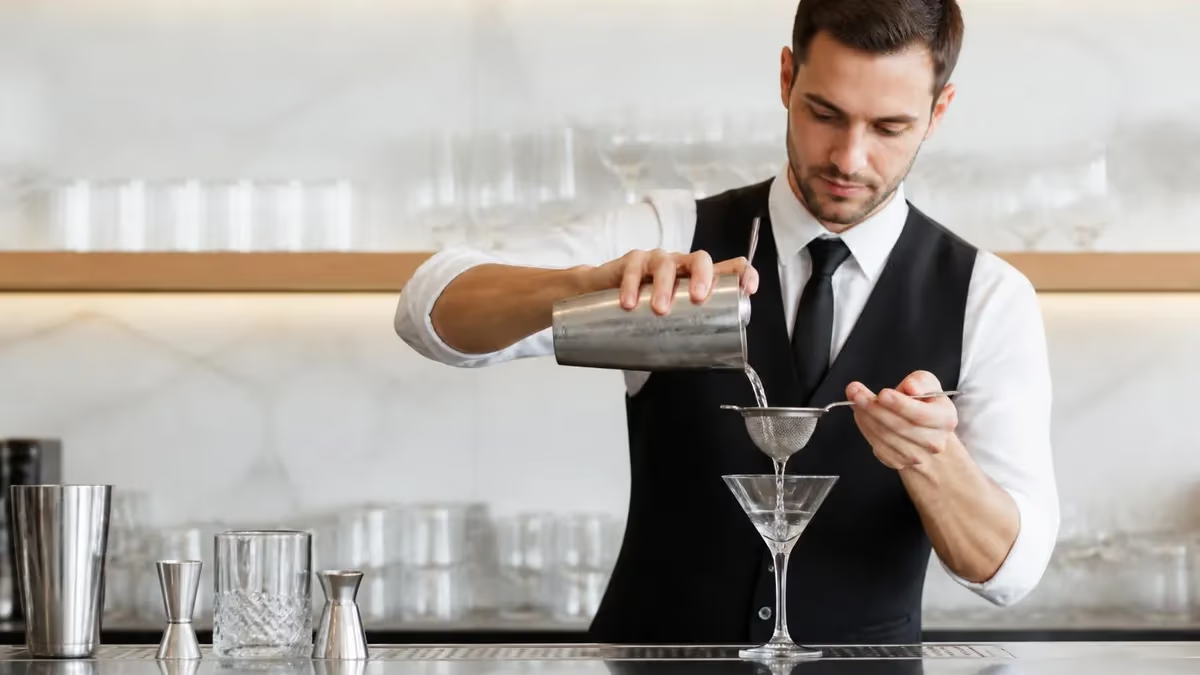
Understanding bartender job duties is the first step toward building a successful career behind the bar. Whether you are considering bartending as a full-time profession or a flexible side gig, knowing exactly what the role demands helps you prepare for every shift with confidence. The bartending profession involves far more than pouring drinks, and the responsibilities that fall on your shoulders shape the experience every guest has when they visit an establishment. In 2026, the expectations placed on bartenders have continued to evolve alongside changing industry standards and guest preferences.
Many people imagine bartending as simply mixing cocktails, but the reality encompasses a much broader set of tasks that require equal parts technical skill and interpersonal finesse. From the moment you arrive for your shift until the final glass is cleaned and stored, you are responsible for maintaining the bar environment, managing inventory, handling cash transactions, and ensuring every guest leaves satisfied. These bartender job duties combine hospitality, efficiency, and an eye for detail that separates good bartenders from truly great ones in competitive markets across the United States.
The U.S. Bureau of Labor Statistics reports that approximately 718,800 bartending positions exist nationwide, with projected growth remaining steady through 2032. The median hourly wage sits around $14.99 before tips, but experienced bartenders in major metropolitan areas routinely earn $50,000 to $80,000 annually when tips are factored in. These numbers reflect the value that skilled bartenders bring to establishments, and that value is directly tied to how well they perform their core duties each shift.
Beyond the financial rewards, bartending offers a dynamic work environment where no two shifts are identical. One evening you might serve a quiet Tuesday crowd of regulars, while the next shift could involve managing a packed Saturday night with a two-deep bar. Adapting to these fluctuations requires a thorough understanding of every duty you are responsible for, from speed-pouring techniques to conflict de-escalation skills that keep everyone safe and comfortable throughout the evening.
Modern bartending also increasingly involves technology, from point-of-sale systems and digital inventory tools to mobile payment platforms and reservation management software. Employers expect bartenders to navigate these systems efficiently while still delivering the warm, personalized service that guests expect. The intersection of technology and traditional hospitality skills defines the contemporary bartender role, and staying current with both dimensions is essential for career advancement in this competitive field.
This comprehensive guide breaks down every major category of bartender job duties, covering drink preparation, customer service, opening and closing procedures, inventory management, compliance with alcohol laws, and the soft skills that tie everything together. Whether you are studying for a bartender certification exam or preparing for your first interview, this article gives you the detailed knowledge you need to understand and excel at every aspect of the bartending profession in the current market.
By the end of this guide, you will have a clear picture of what employers expect, what guests appreciate, and what separates a competent bartender from an exceptional one. The duties outlined here apply across venue types, from high-volume nightclubs and craft cocktail lounges to hotel bars, restaurants, and private event venues, giving you a well-rounded foundation no matter where your career takes you.
Free Bartender Certification Study Tools
Interactive Bartender Certification resources on PracticeTestGeeks, free to start:
- Bartender Certification flashcards — review key terms and concepts card by card
- Bartender Certification study guide — topic-by-topic overview of what the exam covers
- Bartender Certification cheat sheet — one-page printable summary for last-minute review
Bartender Job Duties by the Numbers

Core Bartender Duties and Responsibilities
Craft cocktails, pour drafts, mix classic recipes, and prepare specialty drinks to exact specifications. Requires memorizing dozens of recipes and adapting to guest preferences on the fly.
Greet guests, take orders accurately, make personalized recommendations, handle complaints gracefully, and create a welcoming atmosphere that encourages return visits and positive reviews.
Complete opening procedures including cutting garnishes, stocking ice, checking kegs, and preparing mise en place. Close by cleaning equipment, securing inventory, and reconciling the till.
Monitor stock levels, rotate perishables, track pour costs, reduce waste, and communicate ordering needs to management. Directly impacts the bar's profitability and operational efficiency.
Verify guest identification, refuse service to intoxicated patrons, follow local and state alcohol regulations, maintain food safety standards, and ensure a safe environment for guests and staff.
Drink preparation stands at the heart of every bartender's daily responsibilities and represents the skill that most people associate with the profession. A competent bartender needs to know at least seventy-seven classic cocktail recipes from memory, including precise measurements, proper glassware, correct garnishes, and appropriate preparation methods. From shaken to stirred, muddled to layered, each technique affects the final product's taste, presentation, and consistency, and guests notice when these details are handled with care and precision.
Speed and accuracy must coexist during drink preparation, especially during peak service hours when the bar is three-deep with waiting guests. Experienced bartenders develop a workflow that minimizes unnecessary movement, keeps their station organized, and allows them to prepare multiple orders simultaneously without sacrificing quality. This involves memorizing the physical layout of your speed rail, knowing exactly where every bottle sits, and building drinks in a sequence that maximizes efficiency while maintaining the correct proportions for each cocktail being prepared.
Beyond classic cocktails, bartenders are increasingly expected to understand craft spirits, local beers, seasonal ingredients, and wine service fundamentals. Guests arrive with more knowledge than ever before, having watched cocktail videos, visited distilleries, and read about spirits on social media platforms. Meeting these informed guests where they are requires bartenders to continuously expand their product knowledge, attend tastings when possible, and stay current with trends that shape guest expectations across different market segments nationwide.
Draft beer service involves its own set of technical skills that bartenders must master to perform their duties effectively. Proper pouring technique, including the correct angle, distance from the tap, and foam management, ensures each pint meets quality standards. Bartenders must also understand keg connections, CO2 pressure adjustments, and line cleaning schedules to prevent off-flavors and maintain consistent pours throughout a keg's lifespan. Neglecting these technical details leads to wasted product, unhappy guests, and increased costs for the establishment.
Wine service adds another layer of responsibility to the bartender's duties, particularly in restaurant settings where the bartender may be responsible for opening bottles tableside, recommending pairings, and managing wine-by-the-glass programs. Understanding proper storage temperatures, recognizing flawed wines, and knowing the difference between grape varietals and regional styles allows bartenders to guide guests confidently through a wine list. These skills improve the overall dining experience and demonstrate the professionalism that distinguishes accomplished bartenders.
Presentation matters enormously in drink service, and garnishing is an art form that bartenders refine throughout their careers. A perfectly expressed orange peel, a precisely cut lime wheel, or an elegantly placed cocktail cherry communicates attention to detail and care that guests appreciate. During prep time, bartenders cut and organize garnishes for the entire shift, ensuring they have sufficient quantities of each item stored at the proper temperature and ready for service when the first guests arrive at the bar.
Non-alcoholic beverage preparation has become an increasingly important part of bartender job duties as the zero-proof movement continues to gain momentum across the United States. Crafting sophisticated mocktails that offer the same complexity and presentation as their alcoholic counterparts requires creativity and skill. Bartenders who excel at non-alcoholic drink preparation can serve a broader clientele, including designated drivers, pregnant guests, and those who simply prefer to skip alcohol while still enjoying a thoughtfully crafted beverage experience.
Bartender Practice Test Questions
Prepare for the Bartender Certification exam with our free practice test modules. Each quiz covers key topics to help you pass on your first try.
Bartender Certification Bar Inventory and ...
Bartender Exam Questions covering Certification Bar Inventory and Cost Control. Master Bartender Test concepts for certification prep.
Bartender Certification Bar Law and Liquor...
Free Bartender Practice Test featuring Certification Bar Law and Liquor Regulations. Improve your Bartender Exam score with mock test prep.
Bartender Certification Bar Sanitation and...
Bartender Mock Exam on Certification Bar Sanitation and Safety. Bartender Study Guide questions to pass on your first try.
Bartender Certification Bar Setup and Orga...
Bartender Test Prep for Certification Bar Setup and Organization. Practice Bartender Quiz questions and boost your score.
Bartender Certification Bar Tools and Glas...
Bartender Questions and Answers on Certification Bar Tools and Glassware. Free Bartender practice for exam readiness.
Bartender Certification Basic
Bartender Mock Test covering Certification Basic. Online Bartender Test practice with instant feedback.
Bartender Certification Cocktail Recipes a...
Free Bartender Quiz on Certification Cocktail Recipes and Techniques. Bartender Exam prep questions with detailed explanations.
Bartender Certification Customer Service a...
Bartender Practice Questions for Certification Customer Service and Sales. Build confidence for your Bartender certification exam.
Bartender Certification Customer Service S...
Bartender Test Online for Certification Customer Service Skills. Free practice with instant results and feedback.
Bartender Certification Mixology Fundamentals
Bartender Study Material on Certification Mixology Fundamentals. Prepare effectively with real exam-style questions.
Bartender Certification Responsible Alcoho...
Free Bartender Test covering Certification Responsible Alcohol Service. Practice and track your Bartender exam readiness.
Bartender Certification Spirits, Beer, and...
Bartender Exam Questions covering Certification Spirits, Beer, and Wine. Master Bartender Test concepts for certification prep.
Bartender Certification Spirits, Liqueurs,...
Free Bartender Practice Test featuring Certification Spirits, Liqueurs, and Cocktails. Improve your Bartender Exam score with mock test prep.
Bartender Responsible Alcohol Service
Bartender Mock Exam on Responsible Alcohol Service. Bartender Study Guide questions to pass on your first try.
Bartender Spirits, Liqueurs, and Cocktails
Bartender Test Prep for Spirits, Liqueurs, and Cocktails. Practice Bartender Quiz questions and boost your score.
Bartender Bar Sanitation and Safety
Bartender Questions and Answers on Bar Sanitation and Safety. Free Bartender practice for exam readiness.
Bartender Bar Setup and Organization
Bartender Mock Test covering Bar Setup and Organization. Online Bartender Test practice with instant feedback.
Bartender Bar Tools and Glassware
Free Bartender Quiz on Bar Tools and Glassware. Bartender Exam prep questions with detailed explanations.
Bartender Basic
Bartender Practice Questions for Basic. Build confidence for your Bartender certification exam.
Bartender Cocktail Recipes and Techniques
Bartender Test Online for Cocktail Recipes and Techniques. Free practice with instant results and feedback.
Bartender Customer Service and Sales
Bartender Study Material on Customer Service and Sales. Prepare effectively with real exam-style questions.
Bartender Customer Service Skills
Free Bartender Test covering Customer Service Skills. Practice and track your Bartender exam readiness.
Customer Service and Communication Skills for Bartenders
Effective guest interaction begins the moment someone approaches the bar. Bartenders should make eye contact, offer a genuine greeting, and acknowledge waiting guests even when occupied with another order. Reading body language helps determine whether a guest wants conversation or prefers to be left alone. These small signals shape the entire experience and directly influence tip percentages, repeat visits, and online reviews that affect the establishment's reputation in the local market.
Handling difficult situations requires composure and practiced techniques. When guests complain about a drink, the best approach is to listen without defensiveness, apologize sincerely, and remake the drink promptly. When conflicts arise between guests, bartenders must de-escalate calmly while protecting safety for everyone present. Establishing clear boundaries, using a steady tone of voice, and involving security when necessary are core skills that every working bartender must develop and refine through real-world experience behind the bar.

Advantages and Challenges of Bartending as a Career
- +Earning potential exceeds many entry-level positions when tips are included in total compensation
- +Flexible scheduling allows you to pursue education, auditions, or other commitments during daytime hours
- +Social environment provides constant interaction with diverse people from all backgrounds
- +Transferable skills in customer service, multitasking, and conflict resolution apply across industries
- +Career advancement opportunities into bar management, beverage director, and ownership roles
- +Creative outlet through cocktail development, menu design, and presentation innovation
- −Late-night and weekend schedules can strain personal relationships and social life
- −Physical demands including standing for eight-plus hours, heavy lifting, and repetitive motions
- −Income variability means some shifts generate excellent tips while others fall short of expectations
- −Exposure to intoxicated guests who may become aggressive, inappropriate, or difficult to manage
- −Limited employer-provided benefits such as health insurance and retirement plans at many establishments
- −Occupational hazards including cuts, burns, slippery floors, and prolonged noise exposure
Pros and Cons at a Glance
| Pros | Cons |
|---|---|
| Earning potential exceeds many entry-level positions when tips are included in total compensation | Late-night and weekend schedules can strain personal relationships and social life |
| Flexible scheduling allows you to pursue education, auditions, or other commitments during daytime hours | Physical demands including standing for eight-plus hours, heavy lifting, and repetitive motions |
| Social environment provides constant interaction with diverse people from all backgrounds | Income variability means some shifts generate excellent tips while others fall short of expectations |
| Transferable skills in customer service, multitasking, and conflict resolution apply across industries | Exposure to intoxicated guests who may become aggressive, inappropriate, or difficult to manage |
| Career advancement opportunities into bar management, beverage director, and ownership roles | Limited employer-provided benefits such as health insurance and retirement plans at many establishments |
| Creative outlet through cocktail development, menu design, and presentation innovation | Occupational hazards including cuts, burns, slippery floors, and prolonged noise exposure |
Daily Bartender Duties Checklist
- ✓Arrive on time and review the shift notes or pre-shift communication from management.
- ✓Verify that your cash drawer or bank is correct and report any discrepancies immediately.
- ✓Cut and prepare all garnishes including citrus wheels, wedges, olives, and specialty items.
- ✓Stock the ice wells completely and ensure backup ice is available for peak service hours.
- ✓Check all draft beer lines for proper pressure and pour a test glass from each tap.
- ✓Restock bottled beer, wine, and spirits to par levels on the speed rail and back bar.
- ✓Wipe down and sanitize all bar surfaces, equipment, and tools before service begins.
- ✓Verify that all POS systems, card readers, and printers are functioning correctly.
- ✓Review the specials menu and confirm availability of all featured ingredients with the kitchen.
- ✓Complete closing duties including cleaning equipment, securing inventory, and running end-of-day reports.
Certification Accelerates Career Growth
Bartenders who hold a recognized certification earn an average of 15-20% more in total compensation compared to uncertified peers. Certification demonstrates your commitment to professional standards, knowledge of alcohol laws, and competence in inventory management. Many employers now list certification as a preferred or required qualification in job postings, making it a strategic investment that pays dividends throughout your bartending career.
Inventory management represents one of the most business-critical bartender job duties, directly impacting an establishment's profitability and operational efficiency. Bartenders who understand pour cost calculations, waste tracking, and stock rotation contribute measurably to the bottom line. The average bar operates on a pour cost between 18 and 24 percent, meaning that for every dollar of alcohol sold, roughly twenty cents covers the product cost. Keeping this ratio in check requires disciplined pouring, accurate tracking, and proactive communication with management about consumption patterns.
Daily inventory responsibilities begin with checking stock levels against par sheets that specify the minimum quantity of each product that should be available at the start of every shift. When items fall below par, bartenders document what needs to be ordered and communicate this information to the bar manager or purchasing team. Accurate par management prevents two costly scenarios: running out of popular products during service, which frustrates guests and loses revenue, and overstocking products that tie up capital and risk spoilage before they are sold.
Pour accuracy is a duty that many bartenders underestimate in terms of its financial impact on the business. A consistently heavy pour of just a quarter ounce per drink might seem insignificant, but across hundreds of drinks per shift, that overpour accumulates into thousands of dollars in lost revenue annually. Using jiggers for measured pours, practicing free-pour accuracy with water and a measured glass, and submitting to periodic accuracy tests demonstrates professionalism and protects the establishment's financial health over the long term.
Waste tracking is another inventory duty that separates detail-oriented bartenders from careless ones. Every spilled drink, broken bottle, comped beverage, and mistaken order should be documented accurately in the waste log. This information helps management identify patterns, whether a particular bartender consistently over-pours, a specific product has packaging issues, or a certain shift regularly generates higher waste than others. Honest and thorough waste documentation builds trust with management and supports data-driven decisions about operations.
Cash handling and financial reconciliation duties require bartenders to maintain accuracy throughout every transaction during their shift. This includes processing credit card payments correctly, making accurate change, applying discounts and promotions according to establishment policies, and balancing the cash drawer at the end of the shift. Shortages or overages trigger investigation, and consistent accuracy in cash handling is a fundamental expectation that employers monitor closely as part of overall performance evaluation for bartending staff.
Technology has transformed how bartenders manage inventory and financial duties in recent years. Modern POS systems track sales data in real time, generate reports on product movement, and even flag unusual patterns that might indicate theft or waste. Bartenders who learn to use these tools effectively add value beyond basic service skills, positioning themselves as assets who contribute to management-level decision making about purchasing, pricing, and promotional strategies within the establishment.
Product knowledge also plays a critical role in inventory management duties. Understanding shelf life for perishable ingredients like fresh juices, dairy products, and cut fruit helps bartenders rotate stock properly using the first-in-first-out method. Knowing which spirits are high-turnover items versus slow movers informs stocking decisions and helps prevent the common problem of dust-covered bottles occupying valuable back bar real estate that could be generating revenue with more popular selections instead.
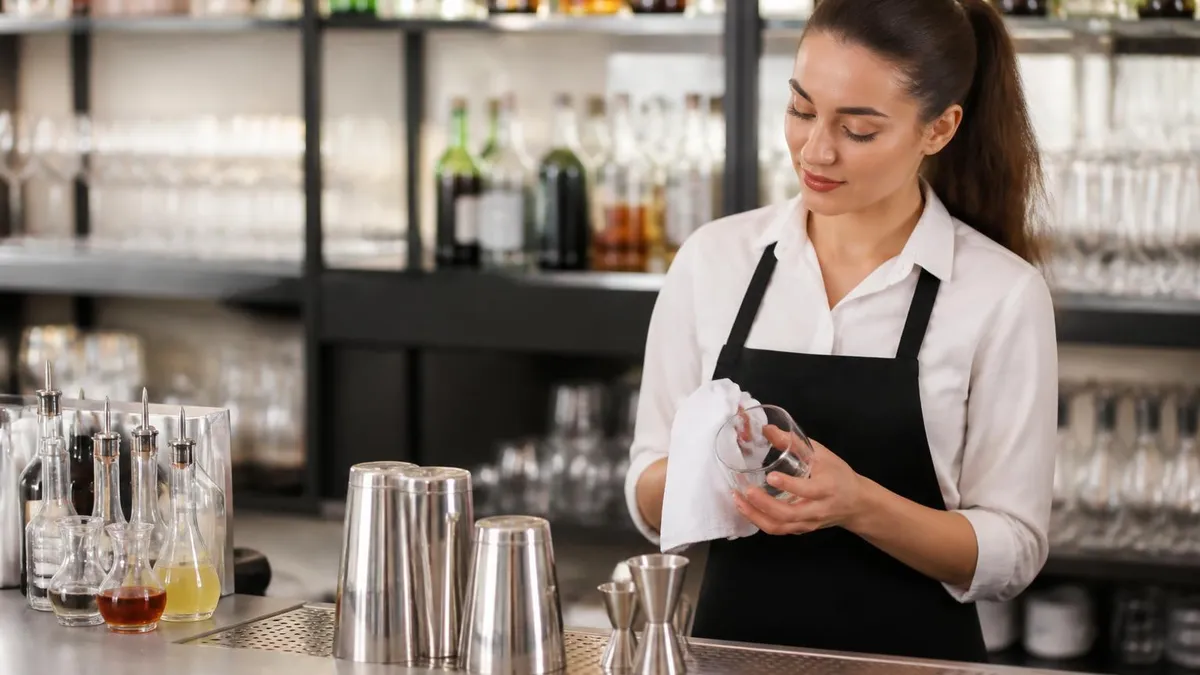
In most U.S. states, bartenders can be held personally liable for injuries or damages caused by guests they overserved. Dram shop laws allow victims of drunk-driving accidents to sue both the establishment and the individual bartender who continued to serve an obviously intoxicated patron. Understanding your state's specific regulations and consistently applying responsible service practices protects both your license and your personal financial security.
Legal compliance ranks among the most consequential bartender job duties because violations carry serious penalties for both the individual bartender and the employing establishment. Every state in the United States has specific laws governing alcohol service, and bartenders are expected to know and follow these regulations during every shift. Penalties for violations range from fines and mandatory retraining to criminal charges in severe cases, making compliance a non-negotiable aspect of professional bartending that demands constant vigilance and thorough knowledge of applicable statutes.
Age verification is the most fundamental legal duty a bartender performs, and mistakes in this area can be catastrophic. Bartenders must check identification for any guest who appears to be under a certain age threshold, typically thirty or thirty-five depending on establishment policy. Acceptable forms of identification include state-issued driver's licenses, passports, and military identification cards. Learning to spot fake IDs by checking security features, comparing photos carefully, and feeling for proper card thickness and texture is an essential skill that protects everyone involved in the transaction.
Responsible alcohol service extends beyond checking identification to include monitoring guest intoxication levels throughout their visit. Bartenders are trained to recognize signs of intoxication including slurred speech, impaired coordination, glazed eyes, and increasingly loud or aggressive behavior. When these signs appear, bartenders have a legal and ethical obligation to slow or stop alcohol service, offer food and water alternatives, and if necessary, arrange safe transportation home for the guest. These decisions require courage and conviction to execute properly.
Health and safety compliance is another critical area of bartender duties that protects both guests and staff members from preventable harm. Bartenders must follow food safety protocols when handling garnishes and ingredients, maintain clean and sanitized work surfaces, store perishable items at proper temperatures, and follow handwashing procedures consistently throughout every shift. Health department inspections can happen without warning, and the bar area often receives particular scrutiny because of the combination of food handling and high-traffic conditions present there.
Fire safety awareness falls under the bartender's responsibilities as well, particularly in venues that use open flames for cocktail presentations or have crowded conditions during peak hours. Knowing the location of fire extinguishers, emergency exits, and first aid supplies is not optional. Bartenders should also be aware of maximum occupancy limits for their venue and communicate with management or security when the space approaches capacity, as overcrowding creates safety hazards that can escalate quickly during emergency situations.
Documentation and record keeping support legal compliance by creating a paper trail that demonstrates the establishment's commitment to following regulations. Bartenders may be required to log incidents involving intoxicated guests, refused service, confiscated fake identification cards, and any altercations that occur during their shift. These records serve as evidence of responsible practices if the establishment faces legal action or regulatory review, and completing them accurately and promptly is a professional duty that experienced bartenders take seriously.
Staying current with changing regulations is an ongoing responsibility that bartenders must embrace as part of their professional development. Alcohol laws evolve as state legislatures update statutes, local municipalities adjust ordinances, and regulatory agencies issue new guidance. Attending certification renewal courses, reading industry publications, participating in training sessions offered by your employer, and engaging with professional bartending organizations all help you maintain the legal knowledge necessary to perform your duties without putting yourself or your employer at risk.
Developing practical habits early in your bartending career sets the foundation for long-term success and helps you execute your duties consistently under pressure. One of the most effective strategies is creating a personal pre-shift routine that covers every preparation task in a specific order. By following the same sequence every shift, you reduce the chance of forgetting critical steps like checking keg levels, restocking garnishes, or verifying your cash drawer balance. Consistency in preparation translates directly to consistency in service quality throughout the evening.
Time management during service is a skill that improves with deliberate practice and self-awareness about how you allocate your attention during busy periods. Experienced bartenders prioritize tasks based on urgency and impact, knowing that a waiting guest needs acknowledgment within thirty seconds even if their drink takes another two minutes to prepare. Batching similar tasks together, such as pouring all draft beers for a round before building cocktails, maximizes efficiency and reduces the total time guests spend waiting for their orders.
Physical endurance matters more than many aspiring bartenders realize when they first consider the profession. A typical shift involves eight to twelve hours on your feet, constant arm movement from shaking and pouring, bending to access low coolers and storage areas, and carrying heavy cases of bottles and ice. Investing in quality non-slip shoes, practicing proper lifting technique, staying hydrated throughout your shift, and maintaining basic physical fitness through regular exercise helps prevent the injuries and burnout that can derail promising careers prematurely.
Building a regular clientele is one of the most rewarding aspects of bartending and directly supports your earning potential through consistent tip income. Regulars return because they feel recognized, valued, and comfortable at your bar. Remembering names, preferred drinks, and personal details demonstrates genuine care that builds loyalty over time. These relationships also provide a stable income base during slower periods when transient guest traffic might otherwise result in disappointing earnings for bartenders without an established following.
Continuing education separates bartenders who plateau from those who continuously advance in their careers and earning potential. Pursuing certifications in spirits knowledge, wine education, beer judging, and advanced mixology demonstrates commitment to the craft and opens doors to higher-paying positions at premium establishments. Many certification programs are available online, making them accessible even for bartenders working demanding schedules who cannot attend in-person classes during traditional business hours.
Networking within the bartending community provides career opportunities, knowledge sharing, and professional support that enhance every aspect of your work. Attending industry events, participating in cocktail competitions, following respected bartenders on social media, and joining professional organizations connects you with peers who share insights about techniques, products, and career strategies. These connections often lead to job referrals at desirable establishments, mentorship relationships with experienced professionals, and collaborative projects that improve your skills and reputation.
Finally, maintaining a positive attitude and genuine enthusiasm for hospitality remains the most important practical tip for anyone pursuing bartending as a career. Technical skills can be taught and refined through practice, but the authentic desire to make people happy and create memorable experiences is what truly distinguishes exceptional bartenders. Every guest interaction is an opportunity to demonstrate that passion, and the bartenders who approach their duties with energy and warmth consistently outperform their peers in both guest satisfaction scores and total compensation earned across their careers.
Sample Bartender Certification Practice Questions
Try these questions from our free Bartender Certification practice tests. The correct answer and an explanation follow each question.
How should a bartender properly layer ingredients in a layered shot?
- A. By shaking all ingredients together and then pouring them
- B. By pouring ingredients in any order
- C. By stirring all ingredients together before serving
- D. By carefully pouring each ingredient over the back of a spoon
Answer: D. By carefully pouring each ingredient over the back of a spoon
Layering ingredients in a shot relies on the principle of density, where liquids of different weights settle into distinct layers. Carefully pouring each ingredient over the back of a spoon minimizes turbulence, allowing the liquids to gently flow and stack without mixing. This technique is essential for achieving the visually appealing, separated layers characteristic of a well-made layered shot.
What is the importance of knowing the bar's menu thoroughly as a bartender?
- A. It is only important for the manager to know the full menu
- B. It allows the bartender to make confident recommendations, answer questions accurately, and provide excellent customer service
- C. Menu knowledge is only needed during training
- D. Customers prefer to make all decisions independently
Answer: B. It allows the bartender to make confident recommendations, answer questions accurately, and provide excellent customer service
Thorough menu knowledge allows bartenders to make confident, accurate recommendations, answer questions promptly, and provide a higher level of professional service.
When should a bartender proactively check in with seated bar guests during service?
- A. Only when a guest signals by waving
- B. When a guest's glass is about half to two-thirds empty, to offer a refill or ask if they need anything else
- C. Only at the very beginning and end of the visit
- D. Every 15 minutes on a fixed schedule regardless of drink levels
Answer: B. When a guest's glass is about half to two-thirds empty, to offer a refill or ask if they need anything else
Proactively checking in when a guest's glass is half to two-thirds empty allows a natural conversation about refills and needs without the guest having to flag down the bartender.
A bartender notices a small puddle of sticky liquid on the floor behind the bar near the soda gun, along with a few fruit flies. Which of the following is the most immediate and appropriate action to take?
- A. Ignore it until the end of the shift, as it's a low-traffic area.
- B. Spray insecticide in the area to eliminate the fruit flies quickly.
- C. Clean the spill immediately, check the soda gun for leaks, and set a pest trap.
- D. Inform the manager but continue serving drinks as normal.
Answer: C. Clean the spill immediately, check the soda gun for leaks, and set a pest trap.
Spills, especially sugary ones, attract pests like fruit flies and create slip hazards. The most appropriate action is to address the root cause immediately by cleaning the spill, inspecting for equipment malfunctions like a leaking soda gun, and implementing pest control measures. This prevents the problem from worsening and maintains a safe and sanitary environment.
Bartender Bartender Questions and Answers
Bartender Near Me: How to Find, Vet, and Hire a Local Bartender in 2026
Lady Bartender: A Complete Guide for Women Behind the Bar in 2026
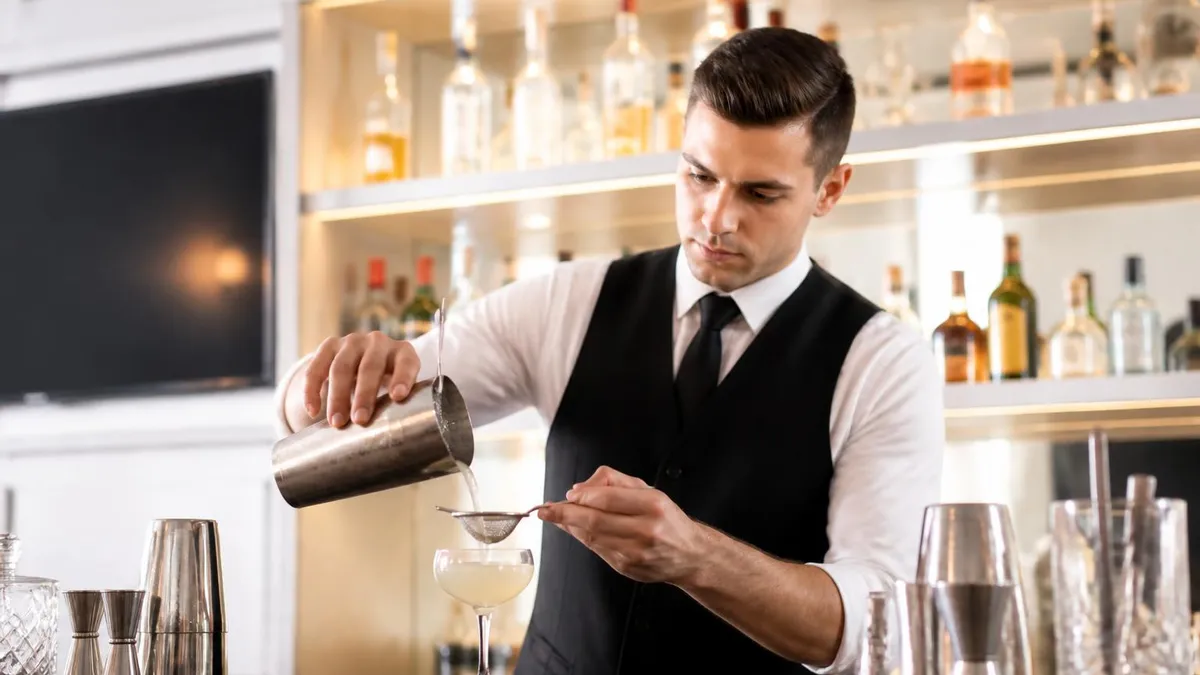
Bartender Interview Questions: 50+ Real Questions With Sample Answers for 2026
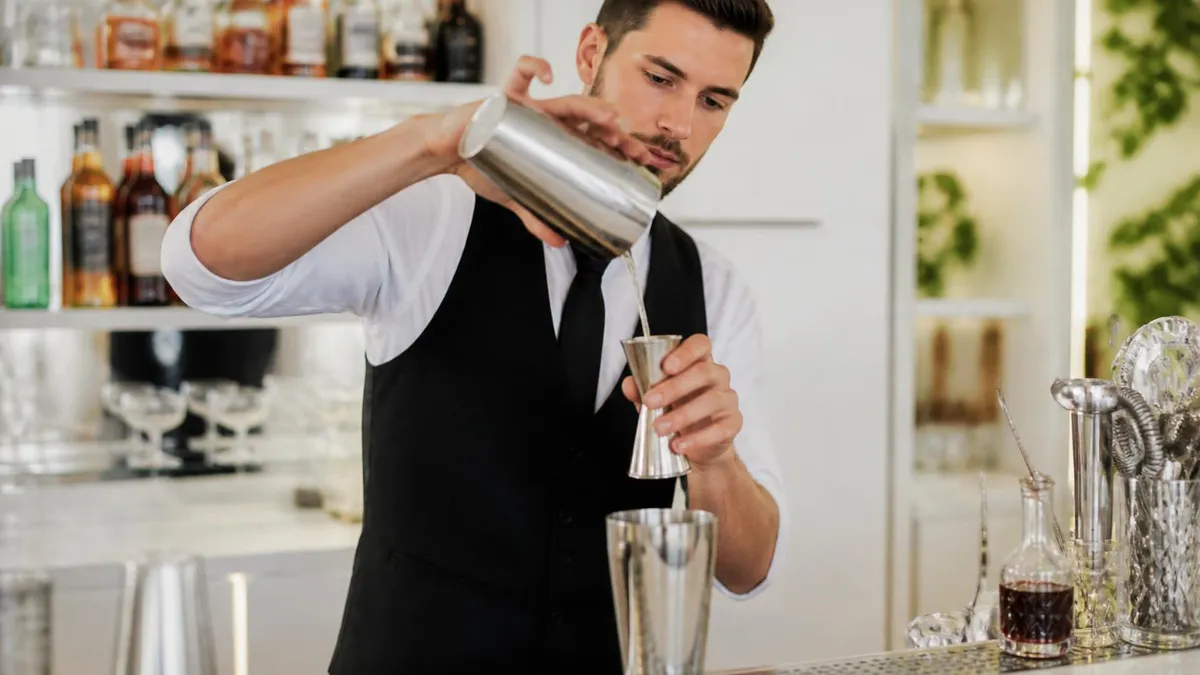
Bartending Kit: The Complete Tool Guide for Certification Prep
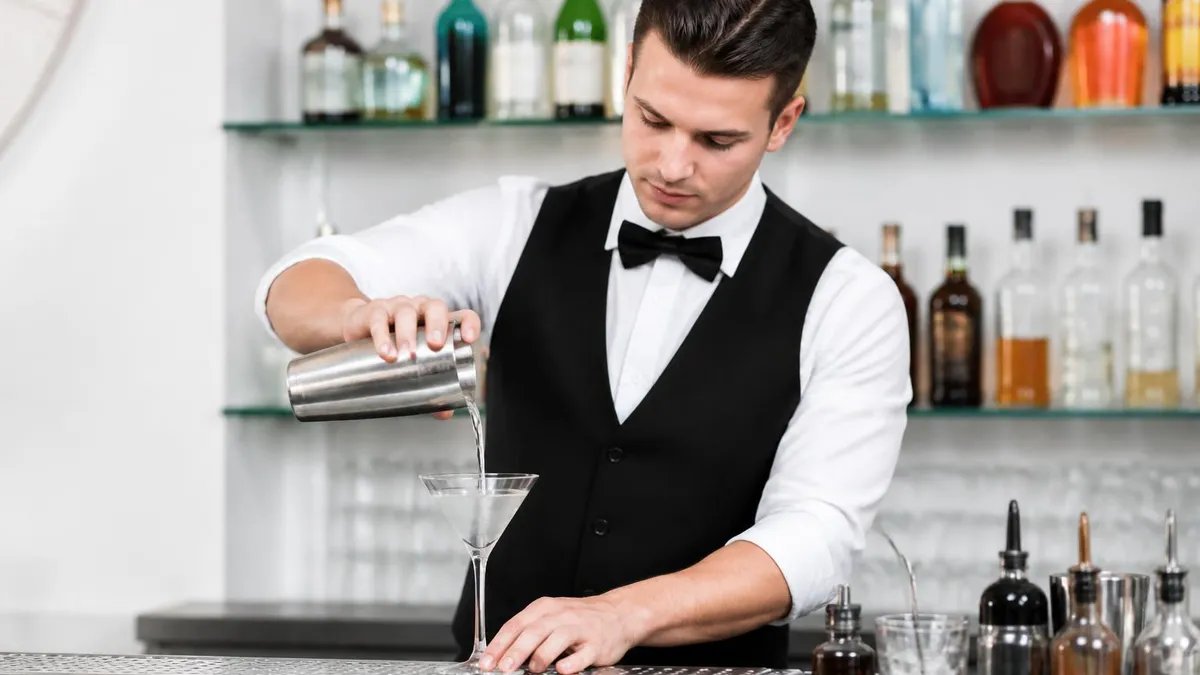
Wisconsin Bartending License: Operator's License Guide 2026
About the Author
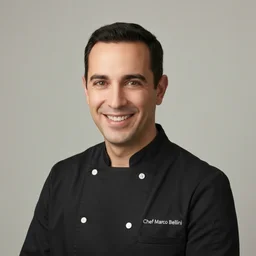
Executive Chef & Culinary Arts Certification Educator
Culinary Institute of AmericaChef Marco Bellini is a Certified Executive Chef and graduate of the Culinary Institute of America with over 20 years of professional kitchen experience in Michelin-recognized restaurants. He teaches culinary arts certification, food safety, and hospitality exam preparation, having guided thousands of culinary students through their ServSafe, ProStart, and professional chef certifications.
Join the Discussion
Connect with other students preparing for this exam. Share tips, ask questions, and get advice from people who have been there.
View discussion (7 replies)