
Bartender Duties and Responsibilities: Complete Job Guide 2026 September
🎯 Complete guide to bartender duties: opening, mixing drinks, cash handling, closing, and legal responsibilities every bartender must know.
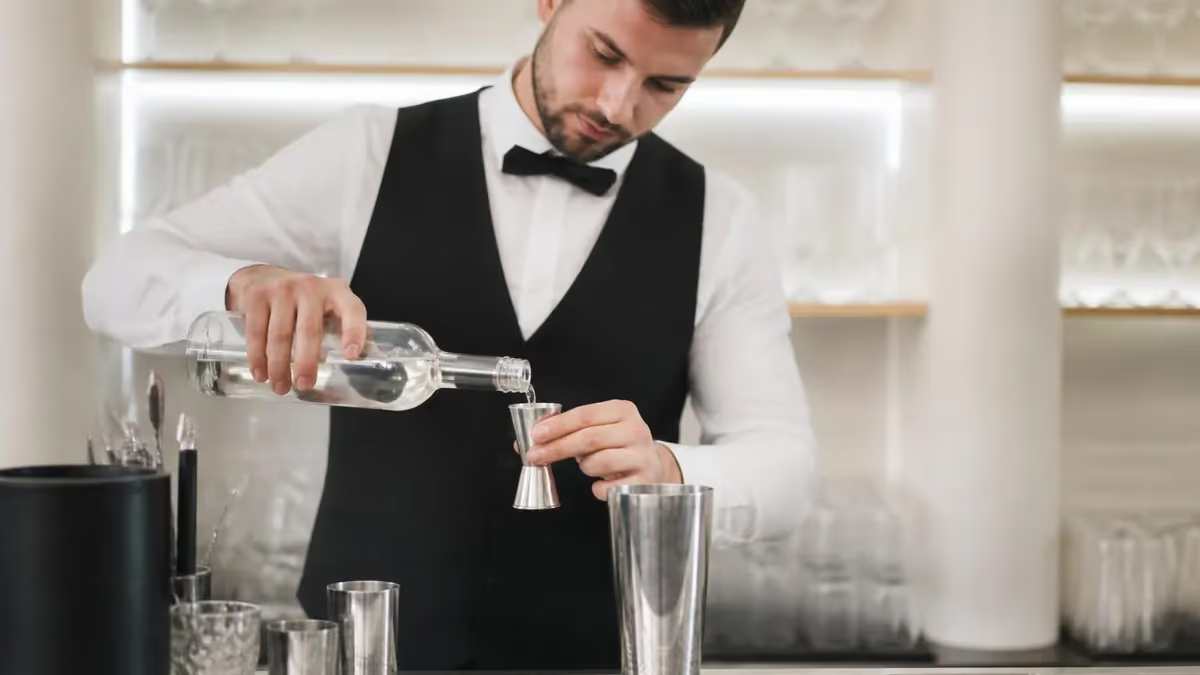
So you want the real picture of bartender duties? Not the rom-com version where someone in a vest slings a martini and listens to your problems. The actual job. The one with sticky floors at 2 a.m., a register that won't balance, and a regular who's two drinks past their limit.
Bartending sits at the intersection of hospitality, food safety, customer service, and basic accounting. You're a host. You're a chemist of sorts. And you're the last person legally allowed to say "that's enough" before someone walks out the door. Get any one of those wrong and the night gets ugly fast.
This guide walks through what bartenders actually do on shift — from the first inventory count to the last wipe-down. You'll see the opening checklist, the drink-making side, cash handling, the legal stuff that can cost a bar its license, and the closing routine that decides whether tomorrow's opener loves you or hates you. It's written for people prepping for bartender certification exams, brand-new hires who want to walk in already knowing the flow, and anyone weighing whether this is the right move for them.
Quick reality check before we dig in. Bartender duties vary by venue — a hotel lobby bar runs nothing like a 400-capacity nightclub or a small craft cocktail spot. Volume changes everything: the pace, the menu length, the size of the team, the tip math, even the type of guest you're serving.
What follows is the common backbone. The 80 percent of the job that shows up everywhere. Specifics like POS systems, mandatory training hours, or licensing rules vary state to state and venue to venue. Always check your local bartender license requirements before your first shift, and never assume the rules from your last job apply at the new one. Owners are surprisingly inventive about side duties.
One more thing worth flagging up front. The job description on Indeed or LinkedIn will give you the polished version — "prepare beverages, maintain cleanliness, deliver excellent customer service." The reality is messier and a lot more interesting. Real shifts involve broken glass, awkward refusals, missing inventory, and the occasional regular who wants to tell you about their divorce. The job description doesn't list any of that, but it's where the work actually lives.
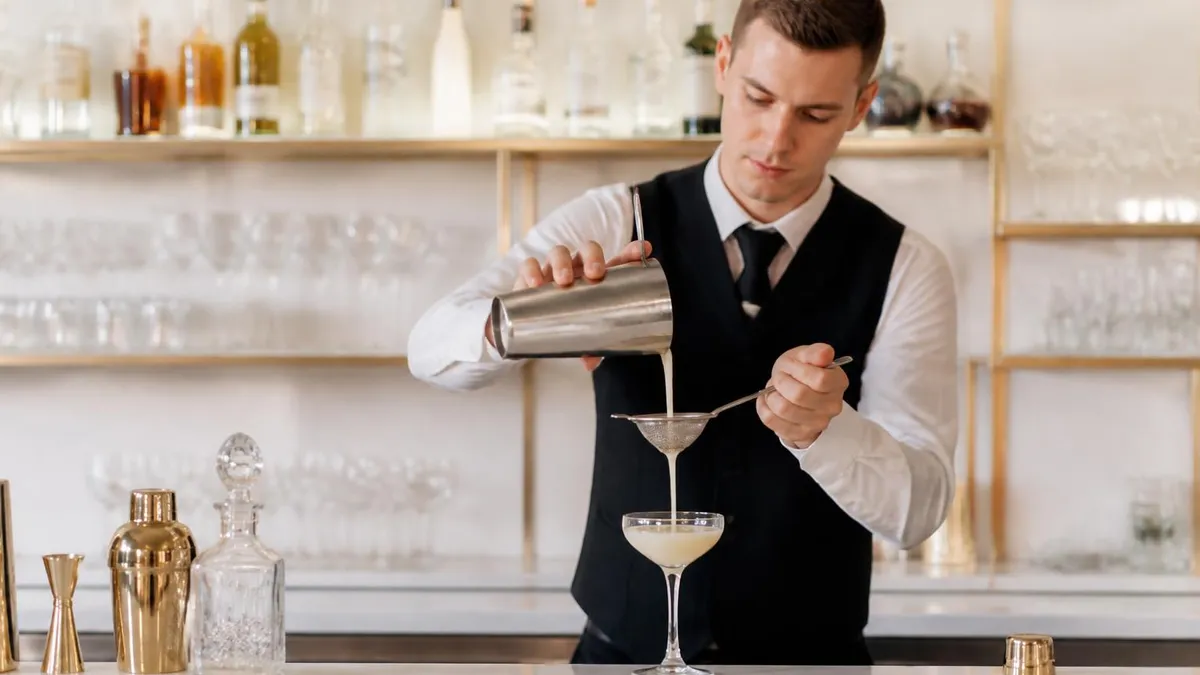
Why duties vary by venue
A hotel bar bartender might pour 80 drinks in a 6-hour shift. A nightclub bartender pours 80 in 40 minutes. The legal duties (age checks, dram shop liability, sanitation) stay identical. The pace, menu, upselling expectations, and tip math change dramatically. When you interview, ask what the average shift looks like — covers per hour and average tab size tell you more than any job description ever will.
Opening Procedures: The First 60 Minutes
Open right and the whole shift glides. Open sloppy and you're chasing missing limes at peak hour. Most opening bartenders show up 45 to 90 minutes before doors. The exact tasks shift by venue, but the rhythm is roughly the same everywhere.
You'll walk in, hit the lights, fire up the POS, and start the par-level check. Par levels are the agreed minimum quantity of each item the bar should have on hand before service. Low on Tito's? Pull bottles from the storage cage. Garnish caddy looking sad? Get cutting. Then comes ice — the silent killer of weeknight shifts. Run out at 9 p.m. and you'll be sprinting to the kitchen every ten minutes for the rest of the night.
Sanitation matters even when nobody's watching. Bar mats get rinsed. Pour spouts come off and go through a quick sanitizer dip. The fruit fly trap by the speed rail? Empty it. Trust me on that one. Check the soda gun for build-up at the nozzle. Refill the napkin caddy. The first 60 minutes are unglamorous, and they decide everything that happens after.
Opening Checklist Breakdown
Walk through every par level. Count down what's in the well, the back bar, and the cooler. Flag low items and pull replacements from storage before doors open.
- ▸Spirits par count
- ▸Beer cooler restock
- ▸Wine bottle inventory
- ▸Mixer and juice levels
Cut garnishes for the night — lemon twists, lime wedges, orange peels, cherries. Brew the iced tea. Pre-mix any house syrups. Stock cocktail napkins, straws, and stir sticks.
- ▸Garnish cut and stored cold
- ▸Glassware polished and stacked
- ▸Ice wells filled to top
- ▸POS opened and tested
Bar mats off, rinsed, replaced. Pour spouts checked for buildup. Speed rail wiped down. Sanitizer bucket made fresh — 200 ppm quaternary ammonia or equivalent.
- ▸Three-comp sink filled (wash/rinse/sanitize)
- ▸Fresh towel station set
- ▸Bar surface wiped to dry
- ▸Trash bins lined and accessible
Count your bank in front of a manager and sign the log. Read the shift notes. Check the 86 board for items running low. Quick huddle with servers on tonight's specials.
- ▸Bank counted ($200–$400 typical)
- ▸Manager log read and signed
- ▸Shift specials memorized
- ▸86 list reviewed
Customer Service and Taking Orders
The single most underrated bartender duty is reading a room. Some guests want to chat. Some want a drink and zero eye contact. Some are celebrating, some are crying, some are stalling before going home. Catching all that in the first five seconds — that's the job.
Standard order flow: greet within 30 seconds of someone reaching the bar, even if it's just a nod and a finger up. Hand over a drink menu or call out the specials. Take the order. Repeat it back. Make it. Set it down with a napkin facing them. Run the card or open a tab. Sounds simple, doesn't it?
It isn't. On a packed Saturday you're juggling six of those flows at once, and the person who came in last is convinced they're invisible. Acknowledging everyone — even just "I see you, two minutes" — is what separates a decent bartender from a great one. Tips follow the great ones. Always.
The other part of customer service nobody talks about? Conflict de-escalation. Drunk arguments, spilled drinks, two strangers fighting over the last open stool. Your job is to defuse it before security gets involved. Calm voice. Open posture. Take complaints seriously even when they're petty. Most bar fights are 90 percent ego — and a bartender who can let someone save face will end the night with the same guest tipping well, not filing a Yelp review.
30 seconds. That's your window from when a guest reaches the bar to when they get acknowledged. Even on a packed Friday, a nod, a finger up, or a quick "with you in two" tells the guest you saw them. The number-one complaint in bar reviews? "The bartender ignored me." Never let that be you.
Mixing Drinks: Recipes, Specs, and Speed
Every bar has a spec book. The spec is the recipe — exact ounces, exact ingredients, exact glass, exact garnish. Memorize it. The owner picked those ratios for a reason, usually pour cost, occasionally because they actually taste good. Deviating from spec is the fastest way to get written up.
Speed comes from muscle memory. A practiced bartender can pour a vodka soda in seven seconds. A two-spirit highball in twelve. A proper Old Fashioned with stirring takes longer — maybe 90 seconds — and that's fine because guests who order one know it takes time. Don't rush it. A bad Old Fashioned poured in 30 seconds is worse than a perfect one poured in 90.
Free-pouring is a learned skill. The standard four-count gets you roughly 1.5 ounces from a free-pour spout. But during your first 90 days you should be using a jigger every single time. Pour cost matters. So does taste consistency. Eyeballing comes later — much later — and even veterans grab a jigger for anything served on the rocks where over-pouring is most visible.
If a guest is visibly intoxicated, refusing service isn't optional — it's required under dram shop laws in most U.S. states. Cut them off politely. Offer water. Offer to call a rideshare. Notify a manager. Document the refusal in the shift log if your venue requires it. Over-serving can result in personal liability if that guest hurts themselves or someone else on the way home. The bar's liquor license — and your job — depend on this judgment call.
Age Verification and Legal Responsibilities
This is the section that can cost you your job, the bar's liquor license, and in the worst case, a criminal charge. Take it seriously. The legal side of bartender duties isn't paperwork — it's the whole reason the venue is licensed to operate.
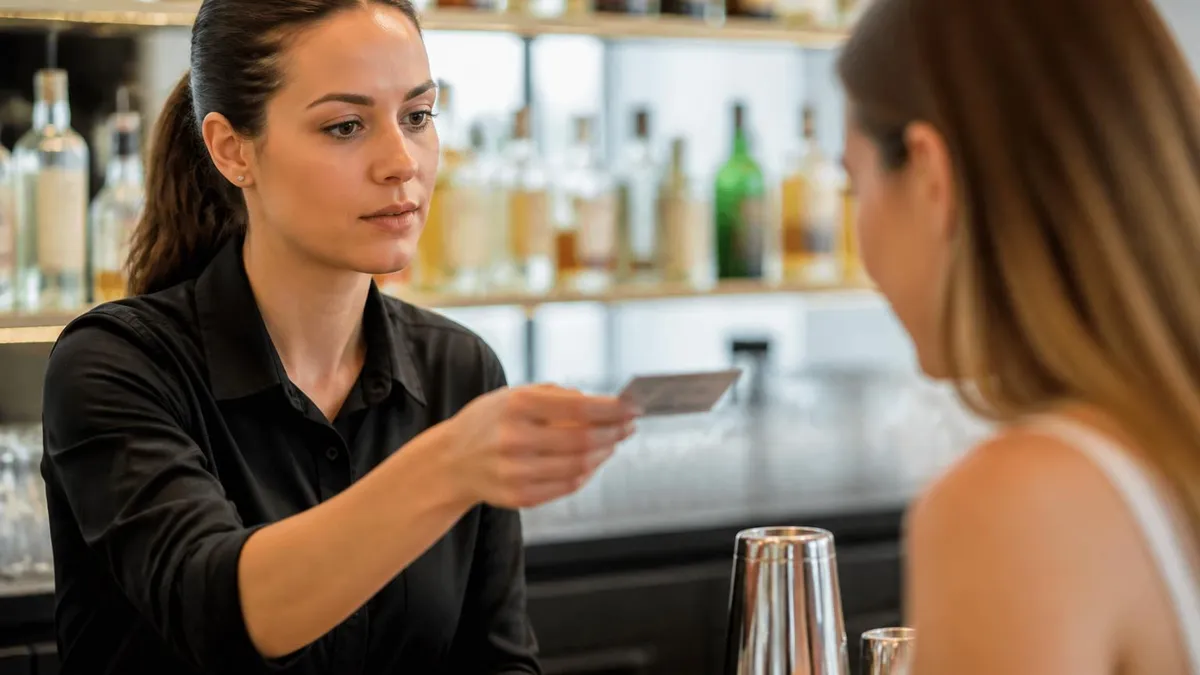
You must check ID on anyone who looks under 30. Most bars set the policy at "check everyone" because it removes the guesswork. Look at the photo. Check the birth date. Look at the holograms. Flex the card — fakes often bend weird. Modern ID scanners catch most counterfeits, but your own eyes and judgment are still the first line of defense.
Dram shop laws exist in most U.S. states. They mean the bar (and sometimes you personally) can be held liable if you over-serve a guest who then injures themselves or someone else. Refusing service is not just allowed — it's required when a guest is visibly intoxicated. Slurred speech, glassy eyes, unsteady gait, repeating the same story. You see it, you cut them off, you offer water and a rideshare app. Document the refusal in your shift log if your venue requires it.
- ✓Count opening bank in front of a manager and sign the log
- ✓Ring every drink into the POS before pouring — no pour, no ring is theft
- ✓Verify card vs. ID on tabs with high spend or split-payment requests
- ✓Get manager approval before comping or voiding any item
- ✓Close all open tabs before last call — chase signatures early
- ✓Reconcile drawer at end of shift against POS report
- ✓Write up any over/short in the manager log (be honest)
- ✓Drop cash in the safe per venue policy — never leave a full bank on the bar
Cash Handling and POS Operations
You're handling money. Sometimes a lot of money. Most shifts you'll ring in $1,500 to $5,000 — busy weekends can hit $10,000 or more for a single bartender. That cash needs to be tracked, secured, and reconciled, and the rules are not optional.
Standard cash duties: count your bank at the start (usually $200 to $400 in small bills), keep it organized in the drawer, ring every drink into the POS before serving, settle tabs on closing, and reconcile your drawer at end of shift. The phrase "no pour, no ring" exists for a reason — even one untracked drink looks like theft on a manager's audit.
Comp drinks need approval. "On the house" without permission is theft and most bars terminate over it. Buy-backs — a free drink after every third or fourth round — are common at neighborhood bars but every venue sets its own policy. Ask before you start handing them out. Honest mistakes get coached. Patterns of unauthorized comps get fired.
- +Tip income often exceeds base hourly by 3 to 5 times in busy venues
- +Fast-paced work that genuinely flies by — no clock-watching
- +Real-time feedback loop: a good shift feels great immediately
- +Transferable people skills usable in sales, hospitality, management
- +Flexible schedule fits well around school or a second pursuit
- +Steady demand — bars open in every city, every economy
- −Late nights and weekends mean a different schedule than friends and family
- −Standing on hard floors for 8 to 10 hours wrecks your back and feet over years
- −Legal liability is real — over-serving can end in personal lawsuits
- −Income is taxable but variable, which makes mortgage applications harder
- −Intoxicated guests, harassment, and verbal abuse are routine — burnout is real
- −Health insurance and retirement benefits are rare outside of large hotel groups
Pros and Cons at a Glance
| Pros | Cons |
|---|---|
| Fast-paced work that genuinely flies by — no clock-watching | Late nights and weekends mean a different schedule than friends and family |
| Real-time feedback loop: a good shift feels great immediately | Legal liability is real — over-serving can end in personal lawsuits |
| Transferable people skills usable in sales, hospitality, management | Income is taxable but variable, which makes mortgage applications harder |
| Flexible schedule fits well around school or a second pursuit | Intoxicated guests, harassment, and verbal abuse are routine — burnout is real |
| Steady demand — bars open in every city, every economy | Health insurance and retirement benefits are rare outside of large hotel groups |
Glassware, Sanitation, and Restocking
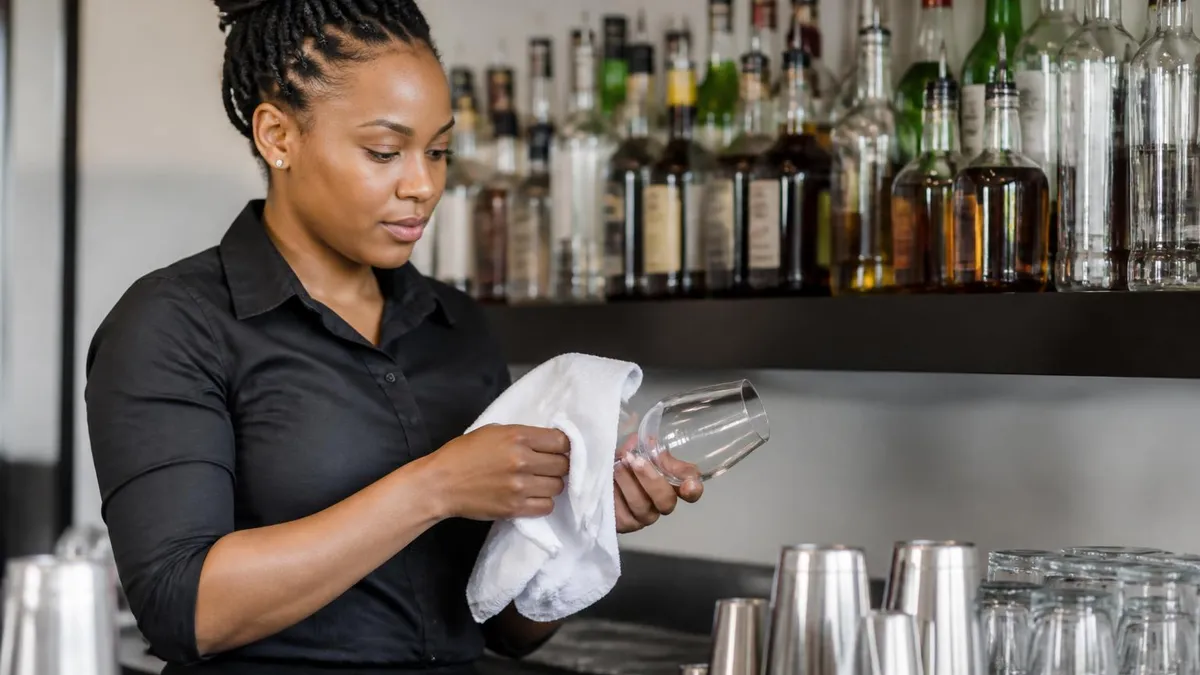
Behind the bar, sanitation is constant — not a once-a-shift task. The three-compartment sink is your friend. Wash, rinse, sanitize. Pull glassware from the dish pit, dry it, stack it where it goes. Toss any glass with a chip — guests can sue over a chipped rim and rightfully so. Take a quick visual pass on every glass before ice goes in.
Restocking is the running task you'll never finish. Whenever you have a 30-second break between orders, look at your speed rail. Low on Jack? Grab a fresh bottle from the back. Out of long straws? Refill from the bin. The goal is to never leave the well during service to chase product. Veteran bartenders look ahead two drinks. New bartenders look at the one in their hand.
Glassware deserves its own mention. Each cocktail has an intended glass — coupes for stirred-up classics, rocks for old fashioneds and negronis, highball for tall builds, Collins for tropical or fizzy serves.
Using the wrong glass isn't just an aesthetic issue. It changes the dilution rate, the aromatic experience, and how fast a guest drinks. Spec books include the glass for a reason. Stack chilled coupes in the cooler before service. Polish water spots off rocks glasses with a clean towel. Tiny details, repeated all night, add up to the difference between a $30 tab and a $30 tab plus a generous tip.
Closing Procedures and Reconciliation
Closing is where good bartenders separate themselves. Anyone can pour a Jack and coke during peak hour. Not everyone leaves a spotless bar for tomorrow's opener. The opener notices. Managers notice. The closing routine is also the most legally sensitive moment of the shift because it's the last call window — over-serving right before close is when most dram shop incidents happen.
Last call lands 30 to 45 minutes before closing time depending on your state. After last call: settle every open tab, stop accepting new orders, bus the bar top, break down the speed rail, dump and re-rinse the bar mats. Empty the ice. Wipe down every surface. Restock anything you used heavily during service so the morning crew doesn't start at zero.
Then comes the money. Pull your drawer. Count cash. Reconcile against the POS report. Any discrepancy goes into the manager log — don't try to hide a $20 short, just write it up. Honest bartenders keep their jobs. Sketchy ones don't, and the manager always finds out eventually because reports get reviewed weekly.
Upselling, Teamwork, and Career Growth
Upselling isn't slimy if you do it right. "Tito's tonic" instead of "vodka tonic" earns the bar a few extra bucks and you a bigger tip. "Want to make that a double?" works most of the time. "We just got a new barrel-aged Negroni on the cocktail list — want to try it?" works almost always. Frame upsells as recommendations, not pressure, and guests appreciate them.
Servers depend on you. They're running food and drinks across the floor while you stand still. Prioritize their tickets when they call them in. Make eye contact when they approach the service well. Stack their drinks in tip-numbered order so they can grab and go. A bartender who treats servers like beggars makes the whole shift miserable for everyone, themselves included.
As you grow, the duties widen. Lead bartenders run inventory orders, train new hires, design seasonal cocktail menus. Bar managers add scheduling, payroll prep, and the unpleasant discipline conversations. Some bartenders never want any of that — they want to pour drinks and go home, and that's a completely valid career. See our bartender career guide for the full progression map and pay ranges.
Bartender duties cover a wider range than most people guess. Hospitality, recipe execution, cash control, legal compliance, sanitation, light marketing. Every one of these is a learnable skill. Memorize the specs. Run your par checks. Card everyone. Reconcile honestly. Treat the servers like teammates.
Do those five things consistently and you'll outlast 80 percent of the bartenders who started the same week as you. The rest is practice, patience, and a willingness to laugh at the chaos. Bars are weird places. The people who thrive long-term are the ones who lean into that — they don't fight it.
One last thing. If you're seriously considering bartending as a career rather than a side gig, start interviewing at multiple venues before you commit. A neighborhood pub will teach you basics fast. A high-volume nightclub sharpens speed but burns most people out.
A craft cocktail bar will build your recipe knowledge but pay less in tips. Each environment trains a different set of duties, and a year at the right venue is worth three at the wrong one. Some bartenders move every 12 to 18 months on purpose, treating each job as a skills lab. Others stay in one place for a decade and become an institution. Both paths work. Pick the one that fits your goals.
Ready to test what you know? Hit the practice quiz below — same question style you'll see on the major certification exams.
Bartender Questions and Answers
About the Author
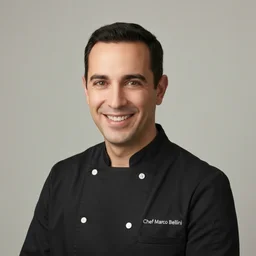
Executive Chef & Culinary Arts Certification Educator
Culinary Institute of AmericaChef Marco Bellini is a Certified Executive Chef and graduate of the Culinary Institute of America with over 20 years of professional kitchen experience in Michelin-recognized restaurants. He teaches culinary arts certification, food safety, and hospitality exam preparation, having guided thousands of culinary students through their ServSafe, ProStart, and professional chef certifications.
Join the Discussion
Connect with other students preparing for this exam. Share tips, ask questions, and get advice from people who have been there.
View discussion (7 replies)