
ACLS Training Near Me: How to Find Local Classes, Costs & Fast-Track Options in 2026 October
Find ACLS training near me with our 2026 October guide. ✏️ Compare local classes, online options, costs, schedules, and AHA-approved providers to certify fast.
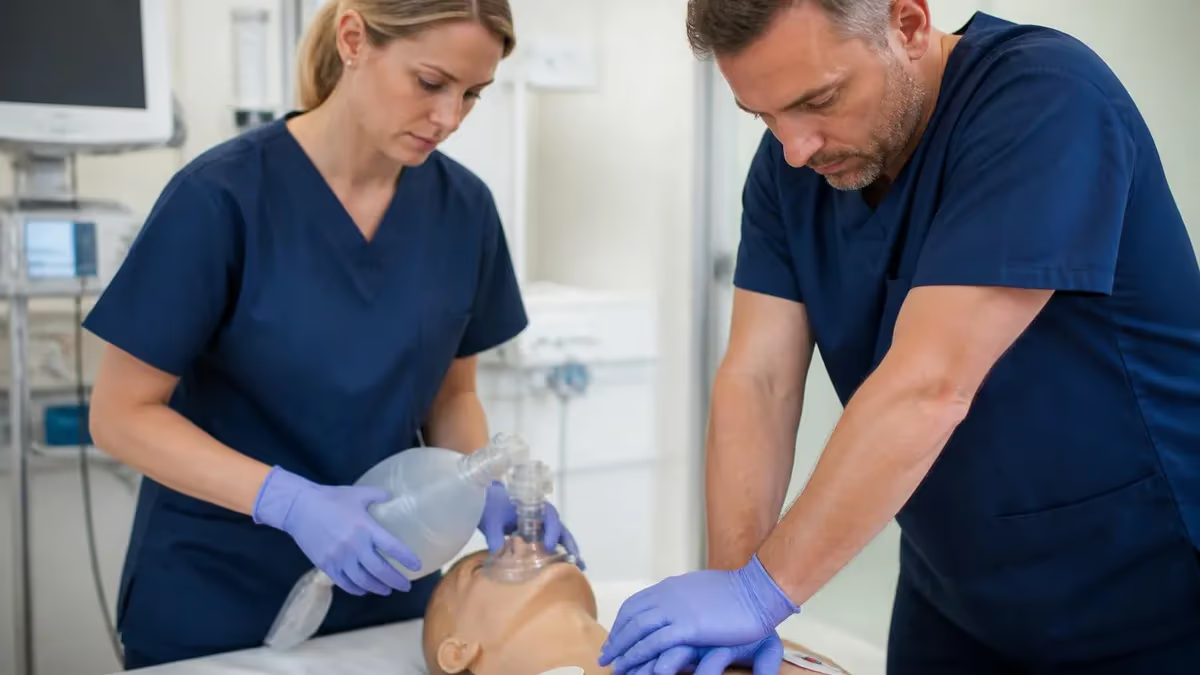
If you have been searching for acls training near me, you are not alone — every year roughly 1.2 million U.S. nurses, paramedics, respiratory therapists, and physicians need a current Advanced Cardiovascular Life Support card to keep working. Finding a course that is convenient, affordable, and accepted by your employer can feel surprisingly tricky, especially if your certification expires in the next 30 days. This guide walks you through exactly how to locate, compare, and book the right local ACLS class in 2026 without wasting a Saturday on the wrong course.
The phrase acls training near me usually pulls up a mix of options: hospital training centers, community colleges, private CPR schools, fire department academies, and online-blended providers. Not all of them issue cards that hospitals accept. The American Heart Association (AHA) remains the dominant standard, with the American Red Cross and the American Safety and Health Institute (ASHI) gaining traction. Before you book anything, check your employer's credentialing policy — some health systems only accept AHA cards, while others now accept ASHI or Red Cross.
For most healthcare professionals, a local in-person ACLS course runs 12 to 16 hours over one or two days and costs between $185 and $325. Renewal courses are shorter — typically 5 to 8 hours — and cost $150 to $240. Blended courses split the didactic portion online with a 4-hour in-person skills check, which is often the fastest route if you are recertifying. Brand-new providers should expect to spend a full weekend, while seasoned ICU and ED clinicians often finish a renewal in half a day.
Geography matters more than people realize. Urban areas like Chicago, Houston, Atlanta, and Phoenix have dozens of training sites within a 20-mile radius, with classes running almost daily. In rural counties, you might drive 60 to 90 miles to the nearest AHA Training Center, or wait three weeks for the next scheduled cohort. If your card lapses, that gap can sideline you from clinical work. Planning two to four weeks ahead is the single biggest factor in avoiding last-minute stress.
This article will help you map out the search systematically: what to look for in a provider, how the AHA Training Center locator works, the difference between provider courses and instructor courses, what really happens in the classroom, how to prepare so you pass the megacode on the first try, and what employers actually verify when they scan your card. We will also cover online and hybrid options, because many readers searching for local ACLS classes actually do better with a blended format once they understand the trade-offs.
You will also find an honest breakdown of pricing across regions, because the same AHA Provider Course can cost $189 at a community ambulance service and $325 at a hospital-branded simulation center two miles away. The curriculum is identical — the price difference is overhead, instructor pay, and brand. Knowing this helps you negotiate, ask about employer reimbursement, or simply choose the better-value class without sacrificing card validity.
Finally, we will share the practical checklist that experienced clinicians use the week before class: ECG strips to drill, drug doses to memorize, and the megacode scenarios most likely to appear on test day. By the time you finish reading, you will know exactly where to look, what to book, what to study, and how to walk into your local course confident that you will leave with a two-year card.
ACLS Training by the Numbers
Key Facts at a Glance
| Item | Value | Details |
|---|---|---|
| Initial Course Length | 12–16 hrs | Renewal: 5–8 hours |
| Card Validity | 2 years | Same for AHA, ASHI, Red Cross |
| Recommended Lead Time | 30 days | Before card expiration |
Where to Search for ACLS Training Near You
The official ahainstructornetwork.americanheart.org locator lets you enter your ZIP code and radius to find AHA-authorized sites. This is the gold standard and what most hospital credentialing offices verify against.
Most hospitals run open-enrollment ACLS courses for community clinicians at lower rates than private providers. Call the staff development or simulation lab — they often have unfilled seats they would rather sell than cancel.
Two-year colleges and fire/EMS academies frequently offer ACLS to the public on weekends. Prices tend to be 10–20% lower, and instructors are typically working paramedics or ICU nurses with strong clinical context.
Independent training centers like CPR Choice, ProCPR, and SureFire CPR run frequent small-group classes, often with same-week openings. Confirm they are AHA Training Centers, not just resellers, before paying.
If you have a group of 6 or more colleagues, many AHA TCs will send an instructor to your facility. This usually drops the per-person price by $40–$60 and removes commute time entirely.
Once you have a few local options, the next step is comparing what is actually included in the course fee. A reputable ACLS provider course in 2026 should bundle the printed or eBook provider manual, the precourse self-assessment access code, all skills station materials, a two-year AHA eCard, and the megacode testing time. If a quoted price seems low — say, $129 — ask explicitly whether the manual and eCard are included. Many discount providers charge $45 extra for the book and $20 extra to issue the digital card.
The AHA Provider Manual is required reading before class. As of the 2025–2026 cycle, it costs $35–$55 depending on format, and you must have access either through a physical copy or an eBook code. Some training centers loan a copy, but you cannot share one on test day. The precourse self-assessment is a 30-question online test covering ECG rhythms, pharmacology, and basic concepts; you need 70% to be cleared to attend. If you want extra reps before that gate, our ACLS practice test mirrors the format closely.
Renewal pricing is meaningfully lower because the course is shorter and assumes you already understand the algorithms. Expect $150–$240 for a renewal versus $185–$325 for initial certification. To qualify for the renewal track, your current card must be unexpired on the day of class — even one day past expiration usually bumps you into the full initial course. This is the single most common surprise we hear from late-booking clinicians.
Employer reimbursement is widely available but underused. Roughly 78% of U.S. hospitals reimburse ACLS fees in full when you submit the receipt and a copy of your new card, and many ambulance services and surgery centers offer the same benefit. Some employers contract directly with a training center and pay them in advance — in that case you only need to register through HR. Always ask before paying out of pocket.
Beyond the headline price, consider hidden costs: parking at hospital-based courses ($8–$25/day), the cost of a stethoscope if you do not own one, and time off work. A Tuesday/Wednesday course might cost you a shift; a Saturday/Sunday course preserves income but eats your weekend. For shift workers, weekend courses fill 3–4 weeks faster than weekday courses, so book early. Be especially aggressive about scheduling in November and December, when everyone tries to renew before year-end deadlines.
Group discounts can lower per-person prices substantially. If you can rally five coworkers, most training centers will run a private session at your office or hospital for $150–$200 per person. Critical access hospitals and small physician practices benefit most from this model because they avoid the travel time and can schedule around clinical coverage. If you are a department leader, this is often a cheaper line item than sending people individually.
Finally, watch for unaccredited "online-only" ACLS courses that promise a card for $99 with no in-person skills component. These cards are not accepted by AHA, Joint Commission–accredited hospitals, or most state licensing boards. You can use them as study aids, but you cannot satisfy a credentialing requirement with one. If a course skips the hands-on megacode, it is not a legitimate ACLS certification — full stop.
ACLS Practice Test Questions
Prepare for the ACLS Advanced Cardiovascular Life Support Practice exam with our free practice test modules. Each quiz covers key topics to help you pass on your first try.
ACLS Cardiac Rhythms & ECG Interpretation
ACLS Exam Questions covering ACLS Cardiac Rhythms & ECG Interpretation. Master ACLS Test concepts for certification prep.
ACLS Pharmacology & Medications
Free ACLS Practice Test featuring ACLS Pharmacology & Medications. Improve your ACLS Exam score with mock test prep.
ACLS Best Practices & Methodologies
ACLS Mock Exam on Best Practices & Methodologies. ACLS Study Guide questions to pass on your first try.
ACLS Communication & Stakeholder Relations
ACLS Test Prep for Communication & Stakeholder Relations. Practice ACLS Quiz questions and boost your score.
ACLS Core Concepts & Fundamentals
ACLS Questions and Answers on Core Concepts & Fundamentals. Free ACLS practice for exam readiness.
ACLS Data Analysis & Reporting
ACLS Mock Test covering Data Analysis & Reporting. Online ACLS Test practice with instant feedback.
ACLS Documentation & Record Keeping
Free ACLS Quiz on Documentation & Record Keeping. ACLS Exam prep questions with detailed explanations.
ACLS Industry Regulations & Compliance
ACLS Practice Questions for Industry Regulations & Compliance. Build confidence for your ACLS certification exam.
ACLS Leadership & Team Management
ACLS Test Online for Leadership & Team Management. Free practice with instant results and feedback.
ACLS Professional Standards & Ethics
ACLS Study Material on Professional Standards & Ethics. Prepare effectively with real exam-style questions.
ACLS Quality Assurance & Improvement
Free ACLS Test covering Quality Assurance & Improvement. Practice and track your ACLS exam readiness.
ACLS Risk Management & Assessment
ACLS Exam Questions covering Risk Management & Assessment. Master ACLS Test concepts for certification prep.
In-Person vs. Online vs. Blended ACLS Training
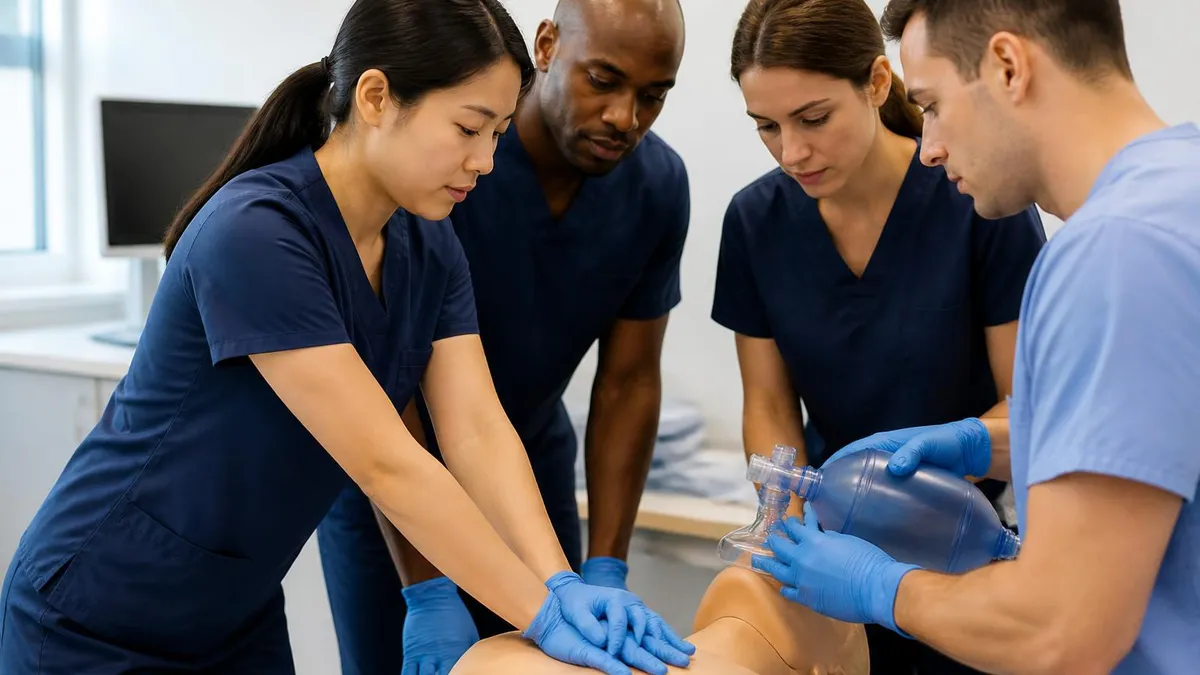
A traditional in-person ACLS course runs 12 to 16 hours, usually split across a Friday-Saturday or Saturday-Sunday block. You sit through lectures, work through case-based learning stations, practice high-quality CPR on a manikin, run team-based megacode simulations, and take a 50-question written exam. The biggest advantage is real-time feedback from an instructor — you see the actual rhythm change, hear the cadence of effective compressions, and feel the resistance of a bag-valve mask.
This format works best for new providers, anyone who has not been part of a code in over a year, and clinicians who learn better in groups. The disadvantage is time — two full days off — and you cannot pause or rewind a live lecture. If your schedule is rigid or you commute long distances, a blended option may be a better fit even though the cost is similar.
Local In-Person Class vs. Blended Online: What's Better?
- +Hands-on practice with manikins, defibrillators, and bag-valve masks
- +Real-time instructor feedback on compressions and ventilation rate
- +Team dynamics practice that mirrors actual code situations
- +Networking with local clinicians who may be future colleagues
- +Single concentrated session — done in one weekend
- +Immediate card issuance for many AHA Training Centers
- −Two full days off work, often a weekend
- −Higher hidden costs (parking, meals, possible hotel)
- −Fixed schedule — you cannot pause or rewind a lecture
- −Class sizes of 12–24 mean less individual instructor time
- −Limited availability in rural areas, sometimes 3–4 week wait
- −Same price as blended despite less flexibility for renewers
Pre-Class Preparation Checklist for Local ACLS Training
- ✓Confirm your training center is AHA, ASHI, or Red Cross authorized
- ✓Order or download the ACLS Provider Manual at least two weeks early
- ✓Complete the 30-question precourse self-assessment with a score of 70%+
- ✓Memorize the cardiac arrest, bradycardia, and tachycardia algorithms
- ✓Review the eight core rhythms: VF, VT, asystole, PEA, SB, ST, SVT, AF
- ✓Drill drug doses: epi 1 mg, amio 300/150 mg, adenosine 6/12 mg
- ✓Practice the BLS survey and primary/secondary surveys until automatic
- ✓Bring a watch with a second hand, stethoscope, and photo ID to class
- ✓Eat a real breakfast — megacode performance drops on an empty stomach
- ✓Arrive 15 minutes early to claim a good seat near the practice station
Book exactly 30 days before your card expires
The sweet spot for renewal is 30 days before expiration. That gives you a buffer if you fail the first attempt (rare, but it happens) and ensures your new card overlaps the old one by zero days — so you never work uncovered. Letting the card lapse pushes you into the longer initial course, costing an extra $80–$140 and a full additional day.
Knowing what actually happens on class day reduces test anxiety dramatically. A typical AHA Provider Course starts at 8:00 a.m. with check-in, manual verification, and a short orientation. Instructors confirm you completed the precourse self-assessment and may quickly review a few rhythm strips to gauge the room. By 8:30 a.m. you are usually into the first didactic block: high-quality CPR, the BLS survey, and the systematic ACLS approach. Lecture segments are short — 15 to 25 minutes — followed by hands-on stations.
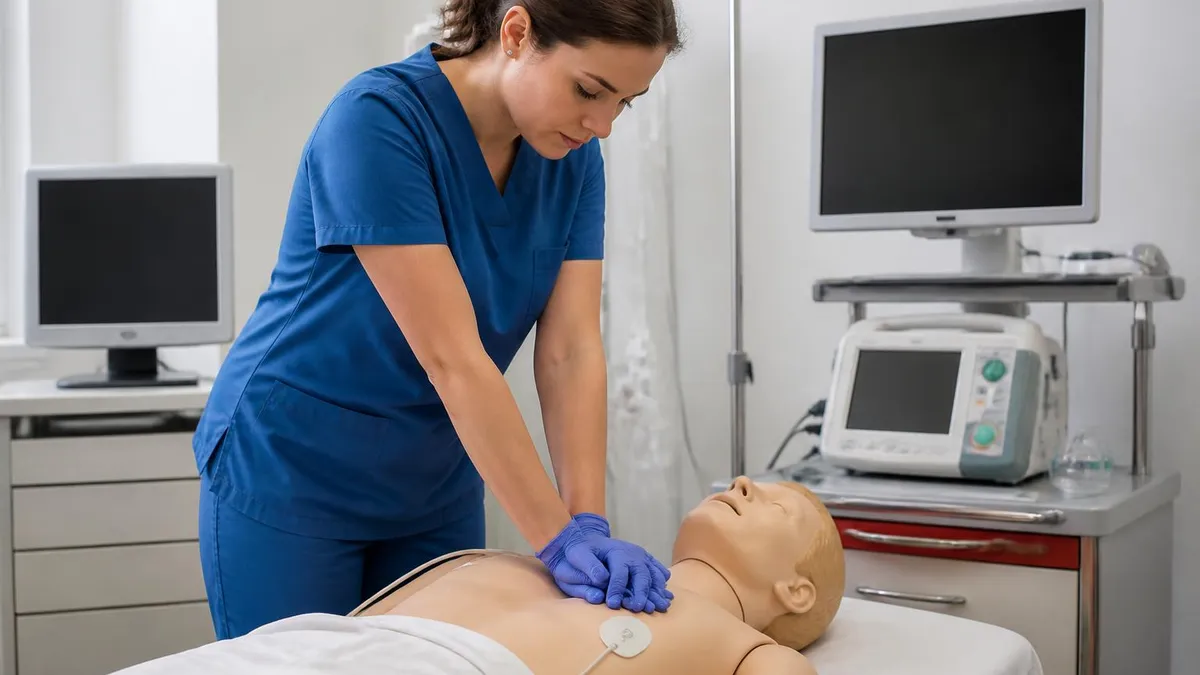
The morning generally covers airway management, basic and advanced. You will practice oropharyngeal and nasopharyngeal airway insertion, bag-valve mask technique with a two-person seal, and supraglottic device placement (i-gel or King LT). Instructors are looking for proper rate (10 breaths/min during CPR with an advanced airway), avoidance of hyperventilation, and good chest rise. Most students struggle initially with mask seal — a thumbs-down "C-E" grip with a partner squeezing the bag almost always solves it.
Lunch is short — usually 30 minutes — because the afternoon is the heaviest content block. You will work through the cardiac arrest algorithm in small groups, rotating roles as compressor, airway, IV/drug administrator, recorder, and team leader. The team leader role is the most stressful and the one that gets evaluated on the megacode. Expect to lead at least one full simulation before the formal test. Instructors deliberately introduce complications — a missed dose, a deteriorating rhythm, a defibrillator issue — to test your adaptability.
Late afternoon shifts to bradycardia, tachycardia, and post-cardiac-arrest care. This is where pharmacology becomes critical: atropine 1 mg for symptomatic bradycardia, adenosine 6 mg then 12 mg for stable SVT, amiodarone or procainamide for stable wide-complex tachycardia. Knowing not just doses but indications — and when to escalate to electrical therapy — is what separates a clean pass from a borderline performance. Our ACLS drug doses guide is worth a 20-minute review the night before class.
Day two (or the second half of a one-day intensive) is devoted to megacode practice and testing. Each student must lead a full team through a complete scenario: recognize the rhythm, direct CPR, administer drugs in correct sequence, recognize rhythm changes, and announce ROSC or terminate efforts appropriately. The scenarios are not memorized scripts — instructors vary them so you cannot rely on rote sequences. Communication, especially closed-loop orders ("Push epinephrine 1 mg IV now" → "Epinephrine 1 mg IV in"), is heavily weighted.
The written exam is 50 multiple-choice questions, 90 minutes, with a passing score of 84%. Most students finish in 30–40 minutes. Questions emphasize algorithm decision points, drug indications and doses, rhythm interpretation, and team dynamics. If you completed the precourse self-assessment honestly and reviewed any missed concepts, you should pass comfortably. Students who skipped the self-assessment fail the written exam at roughly four times the rate of those who completed it.
After passing both megacode and written components, you typically receive your eCard within 1 to 7 days via email from the AHA's Atlas system. The card has a QR code employers can scan to verify authenticity. Print a copy for your records, but most credentialing offices now accept the digital version. If you do not receive your card within two weeks, contact the training center directly — they are responsible for issuing it.
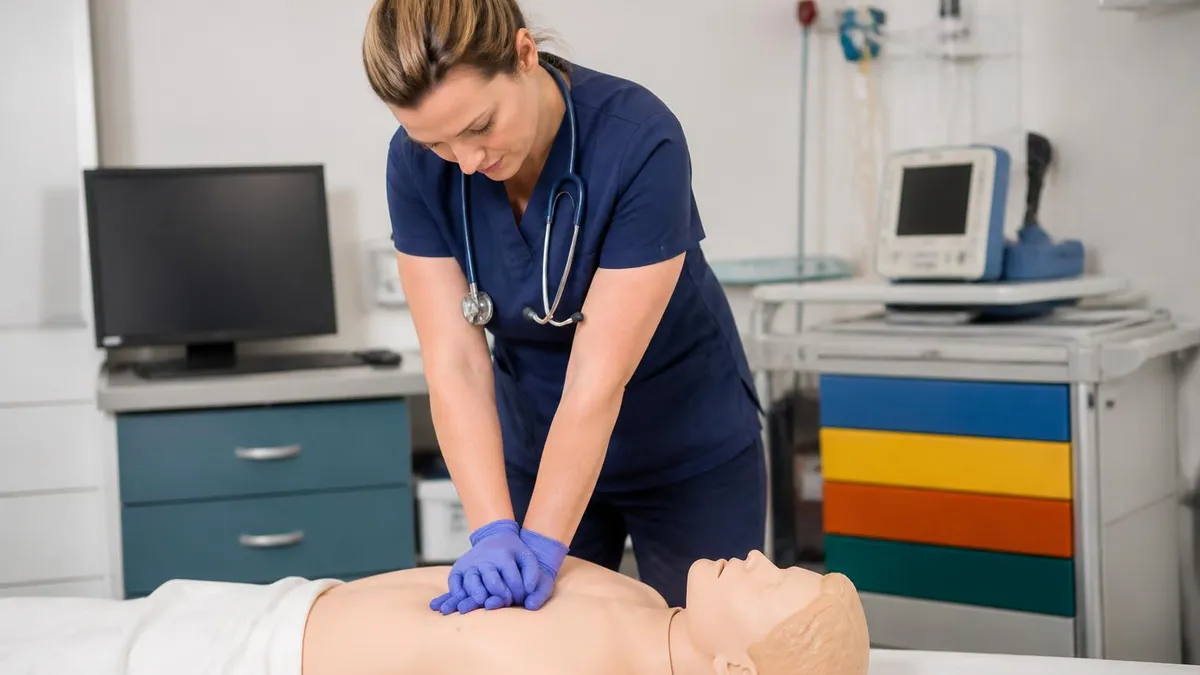
Most hospitals automatically remove you from the clinical schedule the day your ACLS card expires, regardless of your years of experience. Reinstatement requires completing the full initial provider course, not the renewal, costing an extra $80–$140 and a full day off. Set two calendar reminders: one at 60 days before expiration to book, and one at 14 days to confirm.
Passing the megacode on the first try is mostly about pattern recognition and disciplined communication, not encyclopedic knowledge. Instructors are looking for five behaviors: rapid rhythm identification within 10 seconds, correct algorithm selection, accurate drug dose and timing, closed-loop communication with every order, and a designated team leader who does not perform tasks. If you can demonstrate those five things, you will pass even if you make a minor knowledge error along the way.
The single best preparation technique is rhythm strip drilling. The eight rhythms tested are sinus bradycardia, sinus tachycardia, atrial fibrillation, supraventricular tachycardia, monomorphic VT, polymorphic VT (torsades), ventricular fibrillation, and asystole. Spend 30 minutes a day for a week before class flipping through strips and naming each one within five seconds. Free tools like our ACLS course guide include strip libraries you can drill on your phone during commutes.
Drug doses are the second most common stumbling block. Memorize these six anchors and you cover 90% of scenarios: epinephrine 1 mg IV every 3–5 minutes during arrest, amiodarone 300 mg first dose then 150 mg second dose for VF/pulseless VT, atropine 1 mg IV for symptomatic bradycardia (max 3 mg), adenosine 6 mg then 12 mg for stable SVT, lidocaine 1–1.5 mg/kg as an amiodarone alternative, and magnesium 2 g IV for torsades. Write them on a single index card and review it three times a day.
Closed-loop communication is the most overlooked grading criterion. When you give an order, the team member should repeat it back, and you should confirm execution. "Give epinephrine 1 mg IV." "Epinephrine 1 mg IV in." "Confirmed, epinephrine 1 mg IV given at 14:32." This three-step exchange feels theatrical in practice but is precisely what instructors are looking for. Skipping it is the most common reason competent clinicians fail their first megacode.
Team leader posture matters. Stand at the foot of the bed where you can see the monitor, the patient, and every team member. Keep your hands free — do not start compressions or push drugs yourself. Speak in short, clear directives. If something is not working, say so out loud: "I'm not getting capnography above 10, are we sure the tube is in?" That kind of verbalized situational awareness is exactly what evaluators reward.
Plan for the post-arrest phase. Many candidates nail the arrest itself and then freeze when ROSC arrives. Have a mental checklist: optimize ventilation (avoid hyperventilation, target SpO2 92–98%), check 12-lead ECG, treat hypotension with fluids or norepinephrine, consider targeted temperature management, and identify the underlying cause (the H's and T's). Verbalizing this checklist out loud during the scenario almost guarantees a pass on the post-arrest component.
Finally, manage your physical state. Eat a real breakfast — protein and complex carbs, not just coffee. Hydrate but not excessively. Wear comfortable scrubs or athletic clothes; you will be on your knees doing compressions for at least 20 minutes total. If you have a recent injury that affects compressions, tell the instructor at check-in so they can adjust your station rotation. Small ergonomic adjustments make a noticeable difference in performance.
The final week before your local ACLS class should follow a deliberate cadence. Seven days out, finish the precourse self-assessment and identify your weakest topic — usually pharmacology or rhythm strips. Spend 25 minutes each evening that week on focused practice in that single area. Spacing your study across multiple short sessions outperforms a single long cram, a finding consistent across decades of education research. By day three before class, you should be scoring 85%+ on practice questions in your weak area.
Three days before class, do a full algorithm review. Print the cardiac arrest, bradycardia, and tachycardia algorithms and walk through each one out loud — not silently. Verbalizing the steps activates auditory memory and surfaces gaps you would otherwise miss. Pay particular attention to the decision points: "shockable vs. non-shockable," "stable vs. unstable," "narrow vs. wide complex." These are the hinges the megacode rotates around.
Two days before class, do one full timed practice exam — 50 questions in 60 minutes — under realistic conditions. No phone, no notes, no music. Score it honestly. Anything below 84% means you need a focused review session that evening. Anything 84% or above means you can ease into a lighter review day before class, focusing on the algorithm flashcards and a single rhythm strip set.
The night before, sleep is more valuable than additional study. Lay out your clothes, manual, photo ID, and snacks. Set two alarms. Drive to the testing location if you have not been there before so you are not surprised by traffic or parking. Eat a normal dinner — this is not the night to try unfamiliar food. Most students who fail attribute it more to fatigue and anxiety than to gaps in knowledge.
The morning of class, eat protein and a moderate amount of caffeine. Arrive 15–20 minutes early. Use the restroom before check-in. Introduce yourself to a few classmates — small talk lowers cortisol and improves performance. If you are nervous about the megacode, request to go later in the rotation so you can watch peers first. Instructors almost always accommodate this and even appreciate it as a sign of professional self-awareness.
During the class itself, ask questions in real time. Every instructor we have ever talked to says the same thing: "The student who asks five questions during lecture rarely fails the megacode." Confusion does not resolve on its own, especially under simulation stress. If a rhythm change confuses you, raise your hand. If a drug dose feels uncertain, say so. Instructors are evaluators, but they are also teachers, and the entire class benefits from clarifying questions.
After class, save your eCard PDF in two places — your email and a cloud folder — and forward a copy to your employer's credentialing office the same day. Set a calendar reminder for 23 months from your certification date to begin booking your next renewal. That two-month buffer is what separates clinicians who never lapse from those who scramble every other year. With a well-chosen local course and disciplined preparation, ACLS certification becomes a routine professional milestone rather than a stressful obstacle.
ACLS Questions and Answers
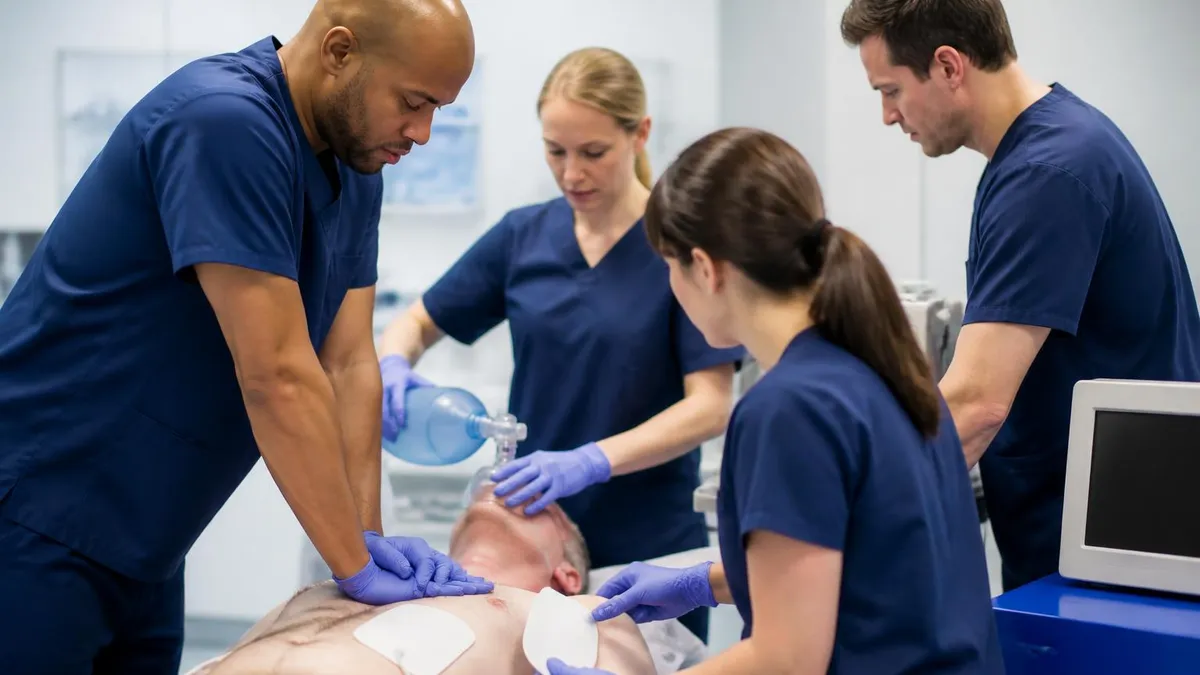
ACLS Course: Length, Cost, Format & Pass Tips (2026)
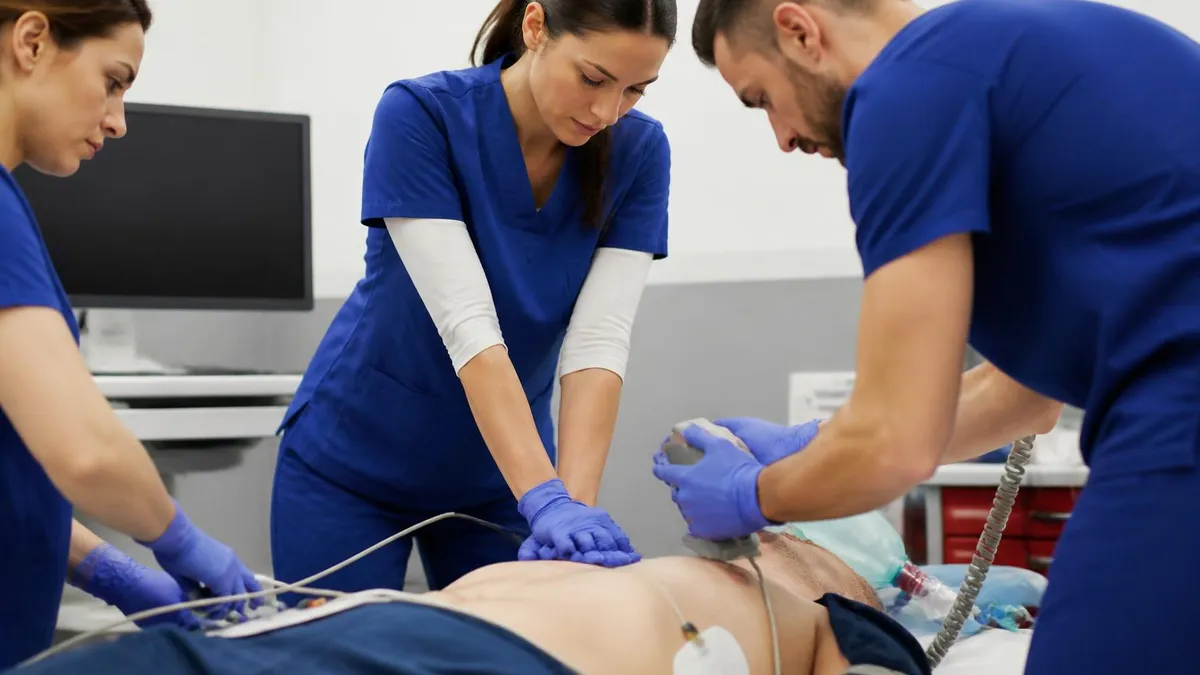
ACLS Practice Test: Free Questions, Answers & 2026 Exam Prep Guide
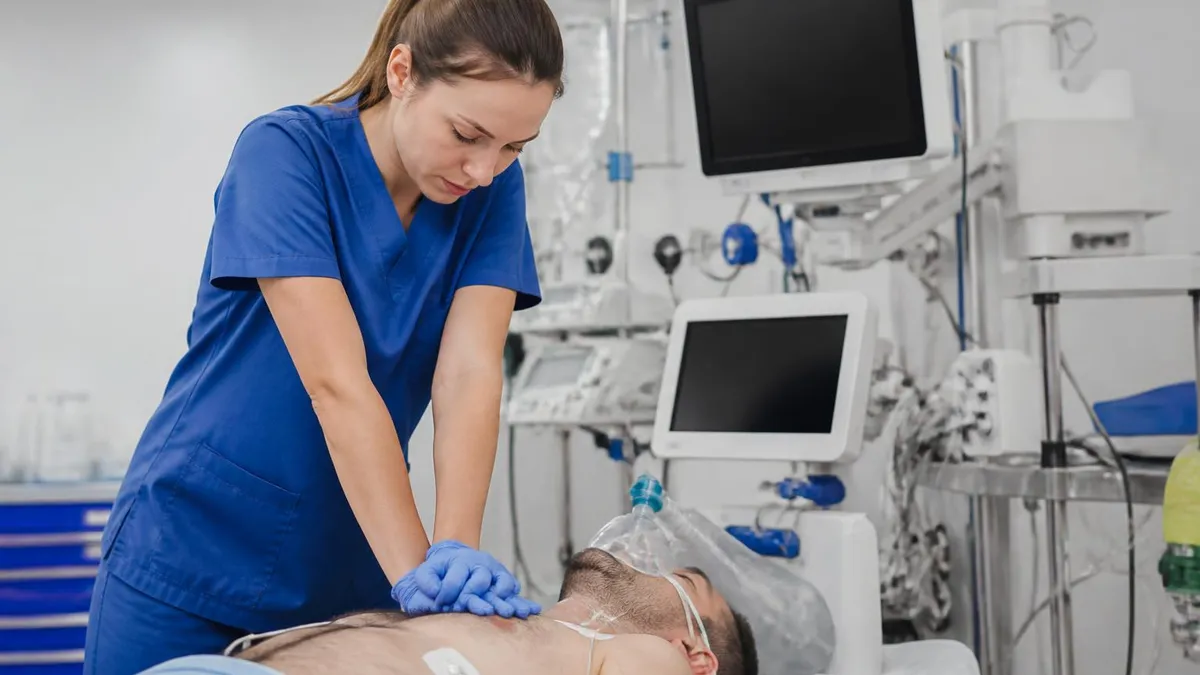
AHA ACLS: American Heart Association Advanced Cardiovascular Life Support Guide
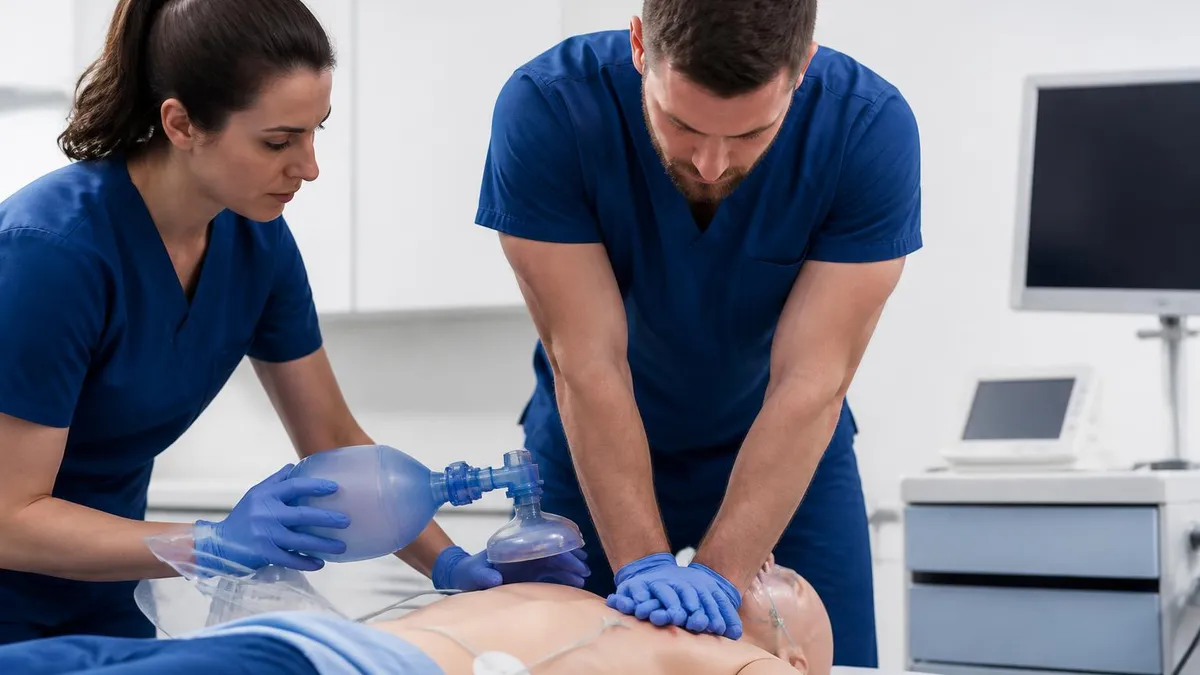
ACLS Drug Doses: Complete Pharmacology Guide for 2026 Certification
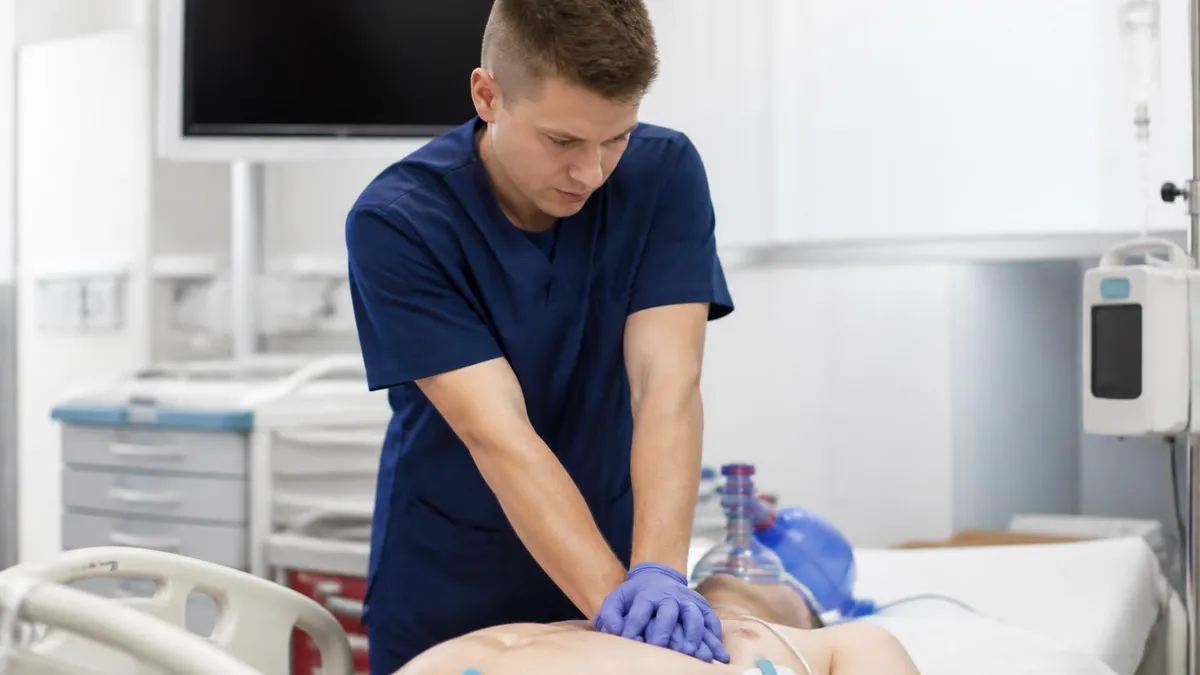
ACLS Certification Near Me: How to Find Local Classes, Costs & Fast-Track Options in 2026
About the Author

Registered Nurse & Healthcare Educator
Johns Hopkins University School of NursingDr. Sarah Mitchell is a board-certified registered nurse with over 15 years of clinical and academic experience. She completed her PhD in Nursing Science at Johns Hopkins University and has taught NCLEX preparation and clinical skills courses for nursing students across the United States. Her research focuses on evidence-based exam preparation strategies for healthcare certification candidates.