
ACLS Training 2026 October
ACLS training covers advanced cardiovascular life support for healthcare professionals. ⏳ Learn course content, providers, costs, and certification.

ACLS training provides healthcare professionals with advanced cardiovascular life support knowledge and skills needed for emergency cardiovascular care. Advanced Cardiovascular Life Support represents specialized training building on basic life support competencies through more sophisticated emergency response capabilities. The training prepares healthcare providers to recognize and respond to cardiac arrest, stroke, and various other cardiovascular emergencies through systematic team-based approaches. ACLS certification has become standard requirement for nurses, physicians, paramedics, and various other healthcare professionals working in emergency, critical care, and various other clinical settings requiring advanced emergency response capabilities.
Understanding ACLS training requirements helps healthcare professionals plan certification pursuit and renewal supporting their professional development. American Heart Association represents primary ACLS certification provider though other organizations offer ACLS-equivalent training. Initial certification requires completing approved course typically spanning one to two days. Recertification every two years maintains active credential through abbreviated update courses or full recertification courses. The systematic training and recertification cycle supports continued competency in advanced cardiovascular emergency response across healthcare professional careers in various clinical settings requiring specialized emergency response capabilities.
This guide explains ACLS training comprehensively including course content and structure, eligibility prerequisites, training provider options, online versus classroom training options, course duration and scheduling, costs and payment options, certification valid period, recertification requirements, comparison with BLS and PALS training, specific skills covered, written and practical examination components, employer requirements, and various other aspects affecting ACLS training pursuit. Whether you are pursuing initial ACLS certification or planning recertification, understanding training options supports informed decisions matching specific learning preferences and professional circumstances across various healthcare practice contexts.
ACLS Training Key Facts
Key Facts at a Glance
| Item | Value | Details |
|---|---|---|
| Valid Period | 2 Years | |
| Course Length | 1-2 Days | |
| Typical Cost | $200-300 |
ACLS course content covers comprehensive advanced cardiovascular emergency response including specific topics. Effective team dynamics in resuscitation situations supports coordinated emergency response. Recognition and treatment of cardiac arrest follows specific protocols. Recognition and treatment of stroke uses systematic assessment and time-critical interventions. Recognition and treatment of acute coronary syndromes supports early intervention. Recognition and treatment of bradycardia and tachycardia uses specific algorithms. Pharmacology of emergency medications covers epinephrine, amiodarone, atropine, and various other drugs. The comprehensive content reflects complex nature of cardiovascular emergency response requiring broad knowledge and skill development through systematic training.
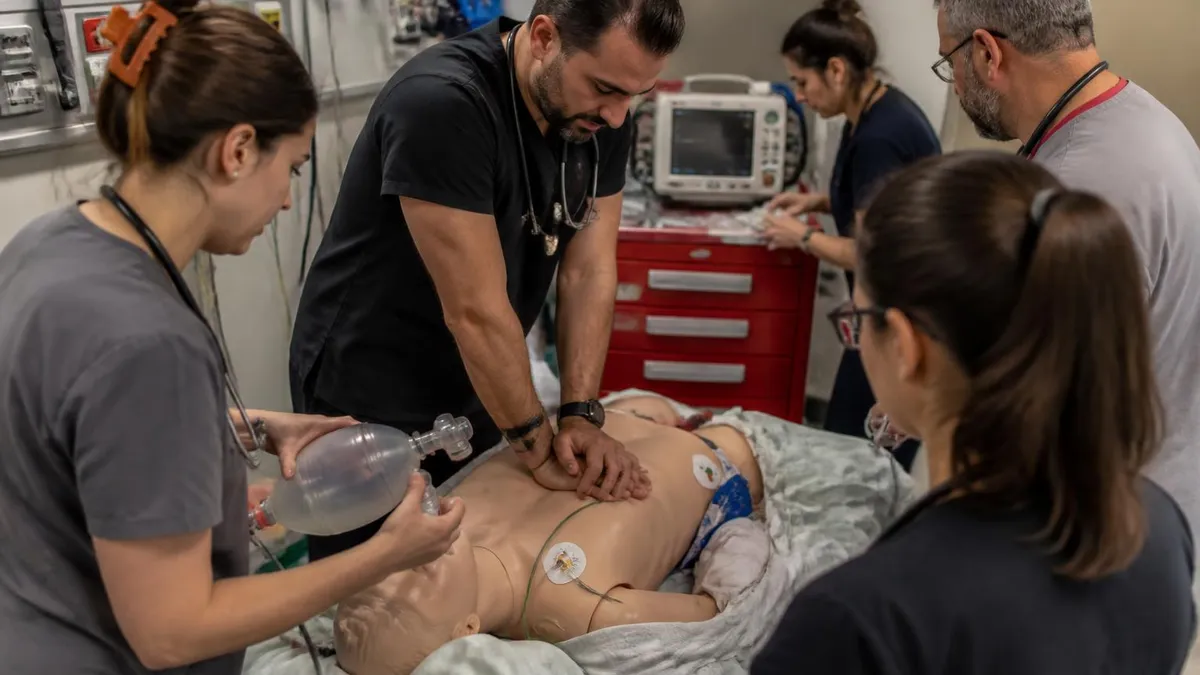
Course structure typically combines lecture, video presentations, hands-on skill practice, simulation scenarios, written examination, and practical examination. Lecture and video sessions cover knowledge content. Hands-on practice on manikins builds psychomotor skills including chest compressions, ventilation, and various procedural skills. Simulation scenarios apply knowledge and skills to realistic emergency situations supporting integrated learning. Written examination tests knowledge content. Practical examination through megacode scenarios tests integrated team-based emergency response. The multi-modal approach supports comprehensive learning across knowledge, skills, and application dimensions of ACLS competency.
Eligibility prerequisites for ACLS training typically require active BLS certification and healthcare professional background. Most ACLS courses expect students to have current BLS certification from approved providers. Healthcare professional background including nursing, medicine, paramedicine, respiratory therapy, or various other healthcare licenses or credentials typically required. Some courses accept students from broader backgrounds including healthcare students. Specific eligibility varies across training providers. Verifying eligibility before enrolling prevents wasted registration in courses requiring prerequisites not yet completed by potential students.
ACLS courses offer various format options accommodating different learning preferences and schedules. Traditional classroom courses provide full in-person training with instructor-led learning and group practice opportunities. Blended courses combine online knowledge components with in-person skills sessions reducing total in-person time. HeartCode ACLS provides AHA online course with subsequent skills check. Various commercial online providers offer different blended approaches. Renewal courses are shorter than initial certification courses focusing on skill refresh. Choosing appropriate format matches individual learning style, schedule constraints, and employer preferences for specific training approach.
American Heart Association as primary ACLS provider establishes most widely recognized certification. AHA developed ACLS curriculum maintaining current evidence-based content matching latest resuscitation science. AHA-aligned training centers across the country provide consistent training experience. AHA certification cards widely recognized by healthcare employers. The AHA prominence in resuscitation training reflects long-standing leadership in resuscitation science and education. Most healthcare employers prefer or require AHA ACLS certification supporting widespread AHA preference in professional ACLS training. Choosing AHA-aligned providers supports broad employment acceptance of resulting certification.
Alternative ACLS providers offer training meeting similar standards. American Red Cross provides ACLS-equivalent training widely accepted by healthcare employers. National Heart Saver provides training through various centers. Various commercial training providers offer ACLS-aligned courses with varying employer recognition. The various providers create market choice though AHA remains preferred provider for many healthcare employers. Verifying employer acceptance of specific provider before enrolling supports informed selection. The provider selection particularly matters when healthcare employers have specific ACLS provider preferences affecting employment qualification.
Course costs typically range from $200 to $300 with substantial variation across providers and locations. AHA-affiliated training center courses often cost more reflecting AHA certification fees. Online and blended courses may cost less than full classroom courses. Some employers pay for employee ACLS certification supporting workforce development. Healthcare schools sometimes provide ACLS training to students supporting graduation requirements. The cost considerations affect provider selection though employer payment or scholarship opportunities may eliminate personal cost. Comparing costs across local providers supports informed financial decisions matching individual budget constraints.
ACLS Training Format Options
Traditional in-person ACLS course with instructor-led learning, group practice, and integrated examination over one to two days. Comprehensive immersive learning experience suiting candidates preferring structured in-person environment with maximum instructor interaction.
Combination of online knowledge content followed by in-person skills sessions. Reduces total in-person time while maintaining hands-on skill development. Suits busy candidates needing schedule flexibility while completing required practical components.
AHA online course with subsequent skills check appointment. Online portion includes interactive cases and simulations. Skills check verifies psychomotor competency. Provides flexible online learning with required hands-on verification meeting AHA standards.
Shorter than initial certification courses focusing on knowledge updates and skill refresh. Suits experienced practitioners maintaining existing competency. Various renewal format options accommodate different recertification approaches matching individual needs.
Various ACLS providers offer different course structures matching their training philosophies. AHA, American Red Cross, and various commercial providers have specific course approaches. Provider selection affects certification recognition and training experience.
Some courses emphasize specific skills stations including airway management, intravenous access, defibrillation, and various other procedural skills. Skills station rotation builds practical competency through focused practice across various ACLS technical requirements.
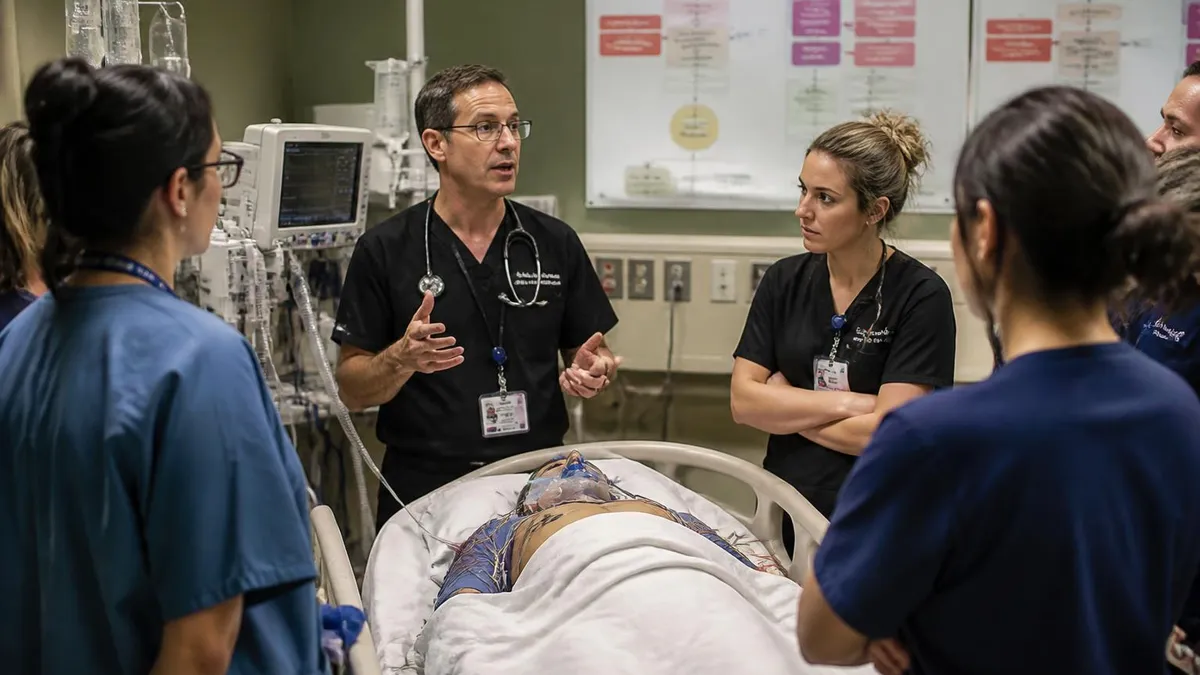
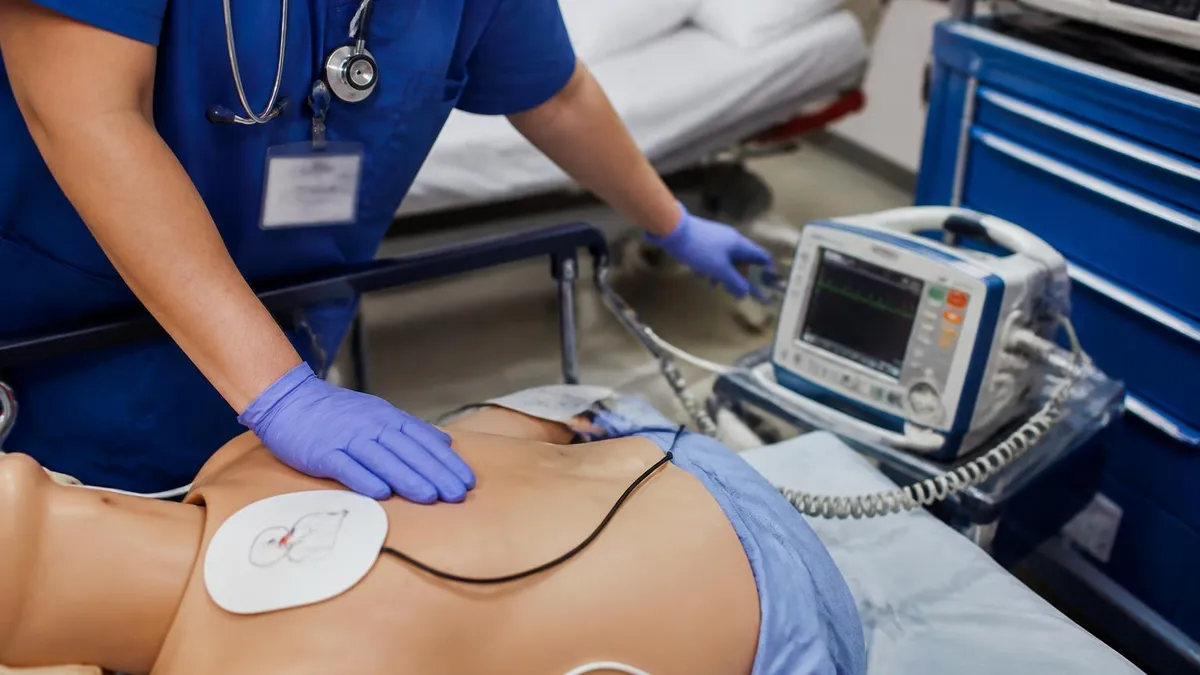
Specific skills covered in ACLS training include various technical and team capabilities. High-quality CPR including effective chest compressions and ventilation forms foundation. Defibrillation including AED use and manual defibrillation supports cardiac arrest treatment. Airway management including basic and advanced airways supports oxygenation. Intravenous and intraosseous access supports medication administration. Electrocardiogram interpretation supports rhythm-based treatment decisions. Pharmacology application uses emergency medications appropriately. Team leadership and effective communication during emergencies supports coordinated response. The diverse skills require systematic development through training matching the complex nature of advanced cardiovascular emergency response.
Recognition algorithms in ACLS provide systematic approaches to specific emergency situations. Cardiac arrest algorithm differentiates between shockable and non-shockable rhythms guiding appropriate interventions. Tachycardia algorithm differentiates stable from unstable tachycardia with different treatment approaches. Bradycardia algorithm guides treatment based on hemodynamic stability. Acute coronary syndrome algorithm guides early intervention for myocardial infarction. Stroke algorithm guides time-critical assessment and treatment. The algorithms support systematic decision making in complex emergency situations producing better outcomes through consistent evidence-based approaches across various emergency types.
Team dynamics training represents critical ACLS component beyond technical skills. Effective resuscitation requires coordinated team response with defined roles, clear communication, and mutual support. Team leader role coordinates overall response including assigning tasks and monitoring progress. Team member roles include specific responsibilities like chest compressions, airway management, medication administration, and various other tasks. Closed-loop communication confirms task completion. Constructive intervention supports correcting errors. The team dynamics emphasis reflects modern understanding that effective resuscitation requires team performance beyond individual skill matching real-world emergency response patterns.
ACLS Training Specifics
ACLS courses include both written and practical examinations verifying competency. Written examination typically multiple-choice format covers knowledge content including algorithms, pharmacology, and team dynamics. Passing typically requires 84 percent correct though specific requirements vary. Practical examination through megacode scenarios tests integrated team-based emergency response with student as team leader. Megacode evaluates leadership, decision making, skill application, and team coordination. Both examinations require passing for certification with retake opportunities for unsuccessful attempts in most programs.
Preparation for ACLS course supports better learning outcomes. Reviewing ACLS algorithms before course attendance builds foundational knowledge. AHA provides Pre-Course Self-Assessment supporting preparation. Reviewing pharmacology covered in ACLS prepares for course pharmacology coverage. Reviewing ECG basics supports rhythm interpretation during course. Practicing with ACLS apps or study materials before course supports better course engagement. The preparation reduces course stress and supports better learning during intensive course format. Many students underestimate preparation value finding courses more challenging without adequate preparation than they would be with systematic preparation.
Common challenges in ACLS courses affect students with various backgrounds. ECG rhythm interpretation challenges students without strong cardiac monitoring experience. Pharmacology recall challenges those not regularly using emergency medications. Team leadership demands challenge those new to leading resuscitation situations. The challenges vary across student backgrounds with different students finding different aspects most demanding. Working with course instructors during course addresses specific challenges. Practice between course days when courses span multiple days supports addressing challenges. The challenges reflect course substance matching ACLS scope rather than indicating poor student preparation generally.
Post-course skill maintenance supports continued competency between certification and recertification. Regular mock code participation in clinical settings maintains skills. Reviewing ACLS algorithms periodically supports knowledge maintenance. Participating in actual code situations builds experience. Reviewing performance after codes through debriefing supports learning. Some employers provide regular skills refresher training. The ongoing engagement maintains competency beyond initial certification through continued practice and refresher exposure across the two-year certification period before formal recertification.
Avoid certification mills offering ACLS certification without adequate training. Some online providers claim to offer ACLS certification through online-only courses without hands-on skills verification. AHA and major healthcare employers generally do not accept online-only ACLS certification without hands-on skills check. Such certifications may lack credibility for employment purposes. Verifying provider recognition by employer before enrolling prevents wasted investment in certification not meeting employer requirements. AHA-aligned providers and other established providers with required hands-on components produce credentials recognized across healthcare employers supporting legitimate professional development.
ACLS instructor qualifications affect course quality substantially. AHA Instructor designation requires specific qualifications including current ACLS certification, AHA Instructor Course completion, and various other requirements. Experienced ACLS instructors bring practical insights beyond pure curriculum delivery. Some instructors also work clinically supporting real-world examples in courses. The instructor quality particularly matters for skills development and complex scenario interpretation. Asking about instructor qualifications when researching courses helps identify quality programs. The instructor investment in ongoing development through experience and continuing education supports better student learning outcomes.
Career applications of ACLS certification extend across various healthcare settings. Emergency department positions universally require ACLS. Intensive care unit positions typically require ACLS. Operating room and procedural areas often require ACLS. Cardiac catheterization laboratory positions require ACLS. Cardiac rehabilitation positions may require ACLS. Travel nursing positions often require current ACLS. Various other clinical positions in cardiac care, critical care, and emergency response require ACLS. The widespread requirement supports ACLS as core healthcare credential across many clinical roles affecting employment qualifications and career advancement opportunities throughout healthcare.
International ACLS recognition varies though AHA training generally recognized worldwide. Many international healthcare settings recognize AHA ACLS certification. Some countries have national resuscitation councils with their own equivalent certifications. International employment may require additional national certification beyond AHA training. The AHA international reputation supports broad recognition though specific country requirements may apply. Healthcare professionals planning international work should research specific destination requirements regarding ACLS or equivalent certifications before relying on AHA training alone for international employment.
ACLS Training Pursuit Checklist
- ✓Verify ACLS certification requirement for current or planned employment position
- ✓Confirm current BLS certification meeting ACLS prerequisite typically required
- ✓Research employer-preferred ACLS providers ensuring training meets employer recognition
- ✓Compare ACLS course options including classroom, blended, and HeartCode formats
- ✓Verify course cost coverage through employer reimbursement or personal payment
- ✓Review ACLS algorithms and pharmacology before course supporting better learning
- ✓Complete pre-course assessment if required by chosen training provider
- ✓Bring required materials including provider manual and identification to course
- ✓Participate actively in course skills practice and simulation scenarios
- ✓Plan ongoing skill maintenance and timely recertification before expiration
ACLS vs BLS distinctions clarify the relationship between these certifications. Basic Life Support BLS covers fundamental resuscitation including CPR, AED use, and basic airway management. BLS represents prerequisite for ACLS training. Advanced Cardiovascular Life Support builds on BLS through advanced interventions including manual defibrillation, advanced airway management, medication administration, and complex algorithm-based decision making. ACLS-certified professionals typically maintain both BLS and ACLS certifications. The progression from BLS to ACLS reflects increasing scope and complexity of resuscitation response capabilities supporting different roles in emergency response across various healthcare settings.
ACLS vs PALS distinctions cover age group differences. Advanced Cardiovascular Life Support primarily addresses adult patient emergencies though includes some adolescent content. Pediatric Advanced Life Support PALS specifically addresses pediatric and infant resuscitation. Many healthcare professionals working with diverse patient populations maintain both ACLS and PALS certifications. Pediatric-specific resuscitation involves different algorithms, equipment sizing, medication dosing, and various other considerations beyond adult resuscitation. The complementary certifications support comprehensive emergency response across patient age groups particularly for healthcare professionals working with diverse patient populations.
ACLS continues evolving with updated guidelines reflecting current resuscitation science. AHA periodically updates ACLS curriculum based on International Liaison Committee on Resuscitation evidence reviews. Recent updates have refined CPR quality emphasis, modified specific algorithms, updated pharmacology approaches, and incorporated team dynamics emphasis. Staying current with ACLS evolution through periodic recertification ensures continued evidence-based practice. The dynamic nature of ACLS curriculum reflects ongoing resuscitation research producing continued practice improvements over time supporting better patient outcomes through evidence-based emergency response.
ACLS Training Pros and Cons
- + —
- + —
- + —
- + —
- + —
- + —
- + —
- + —
- − —
- − —
- − —
- − —
- − —
- − —
Lifelong learning through ACLS certification reflects ongoing professional development commitment. ACLS represents one element of comprehensive healthcare professional development including various specialty certifications, continuing education, professional involvement, and ongoing clinical experience. Treating ACLS as part of comprehensive development rather than isolated requirement supports better integration with career growth. The two-year cycle creates regular touchpoint for resuscitation knowledge updating supporting evolving practice. Healthcare professionals committed to lifelong learning find ACLS recertification cycles fit naturally with ongoing professional development matching career-long competency maintenance across healthcare practice areas.
The ACLS training represents valuable investment for healthcare professionals across various clinical roles. Understanding course content, format options, provider selection, costs, examination requirements, recertification considerations, and various other aspects supports informed training pursuit. The investment in ACLS certification produces value through career qualifications, emergency response competency, and contribution to patient outcomes during cardiovascular emergencies. Whether pursuing initial certification or planning recertification, ACLS training supports professional development matching healthcare career requirements and personal commitment to emergency response capability across various clinical practice settings.
The ACLS training landscape continues evolving while maintaining strong fundamentals supporting cardiovascular emergency response. Technology integration through simulation, online learning, and various other approaches enhances training. Evidence-based curriculum updates reflect ongoing resuscitation science. Various format options accommodate different learner preferences and schedules. Understanding current options supports informed training decisions matching specific circumstances. The continued ACLS evolution supports continued relevance across healthcare evolution producing competent emergency responders across diverse healthcare settings and patient populations requiring advanced cardiovascular emergency care throughout the evolving healthcare landscape.
ACLS Questions and Answers
Mock code participation supplements formal ACLS training supporting ongoing skill development. Many hospital units conduct regular mock code drills providing realistic emergency response practice. Mock codes simulate various emergency scenarios building team coordination and individual skills. Debriefing after mock codes supports learning from simulated experiences. Participating actively in mock codes builds confidence and competence supporting better real emergency response. The mock code approach provides ongoing practice between formal ACLS recertifications supporting skill maintenance throughout the two-year certification cycle.
Clinical experience supplements formal training building real-world emergency response competency. Participating in actual code situations under appropriate supervision develops practical skills. Observing experienced practitioners during emergencies provides modeling. Post-event debriefing analyzes performance supporting learning from real experiences. Building experience through volunteering for high-acuity assignments supports career growth. The clinical experience produces depth beyond classroom training matching real emergency response demands across diverse patient situations encountered in actual healthcare practice across various clinical settings.
The ACLS training investment supports comprehensive emergency response capability throughout healthcare careers. Understanding training requirements, format options, costs, and various other considerations supports informed decisions about certification pursuit and renewal. The investment produces value through career qualifications, professional development, and most importantly through enhanced ability to respond effectively during cardiovascular emergencies improving patient outcomes. Whether early-career healthcare professional or experienced practitioner, ACLS training represents foundational specialty credential supporting competent emergency response across the diverse situations encountered throughout healthcare careers in various clinical practice settings.
About the Author

Registered Nurse & Healthcare Educator
Johns Hopkins University School of NursingDr. Sarah Mitchell is a board-certified registered nurse with over 15 years of clinical and academic experience. She completed her PhD in Nursing Science at Johns Hopkins University and has taught NCLEX preparation and clinical skills courses for nursing students across the United States. Her research focuses on evidence-based exam preparation strategies for healthcare certification candidates.
Join the Discussion
Connect with other students preparing for this exam. Share tips, ask questions, and get advice from people who have been there.
View discussion (8 replies)