
ACLS Practice Tests and Precourse Self-Assessment Guide 2026 October
Free ACLS practice tests covering precourse self-assessment topics, rhythm recognition, pharmacology, algorithms, and full provider exam content. 💡

Why ACLS Practice Tests Matter
The Advanced Cardiac Life Support certification exam is not the kind of test you walk into cold and expect to pass. The American Heart Association sets a high bar because the content matters in life-or-death scenarios. ACLS providers run codes, manage post-cardiac-arrest patients, respond to acute stroke presentations, and coordinate team-based resuscitation efforts.
Test-takers who skip preparation typically fail the precourse self-assessment, struggle in the hands-on megacode stations, and leave the multiday certification course without the credential they paid for. Practice tests are the bridge between knowing the algorithms in theory and applying them under pressure when seconds count. significantly always.
Most ACLS courses now require students to complete the precourse self-assessment with a passing score before they even walk into the classroom. The self-assessment covers ECG rhythm recognition, basic pharmacology, fundamental resuscitation science, and practical application of the algorithms. The AHA built this barrier deliberately because instructors were tired of teaching foundational content during certification courses. Showing up unprepared now means losing your seat in the course or being asked to leave on day one. Practice tests are the most efficient way to surface knowledge gaps before they cost you the certification.
Healthcare facilities increasingly track ACLS certification renewal rates as part of their quality metrics. Failing to maintain certification can result in loss of clinical privileges, especially for emergency department physicians, ICU nurses, and rapid response team members. Some hospitals tie shift assignments and bonus eligibility to current ACLS status. Practice tests during renewal periods help working professionals refresh perishable knowledge that fades between two-year certification cycles when the algorithms are not actively used in daily practice.
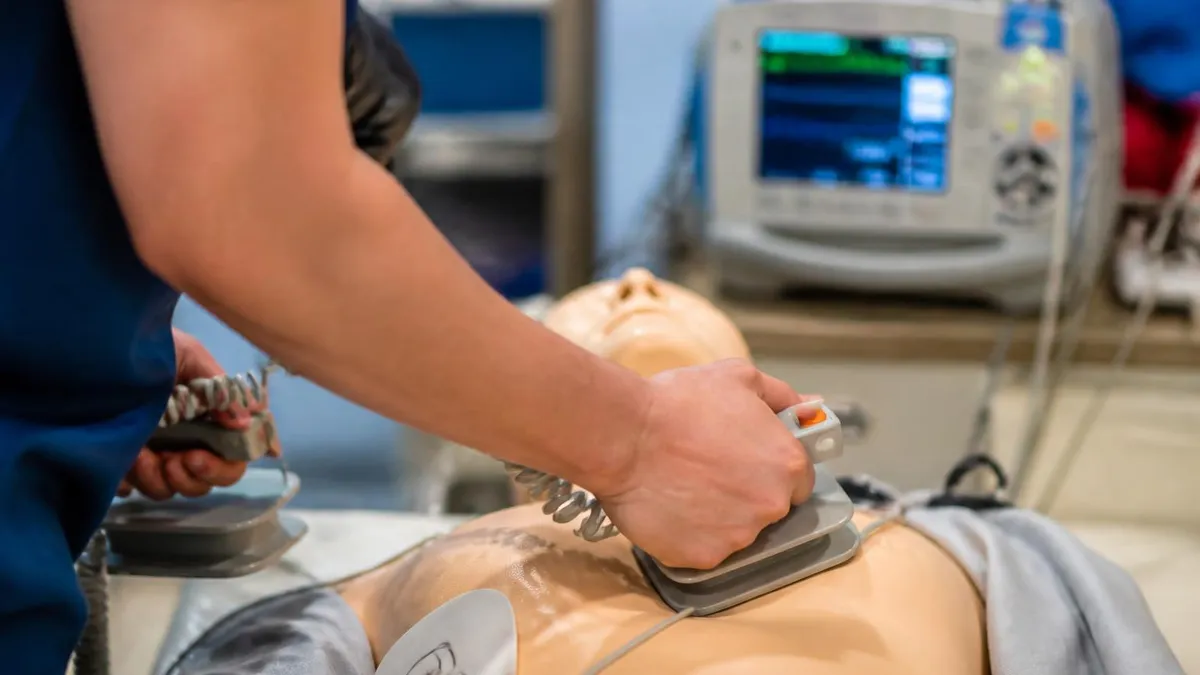
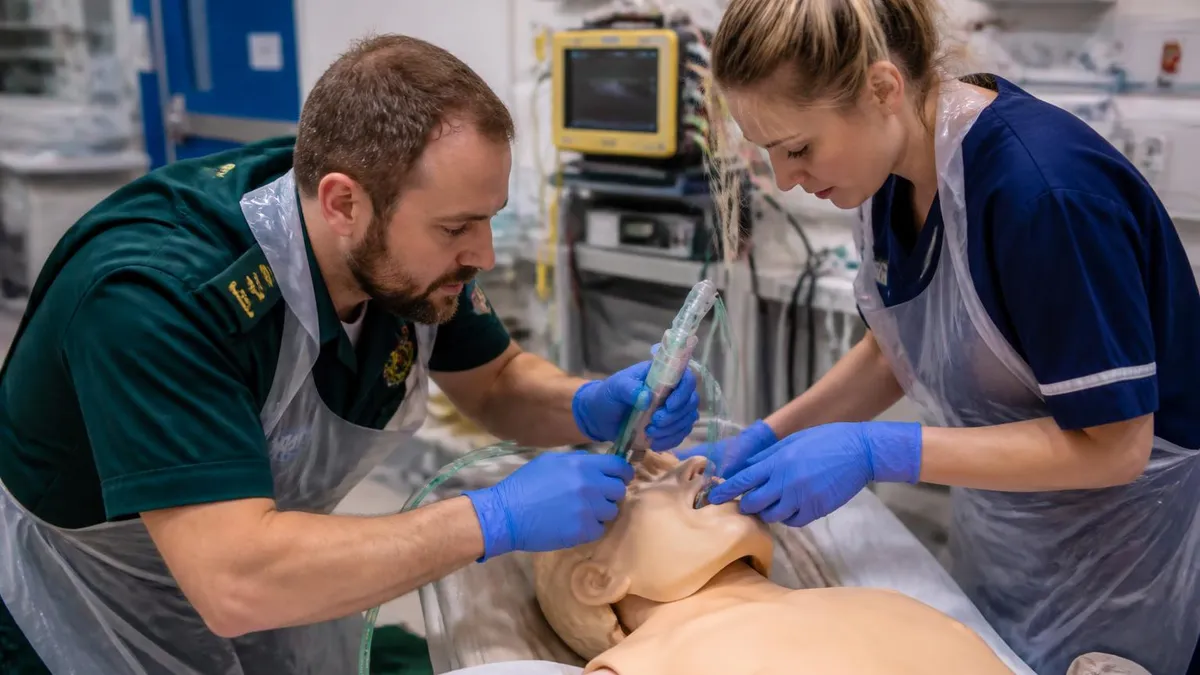
Hospital simulation labs offer another high-value preparation environment. Many medical centers run dedicated ACLS simulation rooms with manikins, monitors, and code cart equipment. Reserving simulation time before your certification course converts cognitive knowledge from practice tests into hands-on procedural fluency. Candidates who combine practice test work with at least one simulation session consistently outperform those who rely on practice tests alone during megacode evaluation by their instructors.
Combining multiple preparation approaches across two to three weeks consistently outperforms last-minute cramming for ACLS certification candidates.
ACLS Practice Test Quick Facts
ACLS practice tests cover rhythm recognition, pharmacology, BLS prerequisites, ACLS algorithms, and team dynamics. Most candidates need 4 to 8 hours of focused practice question work to pass the AHA precourse self-assessment at 70 percent or higher. Repeated practice across question formats builds the rapid recognition needed during high-pressure clinical scenarios and certification course megacode stations.
What the ACLS Practice Tests Actually Cover
The AHA structures ACLS content around four major domains. Rhythm recognition tests your ability to identify normal sinus rhythm, ventricular fibrillation, pulseless ventricular tachycardia, asystole, pulseless electrical activity, supraventricular tachycardia, atrial fibrillation, atrial flutter, and the various AV blocks. Most candidates struggle most with subtle differences between second-degree heart block type one and type two, and with distinguishing fine ventricular fibrillation from asystole. Rhythm strips appear repeatedly on practice tests because they appear repeatedly on the real exam and in clinical scenarios.
Pharmacology coverage focuses on the drugs used during resuscitation and post-arrest care. Practice tests drill epinephrine dosing (1 mg every 3-5 minutes during cardiac arrest), amiodarone (300 mg first dose, 150 mg second), lidocaine alternatives, atropine for symptomatic bradycardia (1 mg every 3-5 minutes up to 3 mg total), adenosine for stable narrow-complex tachycardias (6 mg first dose, 12 mg subsequent), and the various vasopressors used post-arrest. Strong rhythm recognition combined with confident drug selection is the foundation of ACLS competence. acls precourse self-assessment answers walks through every official question.
Acute coronary syndrome and stroke pathway questions also appear regularly. The ACS algorithm covers initial assessment, ECG interpretation, troponin and biomarker decisions, and the transfer pathway to cardiac catheterization. The stroke algorithm covers the BE FAST screening tool, time-sensitive imaging decisions, eligibility for thrombolytics, and the role of mechanical thrombectomy in large vessel occlusion. Practice tests sample these less-frequent algorithms to ensure candidates can handle them when they arise, which is when failure to apply the right pathway has serious clinical consequences.
Mobile flashcard apps can supplement practice tests for memorization-heavy content. Anki and Quizlet host community-built ACLS decks covering drug doses, rhythm patterns, and algorithm steps. Spaced repetition algorithms surface cards just before forgetting occurs, which builds long-term retention more efficiently than passive review. Five to ten minutes of flashcard review during commute time or between patients adds meaningful preparation without disrupting normal work schedules during the weeks before a certification course.
Four Major ACLS Practice Test Topics
Identify cardiac rhythms from ECG strips including VF, VT, asystole, PEA, AV blocks, and tachyarrhythmias under timed conditions. Building strong competence in this area improves overall exam day performance significantly.
Drug doses, indications, contraindications, and administration sequences for epinephrine, amiodarone, atropine, adenosine, and vasopressors. Building strong competence in this area improves overall exam day performance significantly.
Cardiac arrest, bradycardia, tachycardia with pulse, post-cardiac arrest care, acute coronary syndrome, and suspected stroke pathways. Building strong competence in this area improves overall exam day performance significantly.
Closed-loop communication, role assignment, leadership, debriefing, and the team-based resuscitation model emphasized in current AHA guidelines. Building strong competence in this area improves overall exam day performance significantly.
The Precourse Self-Assessment Format
The official AHA Precourse Self-Assessment runs through the Advanced Cardiac Life Support online portal. Candidates pay a fee (typically included in the certification course tuition) and receive access to three sections: rhythm identification, pharmacology, and practical application. Each section runs 10 to 20 questions, and the system reports your performance back to your instructor before the course begins. Scoring below 70 percent on any section signals significant gaps and usually triggers a conversation with the course director about whether you should attend the certification class or postpone.
The questions themselves are not trick questions. They test core competence in straightforward ways. A rhythm strip appears with multiple choice options for identification. A bradycardia scenario asks which drug to administer first. A tachycardia scenario asks whether the patient is stable or unstable. Practice tests that mirror this format prepare you most effectively because they build the question-recognition patterns the actual self-assessment relies on. Generic medical practice tests do not provide the same preparation value because they lack the ACLS-specific framing and emphasis.
Some training centers allow multiple attempts at the self-assessment, while others limit candidates to a single try. The AHA does not enforce a specific retake policy. If you score below 70 percent on your first attempt, contact your course director about retake options. Most centers will allow a second attempt after you commit to additional preparation. Repeated failures typically trigger a conversation about deferring the course rather than continuing to attempt the self-assessment without addressing the underlying knowledge gaps that produced the failures.
Self-Assessment Section Breakdown
The rhythm section presents ECG strips and asks for identification. Most strips run 6 seconds in length displaying recognizable patterns. Candidates must distinguish between ventricular tachycardia and supraventricular tachycardia with aberrant conduction, identify the various forms of AV block, and recognize agonal rhythms versus asystole. Time pressure during the actual exam is moderate. Always verify your practice test content aligns with the most current AHA guidelines published every five years on standard cycles.
How to Use Practice Tests Effectively
The biggest mistake candidates make is using practice tests as a final readiness check rather than a learning tool. Take your first practice test cold without studying. The performance baseline tells you where your gaps are. Then study the specific topics you missed, drill them with focused practice questions, and retake the practice test after a few days of preparation. The before-after comparison reveals whether the studying actually moved your competence. Without this iterative loop, candidates often plateau at marginal scores because they keep practicing the topics they already know well.
Time pressure matters too. The actual self-assessment is not strictly timed, but most ACLS exam settings are. Practice tests should be taken under timed conditions to build the speed needed during actual scenarios. A rhythm strip you can identify in 30 seconds at home becomes much harder to identify in 8 seconds while a code is running. Building speed through repeated timed practice transfers directly to clinical performance. Our ACLS algorithm reference covers the decision pathways that practice tests probe most heavily.
Group study sessions can amplify the value of practice test work. Working through practice questions with one or two colleagues who explain their reasoning aloud reveals different approaches to the same scenarios. The practice of articulating clinical reasoning verbally also strengthens retention compared to silent reading. Many hospitals run informal ACLS study groups during the months leading up to scheduled certification cycles. Joining these groups builds both knowledge and the team communication patterns ACLS courses emphasize during megacode evaluation.

Many candidates blast through 200 practice questions in a single weekend right before their course. This produces almost no retention. Space your practice across 2 to 3 weeks with 20 to 30 questions per session for measurable learning gains. Cramming creates false confidence that collapses during the actual exam. Spaced practice over multiple weeks produces dramatically better retention than concentrated cramming sessions immediately before the certification course begins.
Rhythm Recognition Practice Patterns
Rhythm strips appear constantly on ACLS practice tests because they appear constantly during actual codes. The patterns to drill until they are automatic include: regular narrow-complex tachycardia (likely SVT, treated with adenosine or rate control); irregular narrow-complex tachycardia (atrial fibrillation, treated with rate control); regular wide-complex tachycardia (most often ventricular tachycardia, treated as VT until proven otherwise); irregular wide-complex tachycardia (polymorphic VT or atrial fibrillation with aberrancy, treated differently); and the various flatline or near-flatline patterns of asystole and pulseless electrical activity.
The subtle distinctions matter clinically. Second-degree heart block type one (Wenckebach) shows progressive PR prolongation before a dropped beat — usually benign and observed without intervention. Second-degree heart block type two shows fixed PR intervals with intermittent dropped beats — concerning, usually requiring pacing. Confusing these two costs candidates points on the self-assessment and creates real risk during clinical scenarios where the treatment decisions diverge significantly. Drill rhythm strips until your pattern recognition is automatic.
Comparing torsades de pointes with other forms of polymorphic ventricular tachycardia is another point of confusion for many candidates. Torsades has a characteristic twisting morphology and is associated with prolonged QT intervals, often from electrolyte abnormalities or QT-prolonging medications. The treatment includes magnesium sulfate before defibrillation, which differs from standard pulseless VT management. Recognizing the twisting pattern on rhythm strips and recalling the magnesium intervention are common test items that catch unprepared candidates regularly.
ACLS Practice Test Preparation Checklist
- ✓Take a baseline practice test cold to identify weak topic areas (document scores and gaps in a study log)
- ✓Review the official AHA ACLS Provider Manual chapters covering your weak areas (document scores and gaps in a study log)
- ✓Drill rhythm recognition with at least 50 strip identification practice items (document scores and gaps in a study log)
- ✓Memorize key drug doses (epinephrine, amiodarone, atropine, adenosine) (document scores and gaps in a study log)
- ✓Practice the cardiac arrest algorithm out loud until automatic (document scores and gaps in a study log)
- ✓Complete at least 3 full-length practice tests spaced across 2-3 weeks (document scores and gaps in a study log)
- ✓Score consistently 80 percent or above before sitting the official self-assessment (document scores and gaps in a study log)
- ✓Review your missed questions carefully rather than just retaking the test (document scores and gaps in a study log)
The Megacode Connection
The certification course culminates in megacode stations where instructors evaluate your ability to lead a simulated resuscitation. Strong performance on practice tests correlates directly with strong megacode performance because the same cognitive content underlies both. Candidates who can rapidly identify rhythms and confidently call drug doses during practice tests perform similarly under simulated pressure. Candidates who struggle with practice tests typically freeze or hesitate during megacodes, which can result in remediation requirements or failing the course altogether.
Megacodes also test team dynamics and communication patterns that practice tests cannot fully capture. Closed-loop communication (the team leader says administer one milligram of epinephrine, the team member confirms one milligram of epinephrine administered) is essential during real codes and during megacode evaluation. Watch AHA-produced megacode videos to see the cadence and language patterns instructors expect. Many candidates have all the cognitive knowledge but lose points on team dynamics because they were never explicitly coached on the verbal patterns expected during ACLS scenarios.
Practice tests also help candidates internalize the priority sequence during scenarios. The systematic BLS-then-ACLS approach matters during evaluation. Start with the BLS primary survey (responsiveness, breathing, pulse, compressions), then move to the ACLS secondary survey (airway, IV access, monitor, differential diagnosis). Skipping the BLS primary survey is one of the most common megacode mistakes. Strong practice test preparation drills this sequence until it becomes automatic, which translates directly to clean megacode performance under instructor evaluation pressure.
Common Question Types You Will See
The most common question format presents a clinical scenario followed by a multiple choice intervention. A patient presents with chest pain, blood pressure 92 over 60, heart rate 38, oxygen saturation 96 percent on room air. The rhythm strip shows a narrow-complex bradycardia. What is the first medication intervention? The correct answer requires recognizing bradycardia, assessing for symptoms (chest pain and borderline hypotension qualify), and recalling the bradycardia algorithm calls for atropine 1 mg IV first. Candidates miss these questions when they get hung up on details rather than executing the algorithm cleanly.
Drug question patterns also recur. A patient is in pulseless ventricular tachycardia. CPR has been initiated. What is the priority intervention? The correct answer is defibrillation, not epinephrine. Many candidates miss this because they have memorized that epinephrine is given every 3-5 minutes during cardiac arrest without internalizing that defibrillation is always the priority for shockable rhythms. Drug administration follows shock attempts and good CPR, not the other way around. Understanding the why behind each algorithm beats rote memorization for these questions.
Synchronized cardioversion versus unsynchronized defibrillation is another commonly tested distinction. Stable wide-complex tachycardia with a pulse requires synchronized cardioversion, with starting energy typically at 100 joules biphasic. Pulseless ventricular tachycardia or fibrillation requires unsynchronized defibrillation at maximum biphasic energy (200 joules for most modern defibrillators). Candidates who confuse these often select wrong energy settings or wrong sync modes during megacode evaluation. The distinction is tested repeatedly on practice tests because it carries real clinical importance during patient care.
ACLS Practice Test Numbers
Key Facts at a Glance
| Item | Value | Details |
|---|---|---|
| Minimum passing score on AHA precourse self-assessment (per current AHA guidelines) | 70% | |
| Questions per section in the official self-assessment (per current AHA guidelines) | 10-20 | |
| ACLS certification validity period before renewal (per current AHA guidelines) | 2 yrs |
Three Categories of Practice Tests Available
The required pre-course tool. Mirrors actual exam format closely. Required for course entry at most certification providers. Building strong competence in this area improves overall exam day performance significantly.
Free online practice tests from training organizations. Quality varies significantly. Use as supplemental drill material rather than primary prep. Building strong competence in this area improves overall exam day performance significantly.
Paid platforms with hundreds of questions, detailed explanations, and progress tracking. Often included with comprehensive course tuition. Building strong competence in this area improves overall exam day performance significantly.
Common Mistakes During Practice Tests
Skipping the explanation review is the biggest mistake. Many candidates take a practice test, score 75 percent, and move on. The right approach is reading the explanations for every question, including the ones answered correctly, to confirm that the right reasoning produced the right answer. Sometimes candidates get questions right through partial knowledge or lucky guessing, and those gaps surface later when slightly different questions appear on the real exam. Reading every explanation reinforces correct reasoning and catches lucky guesses before they become real-exam misses.
Another common mistake is using only one practice test source. Different test providers emphasize different aspects of ACLS content. Some emphasize rhythm recognition more heavily, some go deeper on pharmacology, and some focus on the algorithm decision trees. Drawing from multiple practice test sources exposes you to a wider range of question formats and content emphases, which builds more strong competence than mastering a single test bank. Plan to use at least two different practice test sources during your prep period. acls study page lists trusted question banks.
Ignoring the time stamps in practice scenarios is another widespread error. When a question states the patient has been in cardiac arrest for 15 minutes, the answer choices shift compared to a fresh arrest scenario. Late arrest questions typically test post-resuscitation care priorities rather than initial resuscitation decisions. Reading scenarios carefully for time-based context clues helps candidates select the right algorithm phase. Quick reading often produces wrong answers even when underlying knowledge is solid because the scenario context was missed.
Pros and Cons of Heavy Practice Test Use
- +Builds rapid recognition of common rhythm patterns and scenarios for active certification candidates and renewing providers
- +Surfaces knowledge gaps before they cost you the certification for active certification candidates and renewing providers
- +Mirrors actual exam format better than passive reading for active certification candidates and renewing providers
- +Allows iterative learning through repeated testing cycles for active certification candidates and renewing providers
- +Builds confidence that translates to better megacode performance for active certification candidates and renewing providers
- −Question bank quality varies significantly between providers worth weighing against the certification stakes
- −Heavy reliance on practice tests can shortcut deeper conceptual learning worth weighing against the certification stakes
- −Memorizing answer patterns without understanding fails on slightly varied questions worth weighing against the certification stakes
- −Free question banks sometimes contain outdated content from older AHA guidelines worth weighing against the certification stakes
- −Cannot replicate the high-stress hands-on megacode evaluation environment worth weighing against the certification stakes
ACLS Questions and Answers
About the Author

Registered Nurse & Healthcare Educator
Johns Hopkins University School of NursingDr. Sarah Mitchell is a board-certified registered nurse with over 15 years of clinical and academic experience. She completed her PhD in Nursing Science at Johns Hopkins University and has taught NCLEX preparation and clinical skills courses for nursing students across the United States. Her research focuses on evidence-based exam preparation strategies for healthcare certification candidates.
Join the Discussion
Connect with other students preparing for this exam. Share tips, ask questions, and get advice from people who have been there.
View discussion (8 replies)