
MRI and Nail Polish: Safety, Preparation, and What Patients Need to Know
MRI and nail polish: learn whether you must remove polish, gel, or acrylics before your scan, plus complete MRI safety and preparation steps. ⏳
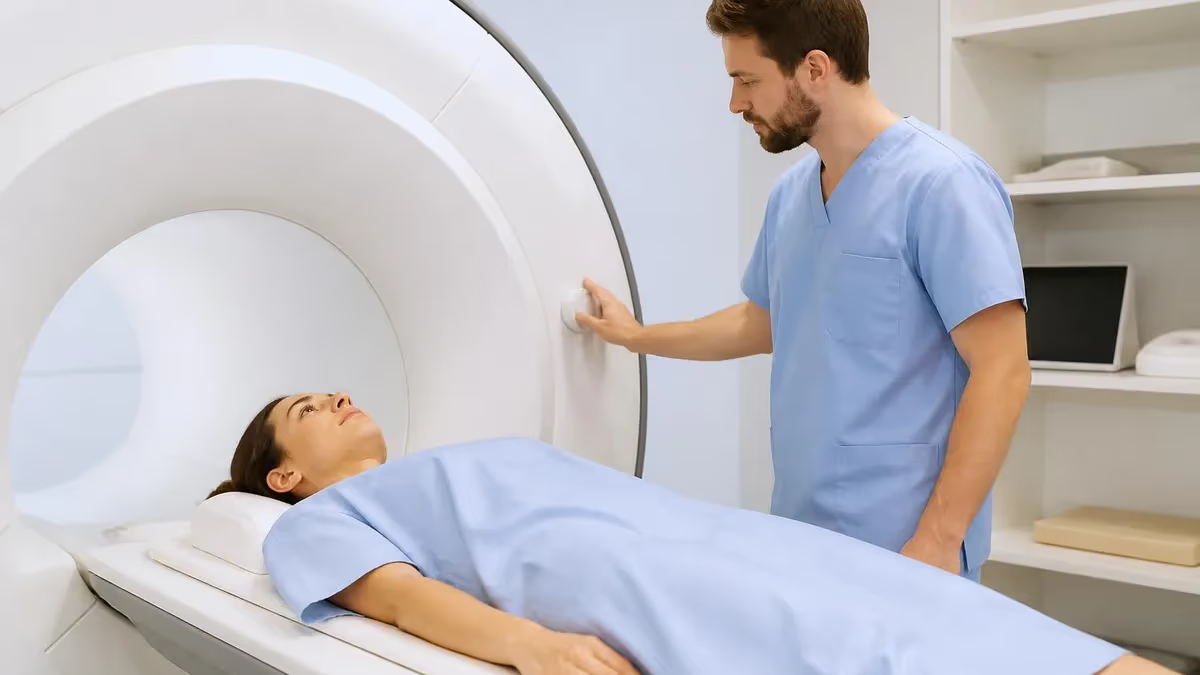
The question of mri and nail polish comes up in nearly every pre-scan screening, and the answer surprises many patients. Standard nail polish is generally safe for an MRI because it contains no ferromagnetic ingredients that interact with the magnetic field. However, certain metallic flakes, gel polishes cured under specific lamps, and acrylic enhancements can occasionally affect imaging or pulse oximetry monitoring during the procedure. Understanding these nuances helps you arrive prepared and avoid last-minute rescheduling.
MRI safety extends far beyond what is on your fingertips. The machine generates a static magnetic field thousands of times stronger than Earth's, and any unscreened metal becomes a projectile risk or thermal hazard. Patients often focus on jewelry and piercings while overlooking subtle items like transdermal patches, tattoos with metallic ink, hair extensions secured with metal clips, or even certain cosmetics containing iron oxides. A thorough screening protects both you and the imaging staff working nearby.
Preparation also influences the diagnostic quality of your scan. Movement, anxiety, retained metallic artifacts, and inadequate fasting before contrast-enhanced studies can all degrade images or require repeat sequences. Radiologists rely on crisp, artifact-free pictures to detect subtle pathology, so patient cooperation directly affects clinical outcomes. Spending fifteen minutes reviewing the safety checklist your imaging center provides is one of the highest-use things you can do before walking into the scanner room.
For technologists preparing for the registry exam, understanding patient screening is foundational. You will encounter scenarios involving cochlear implants, aneurysm clips, retained shrapnel, insulin pumps, and yes, cosmetic considerations. Knowing which items are absolute contraindications versus relative concerns is tested heavily. Reviewing real-world cases helps cement this knowledge, and you can explore the history of MRI to understand why these protocols evolved the way they did over six decades of clinical development.
This guide walks through the full safety and preparation landscape: what to wear, what to remove, how to handle medications, what to expect with contrast, and how MRI staff verify your readiness. We will also tackle common myths about nail polish, makeup, deodorant, and tattoos, separating evidence-based caution from internet folklore. By the end, you will know exactly how to prepare and what questions to ask your technologist.
Whether you are a patient scheduled for your first scan, a caregiver helping someone prepare, or a student studying for a credentialing exam, the same principles apply. MRI is one of the safest imaging modalities ever developed when used properly, but its safety profile depends entirely on disciplined screening. Read on for a practical, evidence-based walkthrough of everything you should know before stepping into the magnet room.
We will also examine why specific cosmetic ingredients matter, when to disclose recent dental work or surgical hardware, and how to communicate effectively with your imaging team. The goal is confidence: arriving at your appointment prepared, informed, and ready to get the best possible diagnostic images on the first attempt.
MRI Safety by the Numbers
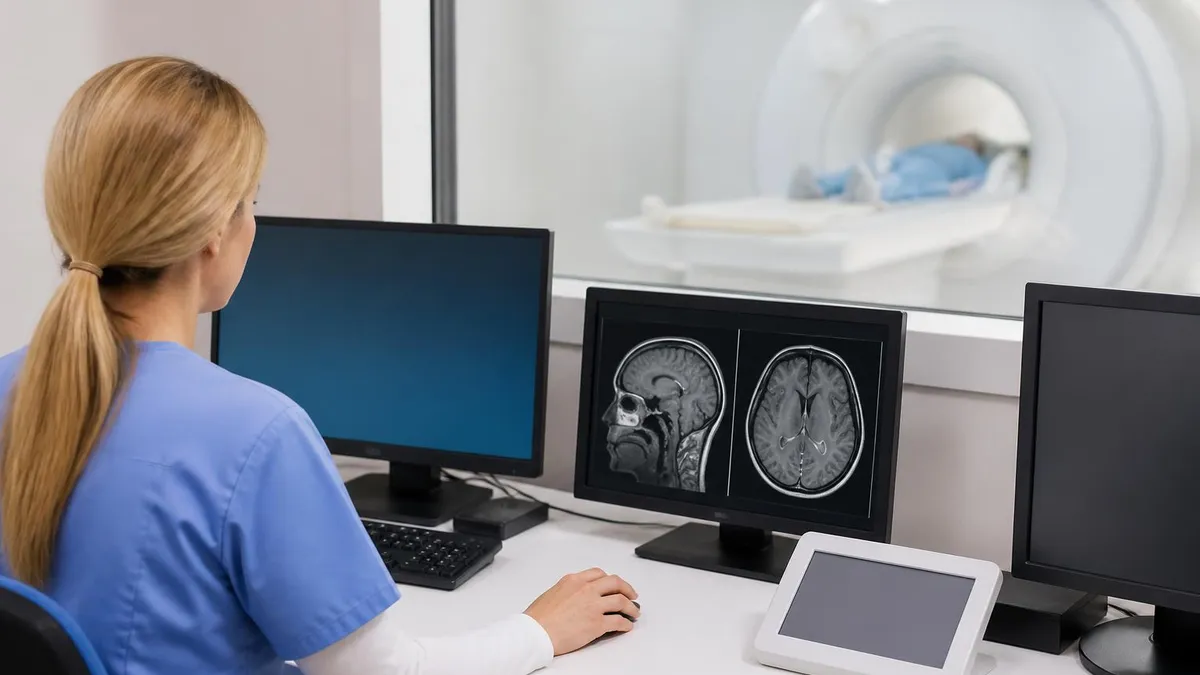
Pre-Scan Screening Timeline
Schedule and Initial Screening
Pre-Appointment Instructions
Check-In Verification
Changing and Locker Storage
Final Tech Interview
Scanner Room Entry
Returning to the central question about mri and nail polish: in nearly all cases, ordinary polish poses no risk during scanning. Cosmetic lacquers consist of nitrocellulose, resins, plasticizers, and pigments suspended in solvents. None of these ingredients are ferromagnetic, so they do not attract toward the magnet or heat appreciably under radiofrequency exposure. You can typically keep your manicure intact and walk straight into the scanner without concern about safety.
The caveats involve specific product categories. Polishes marketed with metallic shimmer, chrome powder finishes, magnetic-effect lacquers, or holographic glitter may contain trace iron oxides or finely milled aluminum. While the amounts are minuscule, these can occasionally produce small susceptibility artifacts if your hands fall within the imaging field of view, such as during a wrist, hand, or breast MRI. For body or brain scans, your hands sit well outside the imaging zone and any cosmetic content is irrelevant.
Gel polish and dip powder manicures introduce a different consideration. The cured polymer itself is inert, but pulse oximeters clipped to your fingertip can struggle to read through opaque coatings, particularly dark colors. Anesthesia teams managing sedated MRI patients sometimes request removal of polish on at least one finger to ensure accurate oxygen saturation monitoring. If you are having a routine outpatient MRI without sedation, this rarely applies.
Acrylic and gel-extension nails are mechanically strong and chemically stable in the magnetic field. However, very long enhancements can complicate placement of an IV catheter for contrast administration or interfere with positioning hand coils. If your scan targets the upper extremity, your technologist may ask you to consider shortening or removing extensions. For unrelated body parts, your nail length is generally irrelevant to image quality.
Other cosmetics deserve attention too. Certain mineral-based eye makeups, particularly heavy black eyeliners and mascaras, contain iron oxide pigments that can cause local heating or artifacts in orbital and brain MRI. Permanent makeup and microblading use similar pigments and rarely cause issues, but tattoos with metallic ink components warrant disclosure. Hair products with iron-based dyes or styling sprays containing aluminum particulates are usually trivial but worth mentioning.
Body washes, deodorants, and lotions are not a concern unless they contain glitter or metallic particles. Antiperspirants with aluminum chlorohydrate are biochemically bound and pose no magnetic risk. For comprehensive understanding of how MRI handles foreign materials in the body, reviewing mri with and without contrast cpt protocols gives helpful context, because the same screening logic applies to ingested or injected substances.
The bottom line: if you are uncertain about a specific product, bring the container or take a photo of the ingredient list. Your technologist would much rather examine a polish bottle for thirty seconds than risk an artifact or rescheduling. Erring on the side of disclosure costs nothing and helps the imaging team plan around minor concerns before they become problems on the scanner.
MRI Practice Test Questions
Prepare for the MRI - Magnetic Resonance Imaging exam with our free practice test modules. Each quiz covers key topics to help you pass on your first try.
MRI Knowledge
MRI Exam Questions covering Knowledge. Master MRI Test concepts for certification prep.
MRI Physics
Free MRI Practice Test featuring Physics. Improve your MRI Exam score with mock test prep.
MRI Anatomy and Pathology
MRI Test Prep for MRI Anatomy and Pathology. Practice MRI Quiz questions and boost your score.
MRI Anatomy and Positioning
MRI Questions and Answers on MRI Anatomy and Positioning. Free MRI practice for exam readiness.
MRI Contrast Agents
Free MRI Quiz on MRI Contrast Agents. MRI Exam prep questions with detailed explanations.
MRI Patient Care and Positioning
MRI Practice Questions for MRI Patient Care and Positioning. Build confidence for your MRI certification exam.
Metal, Implants, and MRI Safety Zones
Certain devices and materials still represent absolute contraindications to MRI. Older ferromagnetic aneurysm clips, some cochlear implants, specific neurostimulators, and metallic foreign bodies in the eye fall into this category. Patients with these implants cannot enter the magnet room until proven safe through manufacturer documentation, plain film orbit imaging, or device interrogation by a qualified clinician.
Retained shrapnel, bullets, or industrial metal fragments embedded near critical structures like the spinal cord, major vessels, or globe of the eye also create unacceptable risk. The static magnetic field can torque or migrate these objects, causing hemorrhage or tissue damage. Pre-MRI radiographs of suspicious sites are standard practice in trauma and occupational exposure histories.
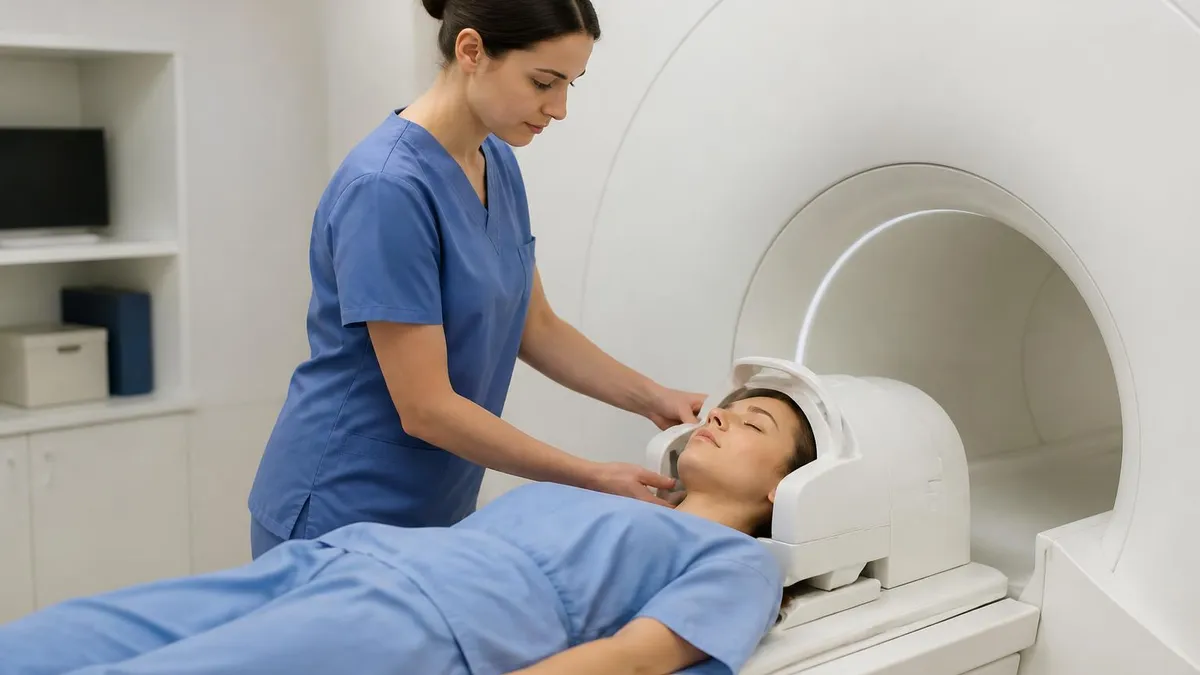
Keeping Nail Polish On vs. Removing Before MRI
- +Saves time and preserves your manicure for important events
- +Standard polish contains no ferromagnetic ingredients
- +No safety risk for brain, spine, abdomen, or pelvis MRI
- +Color polish does not affect image quality for most body parts
- +Acrylic and gel polymers are stable in magnetic fields
- +Removal is rarely a hard requirement at most US imaging centers
- −Metallic shimmer or chrome finishes can create minor artifacts
- −Dark gel polish may interfere with pulse oximetry during sedation
- −Long extensions complicate IV placement for contrast studies
- −Hand, wrist, or breast MRI may show susceptibility from metallic flakes
- −Glitter polishes have caused rare local heating reports
- −Some facilities require removal as blanket policy regardless of imaging area
Pros and Cons at a Glance
| Pros | Cons |
|---|---|
| Saves time and preserves your manicure for important events | Metallic shimmer or chrome finishes can create minor artifacts |
| Standard polish contains no ferromagnetic ingredients | Dark gel polish may interfere with pulse oximetry during sedation |
| No safety risk for brain, spine, abdomen, or pelvis MRI | Long extensions complicate IV placement for contrast studies |
| Color polish does not affect image quality for most body parts | Hand, wrist, or breast MRI may show susceptibility from metallic flakes |
| Acrylic and gel polymers are stable in magnetic fields | Glitter polishes have caused rare local heating reports |
| Removal is rarely a hard requirement at most US imaging centers | Some facilities require removal as blanket policy regardless of imaging area |
Complete MRI Preparation Checklist
- ✓Complete the safety screening questionnaire honestly and in full detail
- ✓Remove all jewelry including wedding bands, watches, and body piercings
- ✓Leave credit cards, hearing aids, and electronic devices in the locker
- ✓Wear loose-fitting clothing without metal zippers, snaps, or underwire
- ✓Disclose any implants, surgical hardware, or recent procedures to staff
- ✓Bring documentation listing model and serial numbers of implanted devices
- ✓Inform staff about pregnancy, breastfeeding, or possibility of pregnancy
- ✓Fast as instructed if your scan includes intravenous contrast administration
- ✓Discuss kidney function and recent lab work before gadolinium contrast
- ✓Mention claustrophobia early so sedation or open MRI options can be arranged
- ✓Disclose recent tattoos, permanent makeup, or transdermal medication patches
- ✓Arrive 30 minutes early to allow time for thorough screening and changing
When in doubt, ask before you scrub it off
Most patients spend unnecessary time removing polish that posed no risk. Call your imaging center 48 hours before the appointment, describe your manicure (standard polish, gel, dip, acrylic, metallic shimmer), and let the technologist make a specific recommendation. This single call prevents both unnecessary removal and unexpected delays at check-in.
Contrast agents add another layer to preparation. The vast majority of contrast-enhanced MRI uses gadolinium-based contrast agents (GBCAs), which shorten T1 relaxation times and brighten tissues with high vascular permeability. Before injection, your technologist verifies kidney function through a recent estimated glomerular filtration rate (eGFR) value, typically within the last 30 to 90 days depending on facility policy. Patients with severely impaired renal function may receive a different agent or skip contrast entirely.
Allergic reactions to gadolinium are uncommon but possible. Mild reactions include nausea, hives, or warmth at the injection site, while severe anaphylactoid reactions are rare. Patients with prior contrast reactions, severe asthma, or multiple drug allergies should disclose this history during screening. Premedication protocols using corticosteroids and antihistamines can be arranged for high-risk patients when contrast is essential for diagnosis.
Fasting requirements vary by body part. abdominal mri cpt code, especially for the liver, pancreas, or small bowel, typically requires four to six hours of fasting to reduce bowel motion and gastric distention. Brain, spine, joint, and most other body MRI does not require fasting even with contrast. Always follow the specific instructions your imaging center provides rather than relying on general guidelines.
Medications usually continue without interruption. Diabetes medications including metformin require special consideration because contrast can theoretically affect kidney clearance and increase risk of lactic acidosis in vulnerable patients. Many centers ask patients to hold metformin for 48 hours after contrast administration, though this practice is evolving as evidence has shown the absolute risk is low. Always confirm with your prescriber.
Sedation is occasionally needed for severe claustrophobia, pediatric patients, or those unable to remain still. Oral anxiolytics like lorazepam taken thirty to sixty minutes before the scan are most common in adults. Patients receiving sedation must arrange transportation home and avoid driving for the rest of the day. Pediatric sedation often involves an anesthesiologist and requires more extensive fasting per anesthesia guidelines.
Breastfeeding mothers can typically resume nursing immediately after gadolinium administration. The amount excreted in breast milk is minimal and poorly absorbed by the infant gut. Older recommendations to pump and discard for 24 hours have been relaxed by major radiology societies, though individual patients may still prefer this approach. Discuss preferences with your radiologist if you have specific concerns.
Pregnancy presents the most cautious scenario. MRI without contrast is generally considered safe in all trimesters when clinically necessary, but elective scans are typically deferred. Gadolinium crosses the placenta and is avoided in pregnancy unless the diagnostic benefit clearly outweighs theoretical fetal risk. Always disclose pregnancy or potential pregnancy during screening regardless of how early or unconfirmed.
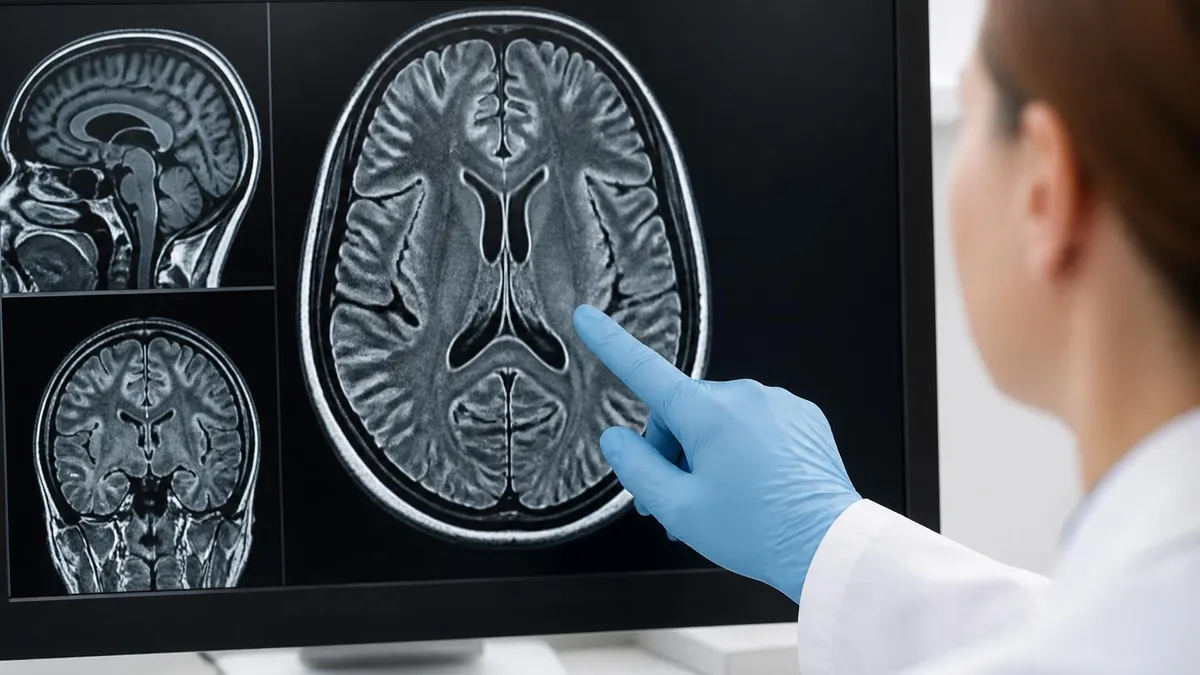
Never enter Zone IV with any unscreened metal item. Oxygen tanks, IV poles, wheelchairs, stethoscopes, scissors, and even ballpoint pens have caused serious projectile injuries when brought into magnet rooms. The static field is always on, even when no scan is running. If you are unsure about an item, leave it outside until cleared by the MR technologist.
The day of your scan starts with comfortable, metal-free clothing. Soft cotton sweatpants, a loose t-shirt without screen prints containing metallic inks, and slip-on shoes work well. Sports bras with plastic clasps are fine; underwire bras must be removed. Some athletic apparel uses silver-infused antimicrobial threads, which can occasionally heat under RF energy. When in doubt, change into the facility gown.
Arrive with a clean, washed face if you are having a head or neck MRI. Heavy eye makeup is the most common source of orbital artifact and rare reports of local heating. Skip false lashes if they are secured with metallic adhesive. Hair should be free of clips, bobby pins, headbands with metal cores, and hair ties with metal connectors. Wig wearers should remove wigs if they contain wire framing.
Plan for the scan duration. Brain MRI typically runs 30 to 45 minutes, lumbar spine 30 minutes, knee 30 minutes, and complex multi-station studies can exceed 90 minutes. Inside the bore, you must remain still. Practice slow, even breathing before you go in. Many centers offer music through headphones, and some provide video goggles. Ask in advance what comfort options are available.
Hearing protection is mandatory because gradient coils produce noise up to 110 decibels during certain sequences. You will receive earplugs, headphones, or both. Communicate any hearing concerns ahead of time. The technologist remains in voice contact throughout the scan, and you hold a squeeze ball or call button that immediately alerts the team if you need to pause. Use it without hesitation if you feel unwell.
For patients understanding their report afterward, knowing typical MRI findings across body regions helps you ask informed questions of your referring clinician. Imaging reports use specific terminology that can sound alarming without context. Most radiologists are happy to clarify findings if you request a brief follow-up call, particularly for unexpected results that require additional workup or surveillance imaging in the future.
If you receive contrast, expect a cool sensation as the agent injects, occasionally accompanied by a metallic taste or transient warmth. These sensations are normal and resolve within seconds. Hydrate well after the scan to support natural elimination of the contrast through your kidneys. Mild fatigue or headache occasionally occurs but typically resolves within 24 hours without treatment.
Finally, plan how you will receive results. Most facilities post reports to a patient portal within 24 to 72 hours, and your referring clinician usually reviews findings with you at a follow-up appointment. Urgent findings prompt direct calls. Knowing the communication pathway in advance reduces anxiety during the waiting period and helps you act quickly if additional steps are recommended.
Practical preparation extends to mental readiness as much as physical checklist items. Many patients underestimate how much anxiety the bore can produce, even those without diagnosed claustrophobia. Visualize the experience in advance: lying on a padded table, sliding into a tunnel about 60 centimeters wide and roughly two meters long, hearing rhythmic mechanical sounds, and remaining still for predictable intervals. Mental rehearsal genuinely reduces real-time distress for most people.
Bring a trusted companion if your facility allows it. Many centers permit a screened family member to sit in the scanner room near your feet, providing reassurance through touch on your ankle during longer sequences. Pediatric scans almost always allow a parent to remain present. Even when companions cannot stay throughout, having someone in the waiting area to drive you home and discuss results afterward provides emotional grounding.
Comfort measures matter. Ask for a pillow under your knees during lumbar spine MRI to flatten the lordotic curve, request extra warm blankets because scanner rooms run cool to protect equipment, and use the padded foam wedges offered for the head coil. Small adjustments improve your ability to stay still, which improves image quality and reduces the need for repeat sequences that prolong the appointment unnecessarily.
If you wear glasses or contact lenses, you typically remove them before entering Zone IV. Some metal frame components are problematic, and even safe frames are removed for head coils. Contact lenses are generally fine, but extended-wear users sometimes prefer glasses for the day. If you depend on vision for orientation, mention this to staff so they can guide you carefully on and off the table without your usual visual cues.
Patients with chronic pain conditions may struggle with positioning. Communicate honestly about positions you cannot tolerate. Most exams have alternative coil setups or positioning aids that work around limitations. A scan you abandon halfway through because pain became unbearable is worse than one that took an extra ten minutes to set up comfortably from the start. Your technologist would much rather adjust upfront than rescan later.
Bringing a list of your current medications, allergies, prior imaging studies, and a summary of relevant medical history smooths the screening process considerably. Many facilities have access to regional health information exchanges, but providing your own concise summary speeds things up. Include the date and location of any prior MRIs because comparison with old studies often guides what the radiologist looks for on today's scan.
After the scan, reward yourself with hydration, a light meal, and rest. Even though MRI is non-invasive, the combination of contrast, anxiety, fasting, and staying still for an hour can leave you mildly fatigued. Most patients return to normal activity immediately, but listening to your body for the rest of the day is reasonable. If anything feels unusual, call your imaging center, which can typically reach the radiologist on call.
MRI Safety & Preparation Key Facts
Is regular nail polish safe to wear during an MRI?
Yes. Standard nail polish contains no ferromagnetic ingredients and does not react to the magnetic field. Metallic shimmer, chrome finishes, and dark gel polish (which can interfere with pulse-oximetry readings during sedation) are the exceptions.
What field strength do most clinical MRI scanners use?
Most clinical scanners operate at 1.5T to 3T — roughly 30,000 to 60,000 times the strength of Earth’s magnetic field.
What is Zone IV in MRI safety zoning?
Zone IV is the magnet room itself, where the static field is always on. No unscreened metal item — oxygen tanks, IV poles, wheelchairs, scissors — may enter, even between scans.
What must be checked before gadolinium contrast is given?
A recent estimated glomerular filtration rate (eGFR), usually from within the last 30 to 90 days, to confirm the kidneys can safely clear the contrast agent.
Why do MRI patients need hearing protection?
Gradient coils can produce noise up to 110 decibels during certain pulse sequences. Facilities provide earplugs, headphones, or both before every scan.
Is MRI safe during pregnancy?
MRI without contrast is generally considered safe in any trimester when clinically necessary. Elective scans are usually deferred, and gadolinium contrast is avoided unless the diagnostic benefit clearly outweighs the theoretical risk.
Can I wear makeup or deodorant to my MRI appointment?
Standard deodorant and makeup are fine since their aluminum compounds are chemically bound, not ferromagnetic. Heavy eye makeup with iron oxide pigments is the exception for head or neck MRI, where it can cause artifact.
Do tattoos disqualify you from getting an MRI?
No, but you must disclose them. A small percentage of older or imported inks contain iron oxide pigments that can cause warmth or tingling at the site during scanning.
Do I need to fast before an MRI?
Most MRI scans do not require fasting. Abdominal studies — liver, pancreas, MRCP, small bowel — typically call for 4 to 6 hours without food to reduce motion and improve image quality.
How long does a typical MRI scan take?
Most single-region scans run 15 to 90 minutes: brain 30–45 minutes, lumbar spine or knee about 30 minutes, and complex multi-station studies can exceed 90 minutes.
Sample MRI - Magnetic Resonance Imaging Practice Questions
Try these questions from our free MRI - Magnetic Resonance Imaging practice tests. The correct answer and an explanation follow each question.
What is the term for the MRI safety classification that indicates a device has been tested and found safe under specified conditions?
- A. MR Safe
- B. MR Conditional
- C. MR Unsafe
- D. MR Compatible
Answer: B. MR Conditional
MR Conditional means the device poses no known hazards when used within the specific conditions (field strength, SAR, gradient limits) stated by the manufacturer.
Which type of question format is exclusively used on the ARRT MRI registry computer-based examination?
- A. True/False
- B. Multiple choice with one best answer
- C. Fill-in-the-blank
- D. Matching
Answer: B. Multiple choice with one best answer
The ARRT MRI exam uses only multiple-choice questions with four options and one best answer.
The 'magic angle' artifact in MRI tendons occurs at approximately what angle relative to the main magnetic field?
- A. 15°
- B. 30°
- C. 45°
- D. 55°
Answer: D. 55°
Magic angle artifact occurs when a tendon is oriented at approximately 55° (the magic angle) to B0, causing artificial T1/PD signal increase that can mimic pathology.
What is the effect of increasing the echo time (TE) on T2-weighted images?
- A. Increases T2 weighting by allowing more transverse relaxation
- B. Decreases T2 weighting by increasing signal
- C. Has no effect on tissue contrast
- D. Increases T1 weighting
Answer: A. Increases T2 weighting by allowing more transverse relaxation
A longer TE allows more time for T2 decay, so tissues with short T2 lose more signal, increasing contrast between tissues with different T2 values.
Take the full MRI - Magnetic Resonance Imaging practice test
MRI Questions and Answers
Official Resources
For authoritative, continuously updated guidance on MRI safety and preparation, consult these official sources:
- RadiologyInfo.org: MRI Safety — the public patient-information site run jointly by the American College of Radiology (ACR) and the Radiological Society of North America (RSNA).
- American College of Radiology: Radiology Safety — the ACR’s clinical safety resources, including its MR Safety guidance used by imaging facilities nationwide.
- U.S. Food and Drug Administration: MRI (Magnetic Resonance Imaging) — the FDA’s regulatory overview of MRI safety, devices, and reporting.
About the Author

Medical Laboratory Scientist & Clinical Certification Expert
Johns Hopkins UniversityDr. Sandra Kim holds a PhD in Clinical Laboratory Science from Johns Hopkins University and is certified as a Medical Technologist (MT) and Medical Laboratory Scientist (MLS) through ASCP. With 16 years of clinical laboratory experience spanning hematology, microbiology, and molecular diagnostics, she prepares candidates for ASCP board exams, MLT, MLS, and specialist certification tests.
Join the Discussion
Connect with other students preparing for this exam. Share tips, ask questions, and get advice from people who have been there.
View discussion (8 replies)