
Can One Eat Before an MRI? Preparation Guidelines, Fasting Rules, and Pelvic MRI CPT Codes
🎯 Can one eat before an MRI? Fasting rules by scan type, pelvic MRI CPT code basics, metal safety, contrast prep and open MRI options.
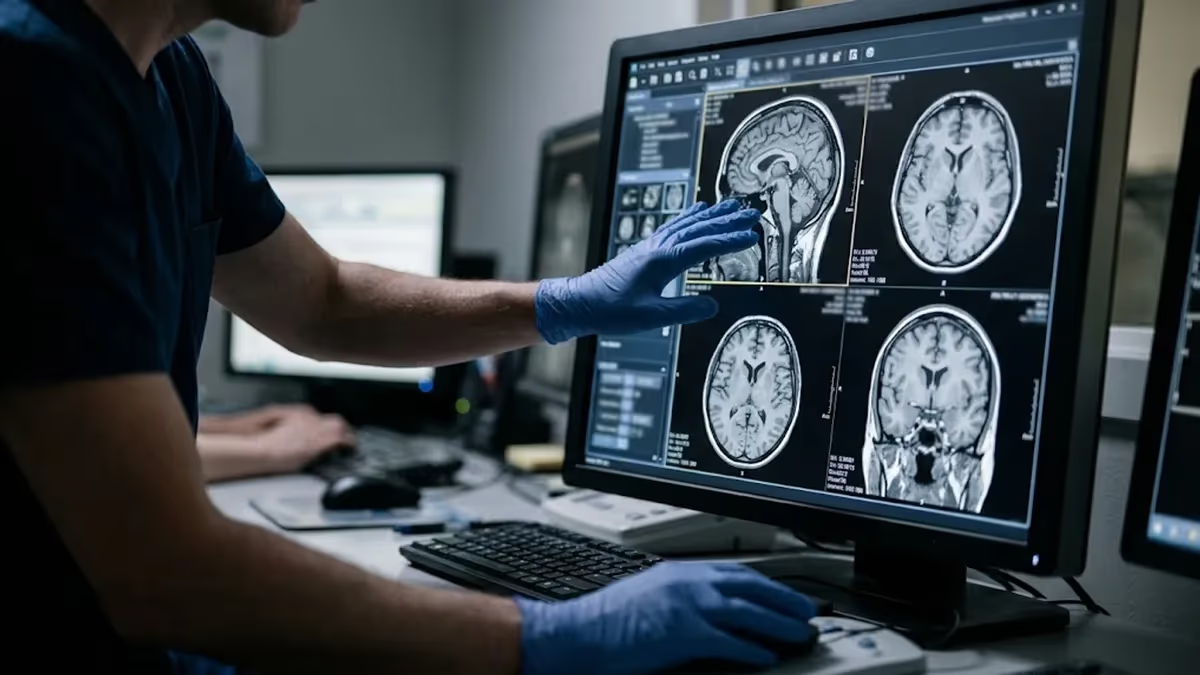
Can one eat before an MRI? The honest answer depends on the body part being scanned, whether contrast dye is involved, and whether sedation is planned. Head, spine, knee, and shoulder scans usually carry no food restrictions at all, while abdominal and pelvic studies often require a fast of four to six hours. Your imaging center sets the final rule, so read your appointment instructions carefully before deciding what to eat that morning.
Fasting matters because food and drink stimulate the digestive tract. After you eat, the stomach, small bowel, and colon begin moving, and that motion blurs images of nearby organs such as the pancreas, liver, uterus, and prostate. A fasted, quiet bowel produces sharper pictures. Radiologists sometimes add an injection to slow bowel movement further, but an empty stomach remains the simplest way to protect image quality and avoid a repeat scan.
Following reliable mri preparation guidelines from your facility prevents most day-of problems. Unlike a CT exam, MRI uses a strong magnet and radio waves instead of ionizing radiation, so preparation focuses on safety screening, metal removal, and sometimes fasting. Most patients finish the entire visit in about an hour, yet small oversights, such as a forgotten medication patch or an unreported implant, can delay the appointment by days.
Safety screening is the part of preparation that never changes, whether or not you eat. You will answer a questionnaire about pacemakers, cochlear implants, aneurysm clips, shrapnel, tattoos, and prior surgeries. Many modern implants are labeled MR conditional, meaning they are safe under specific scanner settings. Bring implant cards or device model numbers, because technologists need exact details to confirm that a 1.5 tesla or 3 tesla magnet can be used safely.
Billing preparation deserves attention as well. Knowing the pelvic MRI CPT code helps you confirm insurance authorization before you arrive. Pelvic studies are reported with 72195 without contrast, 72196 with contrast, and 72197 without and then with contrast. Prior authorization is common for these codes, and a mismatch between the ordered code and the performed exam can trigger a denial. Ask the scheduler to read the code back to you.
This guide walks through fasting rules by scan type, medication questions, contrast and kidney considerations, sedation instructions, what to wear, and how to locate the closest open MRI to my location when a standard tube feels impossible. Each section reflects typical US practice, but your referring physician and imaging facility always hold the final word. When two instructions conflict, call the center and ask rather than guessing.
A good rule of thumb is to treat fasting as a medical instruction, not a suggestion. If your paperwork says nothing by mouth for four hours, that means no snacks, gum, or flavored drinks. Plain water is usually allowed in small sips unless you are told otherwise. Diabetic patients, people on blood thinners, and anyone taking daily heart medication should confirm adjustments with their prescriber in advance, because skipping a meal can change how medicines behave.
MRI Preparation by the Numbers
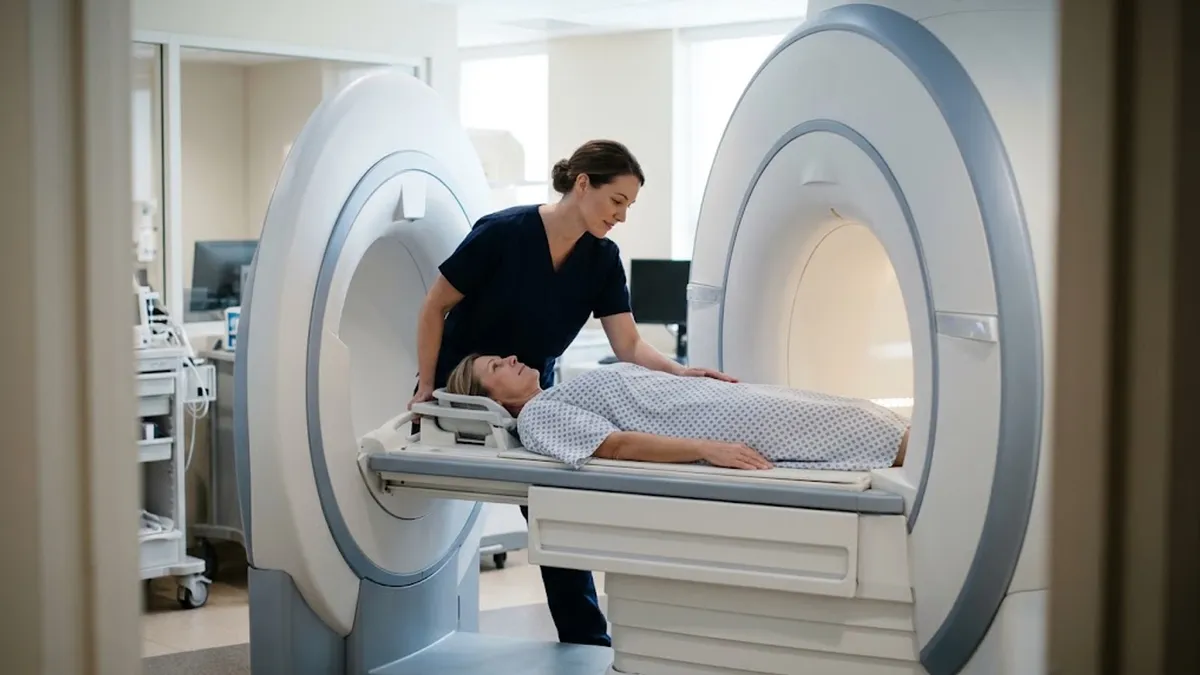
Your MRI Preparation Timeline, Step by Step
One Week Before: Confirm Orders and Authorization
Two Days Before: Review Fasting and Medication Rules
The Night Before: Eat Lightly and Hydrate
Morning Of: Follow the Fasting Window Exactly
At the Center: Screen, Change, and Scan
Fasting Rules by Scan Type: What You Can Eat Before an MRI
For brain, spine, knee, shoulder, ankle, and most other musculoskeletal scans, eating beforehand is generally fine. These exams image structures that do not move with digestion, and contrast is either unnecessary or injected into a vein without affecting the stomach. If your paperwork lists no restrictions, you can eat normally, take usual medications, and drink fluids, although a light meal is wiser than a heavy one if you tend to feel nauseated lying flat.
Abdominal MRI is where fasting becomes common. Studies of the liver, gallbladder, pancreas, kidneys, and bile ducts often require four to six hours without food. MRCP exams, which highlight fluid in the bile and pancreatic ducts, may call for even stricter fasting because a full stomach and gallbladder alter the signal. Some centers also request a specific drink beforehand, so never assume the rules match those from a previous scan elsewhere.
Pelvic MRI has its own pattern. Exams of the uterus, ovaries, prostate, bladder, or rectum frequently ask for a fast of three to six hours to reduce bowel motion, and some facilities want a moderately full bladder while others want an empty one. These instructions differ by indication, such as fibroids, endometriosis, prostate cancer staging, or fistula evaluation, so confirm your specific protocol rather than relying on a generic internet answer.
Cardiac MRI and MR enterography are more particular. Cardiac studies may restrict caffeine for twelve to twenty-four hours because it raises heart rate and complicates stress imaging. Enterography often involves drinking a large volume of oral contrast over forty-five to sixty minutes, after a fast of several hours. In both cases the center will usually call or send written preparation sheets, and following them to the minute is important.
Sedation or anesthesia changes the rules again. Adults receiving moderate sedation are commonly told to avoid solid food for six to eight hours and sometimes clear liquids for two hours. Children scanned under anesthesia follow stricter pediatric fasting schedules set by the anesthesia team. These limits protect against aspiration, a serious complication, so they are not negotiable, and arriving after eating usually means the scan is postponed.
What counts as food? Gum, hard candy, cough drops, coffee with cream, juice with pulp, and protein shakes all count. Clear water in small sips is usually acceptable, and black coffee or tea may be allowed at some centers but not others. When the instructions say nothing by mouth, they mean it literally. If you accidentally eat, tell the scheduler immediately, because a short delay is better than a blurry exam.
If you have diabetes, fasting requires a plan. Ask whether to hold or reduce insulin or oral medications, and request a morning appointment so the fasting window is shorter. Bring glucose tablets or juice for emergencies, and tell the technologist if you feel shaky. Pregnant patients, older adults, and people with kidney disease should also confirm hydration instructions, since overly strict restriction on fluids can create its own problems.
Pelvic MRI CPT Code and MRI Pelvis W WO GYN CPT Explained
The pelvic MRI CPT code depends on contrast use. CPT 72195 describes magnetic resonance imaging of the pelvis without contrast material. CPT 72196 describes the exam with contrast, and CPT 72197 describes imaging without contrast followed by contrast and further sequences. Each code covers the full study, so radiologist interpretation is billed through the professional component while the facility bills the technical component.
Choosing the right code matters before your appointment. If a physician orders 72197 but the center performs only 72195, insurers may reject the claim or reduce payment. Ask for the ordered code in writing, verify it against your authorization number, and confirm whether your plan requires prior approval. Cash prices for pelvic MRI commonly range from a few hundred to several thousand dollars depending on location and facility type.
Fasting Before an MRI: Is It Worth the Inconvenience?
- +Reduces bowel motion that blurs pelvic and abdominal images
- +Lowers the chance of nausea if contrast is injected
- +Helps avoid repeat scans and extra costs
- +Required for safe sedation and prevents aspiration risk
- +Improves visibility of the gallbladder and bile ducts
- +Gives radiologists cleaner images for confident diagnoses
- −Hunger and low energy, especially for early or late appointments
- −Complicates diabetes management and medication timing
- −Can cause lightheadedness or headache in caffeine drinkers
- −Hard for children, older adults, and anxious patients
- −Conflicting instructions between facilities cause confusion
- −Unnecessary for many scans, so patients may fast needlessly
MRI Day Checklist: What to Do Before You Eat or Fast
- ✓Confirm the exact fasting window with your imaging center.
- ✓Verify the ordered CPT code and insurance authorization.
- ✓List every implant, device, and prior surgery in writing.
- ✓Ask your prescriber how to handle daily medications.
- ✓Wear loose clothing without zippers, snaps, or metal threads.
- ✓Leave jewelry, watches, and hair accessories at home.
- ✓Arrange a driver if sedation is planned.
- ✓Bring photo ID, insurance card, and prior imaging reports.
- ✓Arrive 15 to 30 minutes early to finish screening.
- ✓Tell staff about anxiety, pain, or claustrophobia before starting.
Your facility's written instructions override any generic advice
Fasting rules for the same scan can differ between centers because scanners, protocols, and radiologist preferences vary. If your instructions say four hours, follow four hours, even if a friend fasted for six. When unsure, call the department the day before and ask exactly what you may eat or drink.
Contrast, Kidney Function, and Sedation Instructions
Many pelvic and abdominal MRIs use a gadolinium-based contrast agent injected into a vein. Gadolinium is not iodine, so people with shellfish or iodine contrast allergies are not automatically at risk, though prior reactions to any contrast should be reported. The injection takes less than a minute and may cause a cool sensation or metallic taste. Most patients tolerate it well, and serious reactions are rare.
Kidney function is the main safety consideration. Older group I gadolinium agents were linked to nephrogenic systemic fibrosis in people with severe kidney disease, and current agents carry a much lower risk. Centers may screen with an eGFR blood test if you have kidney disease, diabetes, hypertension, or are over a certain age. Tell the scheduler about dialysis or reduced kidney function so the radiologist can choose the safest option.
Pregnancy requires extra thought. MRI itself is generally considered safe in pregnancy when medically necessary, but gadolinium is usually avoided because it can cross the placenta. Many gynecologic and fetal questions can be answered with non-contrast sequences. Always tell staff if you might be pregnant, and bring your obstetrician's recommendation if possible. Breastfeeding after contrast is typically considered safe, though your facility may offer guidance on pausing briefly.
Medication timing needs honest planning. Most prescription drugs can be taken with small sips of water even during a fast, but diabetes medications, diuretics, and blood thinners deserve a call to your prescriber. Patches containing metal backing, such as some nicotine or hormone patches, may need removal because they can heat during scanning. Bring the medication list to your appointment so staff can review every item.
Sedation is offered for severe claustrophobia, children, and people who cannot lie still due to pain or tremor. Oral anti-anxiety medication is common and mild, but intravenous sedation and anesthesia require longer fasting and monitoring. You will need a responsible adult to drive you home and stay with you for several hours. Do not plan important meetings, childcare, or heavy machinery use for the rest of the day.
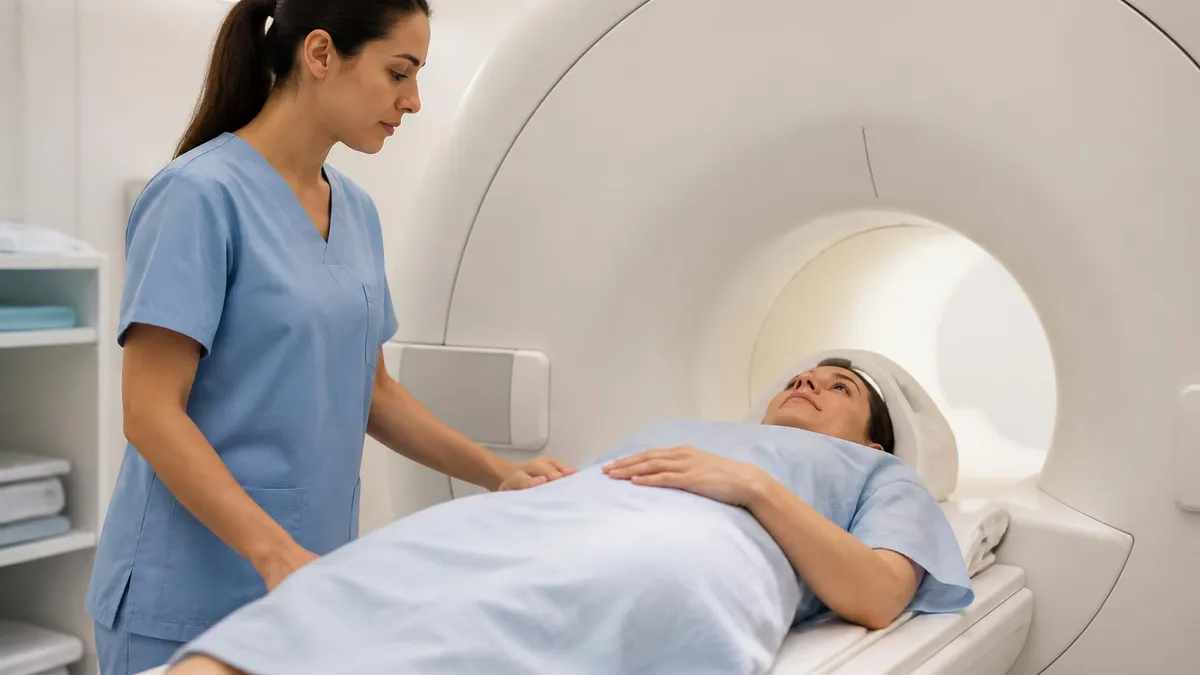
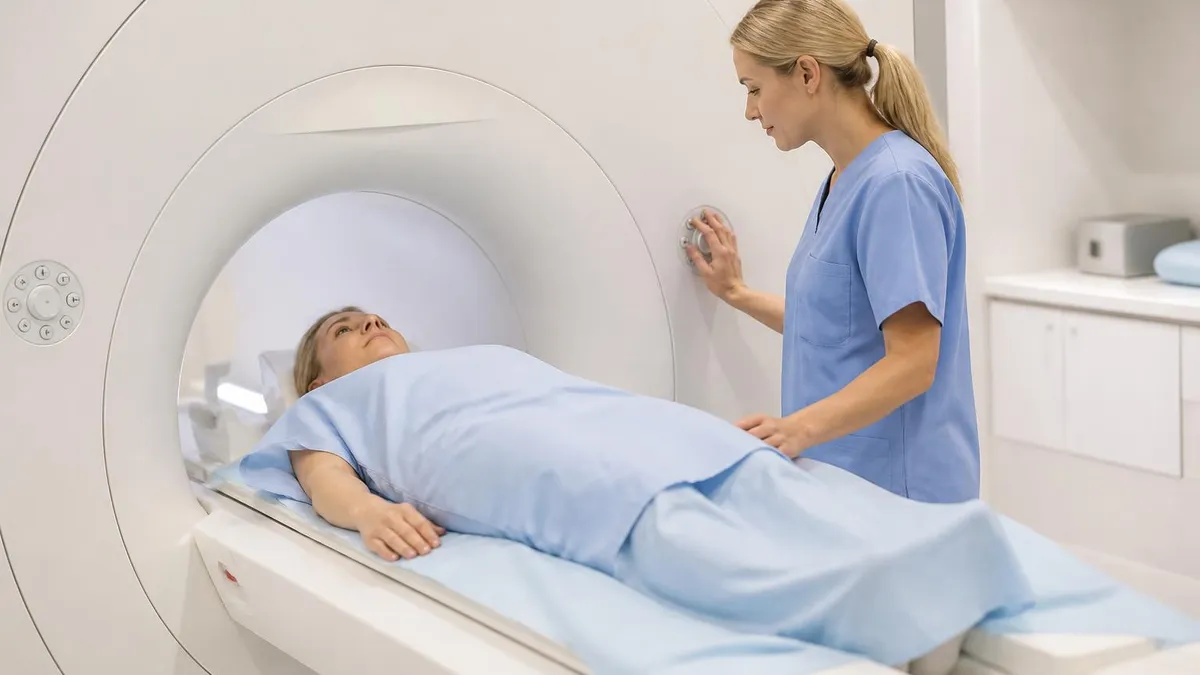
If you are anxious but not sedated, simple tricks work well. Ask for earplugs or headphones, a cooling blanket, a mirror or prism glasses that let you see out of the bore, and a squeeze ball to call the technologist. Practice slow breathing before arrival. Many patients find that closing their eyes before entering the scanner and keeping them closed removes most of the sense of enclosure.
After the scan, you can usually eat, drink, and resume normal activity immediately unless you were sedated. Drink extra water after contrast to support your kidneys, and tell your provider about any swelling, hives, or pain at the injection site. Results typically reach your ordering physician within one to three business days, and you can request a copy of the images on disc or through a patient portal.
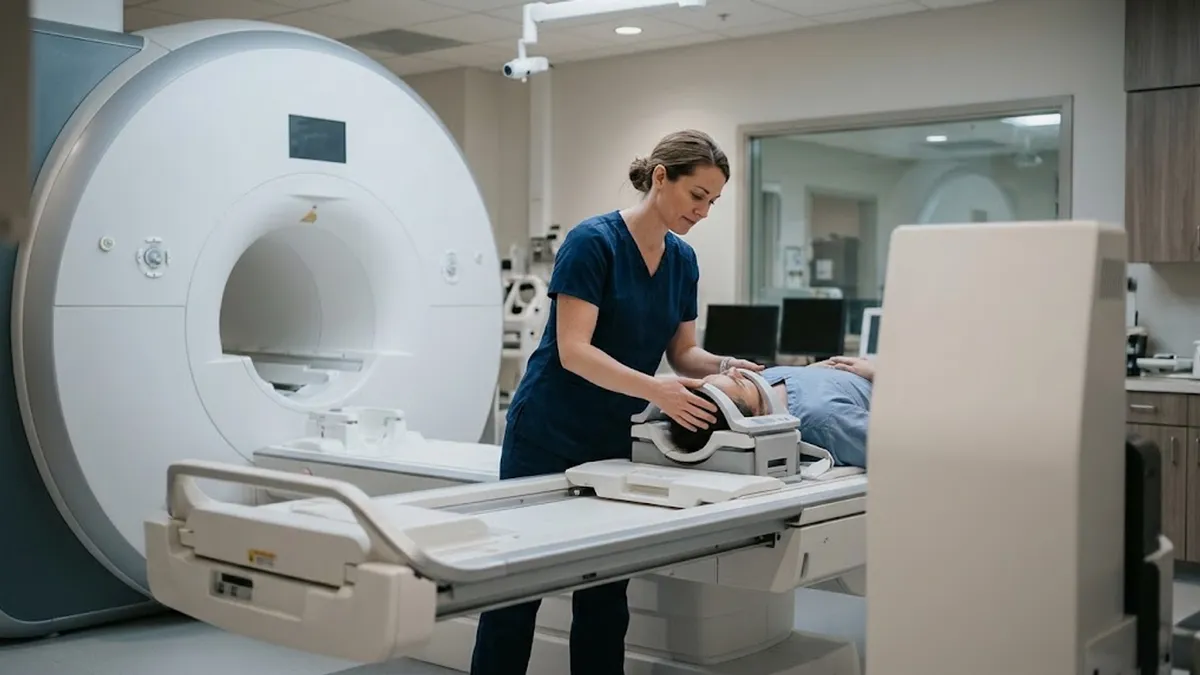
Undisclosed metal is the most serious preparation mistake. Pacemakers, certain aneurysm clips, cochlear implants, and metal fragments in the eye can be dangerous in a powerful magnetic field. Report every implant and prior injury, even if it happened decades ago, before you enter the scanner room.
Open MRI Options and Finding the Closest Open MRI to My Location
Open MRI scanners were designed for patients who struggle with the long, narrow tube of a traditional machine. Instead of a closed cylinder, they have a wider opening and sometimes only two flat magnet plates above and below the table. People with claustrophobia, larger body size, or conditions that make lying in a confined space painful often find the experience far more comfortable, and a family member can sometimes stay nearby.
The tradeoff is image quality. Many open systems operate at lower field strengths, often between 0.3 and 1.2 tesla, compared with 1.5 or 3 tesla in standard closed scanners. Lower field strength can mean longer scan times and less detail, which matters most for small structures, subtle tumors, and complex pelvic anatomy. For routine joint or spine exams the difference may be small, but your radiologist should approve the choice.
Wide-bore scanners offer a useful middle ground. These closed systems have openings of about 70 centimeters, compared with roughly 60 centimeters for standard machines, while still using 1.5 or 3 tesla magnets. Many patients who dislike conventional tubes tolerate wide-bore systems well, and image quality remains high. If you need a detailed pelvic MRI, ask whether a wide-bore scanner is available before committing to a lower-strength open magnet.
To find the closest open MRI to my location, start by searching your city with the phrase open MRI or wide-bore MRI, then confirm by phone. Websites sometimes list outdated equipment. Ask about field strength, bore size, weight limit, and whether the exact exam you need, such as a gynecologic pelvis protocol, is performed on that machine. Our guide on how to find an MRI center near you explains comparing options.
Distance should not be the only filter. A facility twenty minutes farther away with a modern 3 tesla scanner, subspecialty radiologists, and shorter wait times may serve you better than a nearby center with older equipment. Check whether the center is accredited by the American College of Radiology, whether it accepts your insurance, and whether its radiologists read pelvic studies regularly. Our article on choosing the right imaging facility covers these criteria in detail.
Insurance authorization is tied to the specific facility in many plans, so changing locations after approval can require a new request. Before you switch to an open scanner, ask your ordering provider whether the protocol can be done there and whether the CPT code remains the same. Even if the code is identical, an open scanner might need extra sequences, which lengthens appointment time and may affect when you should stop eating.
Fasting rules still apply in open scanners. Because the physics of bowel motion and fluid signal do not change, an open system will not make a pelvic exam tolerant of a full stomach. If anything, lower field strength makes motion artifacts more of a concern. Confirm preparation instructions with the specific location you select, and do not assume that instructions from a different facility transfer to the open center.
Practical Final Tips for a Smooth MRI Visit
Schedule smartly. If your scan requires fasting, request the earliest morning slot so you skip breakfast rather than lunch and avoid a long hungry day. If you have no restrictions, choose a time when you are rested and least stressed. Avoid appointments right after intense exercise, as muscle tension and elevated breathing rates make lying still harder and can lengthen the exam through repeated sequences.
Dress for the scanner, not the street. Choose a cotton t-shirt, sweatpants without metal, and slip-on shoes, and leave underwire bras, belts, and clothing with metallic fibers at home. Many centers provide a gown regardless. Remove makeup containing metallic pigments, hair products with glitter, and any transdermal patches. Coins, keys, phones, wallets, and credit cards must stay outside the scanner room because magnets can erase cards and turn objects into projectiles.
Prepare for the noise. MRI scanners produce loud knocking, buzzing, and humming that can reach levels requiring hearing protection. Earplugs, headphones, or both are standard. Ask whether you can listen to music, since many centers offer playlists. Knowing in advance that each sequence lasts one to six minutes helps. The technologist speaks with you through an intercom between sequences, so you are never truly alone.
Practice staying still. Motion is the biggest cause of repeat sequences. Lie on a firm surface at home for fifteen minutes, breathe slowly, and relax your jaw and hands. For abdominal and pelvic exams, you may be asked to hold your breath for fifteen to twenty seconds at a time. Rehearsing those breath-holds beforehand makes them easier and prevents the blurred images that come from breathing at the wrong moment.
Communicate early. Tell the technologist if you feel warmth, tingling, pain, or panic. A mild warming sensation is normal in some sequences, but burning is not. You hold a call button throughout the exam and can stop it at any time. Technologists would rather pause a scan than finish a poor one, and a short conversation often resolves anxiety that would otherwise ruin an hour of imaging.
Ask about the results process. Find out who will receive the report, how soon you can expect it, and how you can access images. Radiologists send findings to your ordering provider, who explains them in context. Resist reading raw report language alone, because terms like lesion or enhancement sound alarming but are often benign. Schedule a follow-up visit or telehealth call so you do not wait anxiously for answers.
Finally, keep your own record. Save your confirmation, the CPT code, your authorization number, and the facility name in one place. If a bill arrives that does not match, you will have the facts ready. Ask for an itemized statement, compare it to your insurer's explanation of benefits, and appeal denials promptly. Careful preparation before and after the scan protects both your health and your wallet.
MRI Questions and Answers


How this page was made: written with AI tools. Exam facts are checked against the official sources listed below. Not reviewed by a subject-matter expert. Editorial policy
Sources & references
Exam facts on this page (fees, format, dates, passing scores) are checked against these official sources; the date is our last check. Editorial policy
- arrt.org — Passing score, score release, fees, exam information · verified Oct 2026
- assets-us-01.kc-usercontent.com — Renewal, score validity, test delivery, eligibility, exam format, test dates, time limit · verified Oct 2026