
Do I Have to Be NPO for MRI? Fasting Rules, Pelvic MRI CPT Codes, and Open Bore Options
🎯 Do I have to be NPO for MRI? Learn fasting rules by scan type, contrast and sedation, plus pelvic MRI CPT codes and open bore MRI options.
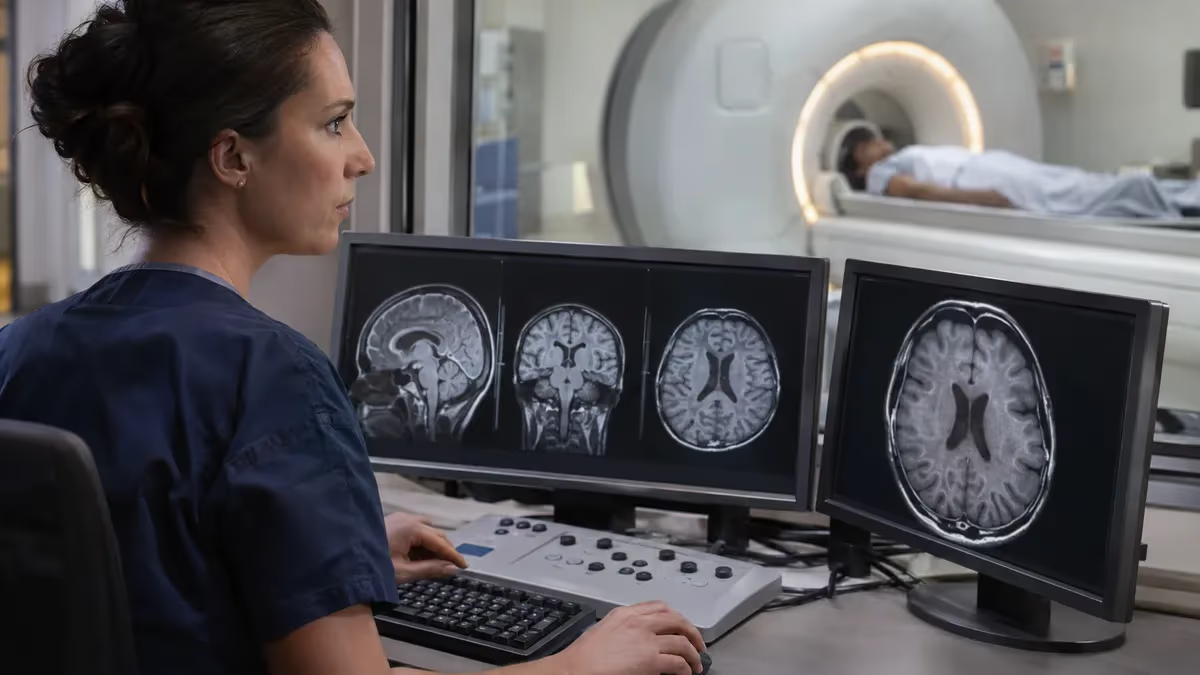
Do I have to be NPO for MRI? The honest answer is that it depends on the body part being scanned, whether contrast dye is planned, and whether sedation or anesthesia is involved. Many brain, spine, knee, and shoulder scans require no fasting at all. Abdominal and pelvic exams, however, often ask you to stop eating for four to six hours. Knowing which category your scan falls into saves you from a canceled appointment, a hungry morning, or an avoidable reschedule. Practice with the free MRI - Magnetic Resonance Imaging practice test on PracticeTestGeeks (11 questions with answer explanations).
NPO comes from the Latin nil per os, meaning nothing by mouth. In imaging, it is a safety and image-quality rule rather than a formality. An empty stomach and quiet bowel reduce motion blur, keep the gallbladder distended for bile duct imaging, and lower the small risk of aspiration if you receive sedatives. Each facility writes its own protocol, so the instructions on your appointment confirmation always outrank any general guideline you read online, including this one.
Most patients should think of preparation in three tiers. Tier one is a non-contrast scan of the head, spine, or a joint, where you eat and drink normally. Tier two is an abdominal, pelvic, or MRCP study, where a short fast improves clarity. Tier three is any scan with sedation or general anesthesia, where strict anesthesia fasting rules apply, typically eight hours for solid food. Identifying your tier before the appointment makes every other instruction easier to follow.
Contrast adds another layer. Gadolinium-based contrast is injected into a vein and, unlike iodinated CT contrast, rarely causes nausea, so many centers do not require fasting for it alone. Some sites still ask for a two to four hour food break as a precaution, particularly when a pelvic or abdominal scan is paired with contrast. For a detailed comparison of preparation across modalities, read our guide on mri fasting requirements and how they differ from CT.
Billing also matters, because the type of study determines both preparation and cost. A pelvic MRI CPT code of 72195 describes a scan without contrast, 72196 describes one with contrast, and 72197 covers imaging without contrast followed by contrast. Abdominal studies use the 74181 to 74183 family. Your scheduler may quote these codes when verifying insurance, and the contrast choice they list often predicts whether fasting will be required on the day of your scan.
Scanner design is another variable that patients overlook. Open bore systems, which have wider openings or open sides, help people with claustrophobia or larger body habitus, and many patients search for open bore MRI locations before booking. These units follow the same fasting logic as closed systems, because the anatomy and contrast decide the rules. If you have a choice of machines, confirm the preparation instructions for the specific unit you will use.
This guide walks through fasting rules by scan type, contrast and sedation timing, medication and diabetes questions, and practical ways to find a nearby open scanner. It also explains how pelvic and gynecologic MRI codes work, so billing conversations feel less confusing. Use it to prepare confidently, then call your imaging center to confirm. A two-minute phone call with the technologist is the most reliable way to avoid surprises on scan day.
Free MRI - Magnetic Resonance Imaging Study Tools
Interactive MRI - Magnetic Resonance Imaging resources on PracticeTestGeeks, free to start:
- Free MRI Knowledge Questions and Answers — 11 questions with instant scoring and answer explanations
- MRI - Magnetic Resonance Imaging flashcards — review key terms and concepts card by card
- MRI - Magnetic Resonance Imaging study guide — topic-by-topic overview of what the exam covers
- MRI - Magnetic Resonance Imaging cheat sheet — one-page printable summary for last-minute review
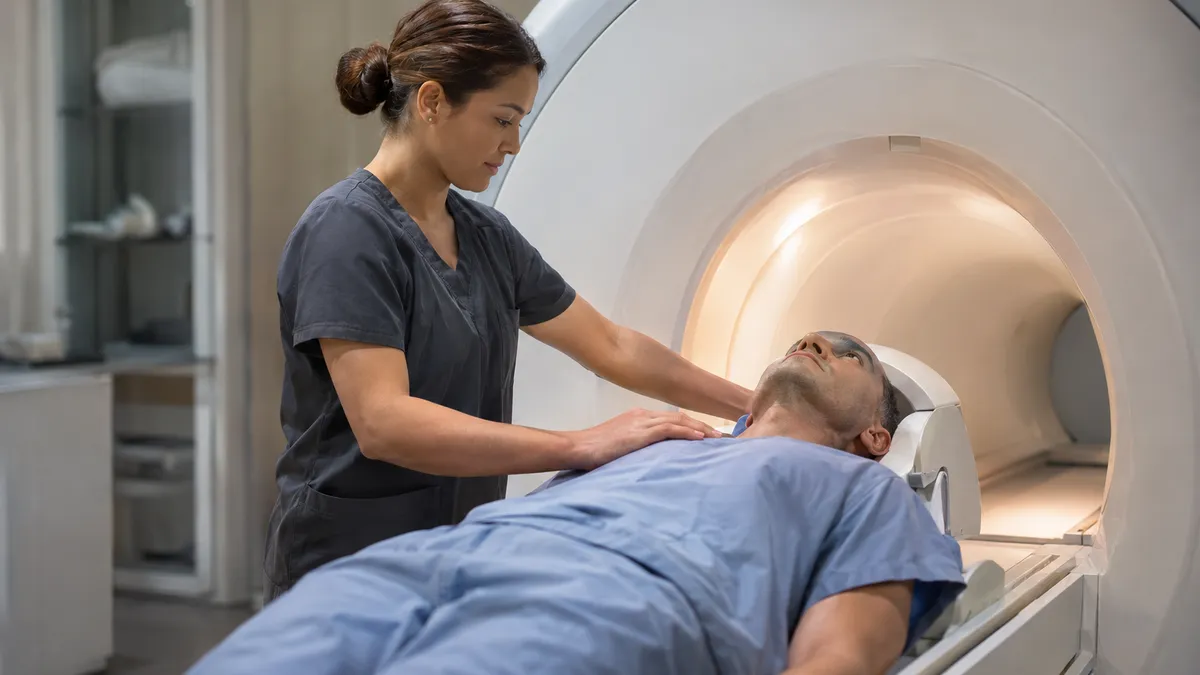
MRI Fasting and Pelvic MRI Coding by the Numbers
Who Needs to Fast Before an MRI? Four Preparation Tiers
Non-contrast scans of the brain, spine, knee, shoulder, and other joints usually allow normal eating, drinking, and medications. You can arrive as usual, though you should still confirm instructions on your paperwork. Bring a medication list and remove metal items before entering the scanner room.
Abdominal, pelvic, MRCP, and enterography studies commonly require a four to six hour fast. Food and active bowel loops create motion artifacts, and an empty stomach keeps the gallbladder full. Small sips of water are generally allowed unless your facility says otherwise.
Patients receiving sedation follow strict anesthesia rules, often six to eight hours for solid food and about two hours for clear liquids. Children and anxious adults most often fall here. A driver is required afterward, and violating the cutoff typically means rescheduling.
Cardiac stress MRI may require avoiding caffeine for up to a day, and enterography requires drinking oral contrast over about an hour. Gynecologic protocols may add a muscle relaxant injection. These studies come with detailed written instructions you should follow exactly.
Head, brain, spine, knee, shoulder, and most musculoskeletal MRI scans do not require fasting. You can eat breakfast, drink water, and take your usual medications. The exception is when a contrast injection is planned and your facility has a conservative policy, in which case you may be told to avoid heavy meals for two hours. When instructions are silent about food, assume normal eating is allowed, but confirm by phone if you feel unsure.
Abdominal MRI is where fasting becomes common. Food in the stomach and active bowel loops create motion artifacts that blur the liver, pancreas, kidneys, and adrenal glands. Most centers request four to six hours without solid food, with sips of water allowed. For MRCP, which images the bile and pancreatic ducts, fasting also keeps the gallbladder full and reduces fluid in the stomach and duodenum that would otherwise mimic ductal fluid on heavily T2-weighted images.
Pelvic MRI follows a similar pattern. Whether the study evaluates the uterus, ovaries, prostate, rectum, or bladder, a quiet bowel gives sharper images. Many sites request a four-hour fast and a comfortably full bladder, though some ask you to void shortly before scanning, particularly for gynecologic studies. A pelvic MRI CPT code of 72195, 72196, or 72197 tells the scheduler which protocol is booked, and the protocol drives the specific preparation instructions you receive.
Gynecologic protocols often add a muscle relaxant such as glucagon or hyoscine butylbromide, given by injection to reduce bowel peristalsis. Billing departments may search for the phrase mri pelvis w wo gyn cpt, which usually resolves to 72197 when imaging is performed before and after contrast. Fasting helps these drugs work more effectively. Tell the technologist about glaucoma, heart rhythm problems, or allergies, since antispasmodics are not appropriate for every patient.
Cardiac MRI and MR enterography have their own rules. Cardiac stress studies may require avoiding caffeine for twelve to twenty-four hours and fasting for several hours, since the stress agent can cause nausea. Enterography typically requires a four to six hour fast followed by drinking a large volume of oral contrast over about an hour. Breast MRI generally needs no fasting, though scheduling around your menstrual cycle may be recommended for better image quality.
Pediatric scans demand more careful planning. Infants and young children often need sedation or anesthesia to stay still, and anesthesia teams commonly follow guidance of six hours for solid food or formula, four hours for breast milk, and one to two hours for clear liquids. Because young children dehydrate and become hypoglycemic quickly, schedule early appointments when possible and bring a favorite snack for afterward. Always follow the written instructions from the anesthesia team instead of these general numbers.
If your appointment time changes, the fasting window changes too. Count backward from the new start time, not from the original one, and ask whether clear liquids are still permitted. Patients scheduled for late-day scans often become anxious about a long fast, yet a four-hour window is usually enough. Drink water early, eat a light meal at the proper cutoff, and avoid greasy foods, which delay stomach emptying and can undermine the entire preparation.
Open Bore MRI Locations and Fasting Rules by Scan Type
Abdominal and pelvic scans are the studies most likely to require an NPO instruction. A four to six hour fast lets the stomach empty, reduces bowel gas and peristalsis, and sharpens organs such as the liver, uterus, ovaries, and prostate. Water in small sips is typically permitted, and essential medications are taken as scheduled unless your center instructs otherwise. Skip carbonated drinks and heavy meals the evening before.
Pelvic protocols may also ask for a partly full bladder or ask you to void just before scanning, depending on the clinical question. The billed pelvic MRI CPT code, either 72195, 72196, or 72197, indicates whether contrast will be used and often influences the rules. Bring your order and ask the scheduler to read the exact preparation steps aloud so nothing is missed.
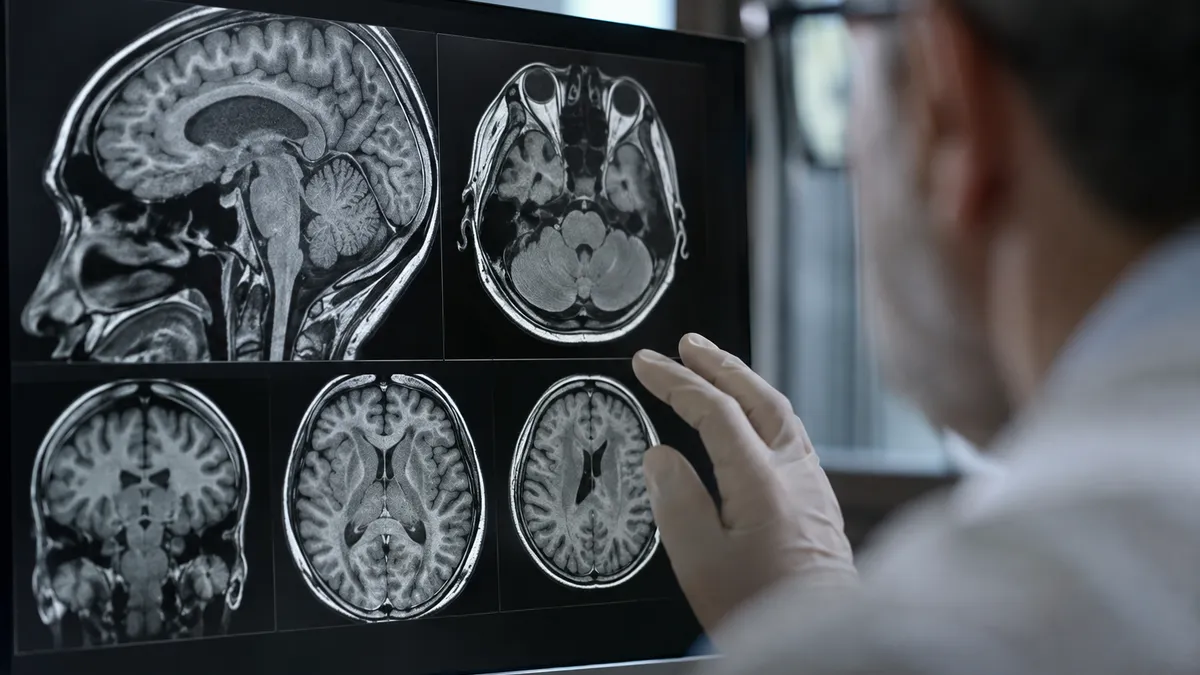
Is Fasting Before an MRI Worth It?
- +Reduces bowel motion and produces sharper abdominal and pelvic images
- +Keeps the gallbladder full for clearer bile duct visualization on MRCP
- +Lowers the small aspiration risk when sedation is used
- +Helps antispasmodic medications work more effectively in gynecologic scans
- +Cuts the chance of repeat imaging because of motion artifacts
- +Often limited to four to six hours, which is manageable for most patients
- −Hunger and lightheadedness can increase anxiety before the scan
- −Patients with diabetes risk low blood sugar during a long fast
- −Instructions differ by facility, creating confusion about the exact cutoff
- −Late-day appointments make the fasting window feel much longer
- −Violating the cutoff can force a rescheduled appointment
- −Children and older adults dehydrate faster and tolerate fasting less well
Pros and Cons at a Glance
| Pros | Cons |
|---|---|
| Reduces bowel motion and produces sharper abdominal and pelvic images | Hunger and lightheadedness can increase anxiety before the scan |
| Keeps the gallbladder full for clearer bile duct visualization on MRCP | Patients with diabetes risk low blood sugar during a long fast |
| Lowers the small aspiration risk when sedation is used | Instructions differ by facility, creating confusion about the exact cutoff |
| Helps antispasmodic medications work more effectively in gynecologic scans | Late-day appointments make the fasting window feel much longer |
| Cuts the chance of repeat imaging because of motion artifacts | Violating the cutoff can force a rescheduled appointment |
| Often limited to four to six hours, which is manageable for most patients | Children and older adults dehydrate faster and tolerate fasting less well |
Pre-Scan Checklist: Do I Have to Be NPO for MRI?
- ✓Read your appointment confirmation for fasting instructions.
- ✓Call the imaging center if food restrictions are not listed.
- ✓Write down the exact cutoff times for food and water.
- ✓Eat a light, low-fat meal before the cutoff.
- ✓Avoid carbonated drinks and gas-producing foods beforehand.
- ✓Take approved medications with a small sip of water.
- ✓Pack glucose tablets if you take insulin.
- ✓Leave jewelry, watches, and metal items at home.
- ✓Bring your implant card and medication list.
- ✓Arrange a driver if you will receive sedation.
Your Facility's Written Instructions Win
General guidelines are a starting point, but each imaging center sets its own protocol based on its scanner, contrast agent, and anesthesia policies. If your paperwork conflicts with anything you read online, follow the paperwork and call the technologist with questions.
Contrast agents deserve a closer look because they cause most of the confusion about fasting. Gadolinium-based agents are given intravenously, usually at a dose of about 0.1 millimoles per kilogram, and they are far less likely than iodinated CT contrast to cause nausea or vomiting. For that reason, many facilities no longer require fasting for gadolinium alone. A minority still prefer a short fast to simplify care if a rare reaction occurs, so follow your site's policy.
Oral contrast is different. Enterography and some pelvic protocols use a drink containing mannitol or similar solutions to distend the bowel. You will be instructed to fast first, then consume the liquid at timed intervals, often over forty-five to sixty minutes. Drinking it on a full stomach dilutes the agent and spoils the exam. If you cannot finish the volume because of nausea, tell the technologist rather than quitting quietly.
Sedation and anesthesia are the situations in which NPO rules become strict. Adults receiving moderate sedation are commonly told to avoid solid food for six to eight hours and clear liquids for two hours, following American Society of Anesthesiologists principles. The goal is an empty stomach, which lowers the chance of aspiration if reflexes relax. A canceled sedated scan is frustrating, so treat that cutoff as firm, even if you feel only a little hungry.
Oral anti-anxiety medication is a gray area. A single lorazepam or diazepam tablet taken at home for claustrophobia is usually not considered sedation, and many centers allow it with a sip of water. Still, you will need a driver afterward, and some facilities limit food beforehand. Call ahead to ask whether your prescription should be taken with food, because the answer changes if the prescriber and the imaging center follow different protocols.
Medications raise frequent questions. Most daily pills, including blood pressure drugs, thyroid medication, and anticonvulsants, should be taken on schedule with a small sip of water unless your facility says otherwise. Metformin is a special case mostly tied to iodinated contrast for CT, not gadolinium. If you use blood thinners or insulin, ask your prescriber before changing anything, and never skip essential medication solely because you are fasting for imaging.
Diabetes needs a plan. Fasting can push blood sugar low in patients taking insulin or sulfonylureas, so schedule a morning slot, check glucose before leaving home, and pack glucose tablets or juice. Many centers allow a patient with diabetes to treat low blood sugar with clear juice even during a fast. Bring your glucometer, tell the technologist about your regimen, and ask your care team whether to reduce the usual insulin dose that morning.
Pregnancy, breastfeeding, and kidney function add further checks. Gadolinium is generally avoided in pregnancy unless the benefit is compelling, and screening questions will be asked at check-in. Breastfeeding can usually continue after gadolinium, according to the American College of Radiology. Patients with severely reduced kidney function may need a blood test beforehand, because certain agents carry a risk of nephrogenic systemic fibrosis. None of these items change fasting directly, but they affect what is injected.
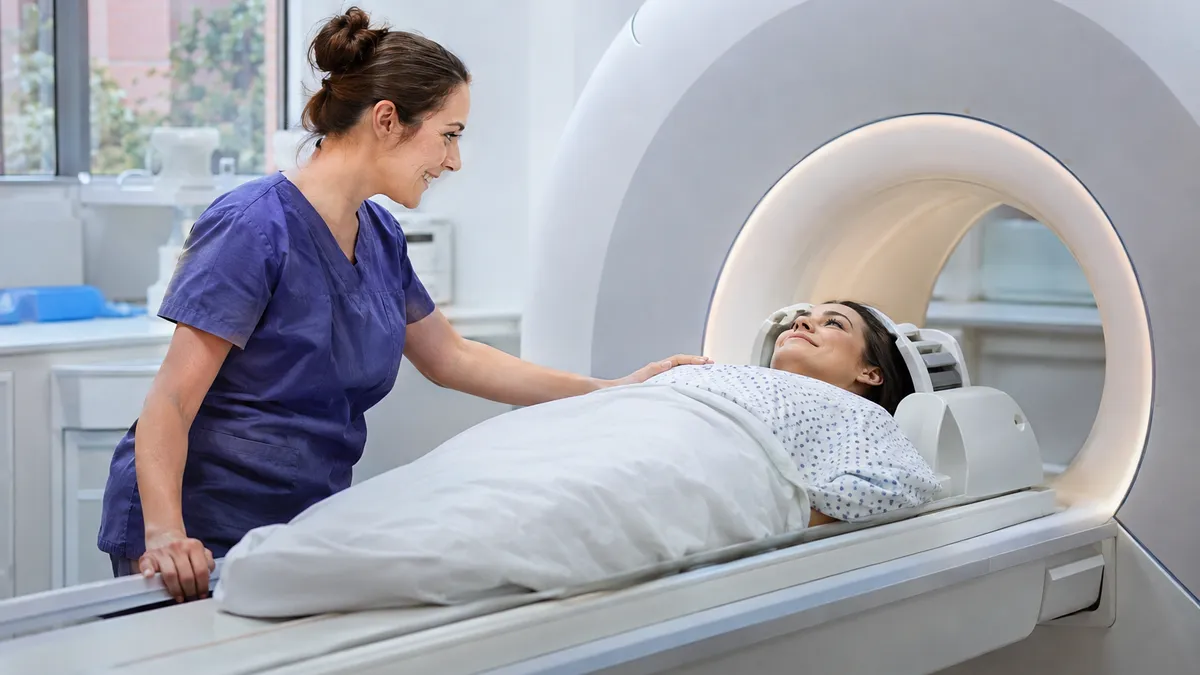
If you or your child will receive sedation or anesthesia, eating or drinking past the cutoff can force the team to cancel the scan for safety reasons. Confirm the exact times for solids, formula, breast milk, and clear liquids the day before.
Open bore MRI machines are designed with a wider tunnel or open sides, which reduces the closed-in feeling that triggers claustrophobia. Field strength is often lower, between 0.3 and 1.2 tesla, compared with 1.5 or 3 tesla in standard closed units. Lower field strength can mean longer scan times or slightly softer detail, so radiologists choose the unit based on the clinical question. For a routine knee or spine study, an open scanner is frequently an excellent option.
Finding open bore MRI locations takes only a few minutes. Start with your referring physician, who knows which nearby centers offer them. Next, search the imaging network's website, since many list equipment type by site. You can also call your insurer to confirm in-network facilities, and check the American College of Radiology accreditation directory for quality. Always verify the machine itself by phone, because listings sometimes continue to mention equipment that has since been replaced.
If you search for the closest open MRI to my location, use a map search with filters, but treat the results as a starting list rather than an answer. Confirm the bore type, the maximum patient weight, and whether the open unit handles your body part. Some wide-bore systems, measuring seventy centimeters, are marketed alongside true open designs, and they may satisfy anxious patients just as well. Ask for the unit's name and field strength when you call.
Open systems do not remove the need to fast. Preparation depends on the anatomy and the contrast plan, so a pelvic scan on an open magnet still typically requires a four-hour fast, while a shoulder scan does not. Some open units have limited ability for advanced protocols such as MRCP or high-resolution prostate imaging, which require stronger gradients. If your doctor ordered a specialized study, ask whether the open unit can truly complete it before booking.
Costs and coding stay consistent across machine types. The pelvic MRI CPT code 72195 covers imaging without contrast, 72196 with contrast, and 72197 without followed by with contrast. The facility fee, radiologist reading fee, and contrast supply are billed separately and vary widely, from a few hundred dollars at free-standing centers to several thousand at hospital outpatient departments. Request a good faith estimate if you are uninsured or paying out of pocket.
Insurance authorization is the step that most often delays scans. Most commercial plans and Medicare Advantage products require prior authorization for advanced imaging, and the request lists the CPT code, diagnosis, and prior treatment. If the code on the order differs from the protocol the radiologist chooses, the claim can be denied. Ask the scheduler to confirm that the authorization matches the exact code, especially when a with and without contrast gynecologic study is requested.
Accessibility details matter as well. Open machines often have higher weight limits and tables that are easier to board, helping patients with mobility limitations. Larger patients should ask for the table limit, which commonly ranges from 350 to 550 pounds depending on the model. Children and anxious adults may also benefit from having a parent or support person remain in the room, provided they pass the same metal screening that applies to every person entering.
Start your preparation two days before the appointment by reading the confirmation paperwork closely. Look for fasting instructions, arrival time, contrast details, and anything about medications. Many problems stem from skimming. Write down the exact cutoff time for food and the cutoff for water, then set phone alarms. If the paperwork is silent on fasting, call and ask directly, because silence on a form does not always mean no restriction.
On the day of the scan, plan the last meal carefully. For a four-hour fast, eat something light, such as toast, eggs, or oatmeal, and avoid greasy, high-fiber, or gas-producing foods. Skip carbonated drinks, which can distend the bowel. Drink water freely until the water cutoff, since being hydrated makes the intravenous line easier to place. Coffee without sugar or cream is sometimes allowed, but confirm that detail with your imaging center first.
Dress for a metal-free scan. Wear clothing without zippers, underwire, or metallic threads, or plan to change into a gown. Leave jewelry, watches, hairpins, and credit cards at home. Bring your medication list, implant cards, and any prior imaging. Pacemakers, cochlear implants, aneurysm clips, and neurostimulators need special clearance, and some are MRI-conditional, meaning they are safe only under specific field strengths and settings that the technologist must verify before you enter the magnet room.
Manage anxiety proactively. Ask for earplugs or headphones, since the scanner can reach 100 decibels or more. Practice slow breathing, count each exhale, and ask whether a mirror or prism glasses are available so you can see outside the bore. Request a squeeze ball that signals the technologist, who can speak with you throughout. Fasting can intensify jitters, so a small, approved snack at the proper time may genuinely help.
If you feel faint during a fast, tell the staff right away. Low blood sugar, dehydration, and anxiety can cause lightheadedness while lying flat or standing up after the scan. Many centers keep juice or crackers nearby. Do not fast longer than instructed to be safe, because extra fasting offers no imaging benefit and can create problems. Pregnant patients, older adults, and anyone with a metabolic condition should discuss individual limits ahead of time.
Know what to do if you accidentally eat. Do not hide it. Tell the front desk or technologist, who may proceed with the scan, shorten the plan, or reschedule, depending on the study. A sandwich before a non-contrast knee MRI is irrelevant, while the same sandwich before a sedated abdominal exam may require postponement. Honest disclosure protects your safety and often saves you from repeating an entire preparation cycle.
After the scan, eat, drink, and return to normal activity unless you were sedated. Sedated patients need a responsible adult for the ride home and should avoid driving, alcohol, and major decisions for twenty-four hours. If you received contrast, drink extra fluids and report hives, swelling, or severe headache. Results usually reach your ordering clinician within one to three business days, and radiologists compare new images with older studies, so bring prior records when possible.
Sample MRI - Magnetic Resonance Imaging Practice Questions
Try these questions from our free MRI - Magnetic Resonance Imaging practice tests. The correct answer and an explanation follow each question.
What minimum distance from the MRI magnet bore is generally recommended to keep unsecured ferromagnetic oxygen cylinders?
- A. 1 meter
- B. 3 meters
- C. 5 meters
- D. Distance depends on field strength and cylinder size
Answer: D. Distance depends on field strength and cylinder size
The safe exclusion zone for ferromagnetic oxygen cylinders depends on both the scanner's field strength and the cylinder size, so no single fixed distance applies universally.
When imaging the lumbar spine, which position best opens the intervertebral foramina and reduces lumbar lordosis for improved visualization?
- A. Prone with legs extended
- B. Supine with legs elevated on a cushion (knees and hips flexed)
- C. Lateral decubitus
- D. Prone with pillow under abdomen
Answer: B. Supine with legs elevated on a cushion (knees and hips flexed)
Flexing the hips and knees while supine flattens lumbar lordosis, opens intervertebral foramina, and improves disc and nerve root visualization.
When positioning a patient for a lumbar spine MRI, the technologist should place the patient in which position to reduce lumbar lordosis and improve image quality?
- A. Prone with legs flat
- B. Supine with knees flexed and supported by a foam wedge
- C. Lateral decubitus position
- D. Seated upright
Answer: B. Supine with knees flexed and supported by a foam wedge
Flexing the knees with a foam wedge support flattens lumbar lordosis, reducing the curvature and aligning disc spaces parallel to axial slices for optimal visualization.
Which MRI artifact appears as a ghosting or smearing of bright structures in the phase-encoding direction?
- A. Chemical shift artifact
- B. Gibbs (truncation) artifact
- C. Motion (ghosting) artifact
- D. Susceptibility artifact
Answer: C. Motion (ghosting) artifact
Motion artifact manifests as ghost images displaced in the phase-encoding direction because phase-encoding samples data over many TR intervals while frequency encoding is instantaneous.
Take the full MRI - Magnetic Resonance Imaging practice test
MRI Questions and Answers

CT vs MRI Imaging: How They Differ, When Each Is Used, and What to Expect

MRI Prep: Complete Patient Guide to Preparing for Your MRI Scan

MRI Preparation Guide: How to Prep for Your Scan Step by Step

Travel MRI Tech 2026: Salary, Requirements & ARRT MRI Exam
Dangers of MRI Machines: Safety Risks, Side Effects, Pelvic MRI CPT Codes, and Open Bore Options
Written and edited by Nathan Beja, founder of Practice Test Geeks, with AI assistance. Exam facts are checked against the official sources linked below. Editorial policy
Sources & references
Exam facts on this page (fees, format, dates, passing scores) are checked against these official sources; the date is our last check. Editorial policy
- assets-us-01.kc-usercontent.com — Renewal, score validity, eligibility, exam format, retake policy, test dates, time limit · verified Nov 2026
- arrt.org — Fees, passing score, score release, exam information · verified Nov 2026
- home.pearsonvue.com — Test delivery · verified Nov 2026