
MRI Contrast Side Effects: Gadolinium Safety, NSF Risk, and What to Know
📗 MRI contrast side effects explained: common mild reactions, rare serious effects, NSF risk in kidney disease, gadolinium retention, and modern safety
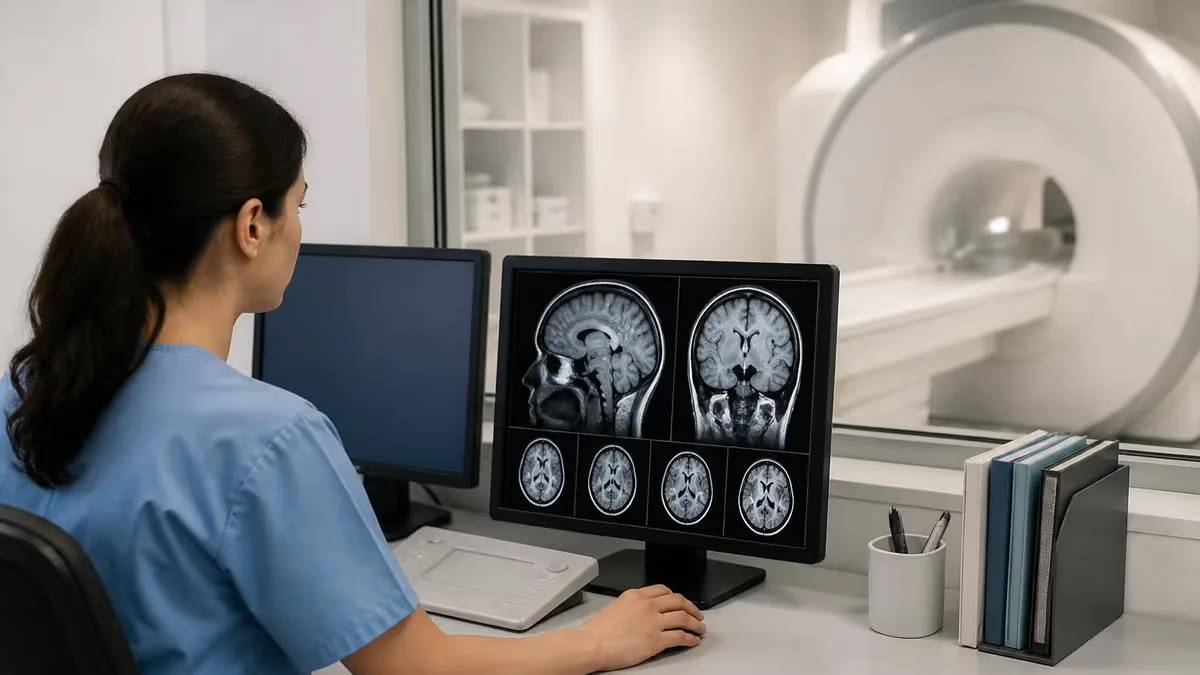
MRI Contrast Side Effects: An Honest Overview
MRI contrast agents — gadolinium-based contrast agents (GBCAs) in approximately 99 percent of US contrast-enhanced MRI scans — are generally safe with most patients experiencing no significant side effects. Mild reactions including brief cold sensation at the injection site, mild headache, nausea, or taste changes occur in approximately 1-2 percent of patients. Serious reactions are rare. Severe allergic reactions occur in approximately 0.04 percent (4 per 10,000) of contrast administrations.
Nephrogenic systemic fibrosis (NSF), a serious complication associated with linear gadolinium agents in patients with severe kidney disease, has become exceedingly rare since 2007 with the shift to safer macrocyclic agents. Understanding the safety profile helps patients approach contrast-enhanced MRI with realistic expectations rather than excessive anxiety or false reassurance.
Gadolinium-based contrast agents enhance MRI image quality by altering the magnetic properties of nearby water molecules. The gadolinium ion is paramagnetic — it strongly interacts with the magnetic field used during MRI — which shortens T1 relaxation time of nearby water. The result is brighter signal on T1-weighted images in tissues where contrast accumulates, particularly tumors, infections, vascular structures, inflammatory areas, and tissues with disrupted blood-brain barrier. Contrast-enhanced imaging substantially improves diagnostic accuracy for many indications including tumor characterisation, multiple sclerosis lesion identification, stroke assessment, infection detection, and vascular evaluation.
The gadolinium ion itself is toxic, but contrast agents bind it to a chelating molecule that keeps it safely bound during the scan and through excretion via the kidneys. The chelate structure prevents free gadolinium from circulating and depositing in tissues. Macrocyclic chelates (cage-like structures used in Dotarem, ProHance, Gadavist) bind gadolinium more tightly than linear chelates (chain-like structures used in Magnevist, Omniscan, Optimark). The structural difference produces meaningful safety advantages for macrocyclic agents.
The decision to use contrast or not is made by the ordering physician based on the specific clinical question. Patients sometimes worry about contrast safety without realising that the question is specifically whether contrast is needed for their indication. Many MRI scans do not require contrast at all; among scans that do, the additional diagnostic value substantially outweighs the small safety risks for most patients. Asking your ordering physician why contrast is or is not being used for your specific scan produces clearer understanding than general worry about contrast in the abstract.
MRI Contrast Safety Quick Reference
Agent type: Gadolinium-based contrast agents (GBCAs) in ~99% of US contrast MRI. Safety profile: Generally safe with rare serious reactions. Common mild reactions: Cold sensation at injection (most patients), mild headache (1-2%), nausea (1-2%), brief taste changes. Severe allergic reaction: ~0.04% (4 per 10,000). NSF risk: Almost eliminated with macrocyclic agents and proper kidney screening. Pre-screening: eGFR for kidney function, allergy history, pregnancy status. FDA warning 2017: Gadolinium retention noted but no proven clinical harm.
Common Mild Side Effects
Most patients receiving MRI contrast experience no symptoms or only minor sensations. The most common mild reactions are brief and resolve without intervention. A cold sensation at the injection site is normal because the contrast is at room temperature being injected into warm bloodstream — the temperature difference produces a brief sensation, not a true reaction. The sensation typically resolves within seconds as the contrast distributes through the body. Brief metallic taste in the mouth occurs in some patients lasting seconds to a few minutes.
Mild headache occurs in approximately 1-2 percent of contrast-enhanced MRI patients within hours of the scan. Most headaches are brief and respond to over-the-counter pain medication. Nausea occurs at similar rates and typically resolves within a few hours. Brief flushing or warmth sensation occurs in some patients during or immediately after injection. Mild itching or rash without other symptoms occurs in less than 1 percent of patients. None of these mild reactions are typically dangerous.
Drinking water generously in the 24 hours after contrast administration helps the kidneys excrete the gadolinium efficiently. Most contrast clears the body within 24-48 hours through urine. Patients with normal kidney function clear contrast quickly without complications. Hydration supports this clearance and is generally recommended even though specific evidence for the benefit is moderate rather than strong.
Reactions during versus after the scan affect how they should be addressed. Reactions occurring during the scan are noted by the technologist and the scan can be paused if needed for assessment. Reactions occurring hours after the scan happen after the patient has left the facility; these should be reported to the patient's physician or, if severe, through emergency services. Most after-scan reactions are mild and resolve without intervention. The timing distinction matters for how reactions are documented and how future imaging decisions are informed.
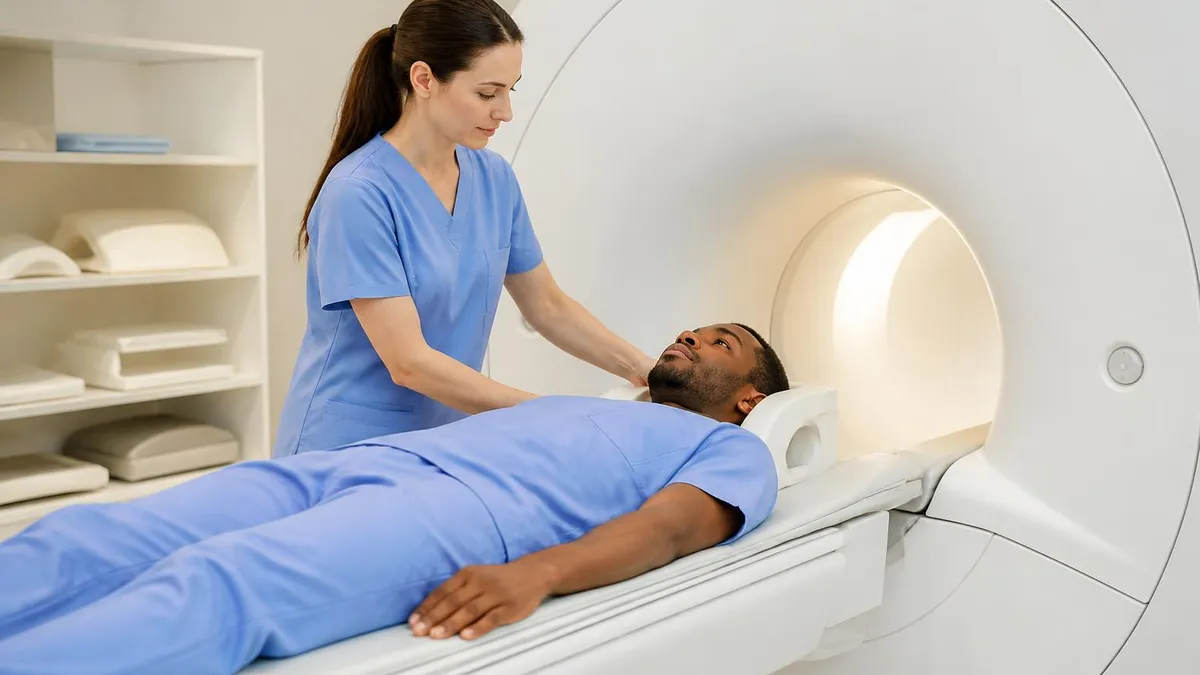
Reactions to MRI Contrast: From Common to Rare
Cold sensation at injection site (most common). Mild headache hours after scan. Brief nausea. Mild flushing or warmth. Brief metallic taste. Mild rash without other symptoms. These reactions typically resolve within hours without intervention. Drinking water helps clearance. Reporting symptoms to radiology staff produces documentation but typically no medical action needed.
More pronounced rash with itching. Sustained nausea or vomiting. Mild bronchospasm (wheezing). Brief dizziness. These reactions sometimes warrant antihistamine treatment or brief observation but typically resolve without lasting effects. Patients with such reactions may need pre-medication (steroids and antihistamines) before future contrast administrations.
Anaphylaxis with hypotension, severe bronchospasm, throat swelling. Requires immediate medical treatment with epinephrine, IV fluids, and supportive care. Imaging facilities have emergency response protocols and equipment. Outcomes generally good with prompt treatment. Patients with severe reactions typically should not receive contrast again.
Serious skin and organ fibrosis seen in patients with severe kidney disease (eGFR less than 30 mL/min/1.73 m²). Associated primarily with linear gadolinium agents administered in late 1990s-2000s. Onset days to months after contrast administration. Progressive skin thickening, joint contractures, organ involvement. Now rare since 2007 shift to macrocyclic agents plus pre-screening for kidney function.
Research since 2014 has detected gadolinium retention in brain tissue (dentate nucleus, globus pallidus) and other tissues after contrast administration, persisting for months to years. Particularly with linear agents. FDA issued safety warning in 2017. Clinical significance debated — no definitively proven harm has been demonstrated, but the retention is real. Macrocyclic agents show substantially less retention.
Contrast injection extravasation — leaking outside the vein into surrounding tissue. Causes pain, swelling, sometimes skin irritation. Usually self-resolves within days. Very rarely produces serious tissue injury. Imaging facilities monitor injection sites and stop infusion immediately if extravasation detected. Small amounts of contrast extravasation typically produce no lasting effects beyond brief discomfort and local swelling.
Nephrogenic Systemic Fibrosis (NSF): The Story
Nephrogenic Systemic Fibrosis emerged as a recognised contrast-related complication in the early 2000s, predominantly affecting patients with severe kidney disease who received gadolinium-based contrast agents. The condition produces progressive skin thickening, joint contractures limiting mobility, and sometimes involvement of internal organs including heart and lungs. Onset varies from days to months after contrast exposure. Some cases progress to severe disability or death.
The connection between NSF and gadolinium contrast was established through epidemiological and clinical research between 2006-2008. Linear gadolinium agents (Omniscan, Optimark, Magnevist) were associated with substantially higher NSF risk than macrocyclic agents. The mechanism appears related to gadolinium being released from less-stable chelates in patients with impaired clearance, then triggering fibrotic tissue response. Macrocyclic agents bind gadolinium more tightly and pose substantially lower NSF risk.
The response to NSF discovery transformed MRI contrast practice. Linear agents were progressively restricted or withdrawn in many countries. Pre-screening for kidney function (estimated glomerular filtration rate, eGFR) became standard before contrast administration. Patients with eGFR less than 30 mL/min/1.73 m² are generally avoided for contrast unless the imaging is essential and no alternative exists. The combination of safer agents and proper pre-screening has made NSF exceedingly rare since 2007.
The NSF story illustrates how clinical safety surveillance produces meaningful protective changes. The condition was identified through clinical observation, investigated through research, traced to specific contrast agents, and addressed through both product changes and screening protocols. The timeline from initial reports (2000) to substantially reduced incidence (2007 onward) was rapid for medical safety responses. The collaborative response by clinicians, regulators, and manufacturers protected patients from a previously unrecognised risk while preserving access to needed imaging for the vast majority of patients.
MRI Contrast Agent Types
Dotarem (gadoterate meglumine), ProHance (gadoteridol), Gadavist (gadobutrol), Clariscan (gadoterate meglumine). Cage-like chelate structure binds gadolinium tightly with low dissociation rate. Substantially lower NSF risk than linear agents. Substantially less brain tissue retention than linear agents. Preferred for most contrast-enhanced MRI in current US and European practice.
Gadolinium Retention: The Ongoing Question
Research starting in 2014 demonstrated that small amounts of gadolinium persist in brain tissue and other organs for months to years after contrast administration. MRI imaging of the brain in patients who received multiple contrast-enhanced scans showed increased signal intensity in specific brain regions (dentate nucleus, globus pallidus) consistent with gadolinium deposits. Tissue samples from patients undergoing brain surgery confirmed actual gadolinium presence in brain tissue.
The FDA issued a Drug Safety Communication in 2017 acknowledging gadolinium retention. The warning required labelling updates for GBCAs but did not restrict their use, citing the absence of demonstrated clinical harm from the retention. The European Medicines Agency (EMA) took a more restrictive approach, suspending most linear gadolinium agents in 2017-2018 except for specific indications. The differing regulatory responses reflect different philosophies.
Current understanding: gadolinium retention is real, occurs more with linear than macrocyclic agents, accumulates with repeated exposures, but has not been definitively linked to specific health problems. Patients with histories of multiple contrast-enhanced MRIs may have measurable gadolinium in body tissues for years. Whether this produces any clinical effects remains under investigation. Patients with concerns can discuss alternatives with their ordering physicians.
Patient choice plays a meaningful role in decisions about contrast use. For patients particularly concerned about gadolinium retention, discussing alternatives with the ordering physician produces options. Some imaging questions can be addressed without contrast through alternative MRI sequences. Some can be addressed through alternative modalities (CT, ultrasound, nuclear medicine) that do not use gadolinium. Some require contrast for adequate diagnosis but can use macrocyclic agents with minimal retention. The choice is collaborative between patient preferences and medical necessity.
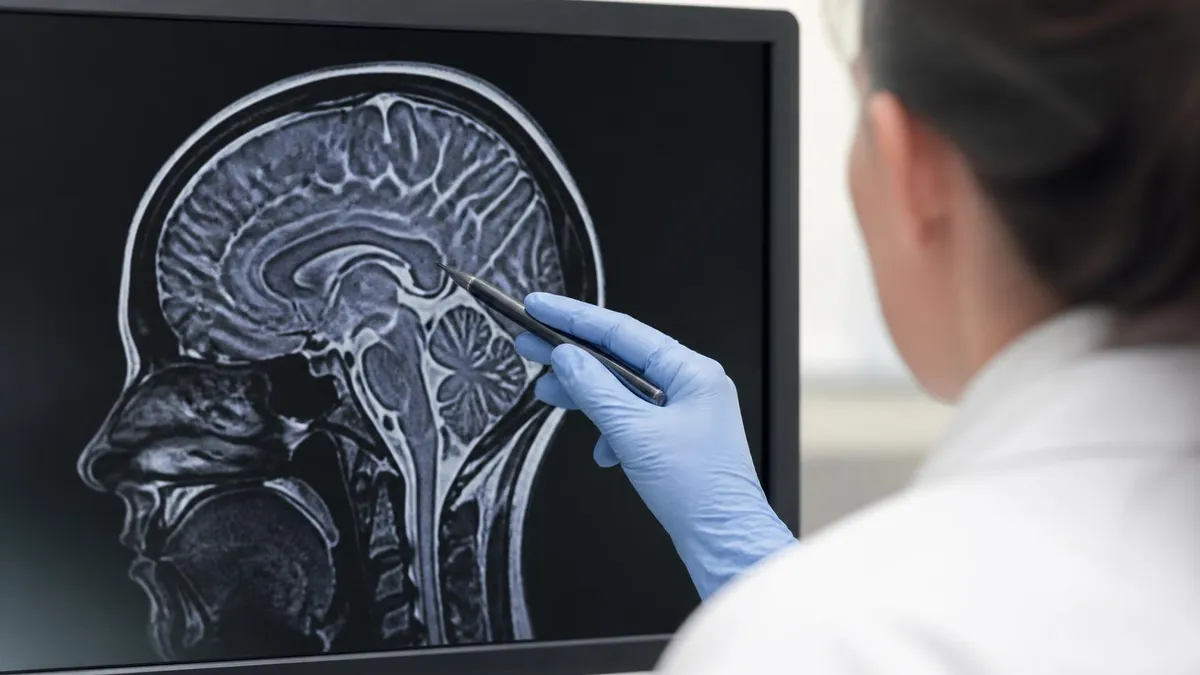
All patients receiving gadolinium contrast should have estimated glomerular filtration rate (eGFR) checked before administration. Patients with eGFR less than 30 mL/min/1.73 m² (severe kidney disease) generally should not receive gadolinium contrast except in genuine emergencies where the imaging is essential. Patients with eGFR 30-60 (moderate kidney disease) may receive contrast with adjusted dosing and use of macrocyclic agents specifically. The screening reduced NSF rates substantially after its introduction following NSF identification in mid-2000s. Most imaging facilities now require recent eGFR (typically within 30-90 days) before contrast scans. Patients with chronic kidney disease should ensure their referring physician and the imaging facility have current kidney function values.
Pre-Contrast Screening and Preparation
Before any contrast-enhanced MRI, several screening questions assess safety. Kidney function (eGFR) check is standard — typically within 30-90 days of the scan. Allergy history matters — any prior contrast reactions or significant allergies inform decisions about pre-medication or alternative imaging. Pregnancy status affects contrast use — contrast is generally avoided in pregnancy except when imaging is essential and benefits clearly outweigh theoretical risks.
Patient preparation is minimal compared to many other medical procedures. No fasting is required for most contrast MRI scans. Normal daily medications should continue. Hydration is encouraged — drinking water before the scan supports kidney function and contrast clearance. Comfortable clothing without metal helps with MRI safety generally. Removing makeup containing metals reduces image artifact for facial or brain imaging.
The contrast injection itself takes seconds to a few minutes. A small needle is placed in an arm vein. Contrast is injected over several seconds — either manually by the technologist or through an automated injector for precise timing. The cold sensation many patients experience is the contrast at room temperature flowing into warm bloodstream. After injection, the scan continues for the specific sequences requiring contrast enhancement. Total additional time beyond non-contrast portion is typically 5-15 minutes depending on what sequences are needed.
Some patients have anxiety about the injection itself even when the contrast safety profile is excellent. Strategies that help: ask the technologist about what to expect step by step, request a moment of quiet before injection begins, focus on breathing during the injection, use distraction techniques like counting or visualisation. Phobic patients sometimes benefit from oral anxiolytics taken before the scan; this requires physician prescription and arrangement for someone to drive home after. The technical procedure is simple but the experience can feel substantial for anxious patients.
Before Your Contrast-Enhanced MRI
- ✓Inform the ordering physician of any prior contrast reactions
- ✓Confirm eGFR (kidney function) has been checked within 30-90 days
- ✓Disclose pregnancy status if applicable
- ✓List all current medications including over-the-counter
- ✓Hydrate well in the 24 hours before the scan
- ✓Continue normal medications unless instructed otherwise
- ✓Arrive 15-30 minutes early for screening and preparation
- ✓Wear comfortable clothing without metal
- ✓Remove makeup, jewelry, body piercings before scan
- ✓After scan: drink water to support contrast clearance
- ✓Report any unusual symptoms after the scan to your physician
Special Populations and Contrast Use
Pregnant women generally avoid gadolinium contrast unless the imaging is genuinely essential. Studies have shown no clear harm from contrast exposure during pregnancy, but the data is limited and the precautionary principle favours avoidance when possible. For pregnant women requiring MRI for medical necessity, non-contrast techniques are used when adequate; contrast is used only when essential and no alternative exists.
Children receive gadolinium contrast for various pediatric indications with weight-based dosing. The same agents used in adults are used in children. Pre-screening for kidney function applies, though pediatric kidney function differs from adult and pediatric-specific eGFR formulas exist. Gadolinium retention is a particular concern in children because they have potentially many decades of life ahead during which accumulated gadolinium could matter. Pediatric imaging programs increasingly use macrocyclic agents specifically and consider non-contrast alternatives when clinical question allows.
Elderly patients are screened thoroughly because kidney function commonly declines with age. The eGFR cutoff of 30 mL/min/1.73 m² often produces difficult decisions in patients who have ongoing imaging needs. Some elderly patients with chronic kidney disease have repeated MRI needs for cancer surveillance, vascular evaluation, or other indications. Balancing diagnostic information against contrast risks requires individualised decision making with patient input on benefit-risk preferences.
Patients with multiple chronic conditions face complex decisions about contrast use. Cancer patients needing repeated MRI surveillance over years accumulate gadolinium exposures that prompt consideration of cumulative retention. Multiple sclerosis patients receiving regular contrast-enhanced MRIs face similar considerations. Patients with multiple medical cos where MRI is repeatedly needed have ongoing benefit-risk conversations with their care teams. The decisions evolve as scientific understanding develops and as individual patients' clinical situations change over time.
When MRI Without Contrast Is Sufficient
Many MRI indications can be addressed without contrast. Brain MRI for headache evaluation, basic anatomy assessment, or some chronic conditions can be done without contrast. Spine MRI for disc disease and degenerative changes typically does not require contrast. Joint MRI for routine knee, shoulder, or hip imaging often does not require contrast. Cardiac MRI for functional assessment can be done with cine sequences without contrast though many cardiac MRIs include contrast for tissue characterisation. The clinical question determines whether contrast adds diagnostic value justifying its use.
For specific clinical questions where contrast is essential, the value substantially outweighs the small risks for most patients. Brain tumor characterisation, multiple sclerosis lesion identification, infection evaluation, vascular imaging, and many oncological staging studies all benefit substantially from contrast enhancement. The decision to use or not use contrast is made by the ordering physician in consultation with the radiologist based on the specific question being asked.
Sometimes contrast and non-contrast scans are both done — initially without contrast, then with contrast for specific additional sequences. The combined approach maximises diagnostic information when the clinical question warrants. Total scan time extends but the diagnostic value can be substantial. Some indications specifically benefit from this combined approach because the comparison between pre-contrast and post-contrast images reveals patterns invisible in either alone. The protocol decision is made by the radiologist based on the specific imaging question.
MRI Contrast Side Effects Numbers
Common Questions Patients Ask About MRI Contrast
Probably not. Most patients experience no significant side effects. Mild reactions (cold sensation, brief headache, mild nausea) occur in 1-2% of patients and resolve quickly. Severe allergic reactions occur in approximately 0.04% (4 per 10,000) and are managed by imaging facility emergency protocols. Most patients tolerate contrast administration without difficulty.
Not in patients with normal kidney function. The kidneys excrete contrast efficiently within 24-48 hours. Patients with severely impaired kidney function (eGFR less than 30) face Nephrogenic Systemic Fibrosis risk and generally should avoid gadolinium contrast except in emergencies. Modern screening for kidney function before contrast administration has made NSF exceedingly rare since 2007.
The retention is real but not definitively linked to specific health problems. Macrocyclic agents (Dotarem, ProHance, Gadavist) retain substantially less than linear agents. Patients with multiple contrast-enhanced MRIs may have measurable gadolinium in body tissues for years. The FDA acknowledged the retention in 2017 but did not restrict use citing absence of proven harm.
Generally avoided unless essential. Studies have shown no clear harm but data is limited. The precautionary principle favours avoiding contrast during pregnancy when possible. For pregnant women requiring MRI for medical necessity, non-contrast techniques are used when adequate. Contrast is reserved for situations where it is essential and no alternative exists.
Reporting Side Effects After Your Scan
Mild side effects from MRI contrast typically resolve within hours and do not require medical attention. Persistent or unusual symptoms warrant communication with your physician. Symptoms to report: severe headache lasting more than 24 hours, persistent nausea or vomiting, rash that spreads or persists, breathing difficulty, swelling, skin discoloration, or any symptom that concerns you. Most reports of post-contrast symptoms result in reassurance after evaluation, but the documentation matters in case patterns emerge or future imaging decisions need adjustment based on your specific reaction history.
Reporting to the FDA's MedWatch program documents adverse events for safety surveillance. Patients and physicians can submit reports through the FDA's safety reporting system. The reports contribute to ongoing safety monitoring of all medical products including MRI contrast agents. Most individual reports do not produce immediate action but the aggregate data helps regulators identify safety signals warranting investigation. The reporting is voluntary but valuable for collective safety monitoring of medical products.
Documentation of contrast reactions matters for both individual patient care and broader safety surveillance. Each reaction reported to the FDA's MedWatch program contributes to the aggregate data used by regulators to identify patterns and safety signals. Many of the regulatory changes affecting contrast use over recent decades originated from patient reports of unusual reactions that prompted further investigation. The voluntary nature of reporting means much actual adverse events go unreported; encouraging documentation of unusual reactions helps the safety system function properly.
Contrast MRI: Honest Risk-Benefit Assessment
- +Substantially improved diagnostic accuracy for many indications
- +Modern macrocyclic agents have excellent safety profile
- +Rare serious reactions (0.04%) compared to procedure benefits
- +Pre-screening for kidney function reduces NSF risk to negligible
- +Most patients experience no significant side effects
- +Contrast information sometimes prevents invasive procedures
- +Cumulative experience from millions of administrations supports safety
- −Gadolinium retention in tissues now documented despite no proven harm
- −Severe allergic reactions occur rarely but can be serious
- −NSF historically occurred in patients with severe kidney disease
- −Pregnancy contraindication limits use in pregnant patients
- −Cumulative gadolinium accumulates with repeated MRIs over time
- −Some patients experience temporary mild side effects
- −Adds time and cost to MRI procedure
MRI Questions and Answers
About the Author

Medical Laboratory Scientist & Clinical Certification Expert
Johns Hopkins UniversityDr. Sandra Kim holds a PhD in Clinical Laboratory Science from Johns Hopkins University and is certified as a Medical Technologist (MT) and Medical Laboratory Scientist (MLS) through ASCP. With 16 years of clinical laboratory experience spanning hematology, microbiology, and molecular diagnostics, she prepares candidates for ASCP board exams, MLT, MLS, and specialist certification tests.
Join the Discussion
Connect with other students preparing for this exam. Share tips, ask questions, and get advice from people who have been there.
View discussion (8 replies)